

Top attractions

Why combine the POIs?

Short transfer

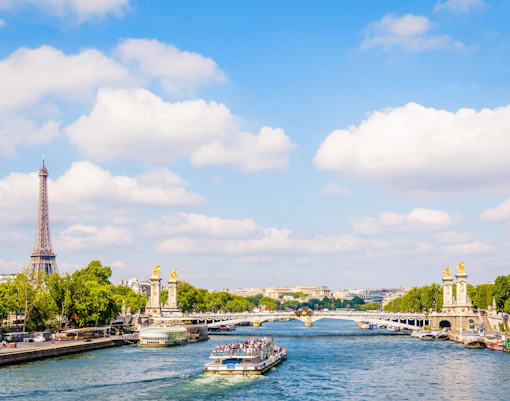
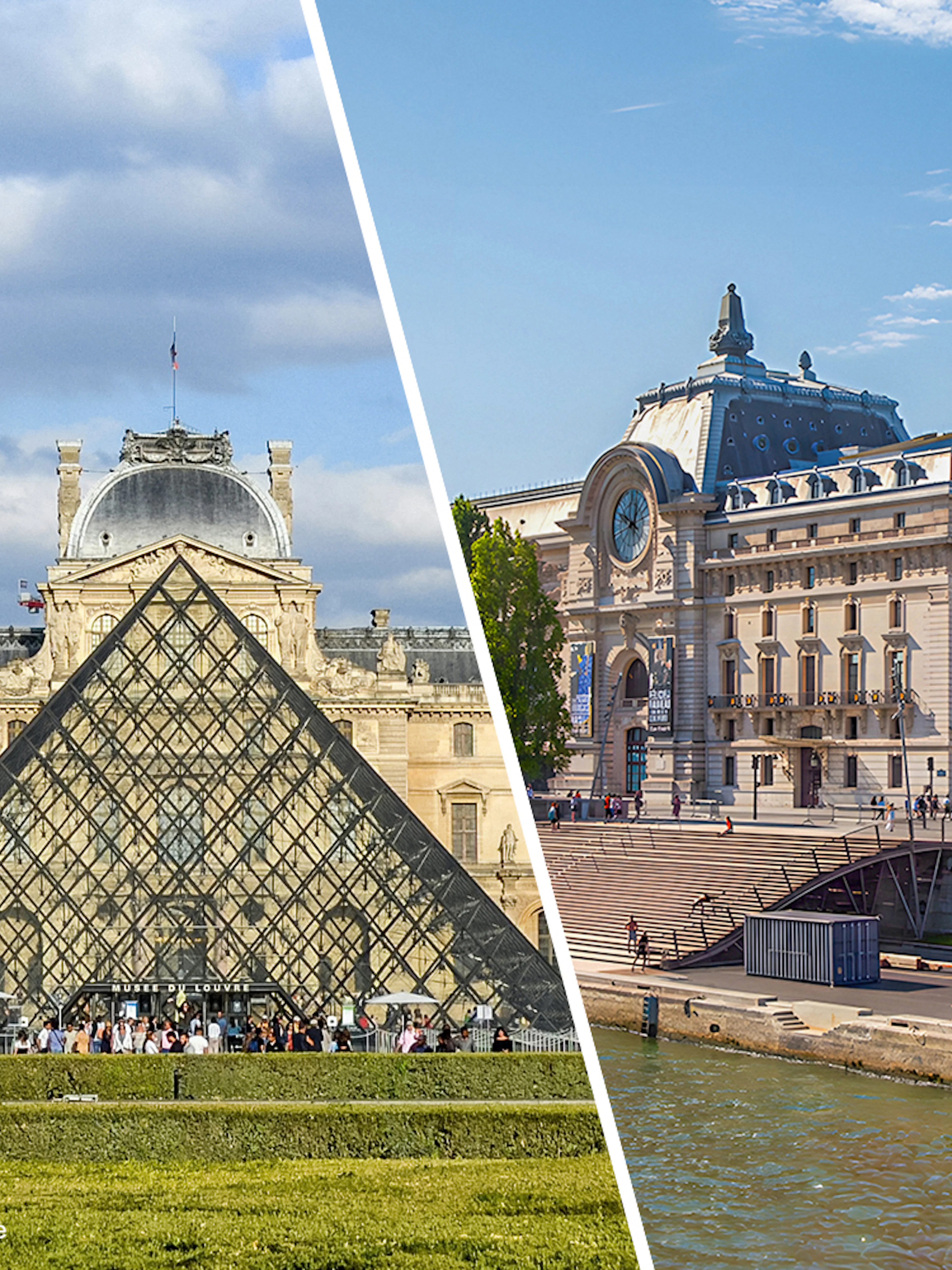
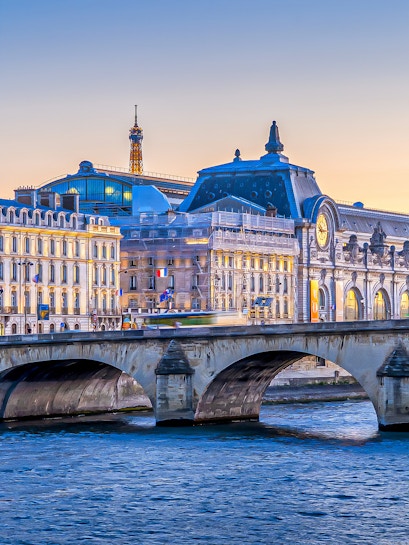
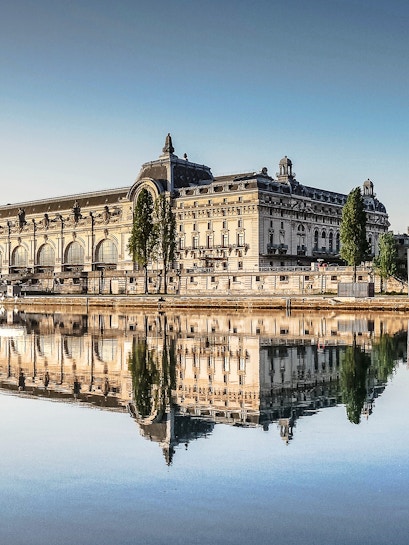
The two museums sit on opposite sides of the Seine, linked by Pont Royal. That quick transfer keeps your day flowing and makes a same-day art pairing feel realistic, not rushed.

Better contrast

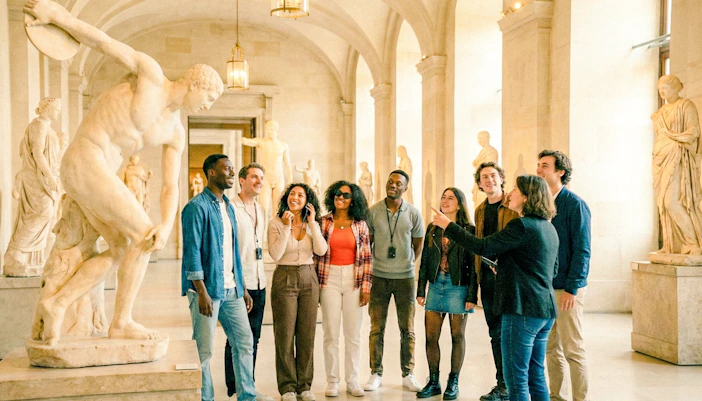
The Louvre gives you ancient art, sculpture, and Renaissance icons; Musée d’Orsay picks up with Impressionism and Post-Impressionism. Together, they show how European art changed, not just what it looked like.

Better value

If both museums are already on your Paris list, the audio-guide combo can save 14% compared with booking comparable inclusions separately. That’s a practical win, not just a marketing line.

Less planning

Timed Louvre entry is the part most likely to shape your day. Booking both together reduces split scheduling, duplicate checkouts, and the risk of building your afternoon around a sold-out slot.

Deeper context

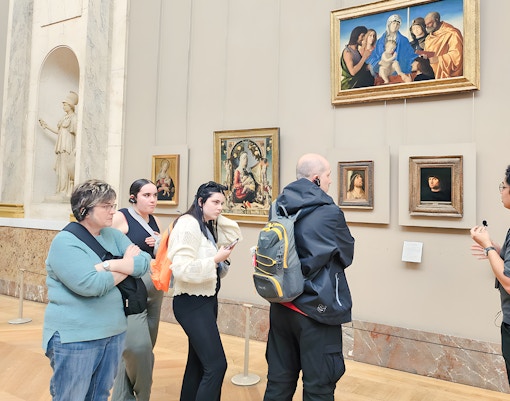
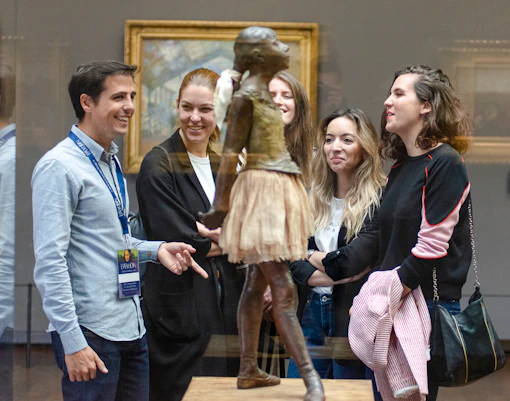
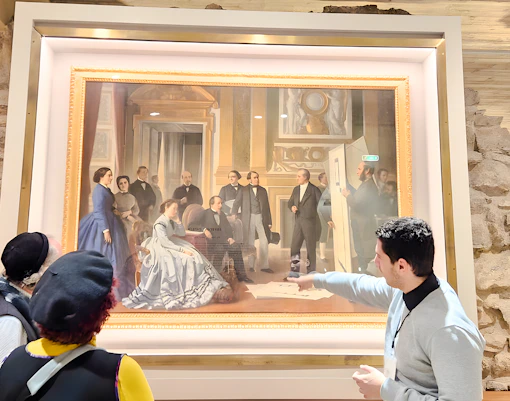
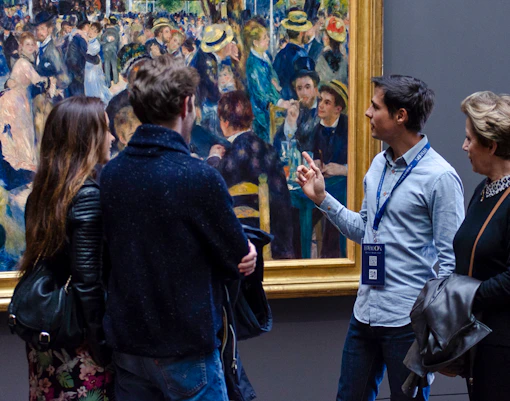
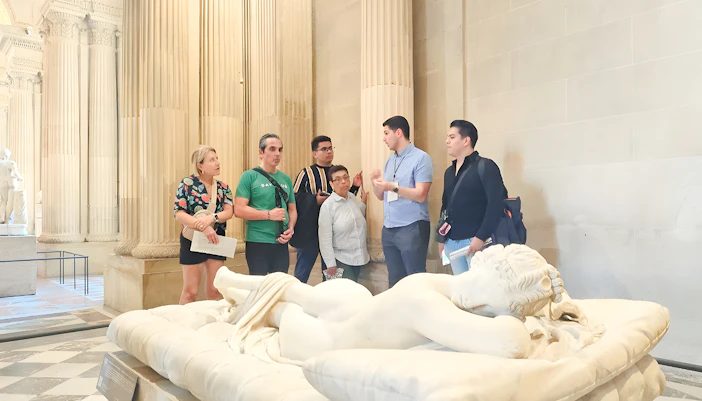
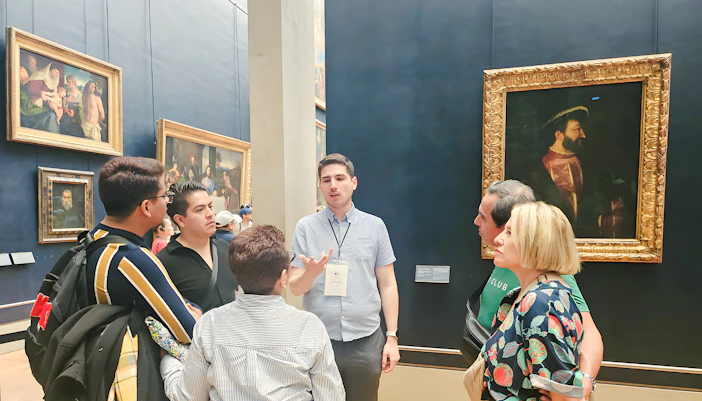
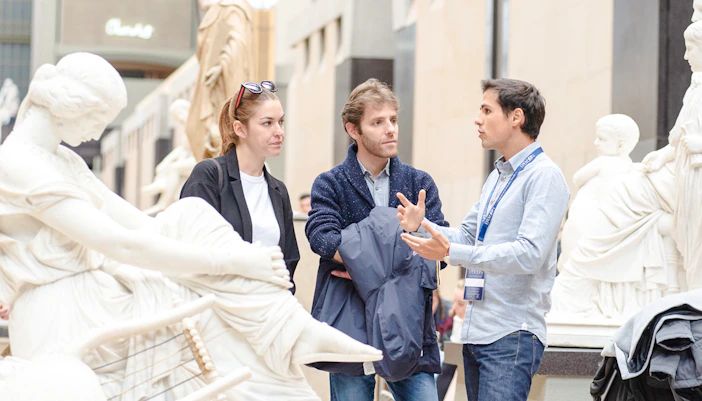
The semi-private guided combo turns two museum visits into one connected story. Instead of two separate audio tracks, you get expert commentary that explains how styles evolved across centuries.

The best ways to explore both

AspectSeparate TicketsCombo Tours

Cost

Louvre from €22, plus a second museum ticket and any audio or guide extras.

The audio-guide combo saves 14%; the guided combo costs more, but adds expert interpretation across both museums.

Availability

You must track two inventories, and popular Louvre slots disappear first.

One booking secures both museums in a cleaner plan.

Timeslots

Matching Louvre entry, Orsay access, and lunch takes extra work.

The guided combo already sequences the day.

Convenience

Two purchases, two policies, and separate entry instructions.

One confirmation keeps logistics simpler.

Flexibility

Better for different dates or a shorter second museum stop.

Best when you want structure and less decision fatigue.

Best for

Visitors splitting the museums across separate days.

Visitors fitting both museums into one focused art day.

Making the most of your experience

Plan your day: Give the Louvre 2.5–3 hours, break for lunch near the Tuileries or Rue de Lille, then walk 10–15 minutes to Orsay. Total time: about 6–7 hours.

Choose your format: The audio-guide combo suits independent pacing; the semi-private guided tour adds 2.5-hour guided visits in both museums with a lunch break between them.

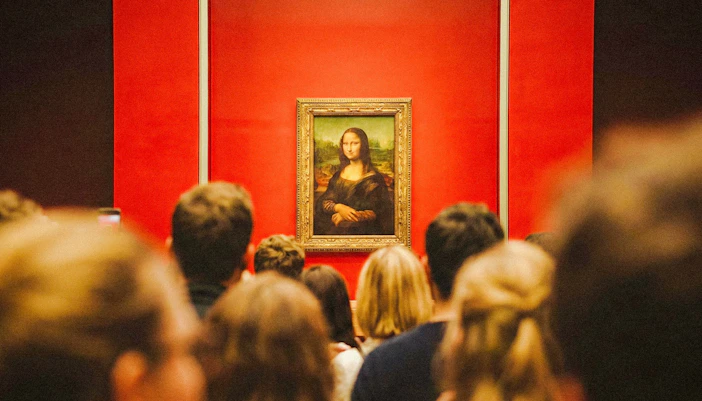
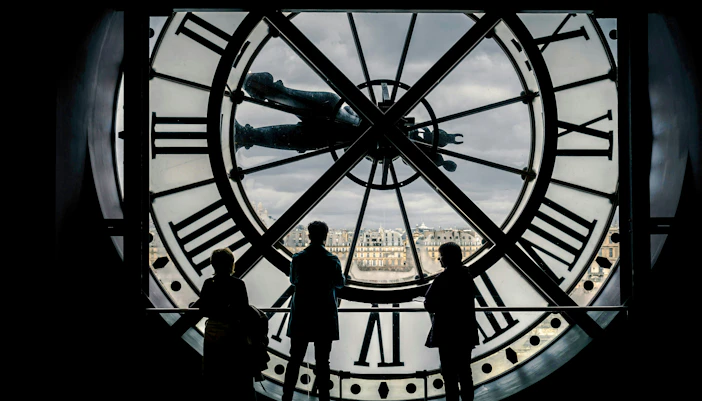
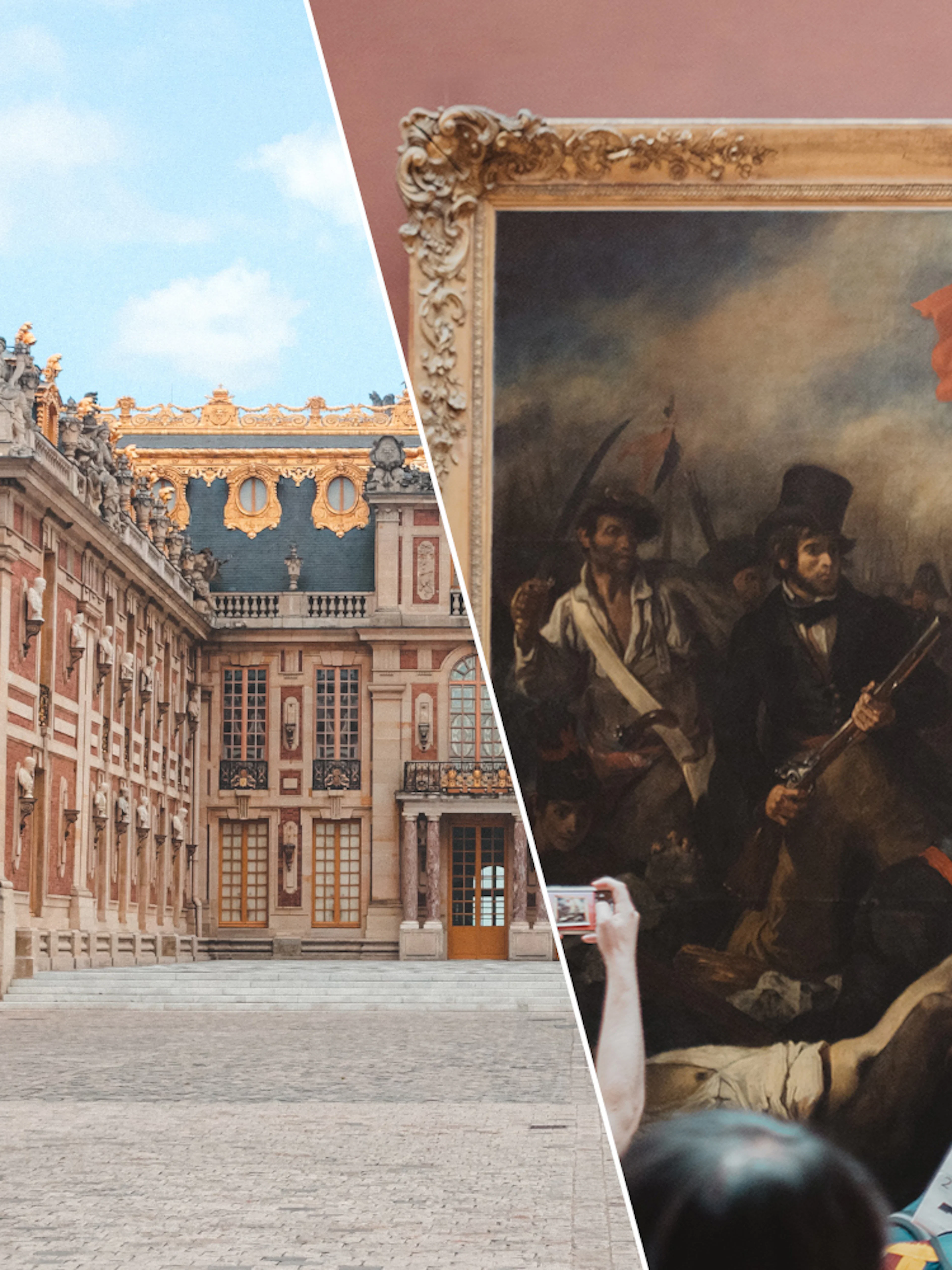
Highlights covered: See the Mona Lisa, Venus de Milo, and Winged Victory at the Louvre, then Monet, Van Gogh, Degas, and Orsay’s great clock-view galleries afterward.

Louvre Museum: Usually open 9am–6pm on Monday, Thursday, Saturday, and Sunday, with late hours to 9pm on Wednesday and Friday; closed Tuesday.

Musée d’Orsay: Usually open 9:30am–6pm Tuesday–Sunday, with late hours to 9:45pm on Thursday; closed Monday.

Start at the Louvre: Early Louvre entry helps you handle the bigger museum before fatigue sets in and before the busiest Mona Lisa wave builds.

Move to Orsay after lunch: Orsay is more compact, so a 2–2.5-hour afternoon visit feels realistic after the Louvre.

Use evening openings smartly: Wednesday or Friday at the Louvre, and Thursday at Orsay, make this combo feel much less compressed.

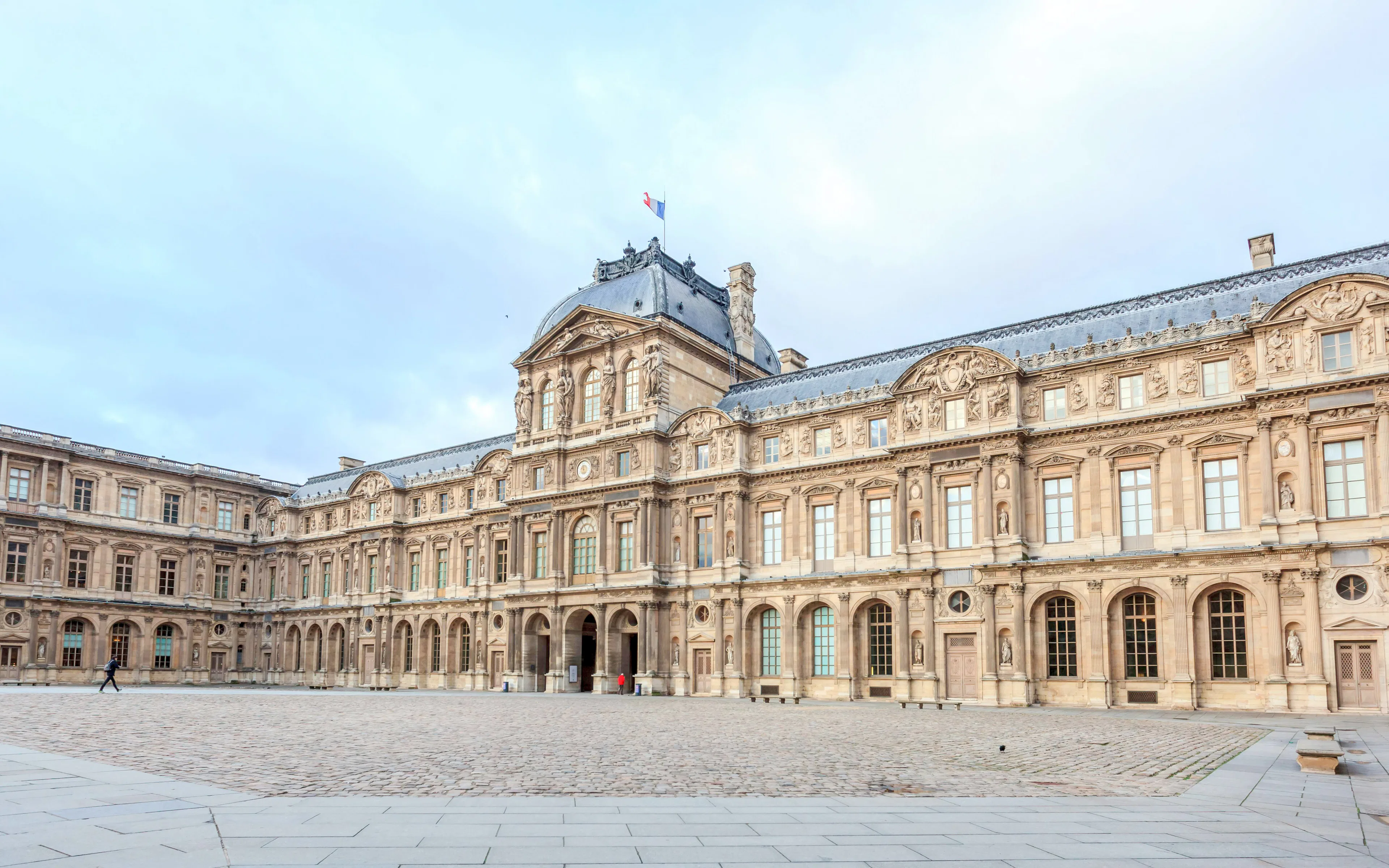
Location context: The Louvre sits on the Right Bank in the 1st arrondissement; Musée d’Orsay is directly across the Seine in the 7th, making this one of Paris’s easiest museum pairings.

Louvre Museum: [Rue de Rivoli, 75001 Paris, France] | Find on Maps

Musée d’Orsay: [Esplanade Valéry Giscard d’Estaing, 75007 Paris, France] | Find on Maps

Walk: The simplest transfer is 10–15 minutes via Pont Royal and the riverfront quays.

Metro and bus: Walking is usually faster, but Line 1 around Palais Royal–Musée du Louvre and Bus 68 can help in bad weather.

Car: Central parking is available near Carrousel du Louvre, but traffic and garage rates make walking or public transport the easier choice.

Louvre Museum: Wheelchair and stroller accessible; guide dogs are welcome.

Musée d’Orsay: Wheelchair-accessible, with wheelchairs available against an ID and a free cloakroom.

Wheelchair rental: Orsay offers on-site wheelchairs; confirm any extra Louvre assistance details on your ticket page.

Sensory-friendly: Late-opening evenings are usually calmer than peak midday rooms.

Service animals: Guide dogs are accepted at both museums.

  • Do the story in order: Start with the Louvre for classical foundations, then move to Orsay to see how Impressionists broke away from them.
  • Use Pont Royal: It’s the fastest transfer and gives you a clean Seine view between museum stops.
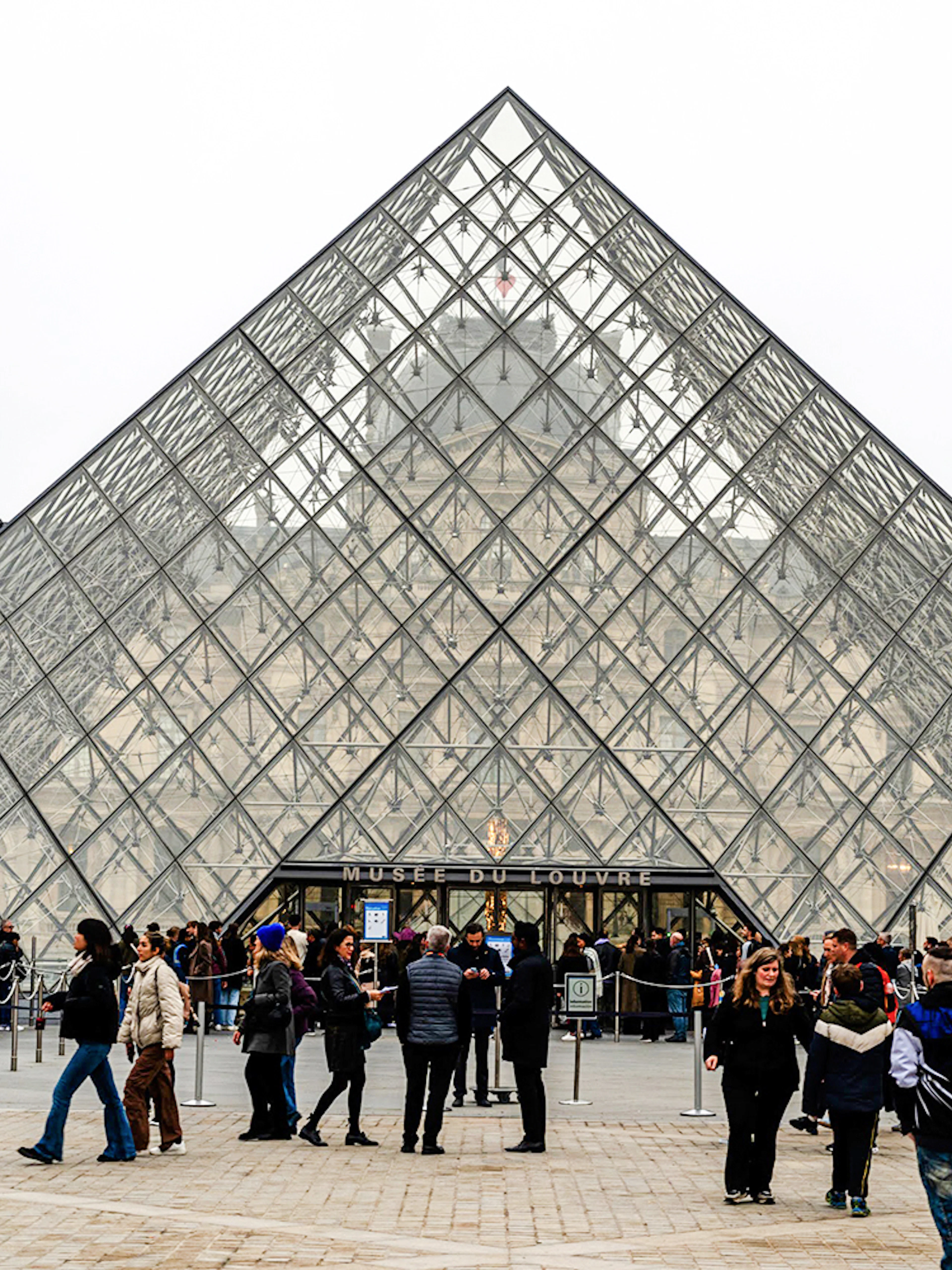
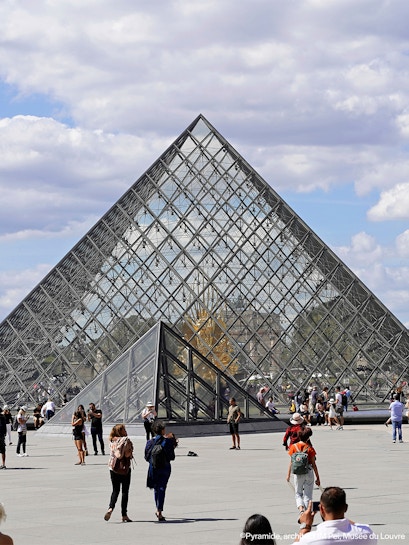
  • Time Pyramid photos carefully: Arrival and exit are better than midday, when the courtyard is most congested.
  • Pack lightly for the Louvre: Large bags aren’t allowed, and you can’t re-enter once you leave.
  • Keep both ticket formats ready: Some Louvre variants specify printed entry, while others work smoothly on your phone.
  • Pause before Orsay’s top floor: Monet and Van Gogh land better after a lunch reset than as a rushed add-on.
  • Use late hours strategically: Wednesday or Friday at the Louvre, or Thursday at Orsay, makes the combo feel much more relaxed.

Frequently asked questions

You can visit them separately, but a combo is easier if both are already on your list. It reduces checkout friction and can unlock bundled savings or guiding.

More reads

Louvre Museum Reserved Access Tickets

Louvre Museum + Orsay Museum Semi-Private Guided Tour

Paris Museum Pass: Access to 50+ Museums

Combo (Save 9%): Orangerie Museum + Louvre Museum With Audio Guide