‌‌‌‌
‌

Inside Louvre Museum: What to see & where to find it

TL;DR: What to know about the Louvre’s interior

  • Layout: The Louvre is divided into three main wings — Denon, Sully, and Richelieu — spread across multiple levels.
  • For the famous works: Start with the Denon Wing for the Mona Lisa, Winged Victory of Samothrace, Italian paintings, and major French works.
  • For ancient civilizations: Head to Sully for Egyptian antiquities, Greek and Roman collections, and remains of the medieval Louvre.
  • For quieter galleries: Explore Richelieu for French sculpture, decorative arts, Northern European paintings, and the Napoleon III Apartments.
  • Best strategy: Don’t try to cover everything. Pick a wing, collection, or visitor trail based on what you most want to see; the page includes routes ranging from masterpieces to Egyptian antiquities and Louvre history.
  • Navigation tip: Pick up a museum map under the Pyramid before starting so you can plot your must-sees and avoid unnecessary backtracking.

What to see on each floor of the Louvre Museum
Louvre Museum

Level -2

This level serves as an entry point and features introductory exhibits. It also features the museum shops, bookstores, and the Richelieu and Carrousel du Louvre entrances.

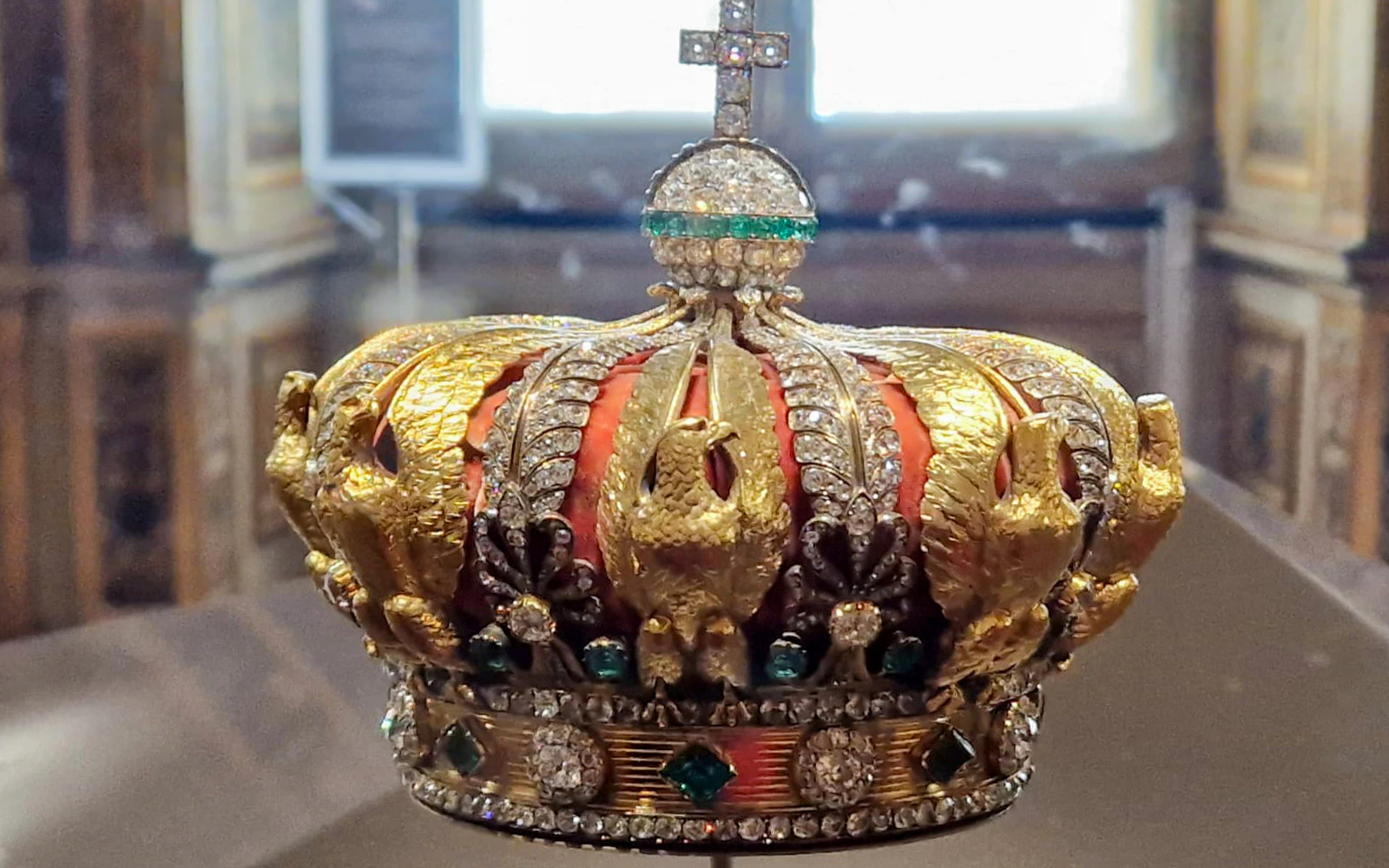
French Crown Jewels display at Louvre Museum, Paris with visitors observing the collection.
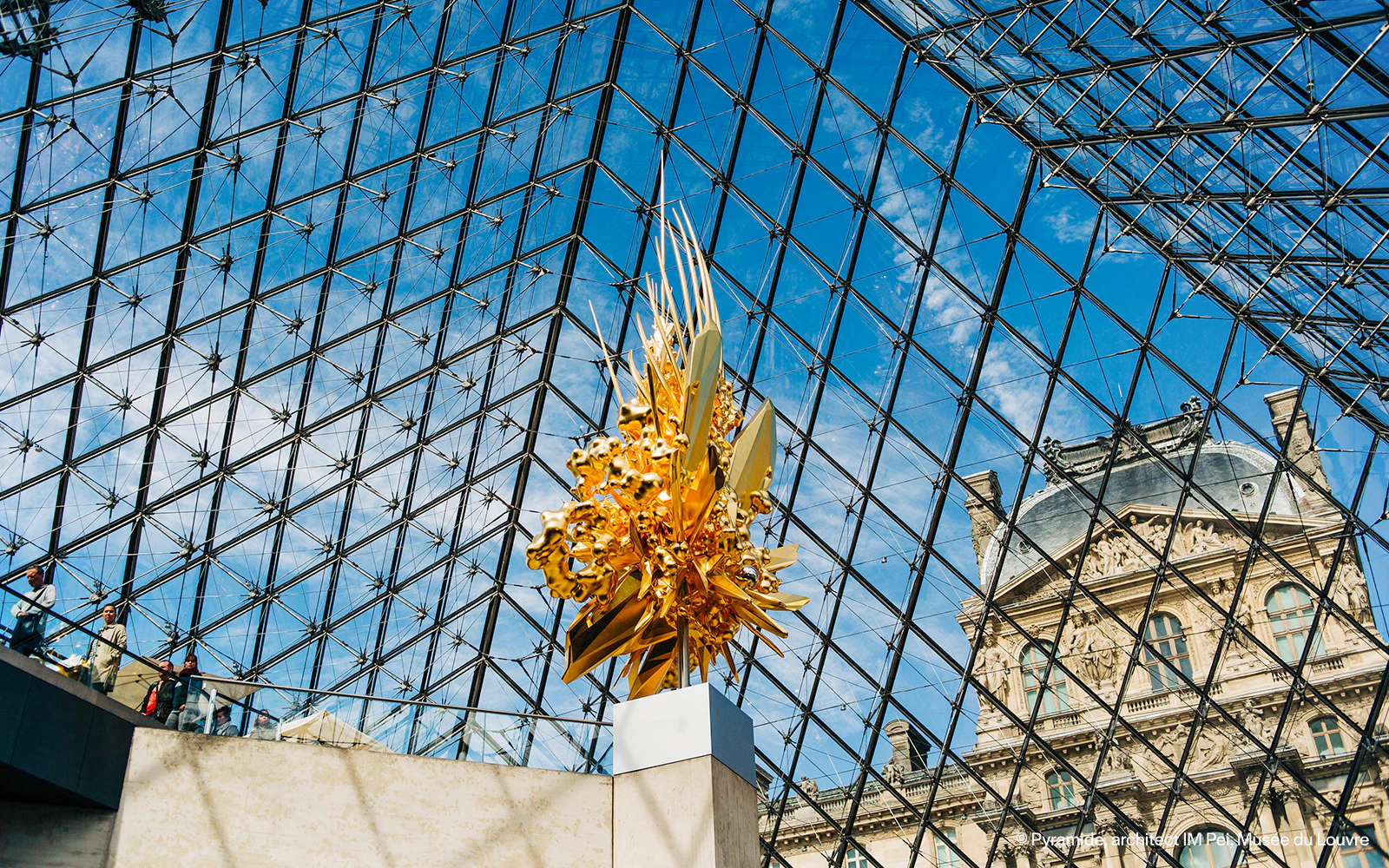
Golden art piece under Louvre Pyramid, Paris
Louvre Museum
Louvre Museum

Inside the Louvre Museum: Level -2
Richelieu entrances

  • Location: This entrance is found under the Richelieu Wing of the Louvre and is primarily used by visitors with prior reservations or group tours.
  • Access: It is a quieter alternative to the main Pyramid entrance, providing a more streamlined entry, especially during peak times.
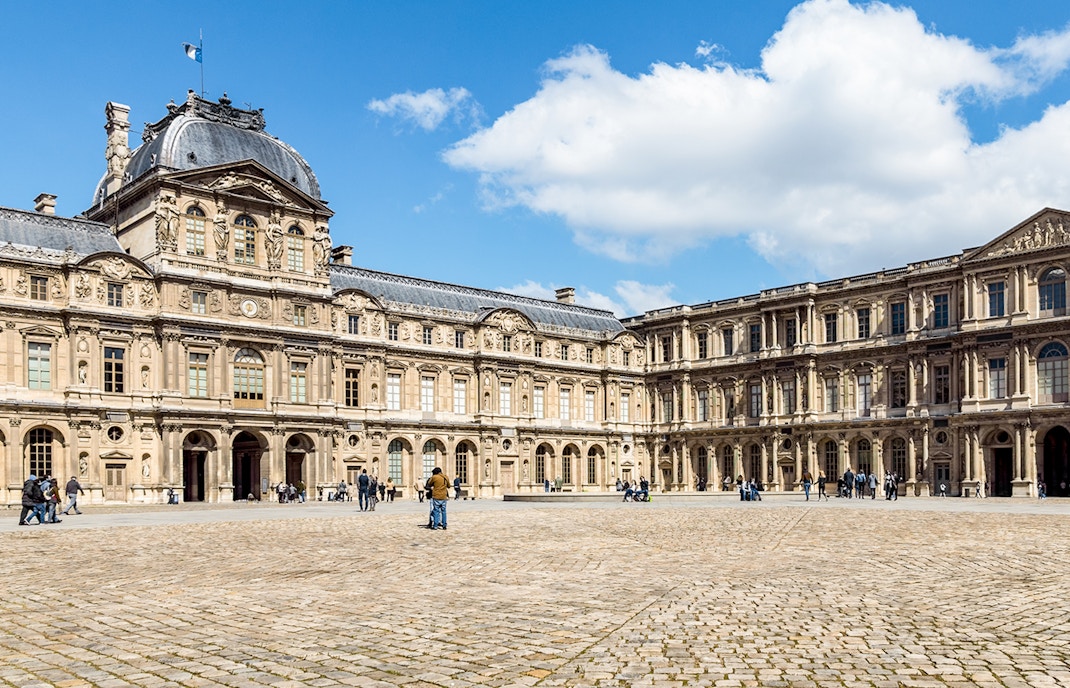
  • Features: This walkway leads directly to the interior courtyard of the Richelieu Wing. Visitors can access prominent sections like the sculpture courtyards (Cour Marly and Cour Puget) and galleries featuring French decorative arts and paintings.

Carrousel du Louvre entrance

  • Location: This entrance is beneath the museum in the underground shopping complex known as the Carrousel du Louvre.
  • Access: Located at 99 Rue de Rivoli, this entrance connects directly to the Palais Royal-Musée du Louvre Metro station. Visitors can reach the museum via the underground mall, which houses shops, restaurants, and amenities.
  • Features: The striking glass pyramid, known as the "Pyramide Inversée" (Inverted Pyramid), is a centerpiece of this area. This entrance offers a direct path to the museum's ticketing area and the main atrium, where visitors can choose which wing of the Louvre to explore (Richelieu, Sully, or Denon).
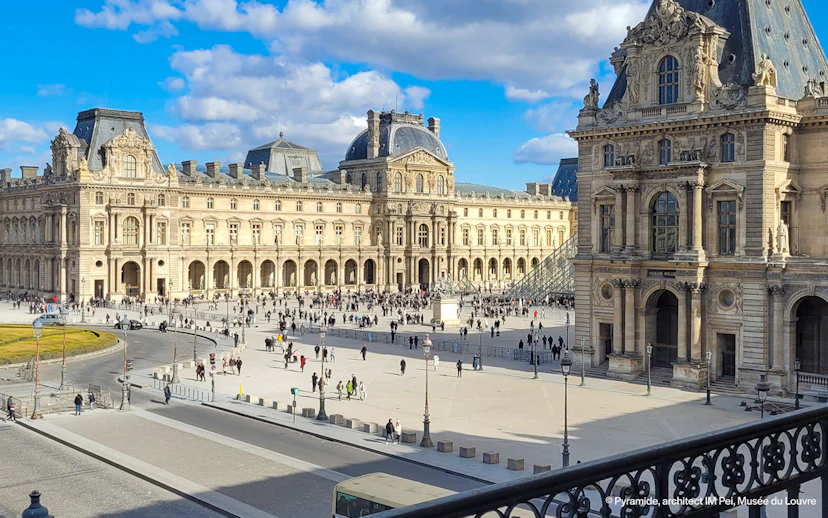
The Pyramid in all its glory

Inside the Louvre Museum: Level -1

Levels -1, 0, 1, and 2 are divided into 3 main wings. Read on further to see where the different artworks are displayed.

Richelieu Wing

  • Cour Marly and Cour Puget: Two stunning sculpture courtyards displaying French statues and decorative works from the 17th to 19th centuries.
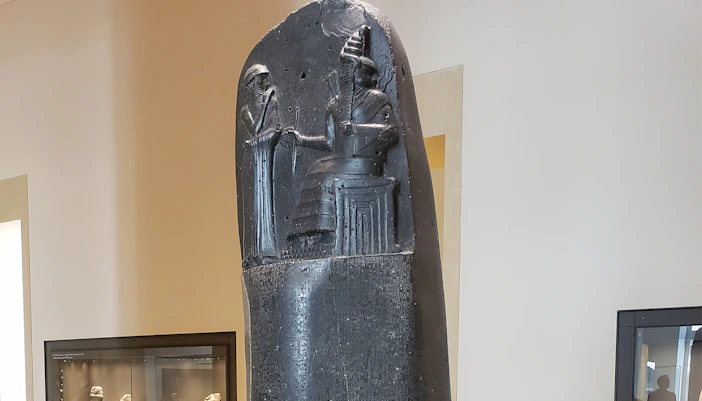
  • Near Eastern antiquities: Artifacts from Mesopotamia, Persia, and the Levant, showcasing some of the earliest civilizations. The Code of Hammurabi (on display in Sully Wing but connected thematically to this area) and Assyrian lamassu (winged human-headed bulls) can be found here.
  • Islamic art (partial access on this level): A remarkable collection of Islamic art spanning over 1,300 years.

Sully Wing

  • Medieval Louvre: Explore the Louvre's origins as a medieval fortress with remnants of its original moat and walls. The fortress foundations and an interactive display explaining the Louvre’s history are present here.
  • Ancient Egypt (start of the collection): This level introduces Egyptian artifacts, with a more extensive display on the upper levels.
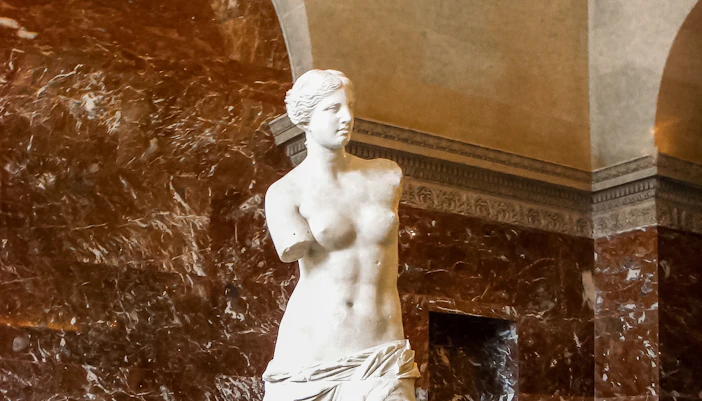
  • Greek, Etruscan, and Roman Antiquities (partial): Classical artifacts, including pottery, sculptures, and inscriptions. The section connects to famous works such as the Venus de Milo (on a different level).

Denon Wing

  • Roman antiquities: Features a collection of sculptures, inscriptions, and mosaics from ancient Rome.Some of the highlights include portraits of Roman emperors and decorative works.
  • African, Asian, Oceanian, and American Arts: This section includes artifacts from diverse non-Western cultures.Masks, totems, textiles, and ceremonial objects are part of this collection.
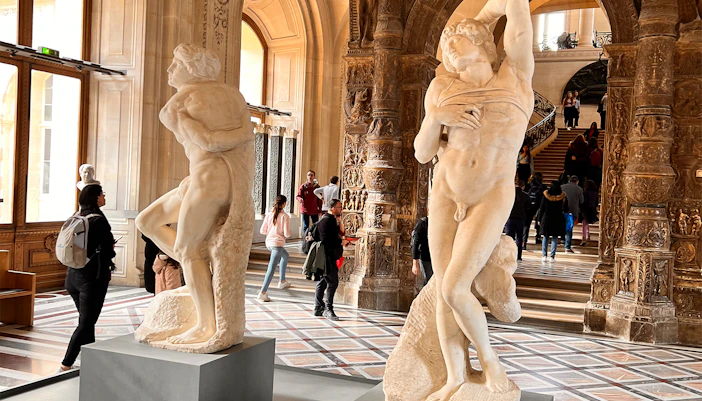
  • Sculptures from the Italian Renaissance: A selection of sculptures from Renaissance Italy, showcasing the artistic transition from medieval to modern art forms.Works by Michelangelo and other Italian masters are displayed here.

Inside the Louvre Museum: Level 0

Richelieu Wing
  • French sculptures: Explore French sculpture from the Renaissance to the 19th century, including works by Pierre Puget, Jean-Baptiste Carpeaux, and François Rude.
  • Cour Marly and Cour Puget: Continuing from Level -1, these naturally lit courtyards display monumental sculptures originally created for French royal gardens.
  • Near Eastern antiquities: Continue through collections from Mesopotamia, Persia, and the Levant, including ziggurat fragments, bas-reliefs, and ceremonial objects.
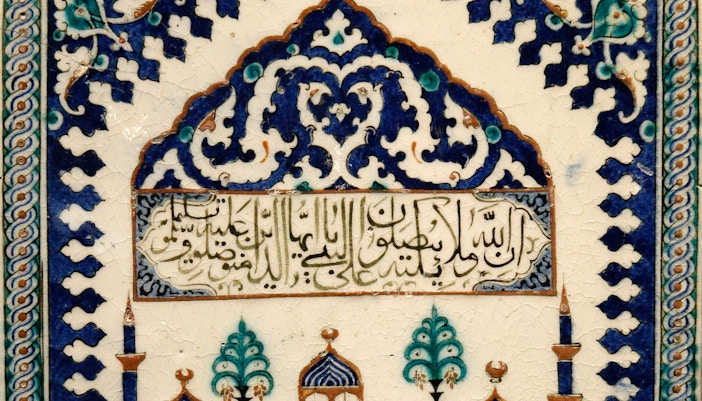
  • Islamic art: Discover calligraphy, ceramics, and architectural fragments displayed beneath a modern glass canopy.

Sully Wing

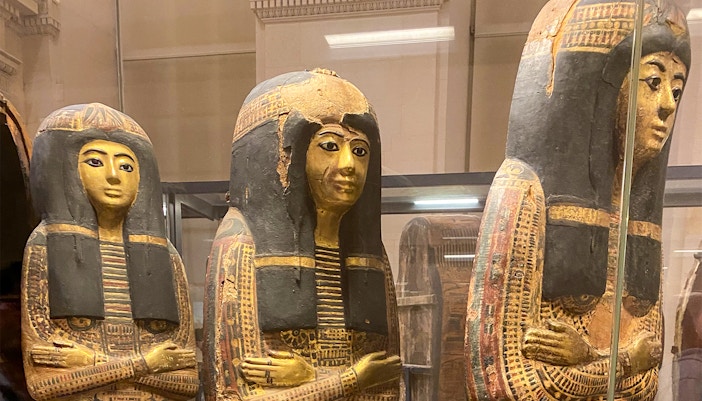
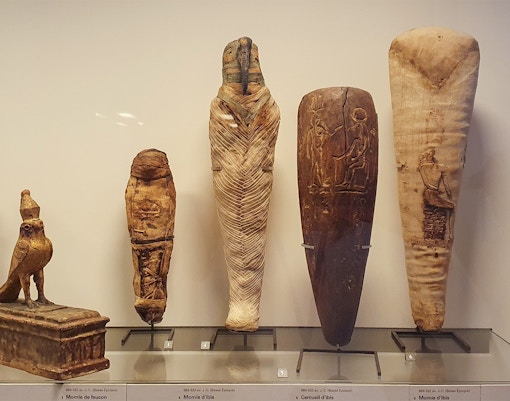
  • Ancient Egyptian antiquities: Explore everyday objects, statues, sarcophagi, temple carvings, and statues of pharaohs. Highlights include The Seated Scribe.
  • Greek, Etruscan, and Roman antiquities: See classical sculptures, decorative objects, marble statues, and mosaics. The Venus de Milo is displayed nearby on Level -1.
  • Medieval Louvre: Continue exploring remnants of the Louvre's original medieval fortress, including moat foundations and historical artifacts.

Denon Wing

  • Roman and Greek antiquities: Continue through the classical collection with sculptures and artifacts from ancient Rome and Greece, including depictions of gods and mythological figures.
  • Italian Renaissance sculptures: See Renaissance sculpture from Italy, including Michelangelo's Dying Slave and Rebellious Slave.
  • African, Asian, Oceanian, and American arts: Explore artworks and artifacts from cultures across Africa, Asia, Oceania, and the Americas, continuing from Level -1.

Inside the Louvre Museum: Level 1

Richelieu Wing
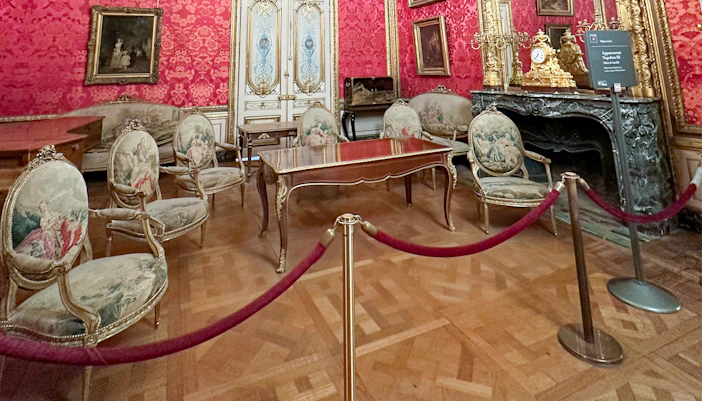
  • French decorative arts: Explore furniture, tapestries, ceramics, and decorative objects from the Middle Ages to the 19th century. The opulent Napoleon III Apartments are a highlight.
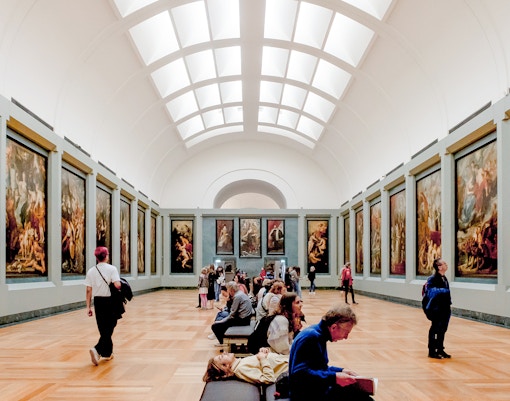
  • German, Flemish, and Dutch paintings: See Northern European works from the 15th to 17th centuries, including Rembrandt’s The Supper at Emmaus, Vermeer’s The Lacemaker, and Rubens’ Marie de’ Medici Cycle.
  • Northern European sculptures: Discover statues and ornamental works representing sculptural traditions from Germany, the Netherlands, and Belgium.

Sully Wing

  • Greek, Etruscan, and Roman antiquities: See smaller objects from classical antiquity, including mosaics, vases, coins, jewelry, and other artifacts.
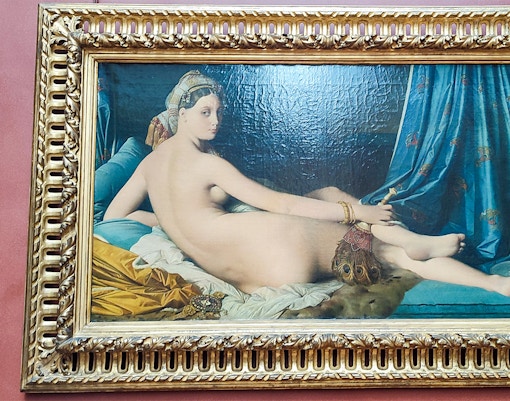
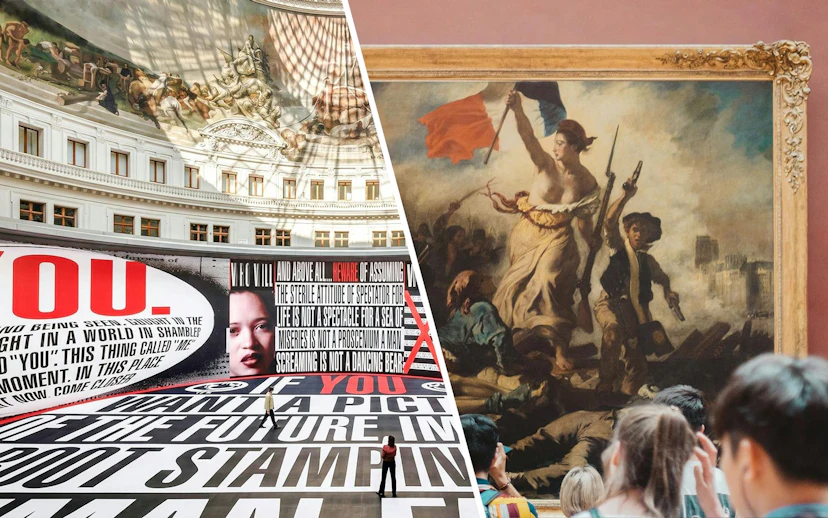
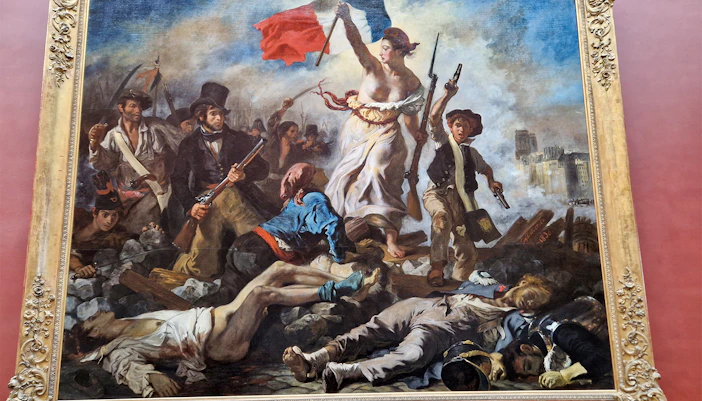
  • French paintings: Explore French art from the 15th to 19th centuries, including Poussin’s The Arcadian Shepherds, Liberty Leading the People by Delacroix, and Ingres’ The Turkish Bath.
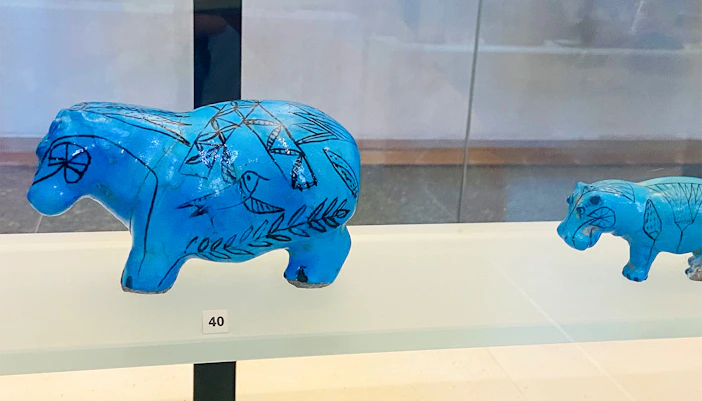
  • Ancient Egypt: Continue through the Egyptian collection with smaller objects exploring everyday life, religion, and rituals in ancient Egypt.
  • Salle des Sept-Cheminées: This grand hall serves as a transition between several galleries and features rotating displays and thematic exhibitions.

Denon Wing

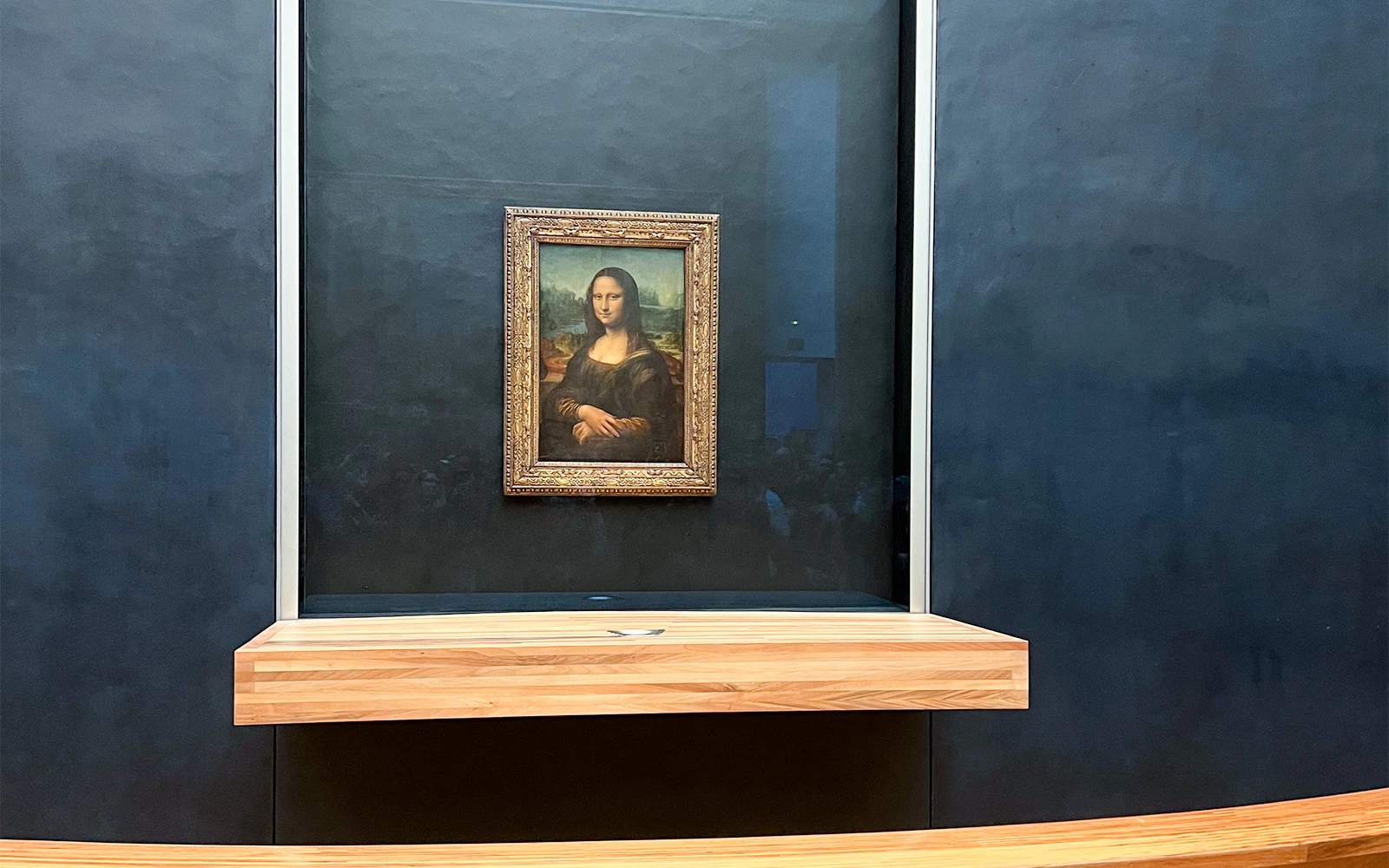
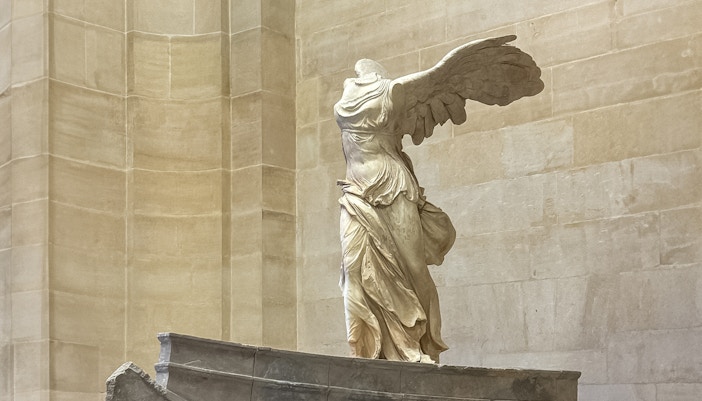
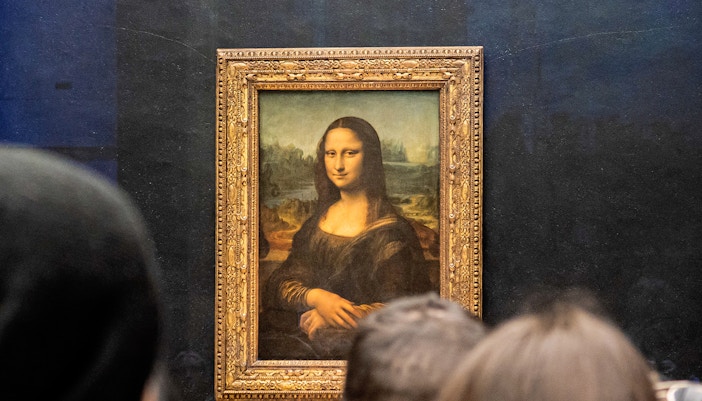
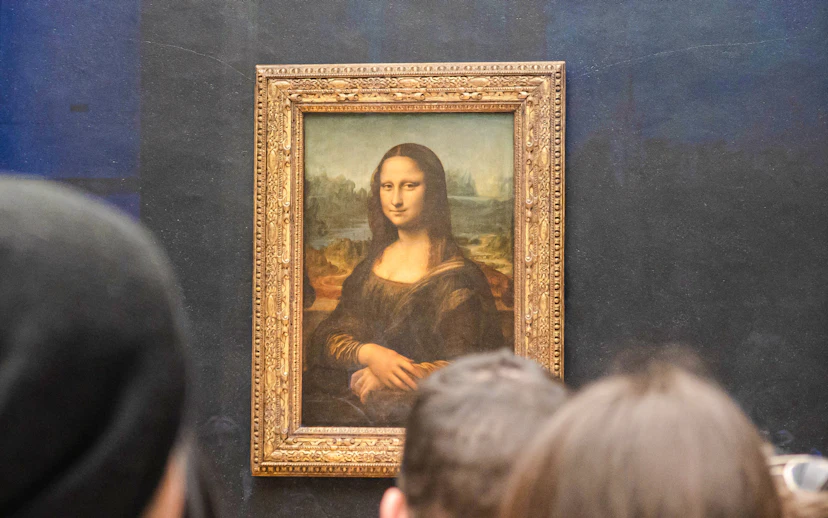
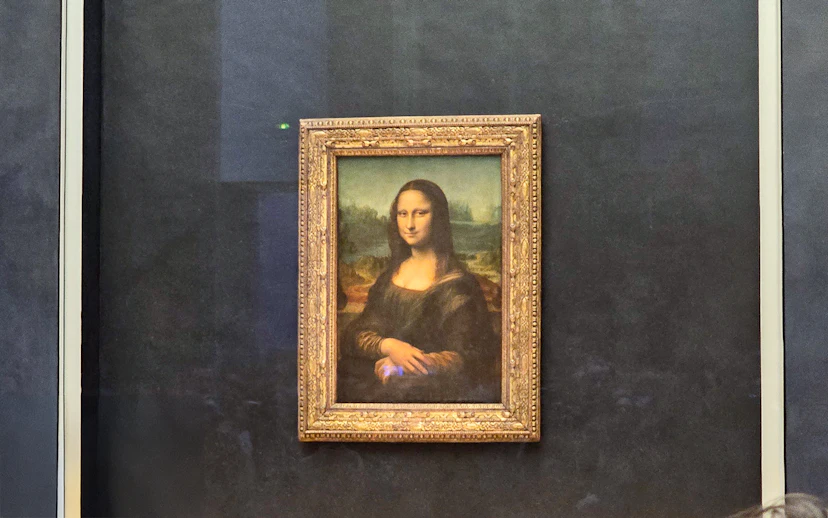
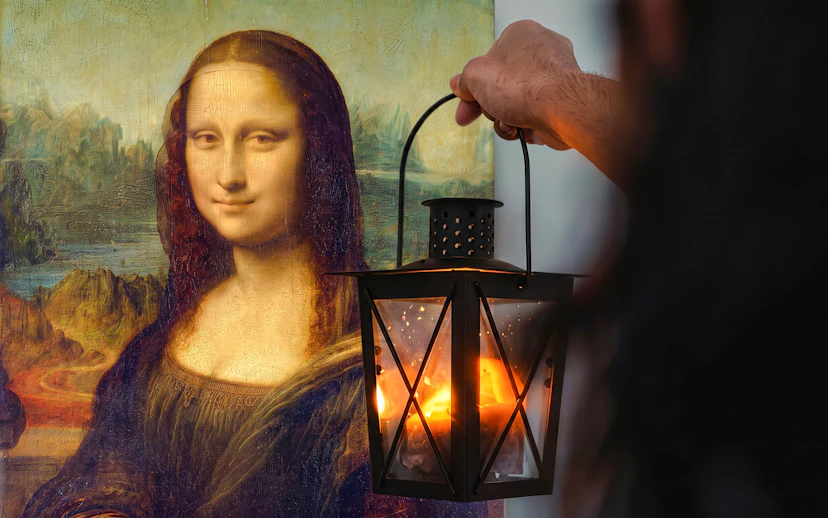
  • Italian paintings: See Renaissance and Baroque works including Leonardo da Vinci’s Mona Lisa, Veronese’s The Wedding at Cana, and works by Raphael and Titian. The Winged Victory of Samothrace is also found here.
  • Spanish paintings: Explore works by Spanish masters from the 16th to 18th centuries, including El Greco, Velázquez, and Goya.
  • Grande Galerie: Walk through the Louvre’s long gallery of Italian paintings, including Leonardo da Vinci’s The Virgin and Child with St. Anne, The Feast of the Gods, and works by Caravaggio.
  • Salle Mollien: Discover Romantic and large-scale French paintings, including Delacroix’s The Death of Sardanapalus, The Raft of the Medusa, and Gérard’s Napoleon in his Imperial Throne.

Inside the Louvre Museum: Level 2

Richelieu Wing
  • French paintings (17th–19th centuries): Explore French art across the Baroque, Rococo, and Neoclassical periods, with works by Nicolas Poussin, Georges de La Tour, and Jacques-Louis David.
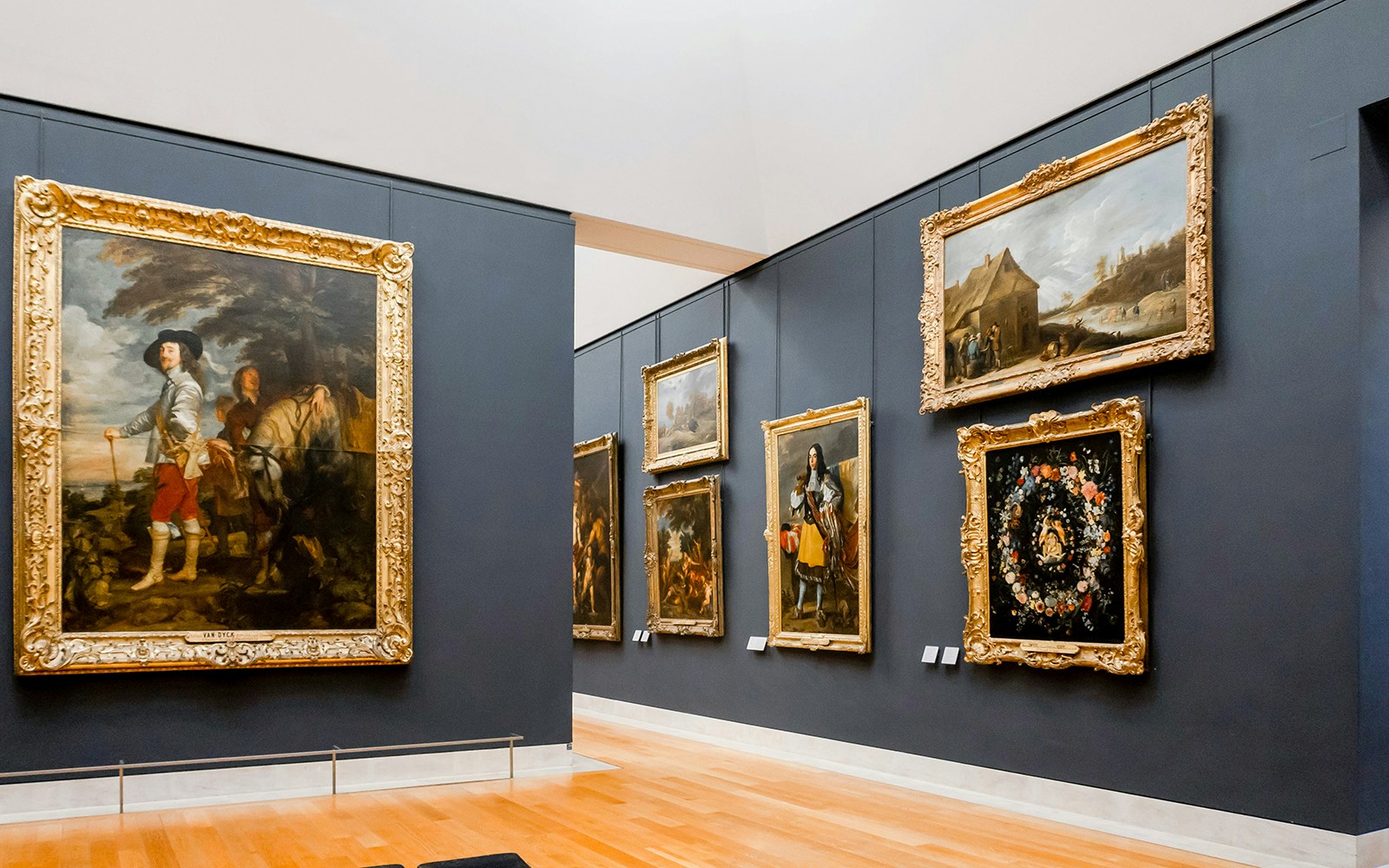
  • German, Flemish, and Dutch paintings: Continue through the Northern European collection with additional works by artists including Jan van Eyck, Peter Paul Rubens, and Anthony van Dyck.
  • Napoleonic and Empire-era decorative arts: See decorative objects reflecting the elaborate style and craftsmanship associated with Napoleon’s reign

Sully Wing

  • French paintings (Early Renaissance to 19th century): Works focusing on earlier French art, including Gothic and Renaissance pieces.Paintings by François Clouet and early religious art can be found here.
  • Greek, Etruscan, and Roman antiquities (small objects): Decorative items such as coins, vases, and jewelry.Artifacts from ancient Mediterranean cultures that showcase intricate craftsmanship are displayed here.
  • Rooms Overlooking the Cour Napoléon: A quieter space with thematic displays and smaller exhibitions.

Denon Wing

  • Italian paintings (13th–16th centuries): A continuation of the Italian collection, featuring works from the Renaissance.Paintings by Botticelli, Titian, and Andrea Mantegna can be found here.
  • Spanish paintings: Works by Spanish masters, expanding on the collection in the Denon Wing at Level 1.
  • Neoclassical and Romantic paintings: Large-scale works showcasing dramatic themes and bold artistic styles.

Best routes to cover the highlights of the Louvre Museum

Visitor TrailDescriptionHighlightsBest forDuration

Masterpieces Trail

This trail focuses on the most famous works from each department.

Mona Lisa, Venus de Milo, Winged Victory of Samothrace, Liberty Leading the People, The Raft of the Medusa, and The Lacemaker

First-time visitors who want to focus on the most iconic pieces

2-3 hours

The Da Vinci Code, Between Fiction and Fact

Based on the popular novel (and film), The Da Vinci Code.

The Wedding Feast at Cana, Mona Lisa, Virgin and Child with Saint Anne

Da Vinci fans

3 hours

From Palace to Museum, 800 Years of History

This trail takes visitors through the Louvre’s eight-centuries-long journey.

The Salon Denon, The Galerie Campana, and The Napoleon III Apartments’ Large Drawing Room

History buffs

2-3 hours

French Painting Trail

This trail guides you through the rich history of French art.

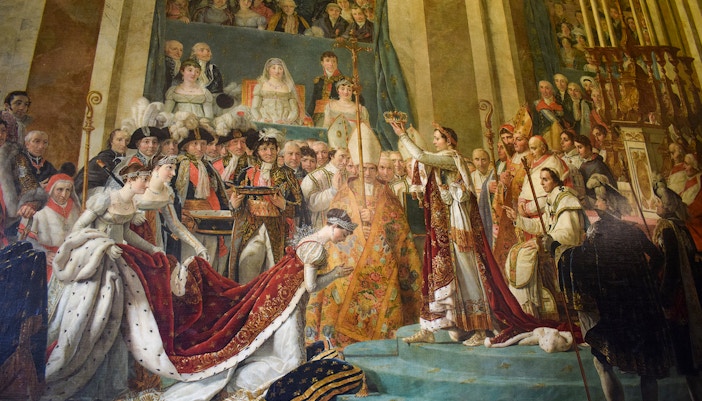
Liberty Leading the People and The Coronation of Napoleon

Admirers of French history, Revolution-era art, and Romanticism

1.5 hours

Egyptian’s Antiquities Trail

This trail guides you through the museum's incredible collection of Egyptian artifacts, which is one of the largest and most comprehensive in the world.

The Sphinx of Tanis, The Seated Statue of Ramses II, The Mummy of a Priestess, The Papyrus of Ani, and The Great Egyptian Wall Reliefs

History buffs and fans of ancient Egypt

1.5 - 2 hours

Art of Eating, Rituals, and Symbolism

Go around the Louvre to see the depiction of meals and food in paintings from Antiquity to the 18th century.

The Feast of the Gods, The Peasant Meal, and The Hunt Luncheon

Art and symbolism buffs and culinary history fans

1.5 hours

Beyoncé and Jay-Z’s Louvre Highlights

Follow this trail to see the highlights the superstar couple picked out for their ‘APES**T’ music video.

The Winged Victory of Samothrace, The Virgin of the Green Cushion, The Mona Lisa, The Wedding Feast at Cana and The Raft of the Medusa

Beyoncé and Jay-Z’s fans

2-3 hours

Visitor tips

  • Start with Denon if the Mona Lisa is your priority: Head there early in your visit, then continue through the Italian paintings and Grande Galerie instead of crossing back later.
  • Group highlights by wing: See the Mona Lisa and Italian paintings in Denon, Egyptian antiquities in Sully, and the Napoleon III Apartments and Northern European paintings in Richelieu.
  • Use the Pyramid as your orientation point: The main concourse beneath it connects the three wings—Denon, Sully, and Richelieu—so check your wing before heading upstairs.
  • Don’t plan your route by floor alone: Collections continue across different levels and wings. Follow the museum map by department and room rather than simply moving floor by floor.
  • Pair nearby masterpieces: The Winged Victory of Samothrace sits at the top of the Daru staircase and works naturally into a Denon route towards the Italian galleries and Mona Lisa.
  • Leave Richelieu for a deeper visit: If you have more time, explore the Napoleon III Apartments, French decorative arts, sculpture courts, and Northern European paintings together rather than making separate trips across the museum.
  • Check gallery openings before choosing your route: Rooms and departments can close on a rotating basis, so confirm what’s open before building your visit around a specific collection.

Frequently asked questions about what’s inside the Louvre Museum

You could spend days together and there will still be things to cover at the museum. But you could spend half a day covering the main artworks displayed at the museum.

More reads

Collections

Book Now

Artworks

Book Now

History

Book Now