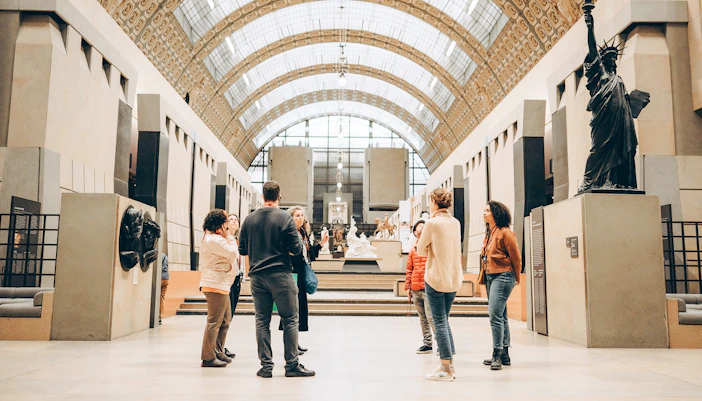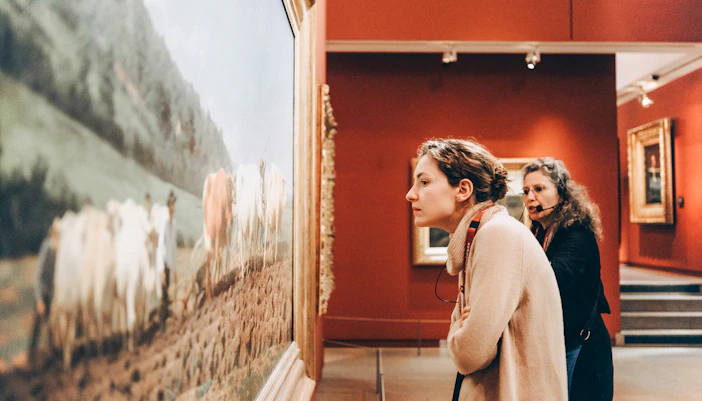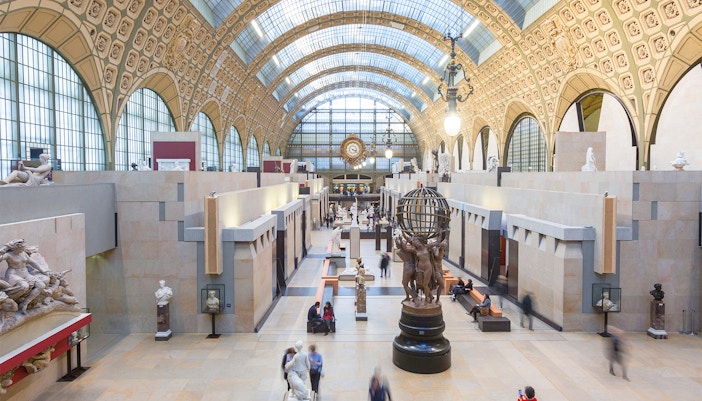







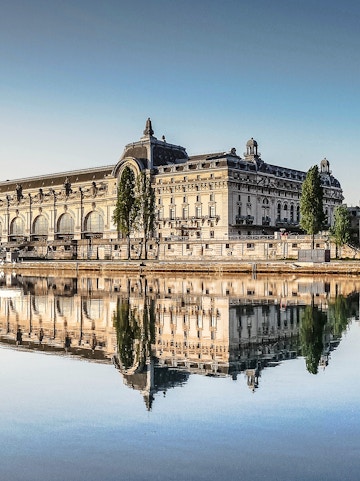
Orsay Museum

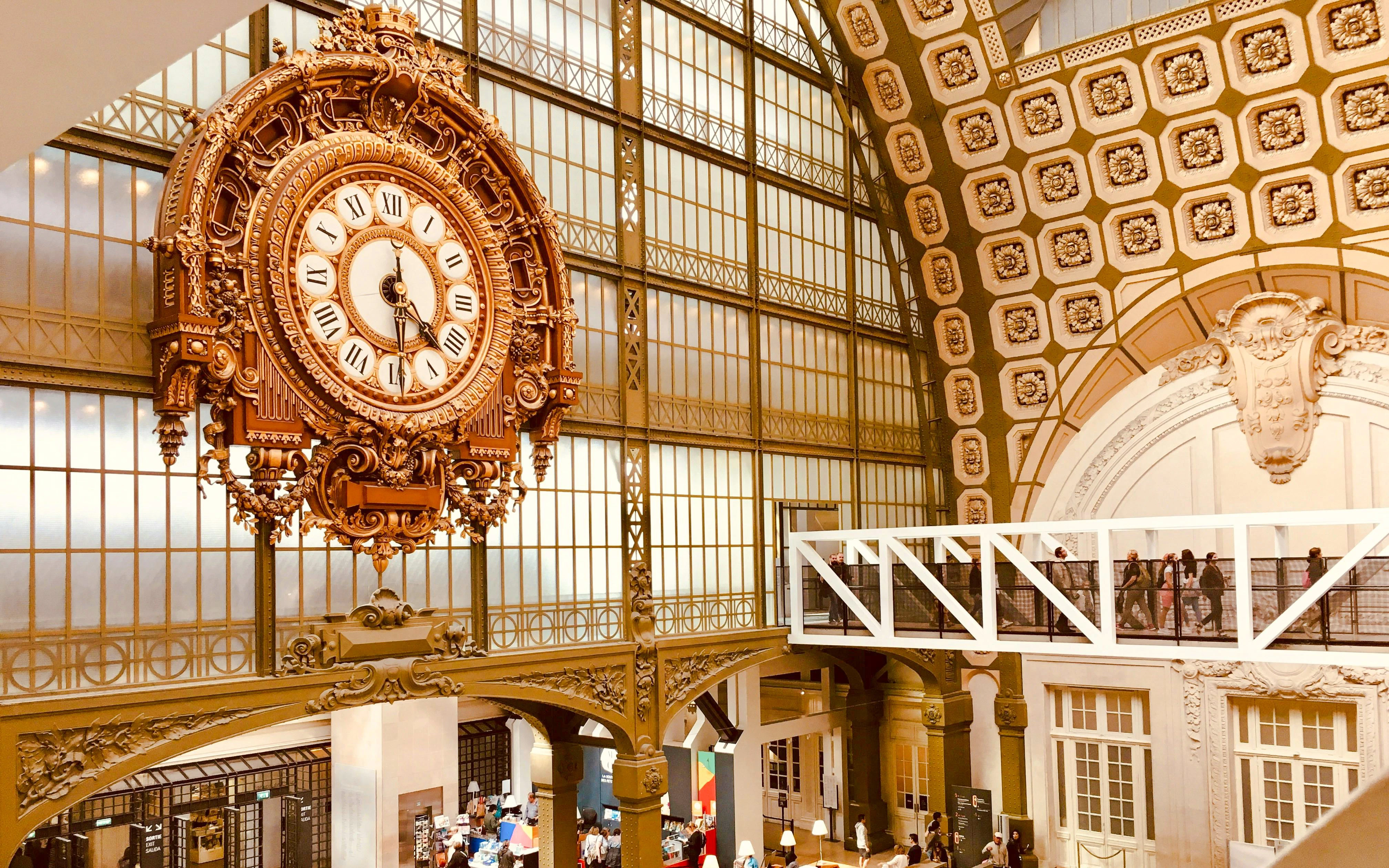
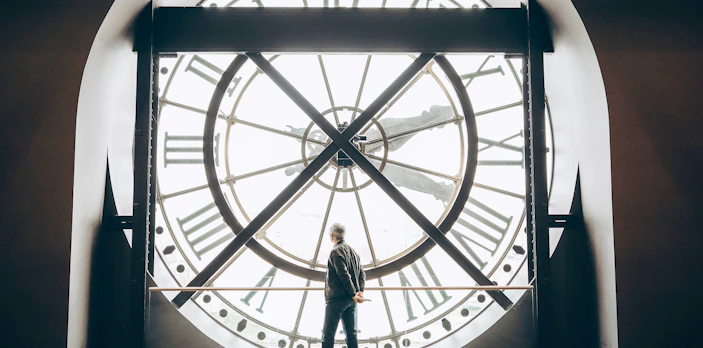
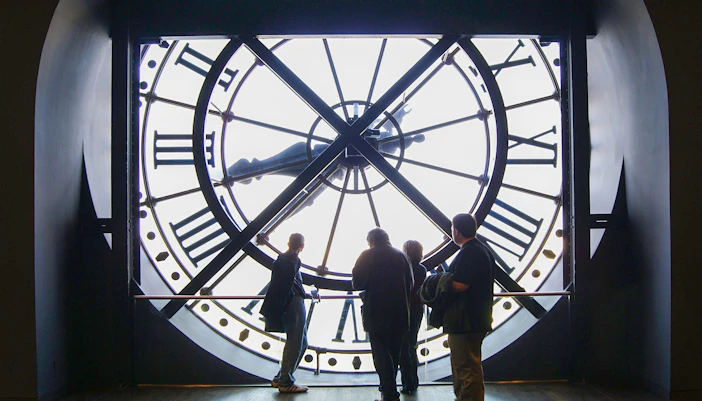
Orsay Clock

Included with Orsay Museum tickets

Timings

RECOMMENDED DURATION

2 hours

Orsay clock view at Musée d’Orsay

From happy customers

Loved by 51 million+
Trustpilot rating: 4.5 out of 5

Emilienne C

Netherlands
Couple
Last week
It was wonderful to be able to go right in without waiting! The exhibition—Renoir, one of my favorite painters—really charmed me. Lunch was excellent. Too bad—we got pickpocketed! But that didn’t spoil the fun.

Anna N

Austria
Couple
2 weeks ago
The museum building is a highlight in itself! The architecturally fascinating integration of a vast collection of magnificent artworks spanning the ages is truly one-of-a-kind! Booking tickets through Headout has worked reliably and relatively easily on multiple occasions! After making several bookings, the discounts were even applied!

Victor P

Brazil
Group
Last week
The only downside was that the ticket wasn’t sent sooner, but I understand that this depends more on the partners who purchase the tickets than on the website itself. Everything else went very smoothly. The platform is intuitive, secure, and easy to use.

Patricia S

Canada
Couple
3 weeks ago
It was a great visit, though—the audio guide costs extra! And the guidebook is included with the ticket. Once we got there, the person at the audio guide desk told us they couldn’t provide the equipment and that we should contact the booking company. That was the only disappointment... Otherwise, no problems: we received the ticket just fine. We had a little trouble opening the PDF, but that was easily resolved.

Anthony B

Couple
2 weeks ago
The cruise was easy to access. The guide was just right. The weather was good. We really enjoyed the interaction with people on the banks and other boats passing.

Sujeeth W

India
Solo
3 weeks ago

+2 more

The guide was amazing and new a lot about the Eiffel Tower and gave us a lot of information. Ensured that we got to know all about the crtical infomration. Took us though all the key sites. It was a very helpful and enjoyable experience. Looking forward to engage with your team for future visits in Paris.

Sofiia S

Ukraine
Couple
Mar 2026

+5 more

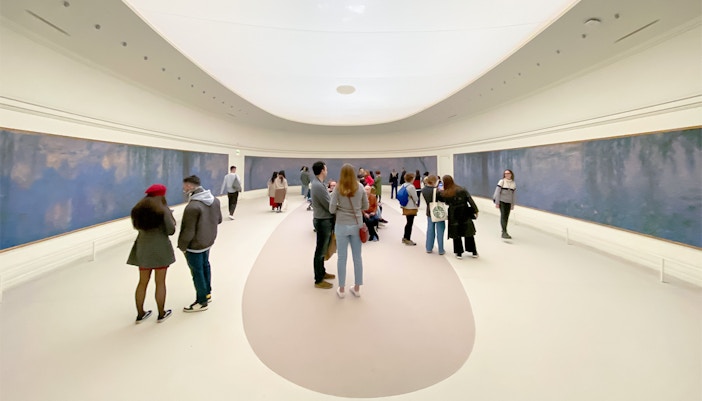
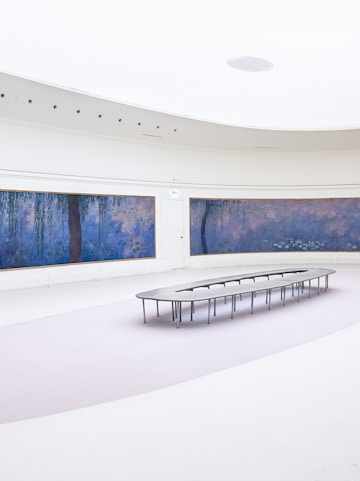
The Musée de l’Orangerie is a truly beautiful and well-maintained place. The famous Water Lilies by Claude Monet are absolutely breathtaking and worth seeing in person. Beyond Monet, the gallery also features a collection of other stunning artworks by renowned artists, making the visit even more special and diverse. There is also a wonderful shop inside where you can find unique souvenirs and art books, and even enjoy a light snack. After your visit, you can take a relaxing walk in the nearby Jardin des Tuileries and spend some peaceful time surrounded by nature. Paris is truly an amazing city.

Lisa M

United States
Couple
Mar 2026

+1 more

The queue moved relatively quickly and the masterpieces inside were well worth the wait! Being immersed in Monet's water lilies was peaceful and transformative and moving through the myriad Cezanne, Renoir and large Rousseau exhibits were thrilling and beyond compare!

Top things to do in Paris

Quick overview

Access: Included in all general admission museum tickets
When you'll see it: Located on the 5th floor, typically near the midway or final portion of your visit
Visit duration: 5–10 mins self-guided (primarily a photo opportunity and viewpoint)
Best time: Early morning right after opening, or during Thursday late-night openings
Restrictions: No flash photography; standard museum dress code applies

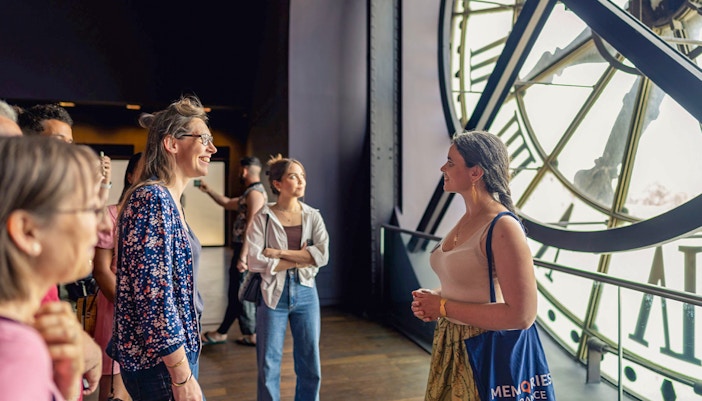
The Orsay clock is included with all Musée d’Orsay tickets. No separate ticket is needed. You’ll find it on the upper level near the Impressionist galleries, and you can head there early by elevator because the museum does not force a one-way route. Book reserved entry or a guided tour to clear the entrance faster and reach the viewpoint before the late-morning photo crowd builds.

How to best experience the Orsay clock

Best time to visit

The quietest window is the first 45–60 minutes after opening, especially on Wednesdays and Thursdays. By 11am, the space turns into a photo stop with people waiting for the centered view. If you want room to frame your shot, don’t leave it for midday.

How long to spend

Plan 10–15 minutes if you only want the view and a couple of photos. Give it 15–20 minutes if you also want to study the dial, iron frame, and skyline beyond it. If you rush, you’ll get the picture but miss why the space matters.

Where it fits in your itinerary

Most visitors reach the clock once they’ve made it up to the Level 5 Impressionist galleries. If you browse naturally from the entrance, allow 45–90 minutes before you get there. If it is a priority, go upstairs early and circle back later for the rest.

Crowd patterns

Crowds peak from 11am–3pm, with Tuesdays and weekends usually feeling the tightest. The bottleneck is not walking space but the few spots where the dial and skyline line up cleanly. After 4:30pm, or on Thursday evenings, turnover is faster and the area feels less compressed.

What to prioritize if time is short

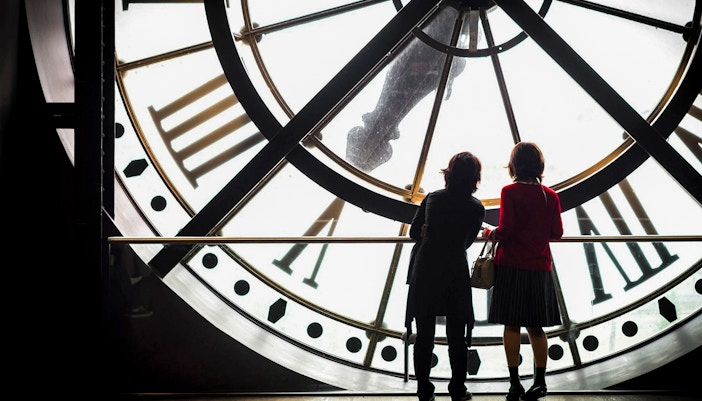
First, stand a few steps back so you can frame the full dial with Paris beyond it. Then look at the iron ribs and Roman numerals, because they explain the building’s station scale better than the photo alone. If you need to cut time, shorten secondary galleries instead.

Common mistakes to avoid

Don’t press right up against the glass. Reflections flatten the view and other visitors end up in your frame. Step back, expose for the brighter outdoor light, and move aside once you’ve taken your shot so you don’t create the queue everyone notices.

Best tickets to experience the Orsay clock

Ticket typeWhy choose it

Reserved entry

Best if the clock is a priority stop and you want to reach Level 5 before the late-morning line forms.

Ticket with audio guide

Good if you want the station story and art context while still moving at your own pace.

Guided tour

Best for first-timers who want the clock worked naturally into the museum highlights, not treated as a detour.

Why it’s worth seeing

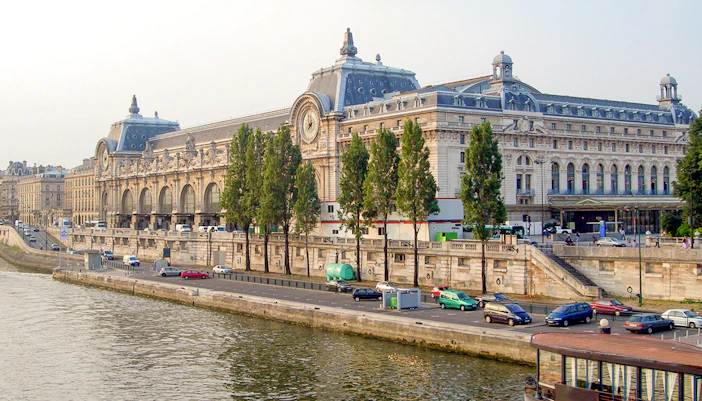
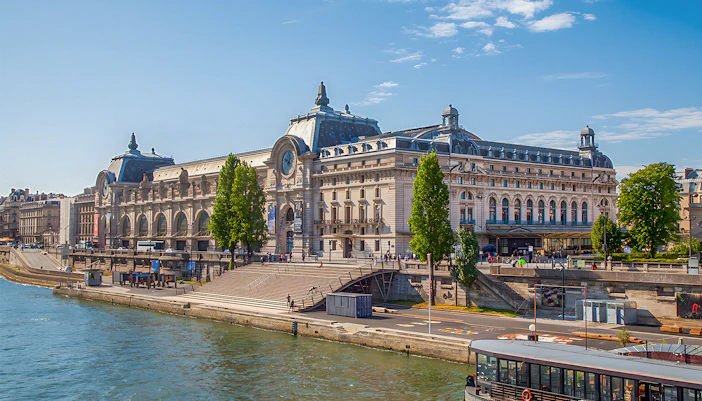
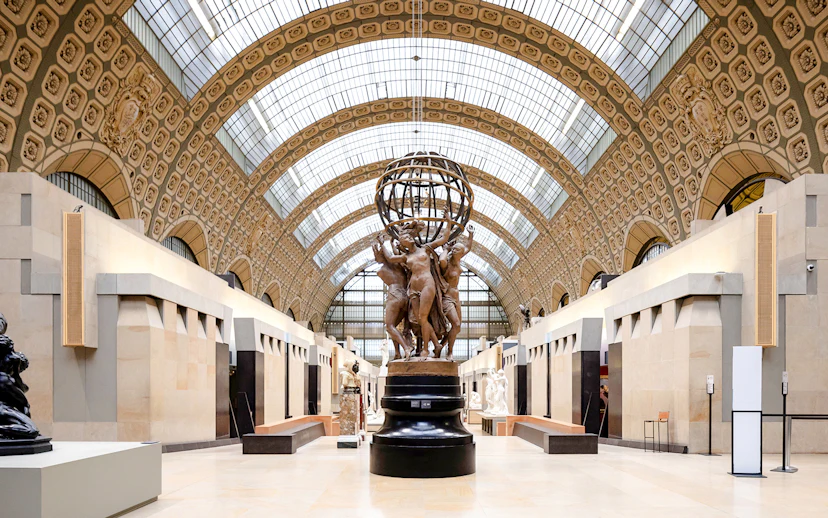
The Orsay clock matters because it lets you read the building’s former life in one glance: museum inside, railway station outside. If you are looking for the clock Orsay museum photos usually feature, this is the large glass dial on Level 5 rather than a separate tower or terrace. Treat it as more than a selfie stop. The dial, frame, and sightline toward Paris explain why the museum still feels like a station.

The dial opening

The glass dial is the part most visitors frame, but pause before shooting. Stand a few paces back so the full circle sits in view. What you’re seeing is not decorative museum staging — it is a retained station clock opening that still carries the building’s original proportions.

The iron frame and numerals

Look at the metal ribs and Roman numerals around the dial edge. These structural details read more clearly from the side than straight on. They matter because they show the clock as architecture, not just scenery, and explain why the viewpoint feels more industrial than a normal Paris museum window.

The Paris alignment beyond the glass

Once you’ve taken the centered photo, look through the lower half of the dial instead of only the skyline. The view works because the old station facade frames the Seine-side cityscape in layers. It is one of the clearest reminders that the museum still opens visually onto the Paris it was built to serve.

Historical and cultural significance

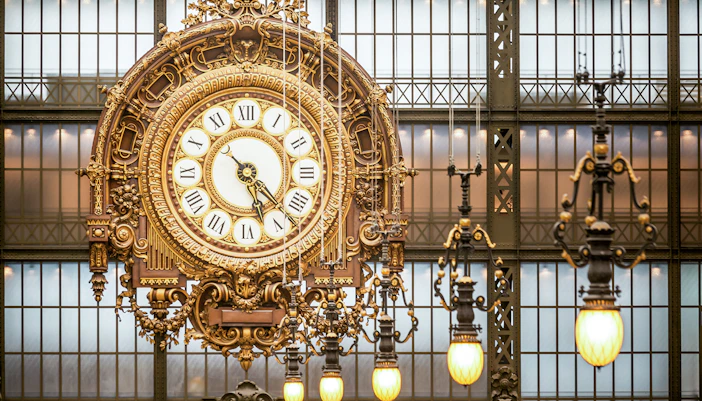
Most visitors don’t realise the famous clock is older than the museum around it. It belonged to the Gare d’Orsay, completed for the 1900 Exposition Universelle, and survived after long-distance rail service outgrew the station by 1939. When the building reopened as the Musée d’Orsay in 1986, the clock became both a station relic and one of the museum’s most recognisable viewpoints today.

Notable figures

Victor Laloux | Lead architect

Designed the Gare d’Orsay for 1900, including its monumental station clocks.

Know more

Valéry Giscard d’Estaing | Political champion

Backed the decision to save the station and turn it into a museum.

Know more

Gae Aulenti | Museum conversion designer

Led the 1980s redesign that preserved the station volume and clock views.

Know more

Know before you go

  • Open: Tuesday–Sunday, 9:30am–6pm
  • Late opening: Thursday until 9:45pm
  • Last entry: Typically 5pm, or 9pm on Thursdays
  • Closed: Mondays, May 1, and December 25

Address: Musée d’Orsay, 1 Rue de la Légion d’Honneur, 75007 Paris

  • Nearest rail: Musée d’Orsay on RER C, directly beside the museum
  • Nearest metro: Solférino on Line 12, about a 5-minute walk
  • Entry point: Use Entrance 1 on the Seine side if you already have a timed ticket
  • Clock location: Upper level near the Impressionist galleries; allow 15–20 minutes if you go straight upstairs, or 45–90 minutes if you browse first
  • Wheelchair access: The museum is wheelchair accessible, including the upper levels
  • Elevators: Elevators connect the main public floors, including the clock viewpoint area
  • Wheelchairs: Available on request against a photo ID
  • Guide dogs: Welcome throughout the venue
  • Additional aids: Braille and audio signage, plus adjustable-height canes, are available
  • Photography: Personal photos are allowed without flash in permanent galleries
  • Not allowed: Tripods, selfie sticks, and professional filming equipment
  • Bags: Large bags, suitcases, and oversized luggage are not permitted; small items can go in the cloakroom
  • Food and drink: Not permitted in the galleries
  • Capacity controls: Staff may temporarily regulate access to busy areas or close sections for maintenance; follow on-site instructions

Frequently asked questions about the Orsay clock

Yes. Entry to the Orsay clock area is included with every valid Musée d’Orsay ticket. No separate ticket exists.

More reads