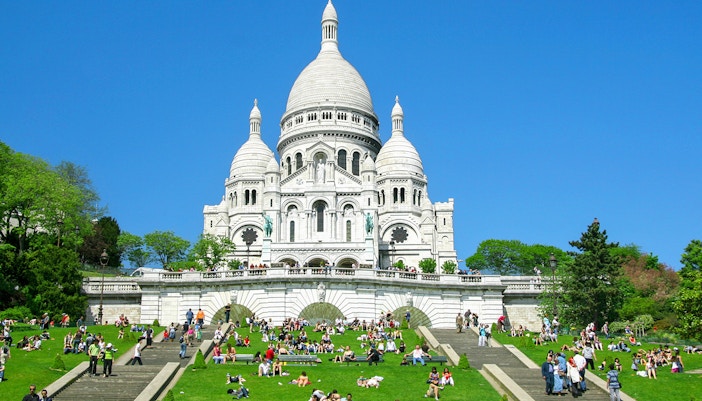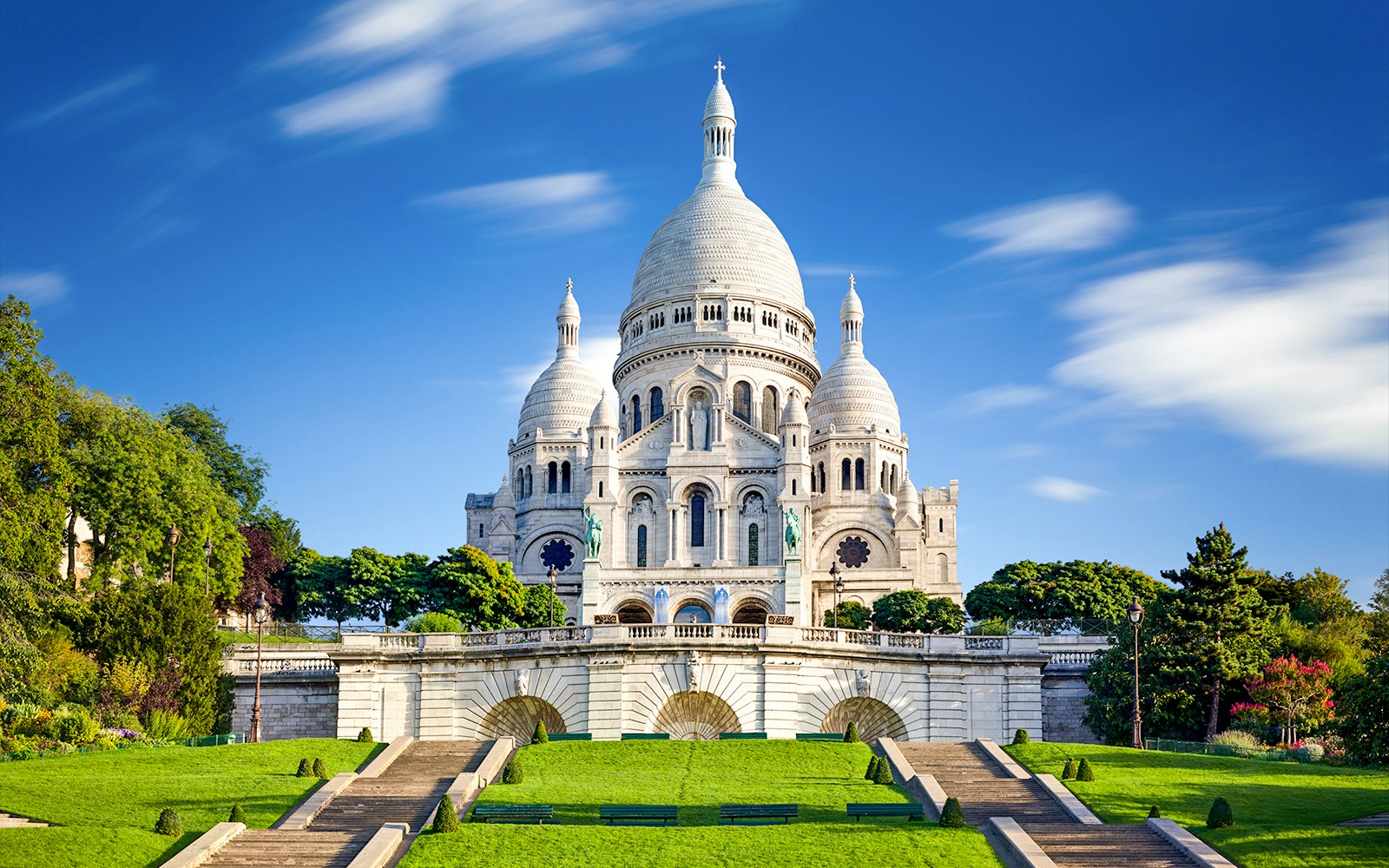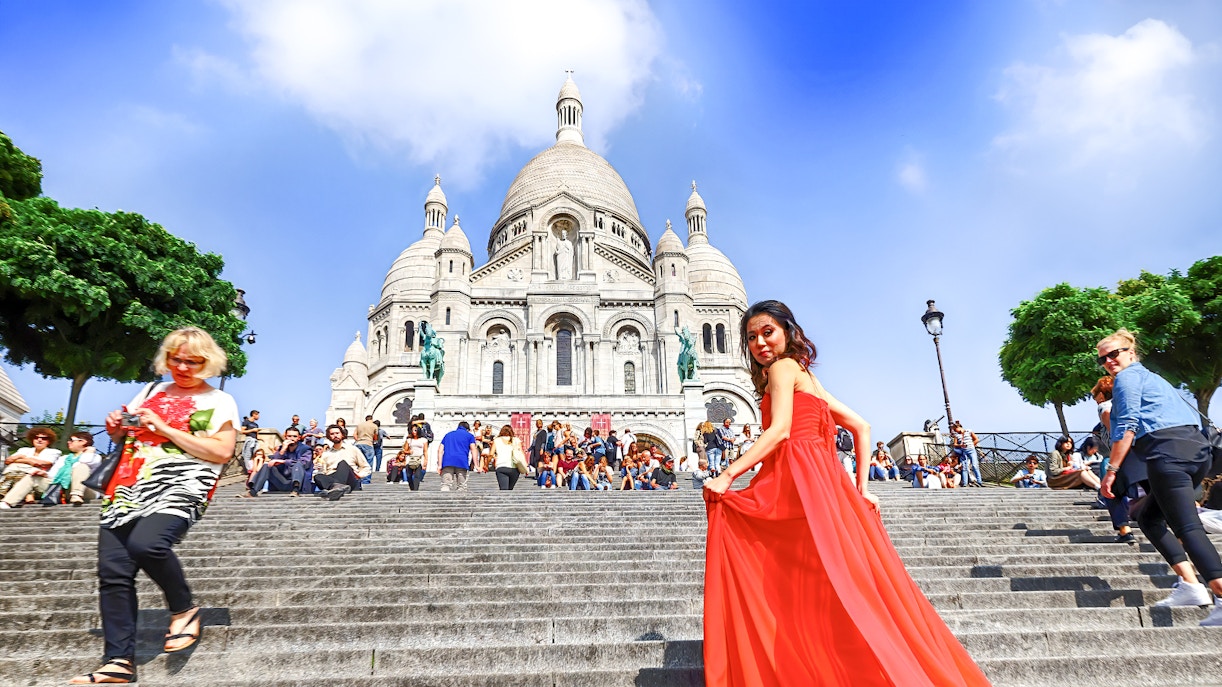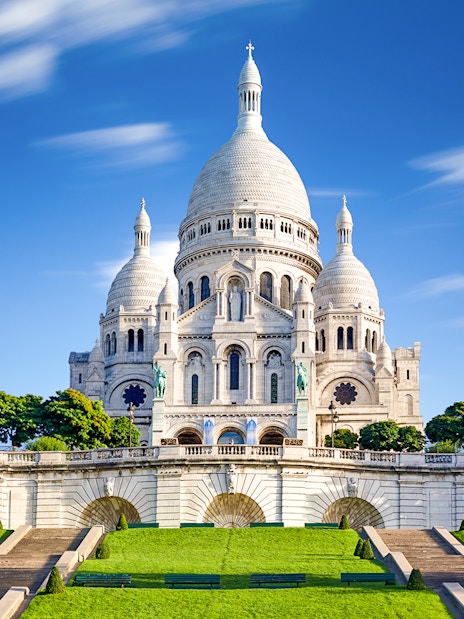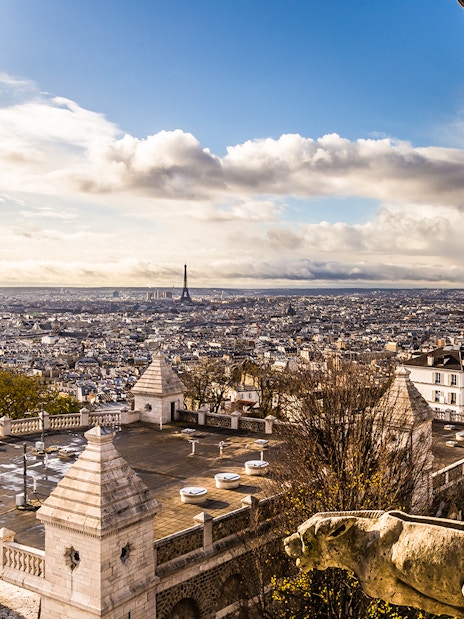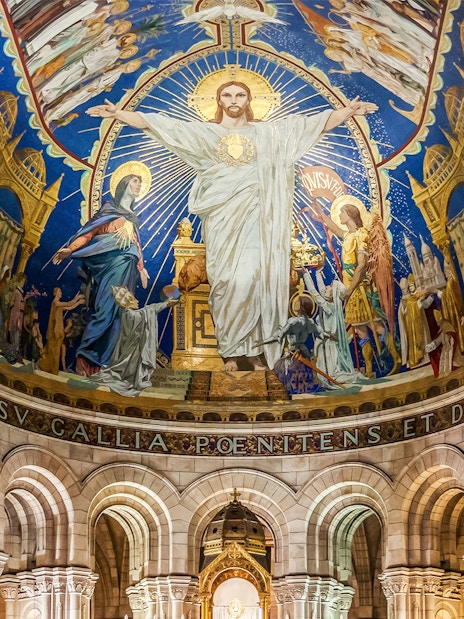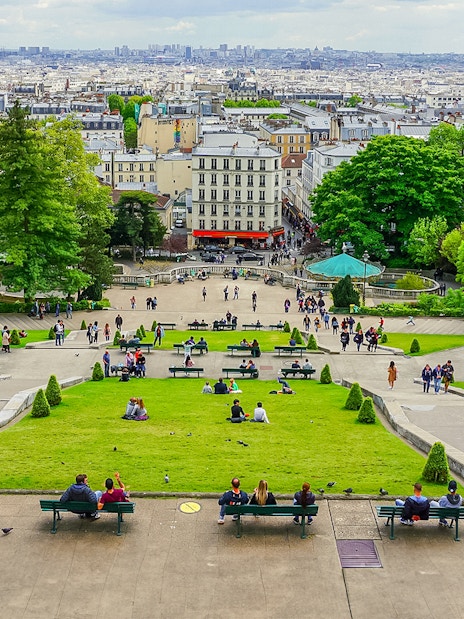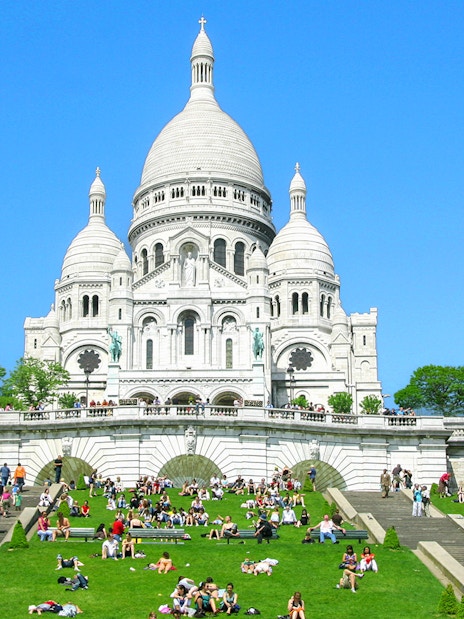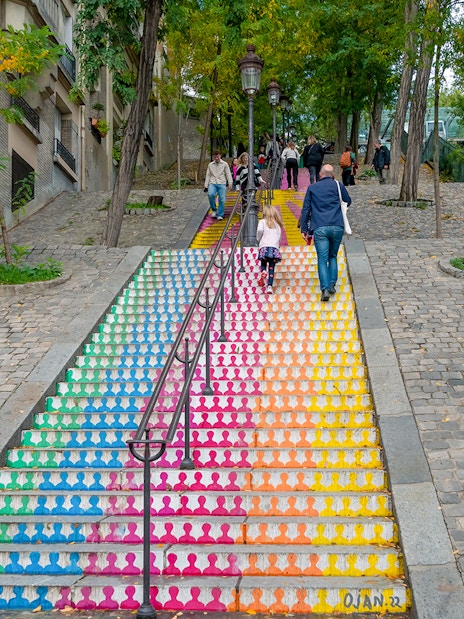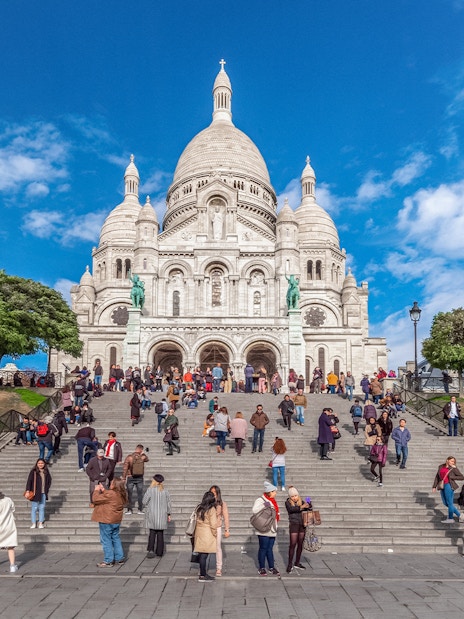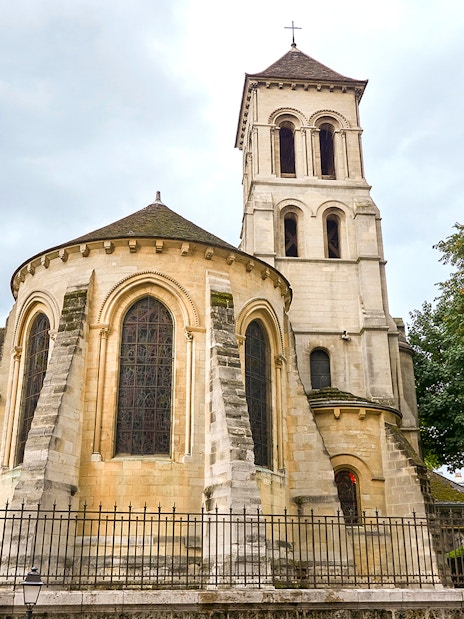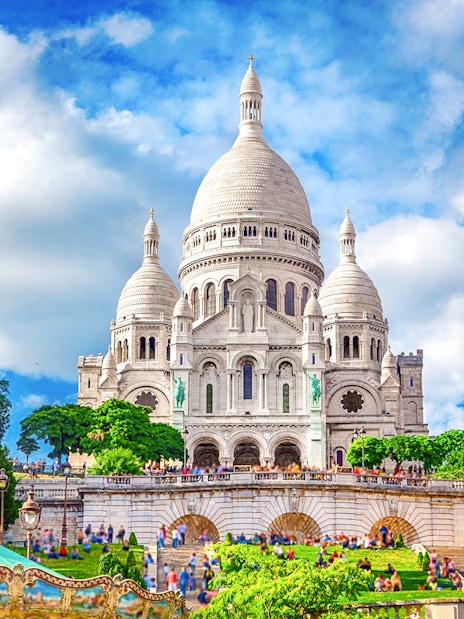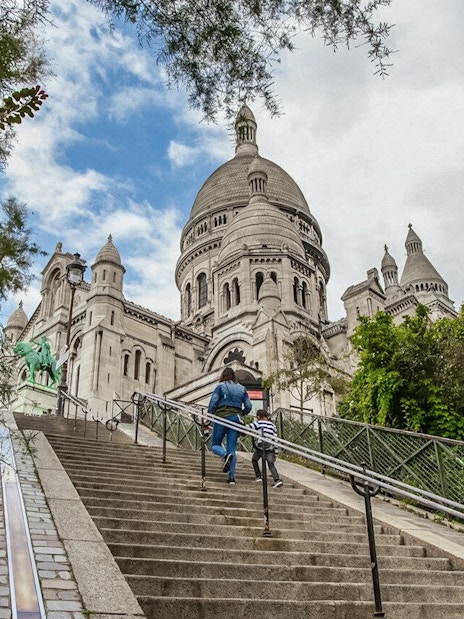



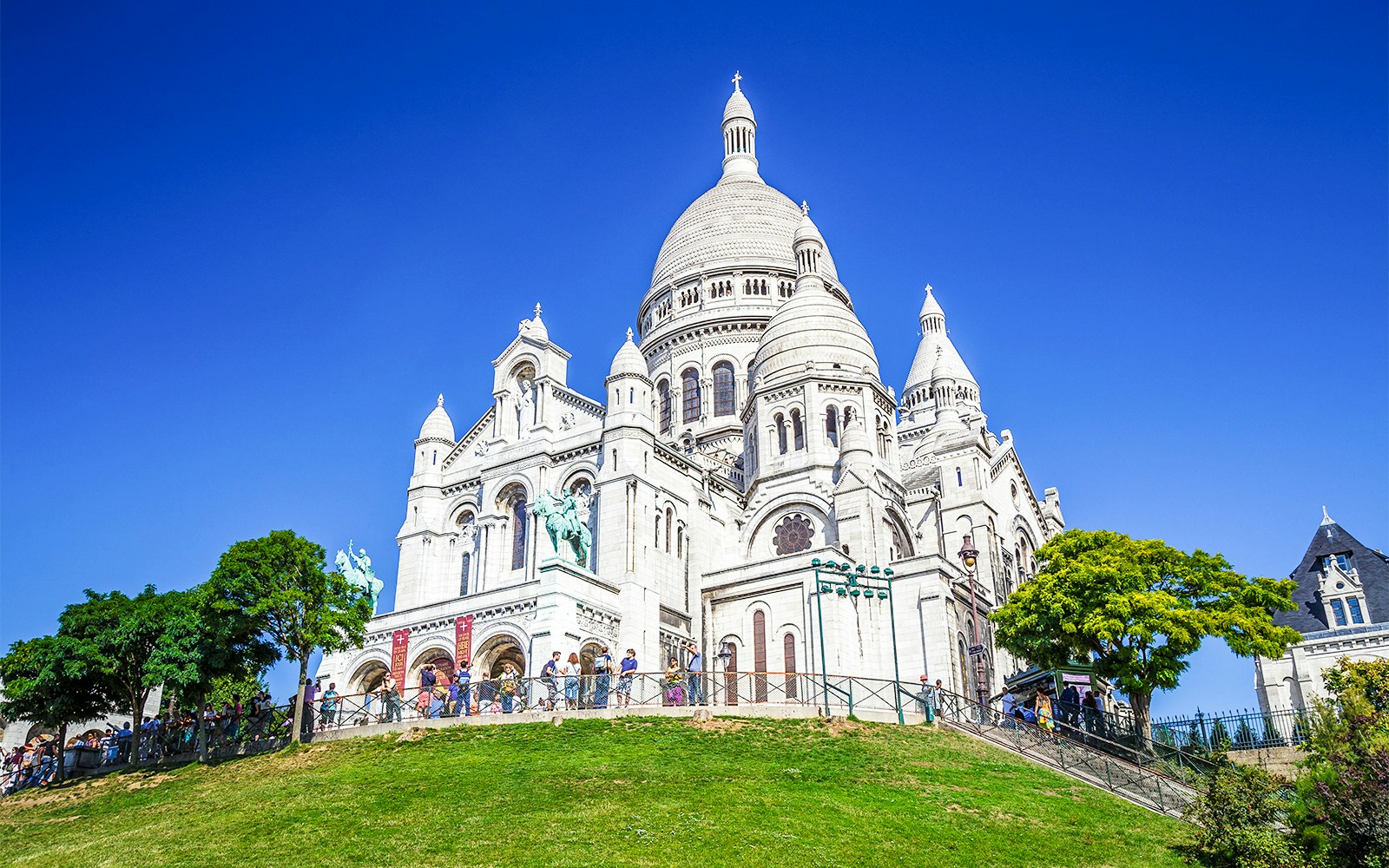
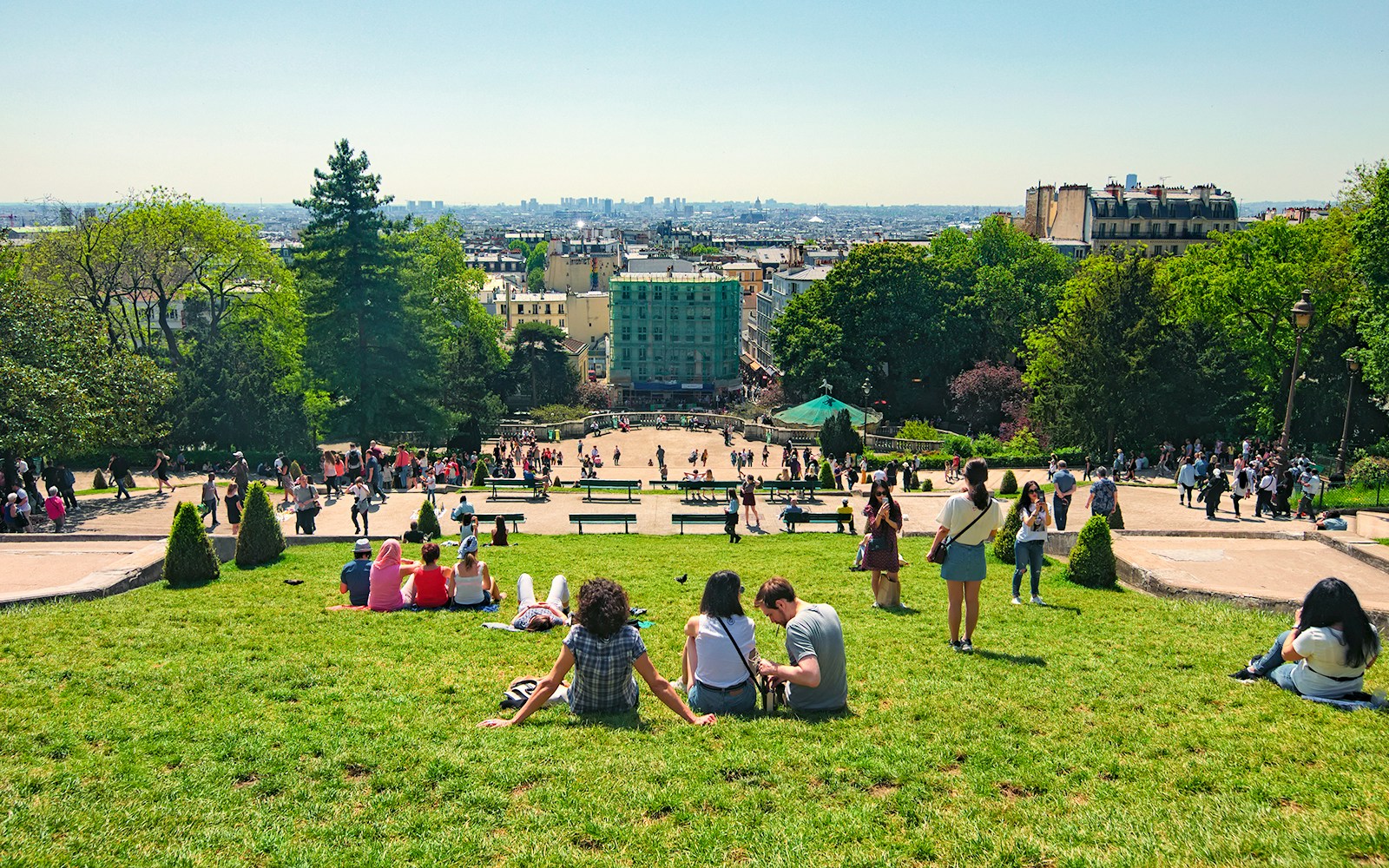
Perched on the highest hill in Paris, this imposing basilica offers a stunning panoramic view of the city. Step inside to see the massive mosaic ceiling of the Sacred Heart of Jesus, then climb 292 steps to the dome for an even better lookout. The 222 steps leading up to the church are a popular spot to relax and soak in the scenery.
How Headout makes choosing experiences effortless
We curate the best ways to experience
We research and organise all unique experiences - from tickets to tours to special combos - so you get all the choices without the clutter.
We partner with the best
Every supplier is vetted for quality, reliability, and value so you only get top rated experiences. No surprises, no disappointments.
All the best options, in one place
Each experience is thoughtfully organised to give you maximum availability, great value and an easy way to choose.
Book with complete peace of mind
Free cancellations, Flexible payments, and 24/7 support - thoughtfully designed for flexibility, assurance, and total peace of mind.
Slide 1 of 41/4


What to expect on your Montmartre visit?

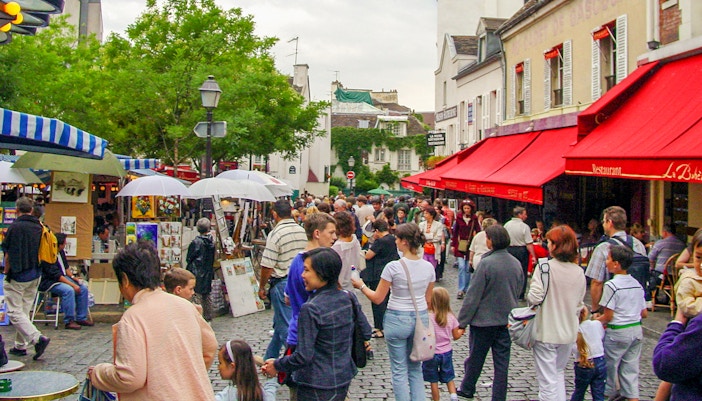
Wander through a village in the city
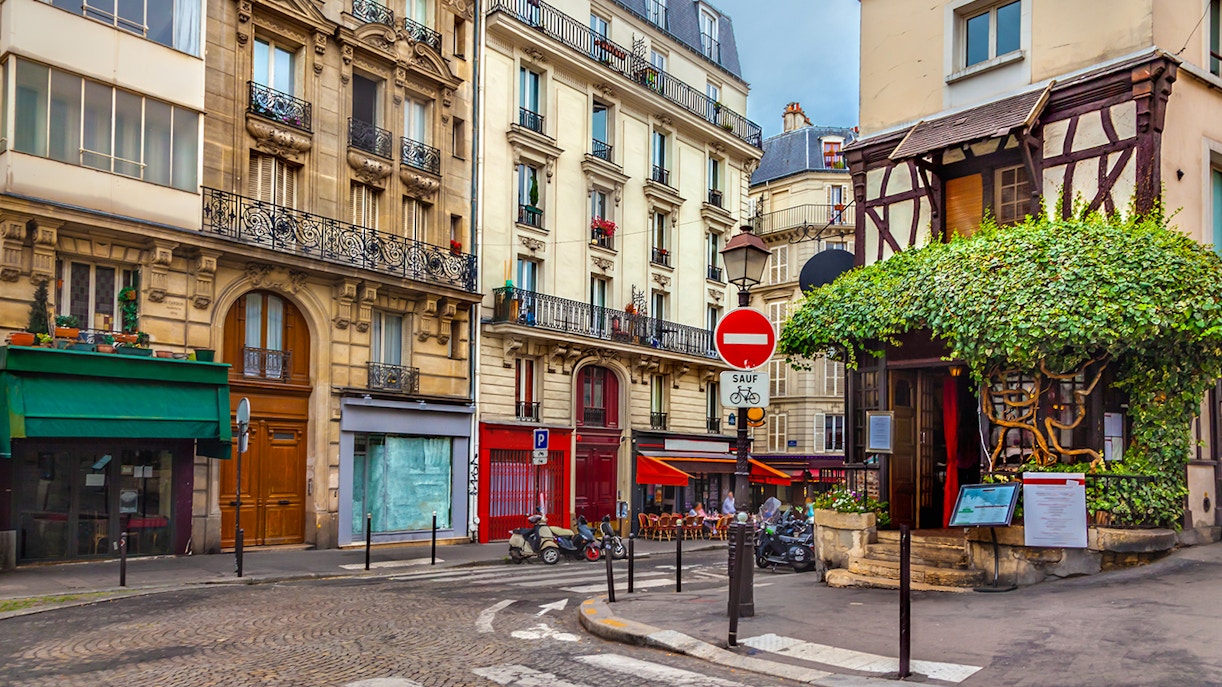
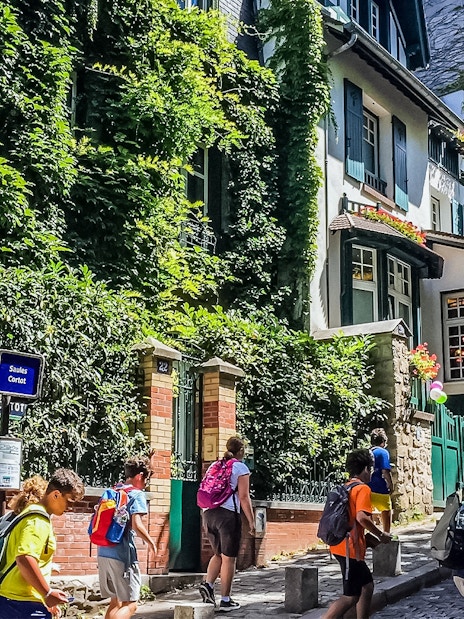
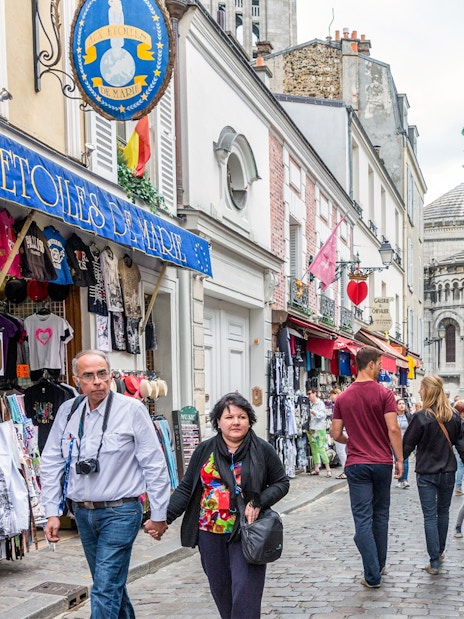
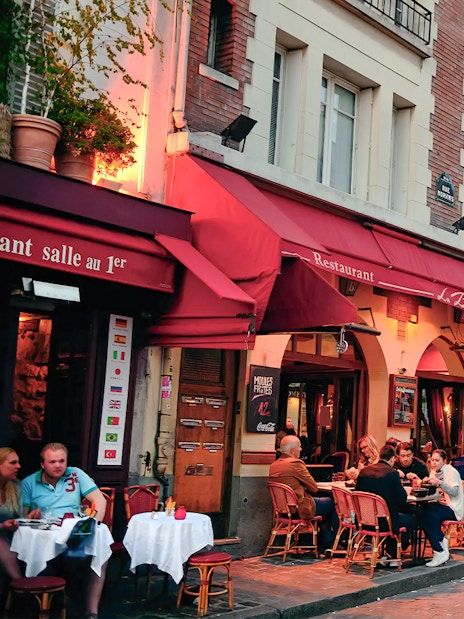
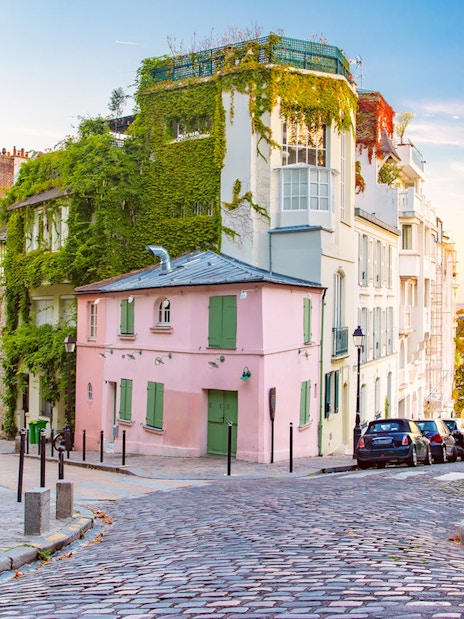
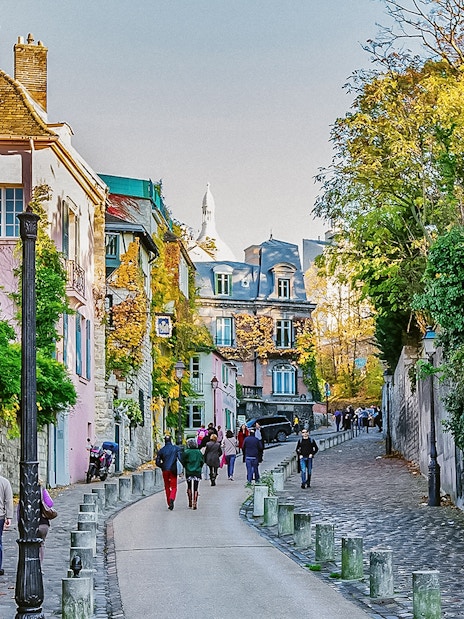
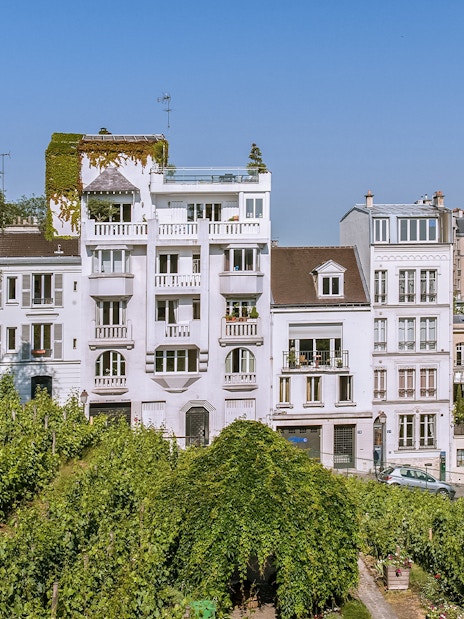
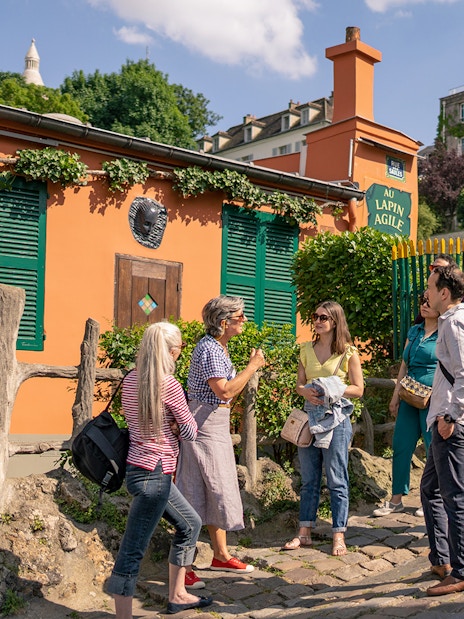
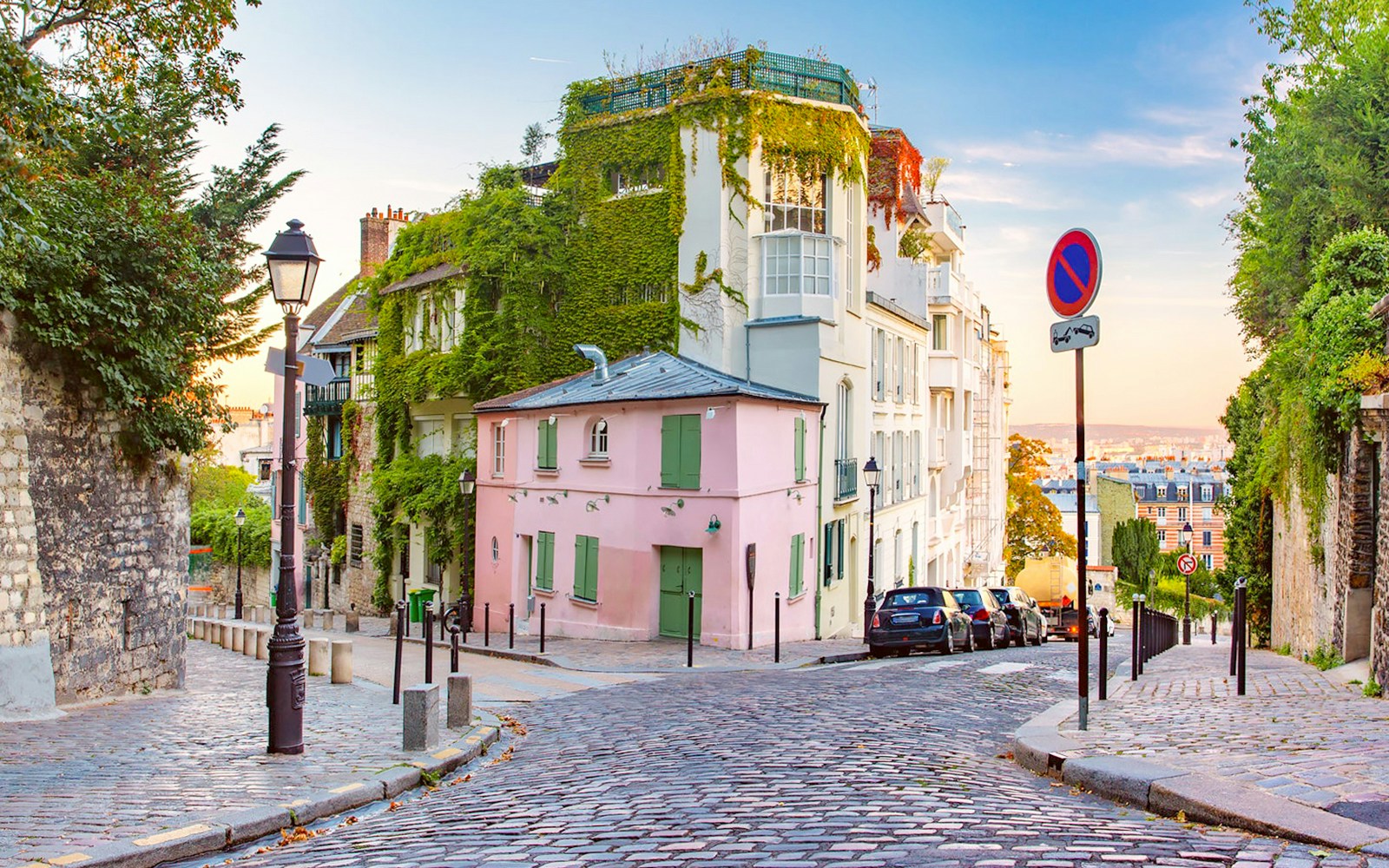
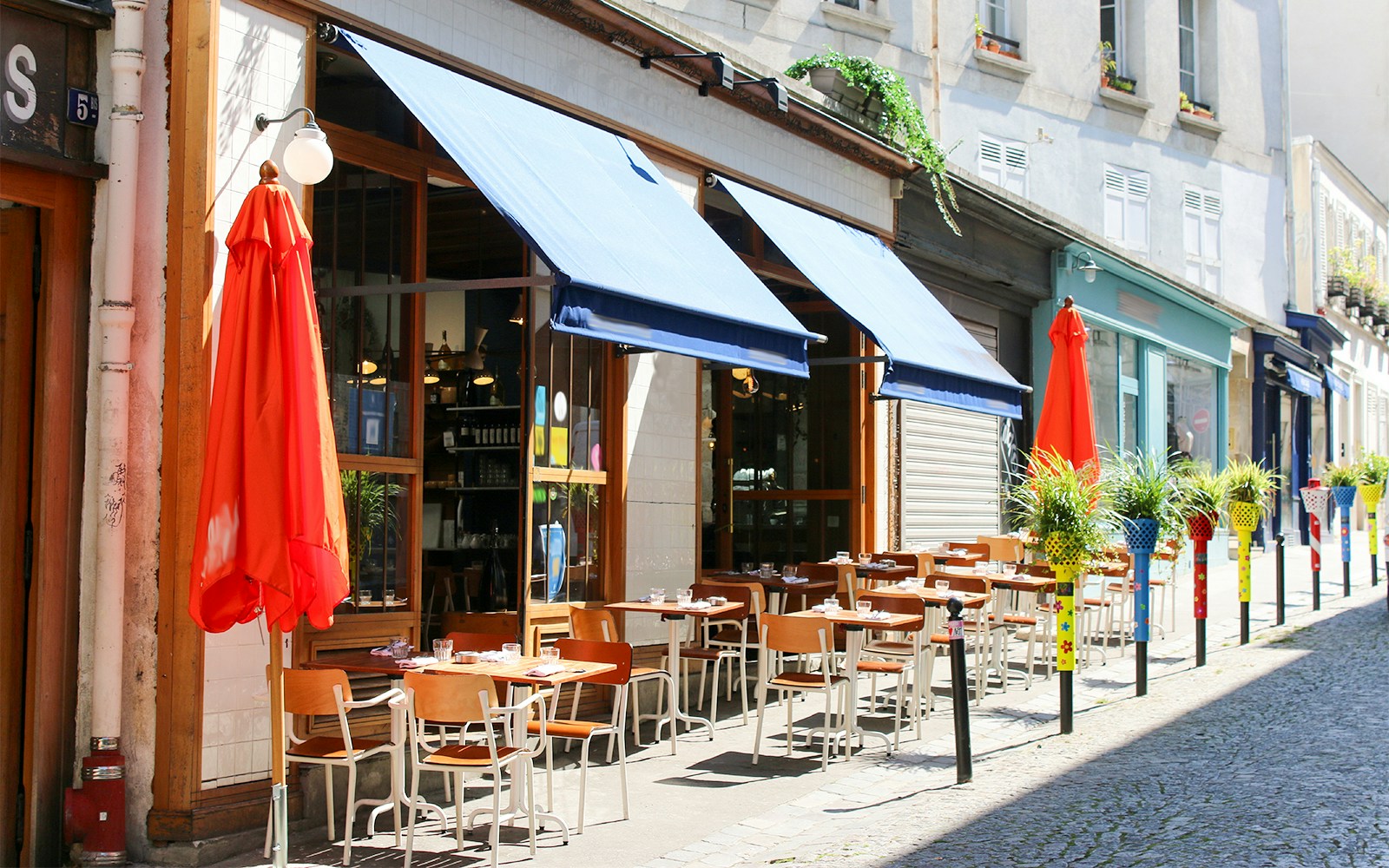
Start your journey by strolling Montmartre’s winding cobblestone streets. With vine-covered homes, hidden courtyards, and quaint cafés, it feels like stepping into a small French village, right in the heart of Paris.
Trace the footsteps of great artists
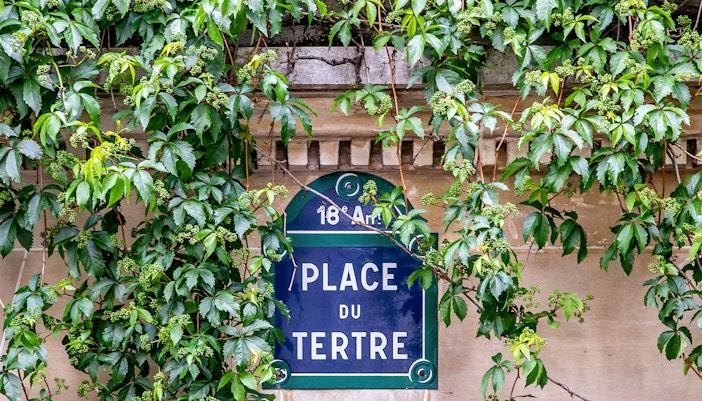
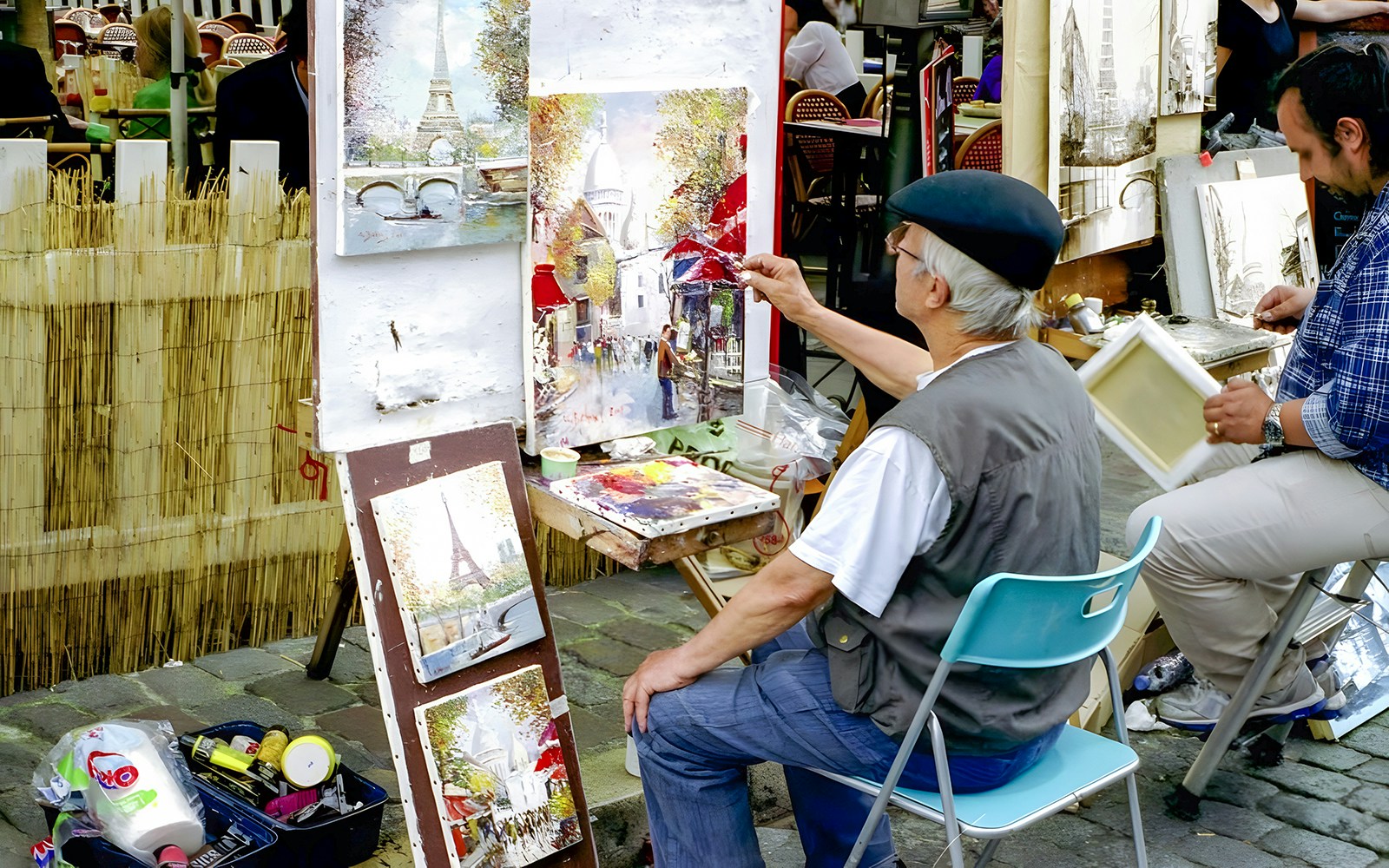
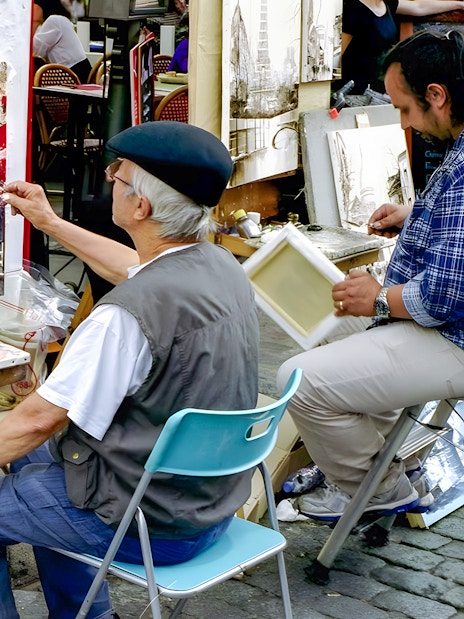
Next, dive into Montmartre’s artistic soul. Walk the same streets where Van Gogh, Picasso, and Renoir once lived and painted. Visit the Montmartre Museum and Place du Tertre, where artists still set up easels and paint in the open air.
Take in the views from Sacré-Cœur Basilica
Head up to the iconic Sacré-Cœur, perched atop Montmartre Hill, Paris’s highest point after the Eiffel Tower. Admire sweeping city views, and if you’ve opted for dome access, climb higher for breathtaking panoramas of the skyline.
Choose your style of exploring
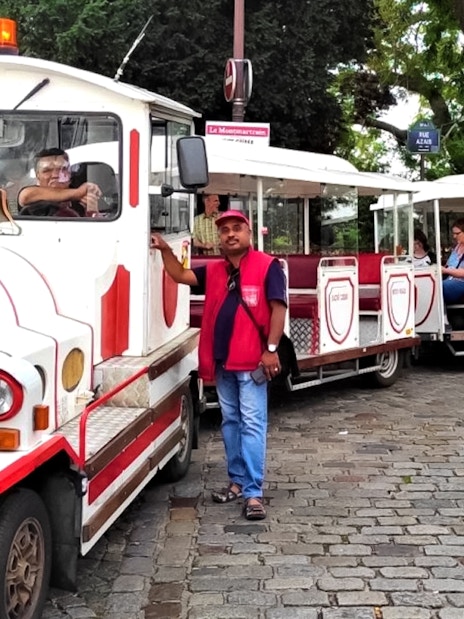
Whether you’re drawn to art, food, or history, Montmartre has a tour for you. Join a walking tour, sample pastries on a food trail, or hop on the petite train for a relaxed ride through the neighborhood’s highlights.
Discover its rich history
Uncover Montmartre’s layered past, from its role in the Paris Commune of 1871 to its transformation into a haven for artists and writers. Every street corner whispers stories of rebellion, creativity, and Bohemian freedom.
Soak in the café culture
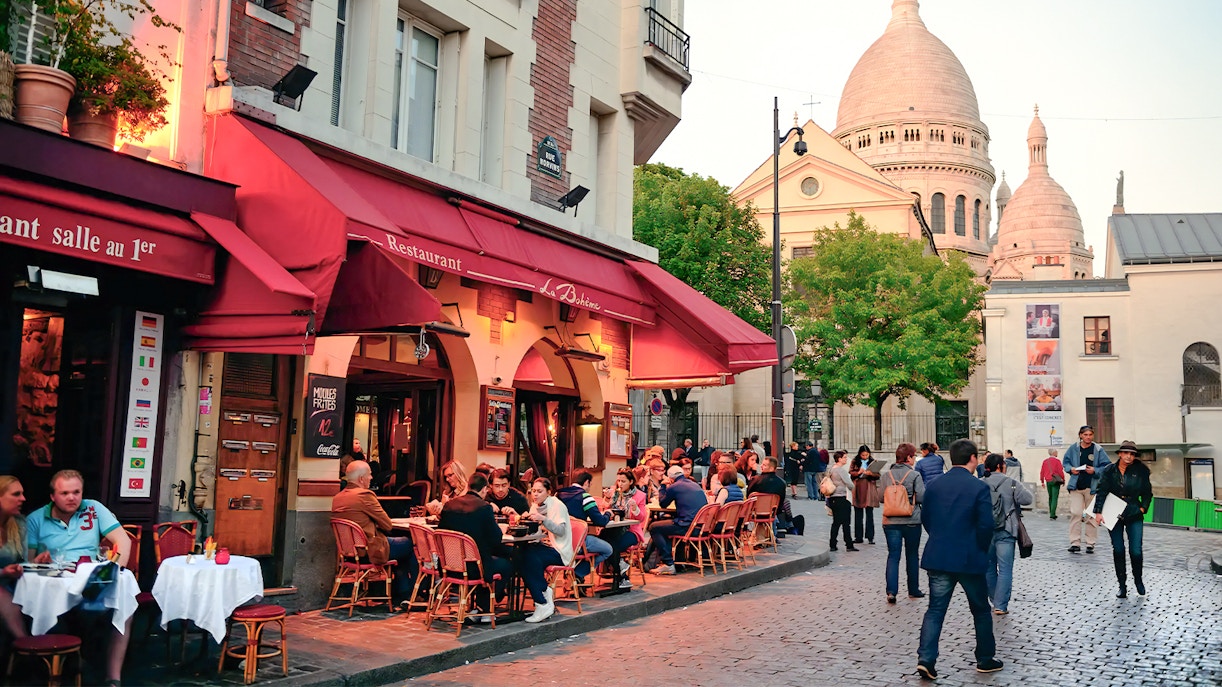
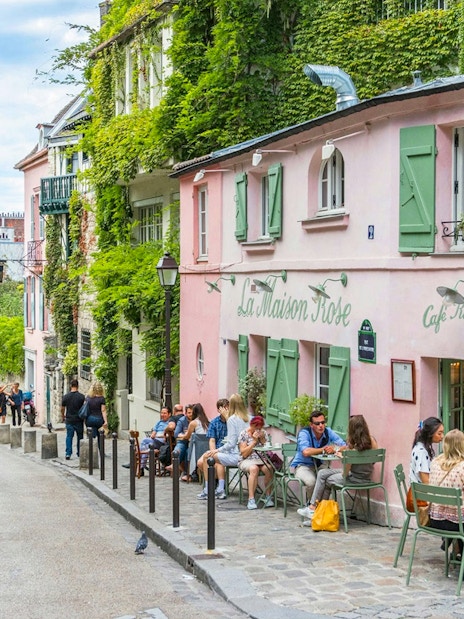
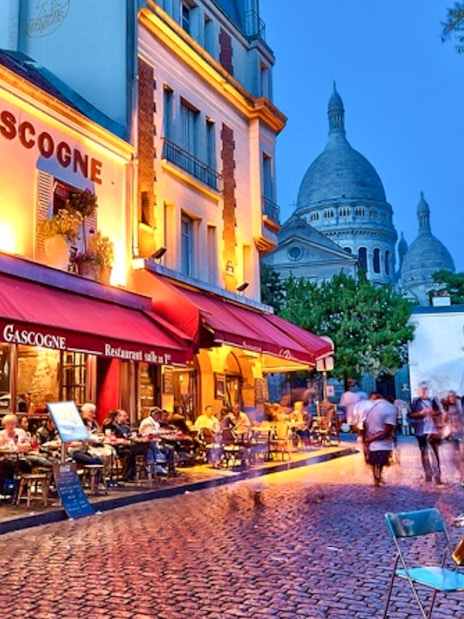
Pause for a coffee break at one of Montmartre’s timeless cafés. Sip an espresso on a terrace, watch artists sketch nearby, or simply enjoy the laid-back rhythm of Parisian life.
End with Montmartre’s magical nightlife
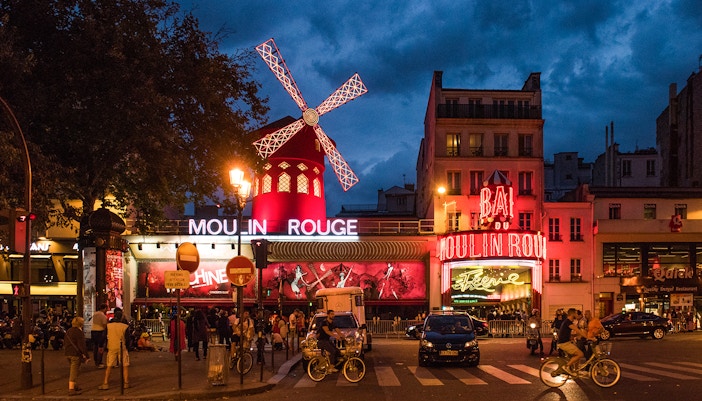
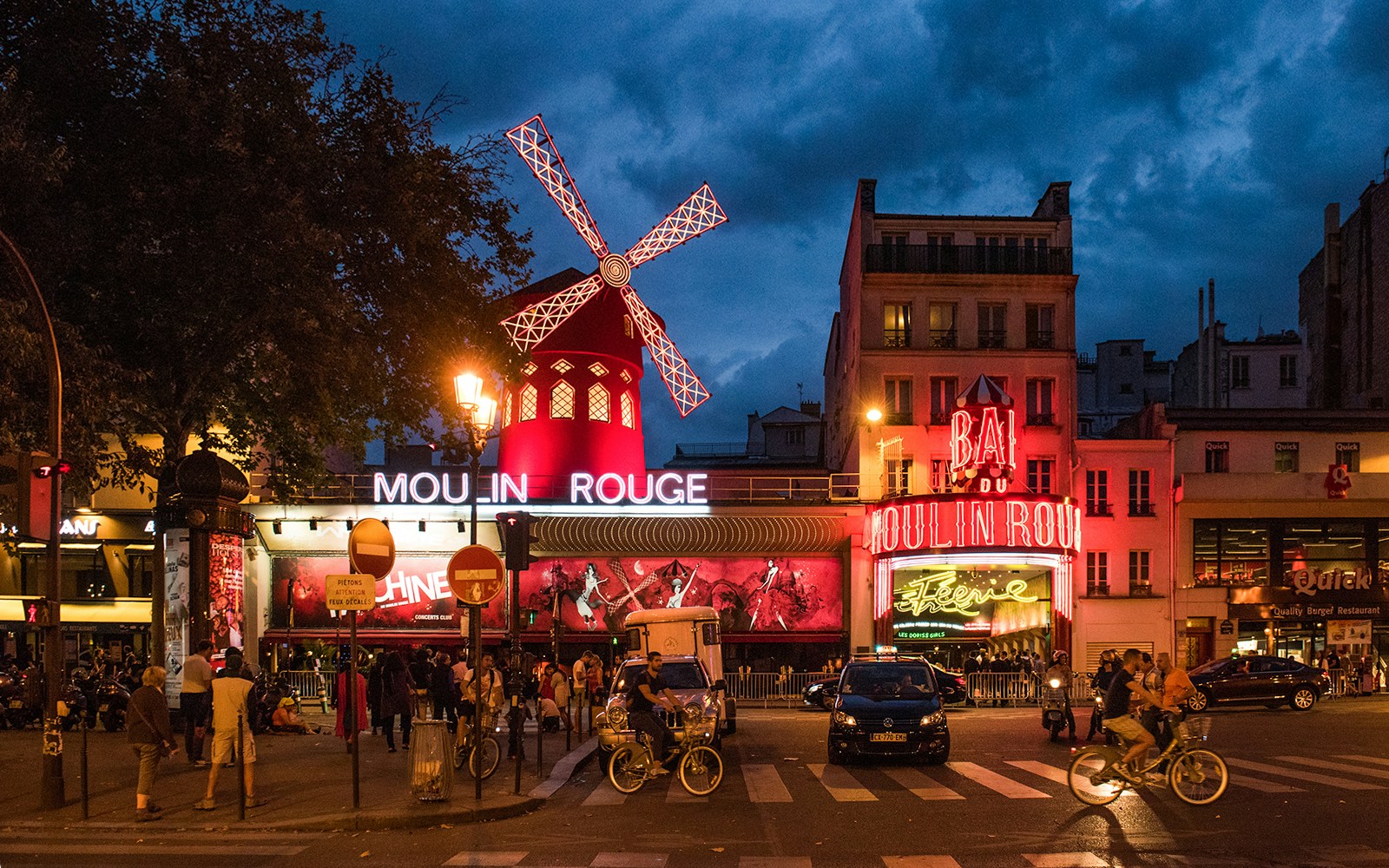
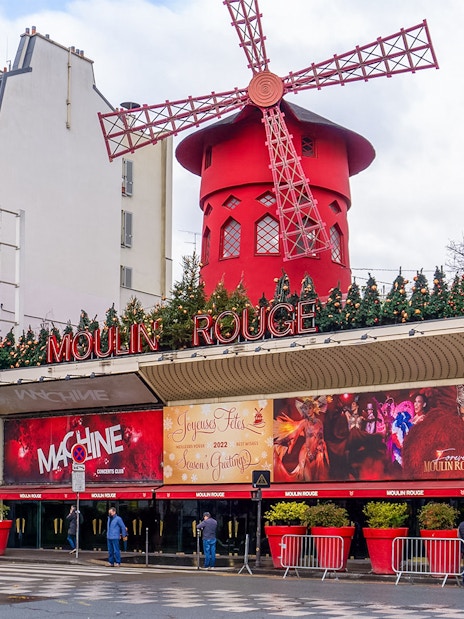
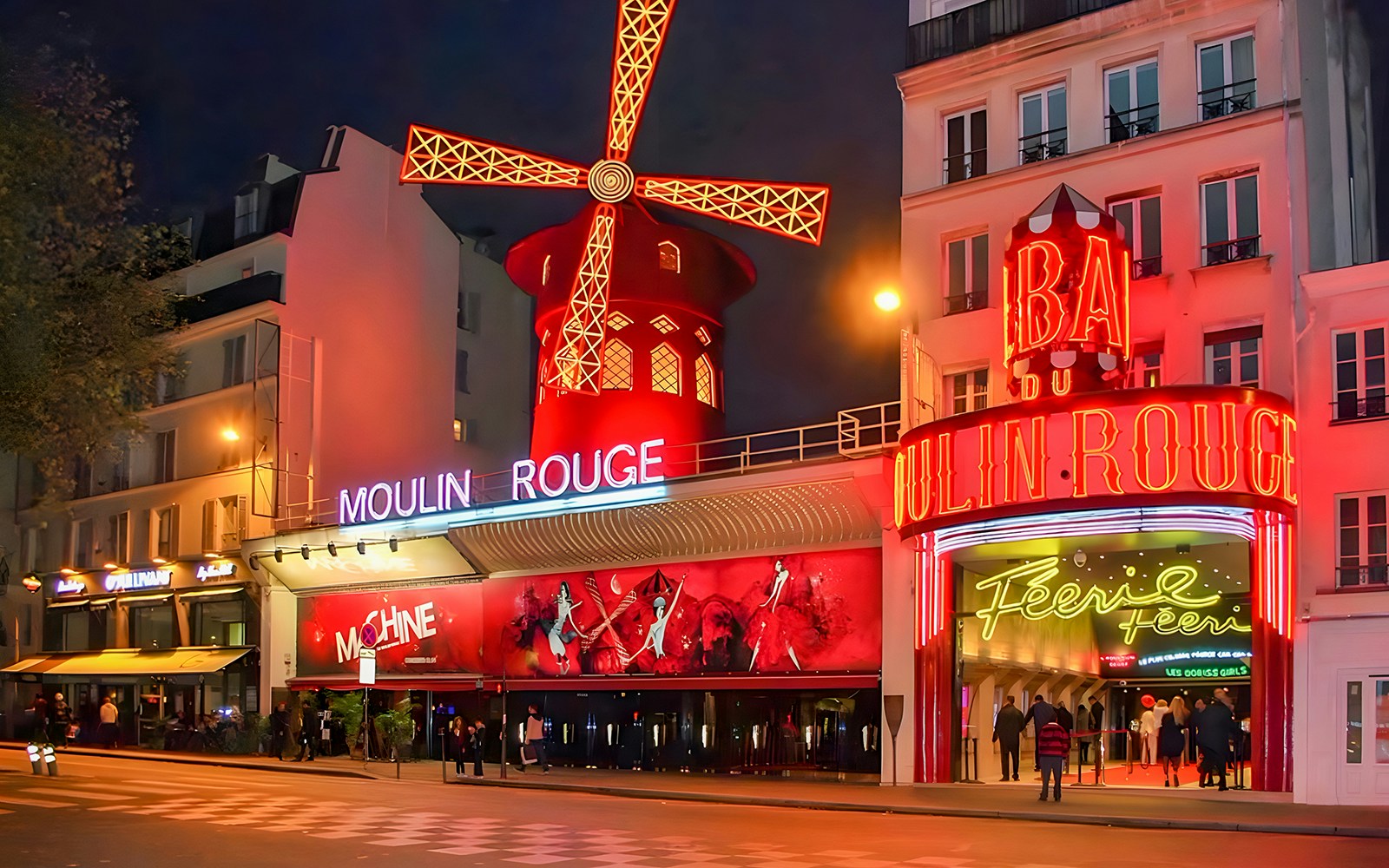
Montmartre’s nightlife blends historic cabarets, cozy bars, and live music venues. Moulin Rouge, established in 1889, is the birthplace of the French cancan, a high-energy dance that became a symbol of Parisian entertainment. Beyond cabaret, jazz clubs and intimate bars keep the district buzzing after dark.
Things to know before booking Montmartre tours
- Walking tours are popular in Montmartre because the district is hilly and has uneven cobblestone pathways.
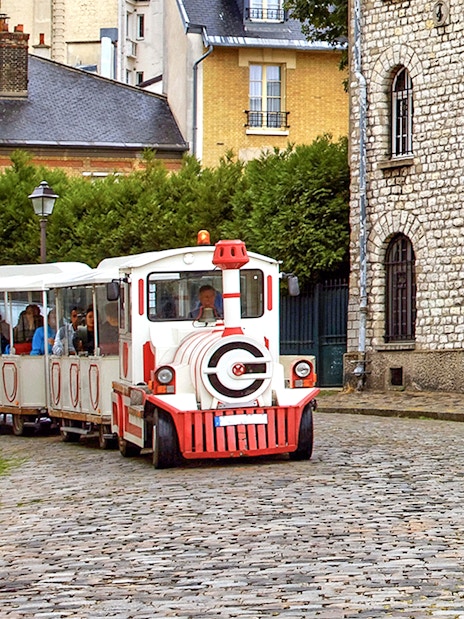
- If hours of walking are not enjoyable to you, there is a little train tour that takes you up and down the hill; it is a scenic ride covering the important landmarks of Montmartre.
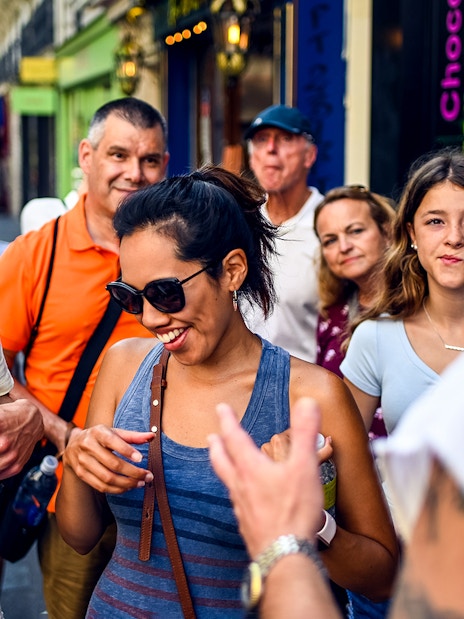
- Montmartre is shaped by its landmarks, food, wine, and art; guided tours are a great way to explore these themes.
- No landmarks on these tours are ticketed except Sacré-Cœur Basilica and the Montmartre Museum & Gardens . While entry to the Basilica is free, dome access is ticketed.
Find your best Montmartre match here
| Ticket type | Duration | What's included | Upgrades / Options | Book now |
|---|---|---|---|---|
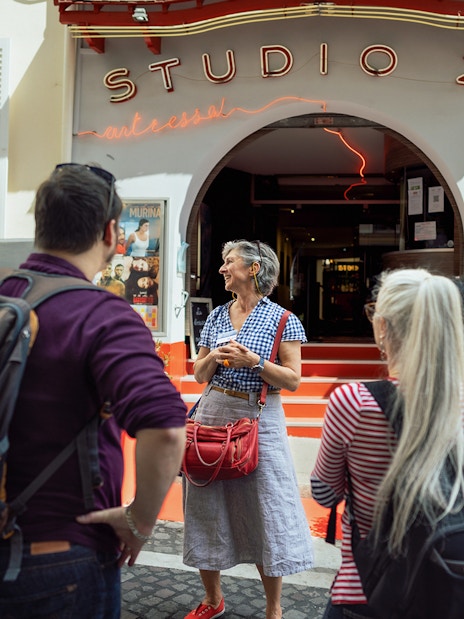
Guided tours | 1.5 hours | Expert-led walking tour through Montmartre’s highlights and artistic streets | Dome access ticket, multilingual audio guide | Montmartre Guided Tour |
Sacré-Cœur access tour | 1.5 hours | Guided visit to the Sacré-Cœur Basilica and walk around Montmartre village | - | Montmartre + Basilica Dome |
Dome access tour | 1.5 hours | Walking tour of Montmartre plus access to the Basilica’s Dome for panoramic views | Guide language options, dome ticket, interior/exterior audio guide, panoramic map, English audio guide | Montmartre Sacré-Cœur Tour |
Museum & gardens access | Flexible | Entry to the Montmartre Museum and Renoir Gardens; access to both permanent and temporary exhibitions | - | Montmartre Museum & Gardens |
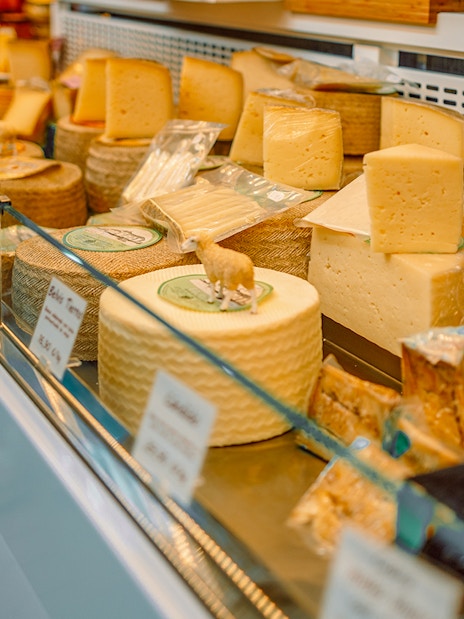
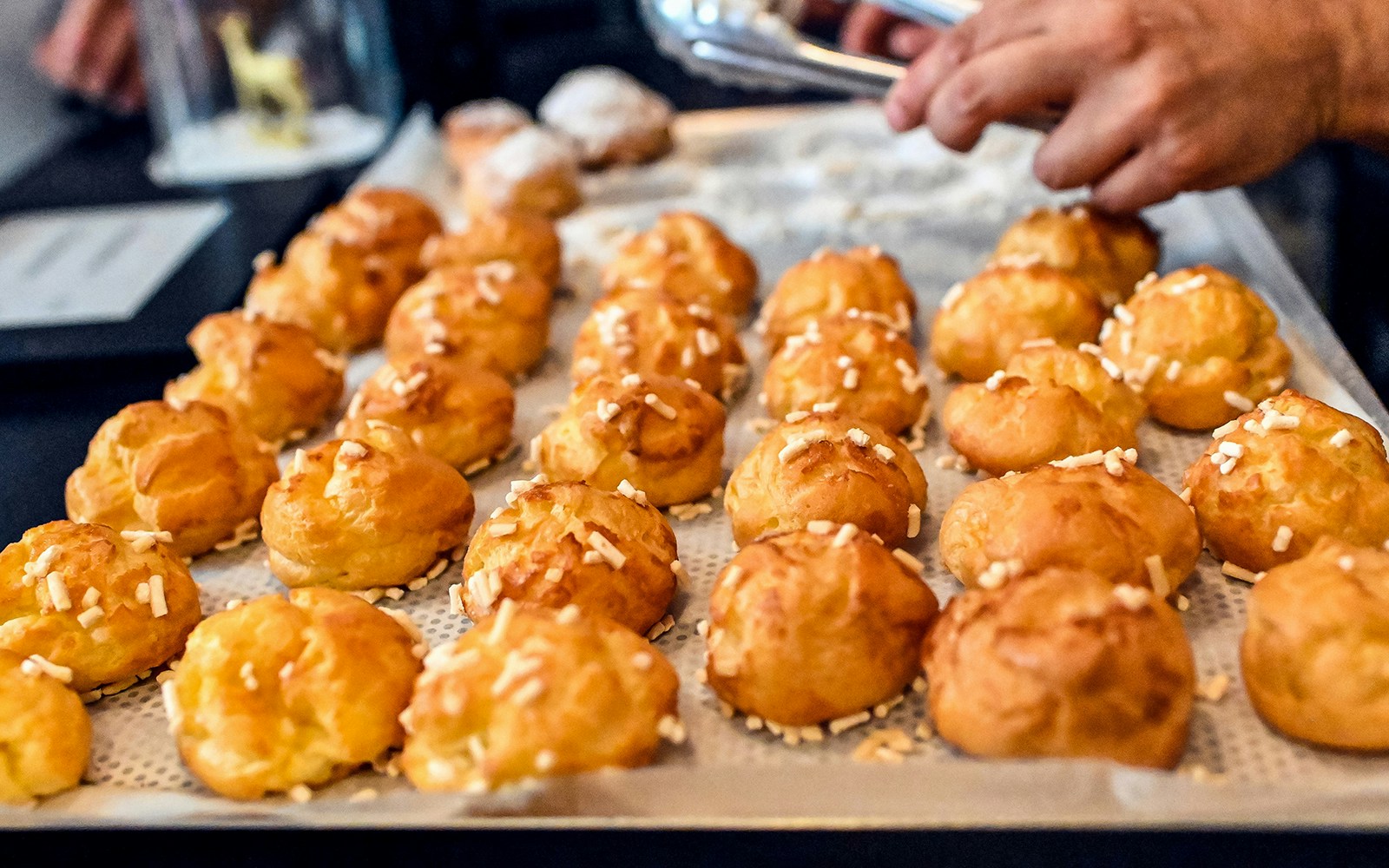
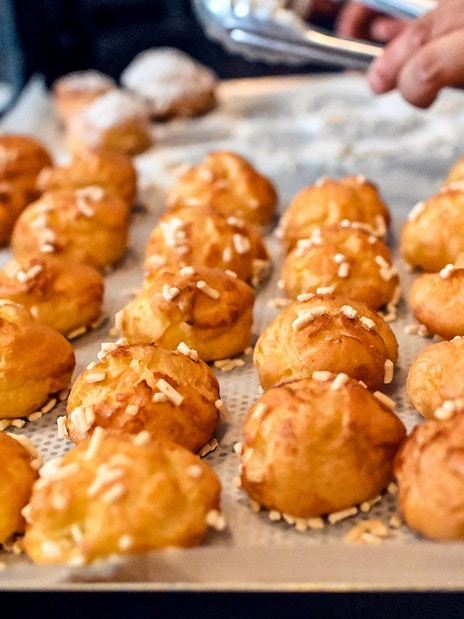
Food tours | 3.5 hours | Guided small-group tour with tastings of French cheeses, pastries, wines, meats, macarons, chocolates, and a secret dish | Folie de l'Espinose sparkling wine, Cadillac Bordeaux Moelleux sweet wine, and 1st Cru Cognac | Montmartre Food Tour |
Photography sessions | 30–60 minutes | Private shoot with a local photographer; collection of high-quality edited photos | Number of photos (10, 25, or 50) | Montmartre Photoshoot |
Family-friendly rides | 35 minutes - 1 hour | Scenic mini-train ride through Montmartre; optional Seine River cruise with audio guide | Seine River cruise add-on | Montmartre Little Train Tour |
What to see in Montmartre

Sacré-Cœur Basilica

Place du Tertre
This lively square is packed with street artists sketching live portraits and painting scenes. Once a gathering place for famous painters, it still carries the creative energy of the past. Grab a coffee at a nearby cafe and watch as the square fills with artists and visitors throughout the day.

Moulin Rouge
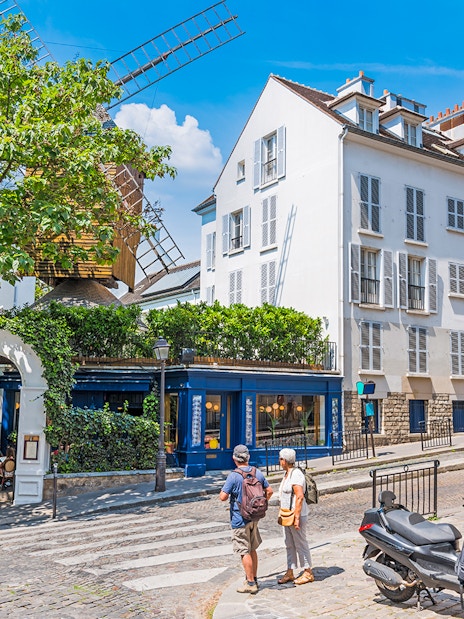
The famous red windmill marks the birthplace of the can-can dance. While the inside hosts dazzling cabaret shows, the outside is just as iconic for a quick photo. Nearby, the area is filled with theaters and nightlife, making it a must-visit for those interested in Parisian entertainment.

Musée de Montmartre & Renoir Gardens
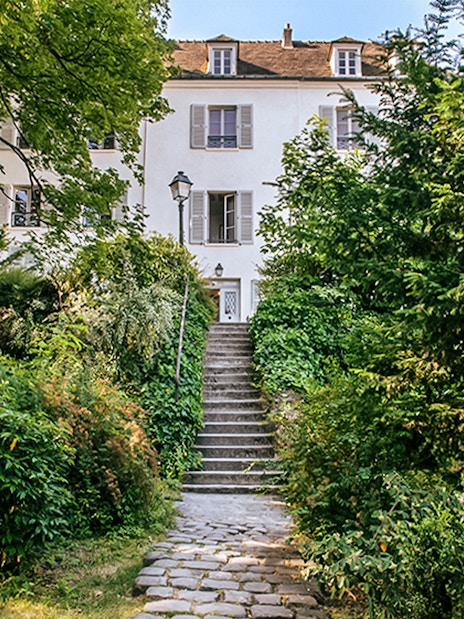
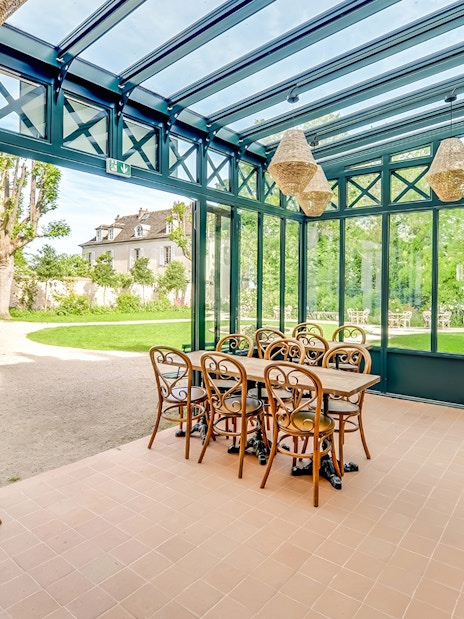
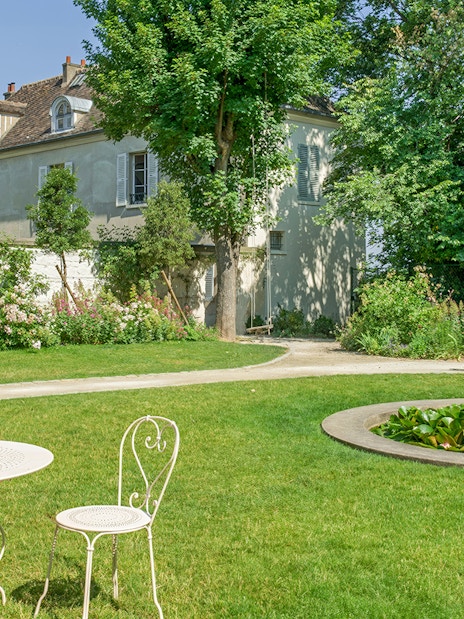
This museum sits Maison du Bel Air, the oldest house in Montmartre that once hosted artists like Renoir. Inside, exhibits tell the story of the neighborhood’s artistic past; outside, the peaceful gardens, where Renoir once painted, offer a quiet break from the busy streets and a rare glimpse into old Parisian charm.

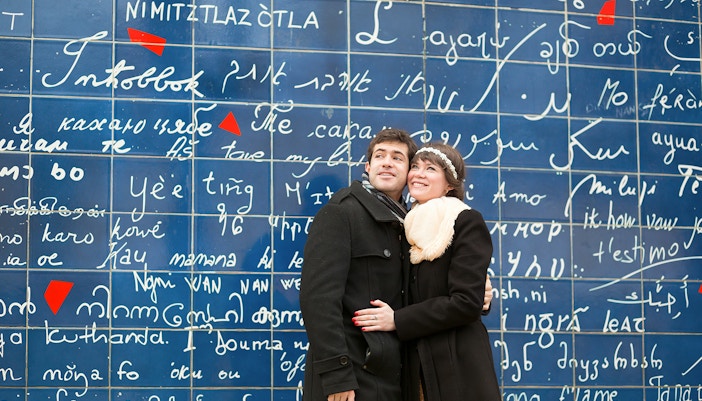
Le Mur des Je T’aime (Wall of Love)
This wall in Jehan Rictus Square is a tribute to love. It was created by the artists Fédéric Baron and Claire Kito and features "I Love You" written in over 250 languages. A great stop for couples or anyone who enjoys a unique photo spot, it’s a reminder of Paris’s reputation as the city of romance.

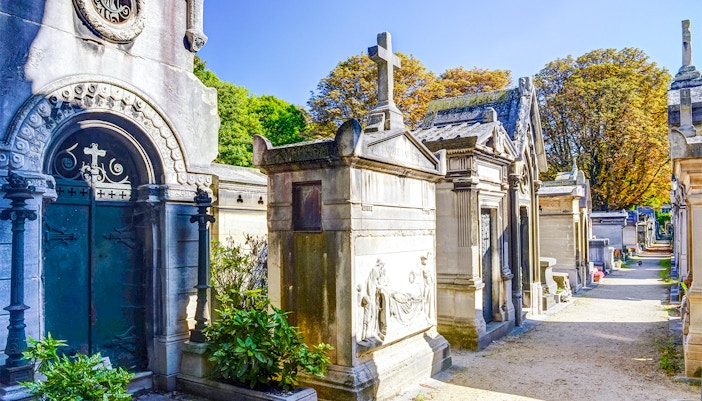
Montmartre Cemetery
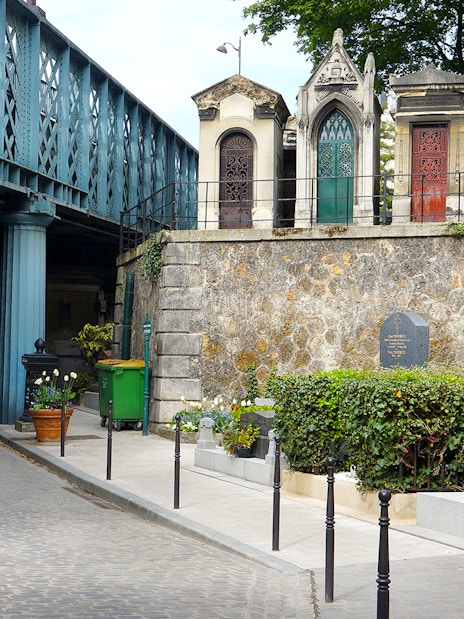
Quiet, shaded pathways lead through this burial ground where famous figures like Dalida, Degas, and Nijinsky rest. The elaborate tombstones and sculptures make it feel like an open-air museum. It’s less crowded than other Parisian cemeteries, offering a peaceful walk through history.

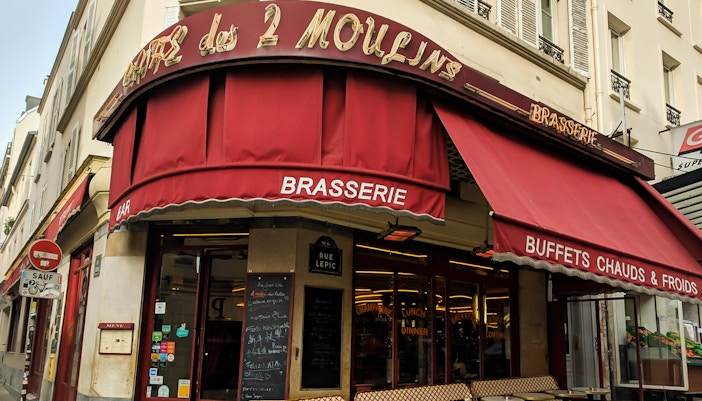
Rue Lepic & Café des Deux Moulins
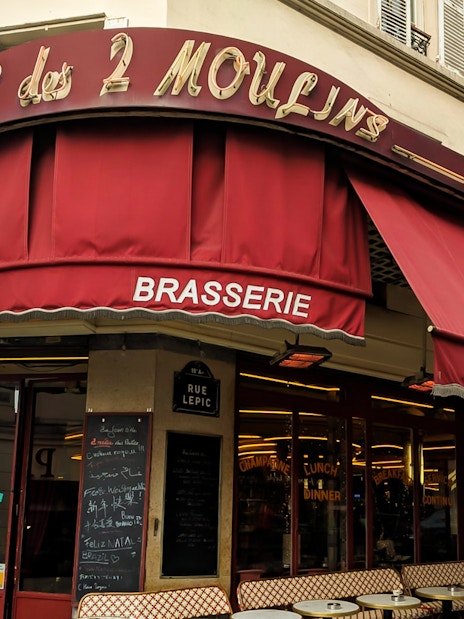
This winding street is lined with old buildings, bakeries, and markets. It’s home to Café des Deux Moulins, made famous by the movie Amélie. Pop in for a coffee and imagine yourself in a scene from the film, or just enjoy the classic Parisian café atmosphere.

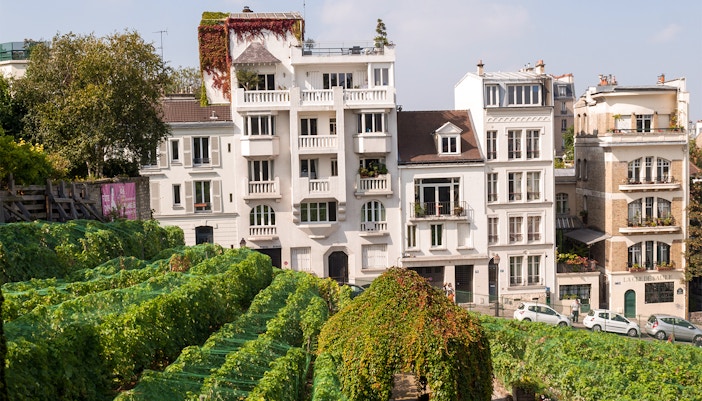
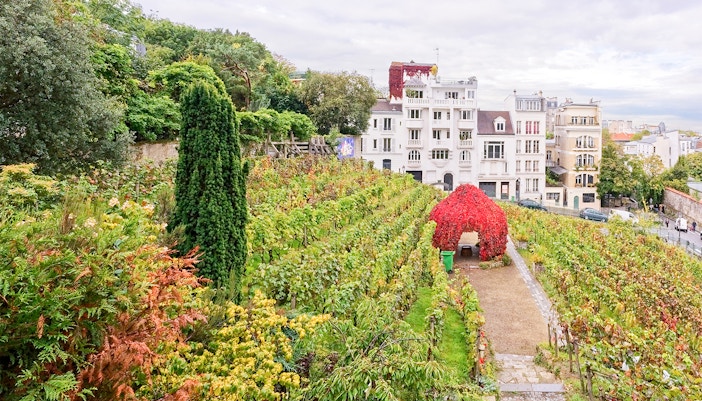
Vineyard of Clos Montmartre
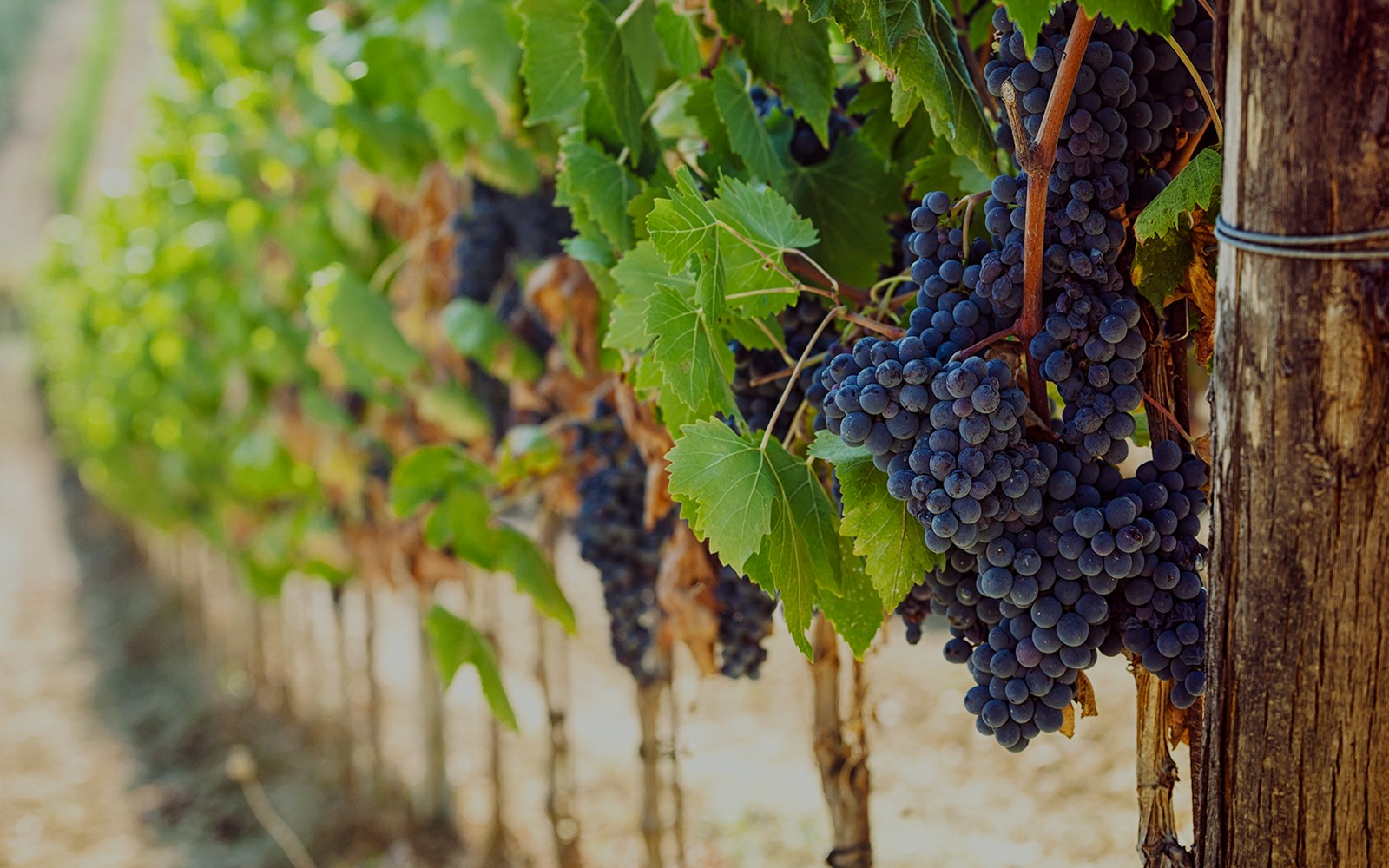
Tucked behind a small fence, this hidden vineyard is a reminder of the area’s winemaking past. Every October, a festival celebrates the grape harvest, bringing music and tastings to the streets. While the vineyard isn’t open to the public, you can admire it from the outside or visit it during special events such as the Fête de Vendanges, a multi-day wine harvest festival.

Dalí Paris
A museum dedicated to Salvador Dalí’s surrealist works, featuring sculptures, paintings, and sketches. Unlike traditional museums, the exhibits feel immersive, pulling visitors into Dalí’s dreamlike world. It’s a great stop for art lovers or anyone looking for something a little different from the usual attractions.

Bateau-Lavoir
Once a cheap artists’ residence, this building housed legends like Picasso and Modigliani in their early years. Though you can’t go inside, a plaque and window display share its story. Standing here, it’s easy to picture the young artists shaping the future of modern art in the heart of Paris.
Best things to do in Montmartre

Sacré-Cœur Basilica
Enjoy unobstructed views of Paris and its suburbs.


Plan your visit
Transport options
- By bus: Bus 40
Nearest stop: Place du Tertre - Norvins - By RER: Montmartre is not directly connected by the RER network, but you can take Line B to Gare du Nord station and either walk from there or catch 2 separate metro lines to reach the nearest station.
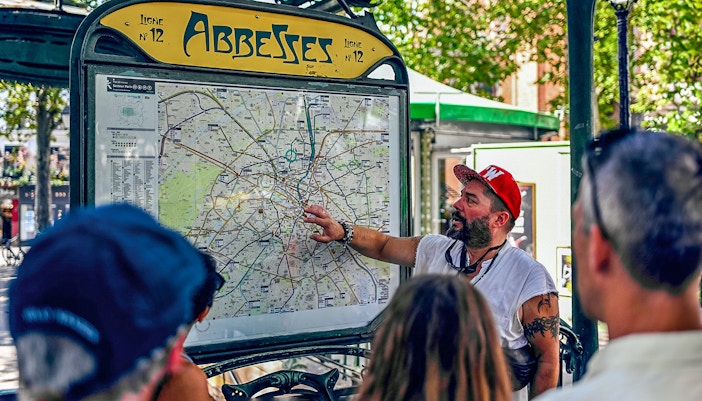
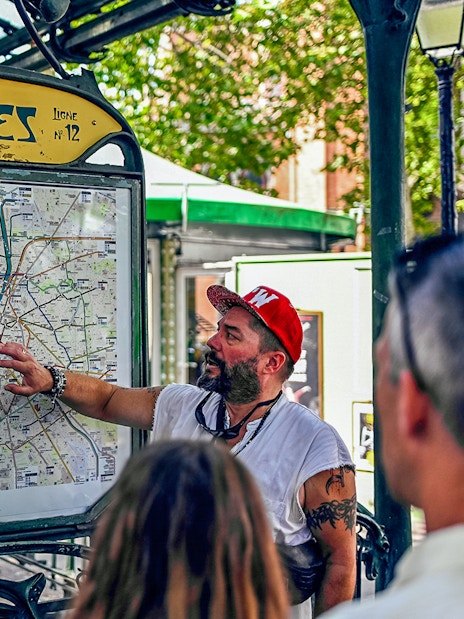
Nearest stop: Abbesses station - By metro: Line 12
Nearest stop: Abbesses station - By car: It takes roughly 20 minutes to drive from the Eiffel Tower to Montmartre. The best route is to go along Quai Branly until you reach Pont de l'Alma, and then follow the signs that will guide you to Montmartre.
Parking: Paid parking at the Sacré-Coeur Basilica

Sacré-Coeur Basilica:
Open daily from 6:30am–10:30pm
Note: The Basilica celebrates at least four masses daily. On Fridays, there are five masses, including one at 3pm
Best time to visit: Seasonally, November—February is a great time to visit. The weather is cold and crowds are scarce. Weekly, pick mid-week to visit (Tuesday or Wednesday), when the crowds are thinner.

While Montmartre Hill is not wheelchair accessible (steep, winding roads), Sacré-Coeur Basilica is. The church has a lift accessible via the backside. The access is open from 8:30am–7pm.
An easy way to reach the basilica is to board the Montmartre funicular, which takes one minute and 30 seconds to travel from the bottom of the hill to its summit. Thus, one avoids the 222-step climb.

- Le Consulat: A historic café known for its charming terrace and classic French cuisine, once frequented by artists like Picasso and Van Gogh.
Must-try dish: French onion soup
Price for 2: €40–€60 - Le Petit Moulin: An intimate bistro with a daily changing menu, offering fresh, locally sourced ingredients and a true taste of French gastronomy.
Must-try dish: Duck confit
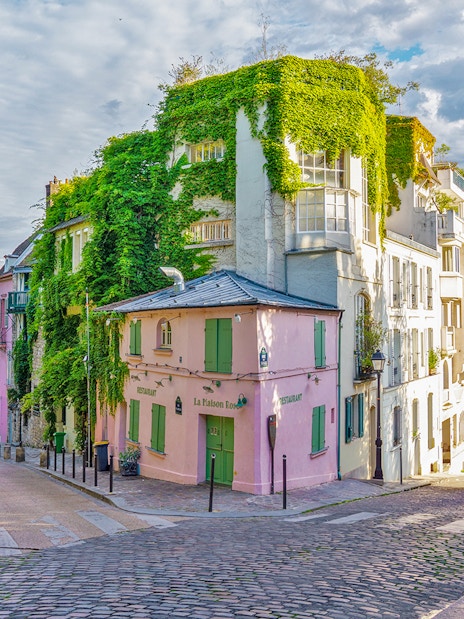
Price for 2: €50–€70 - La Maison Rose: One of Montmartre’s most photographed cafés, serving simple yet delicious French and Mediterranean dishes in a picturesque pink building.
Must-try dish: Ratatouille
Price for 2: €40–€60 - Seb'on: A modern take on French cuisine with creative dishes in an intimate setting, offering a refined yet relaxed dining experience.
Must-try dish: Foie gras with seasonal chutney
Price for 2: €60–€80

- Don’t want to climb up the hill? Board the Montmartre funicular which will take you uphill in 1 minute and 30 seconds.
- Montmartre is a hill and mostly cobblestoned; wear your most comfortable shoes.
- Sacre-Cœur is a tourist-heavy area, well-known for its pickpocketing schemes. Be vigilant at all times and keep bags/purses close to your body.
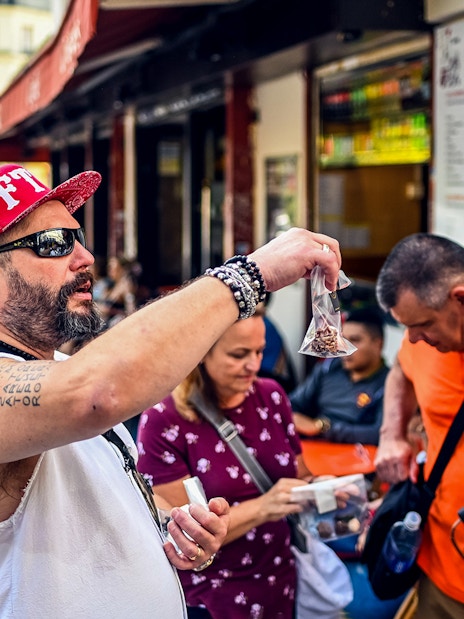
- On the climb to the basilica, watch out for men who’ll force a bracelet on your wrist and demand money. Decline with a stern no or non merci.
- Not just weekends, avoid visiting on a bank holiday too because the crowds are just as bad.
Montmartre Museum
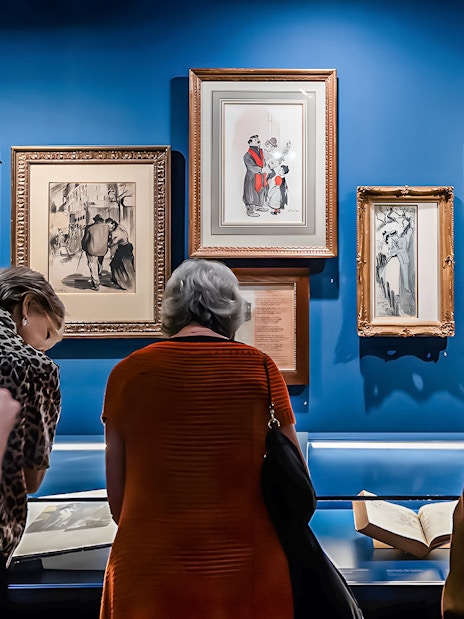
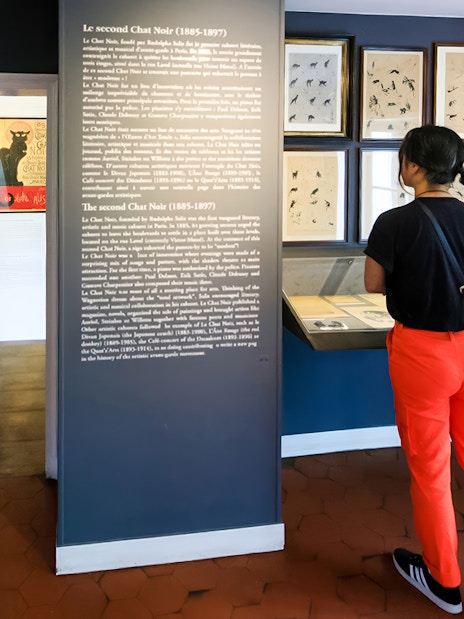
If you’re in Montmartre, a visit to the Montmartre Museum is an absolute must. Housed in a centuries-old building where artists like Renoir, Suzanne Valadon, and Utrillo once lived, the museum beautifully captures the area’s artistic soul. Inside, you’ll find a collection of paintings, posters, and photographs that trace Montmartre’s evolution from a rural village to the beating heart of Paris’s art scene. Exhibits spotlight the cabaret culture of the Moulin Rouge, the early days of the Impressionists, and the neighborhood’s bohemian lifestyle. After exploring the galleries, take a quiet stroll through the Renoir Gardens for the lovely views of the Montmartre vineyards and the city skyline.
Frequently asked questions about Montmartre tours
Yes, you can book multiple tours to explore Montmartre's different aspects, such as art, food and wine, and history. Since tours last 1.5–3 hours, it is possible to do multiple tours in a single day’s visit.
This is an absolute must. Apart from being a popular tourist attraction, Montmartre tour group sizes are small (12–15 people) and fill up quickly. To guarantee a spot, book in advance (at least 2 weeks).
A Montmartre tour typically includes:
• Sacré-Cœur Basilica – The iconic white-domed church with panoramic views of Paris.
• Place du Tertre – A lively square filled with street artists and portrait painters.
• Moulin Rouge – The world-famous cabaret and birthplace of the modern can-can.
• Café des Deux Moulins – Known from the film Amélie.
• The Wall of Love – A romantic mural with “I love you” written in multiple languages.
• Dalí Paris Museum – Showcasing surrealist works by Salvador Dalí.
• Clos Montmartre – A rare urban vineyard producing local Parisian wine.
While most tours cover the history and exterior of Sacré-Cœur, entry to the basilica is free so you can visit inside on your own after the tour. That said, access to the dome requires a separate ticket, which can be upgraded with your walking tour.
Yes, as Sacré-Cœur is an active place of worship, you are expected to dress modestly. Avoid sleeveless tops, short skirts, or shorts. A light scarf or shawl is handy if you need to cover up.
Definitely! A guided tour brings the area’s history, art, and local delicacies to life. Expert local guides share insider stories—from Picasso’s favorite cafes to Van Gogh’s residence—making your visit far more enriching than a solo stroll.
Depending on the tour you choose, the start point varies. Details are mentioned on your booked tickets.
Most Montmartre walking tours last between 1.5 to 3 hours, depending on the tour type. Some extended tours may include stops for wine tastings or museum visits.
While guided tours are commonly in English and French are the most common; audio guides are offered in English, French, Russian, German, Italian, Spanish, and Polish. Check the tour details before booking.
Montmartre’s cobblestone streets and steep, winding alleys can make accessibility challenging. However, visitors with mobility issues can reach Sacré-Cœur using the Montmartre funicular, which connects the hill’s base to its summit. The basilica also has a wheelchair-accessible entrance.