Why combine the Orsay and Orangerie Museum?
Short transfer
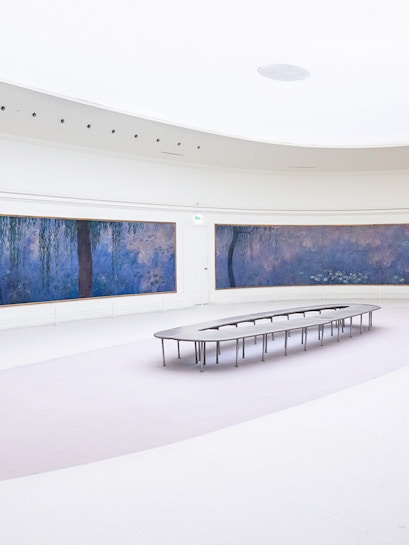
These museums sit within a short walk of each other, so you can move from Monet’s Water Lilies to Orsay’s bigger Impressionist galleries without losing half your day in transit.

Art story

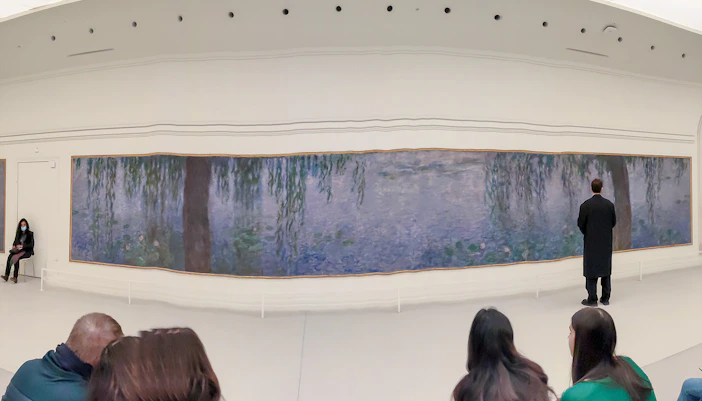
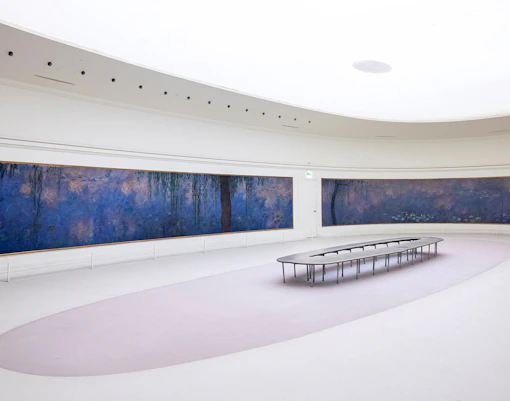
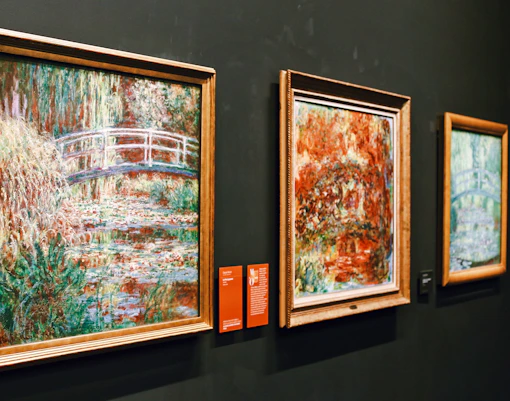
Orangerie gives you Monet at his most immersive, while Orsay broadens the story with Renoir, Degas, Cézanne, and Van Gogh, making the pair feel complete rather than repetitive.

Better value

Booking the combo usually costs less than piecing together separate products, and the combo option adds an Orsay audio guide, so you’re saving both money and planning effort.

One checkout

One reservation is easier to track than two museum purchases, especially when Orsay uses timed entry. You spend less time comparing inclusions and more time deciding how to visit.

The best ways to explore both

AspectSeparate ticketsCombo tickets

Cost

Orsay from €14, plus a second Orangerie booking and any audio add-ons.

One combo bundles Orsay audio guide and Orangerie entry, with 12% savings.

Availability

You track two products, and Orsay timed slots can tighten first.

One booking secures the pairing more cleanly for the same trip.

Timeslots

You coordinate Orsay’s slot and build Orangerie around it yourself.

Orsay is fixed; Orangerie is easier to place around that anchor.

Convenience

Two checkouts, two confirmations, and separate inclusion details.

One checkout, one confirmation, and a simpler museum day.

Flexibility

More freedom to mix dates, formats, and upgrades.

Less customizable, but easier if you want a ready-made plan.

Best for

Visitors splitting the museums across different days or formats.

Visitors wanting Monet at Orangerie and Orsay highlights with less planning.

Making the most of your experience

  • Plan your day: Start at Orangerie for 45–60 min, then walk 10–15 min to Orsay for 2–3 hr. Add a Tuileries or Seine-side coffee break between them.

  • Upgrade smartly: The combo includes an audio guide at Orsay. If you want a deeper Orsay visit, separate Orsay Museum reserved access tickets also offer audio-guide and guided-tour variants.

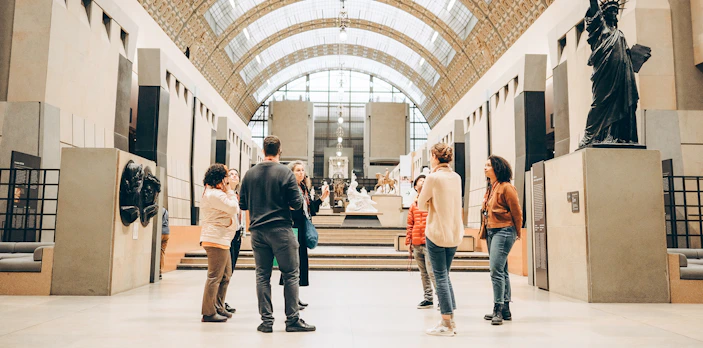
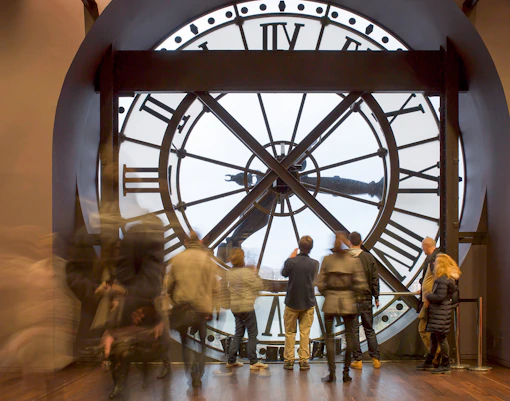
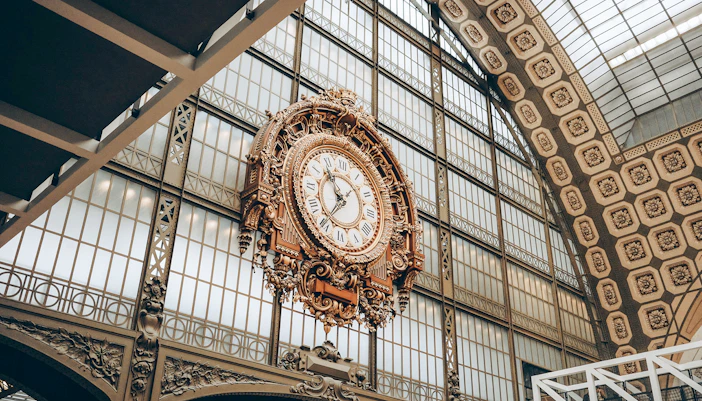
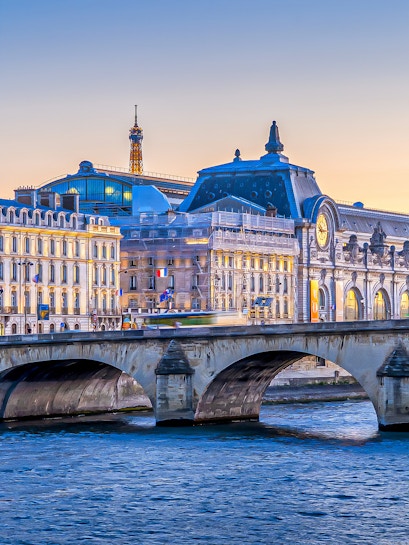
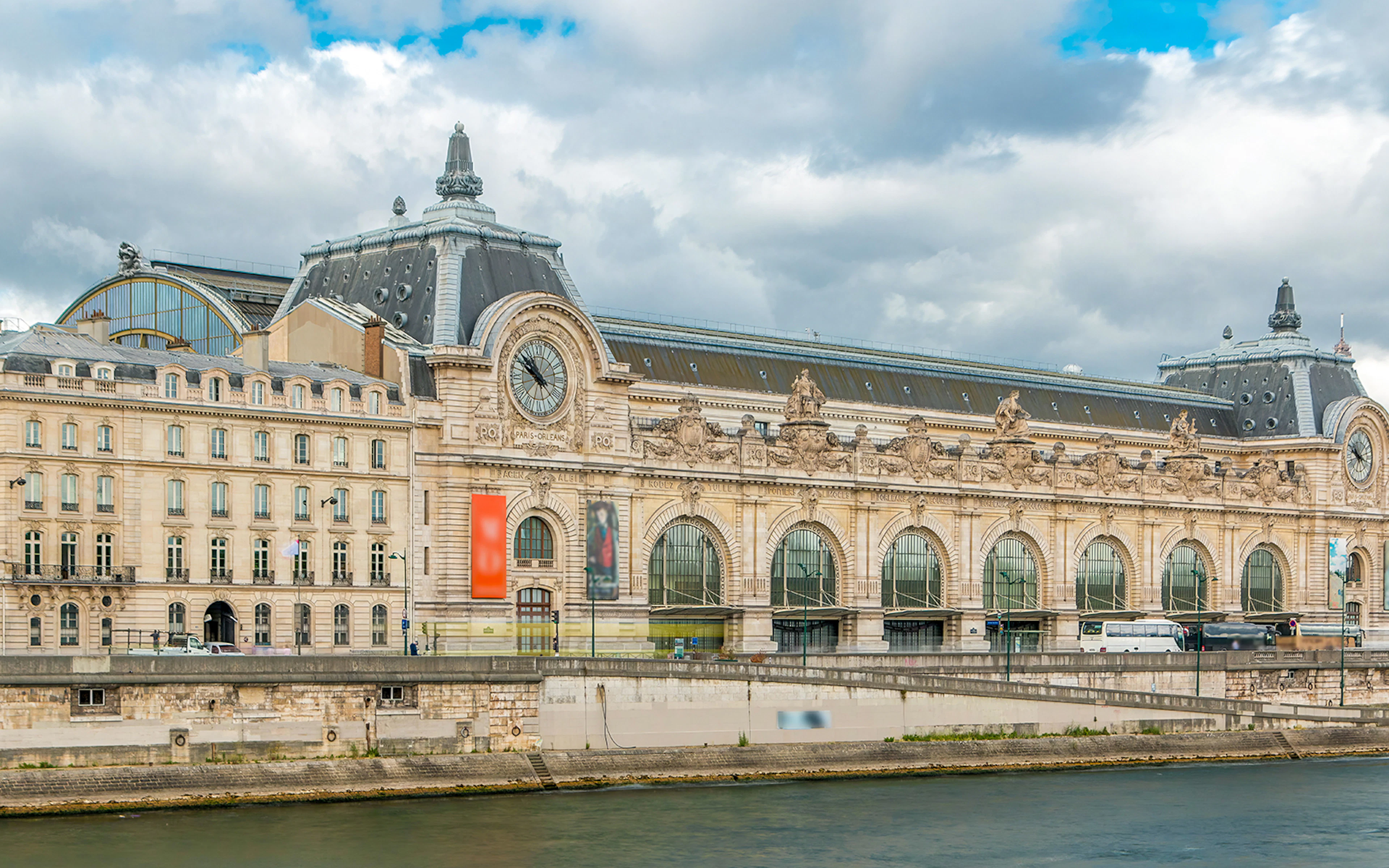
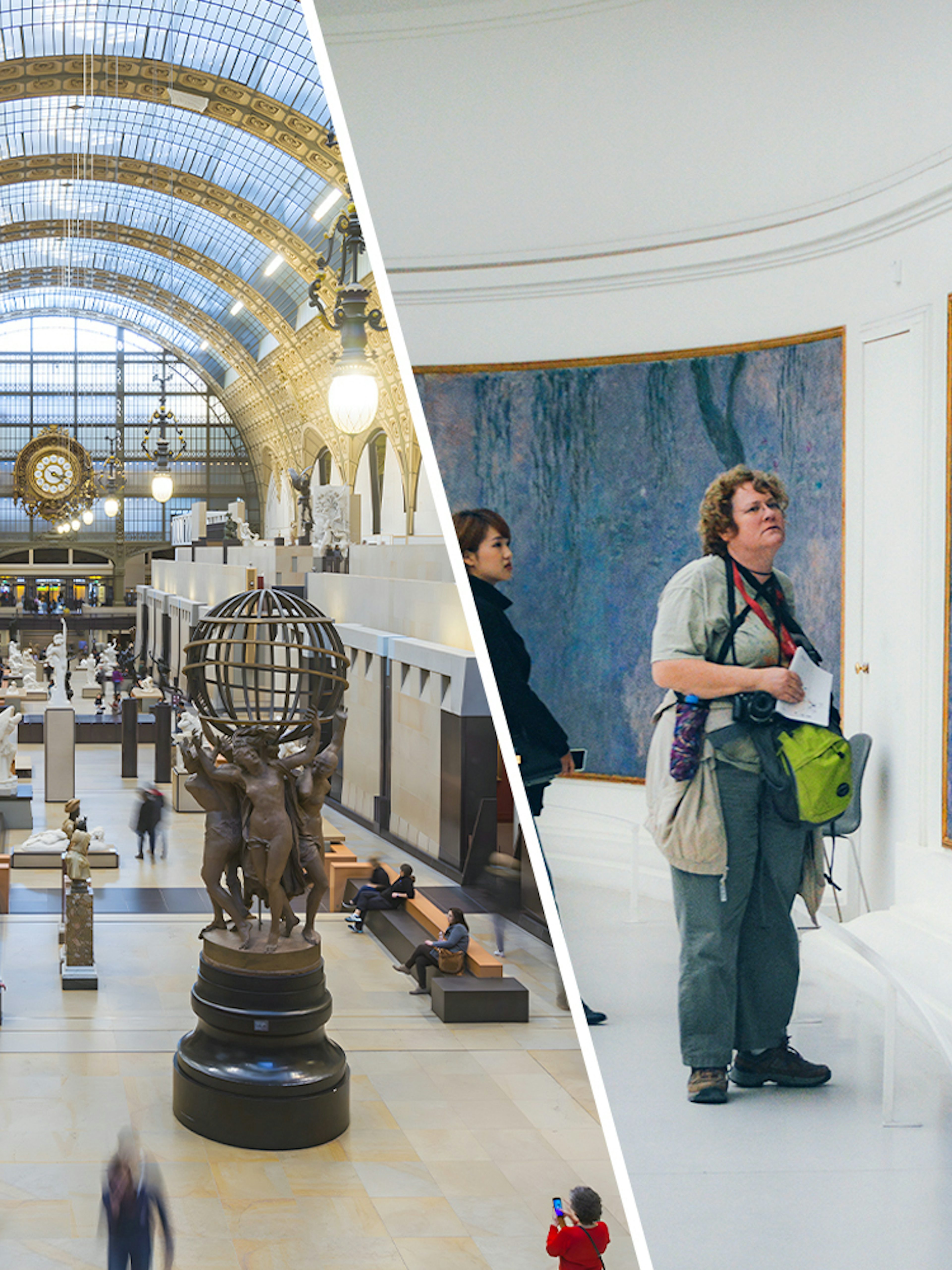
  • Top highlights: Orangerie covers Monet’s Nymphéas rooms and the Jean Walter and Paul Guillaume collection. Orsay adds Van Gogh, Monet, Renoir, Degas, and the famous clock-side Paris view.

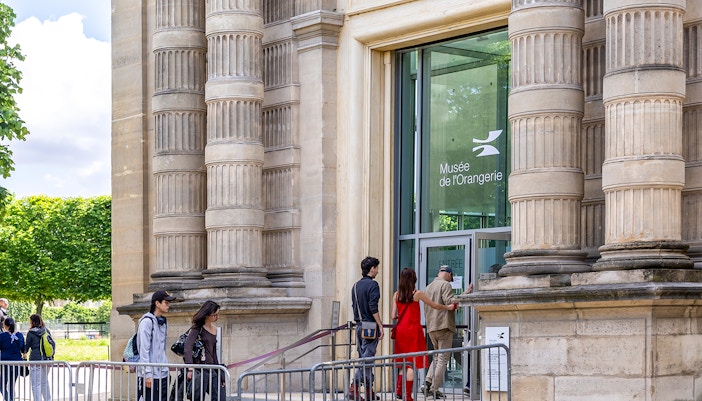
  • Orangerie Museum: Open daily from 9am to 6pm, and closed Tuesdays. Its smaller scale makes it easier to complete in under 1 hr.

  • Orsay Museum: Open Tuesday–Sunday from 9:30am to 6pm, with late closing on Thursdays at 9:45pm. The biggest galleries need at least 2 hr. [Detailed timings →]

  • Start at Orangerie: Its Monet rooms are calmer earlier in the day, and finishing there would make Orsay feel rushed if you still want the top-floor Impressionists.

  • Best strategy: Avoid Tuesday midday if possible, because the Orsay gets extra traffic when the Louvre is closed. Thursday afternoon into evening is the easiest same-day pairing.

  • Location context: Both museums sit in central Paris near the Seine and the Tuileries, close enough to combine without needing a cross-city transfer.

Orangerie Museum: Jardin des Tuileries, Place de la Concorde, 75001 Paris, France | Find on Maps

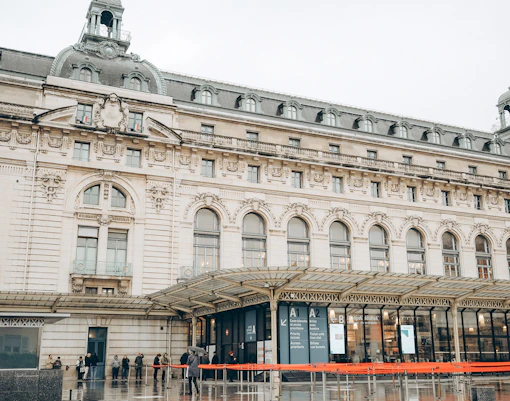
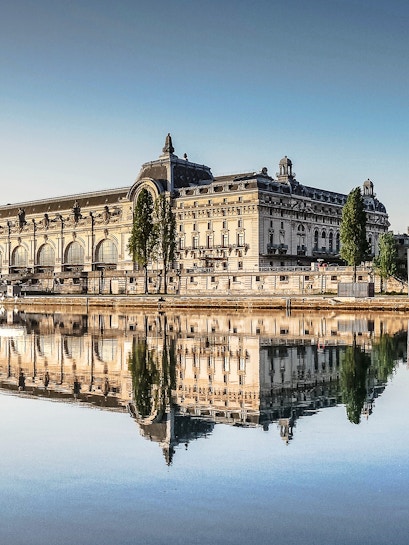
Orsay Museum: 1 Rue de la Légion d’Honneur, 75007 Paris, France | Find on Maps

  • Walk: Allow 10–15 min via the Passerelle Léopold-Sédar-Senghor pedestrian bridge. It’s the simplest transfer and keeps you off the Metro between visits.

  • Metro and rail: Concorde (Lines 1, 8, 12) is useful for Orangerie. Solférino (Line 12) and Musée d’Orsay on RER C work best for Orsay.

  • Bus and car: Buses 63, 68, 72, 73, and 84 stop nearby. Central parking exists around Concorde and Bac-Montalembert, but public transport is usually easier.

  • Orangerie Museum: Step-free routes and stroller-friendly access cover the museum, and wheelchairs are available on-site.

  • Orsay Museum: Elevators reach the main floors, and wheelchairs are available against photo ID.

  • Wheelchair loans: Both venues can provide wheelchairs, which makes the combo workable without bringing your own.

  • Quieter spaces: Orangerie’s Nymphéas rooms and Orsay’s Thursday late hours are usually calmer than midday galleries.

  • Service animals: Guide dogs and service dogs are accepted at both museums.

  • Start with Monet: Do Orangerie first if Water Lilies is your priority. You’ll see the quieter, immersive rooms before the larger Orsay crowds build.

  • Use the pedestrian bridge: The Passerelle Léopold-Sédar-Senghor is the most direct transfer and keeps the combo feeling seamless.

  • Use the audio guide at Orsay: The collection is much larger there, so commentary adds more value than it would at the smaller Orangerie.

  • Save the clock photo for later: At Orsay, the giant clock viewpoint is easier to photograph after the main galleries start thinning out.

  • Travel light: Orangerie has limited checkroom capacity and doesn’t accept bulky items, so light bags make both entries faster.

  • Break between museums: A short stop in the Tuileries or at a Seine-side café helps more than pushing through two art-heavy visits without pause.

  • Use Thursday wisely: Pair Orangerie earlier with Orsay’s late Thursday closing if you want both museums in one day without rushing the bigger one.

Frequently asked questions about Orangerie and Orsay combo tickets

Yes, you can book them separately. The combo is simply easier if you already want both, because it reduces checkout steps and bundles Orsay’s audio guide.

More reads