Did you know?

1. Musee d’Orsay has an extensive collection of over 45,000 photographs, making it one of the first French museums to recognize photography as a form of art.

2. The museum features reconstructed rooms from the apartments of Napoleon III and Empress Eugénie, offering a glimpse into the opulent lifestyle of the 19th-century French ruling class.

3. Orsay Museum is mentioned in numerous written works, including an acclaimed literary work, “The Elegance of the Hedgehog” by Muriel Barbery.

What to see at the Orsay Museum?

orsay museum
1/7

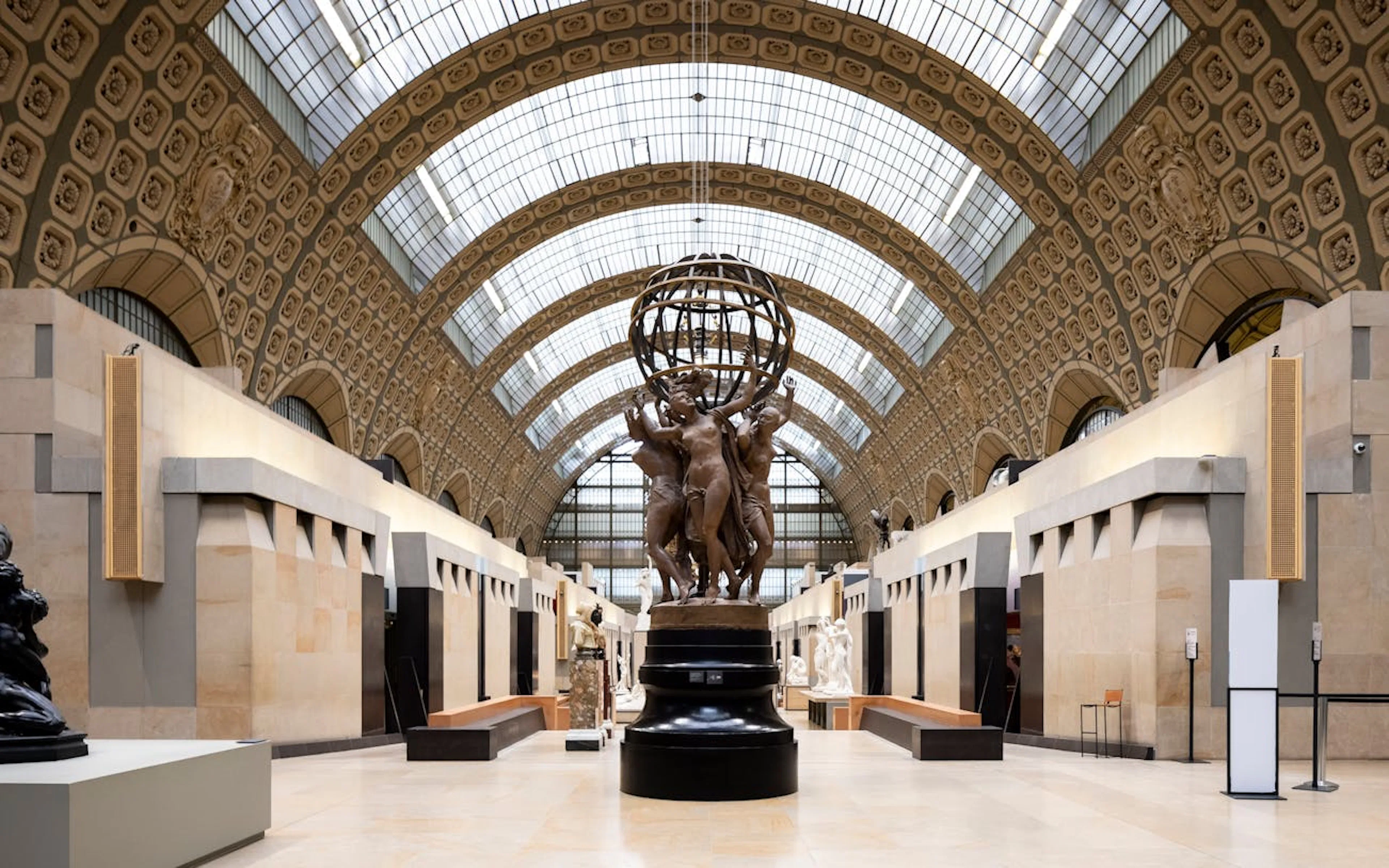
Central nave and sculptures

Start in the soaring central hall, where 19th-century sculpture stands beneath the former station roof. It orients you fast: architecture, scale, and the museum’s blend of painting, sculpture, and public spectacle all in one view.

Realism and academic painting

Before the Impressionists, spend time with the mid-19th-century galleries. These rooms show the rules later artists reacted against, which makes the jump to Manet, Monet, and Degas far more legible.

Impressionist galleries

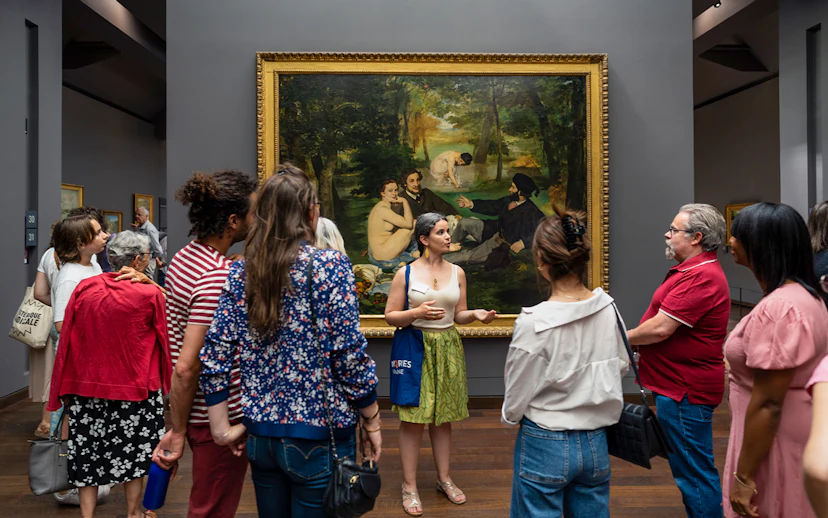
This is where most visitors head first, especially by late morning. You will see Monet, Renoir, Pissarro, Sisley, and Morisot in concentrated sequence, which is why these rooms are the emotional and intellectual center of the museum.

Van Gogh rooms

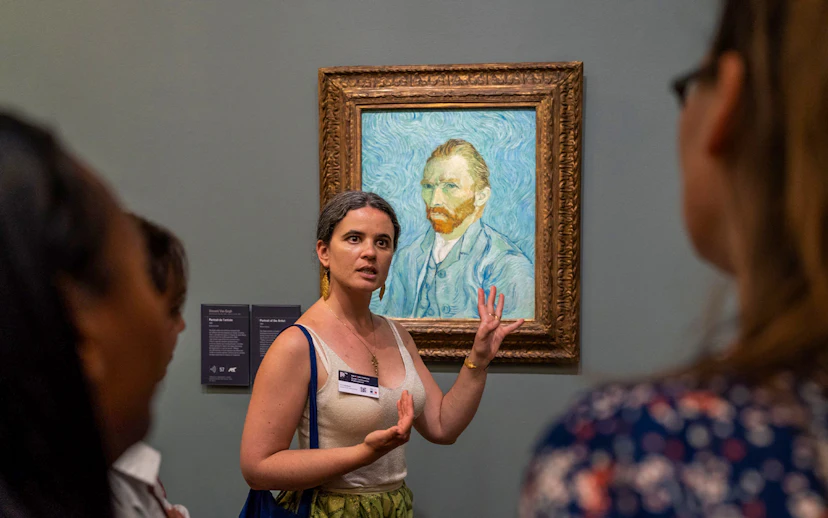
The Van Gogh works draw steady crowds for good reason. His brushwork, color, and self-portraiture feel more intimate in person than in reproduction, and these galleries rarely stay quiet for long.

Decorative arts and Art Nouveau

Furniture, ceramics, and design objects widen the story beyond painting. If you want to understand how modern taste moved into everyday life, these galleries reward 20–30 extra minutes.

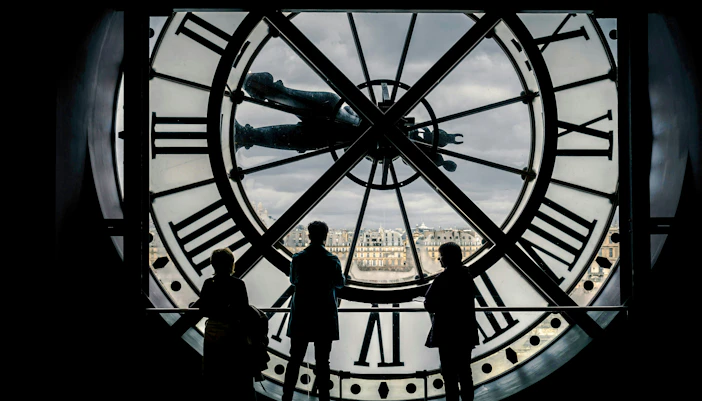
The giant clock viewpoint

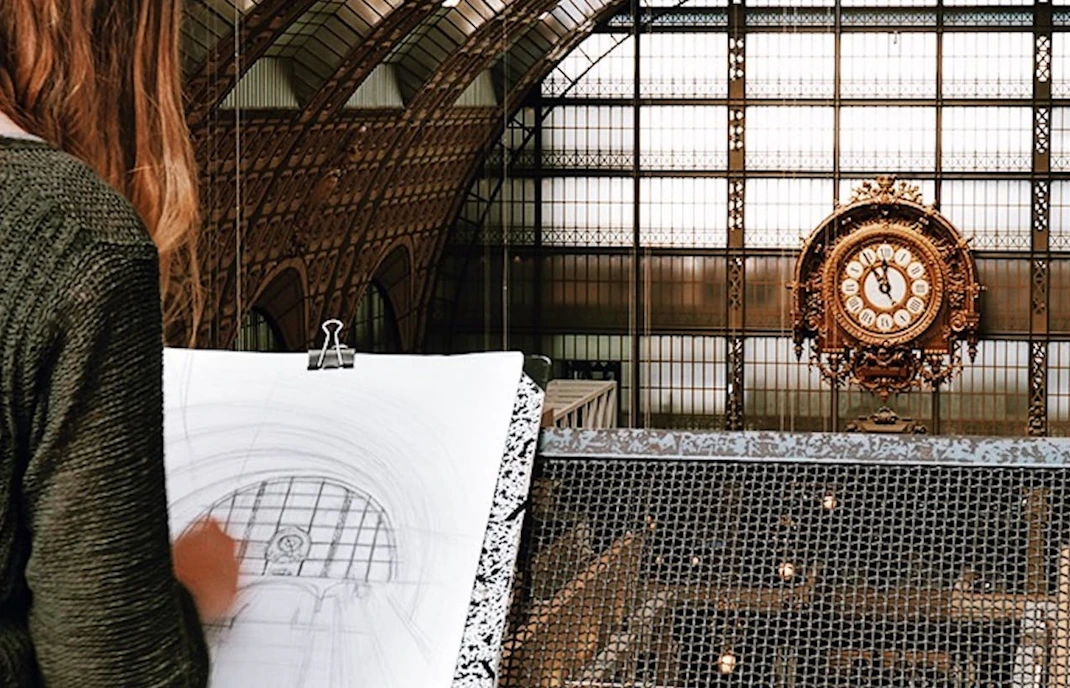
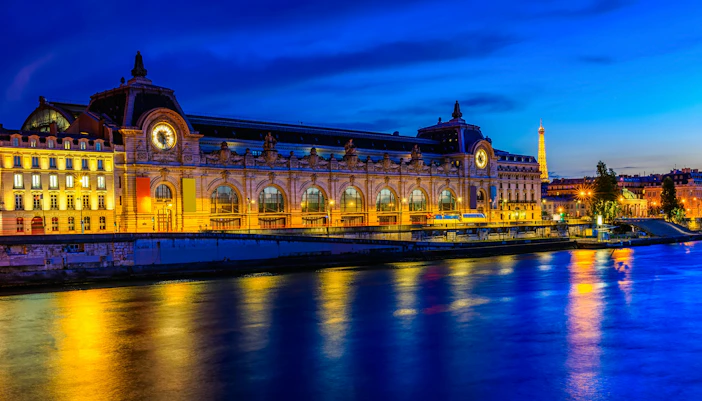
One of the museum’s most photographed moments is the great clock overlooking Paris. It is a short stop, but it ties the building’s railway past to the city outside in a single frame.

Temporary exhibitions

If your ticket includes special exhibitions such as ‘Renoir and Love,’ build in extra time. These shows add depth to the permanent collection and can change the pace of the visit completely.

Two iconic Paris art museums, one seamless visit

Save 12% and explore the masterpieces of the Musée d’Orsay and Musée de l’Orangerie with an immersive audio guide experience at Orsay, from Impressionist legends to Monet’s Water Lilies.

Get Combo Tickets & Save

Budget 2–3 hours for a focused visit and closer to 4 if you want the sculpture nave, decorative arts rooms, and a temporary exhibition. The museum works best as a rising sequence: begin in the central hall to get your bearings, cover the ground-floor sculpture and mid-19th-century galleries first, then move upward toward the Impressionists, where crowds build fastest by late morning. End near the giant clock for one last look across Paris and back through the old station interior.

Must-see: the upper-floor Impressionist galleries, the Van Gogh rooms, and the great clock view through the old station facade. Optional: the decorative arts galleries and temporary exhibitions, which add design context and usually 30–60 minutes.

Collections at the Orsay Museum

Fifth floor

Focus: Impressionism

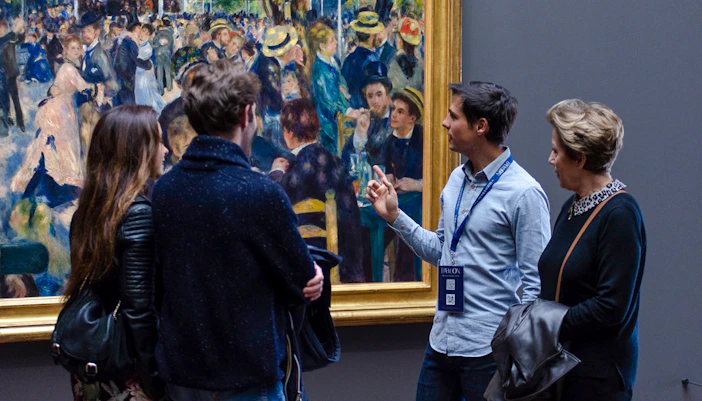
Key Highlights: Impression, Sunrise by Claude Monet, Dance at Le Moulin de la Galette by Pierre-Auguste Renoir, Bal du moulin de la Galette by Pierre-Auguste Renoir

Significance: Features work during the movement by its key figures. Focus on capturing fleeting moments and the effects of light, and their shift away from traditional subject matter.
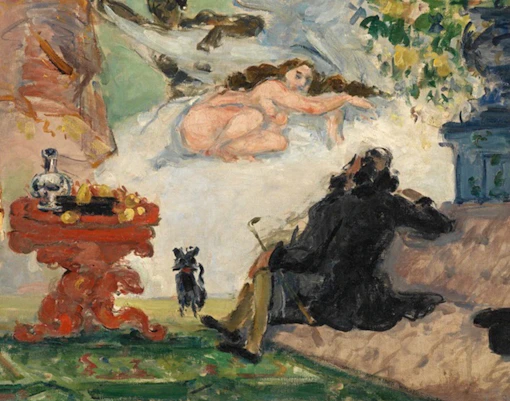
Fourth floor

Focus: Realism

Key Highlights: Olympia by Édouard Manet, The Gleaners by Jean-François Millet, The Thinker by Auguste Rodin (sculpture)

Significance: Focus on key works of the Realist movement, with emphasis on depicting contemporary life. It highlights artists who challenged traditional academic conventions and focused on depicting working-class subjects and everyday scenes.

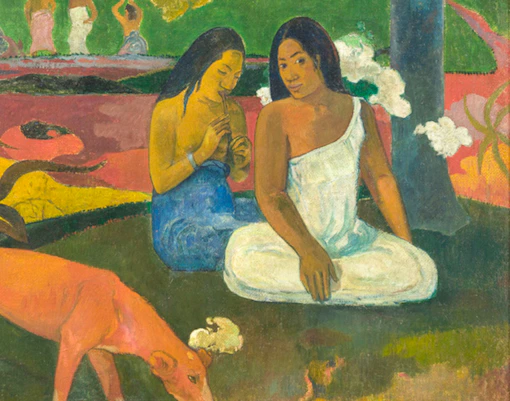
Third floor

Focus: Post-Impressionism

Key Highlights: The Starry Night Over the Rhône by Vincent van Gogh, Where Do We Come From? What Are We? Where Are We Going? by Paul Gauguin

Significance: Features a collection of Post-Impressionist works. Focus on subjective expression, symbolism, and the use of color and form to convey emotion and meaning.

Second and first floor

Focus: Art Nouveau & 19th-Century Art (1848–1914)

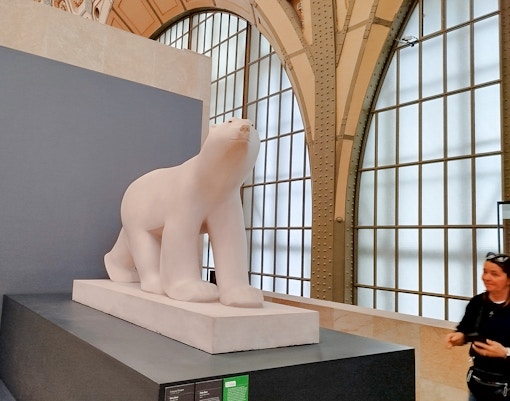
Key Highlights: Art Nouveau furniture from Belgium, Nancy, and Paris; works by Hector Guimard, Victor Horta, Louis Majorelle, François Pompon’s Ours blanc, and Orientalist artworks.

Significance: Showcases the evolution of 19th-century design and art, from academic traditions to innovative Art Nouveau forms, natural motifs, and craftsmanship that paved the way for Impressionism and modern art.

  • 1898: Construction begins on Gare d’Orsay, designed as a modern rail gateway for visitors arriving in Paris for the 1900 Exposition Universelle.
  • 1900: The station opens with an attached hotel, combining Beaux-Arts grandeur with new transport technology on the Left Bank.
  • 1939: Long-distance rail use declines as newer trains outgrow the station’s platforms, and the building gradually loses its original purpose.
  • 1970s: Demolition plans are dropped as the French state recognizes the site’s architectural value and begins planning a museum conversion.
  • 1986: The Orsay Museum opens, dedicated to art from 1848 to 1914 and bridging the gap between the Louvre and modern collections.
  • Today: It holds the world’s leading Impressionist and Post-Impressionist collection inside one of Paris’s most recognizable historic interiors.

Read the full history of the Orsay Museum →

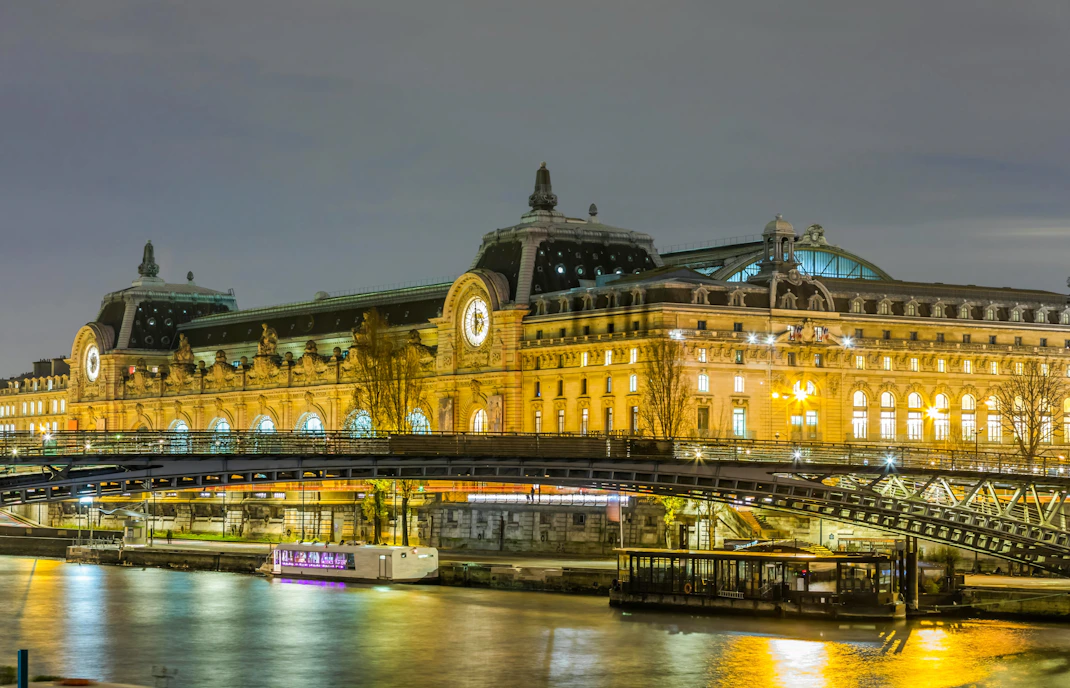
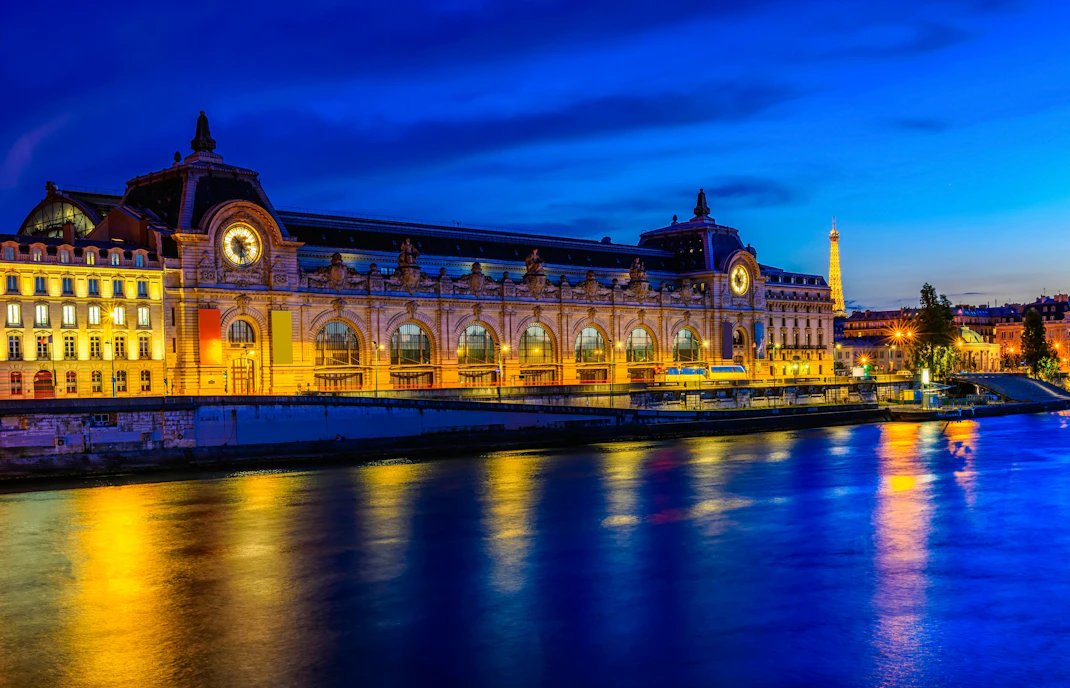
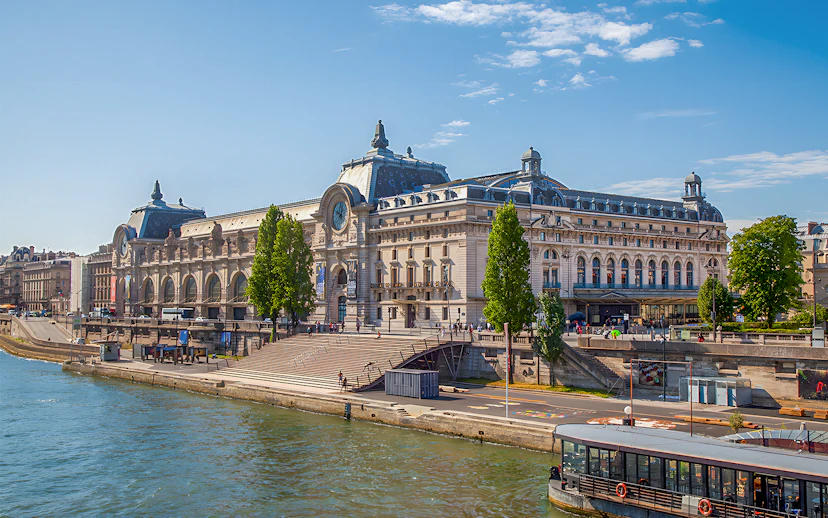
The building was designed by Victor Laloux for the 1900 Exposition Universelle, with the ambition of turning a railway terminus into a showcase of French elegance and engineering. Its later museum conversion kept that civic grandeur intact, which is why the art still feels staged inside a public monument rather than a neutral gallery.

Architecture of the Orsay Museum

Style

Beaux-Arts on the outside, industrial and light-filled within. From the entrance, the former station feels ceremonial, but never closed off, which suits a museum about artistic change.

Materials

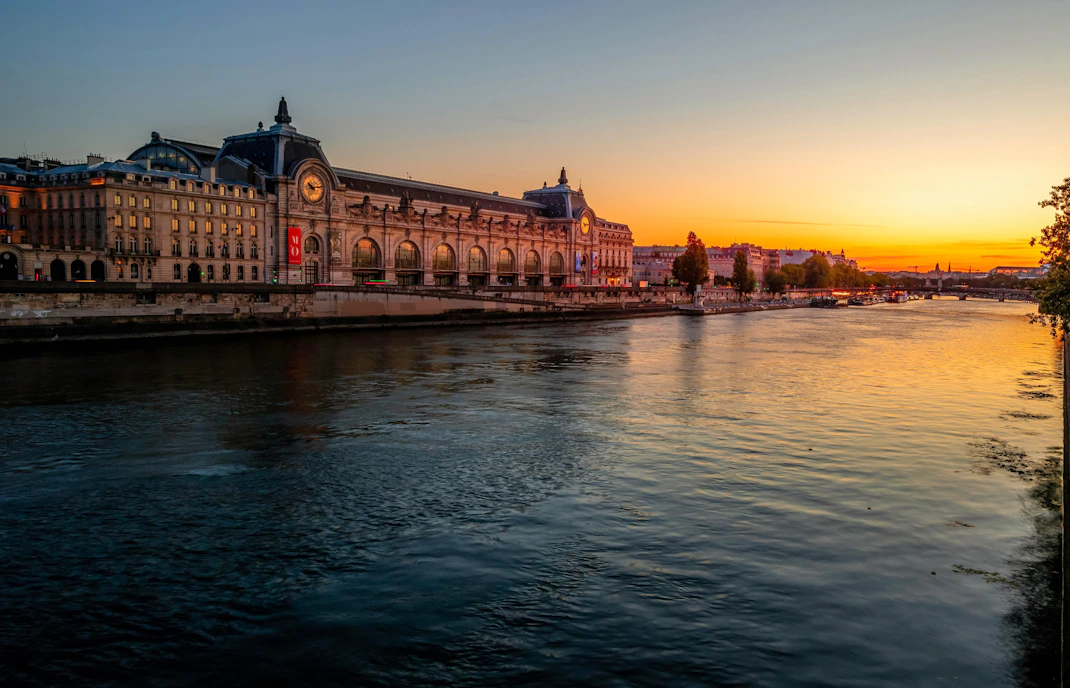
Limestone, iron, and glass define the building. You see the stone facade from the quay, then the metal structure and vaulted glazing take over indoors.

Structure

The vast train-shed nave was engineered for rail traffic, then adapted into galleries without losing its long sightlines, open volume, or dramatic overhead light.

On the ground

The building keeps pulling your eye upward — to the roof trusses, the clocks, and the height above the sculpture hall — so the visit feels public and theatrical.

Architect

Victor Laloux designed Gare d’Orsay for the 1900 Exposition Universelle, giving Paris a station that looked civic and elegant rather than purely industrial.

Frequently asked questions about the Orsay Museum

Yes. If you want one Paris museum that feels substantial without becoming exhausting, this is it. Reserve ahead so your visit starts smoothly with Orsay Museum Reserved Access Tickets or go deeper with Orsay Museum Skip-the-Line Guided Tour.

More reads