Why visit Musée d’Orsay at night?

Evening view inside Musée d’Orsay
1/1

Why visit Musée d’Orsay at night?

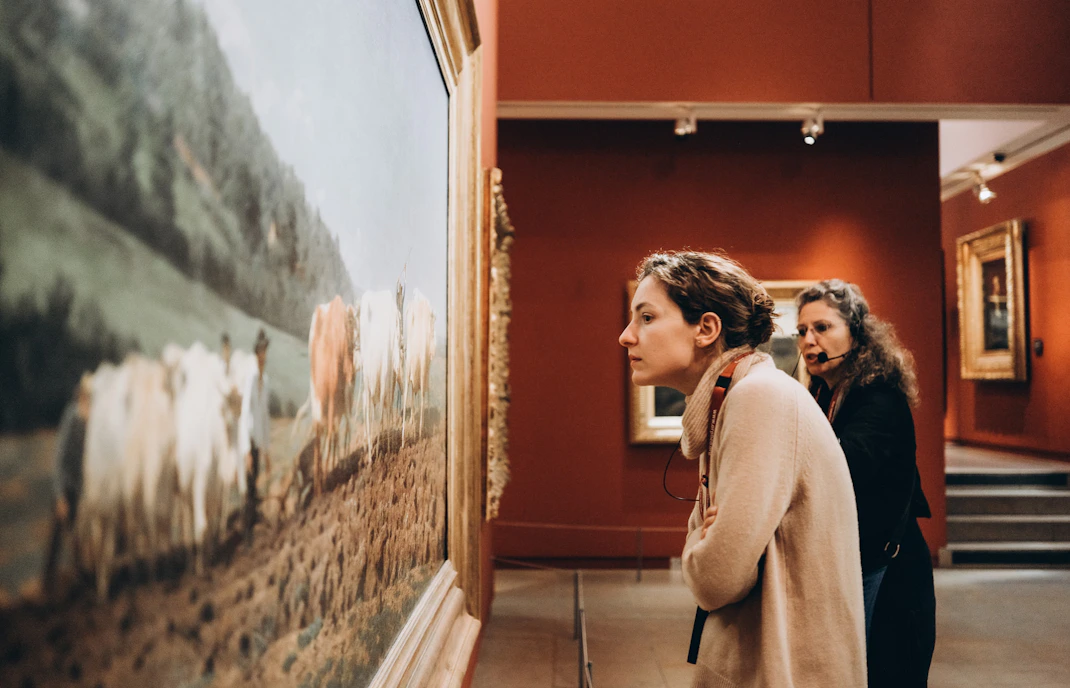
On Thursday, when the Musée d’Orsay stays open until 9:45pm, the former station feels noticeably different from the daytime rush. The central nave softens under evening light, the giant clock frames a blue-hour view over the Seine, and the Level 5 Impressionist rooms are usually easier to move through once daytime tour groups thin out. You won’t get a separate nighttime-only route or secret gallery access — the appeal is the atmosphere. It’s the same world-class collection, but with more breathing room in front of Monet, Renoir, and Van Gogh, and more time to notice the building itself. Standard reserved-access tickets still work for Thursday’s late closing, while guided options add art-historical depth if you prefer structure. For couples, returning visitors, and travelers squeezing culture into a packed Paris day, Thursday evening feels calmer, more flexible, and more rewarding.

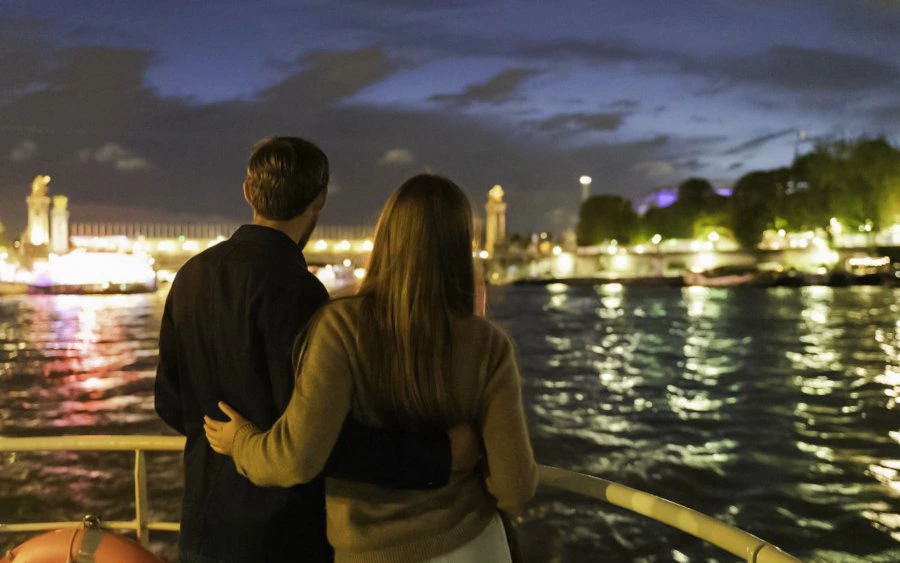
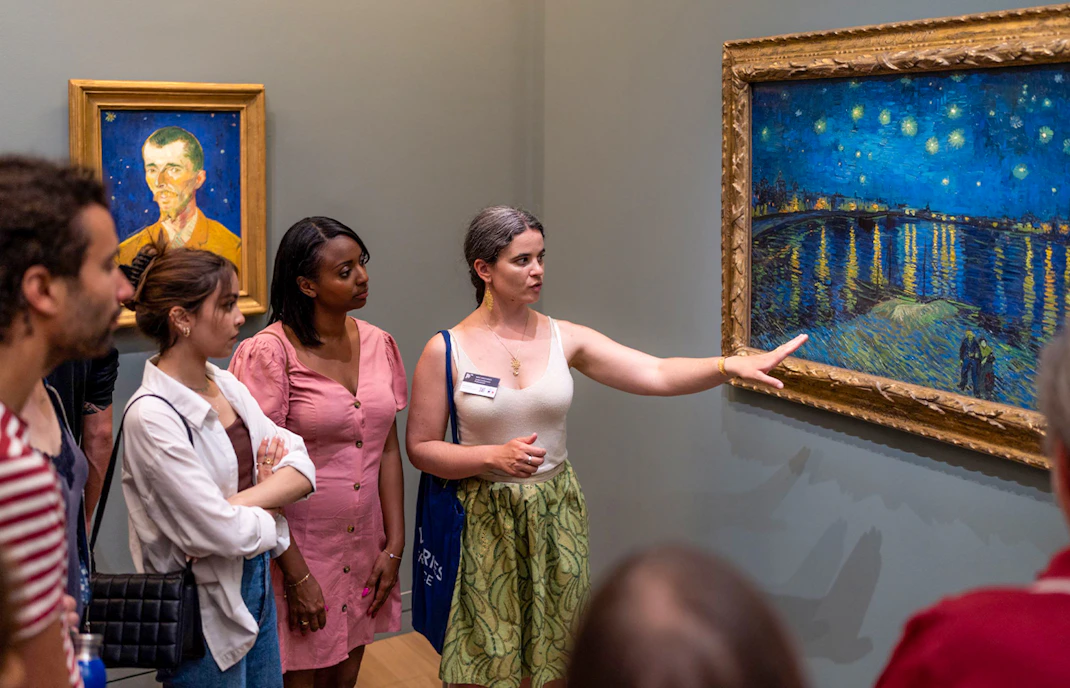
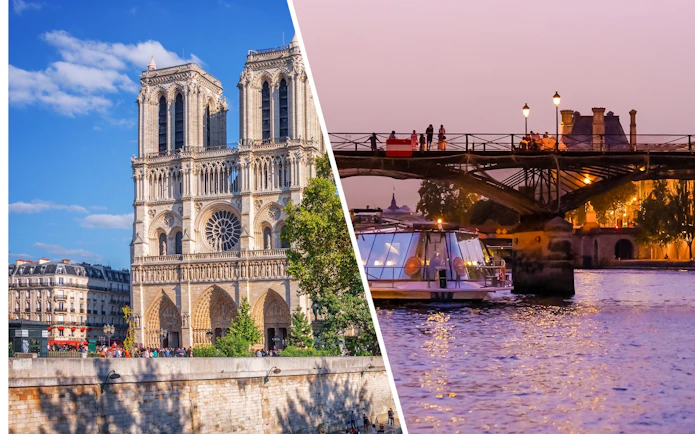
There isn’t a separate Headout night-tour product for the museum, but Thursday’s late closing gives you a genuine after-dark visit with regular admission. The simplest option is Orsay Museum Reserved Access Tickets, which let you enter during opening hours and explore the permanent collection and temporary exhibits at your own pace. If you want expert context, choose the guided-tour upgrade within that product, or book Orsay Museum Guided Impressionist Masterpieces Tour or Orsay Museum Guided Tour with Fast-Track Tickets for a tighter, highlight-led visit. Aim to arrive around 6:30pm–7pm so you have enough time for the Impressionist galleries, the clock view, and the sculpture nave before closing. To turn it into a full Paris evening, pair your museum visit with Combo (Save 15%): Orsay Museum & Seine River Cruise Tickets and finish on the water after dark.

Night vs. day: What’s different?

☀️ Daytime visit🌙 Thursday night visit

Crowd levels

🔴 Highest from late morning to mid-afternoon, especially around the Monet and Van Gogh rooms.

🟢 Usually lighter after 6pm, with more space to move and shorter waits at popular paintings.

Route and pace

✅ More total visiting hours, but a busier atmosphere can make the highlights feel rushed.

✅ Same core collection, but in a shorter window that rewards a focused 2–3 hour plan.

Views and light

🪟 Natural daylight flatters the Beaux-Arts interiors and top-floor galleries.

🌆 Interior lighting stays even, but the giant clock and Seine view take on a distinct blue-hour mood.

Best for

🎓 First-time visitors who want maximum flexibility and a longer museum day.

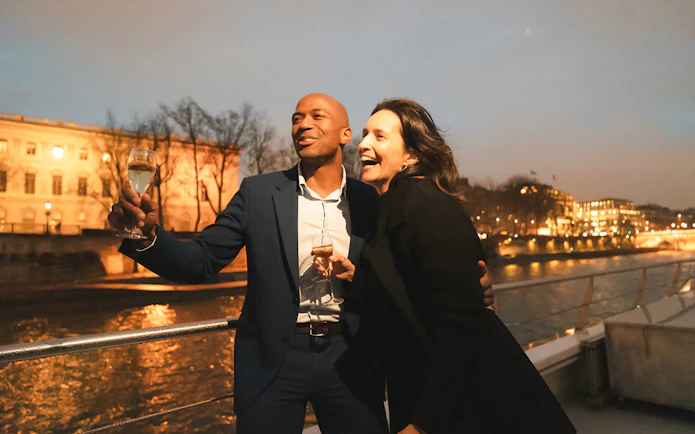
💫 Couples, repeat visitors, and travelers who want a quieter, more atmospheric visit after sightseeing elsewhere.

Best for

🎓 First-time visitors who want maximum flexibility and more time in secondary galleries.

💫 Returning visitors, couples, and anyone who wants a quieter, after-work museum visit.

Musée d’Orsay night tour highlights

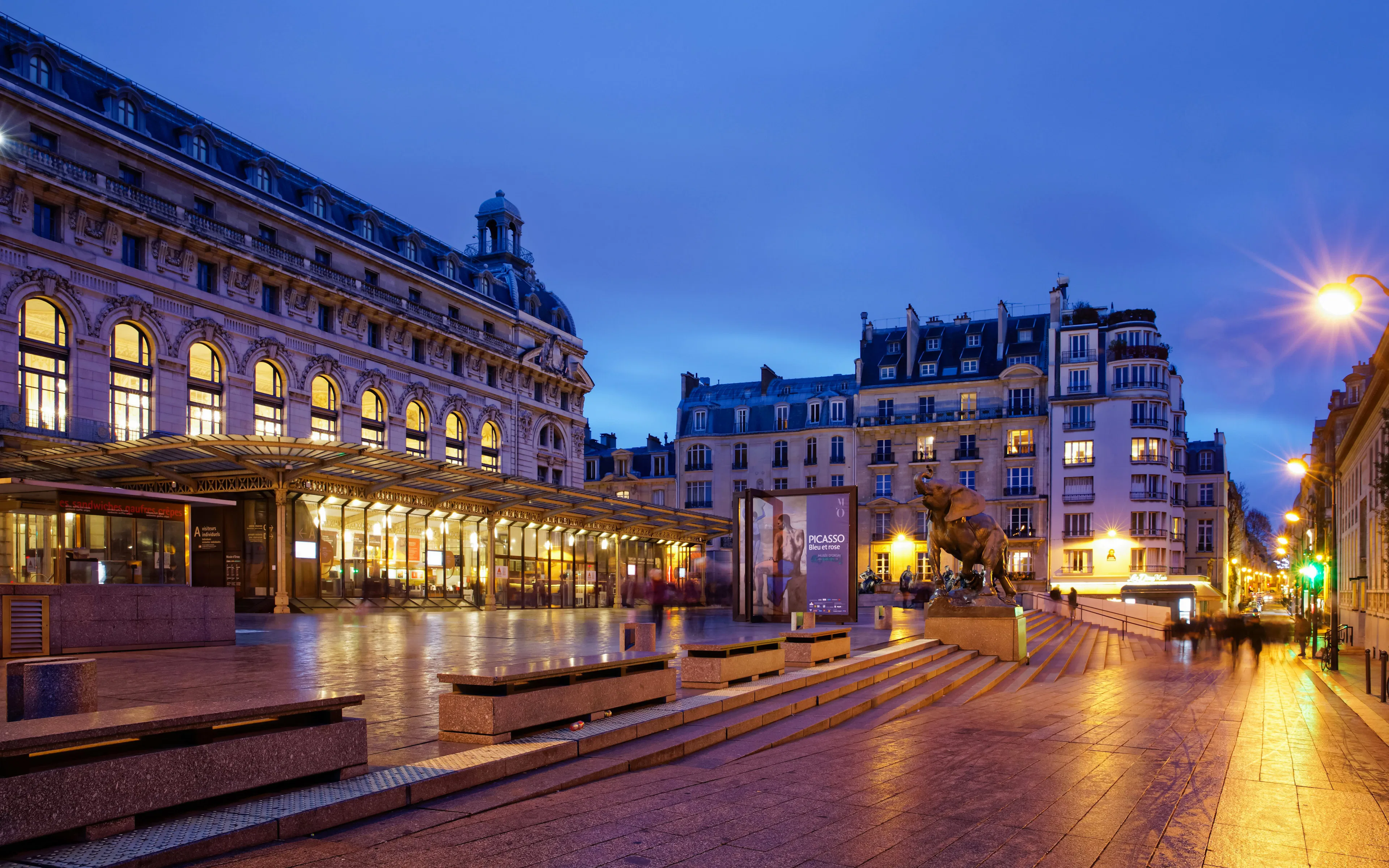
Thursday evening entry at Musée d’Orsay

Thursday late entry

Thursday is the only night each week when the Musée d’Orsay stays open until 9:45pm, and that changes the rhythm of the visit. Instead of competing with the late-morning rush, you can arrive after a day of sightseeing and enter with Orsay Museum Reserved Access Tickets during opening hours. Plan on 2–3 hours if you want the Impressionist highlights, the central sculpture nave, and time to pause at the giant clock. This is not a special after-hours route with exclusive rooms; it’s the regular museum in a narrower, calmer window.

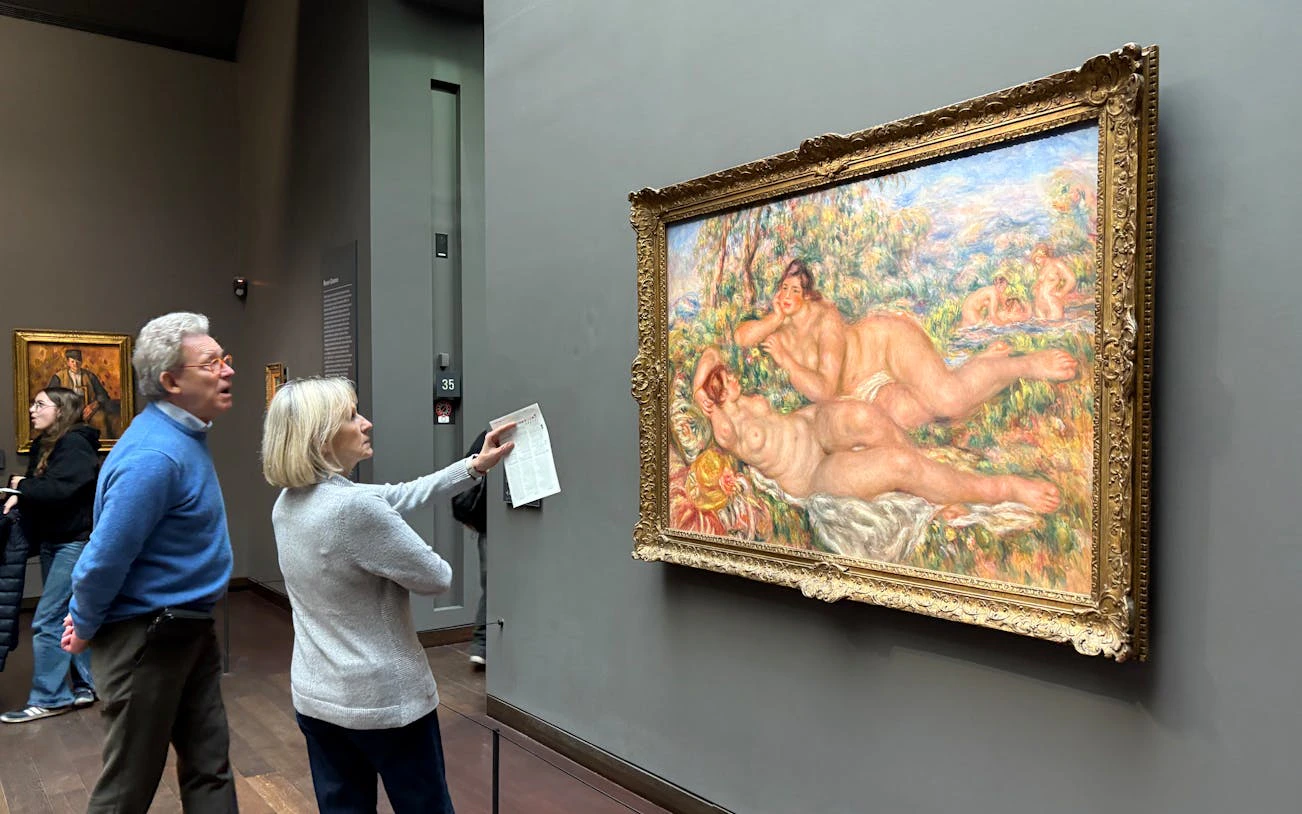
Impressionist galleries at Musée d’Orsay in the evening
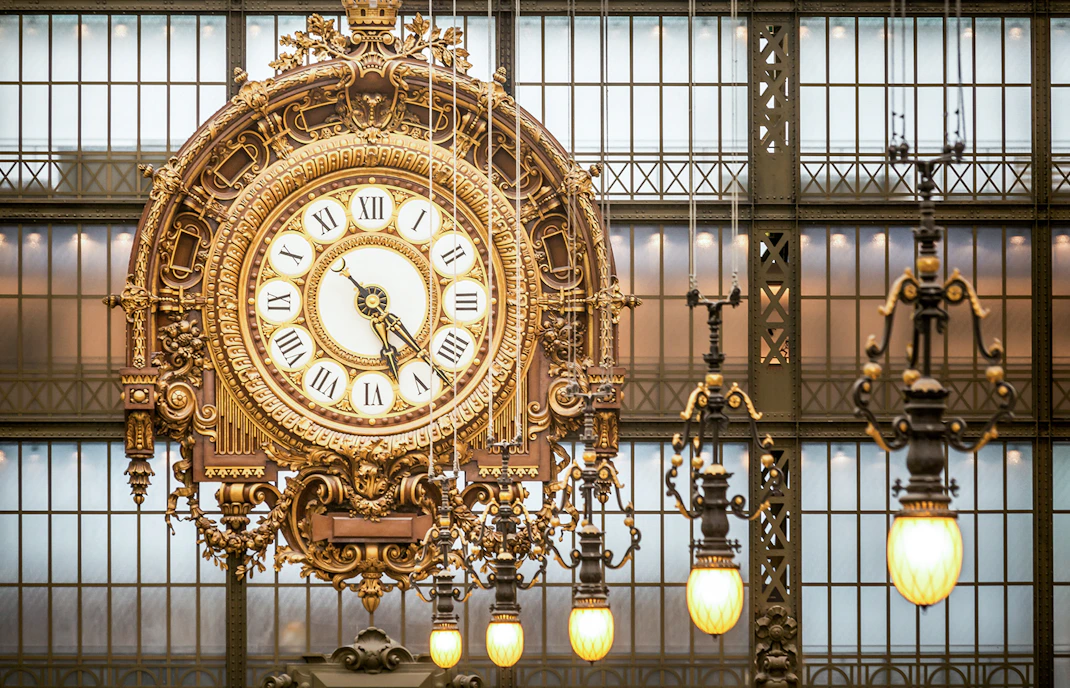
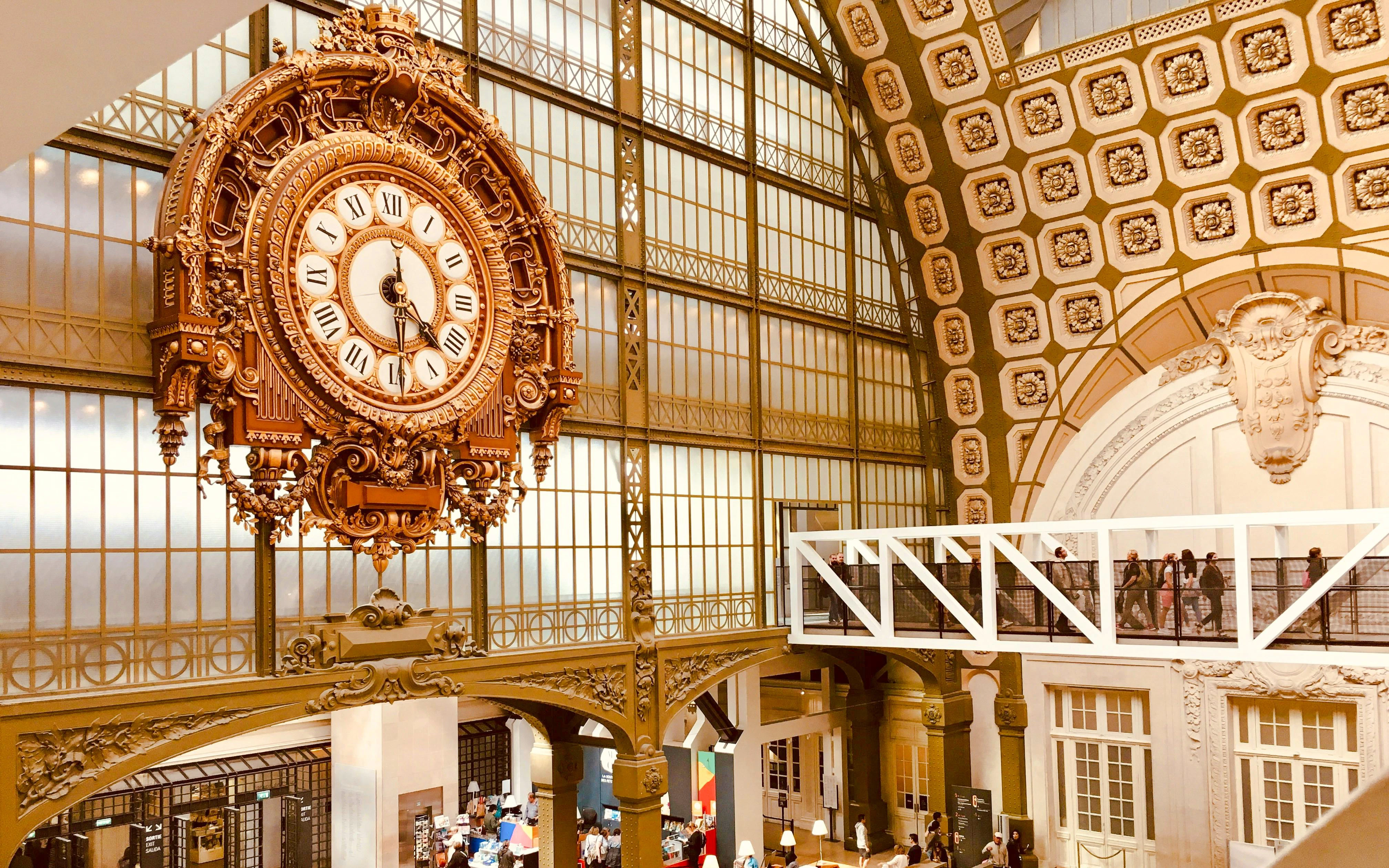
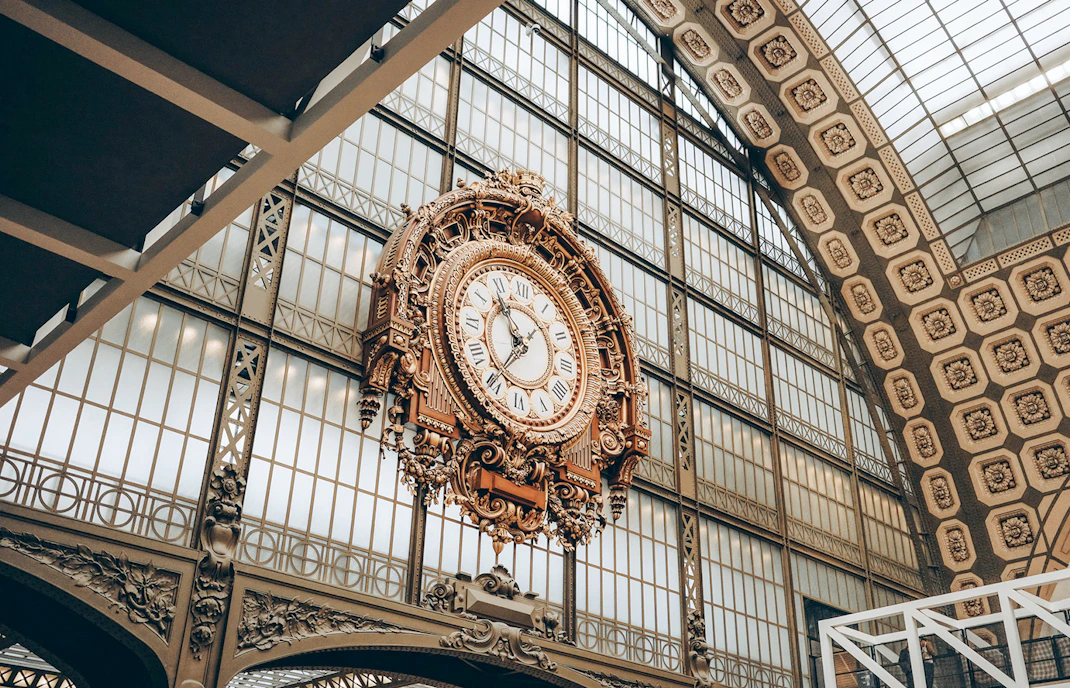
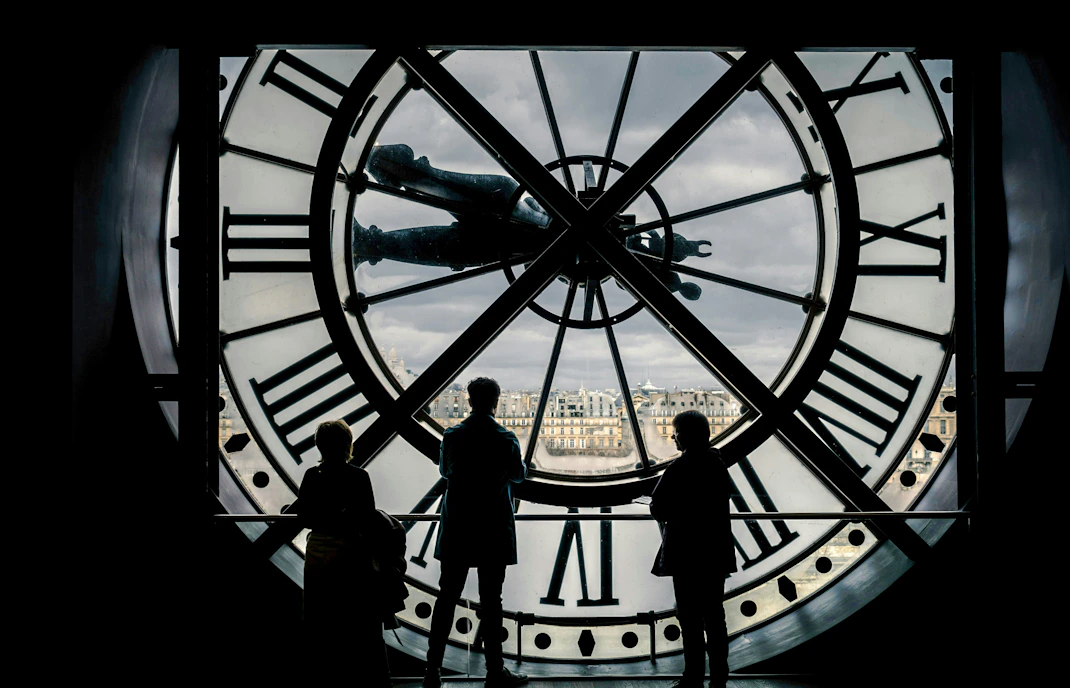
Giant clock view at Musée d’Orsay after dark
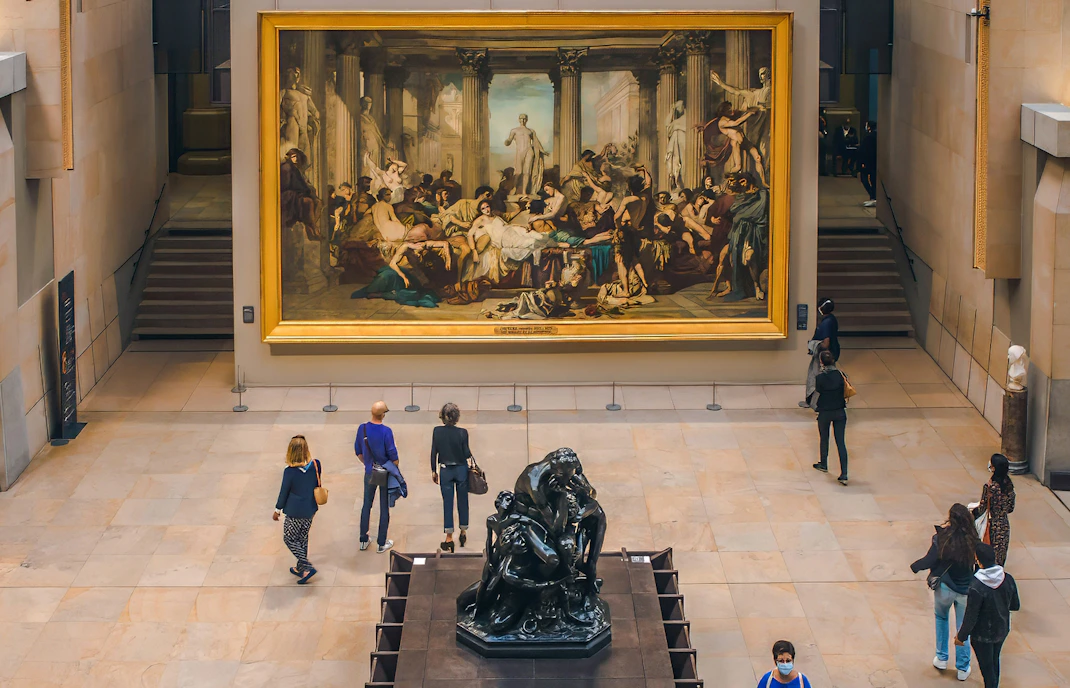
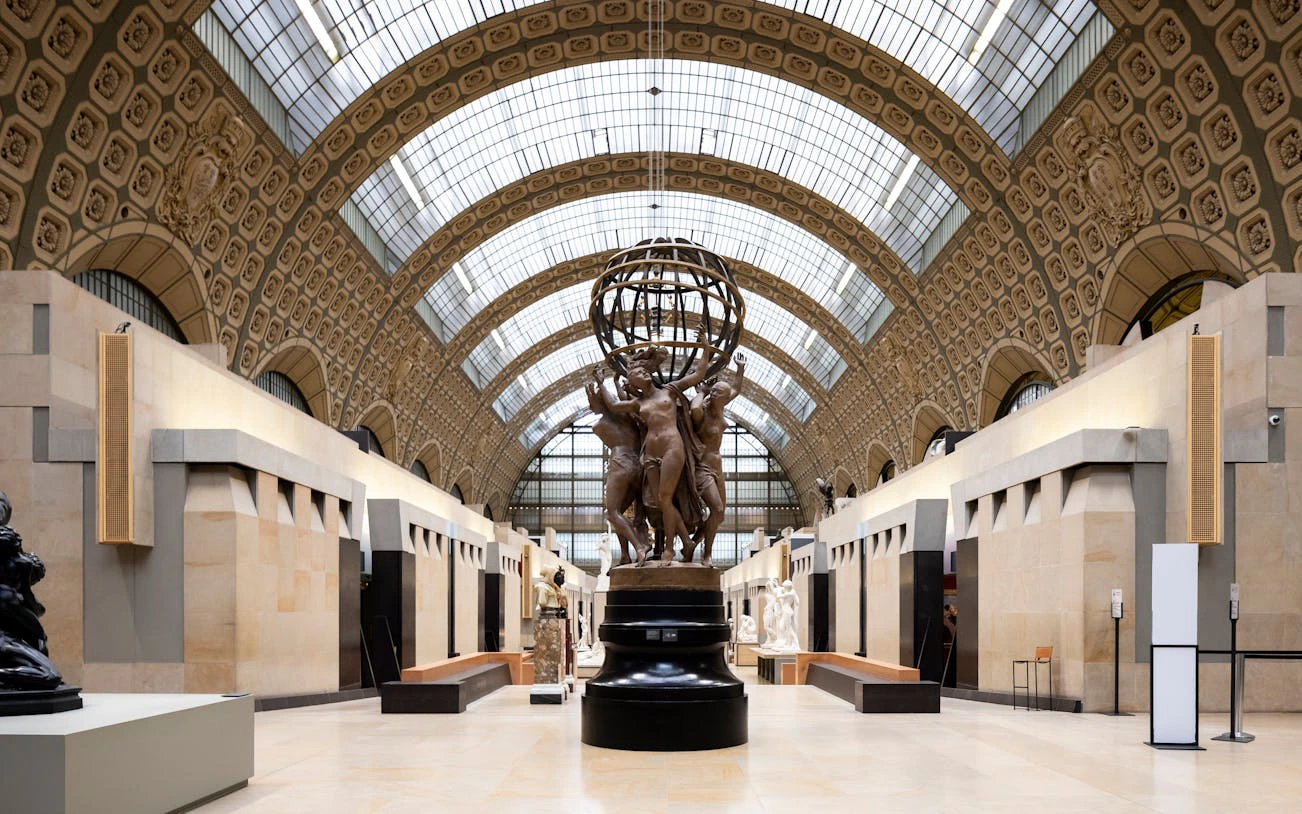
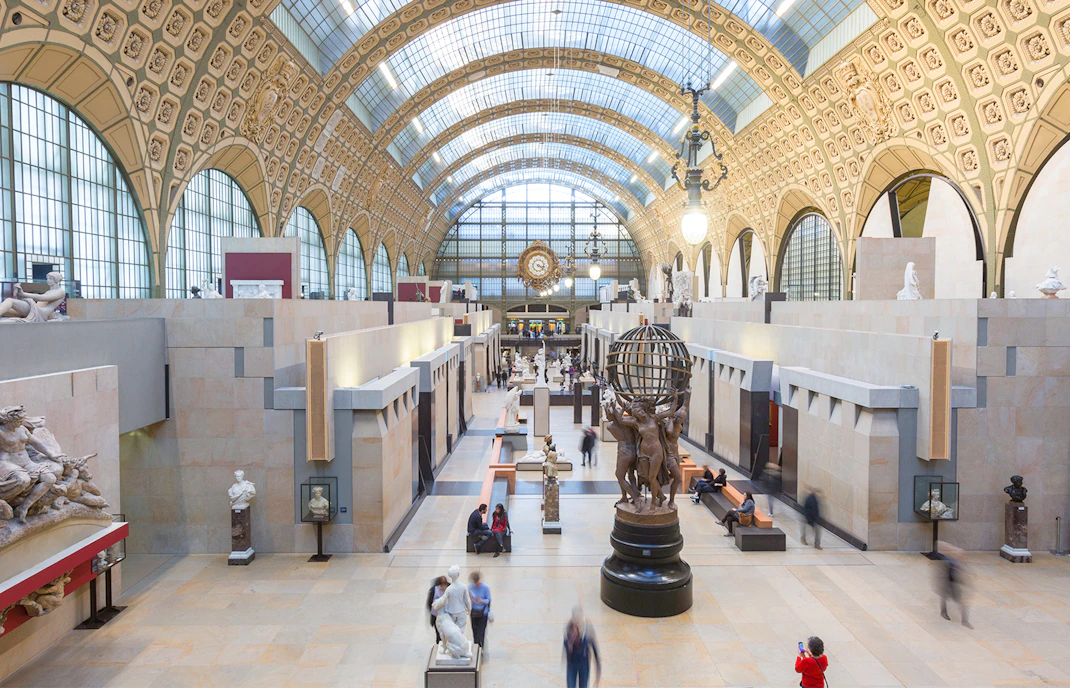
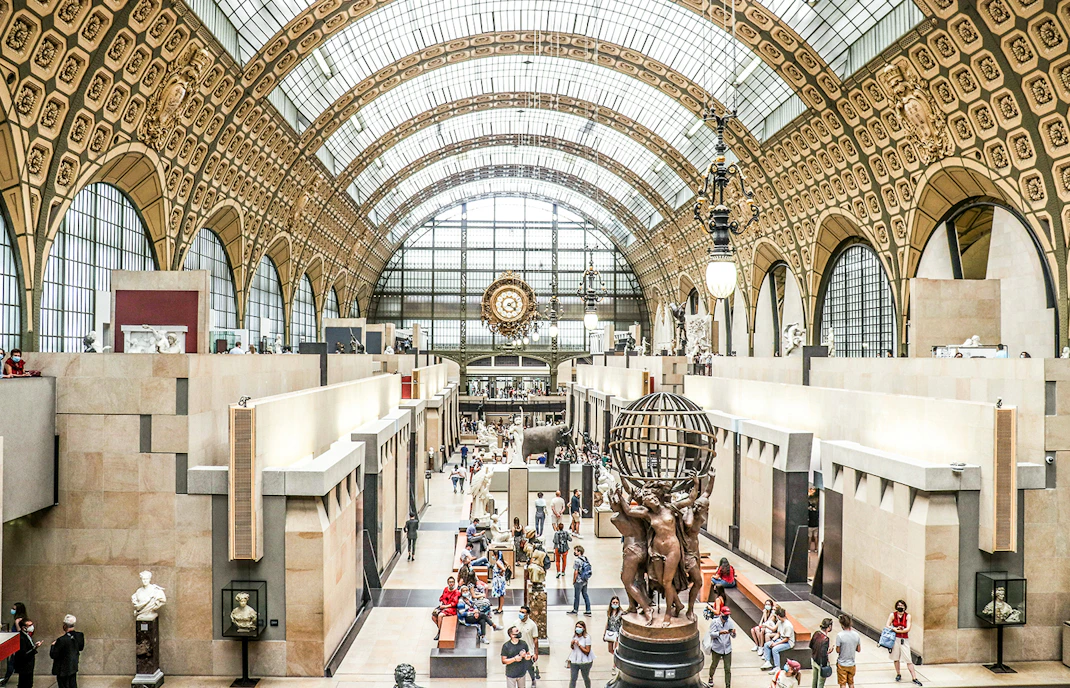
Sculpture nave inside Musée d’Orsay at night
Temporary exhibition at Musée d’Orsay in the evening

What to know before you go

  • 📍 Entrance: If you already have a ticket, use Entrance 1 on the Seine side. The courtyard entrance is slower and mainly for on-site ticket buyers.
  • Accessibility: The museum is wheelchair-accessible, with elevators and wheelchairs available against ID. Some guided-tour variants are not suitable for wheelchairs or strollers, so check the ticket details carefully.
  • Thursday hours: The museum is open until 9:45pm on Thursdays; aim to arrive by around 7pm for a relaxed visit.
  • ⏱️ Visit length: Plan 2–3 hours for a strong Thursday-evening route.
  • 🎒 What to bring: Your mobile ticket, headphones for app-based audio guides, and a light bag only.
  • 🧥 Facilities: Cloakrooms are free for coats and small items.
  • Budget (under €15/head): Café Campana, on-site — ideal for coffee, pastries, or a light bite before you start your evening circuit; the décor alone is worth a pause.
  • 🍽️ Mid-range: Les Antiquaires, about 650m away — classic French bistro fare in a lively setting, easy to reach after leaving the museum.
  • Upscale: Les Climats, about 650m away — refined French dining in a former mansion, a strong pick if you want to turn Thursday late opening into a full date night.
  • 🥂 Practical note: Thursday’s late closing makes dinner after your visit easier than on other days.
  • 🎟️ Booking strategy: Reserve in advance even for Thursday evenings. You’re avoiding the slower ticket-buy line, not the security check.
  • 🕖 Best arrival window: Arrive around 6:30pm–7pm. That gives you time for the top-floor highlights without feeling rushed by closing.
  • 📸 Photography: Photos are allowed without flash. Save the clock-view shot for blue hour, when the sky still has color behind the glass.
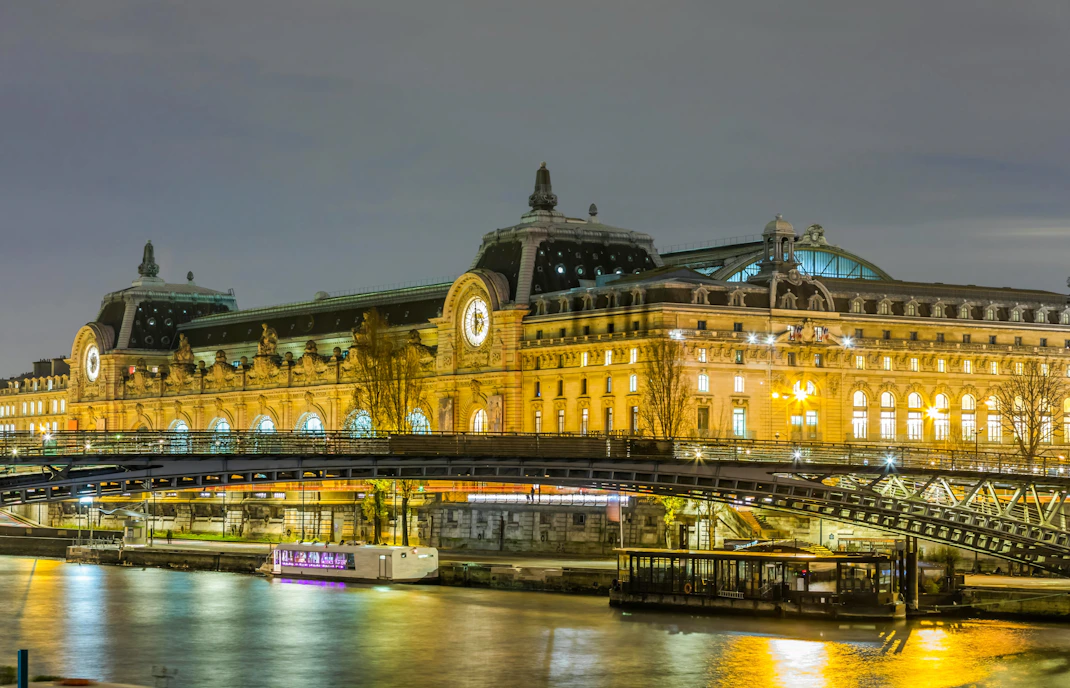
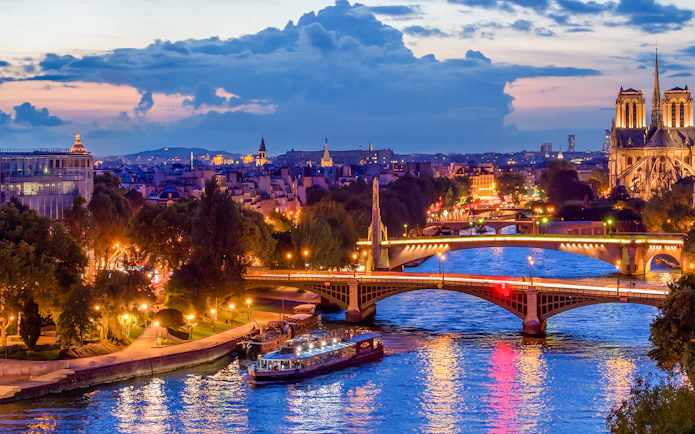
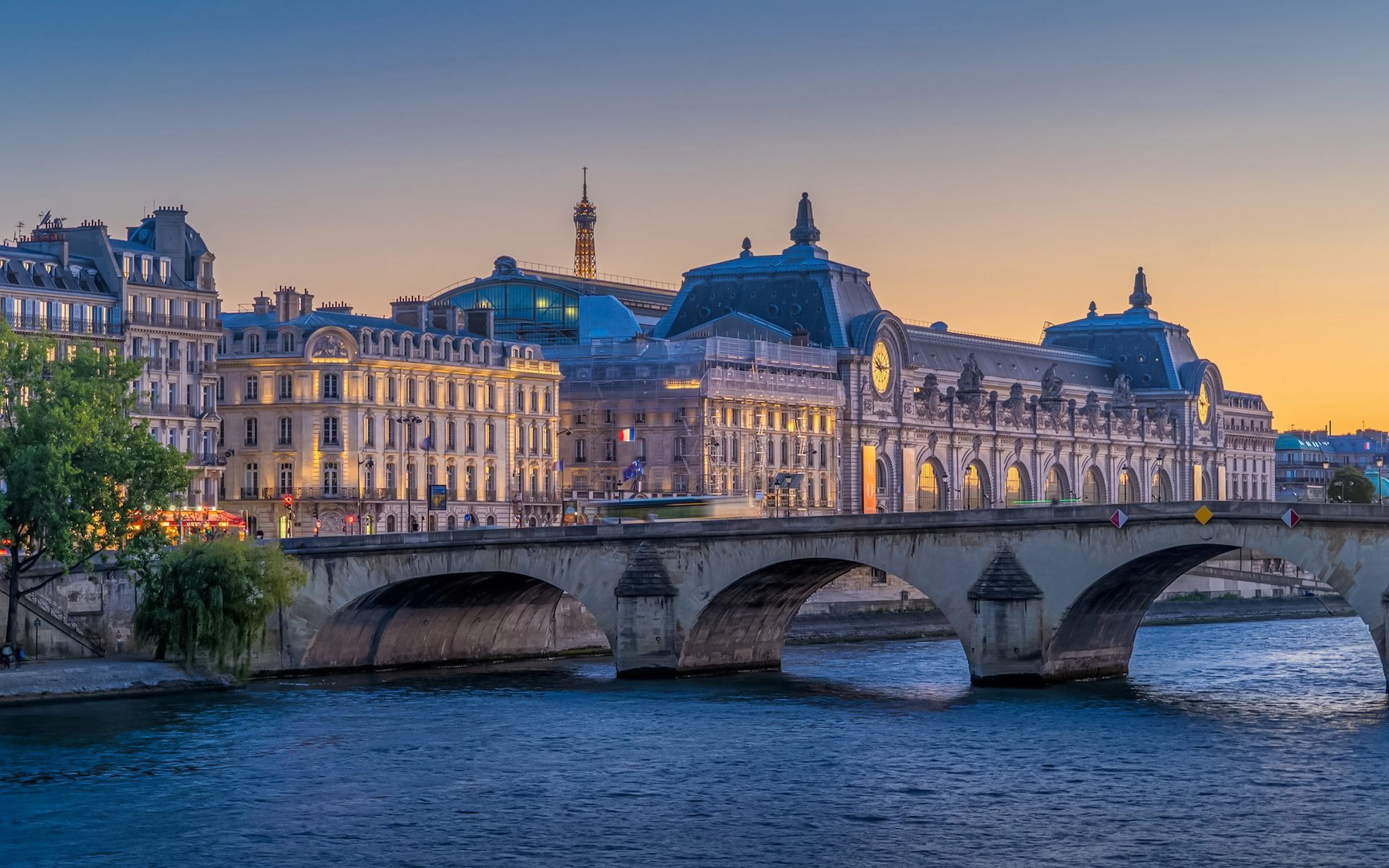
  • 🚶 After your visit: Walk out toward Quai Anatole France or the Passerelle Léopold-Sédar-Senghor for a final exterior look at the museum and the river lights.
  • 👨‍👩‍👧 Families and solo visitors: Thursday night is generally calmer and easier to navigate than midday.

Nights, camera, action: Capturing the Musée d’Orsay at night
Photography policy
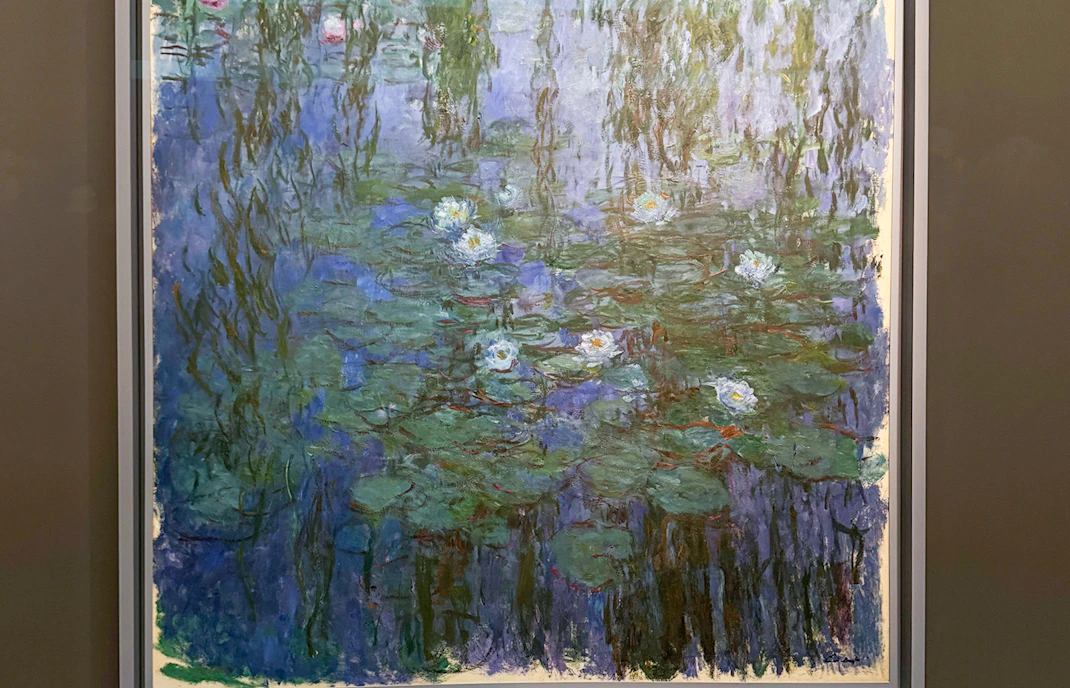
Photography is allowed inside the museum, but flash, tripods, selfie sticks, and professional filming setups are not. Handheld cameras and smartphones are fine. Some temporary exhibitions may restrict photos for specific works, so always check gallery signage.

Best vantage point: The clock

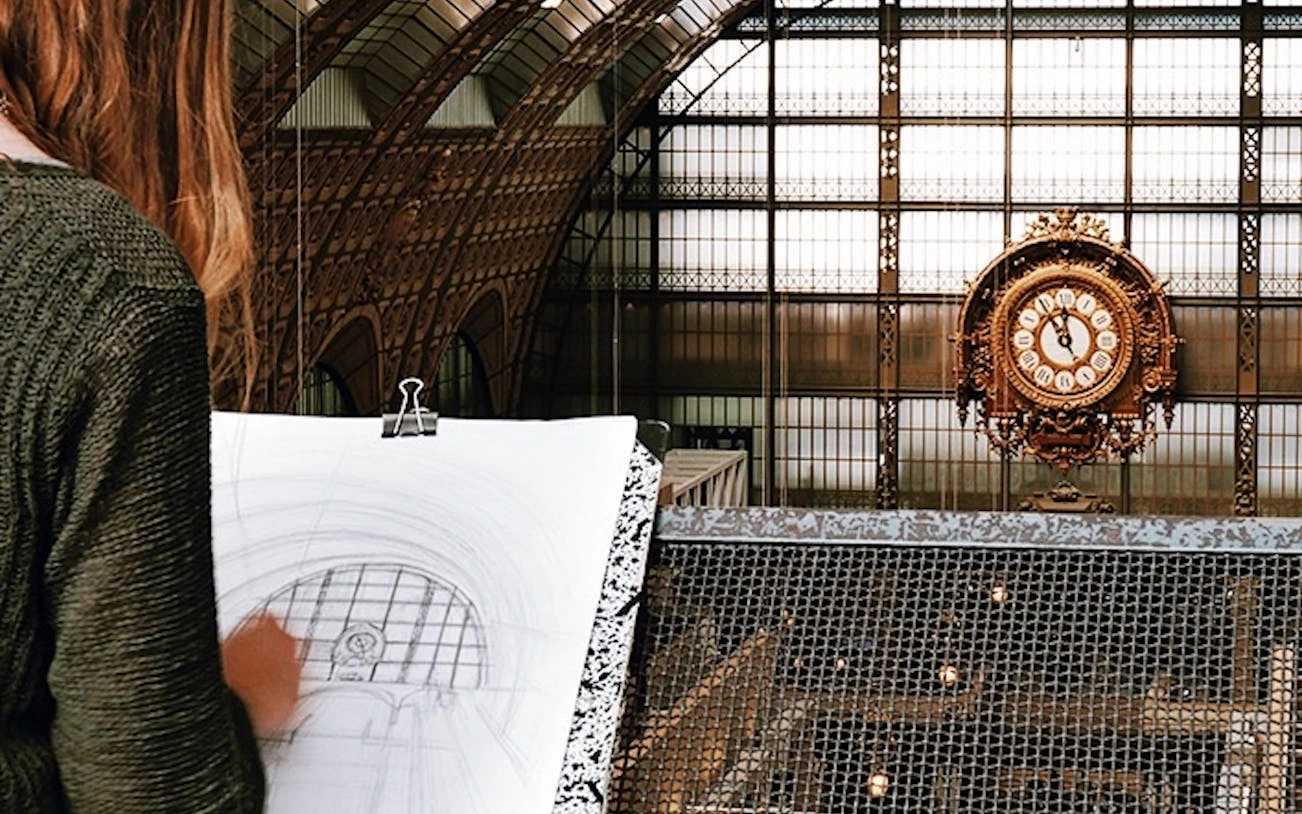
From the giant clock on Level 5, frame the dark interior rim against the evening sky for a signature Orsay image. Go before full darkness if you want Paris skyline detail instead of a pure silhouette.

Best vantage point: Upper-level nave view

From the upper galleries overlooking the central hall, shoot downward to capture sculpture lines, vaulted ironwork, and the station’s long perspective. This angle works best when you want architecture and scale, not individual artworks, to carry the photo.

Best vantage point: Exterior bridge angle

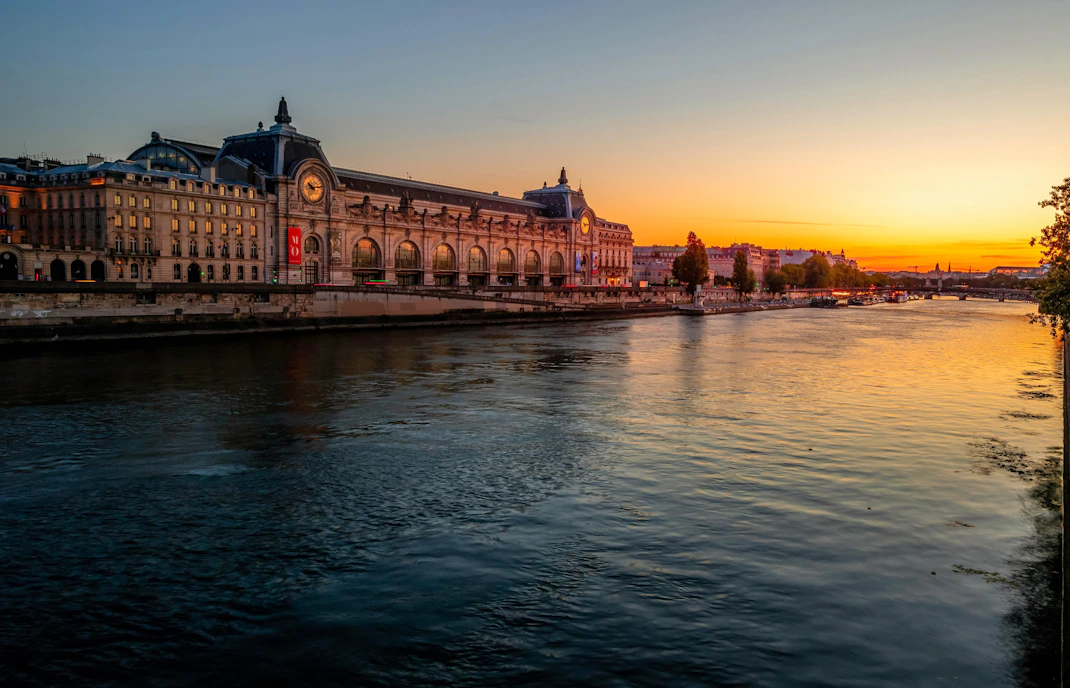
For an exterior night shot, head to the Passerelle Léopold-Sédar-Senghor after your visit. The Seine-side façade reads clearly from here, and the museum’s mass feels more dramatic when framed with river reflections and bridge lines.

Camera settings

Start around f/2.8–f/4, ISO 800–1600, and 1/30–1/60 sec, then adjust for darker corners. Brace against railings where possible. The museum’s interiors are bright enough for handheld shooting, but steadiness matters.

Smartphone settings

Use Night mode for the clock and exterior views, but switch it off if moving crowds are creating ghosting. Tap to expose for the brightest area first, then slightly lower exposure to preserve window detail and gallery lighting.

Extra hack

Take your interior photos first, then save one final exterior shot for after closing. The transition from warm interior light to cool riverfront darkness gives you the strongest visual contrast — and usually fewer people in the frame.

Frequently asked questions about visiting Musée d’Orsay at night

The museum stays open until 9:45pm on Thursdays. Aim to enter by about 7pm–7:30pm for a comfortable 2–3 hour visit.

Suggested Thursday night visit plan (2–3 hours)
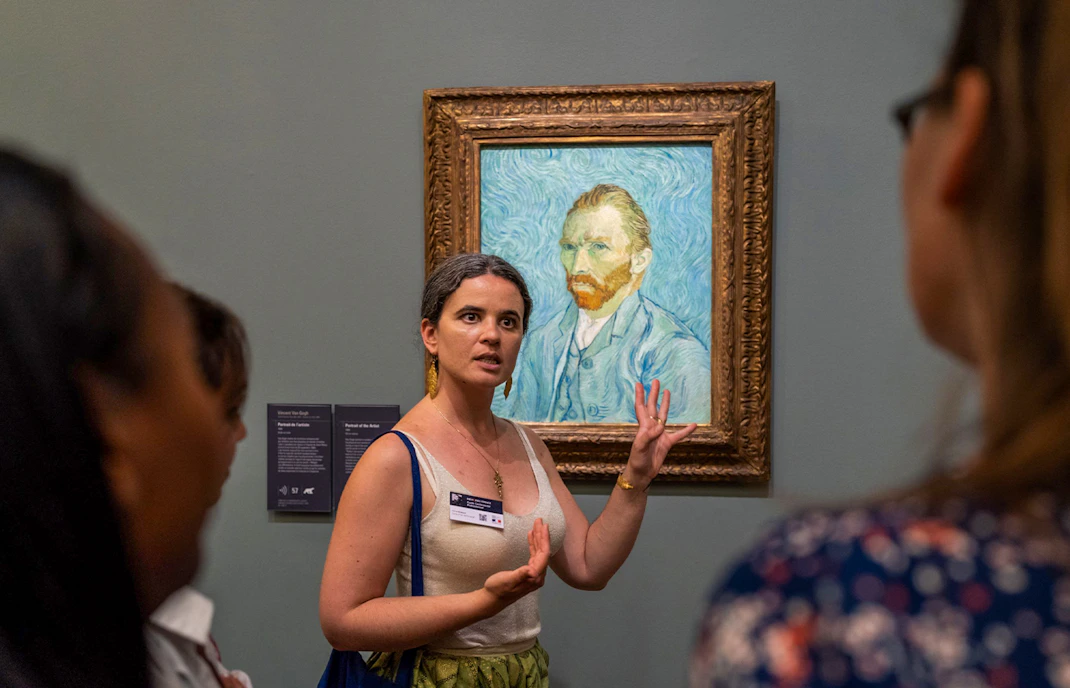
A Thursday evening visit works best when you treat it as a highlight route, not a full sweep of every room. This plan keeps the strongest spaces front-loaded and leaves your final half-hour for atmosphere rather than rushing.

6:45pm – Enter and orient yourself

Use the Seine-side reserved entrance, clear security, and spend your first 10–15 minutes in the central nave. This gives you a sense of the building before you head upstairs to the most in-demand galleries.

7pm – Go straight to Level 5

Start with Monet, Renoir, Degas, and Van Gogh while your energy is high. Thursday evening works best when you prioritize the top-floor highlights first, then circle back through quieter architectural spaces later.

8pm – Pause at the clock

Break up the gallery circuit with 10 minutes at the giant clock. It’s the best moment for photos, and the evening skyline helps the museum feel less like a checklist stop and more like an actual night out.

8:15pm – Choose your second half

If you booked Orsay Museum: Renoir and Love Exhibition Tickets, head there next. Otherwise, work back down through the sculpture nave and selected mid-level rooms rather than trying to cover every section.

9:15pm – End on the river

Exit before the final rush and take a short walk along Quai Anatole France or onto the Passerelle Léopold-Sédar-Senghor. It’s an easy way to close the evening with one more view of the museum and the Seine.