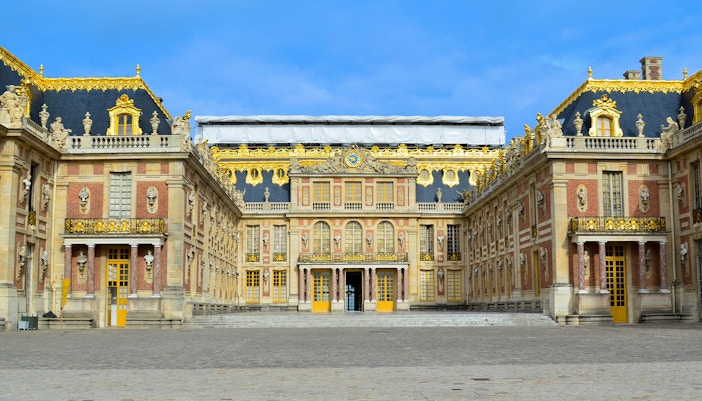
In 1623, Louis XIII laid the foundation of Versailles as a hunting lodge, unaware of the grandeur it would become. Over time, this lodge developed into an grand palace, captivating hearts and minds worldwide with its architecture and historical significance.
History of Palace of Versailles | Timeline, facts & more
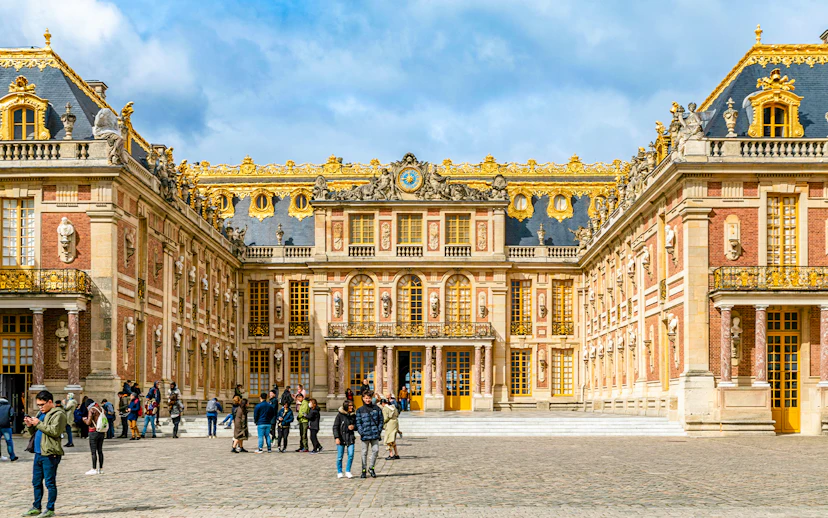
The history of the Palace of Versailles spans more than four centuries, from a modest hunting lodge built by Louis XIII in 1623 to the magnificent royal residence created by Louis XIV. It witnessed the rise of absolute monarchy, the French Revolution, the signing of the Treaty of Versailles, and its transformation into one of the world's most celebrated museums and a UNESCO World Heritage Site.
Follow the timeline below to discover the defining moments that shaped Versailles and its enduring legacy.
Palace of Versailles timeline
- 1623: Louis XIII builds the original hunting lodge at Versailles.
- 1661: Louis XIV begins transforming Versailles into a grand royal palace.
- 1682: Versailles becomes the official residence of the French monarchy.
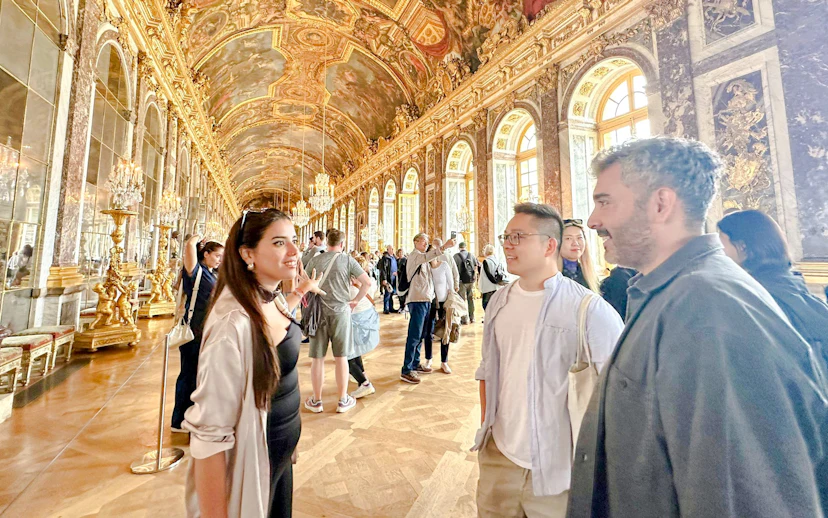
- 1684–1686: The Hall of Mirrors is completed as a symbol of royal power.
- 1715: Louis XIV dies after a 72-year reign.
- 1722: Louis XV returns to Versailles, restoring it as the royal seat.
- 1774–1789: Marie Antoinette develops the Petit Trianon and Queen’s Hamlet as private retreats.
- 1789: The French Revolution forces the royal family to leave Versailles for Paris.
- 1837: Louis-Philippe opens Versailles as a museum dedicated to French history.
- 1919: The Treaty of Versailles is signed in the Hall of Mirrors.
- 1979: Versailles is inscribed as a UNESCO World Heritage Site.
- Present day: Versailles welcomes millions of visitors to its palace, gardens, and royal estate.
Defining moments in the Palace of Versailles' history
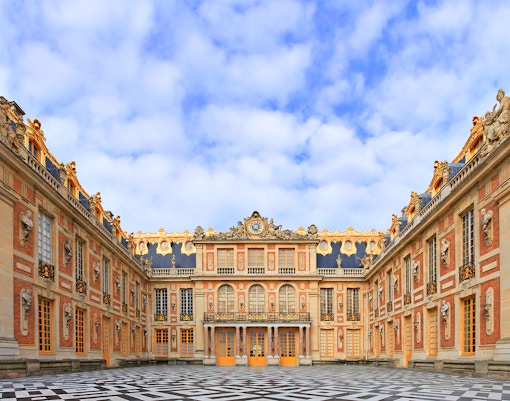
Construction of Versailles begins (1623)
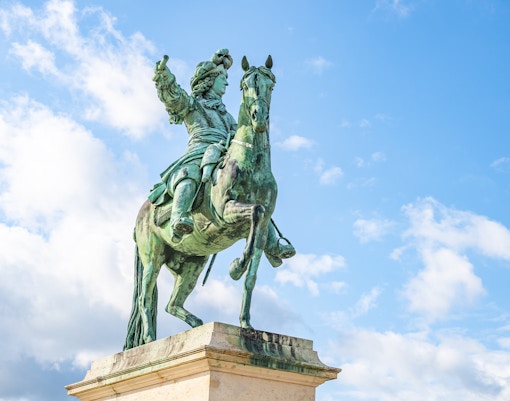
The Sun King takes charge (1661)
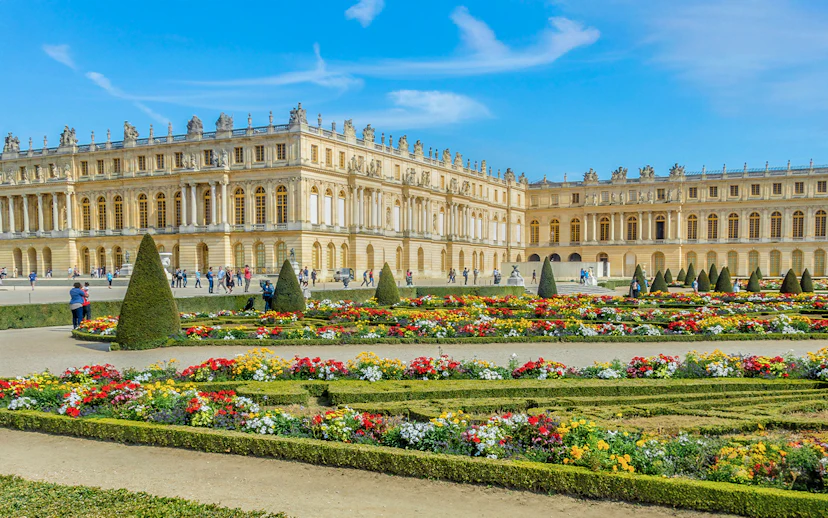
Enter Louis XIV, whose vision transformed Versailles into a symbol of power and extravagance in France. Under his rule, the palace expanded to vast gardens, massive halls, and gilded interiors that mirrored the King's quest for greatness. It left behind a legacy that continues to dazzle visitors to this day.
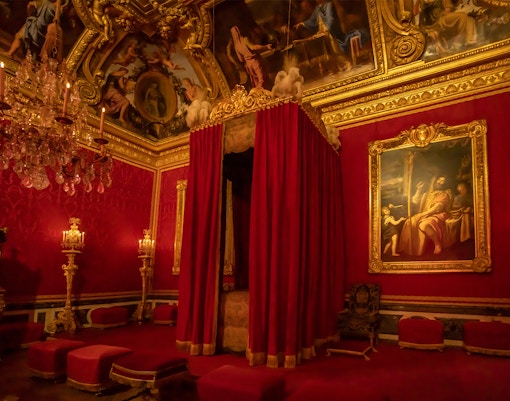
Transformation into Royal Residence (1682)
In 1682, Louis XIV shifted the French court from Paris to Versailles. The palace's majestic halls witnessed grand balls, political intrigue, and cultural festivities that shaped France's history. Versailles became the pulsating heart of French political and social life.
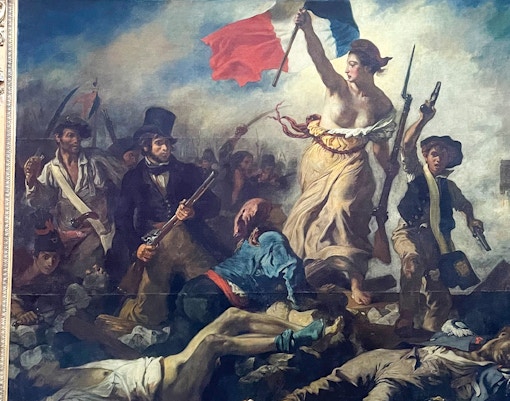
French Revolution (1789)
In 1789 came the French Revolution, when enraged mobs stormed the palace, forcing King Louis XVI and Queen Marie Antoinette to return to Paris. This marked the end of the monarchy's glory, and Versailles witnessed a shift in its identity from a symbol of royal power to a site of a revolution.
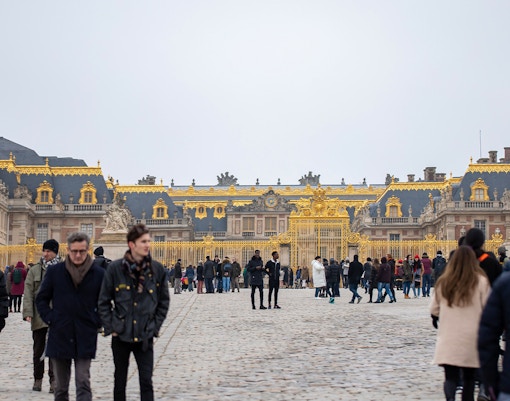
Museum Opening (1837)
Come 1837, Versailles embraced its history, opening its doors as a public museum. Visitors from across the world could now walk in the footsteps of kings, marvel at the exquisite art and architecture, and immerse themselves in the legacy of French glory.
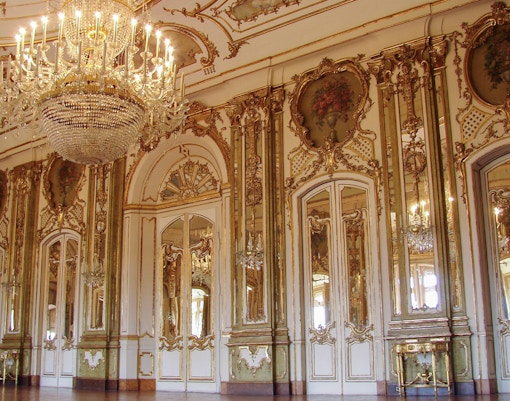
The Franco-Prussian War (1871)
Versailles played an unexpected role in European history when the Hall of Mirrors witnessed the coronation of Wilhelm I as the German Emperor. This historic event solidified Versailles' role as a stage for pivotal moments.
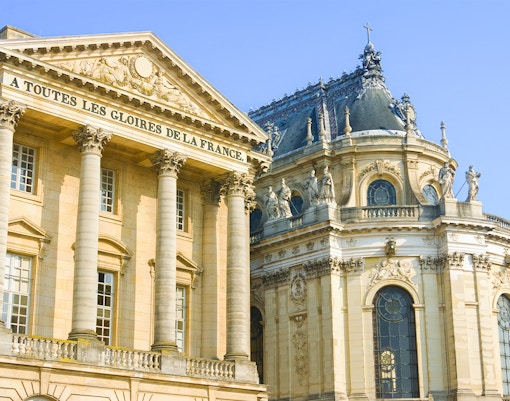
Treaty of Versailles (1919)
1919 marked another historical turning point when the Treaty of Versailles was signed, ending World War I. The palace became the stage for diplomacy and international relations, reshaping the map of Europe and the post-war world.
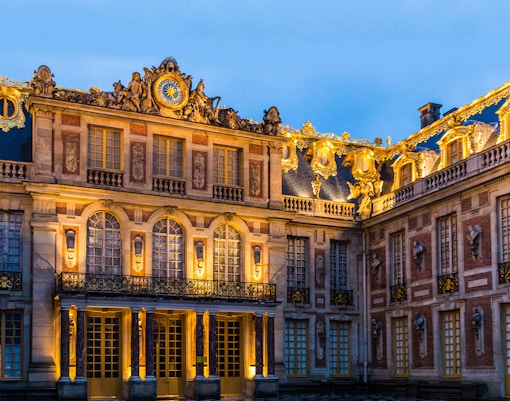
UNESCO World Heritage Site (1979)
Versailles earned a well-deserved place on the prestigious UNESCO World Heritage list in 1979 due to its cultural and historical value. Its architecture, intricate gardens, and a major role in shaping European history continued to earn it global admiration and acclaim.
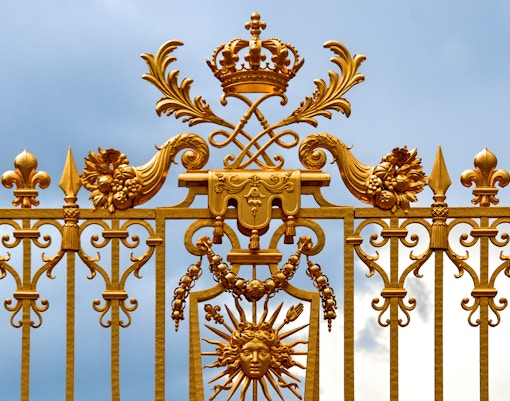
Le Grand Versailles Blueprint (2003)
With a dedication to preserving its glory, Versailles started extensive restoration work in 2003. From reviving the iconic Hall of Mirrors to rejuvenating the majestic Royal Gate, the palace emerged even more glorious.
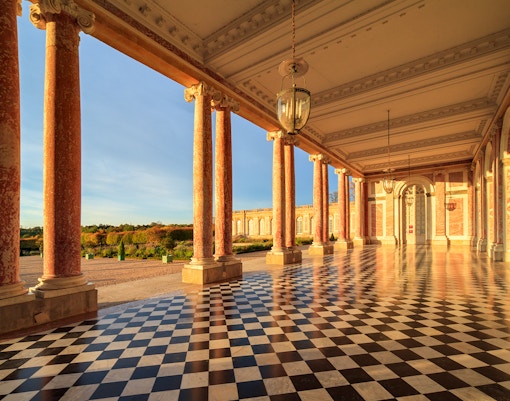
Restoration Projects (2023)
Today, Versailles remains a living testament to history, attracting visitors with its timeless allure. Ongoing restoration projects ensure the palace retains its magnificence, making it captivating for history enthusiasts and admirers of French grandeur.
The making of the Palace of Versailles
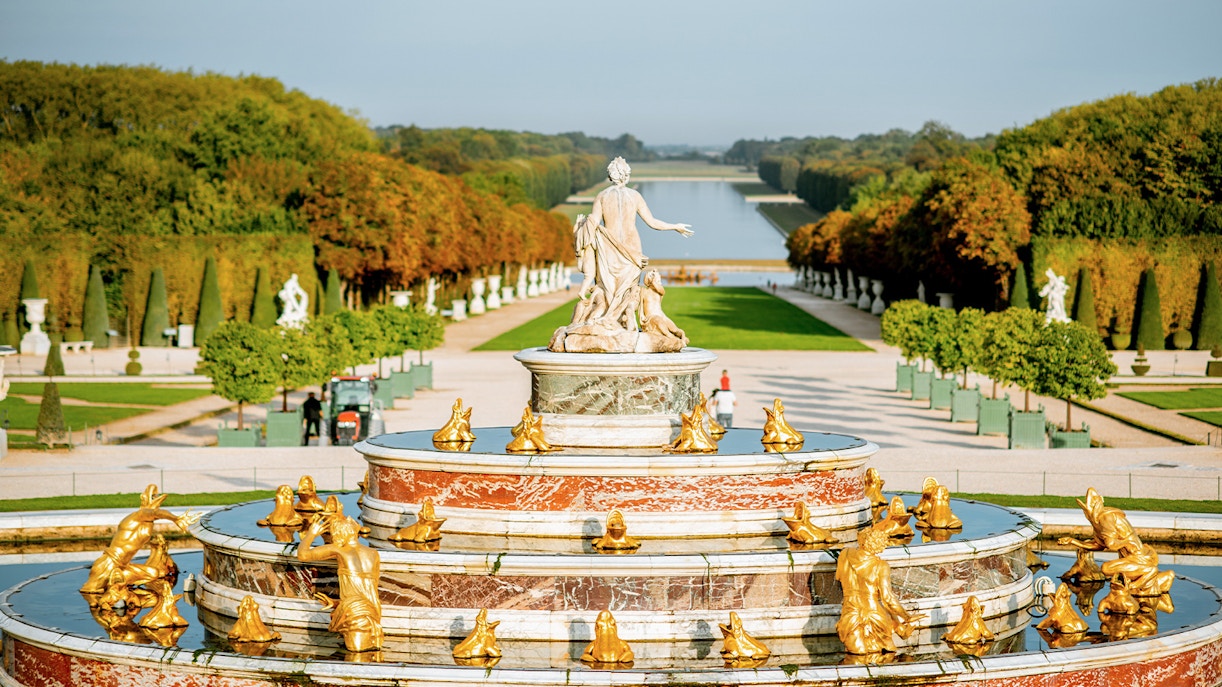
In the early 17th century, architects Philibert Le Roy, Louis Le Vau, Charles Le Brun, and André Le Nôtre undertook the ambitious construction of Versailles. They embraced the Baroque style and transformed the humble hunting lodge into a majestic palace. The grand scale of the project called for thousands of skilled craftsmen. Versailles transformed into a symbol of architectural brilliance and engineering prowess. Today, this attraction is a testament to human determination and artistic vision.
Versailles Today
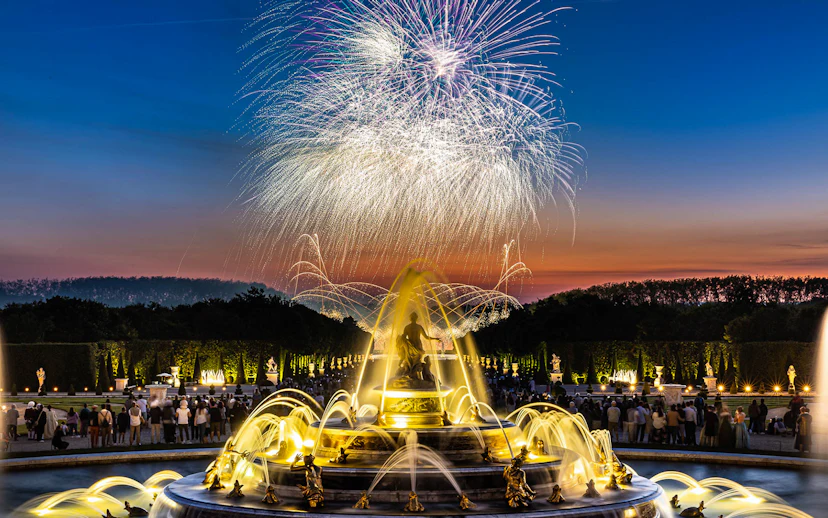
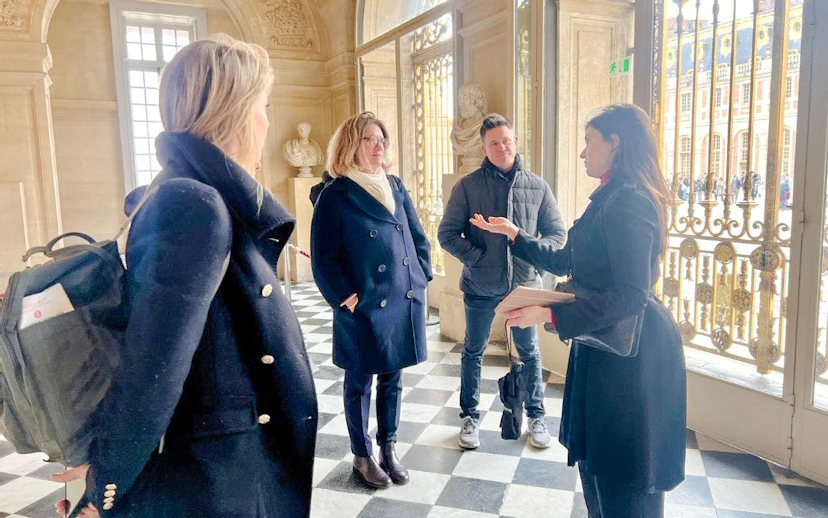
The Palace of Versailles, once a symbol of royal power, is now a UNESCO World Heritage Site and open-air museum visited by over 8 million people annually. While its opulent architecture remains a testament to its regal past, Versailles has evolved beyond its royal function. Today, visitors can experience the grandeur of Versailles while learning about its pivotal role in French history – from the lavish court of Louis XIV to the dramatic events of the French Revolution. Versailles hosts prestigious events, including the annual Musical Fountains Show, international summits, and art exhibitions. Notably, the Tour de France has featured a stage finish at Versailles, adding to its historical significance.
Frequently asked questions about Versailles history
Over 10 million people visit Versailles every year, making it one of the most visited monuments in France.
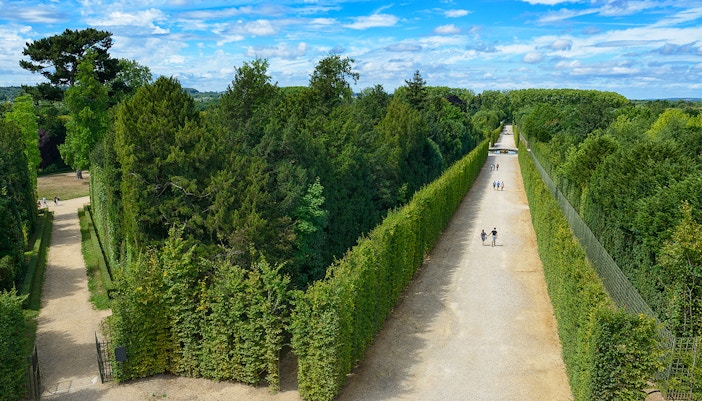
The gardens cover over 800 hectares and feature 50 fountains, 620 water jets, and a Grand Canal nearly 1.6 kilometers long, which was used for gondola rides.
Marble, gold leaf, and mirrors were extensively used, symbolizing the grandeur of the French monarchy.
It is estimated that the construction and expansion of Versailles cost over 100 million livres at the time, a sum that contributed to the financial strain on France leading to the Revolution.
Notable pieces include Charles Le Brun’s ceiling frescoes in the Hall of Mirrors and François Girardon’s sculptures in the gardens.
Yes, Versailles has served as the setting for numerous films and TV series, including the show "Versailles," which dramatizes the life of Louis XIV