Quick Information

RECOMMENDED DURATION

4 hours

VISITORS PER YEAR

15000000

NUMBER OF ENTRANCES

5

EXPECTED WAIT TIME - STANDARD

1-2 hours (Peak), 30-60 mins (Off Peak)

EXPECTED WAIT TIME - SKIP THE LINE

0-30 mins (Peak), 0-30 mins (Off Peak)

UNESCO YEAR

1979

Plan your visit

Did you know?

The Queen's House, nestled in the gardens, was rumoured to be haunted by Marie Antoinette's ghost, with sightings of her spectral apparitions wandering the premises.

Versailles nurtured a musical heritage as acclaimed composers like Jean-Baptiste Lully and Christoph Willibald Gluck crafted timeless masterpieces, contributing to an unparalleled musical legacy.

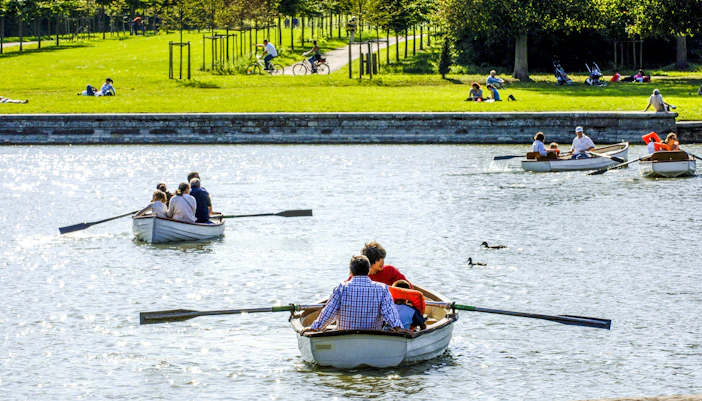
During the winter season, the vast Grand Canal at Versailles transformed into an enchanting ice-skating rink, providing the royal court with the exhilaration of gliding across frozen waters.

Is Palace of Versailles worth visiting?

Absolutely—if you want to experience the grandeur of French royalty, the Palace of Versailles is hard to match. Once the seat of Louis XIV's court, it combines lavish interiors, world-famous spaces like the Hall of Mirrors, beautifully landscaped gardens, and the quieter Trianon Estate into one vast royal domain. It's also a UNESCO World Heritage Site and one of France's most visited cultural landmarks.

To make the most of your visit, allow at least half a day (or a full day if you plan to explore the gardens and Trianon Estate) and book timed-entry tickets in advance, especially during peak season.

First time visiting Versailles?

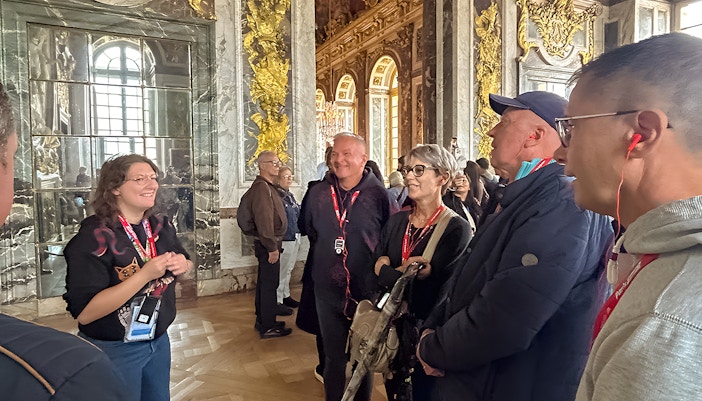
Decide how you'd like to explore—visit independently with a Passport ticket, join an expert-guided tour, or book a day trip from Paris with round-trip transfers for a hassle-free experience.

What to see in the Versailles Palace
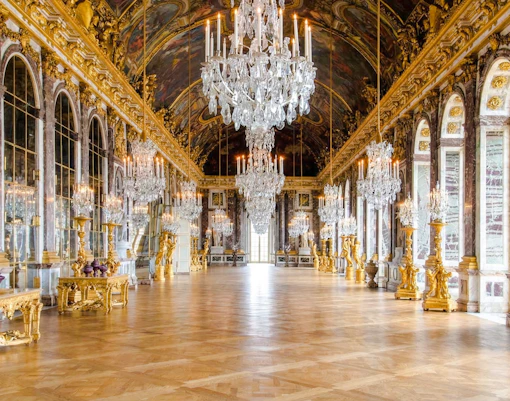
Hall of Mirrors

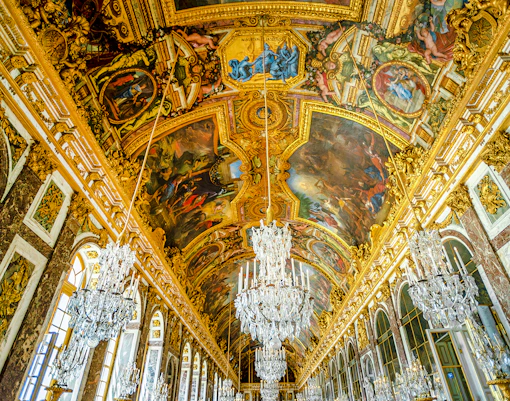
Step into the iconic Hall of Mirrors that reflects the grandeur of Versailles. Here, 17 mirrored arches reflect dazzling chandeliers and intricate ceiling paintings, creating a spectacle. This historic space has witnessed momentous treaties and opulent celebrations, offering a glimpse into Versailles' opulent past.

More about the Hall of Mirrors

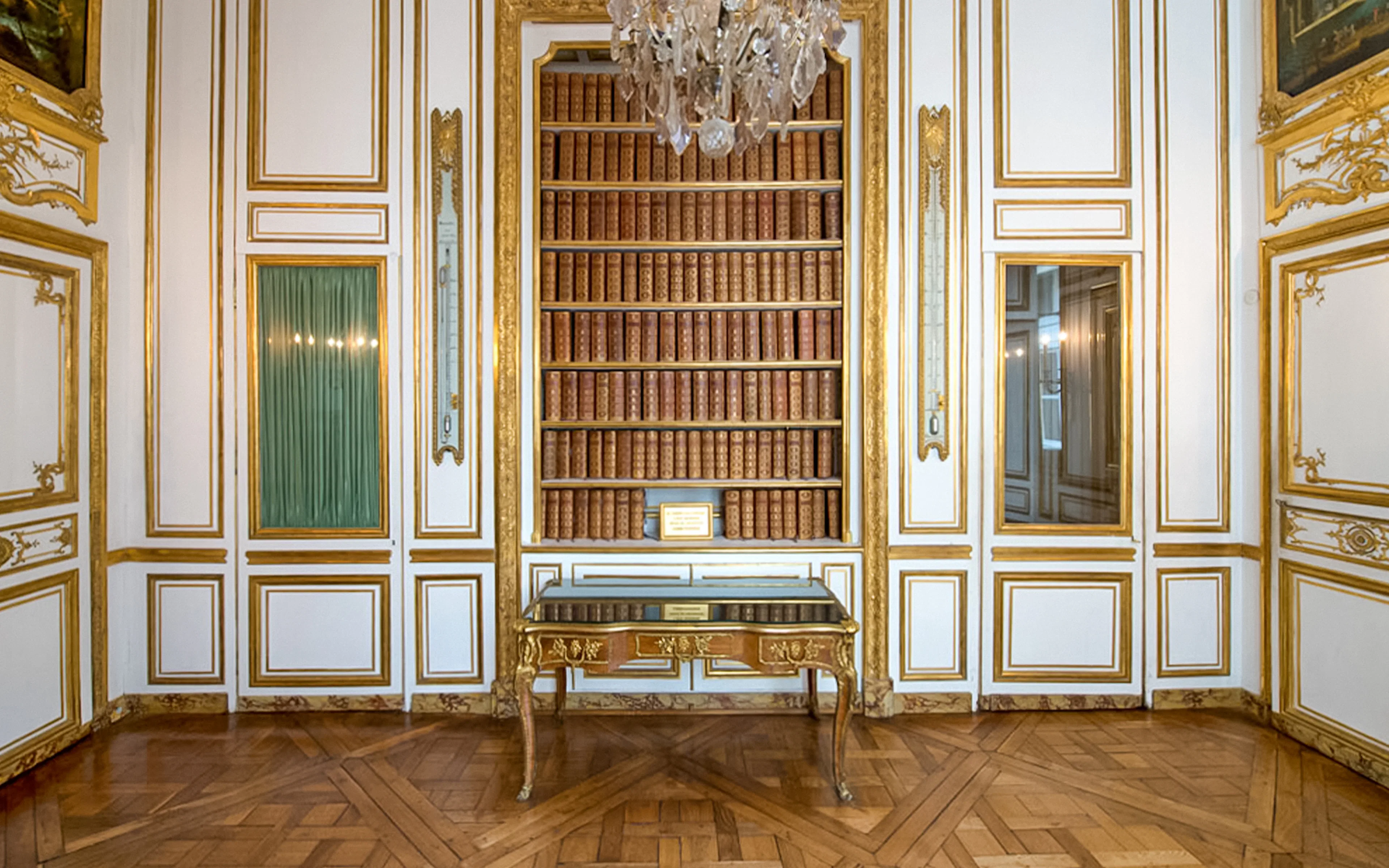
The Royal Apartments

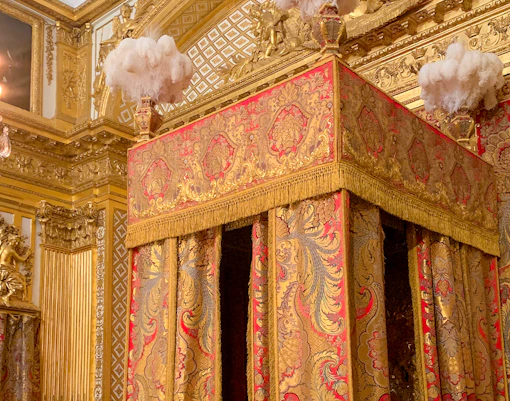
Explore the historic Royal Apartments, once home to the kings and queens of France. Walk past and admire the intricate details of the decor and furniture, and learn about the regal lifestyle of the past.

More about the King's Apartment

Apollo's Gallery

This iconic gallery features French Baroque design, paying homage to the Sun King, Louis XIV. The vaulted ceiling portrays Apollo, the radiant sun god, riding a chariot surrounded by celestial figures. This room exemplifies the grandeur and artistry of the French Baroque style

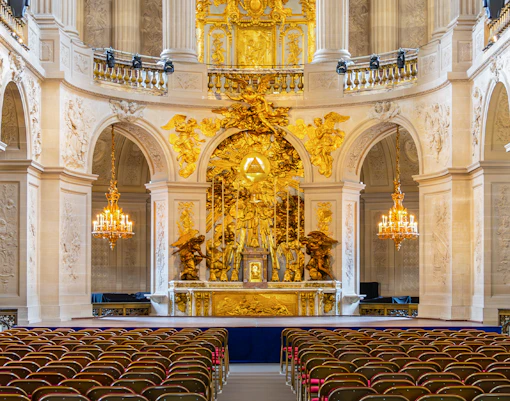
The Royal Chapel

Step into the historic Royal Chapel, where French royalty once worshipped. Admire the stunning Baroque architecture and the intricate decor details, and imagine the grandeur of royal ceremonies.

More about the Royal Chapel

What to see around Versailles Palace
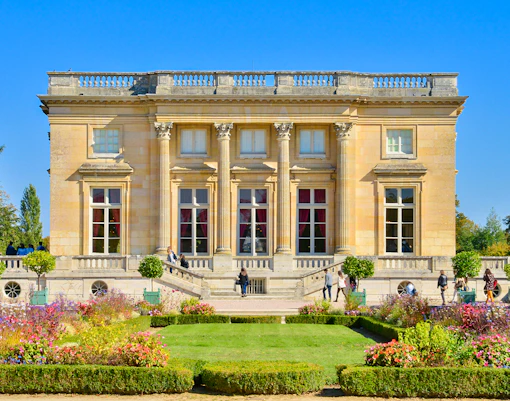
The Grand Trianon

Discover the calm beauty of the Grand Trianon, a smaller palace the king used to escape the stress of court life. The pink marble facade and exquisite interiors made it a peaceful retreat for French royalty.

More about the Trianon Estate

The Orangery

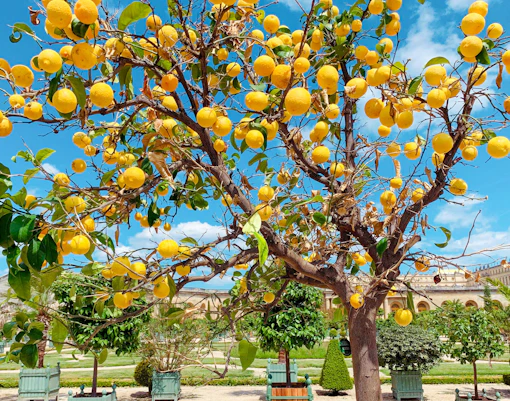
Stroll through the impressive Orangery, a massive greenhouse housing a large collection of citrus trees. The fragrant citrus trees and the elegant building create a serene and refreshing escape.

More about the Orangery

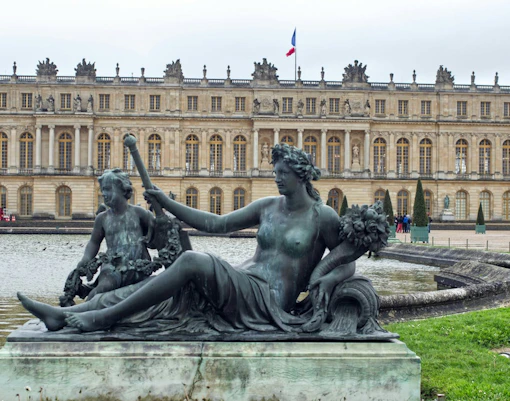
The Neptune Fountain

The Neptune Fountain is a colossal sculpture that dominates the gardens. This masterpiece depicts the sea god Neptune surrounded by mythical creatures, showcasing the grandeur of Versailles' garden design.

More about Versailles Palace Fountains

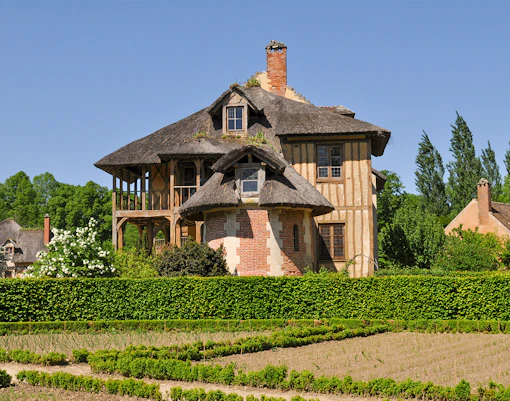
Marie Antoinette's Hamlet

Step back in time and explore Marie Antoinette's idyllic retreat. With its charming cottages and gardens, this historic hamlet offers a glimpse into the queen's private world. This rustic village, complete with cottages, gardens, and a mill, was the queen's peaceful haven, contrasting the opulence of the court.

View the Palace's collections

Paintings
1/6

Paintings

The museum boasts a diverse collection of over 6,000 paintings showcasing historical and mythological themes. Admire paintings by artists like Jacques-Louis David, whose works capture pivotal moments in French history, including The Coronation of Napoleon. The array of portraits features iconic pieces by Hyacinthe Rigaud, such as his famous portrait of Louis XIV, and Élisabeth Vigée Le Brun, celebrated for her depictions of Marie Antoinette.

Sculptures

Versailles houses an exquisite array of sculptures, adding a three-dimensional charm to the museum. You can catch the neoclassical wonders by Jean-Antoine Houdon, and marvel at the intricate details of marble sculptures adorning the Palace's grand salons.

Decorative Arts

Experience the luxury of Versailles through its exquisite decorative arts collection. Ornate furniture, intricate tapestries, and luxurious porcelain reveal the lavish tastes of French royalty. Discover the finest Sèvres porcelain and the iconic furniture designed by André-Charles Boulle.

Ceramics

Explore a treasure trove of ceramic wonders, showcasing the skills of renowned potters from the past. The collection includes dazzling vases, intricate dinnerware, and charming figurines reflecting the artistic elegance of bygone eras

Textiles

The museum's textile collection features an impressive array of royal garments and tapestries. Highlights include ceremonial robes shot with gold thread, and tapestries such as those from Gobelins and Beauvais manufactories, depicting scenes from mythology and royal life. A real glimpse into the royal past of Versailles.

Historical Artifacts

Discover fascinating artifacts illuminating life in the Court of Versailles. Delve into the personal belongings of Marie Antoinette and Louis XVI, as well as diplomatic gifts and royal souvenirs, offering intriguing glimpses into their extraordinary lives.

How to get to the Palace of Versailles

The Palace of Versailles is located about 20 km southwest of central Paris, making it an easy day trip by train, car, or guided tour. Most visitors travel via the RER C to Versailles Château–Rive Gauche station, which is around a 10-minute walk from the palace entrance.

If you're driving, paid parking is available around the estate, while several bus routes also connect Versailles with Paris and nearby suburbs. For a hassle-free experience, consider a guided tour or day trip that includes round-trip transfers and timed palace entry.

Check our complete guide for transport options, parking information, and travel tips.

The story behind the Palace of Versailles

The history of the Palace of Versailles began in 1624 as a modest hunting lodge built for King Louis XIII. Its transformation into one of the world's most magnificent royal residences came under Louis XIV, who expanded the estate and moved the French royal court here in 1682, making Versailles the political and cultural heart of France.

Over the centuries, the palace witnessed defining moments in European history—from the grandeur of the Hall of Mirrors to the outbreak of the French Revolution in 1789, which marked the end of royal life at Versailles. In 1837, King Louis-Philippe converted the palace into a museum dedicated to French history, and in 1919, the Treaty of Versailles was signed here, formally ending the First World War.

Today, the Palace of Versailles is a UNESCO World Heritage Site, celebrated for its royal heritage, remarkable architecture, and enduring influence on art, culture, and politics.

Read the complete history of the Palace of Versailles →

The architecture of the Palace of Versailles

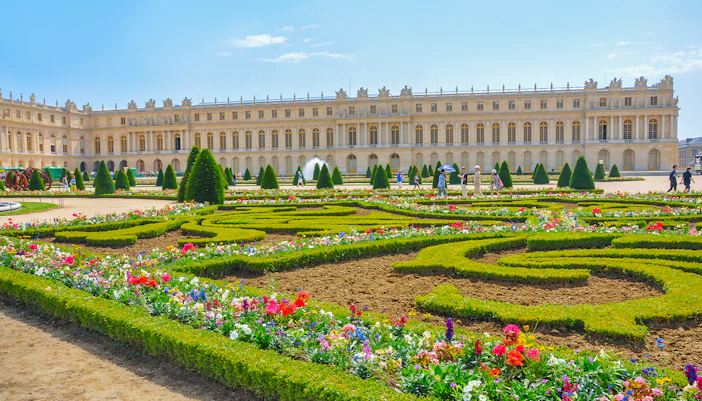
The Palace of Versailles is one of the finest examples of French Baroque architecture, designed to reflect the wealth and authority of the French monarchy. Expanded under King Louis XIV, the palace features a grand symmetrical façade, richly decorated State Apartments, gilded ceilings, and the world-famous Hall of Mirrors, where 357 mirrors amplify the natural light pouring in through towering arched windows.

Beyond the palace, the estate extends into nearly 2,000 acres of meticulously designed gardens created by renowned landscape architect André Le Nôtre. Geometric flower beds, tree-lined avenues, ornamental fountains, and sculptures combine to create one of the most celebrated formal gardens in the world, making the architecture and landscape a seamless expression of royal grandeur.

Explore the complete guide to the Palace of Versailles' architecture →

Frequently asked questions about Palace of Versailles

Consider a combination of self-guided exploration and guided tours. This allows you to delve into the history and art at your own pace, while also gaining deeper insights from expert guides.

More reads

Plan your visit

Take a look