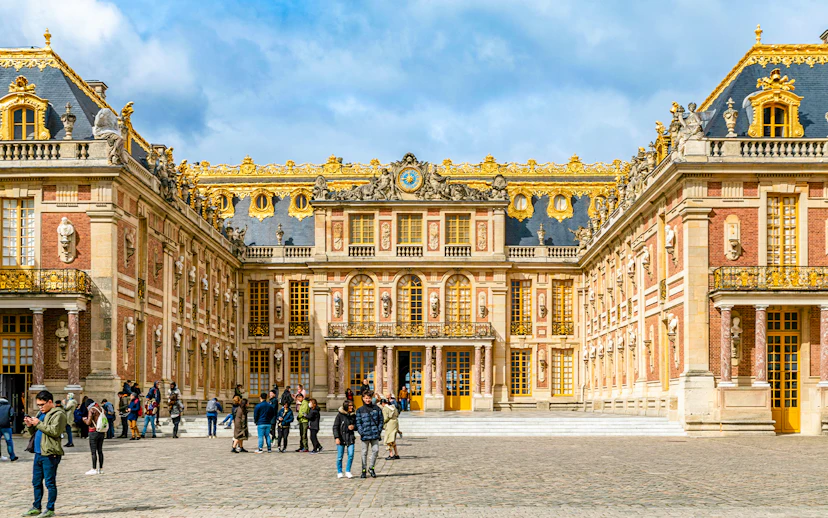
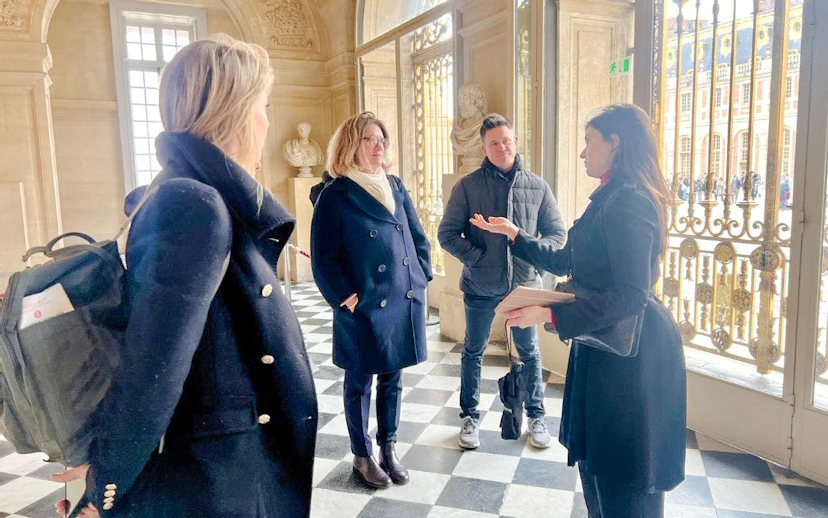
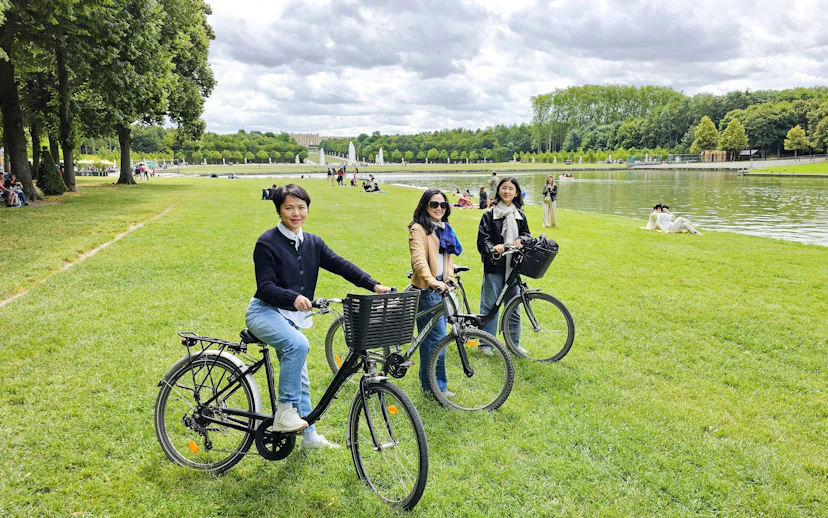
The Orangery is positioned just south of the main palace building. Visit it immediately after stepping out of the Hall of Mirrors onto the terraces, or save it as your final viewpoint before heading toward the Lake of the Swiss Guards. Pacing yourself here ensures you aren't too exhausted to descend the monumental stone staircases.
Quick overview
- Access: Included in all Palace of Versailles passport and garden tickets
- Separate ticket: Not required (cannot be booked independently)
- When you'll see it: Located outdoors below the South Parterre; viewed during your garden exploration
- Visit duration: 20–30 mins self-guided/30–40 mins with a guide
- Best time: Late afternoon (3:00 PM – 5:00 PM) for optimal sunlight and fewer crowds
- Restrictions: No touching the plant boxes. Interior gallery access is restricted to select seasonal events and private rentals.
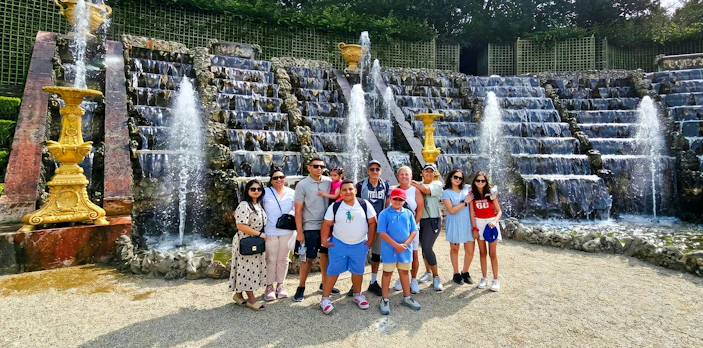
The Versailles Orangery is included with all standard Palace of Versailles passport tickets and standalone Garden tickets; no separate independent ticket exists. It sits directly below the South Parterre, framed by the monumental Hundred Steps staircases, making it a natural transition point between the main palace building and the lower groves. Book a full-access passport ticket or a guided estate tour to guarantee seamless entry to the grounds and gain proper historical context before reaching this sculptural landscape.
How to best experience the Versailles Orangery
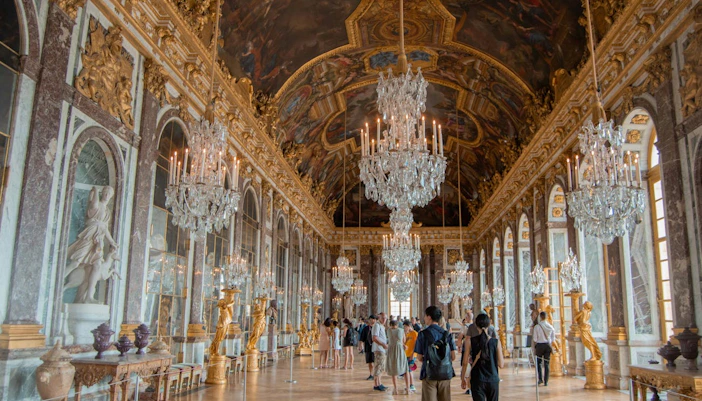
Where it fits in your itinerary
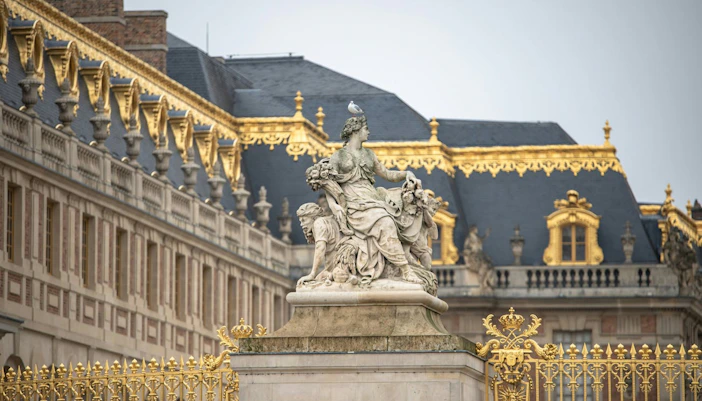
Best time to visit
The ideal window is late afternoon, specifically between 3pm and 5pm. During these hours, the low sun hits the orange tree parterres perfectly for photography, and the heavy mid-day tour groups have already migrated deeper into the Trianon palaces or the queen's hamlet.
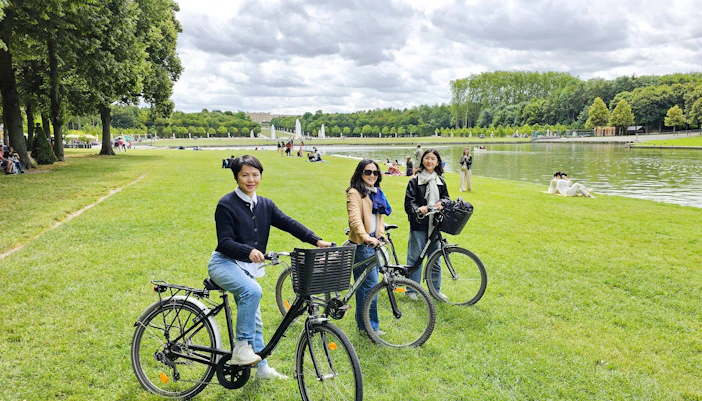
How long to spend
Allow at least 20 to 30 minutes to view the parterres from the upper terraces and walk down the perimeter paths. If you are on a specialized architectural guided tour, budget 40 minutes to properly appreciate the scale of the lower retaining walls and vaulted galleries.
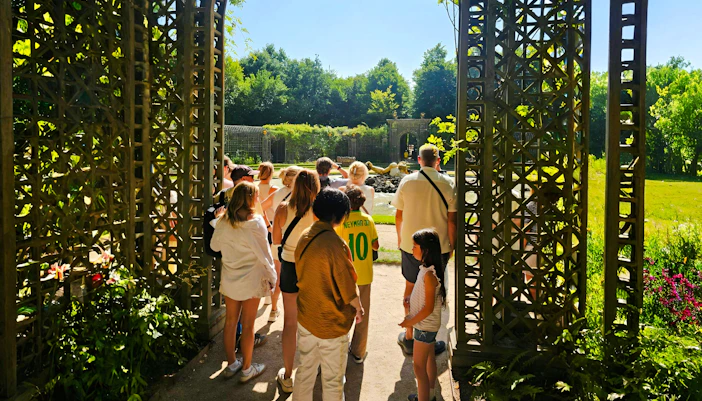
Crowd patterns
Crowds peak heavily between 11am and 2pm when visitors spill out from the main palace state apartments. This causes severe bottlenecks along the upper South Parterre railings. Waiting until the late afternoon guarantees a much quieter, open viewing experience along the lower layout.
What to prioritize if time is short
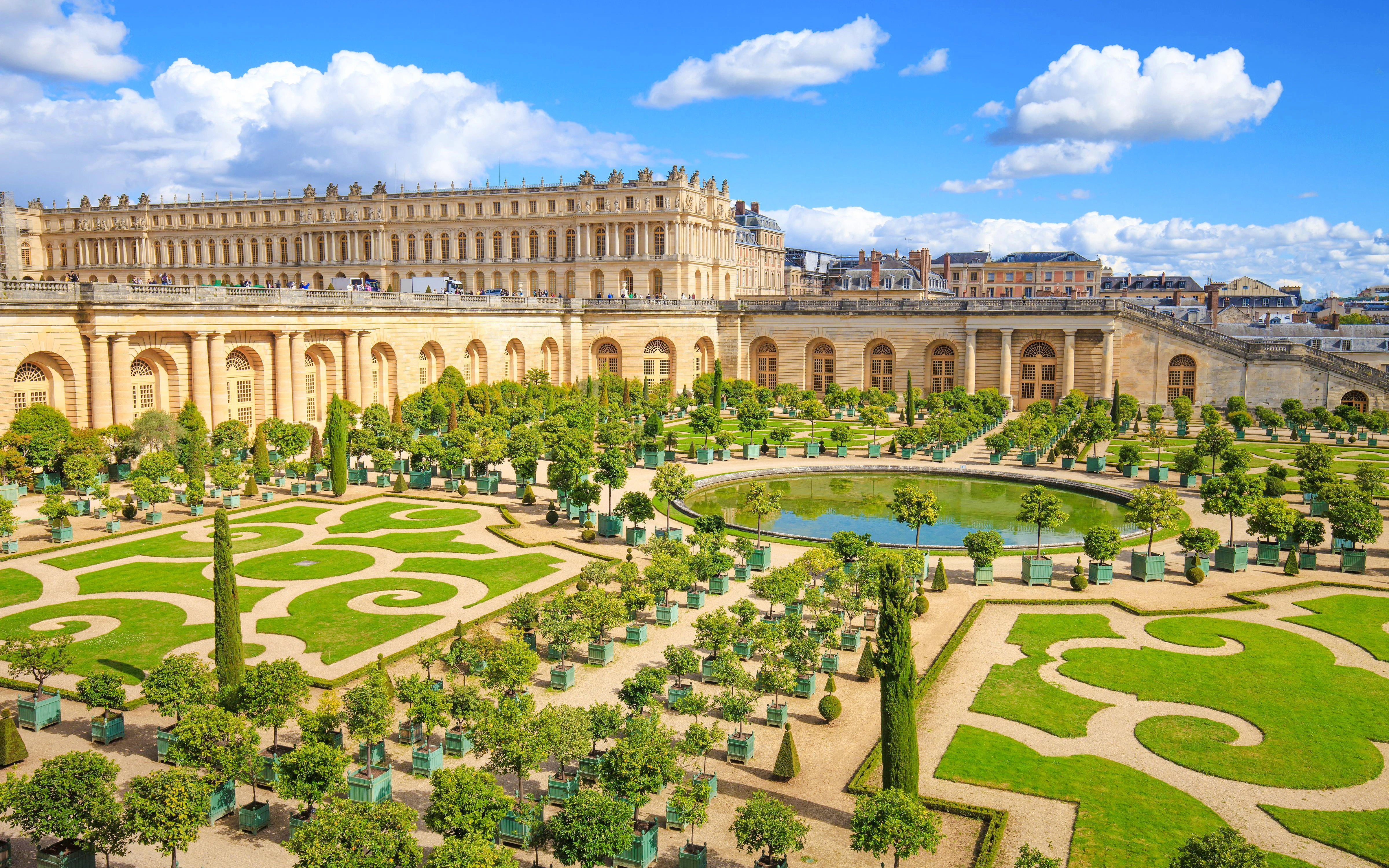
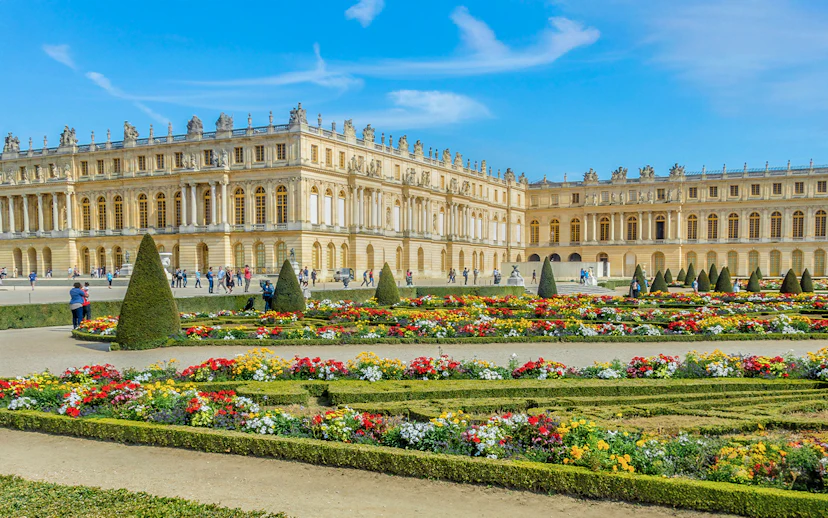
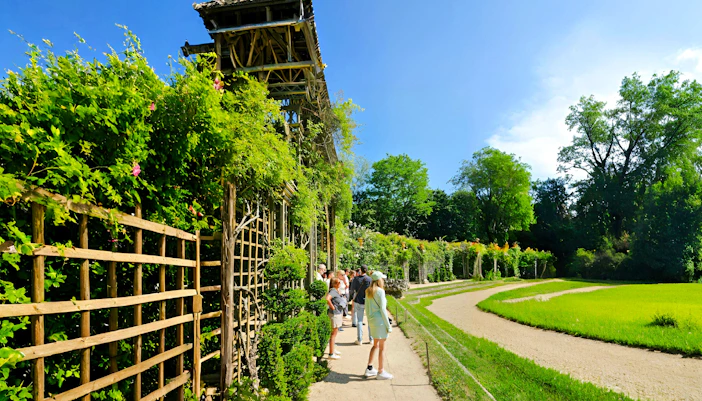
Prioritise standing exactly at the center of the South Parterre railing to view the geometric layout of the lawns and the circular pool below. From there, trace the symmetry of the twin Cent Marches (Hundred Steps) stone staircases that flank the central gallery structure.
Common mistakes to avoid
Most visitors only look down at the Orangery from the upper palace terrace and walk away. Don't skip walking down the stone steps to view the sheer scale of Jules Hardouin-Mansart’s architecture from below; the structural framing is completely lost from above.
Best tickets to experience the Versailles Orangery
| Ticket type | Why choose it |
|---|---|
Passport Ticket | Provides full access to the estate, allowing you to view the Orangery parterres seamlessly alongside the main palace. |
Guided Estate Tour | Unlocks expert context on 17th-century engineering, botanical history, and Mansart's architectural design choices. |
Palace Gardens Pass | Ideal if you want to bypass the interior state apartments entirely and focus solely on the outdoor grand perspectives. |
Why it’s worth seeing
Most visitors view the Orangery as just a pretty garden backdrop, without realising that this space was a massive display of absolute royal power and wealth. In 17th-century Europe, keeping delicate Mediterranean citrus trees alive through harsh northern French winters required monumental architectural engineering. The structure Jules Hardouin-Mansart built is so perfectly insulated that it maintains a constant temperature without any indoor heating.
The Central Gallery & Vaulting
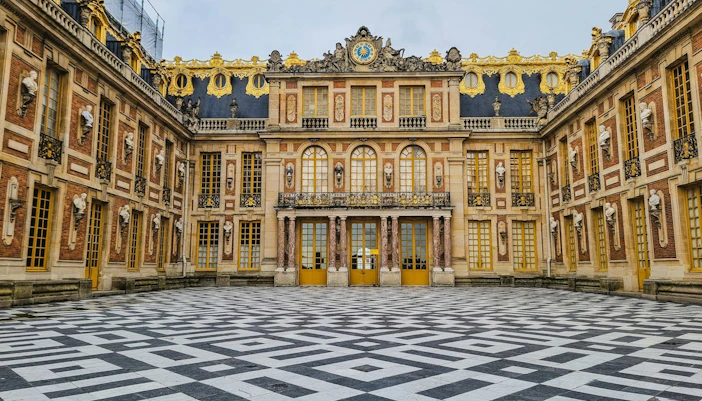
Designed by Jules Hardouin-Mansart between 1684 and 1686, the central gallery spans over 150 metres in length. Its vaulted, window-lined facade faces south to maximize natural solar heat retention during winter, utilizing thick double-glazed walls to protect exotic plants without open fires.
The Monumental Staircases (Les Cent Marches)
The Orangery is flanked by two grand stone staircases known as the Hundred Steps. These massive structures serve a dual purpose: they provide an elegant royal descent into the lower gardens and act as heavy structural buttresses holding back the immense weight of the upper palace terraces.
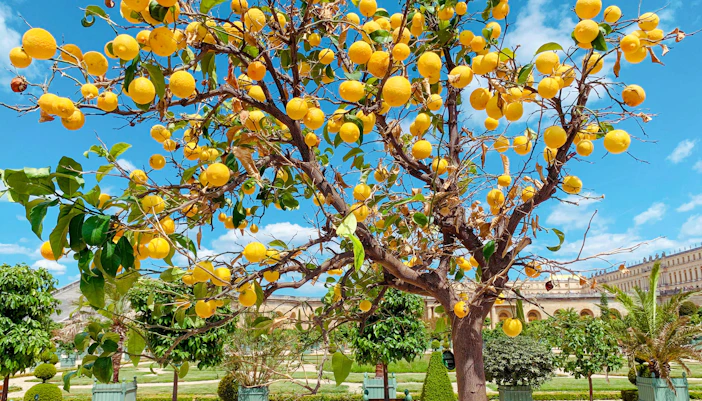
The Historic Tree Collection
The parterre accommodates over 1,000 orange, lemon, pomegranate, and oleander trees. Many of these historic plants are shipped from Italy, Spain, and Portugal, with some individual sour orange trees dating back over 200 years, neatly arranged in iconic green wooden boxes.
Historical & cultural significance
Built by Jules Hardouin-Mansart between 1684 and 1686, the Versailles Orangery replaced a much smaller greenhouse built by Louis Le Vau. It was constructed to satisfy Louis XIV's intense obsession with orange blossoms, effectively serving as a living symbol of the king's ability to dominate nature itself. During the height of his reign, the trees were wheeled indoors for winter and rolled out into the geometric parterre fields for lavish summer court parties. Today, it still functions as an active botanical nursery and a prestigious venue for major cultural events.
Know before you go
- The Orangery parterre aligns with the standard Versailles Garden hours: open daily from 8am to 8:30pm during high season.
- The interior galleries are closed to the general public except during specific summer concerts, exhibitions, or official guided tours.
- High-season weekend fountain shows require a timed garden ticket to access this portion of the estate grounds.
- Winter hours are shorter, typically closing around 6:00 PM as darkness sets in.
- Situated directly beneath the South Parterre of the main Château de Versailles.
- Nearest transport: RER C line to Versailles Château Rive Gauche station, followed by a 10-minute walk to the main palace gates.
- Position in route: Located immediately outside the palace's southern wings, acting as the gateway to the Lake of the Swiss Guards.
- Access path: Walk through the main courtyard, exit onto the garden terraces, and turn left toward the south side.
- The upper viewing terrace is flat, paved, and fully accessible for wheelchair users.
- The lower parterre level requires navigating the 'Cent Marches' stone stairs, which are steep and lack ramps.
- An alternative accessible sloping path is located further down the main garden lanes to bypass the staircases entirely.
- Manual wheelchairs can be borrowed free of charge at the main palace entrance points.
- Touching, climbing, or disturbing the historic boxed citrus trees is strictly prohibited by estate security.
- Drone photography and large professional tripod setups are banned without explicit commercial permits.
- Picnicking is not permitted on the manicured lawns of the Orangery parterre; use the designated park areas near the Grand Canal.
- Bicycles and scooters must be parked outside the main palace garden gates.
Frequently asked questions about the Palace of Versailles Orangery
Yes. Access to view the Orangery parterres is included with any valid passport ticket or standalone garden admission pass.
No. There is no independent ticket available for the Orangery. It is visited as part of the broader estate grounds.
Yes. You can purchase a standalone Garden ticket on fountain show days, or enter the gardens for free on standard low-season weekdays to view it.
No. The interior vaulted galleries are closed to the general public to protect the overwintering trees, opening only for special events.
The historic citrus trees are rolled out into the parterre from mid-May through mid-October, depending on current weather conditions.
The flanking staircases contain 103 steps on each side, which are steep and require careful footing to descend.
Yes. Standard personal photography and video recording are fully permitted throughout the outdoor terraces and parterre pathways.