Versailles Palace Architecture | Baroque design, royal interiors & garden masterpieces
From a modest hunting lodge to one of the world's greatest royal palaces, Palace of Versailles is a masterpiece of French Baroque architecture. Built from 1661 by Louis Le Vau and later expanded by Jules Hardouin-Mansart, its opulent design continues to captivate architecture lovers today.
Versailles Palace architecture page guide
Quick overview
Architectural styles and influences
Design highlights and iconic features
Who designed it?
History of the arcitecture
The exterior
The interior
Best Versailles palace tickets
Quick overview: Versailles Palace architecture
- Official name: Palace of Versailles
- Attraction type: Historic palace and museum
- Address: Place d’Armes, 78000 Versailles | Find on Maps
- Constructed: Originally constructed in 1623, it was turned into a palace during Louix XIV’s reign in 1661
- Area: 1,070 hectares
- Architectural style: Classicalism and Baroque
- Leading architects: Louis Le Vau, Jules Hardouin-Mansart, and François d'Orbay
Architectural style of Palace of Versailles
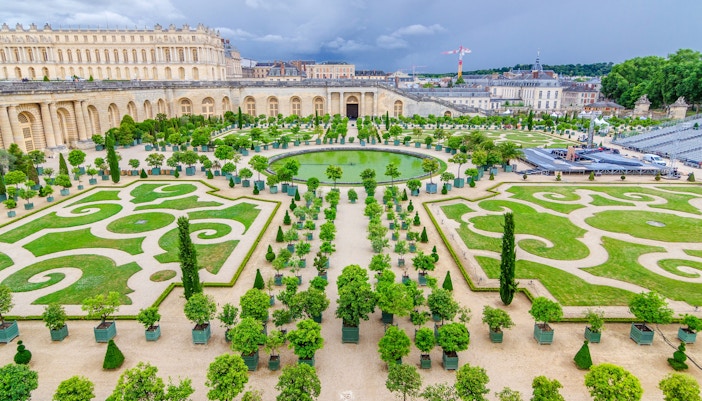
Palace of Versailles showcases a blend of Baroque and Classical architectural styles. The Baroque influence adds drama and grandeur with ornate details, elaborate sculptures, and curvilinear forms. The Classical touch brings a sense of order and symmetry, inspired by ancient Greek and Roman designs. It stands out due to its massive scale, stunning Hall of Mirrors, and beautifully landscaped gardens. Imagine walking through lavish rooms with gilded ceilings, intricate carvings, and awe-inspiring frescoes. The palace's design aims to impress and express the absolute power of the monarchy, while the symmetrical gardens and geometrical patterns create harmony between the architecture and nature. It's a masterpiece that captures the essence of an era and continues to awe visitors with its timeless beauty!
Design highlights & iconic features of Versailles Palace
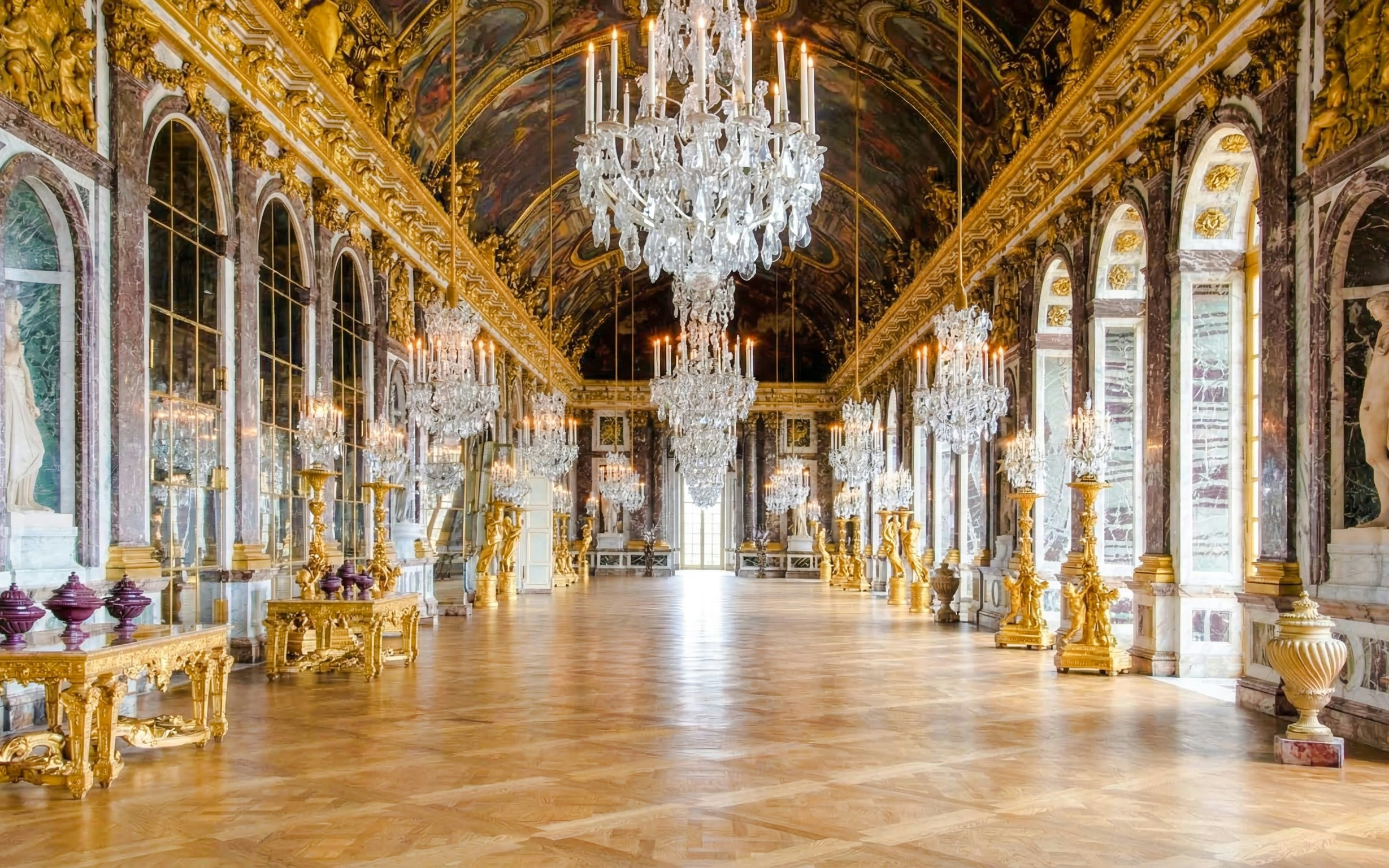
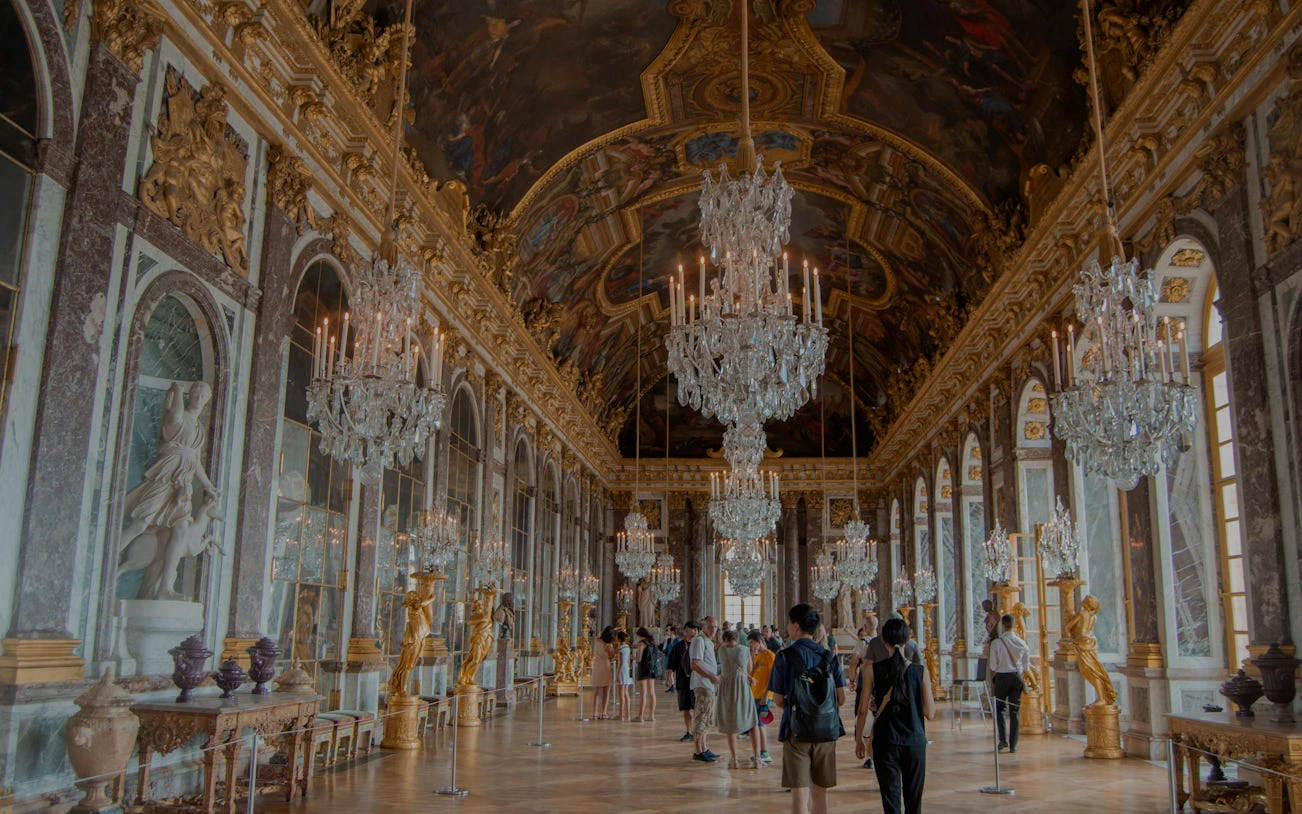
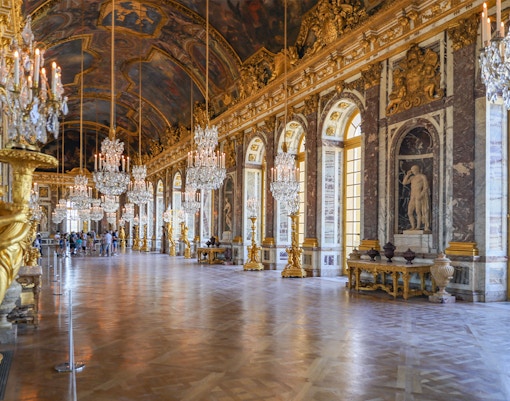
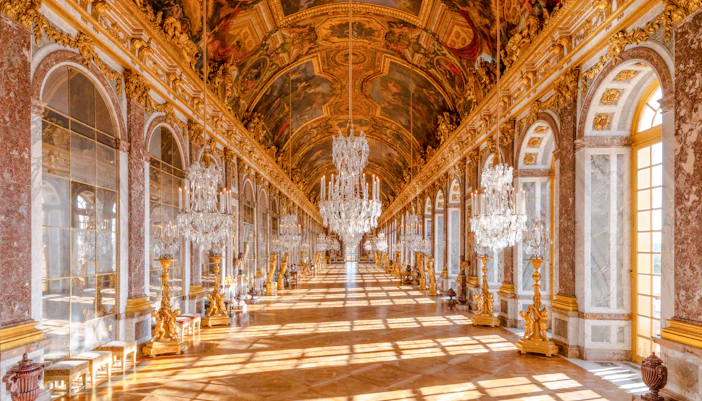
Hall of Mirrors
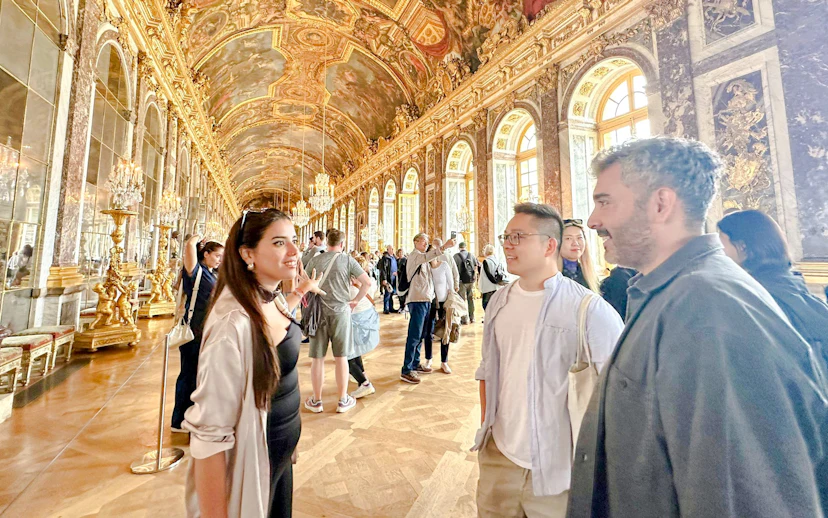
The palace's most celebrated interior, where seventeen mirrored arches reflect the garden-facing windows, creating one of the greatest Baroque spaces ever built.
Who designed the Palace of Versailles?
Louis Le Vau
The creative genius behind the original transformation of a hunting lodge into the majestic palace we see today. Le Vau designed the core structure, focusing on the impressive facades and elegant apartments fit for royalty.
Jules Hardouin-Mansart
This architectural wizard expanded Versailles, giving it those iconic wings. He crafted the Hall of Mirrors, a jaw-dropping masterpiece, and added the stunning domed chapel, showcasing his exceptional Baroque expertise.
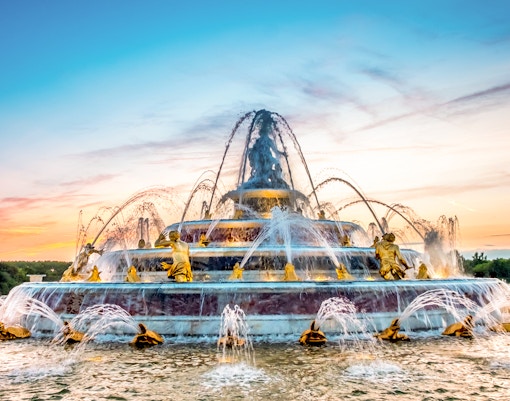
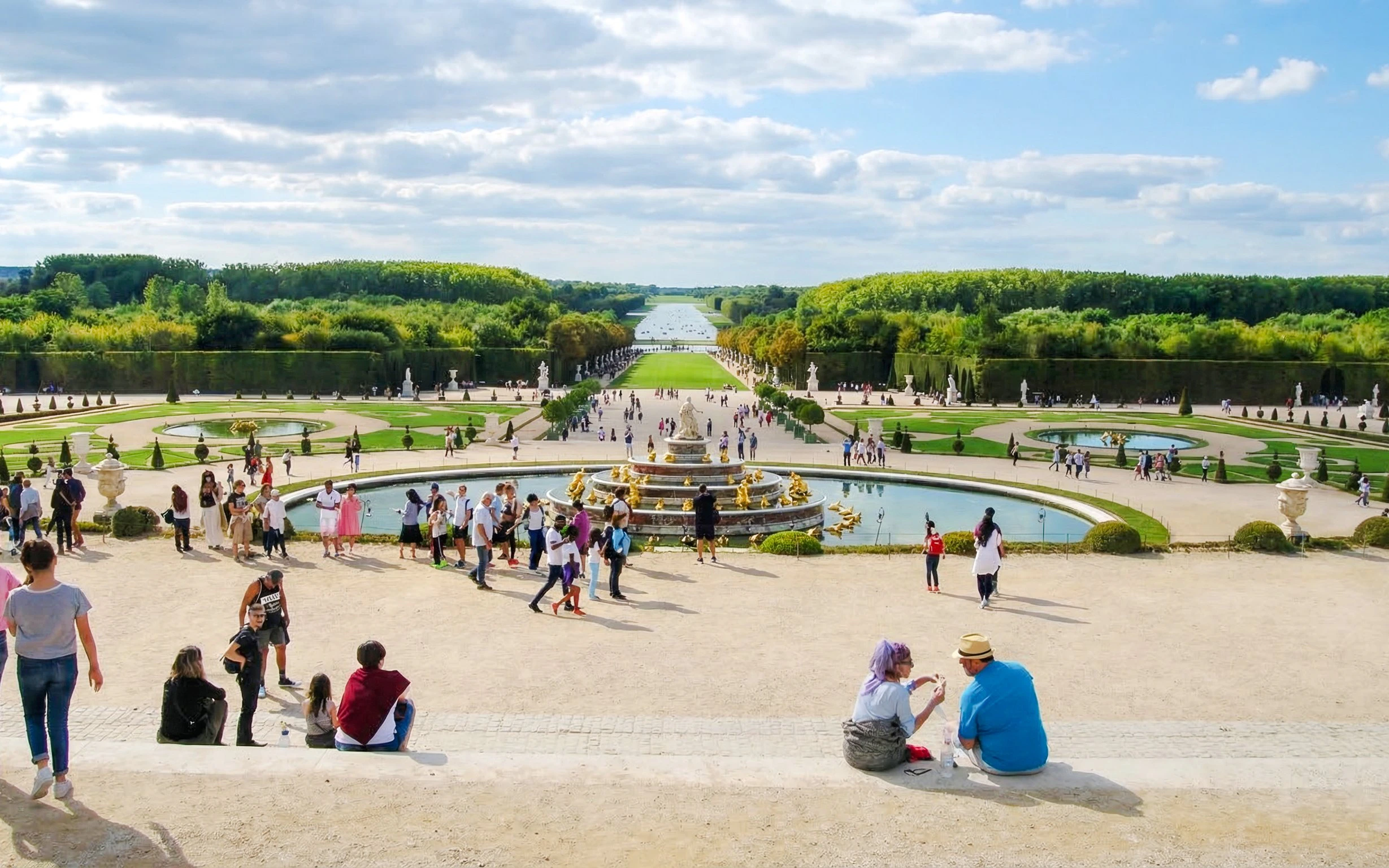
André Le Nôtre
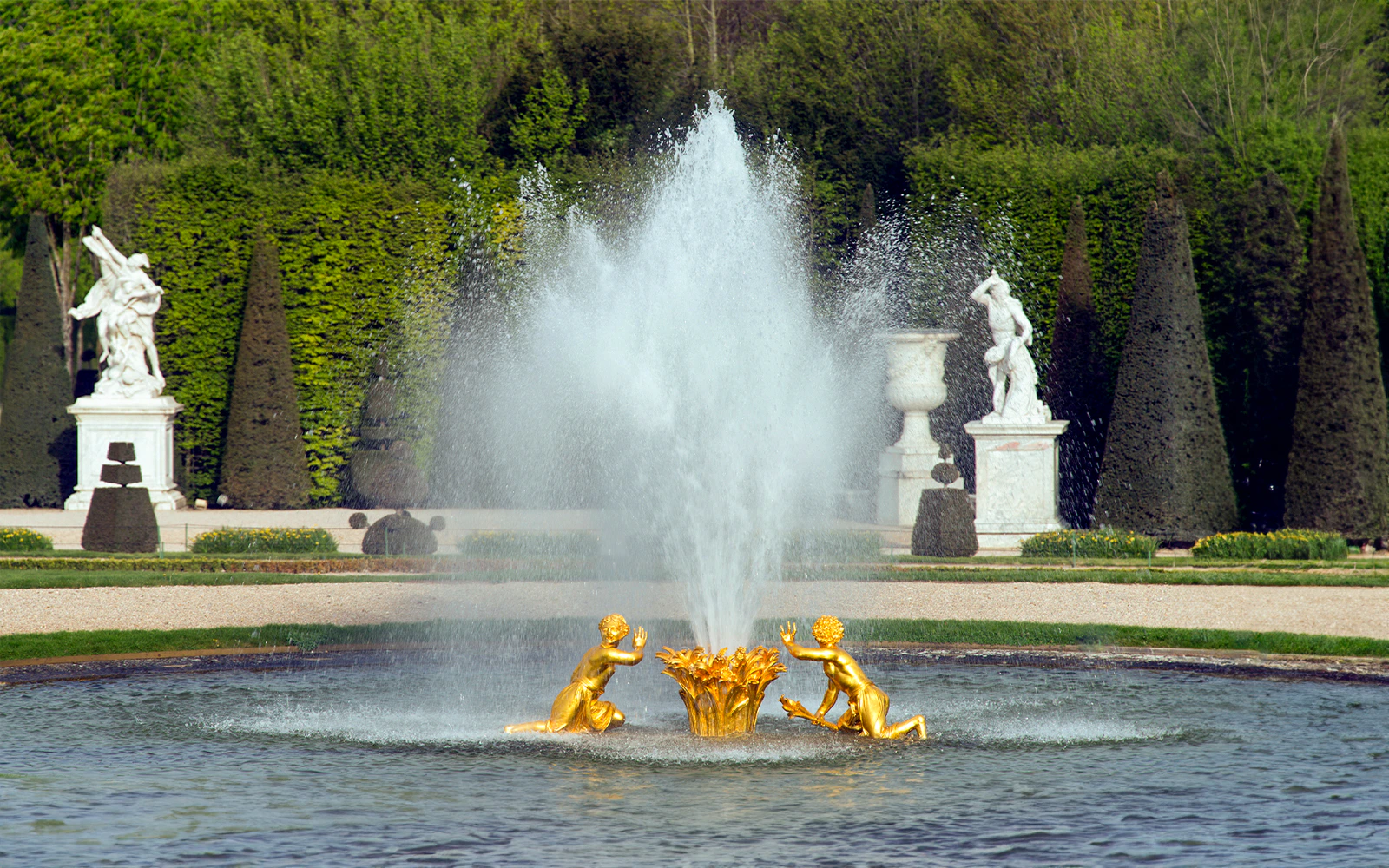
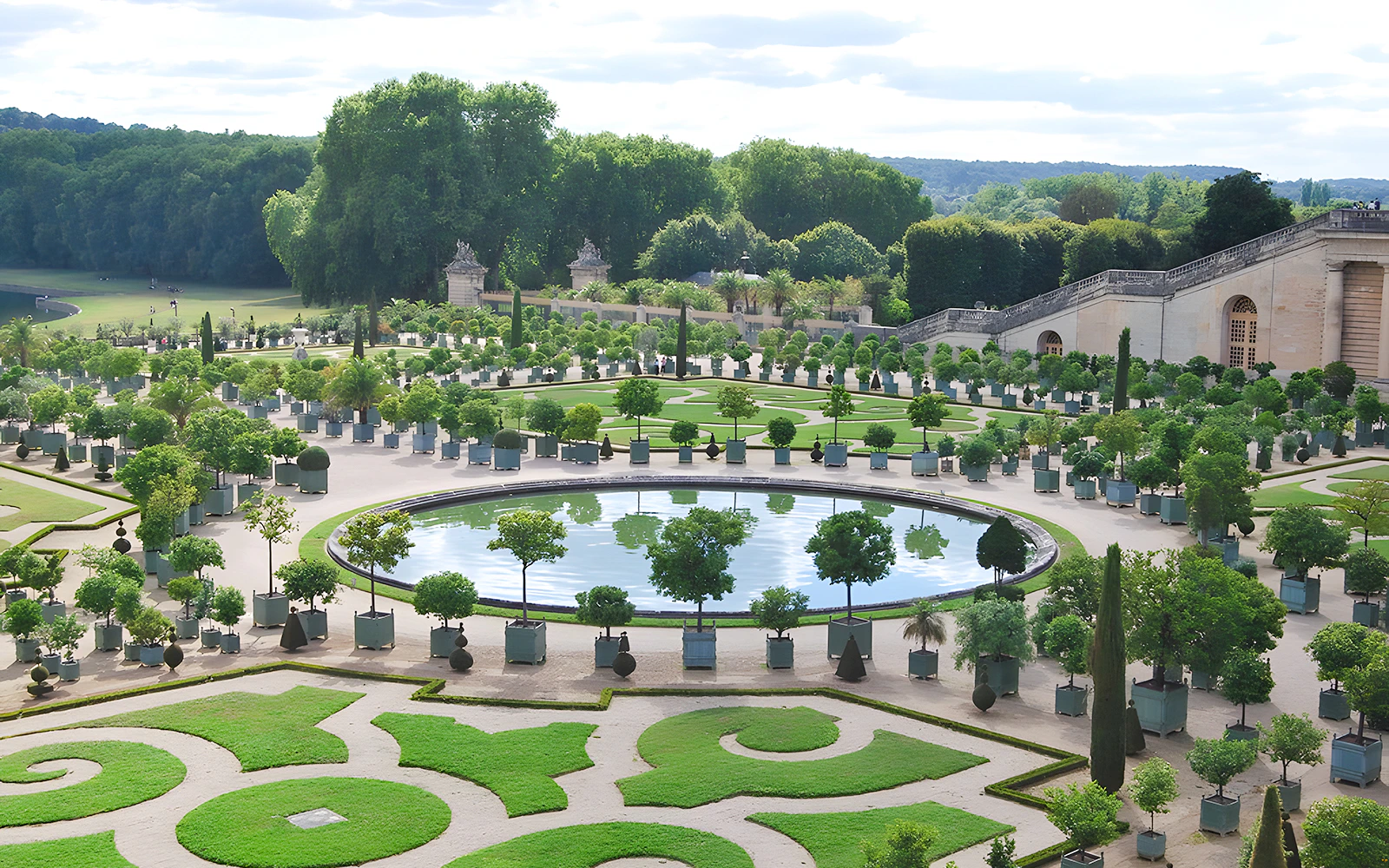
The landscape maestro who made the gardens a paradise on Earth. With a keen eye for geometry, he laid out the mesmerizing terraces, labyrinths, and fountains that complement the palace's splendor.
Ange-Jacques Gabriel
Joining the party later, Gabriel was responsible for refining the Palace's Neoclassical elements, adding a touch of sophistication that blended seamlessly with the existing Baroque aesthetics.
The evolution of Palace of Versailles
- 1623: A royal hunting lodge: King Louis XIII built a modest hunting lodge at Versailles, laying the foundation for what would become one of Europe's grandest palaces.
- 1661: Louis XIV's grand vision: The Sun King transformed the lodge into a magnificent royal residence, beginning decades of ambitious expansion.
- 1678–1715: The palace reaches its peak: New wings, the Hall of Mirrors, ceremonial apartments, and extensive gardens established Versailles as the seat of royal power.
- 18th century: Refinement and elegance: Successive monarchs introduced new architectural styles, including the Royal Opera and Petit Trianon, while preserving the palace's grandeur.
- Modern era: Following the French Revolution, Versailles was restored and preserved as one of France's most celebrated cultural landmarks.
Structure of Palace of Versailles
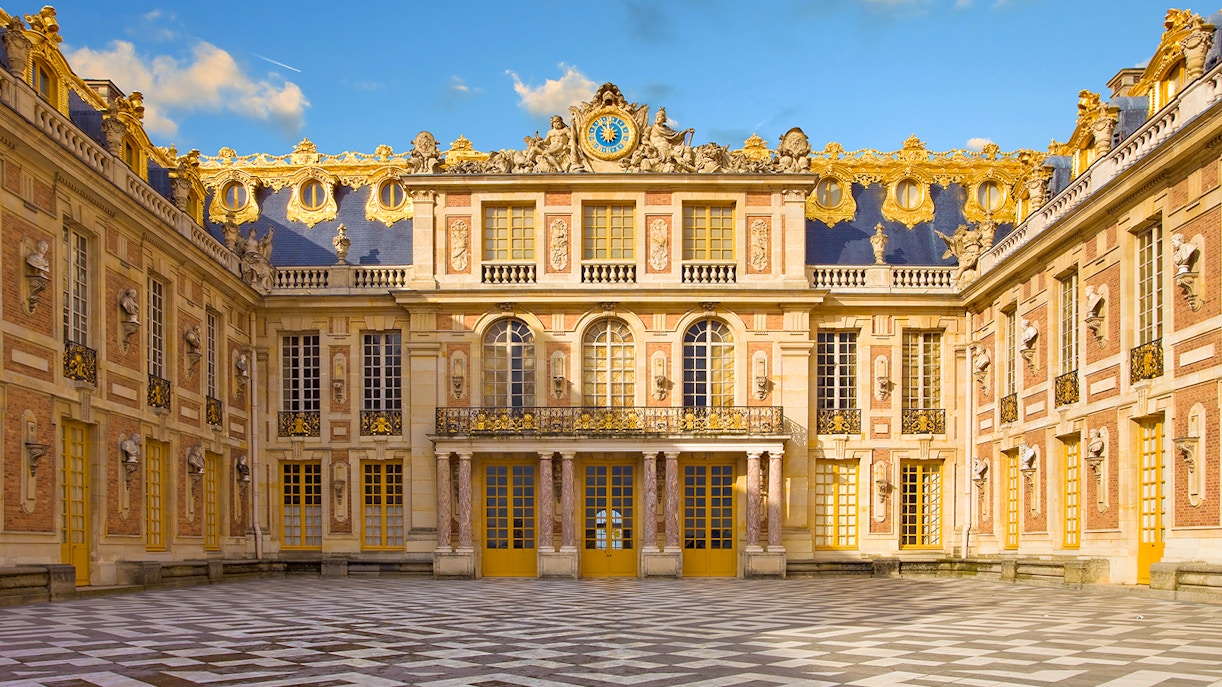
Versailles' construction involved a combination of materials and engineering prowess. The foundation relied on limestone, chosen for its durability and stability. Exterior facades boasted stunning marble, offering a regal appearance. Solid and abundant oak beams formed the palace's framework, with elegant plasterwork adorning ceilings and walls.
Over time, architects adapted the structure to accommodate grand expansions, reinforcing load-bearing elements and ensuring structural integrity. As the palace evolved, new wings, courtyards, and the magnificent Hall of Mirrors were integrated, showcasing the remarkable vision of the architects.
Exterior of Palace of Versailles
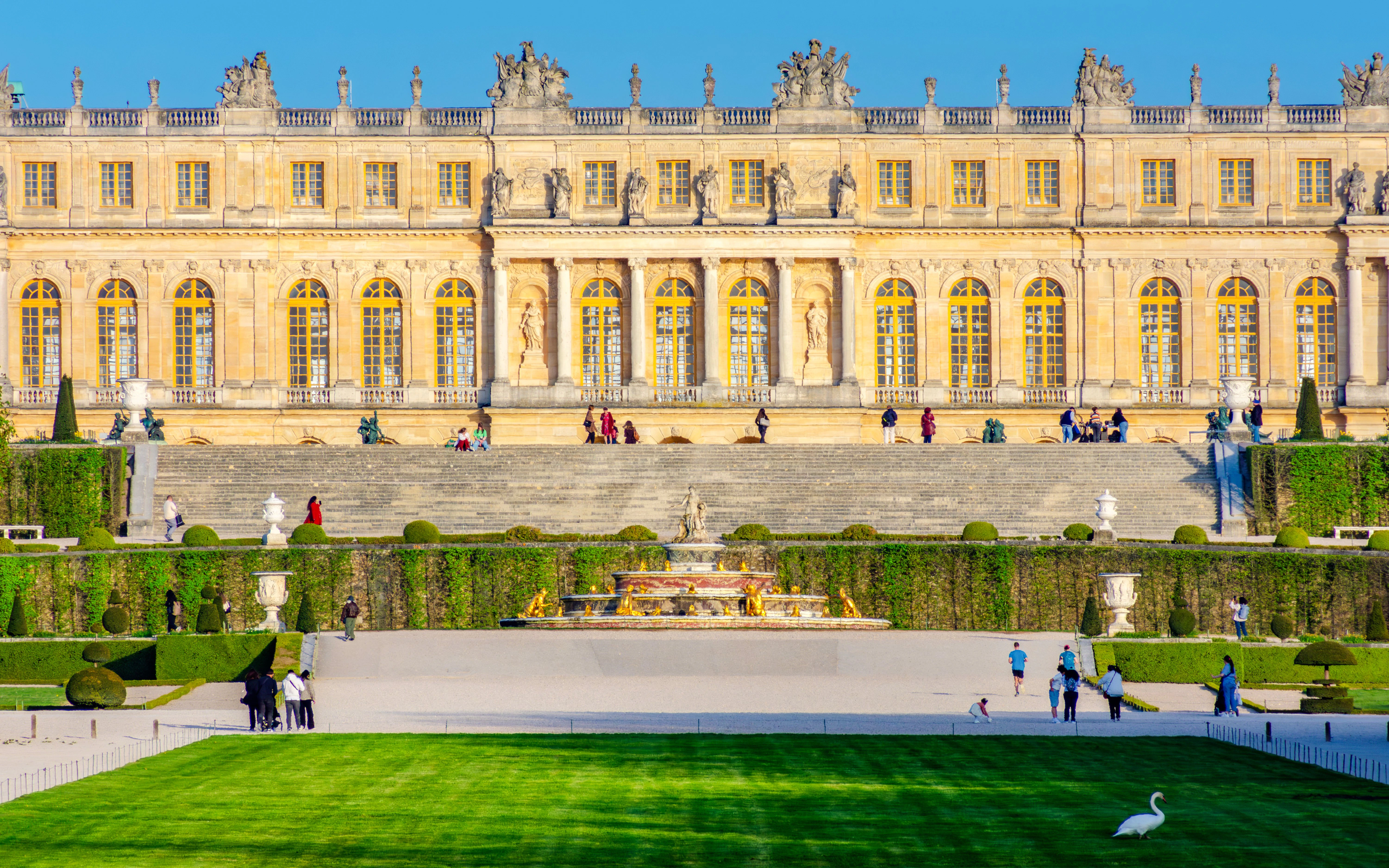
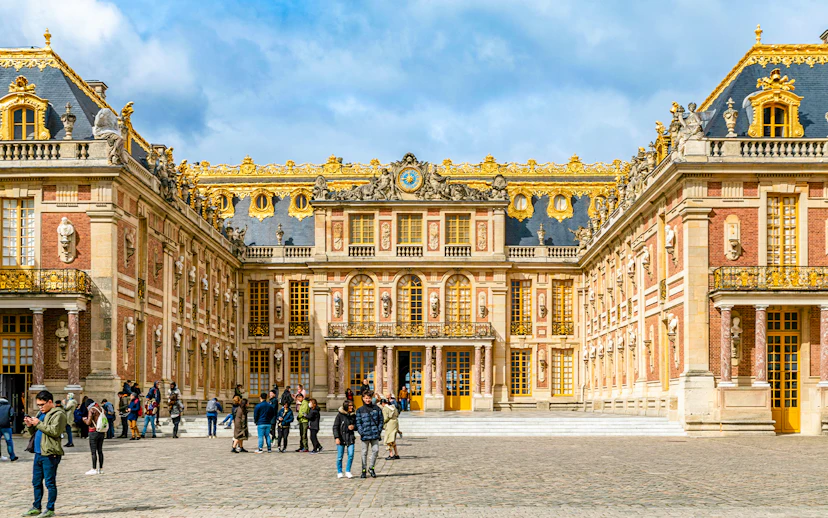
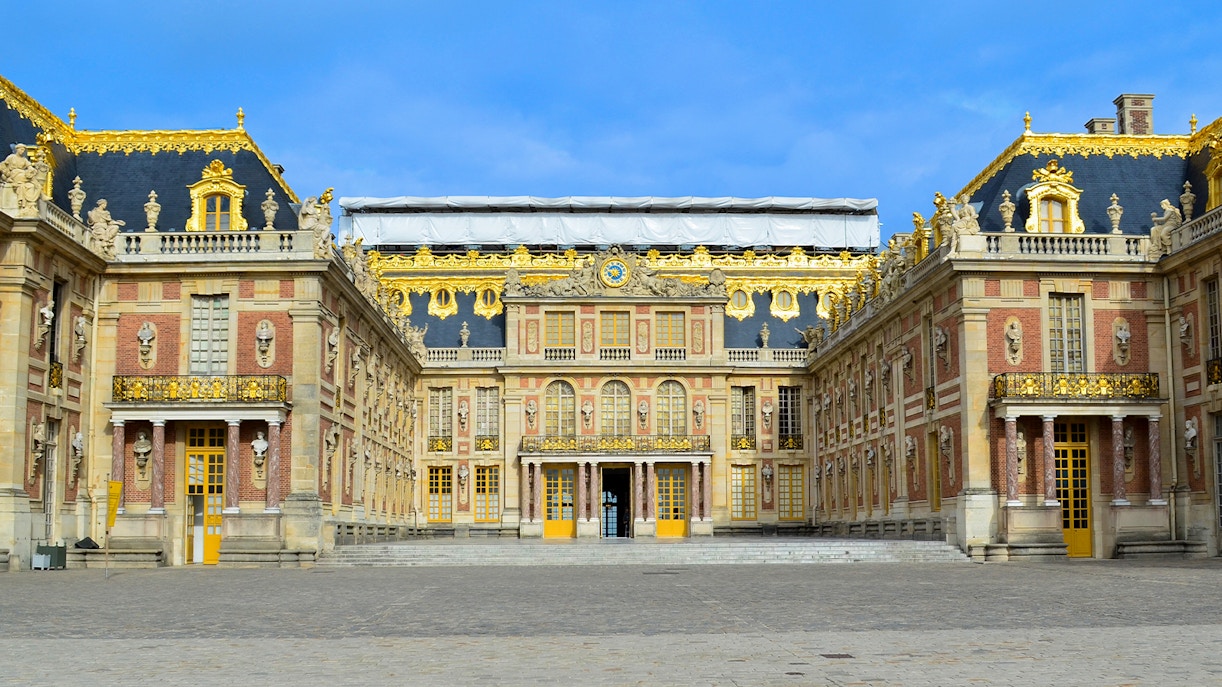
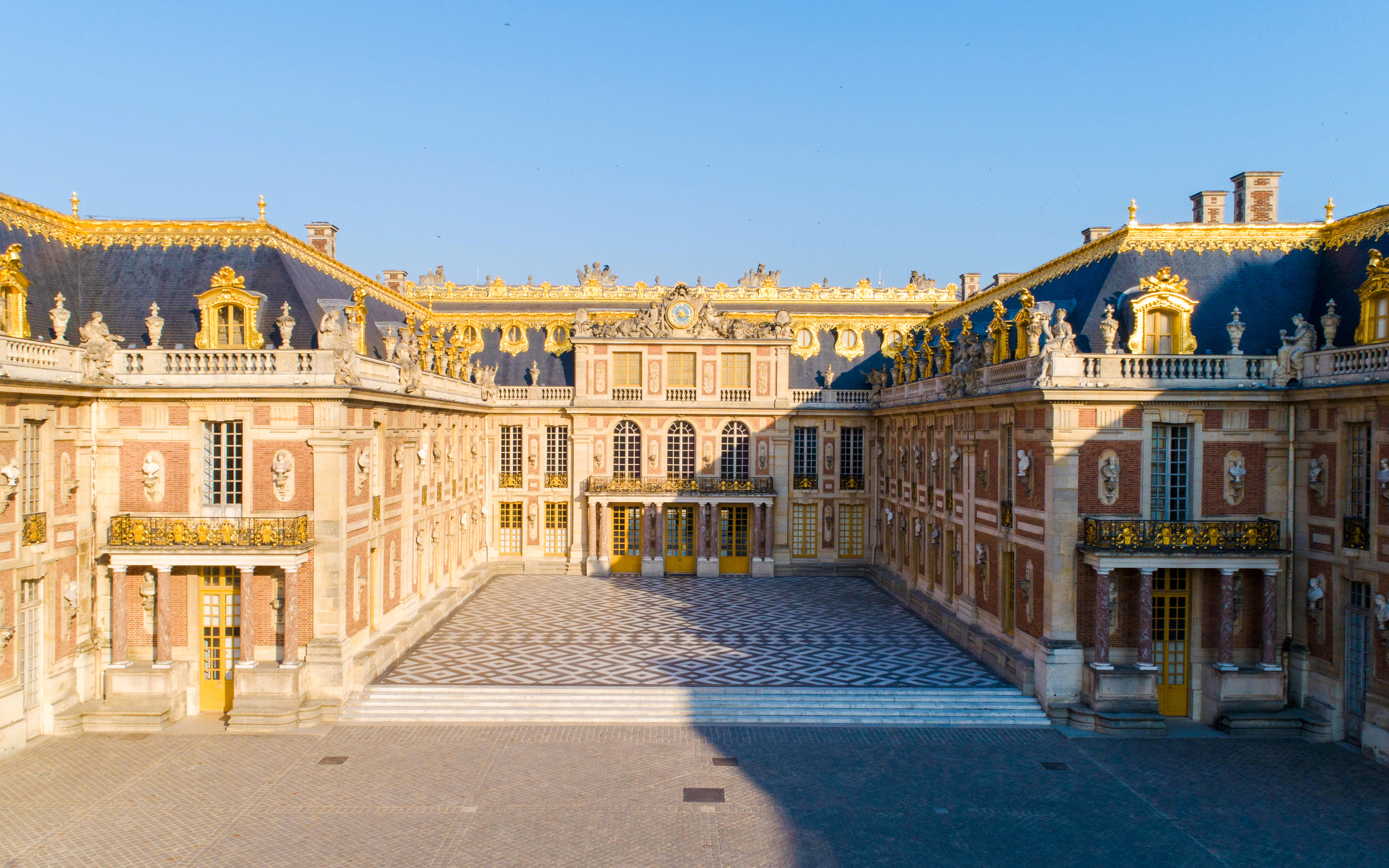
Majestic facades
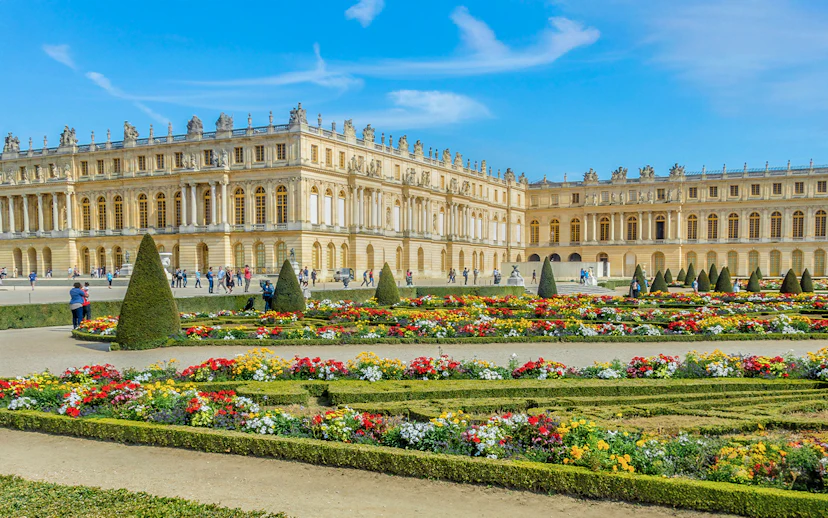
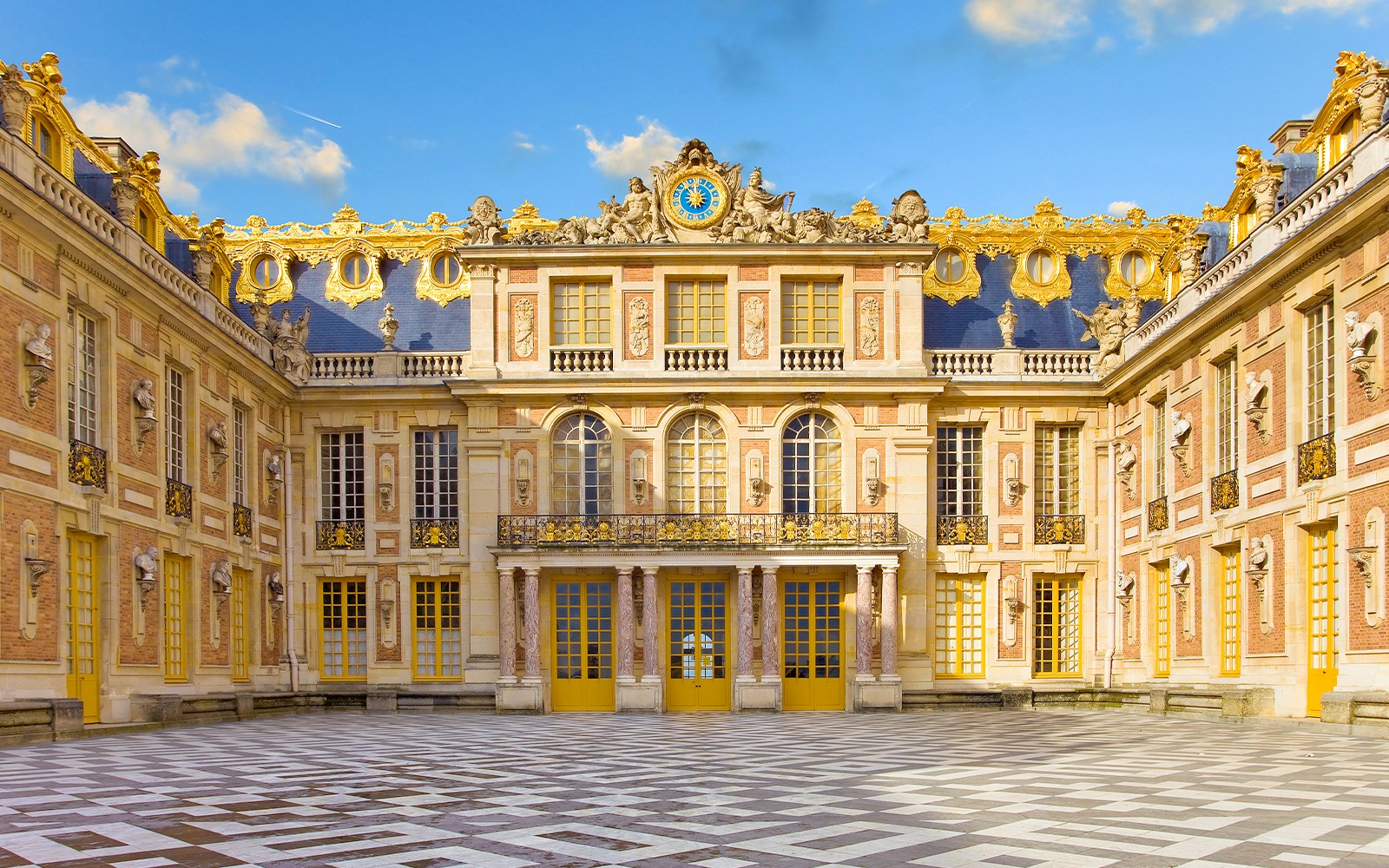
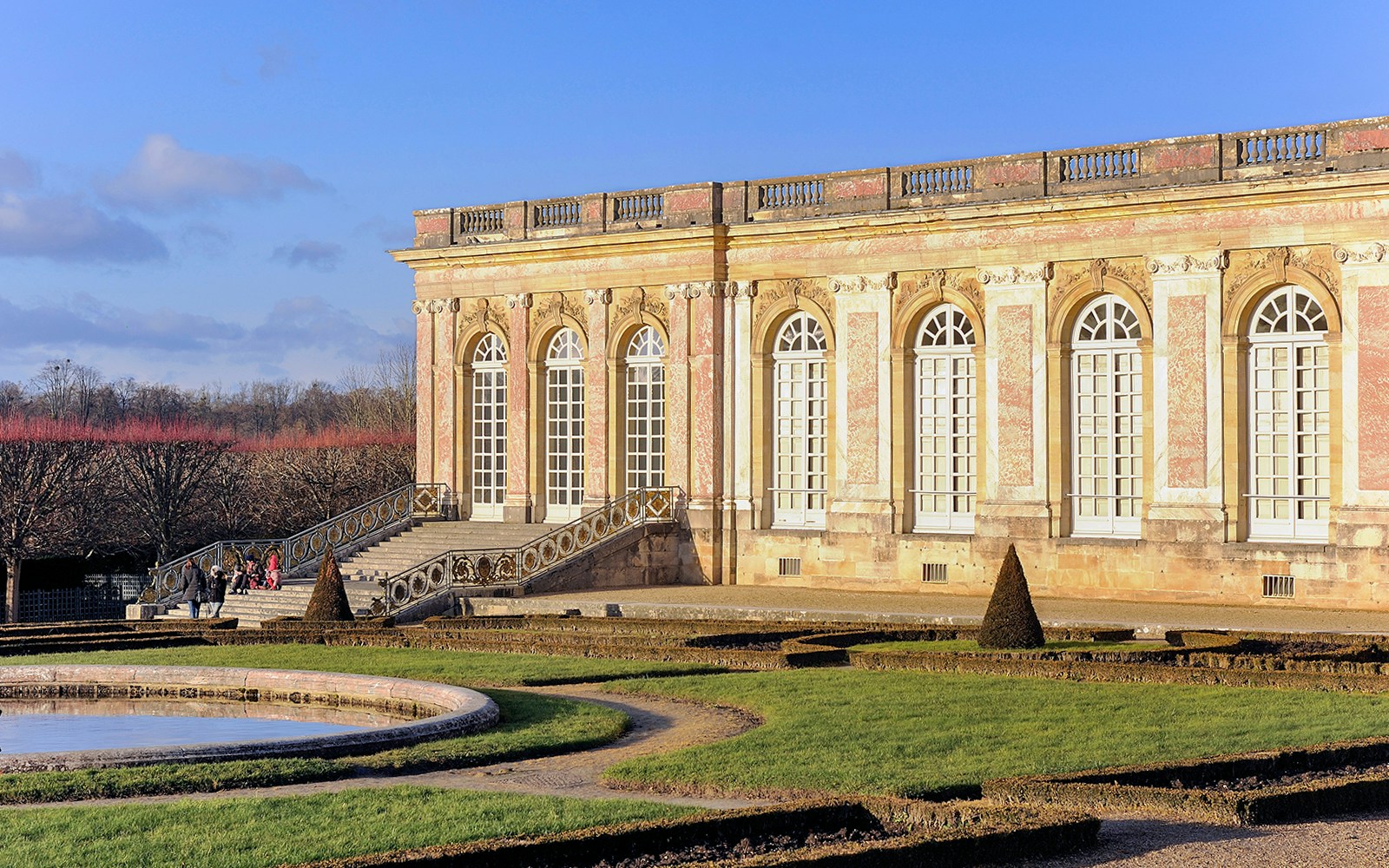
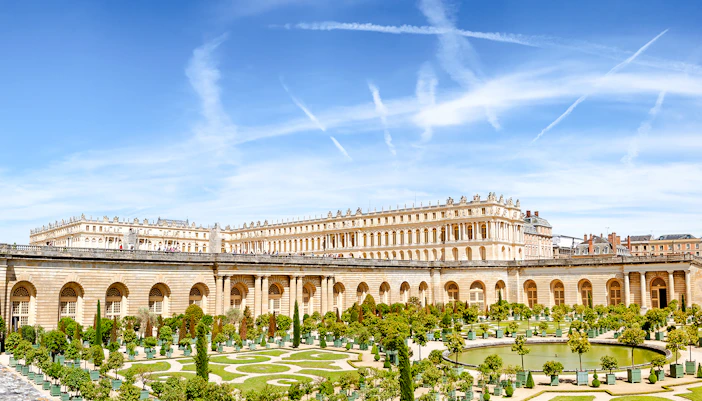
Versailles' exterior boasts grand facades with intricate detailing. The central front is a commanding entrance adorned with statues and carvings. The symmetrical wings on either side represent the luxury of the French monarchy.
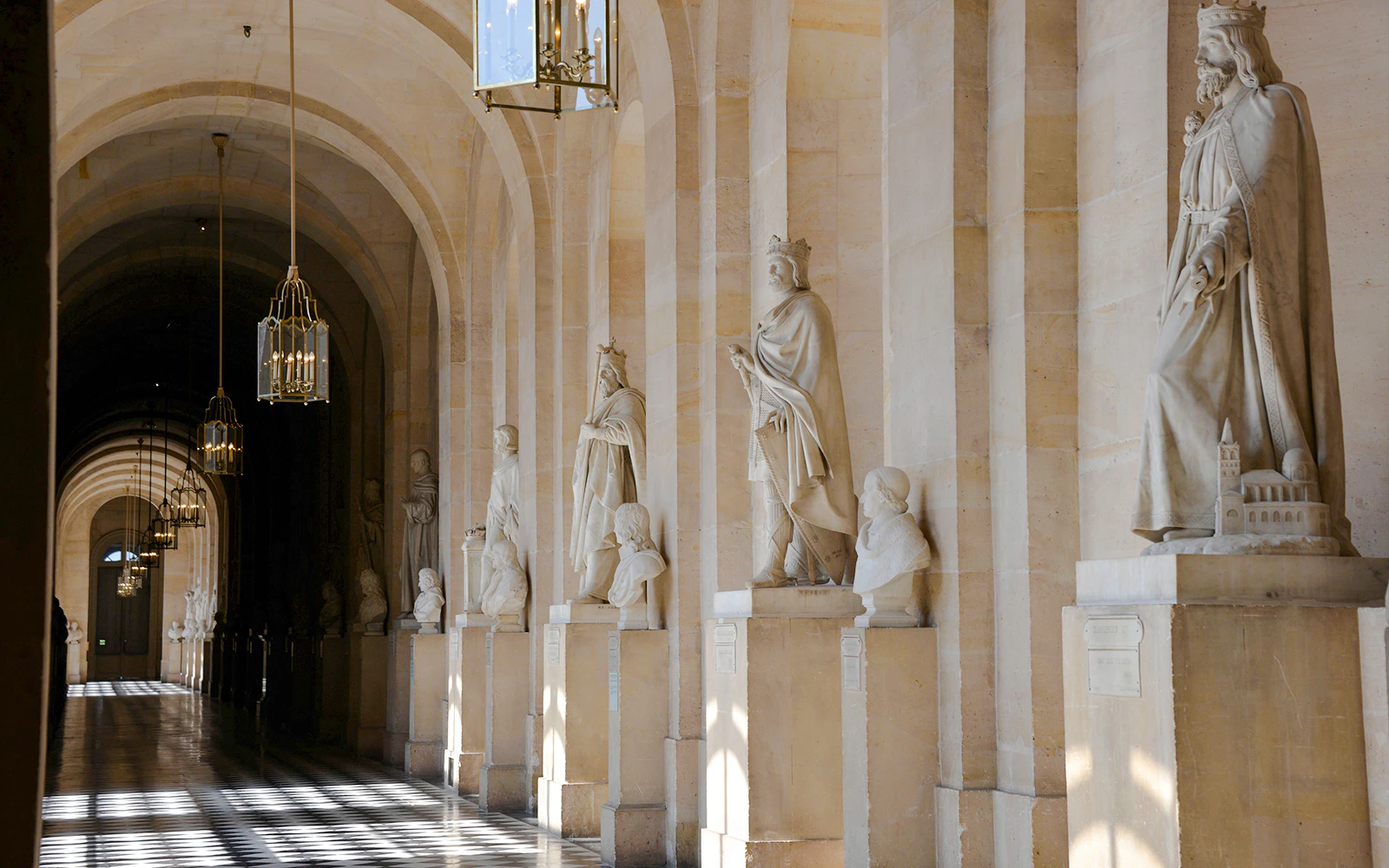
The interior architecture of Versailles Palace
Hall of Mirrors
The Hall of Mirrors is Versailles' architectural masterpiece. Seventeen mirrored arches face seventeen garden windows, multiplying natural light across marble, gilded decoration, and painted ceilings to create one of the most spectacular Baroque interiors in Europe.
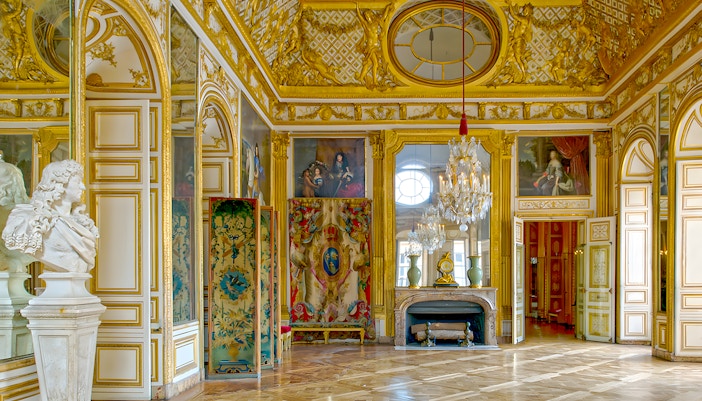
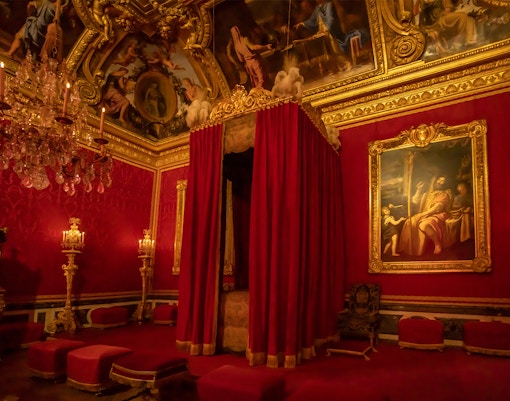
King's State Apartments
Designed for ceremony rather than everyday living, the King's State Apartments feature richly decorated salons connected in a grand procession. Marble finishes, gilded moldings, mythological ceiling paintings, and elaborate chandeliers celebrate the power and prestige of Louis XIV.
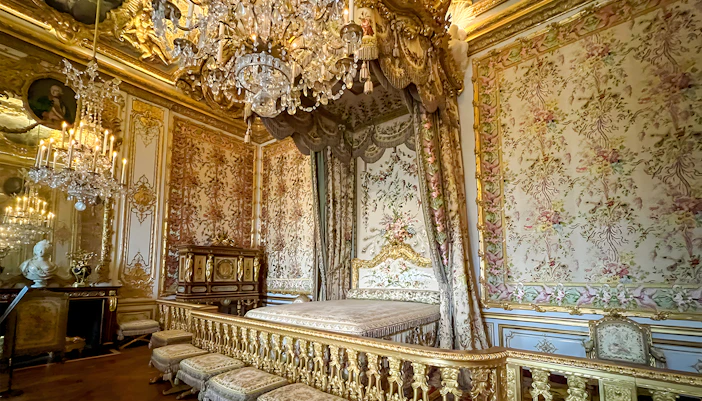
Queen's Apartments
Although mirroring the King's layout, the Queen's Apartments feel more intimate. Delicate decorative details, silk wall coverings, ornate fireplaces, and elegant furnishings reflect the refined tastes of the French court while maintaining the palace's overall architectural harmony.
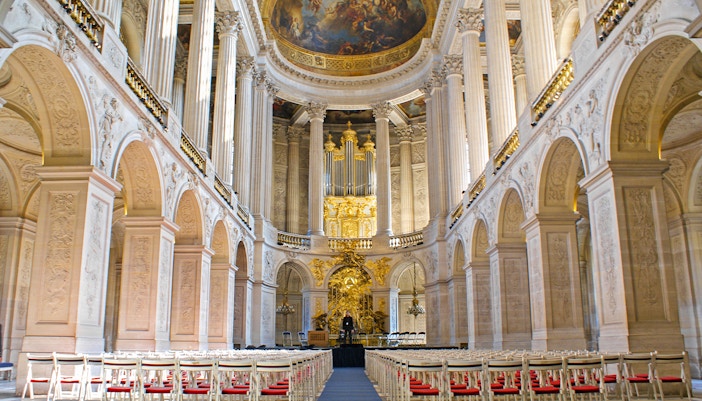
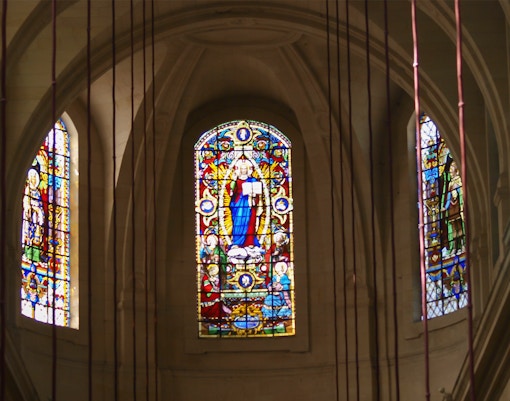
Royal Chapel
Completed in 1710, the Royal Chapel combines French Classical architecture with Baroque decoration. Its soaring vaulted ceiling, marble columns, gilded capitals, and monumental organ create a light-filled space where architecture and religious symbolism come together.

Royal Opera
One of the finest surviving 18th-century theatres, the Royal Opera is constructed almost entirely from painted wood, cleverly designed to resemble marble. Its exceptional acoustics, curved balconies, and ingenious stage machinery made it one of Europe's most advanced royal theatres.
The Grand Staircases and ceremonial circulation
Rather than serving as simple passageways, Versailles' staircases were designed to reinforce hierarchy and ceremony. Wide marble steps, decorative balustrades, and carefully planned routes guided ambassadors and courtiers through increasingly magnificent royal spaces.
Frequently asked questions about the Palace of Versailles' architecture
The Palace of Versailles is almost 400 years old.
You'll find opulent royal apartments, the Hall of Mirrors, the Chapel Royal, and the Royal Opera, and the King and Queen's apartments inside the palace.
The interior of Versailles includes grand halls, royal apartments, and the iconic Hall of Mirrors.
The Palace of Versailles covers approximately 800 hectares (1,976 acres) of land, including the palace and gardens.
Tickets to Palace of Versailles can be purchased on-site or online from here.