Why visit Notre-Dame at night?

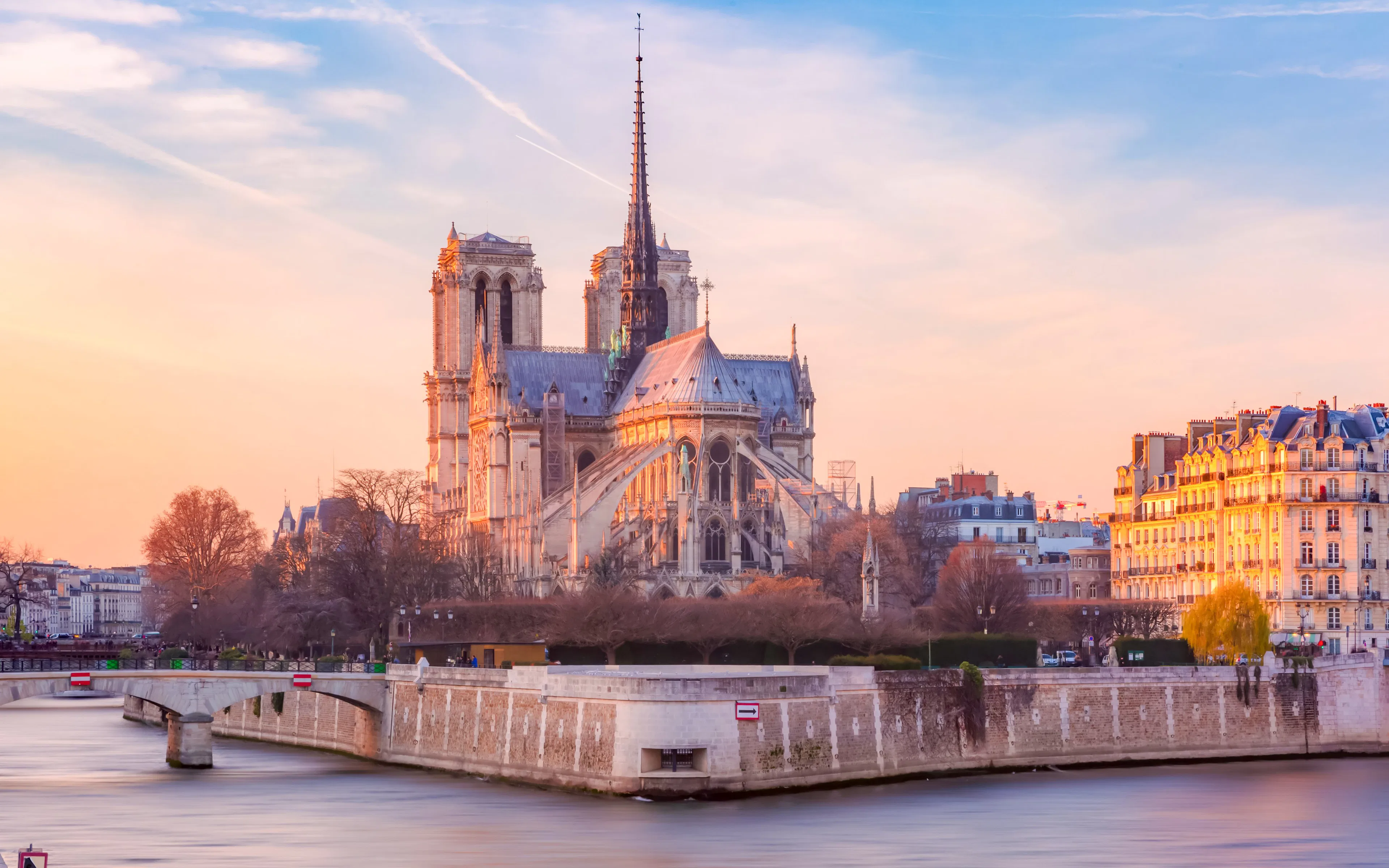
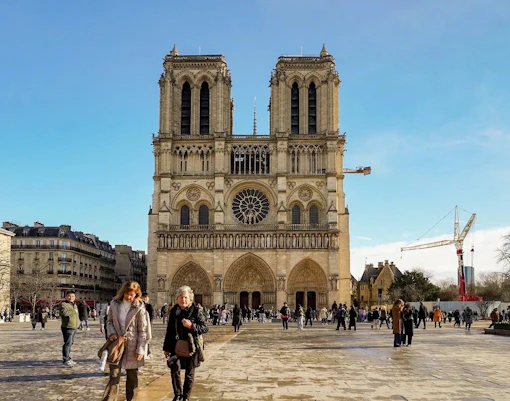
Notre-Dame facade glowing after sunset
1/1

Why visit Notre-Dame at night?

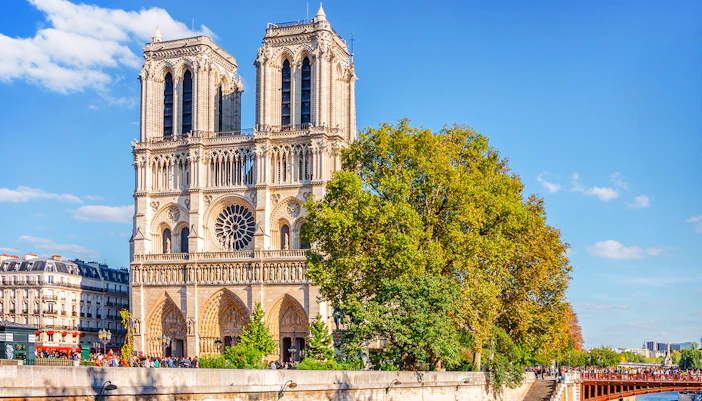
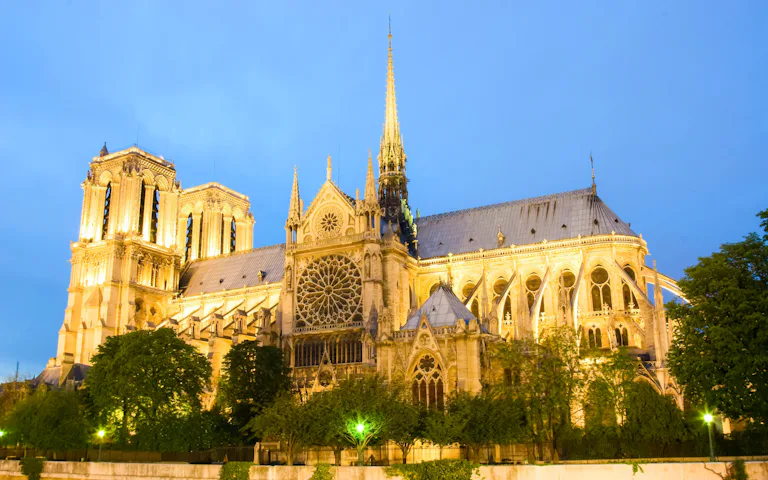
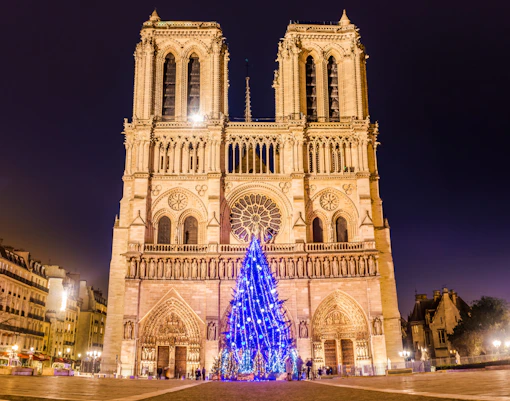
At night, Notre-Dame shifts from a daytime monument into a silhouette-and-light experience. The western facade feels more dramatic after sunset, with deeper shadows in the carved portals, a softer glow around the rose window, and warm limestone tones against the dark Paris sky. Most evening experiences do not offer exclusive after-hours access inside, so the real difference is mood, perspective, and pacing. A small-group walk around Île de la Cité lets you hear the story of the fire, the restoration, and the cathedral’s Gothic engineering without the daytime wall of tour-group noise. A Seine cruise adds views of the apse and flying buttresses that you simply cannot get on foot. If you have already seen Notre-Dame by day, night is the better time for atmosphere, photography, and a quieter emotional payoff.

Night vs. day: What’s different?

☀️ Daytime visit🌙 Nighttime visit

Crowd levels

🔴 Highest from late morning through afternoon, especially in spring and summer.

🟢 Usually calmer around the quays, bridges, and cruise routes, though prime summer departures still get busy.

Access to areas

✅ Best for full cathedral interiors, guided entry, crypt visits, and longer sightseeing.

🔒 Usually focused on the exterior, river views, and neighborhood walks rather than long indoor access.

Lighting / views

🪟 Better for reading facade carvings, stained glass, and architectural details in full clarity.

🌙 Better for floodlit silhouettes, apse views, reflections on the Seine, and moodier photos.

Ways to visit

✅ Self-guided, interior guided tours, and history-heavy combos.

🚤 Best via evening cruise, guided exterior walk, sidecar ride, or self-guided stroll.

Best for

🎓 First-time visitors who want maximum context and interior detail.

❤️ Couples, photographers, and returning visitors who want atmosphere over access.

Notre-Dame night tour highlights

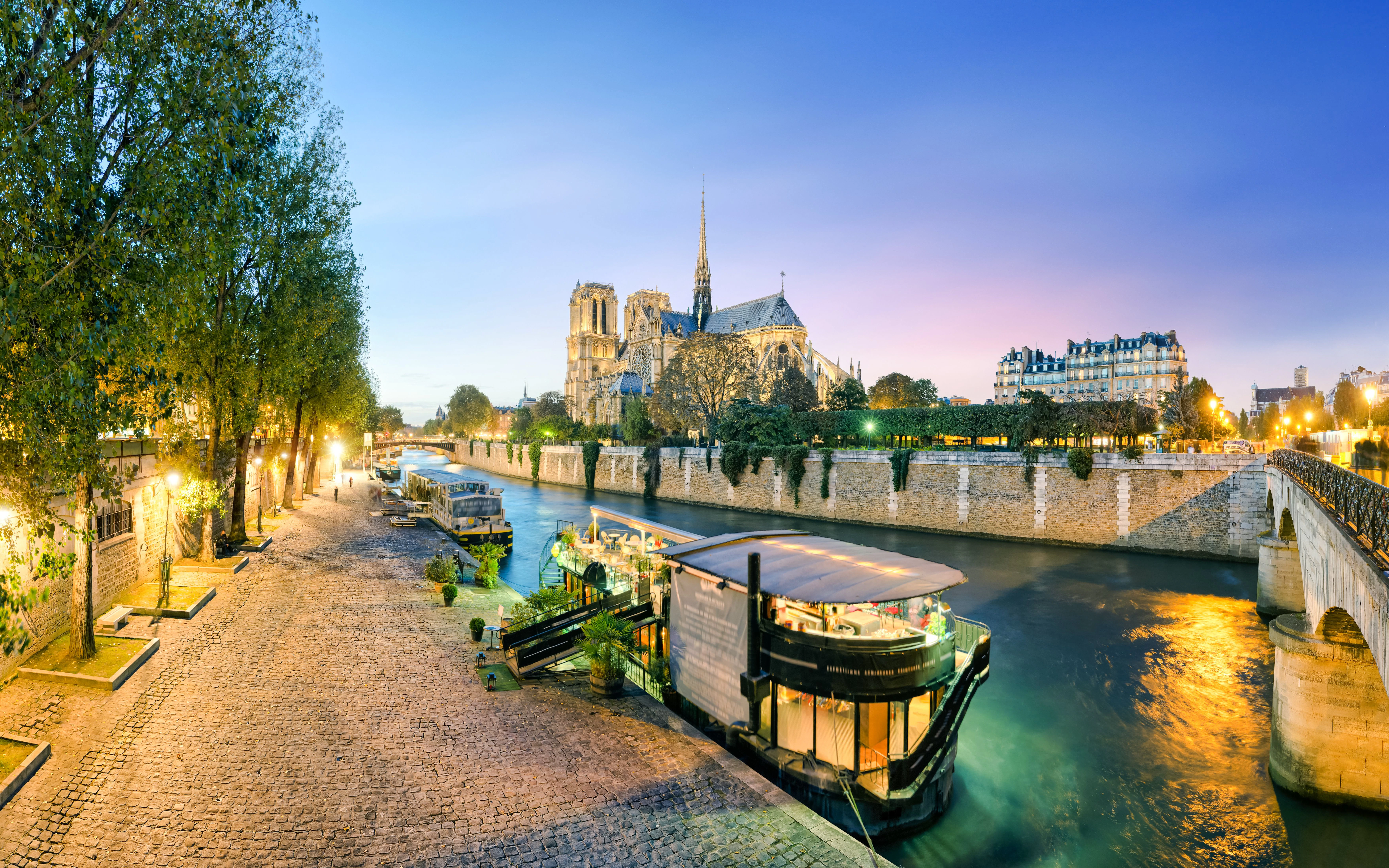
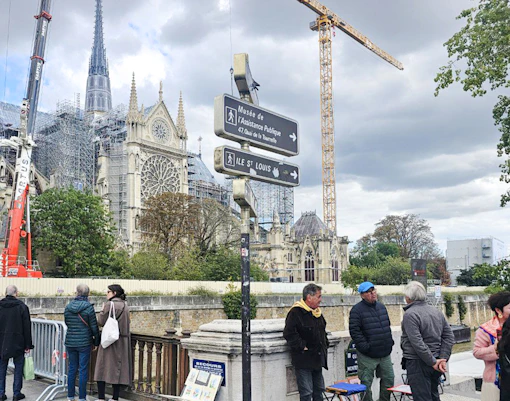
Evening view of Ile de la Cite near Notre-Dame

Île de la Cité at dusk

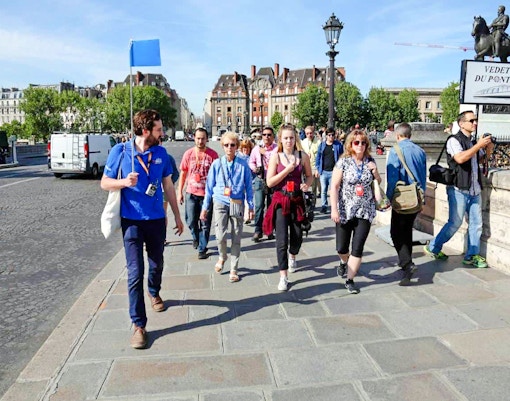
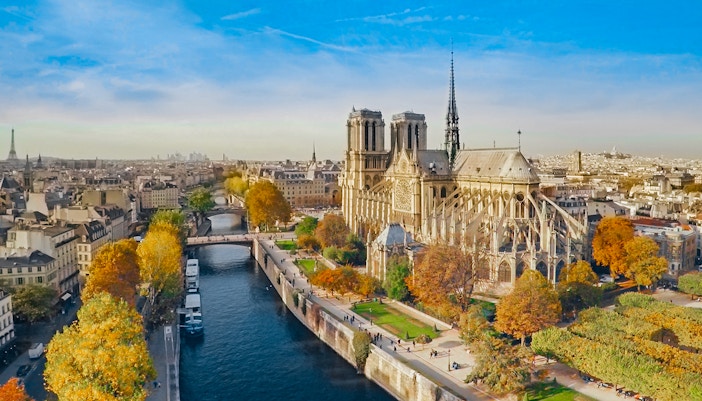
The best Notre-Dame evenings begin on Île de la Cité, when daytime crowds thin and the island starts to sound different: less tour-group chatter, more footsteps on stone, more river breeze, and more of your guide’s voice carrying clearly across the square.

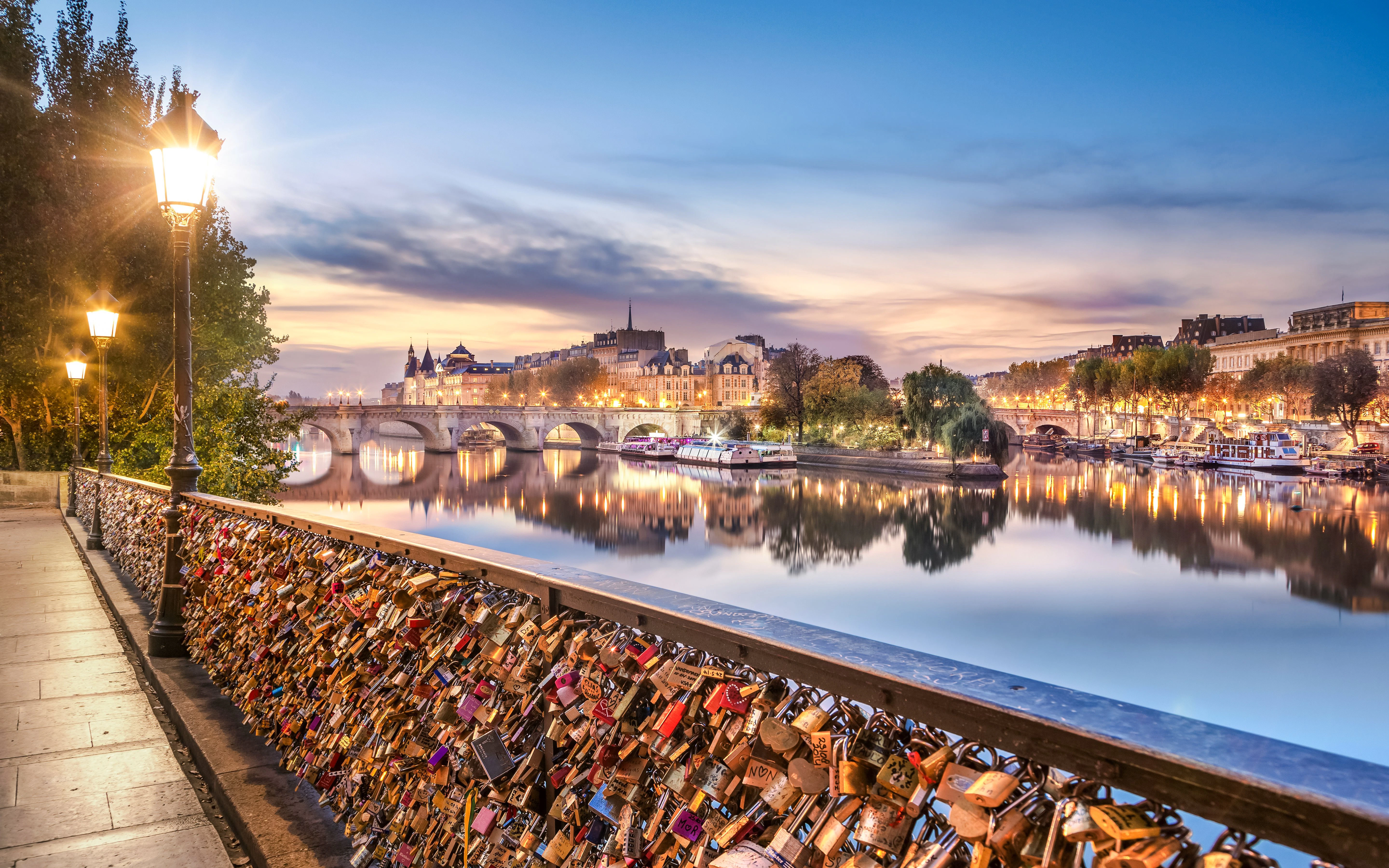
Floodlit facade of Notre-Dame at night
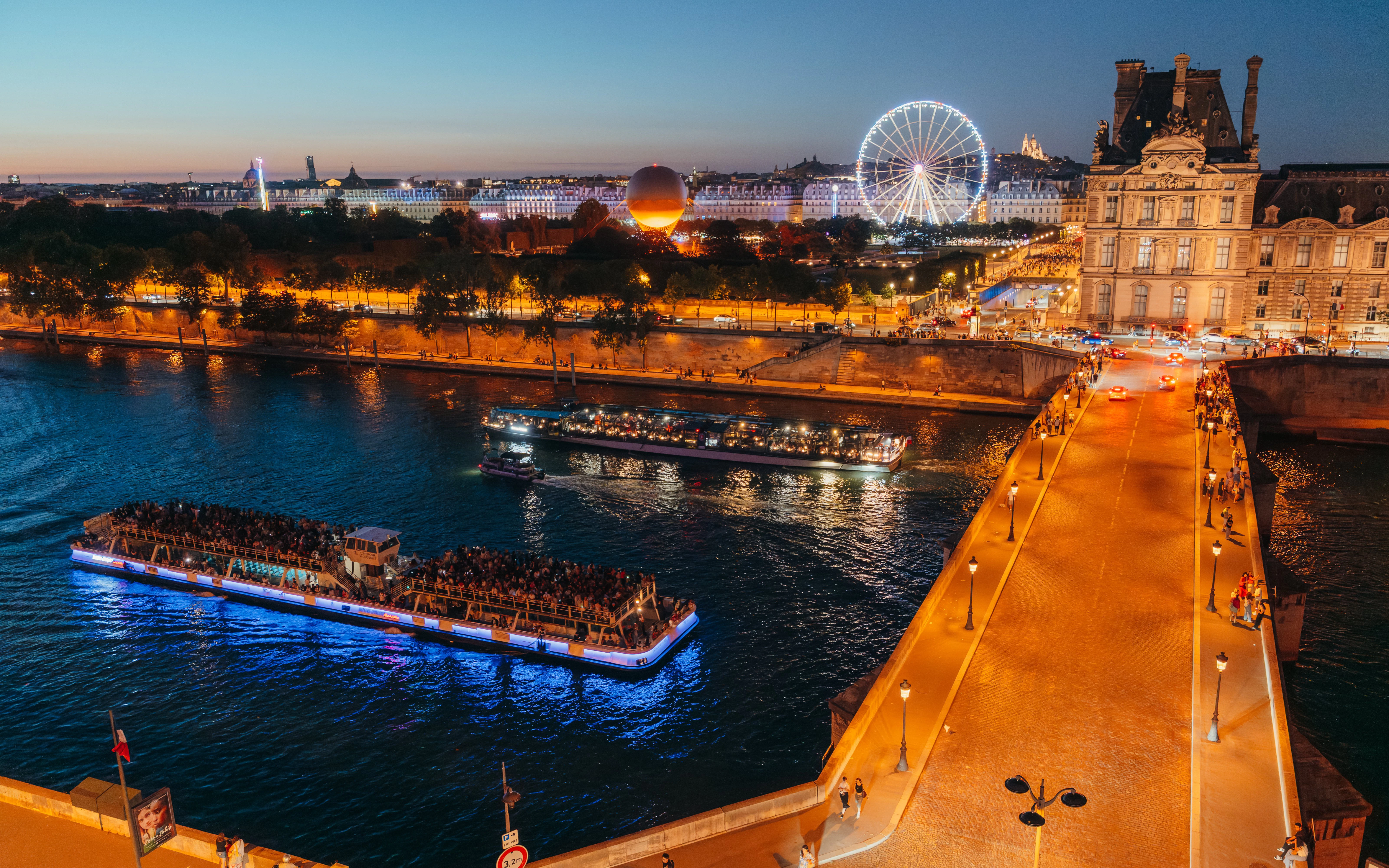
Notre-Dame seen from the Seine at night

What to know before you go

  • 📍 Meeting point: Check your Headout confirmation carefully; Notre-Dame evening experiences start either on Île de la Cité or at a Seine cruise dock, not at one universal entrance.
  • Timing: Most after-dark experiences begin around dusk, and the Bateaux Parisiens cruise used in the evening combo departs every hour.
  • Access: Daytime cathedral entry is free, but evening products usually focus on the exterior, commentary, river views, or broader city panoramas.
  • ⏱️ Duration: Expect 40 minutes for the sidecar ride, 1 hour for the cruise, and up to 3.5 hours for the food tour.
  • 👥 Group size: The evening illuminations combo keeps the walking group to just 5 guests.
  • Accessibility: Cathedral entry is accessible, but the Notre-Dame Secret Food Tour is not wheelchair accessible.
  • 👔 Dress code: Modest attire is required if your booking includes cathedral entry.
  • 🎒 Bring: Your phone ticket, photo ID if requested, and a light layer for the river breeze.
  • 🥐 Budget (under €15): Odette, about 400m away (Google Maps: ‘Odette’), is ideal for cream puffs and coffee before a riverside walk.
  • 🍷 Mid-range: Au Vieux Paris d’Arcole, about 150m away (Google Maps: ‘Au Vieux Paris d’Arcole’), is a classic French pick on one of the prettiest lanes beside the cathedral.
  • 🥘 Mid-range: Le Saint Régis, about 600m away on Île Saint-Louis (Google Maps: ‘Le Saint Régis’), works well if you want a longer brasserie dinner before your cruise.
  • Upscale: Tour d’Argent, about 700m away (Google Maps: ‘Tour d’Argent’), is the splurge option for Seine views and a polished post-cathedral night.
  • 🎟️ Booking: Reserve sunset-adjacent cruises and tiny walking groups early from April through September and around Christmas.
  • 🕖 Timing: Blue hour — roughly 20–40 minutes after sunset — gives you the best balance of sky color and facade lighting.
  • 📸 Photography: If flash is restricted inside your experience, save your strongest low-light shots for the bridges and quays.
  • 🚇 Getting around: Saint-Michel–Notre-Dame and Cité stations are convenient for late-evening returns, but allow time for stairs and platform changes.
  • 🌙 Afterward: Continue on foot to Île Saint-Louis or the Latin Quarter rather than leaving immediately; the neighborhood atmosphere is part of the point.

Nights, camera, action: Capturing the Notre-Dame at night
Photography policy
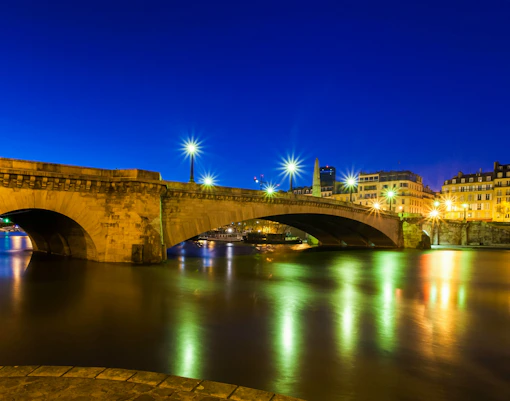
Flash photography, tripods, and filming equipment are prohibited inside Notre-Dame-linked experiences that include cathedral access. Handheld cameras and smartphones are your safest bet. Outdoors on public quays and bridges, low-profile shooting is easiest and least disruptive.

Best vantage point: Pont de la Tournelle
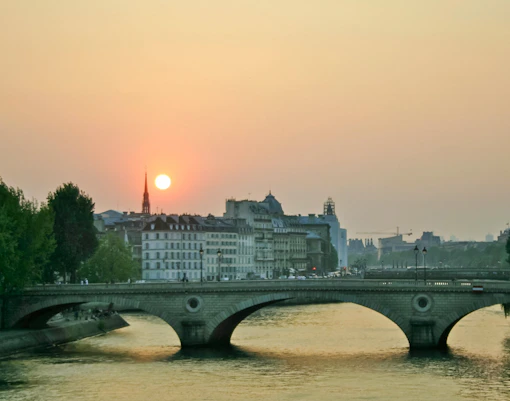
From Pont de la Tournelle, you get one of the strongest rear views of Notre-Dame at night: the apse, flying buttresses, and river reflections line up cleanly, with enough distance to make the cathedral feel monumental.

Best vantage point: Quai de Montebello
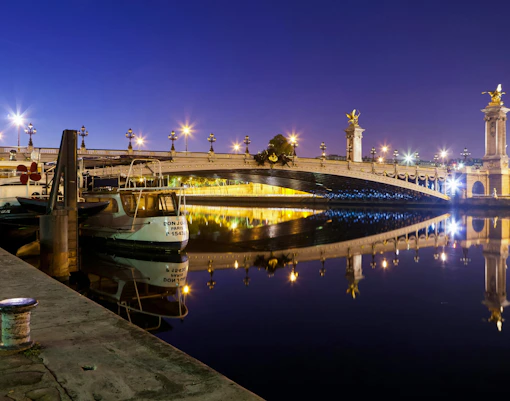
Quai de Montebello is excellent for side-on compositions. You’re close enough to capture texture in the stone, but far enough back to frame the cathedral with trees, embankment walls, and moving light from passing boats.

Best vantage point: Petit Pont

Petit Pont works well if you want a tighter urban framing. The cathedral rises above the bridge line, and the mix of traffic glow, streetlamps, and stone gives your photos a distinctly lived-in Paris feel.

Camera settings

Start around f/2.8–f/4, ISO 800–1600, and 1/30–1/60 shutter speed. If you’re shooting from a bridge, brace against the railing to steady the frame without carrying restricted support gear.

Smartphone settings

Use Night mode for balanced highlights on the floodlit stone. If your phone allows manual control, keep ISO moderate and tap to expose for the facade, not the sky, so the cathedral keeps its detail.

Extra hack / Pro tip

Shoot one sequence just after sunset and another 20 minutes later. Early blue hour gives you richer sky color; slightly later, the cathedral lighting dominates and river reflections become more dramatic.

Frequently asked questions about visiting Notre-Dame at night

Usually not for long. Most evening experiences focus on the exterior or Seine views, though some days may offer later cathedral hours than a standard daytime visit.

More reads