From happy customers

Loved by 50 million+
Trustpilot rating: 4.5 out of 5

Mikhalova I

Ukraine
Couple
5 days ago

+1 more

Even though I'm an adult, I was happy like a little child. I was left delighted and with incredible emotions after visiting Disneyland. Thank you for making my childhood dream come true 😍❤️

Goekhan K

Germany
Solo
6 days ago
My visit to Disneyland was made especially memorable by the perfectly organized experience with Headout, the stress-free planning, and the easy entry, which allowed me to fully immerse myself in the magic and atmosphere.

Reshma N

India
Group
5 days ago
We had a hassle free experience ..Everything was superbly coordinated .Its a must try for everyone who comes to Paris !!

Víctor O

Spain
Family
2 weeks ago
The views are spectacular; you can see Paris's most famous landmarks. I recommend doing this to see Paris from a different perspective.

Tracy G

United States
Solo
Last week

+3 more

Hugo was knowledgeable, attentive and his passion for the tour sites was infectious. Grateful for no unwanted surprises!

Marcin D

Couple
Last week
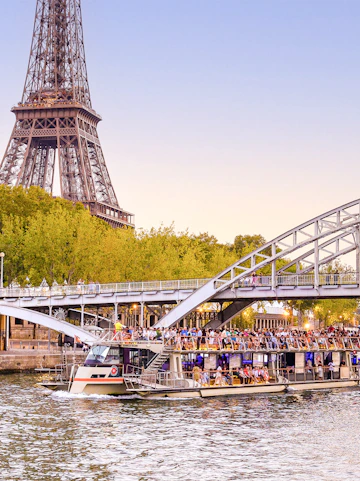
Great service—the staff was very helpful and happy to answer any questions. An interesting cruise along the Seine with a fascinating commentary... I’ll definitely be back.

Malissa T

United States
Couple
Last week
It was amazing! I just wish there were more details when you purchased the tickets because any price of the ticket would have gotten you anytime on the boat. We did not see the mission because we decided to get on the boat at 7 PM. However, it was great. It wasn't too crowded and it was very small. Highly recommend to get the entire view and feel of Paris.

Alberto G

Spain
Group
2 weeks ago
Very well explained. Although the tour was in English, the guide (Martín) also provided brief summaries in other languages since we were a diverse group. Highly recommended. Thank you for the anecdotes and interesting facts that made the tour so enjoyable.


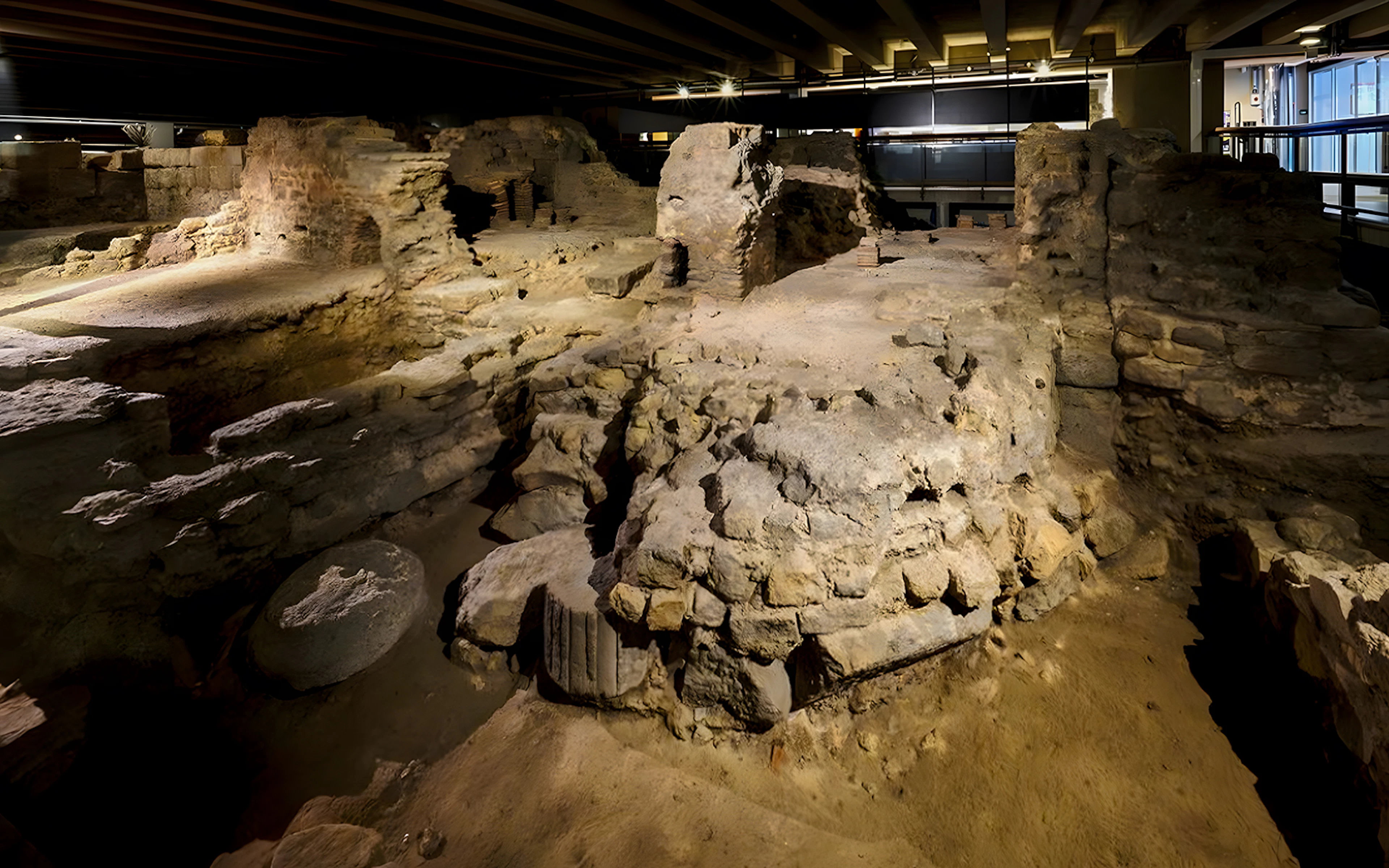
The Archaeological Crypt of Notre-Dame offers a fascinating journey beneath the streets of Paris, where history comes alive through preserved ruins and artifacts. Located just in front of the cathedral, the crypt reveals layers of the city’s past, showcasing remnants from ancient Roman settlements to the foundations of medieval Paris. This underground treasure trove provides visitors with a unique perspective on the evolution of the Île de la Cité, blending history, archaeology, and architecture. Whether you’re a history enthusiast or simply curious about Paris’s origins, the crypt is an unmissable stop for uncovering the hidden stories beneath Notre-Dame.

Things to know before booking Crypt tickets

  • The Notre-Dame Cathedral is free to all. However, separate tickets to the Archeological Crpyt would need to be purchased.
  • The Crypt, situated in the square outside the cathedral, provides a captivating insight into Paris's rich and layered history. You can explore it with a dedicated entry ticket or elevate your experience by choosing a guided tour that includes Crypt access along with an outdoor exploration of Notre-Dame's exterior.
  • If you prefer to tour Notre-Dame and its surroundings at your own pace, embark on a self-paced audio tour, where you can explore freely. The audio guide is available in 7 different languages and features 31 immersive recording for your benefit.

Notre-Dame Crypt Tickets

Dedicated Crypt access

  • Gain direct access to the underground ruins.
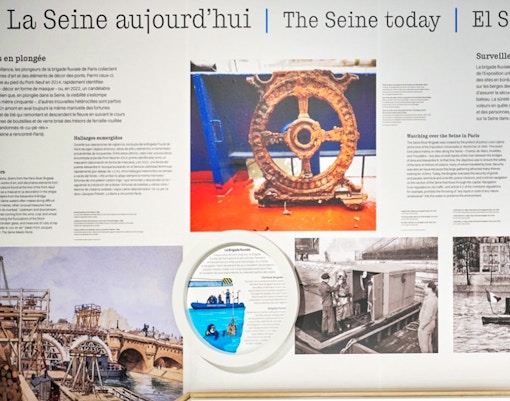
  • Get entry to the "Dans la Seine" exhibit, showcasing 150 remarkable artifacts unearthed from the iconic river.

Recommended tickets

Notre-Dame Archeological Crypt Tickets
Outdoor walking tour

  • A local expert will lead a walking tour that focuses on Notre-Dame's history, architecture, and the tale of its post-fire restoration.
  • Before you explore the cathedral on your own, be sure you have all the background information you need.

Recommended tours

Notre-Dame Outdoor Guided Walking Tour with Crypt Entry

Overview of the Crypt

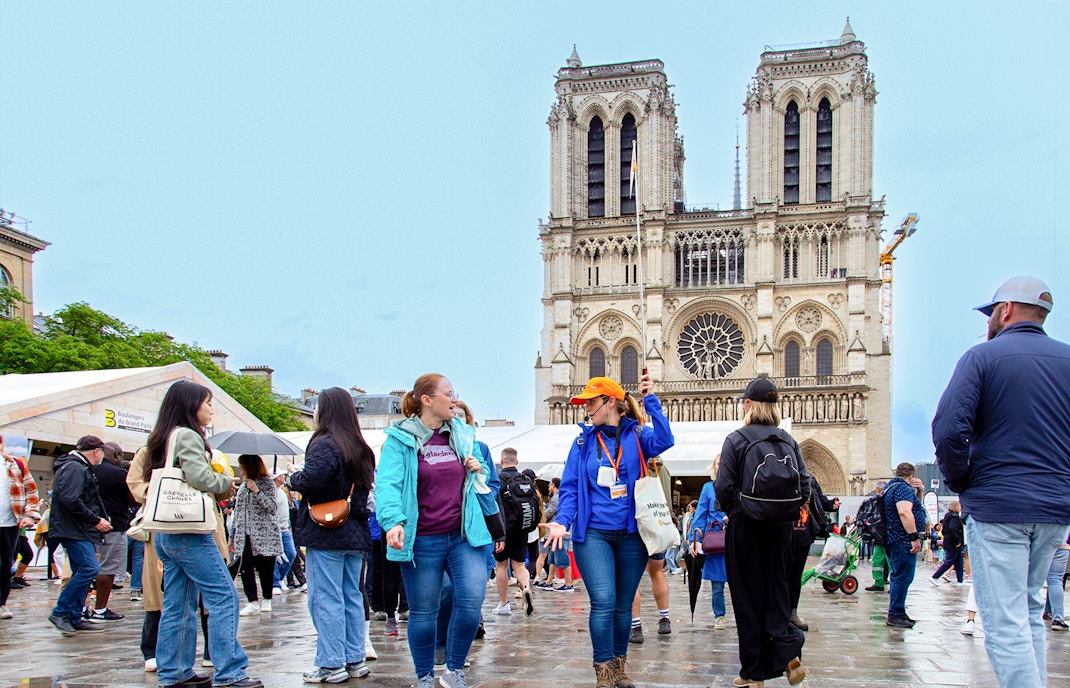
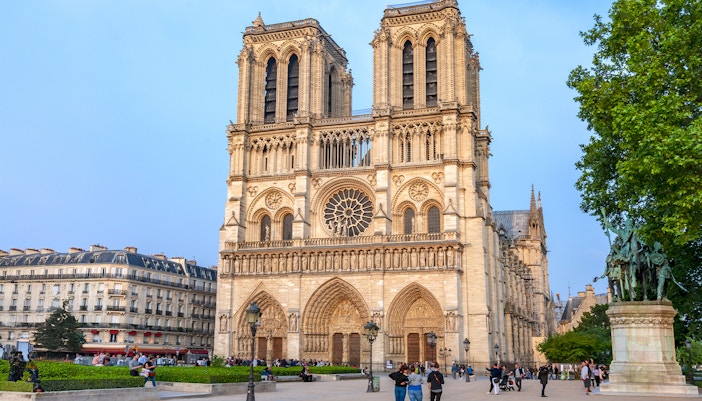
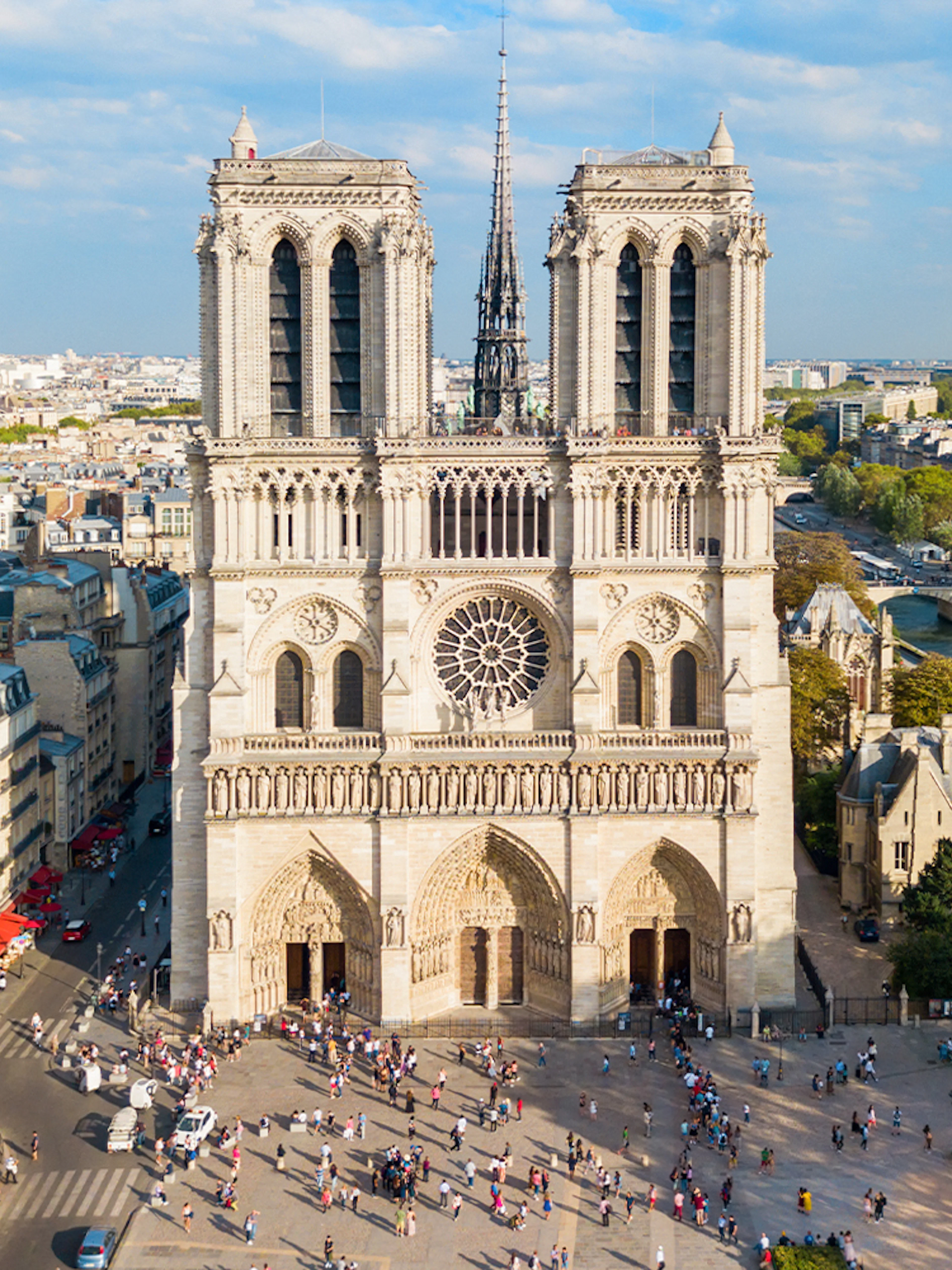
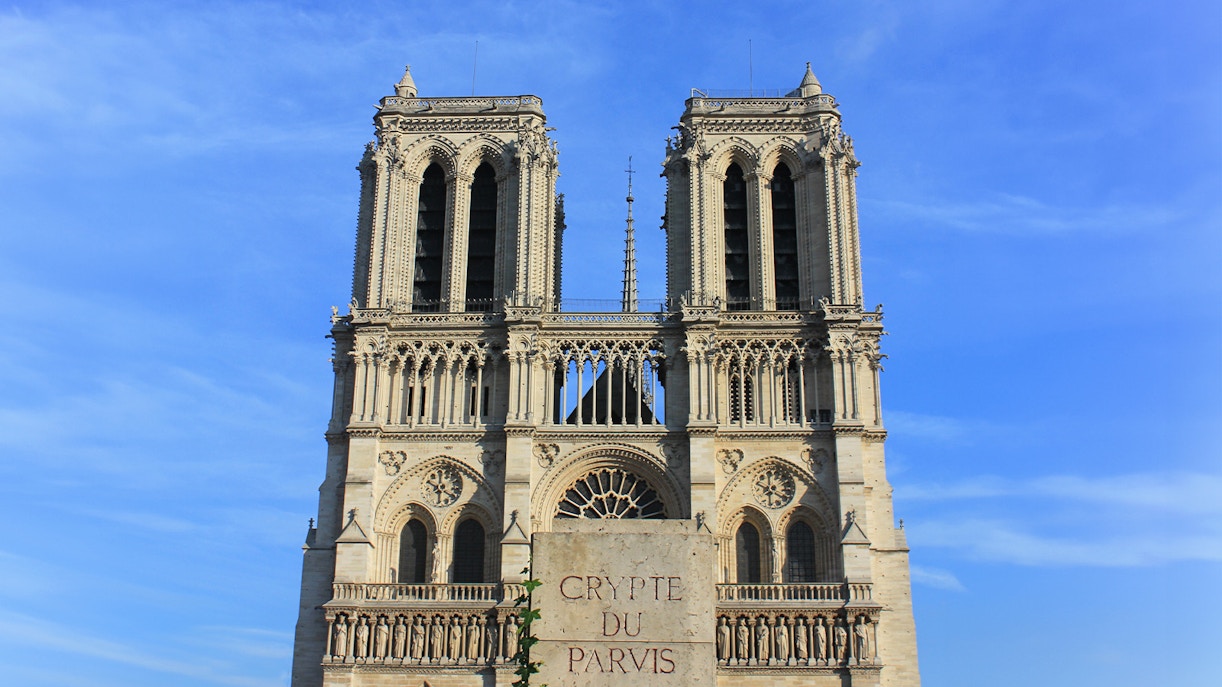
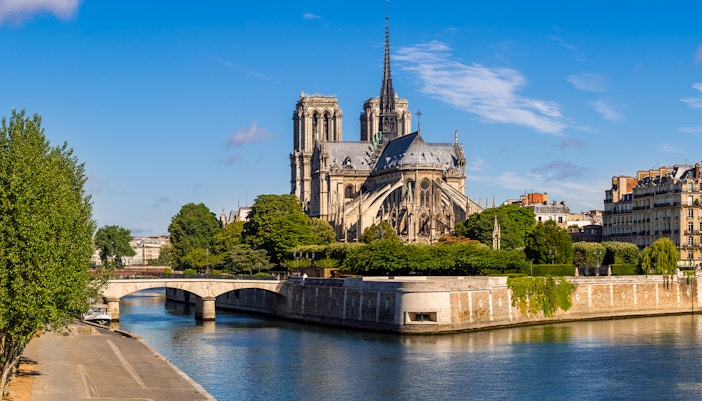
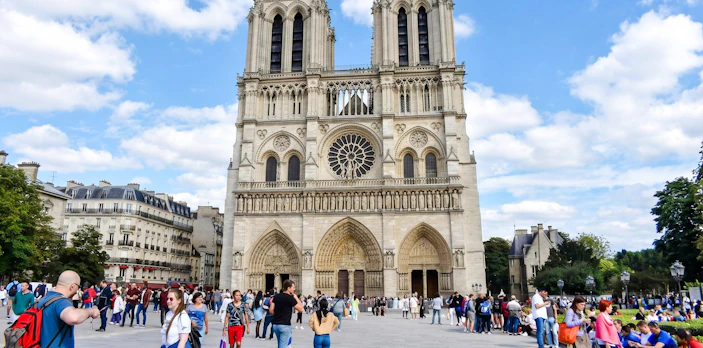
Notre Dame de Paris facade with tourists walking nearby, Paris, France.
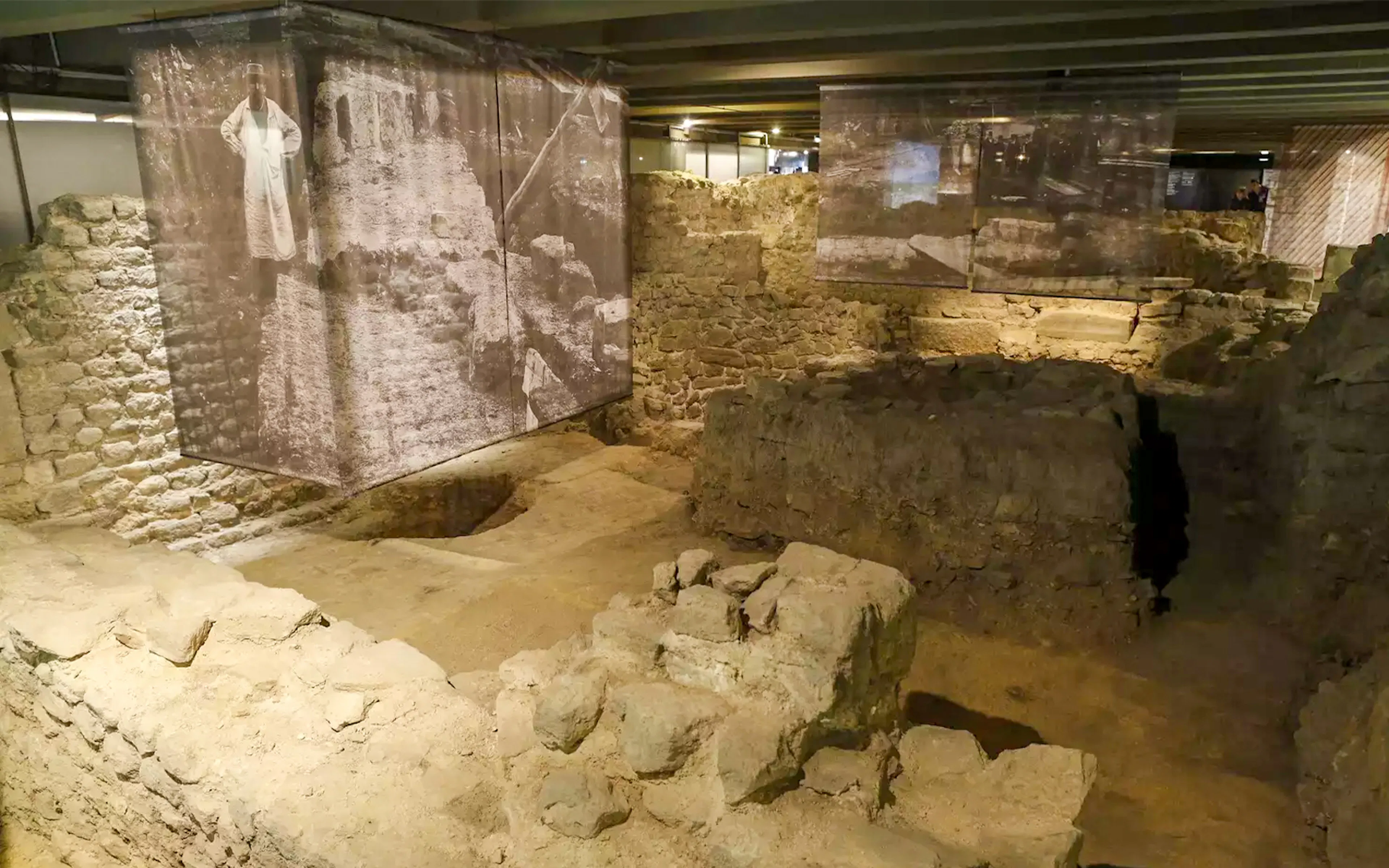
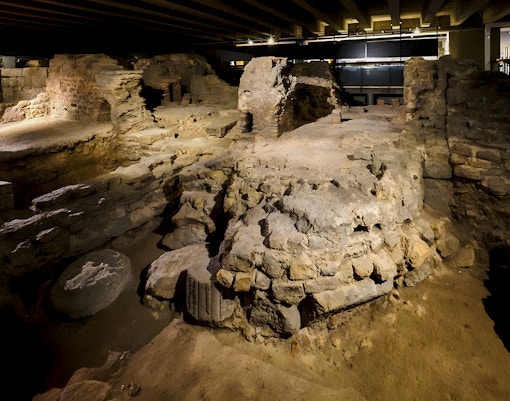
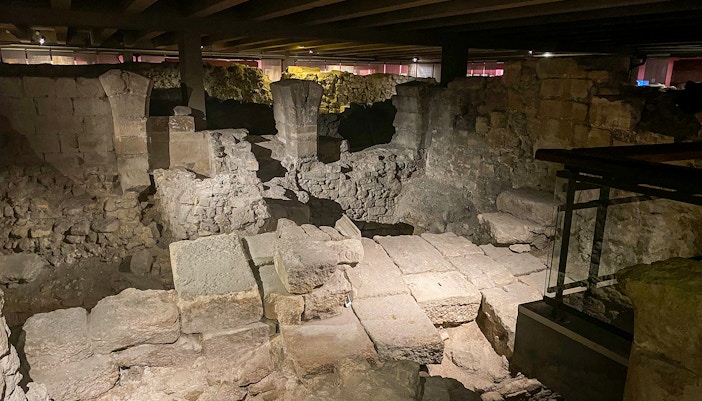
  • Purpose: The crypt preserves archaeological remains, such as Roman foundations and medieval remnants, uncovered during excavations in the 1960s, providing insight into Paris's history from Roman times to the present.
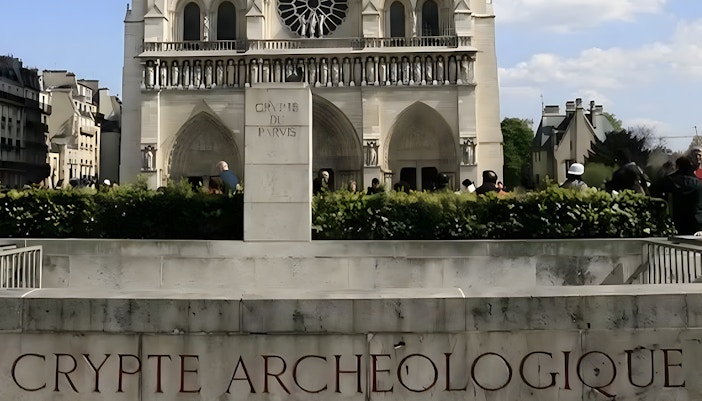
  • Location: Beneath the forecourt of Notre-Dame Cathedral (Place du Parvis).
  • Opened: In 1980, the crypt was inaugurated as a museum space.

Why visit the Crypt?

alt-text
alt-text
Medieval artifact displayed in Notre Dame Crypt, Paris with historical architecture in background.
Notre Dame Cathedral crypt, Paris, France.
NotreDame Archeological Crypt with historical artifacts in Paris, France.
Visitors exploring exhibits at Notre Dame Paris
Notre Dame Cathedral engulfed in smoke during the fire in Paris, France.
Notre-Dame Archaeological Crypt entrance with historical artifacts displayed.
1/8

Whether you’re a history enthusiast, an archaeology lover, or someone looking to deepen their understanding of Paris, the Crypt of Notre-Dame is a must-visit destination.

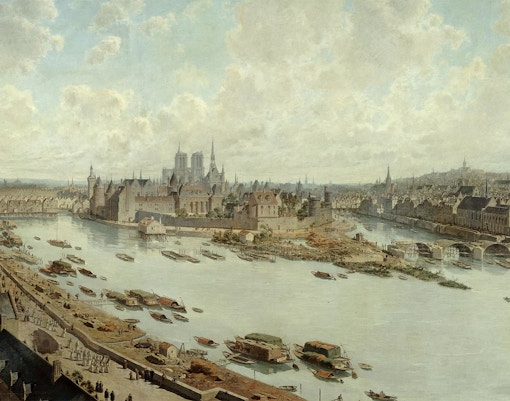
The crypt reveals Paris's transformation from the Roman city of Lutetia to the vibrant medieval and modern metropolis. You’ll walk through layers of the past, including ancient Roman ruins, medieval streets, and 19th-century foundations.

It’s a treasure trove of archeological marvels, preserved ruins, and artifacts, including Roman-era thermal baths, Remnants of ancient fortifications, and the original quays of the Seine River.

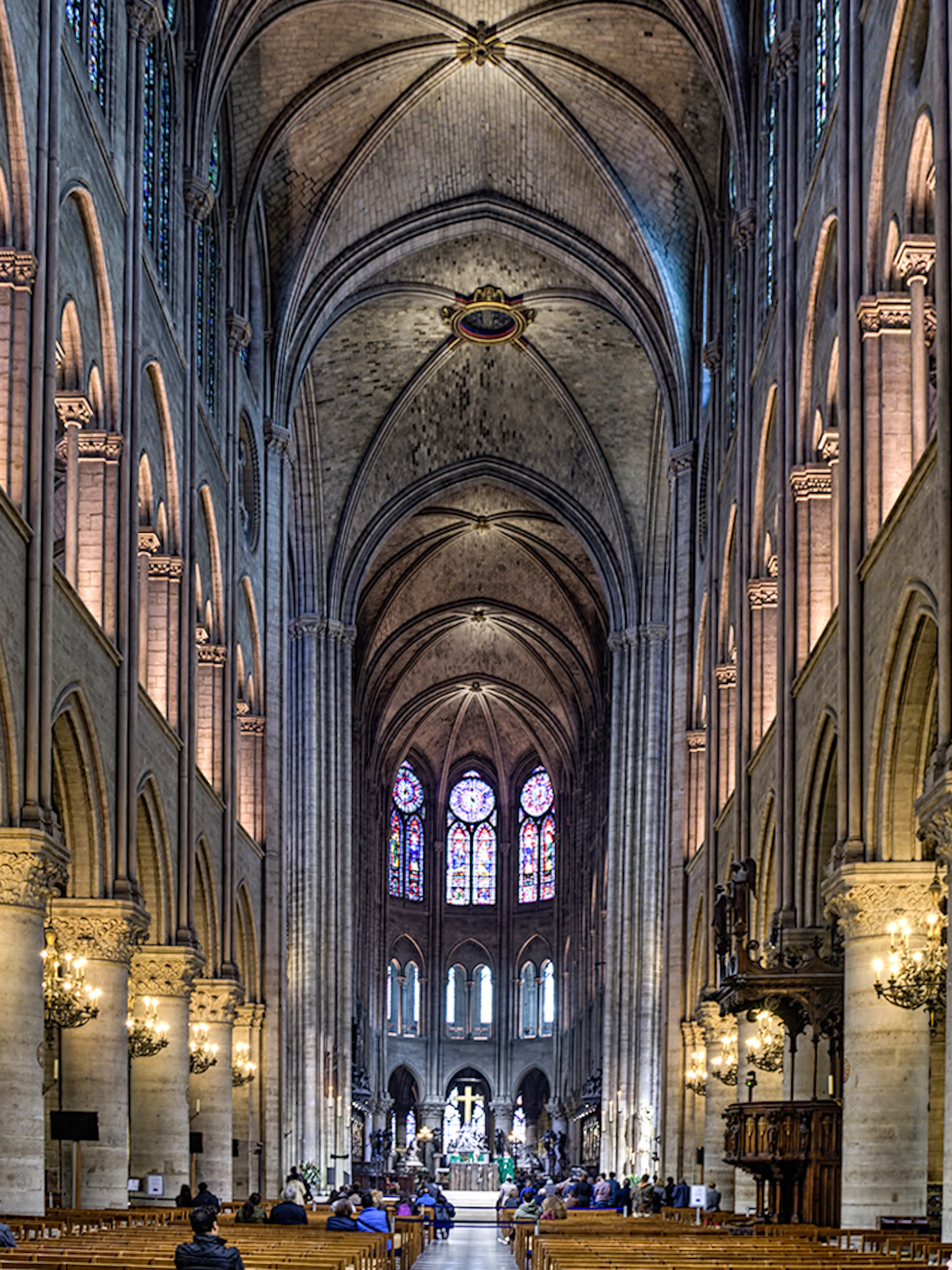
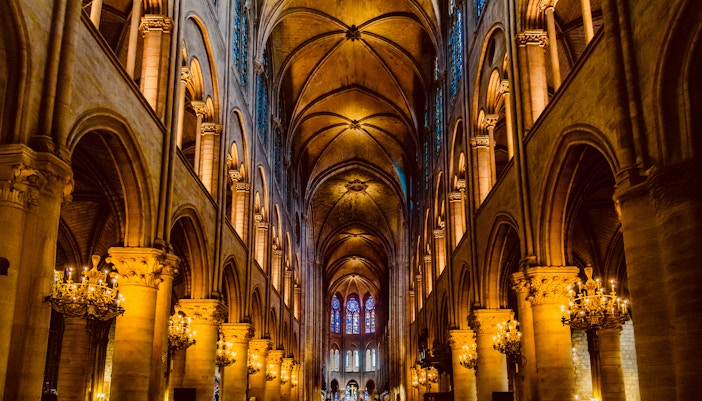
The crypt provides context for Notre-Dame Cathedral itself where it represents the historical significance and showcases the architectural evolution over centuries.

The crypt is a calm and less crowded alternative to the bustling square above. It’s perfect for history buffs or anyone looking for a thoughtful experience.

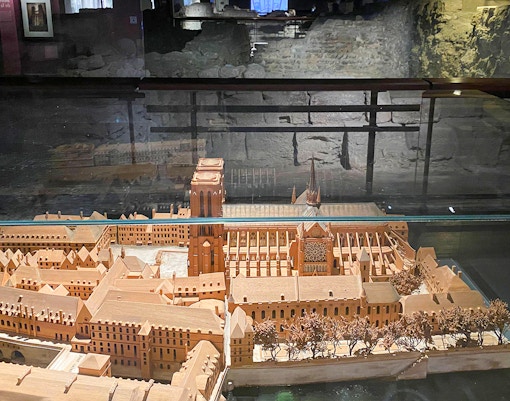
The site features modern multimedia presentations, models, and explanations that make complex historical concepts engaging and easy to grasp.

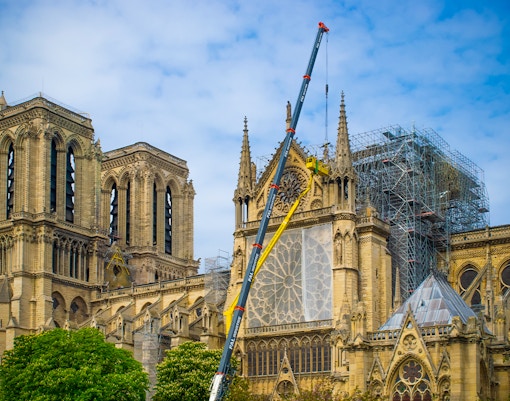
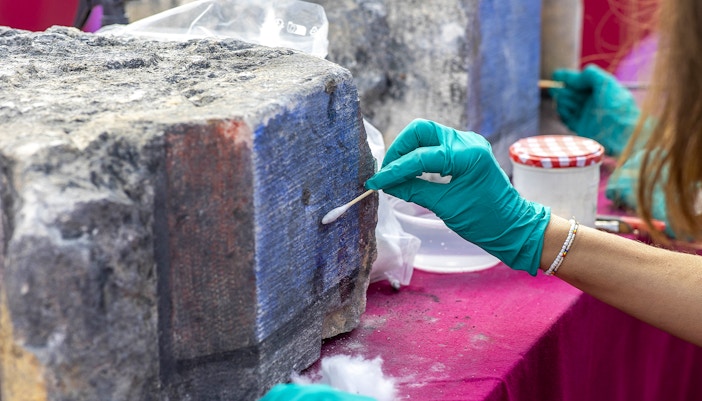
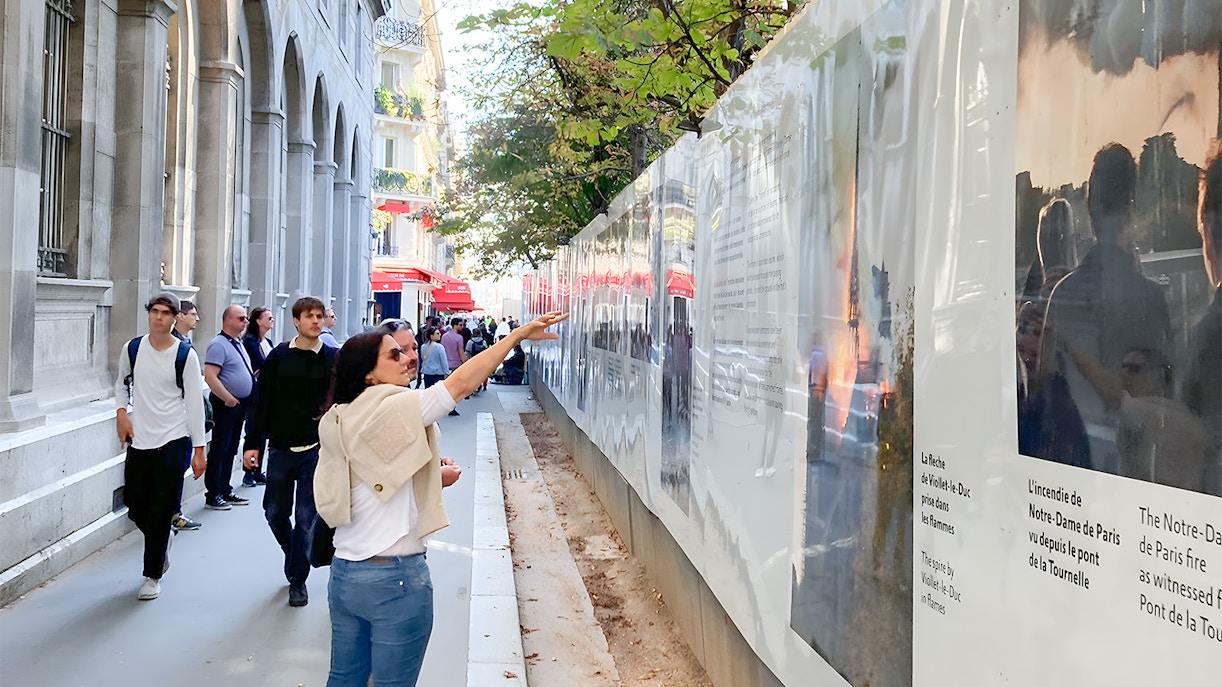
Since the 2019 fire, the crypt has also served as a place to learn about the restoration of Notre-Dame, including historical and modern preservation techniques.

Located right beneath the cathedral square, it’s easy to add to your itinerary and offers an affordable way to experience Paris’s rich history.

Plan your visit to the crypt

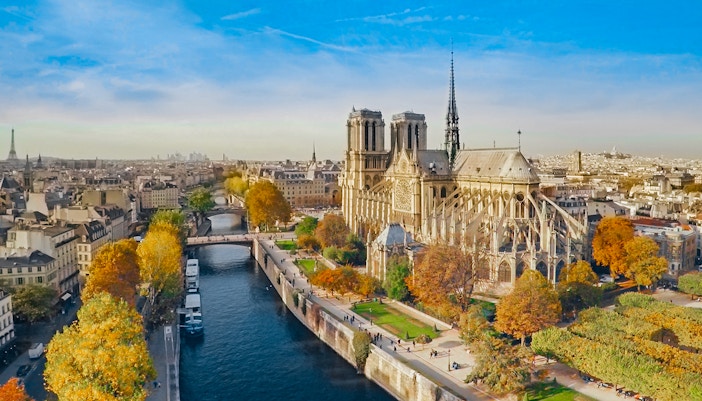
Notre Dame Cathedral facade with tourists on outdoor walking tour, Paris, includes crypt entry.
  • Standard admission: There is usually a small entry fee, though prices may vary. Discounts for children, students, and seniors are often available.
  • Free entry: Entry is typically free for those under 18 years (EU residents) and EU residents under 26 years of age.
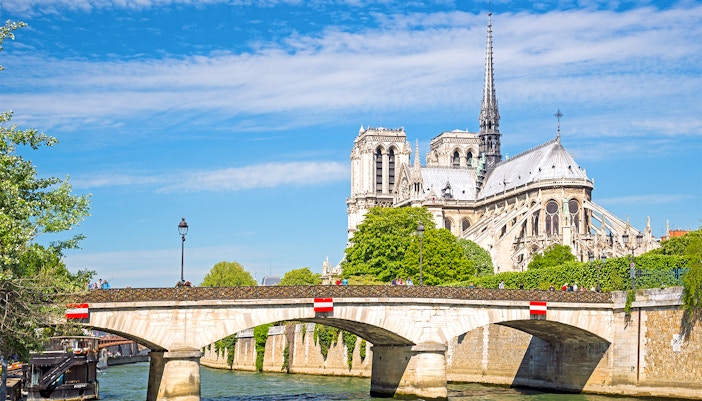
Notre-Dame Cathedral.
  • Tuesday to Sunday: 10am to 6pm 
  • Last entry 30 minutes before closing
  • Closed on Mondays and certain holidays like May 1 and December 25.
  • The entrance is typically located on the north side of the square, near the steps leading underground. It's a short walk from Notre-Dame Cathedral and is often less crowded than the cathedral itself.
  • Find on maps.
Person on wheelchair exploring
  • Wheelchair access: The crypt is accessible to people with reduced mobility via ramps, though be aware that it is underground, and certain areas may have narrow or uneven pathways.
  • Stairs: There may be stairs at the entrance, though they are typically accompanied by a ramp or lift for accessibility.
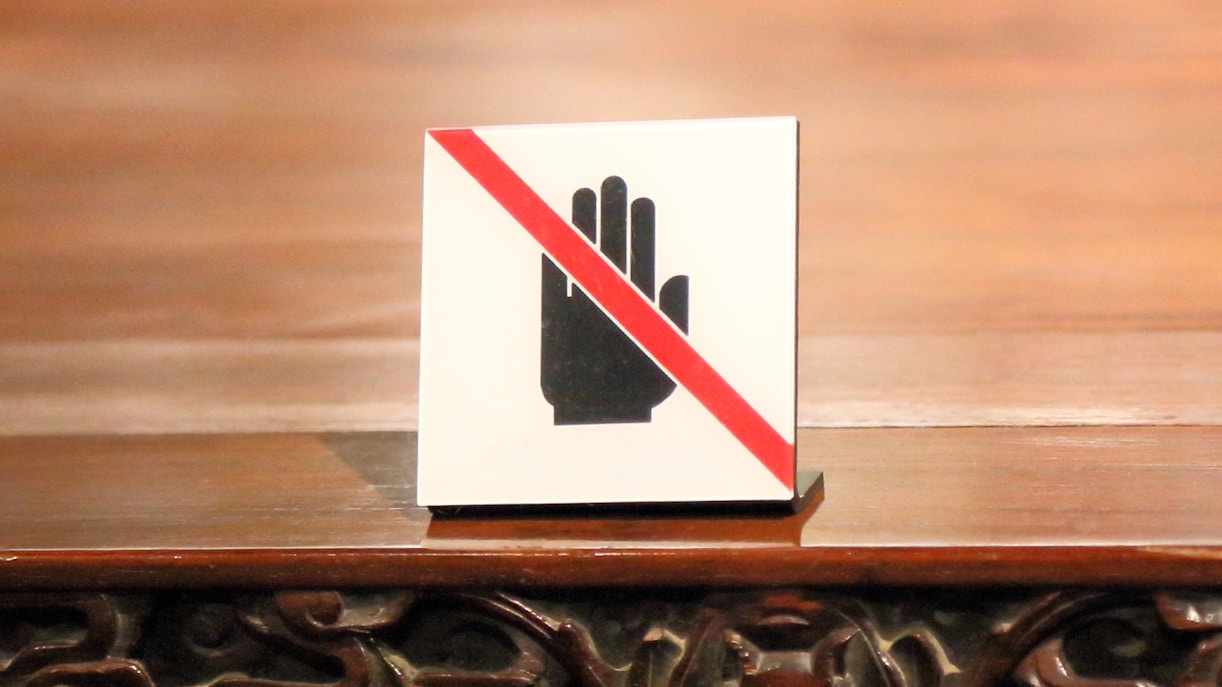
Do not touch sign at notre dame
  • The crypt contains valuable archaeological remains and artifacts. Do not touch or disturb the objects on display.
  • To protect the historical artifacts and maintain cleanliness, food and drinks are generally not allowed inside the Crypt. Please consume these items in designated areas before or after your visit.
  • Smoking is strictly prohibited inside the crypt and in the immediate surrounding area for safety and health reasons.
  • Touching the archaeological artifacts and displays is prohibited for the preservation of the exhibits and the safety of all visitors.
  • As a space with historical and archaeological significance, maintain a respectful tone and behavior inside the Crypt.
  • In general, photography is allowed in the crypt, but flash photography and tripods may be prohibited. Always check signs for any specific rules when you arrive.

The Crypt's features

Preserved ruins

The crypt houses the remains of structures dating back to ancient Roman times, as well as later periods. These include parts of Roman fortifications, medieval structures, and remnants of 18th- and 19th-century Paris.

Historical layers

Visitors can explore the different layers of Paris's history, showcasing how the city evolved over two millennia—from the Roman settlement of Lutetia to the medieval and modern city.

Interactive exhibits

The crypt features exhibitions with models, maps, and multimedia displays explaining the development of Paris through the centuries.

Notre-Dame connection

It also provides information about the history of Notre-Dame Cathedral and its role in Parisian history.

Modern additions

The Crypt includes displays about Notre Dame's restoration efforts following the 2019 fire, making it a living historical site that connects the past with ongoing preservation efforts.

History of the Archeological Crypt

Ancient era

  • 1st century BCE: The Romans establish the city of Lutetia on the Île de la Cité.
  • Foundations for public buildings, roads, and a port along the Seine are constructed.
  • Evidence of Roman fortifications and thermal baths are later uncovered in the crypt.

Medieval period (5th–15th century)

  • 5th century: Lutetia transitions into medieval Paris after the fall of the Roman Empire.
  • 12th–14th century: Notre-Dame Cathedral is constructed, and the surrounding area becomes the heart of Paris. The crypt area becomes a bustling hub of medieval activity.

Modern era (18th–19th century)

  • 18th century: Urban development reshapes the Île de la Cité. Medieval streets and structures are replaced by modern designs.
  • 1858–1868: Under the direction of Baron Haussmann, Paris undergoes major renovations, including the redesign of the square in front of Notre-Dame. Archaeological remains beneath the square remain hidden.

20th century

  • 1965–1970: Excavations conducted during the construction of an underground parking lot reveal significant archaeological finds beneath the square. The discoveries include remnants of Roman roads and fortifications and the foundations of medieval and 18th-century buildings.
  • 1980: The Crypte Archéologique de l’Île de la Cité opens to the public, becoming a museum showcasing the findings.

21st century

  • 2019: The crypt is temporarily closed after the Notre-Dame fire due to safety concerns and to protect the artifacts.

The Crypt today

Today, the Crypte Archéologique de l’Île de la Cité, or Crypt of Notre-Dame, serves as an important archaeological site and museum that reveals the rich, layered history of Paris, particularly the Île de la Cité. While the crypt primarily focuses on the historical and archaeological discoveries beneath the Notre-Dame Cathedral, it also highlights the ongoing restoration of the cathedral itself.

Frequently asked questions about the Crypt tickets

A typical visit to the crypt lasts around 30 minutes to 1 hour, depending on how much time you spend exploring the exhibits. It's a relatively compact site but offers rich historical insight.

More reads

ile de la cite

Book Now

History

Book Now

Plan you visit

Book Now