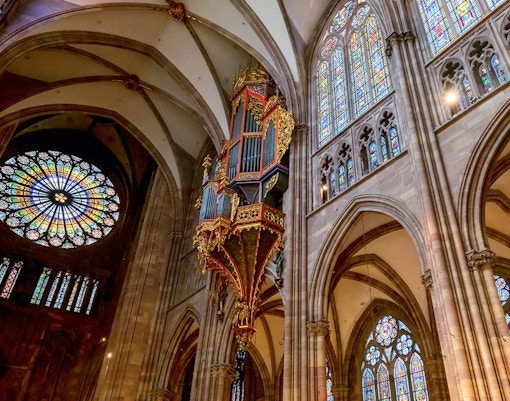
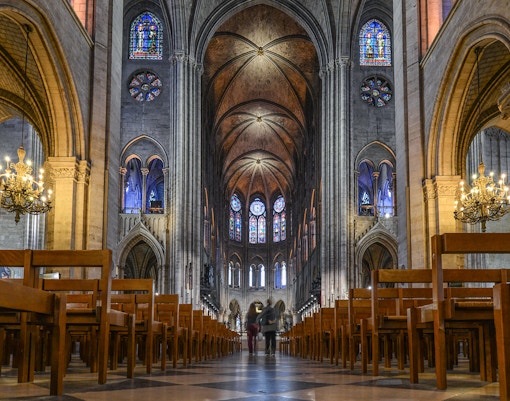
- Grand Gothic arches: The nave is flanked by towering columns supporting ribbed vaults that draw your eyes upward, creating an ethereal, spiritual ambiance.
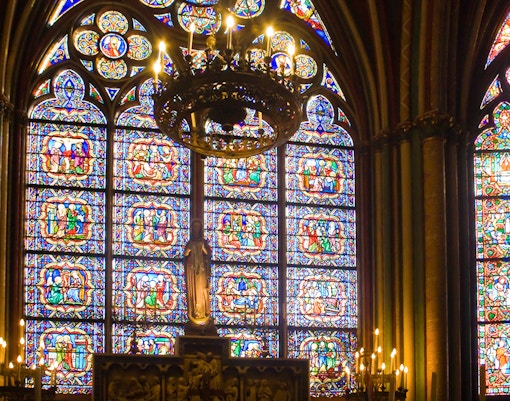
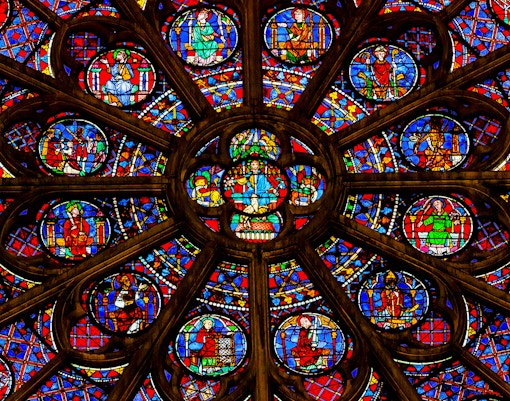
- Light play: Observe how light filters through the stained-glass windows, illuminating the space with a colorful glow.
Why visit Notre-Dame?
1/5
As one of the most iconic Gothic masterpieces in the world, it offers a captivating blend of art, spirituality, and storytelling.
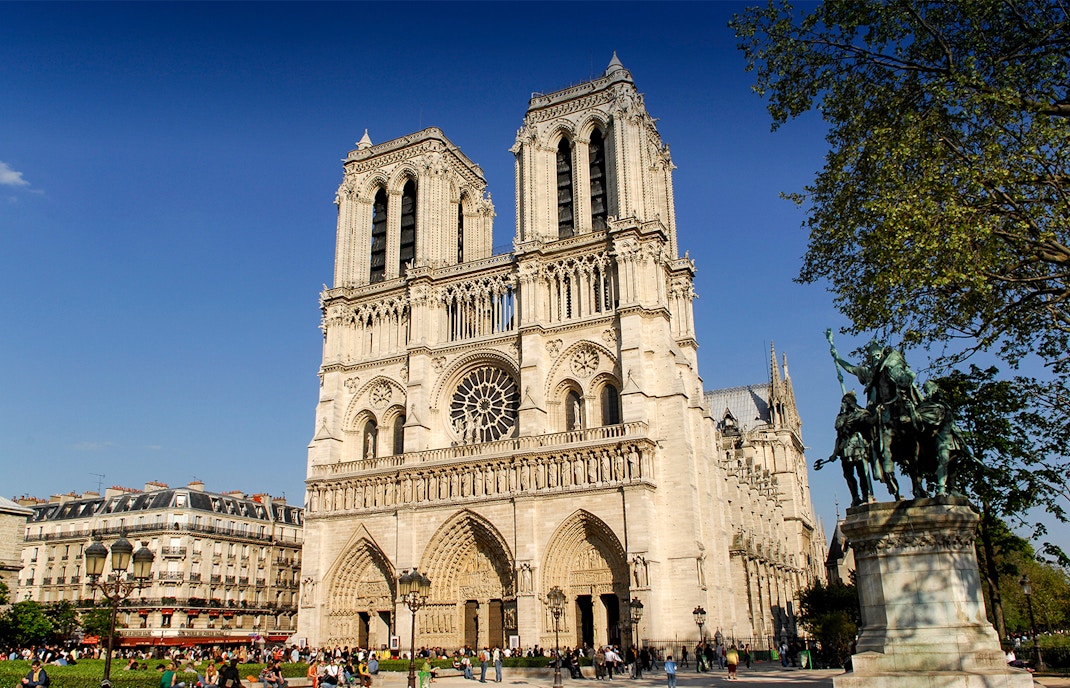
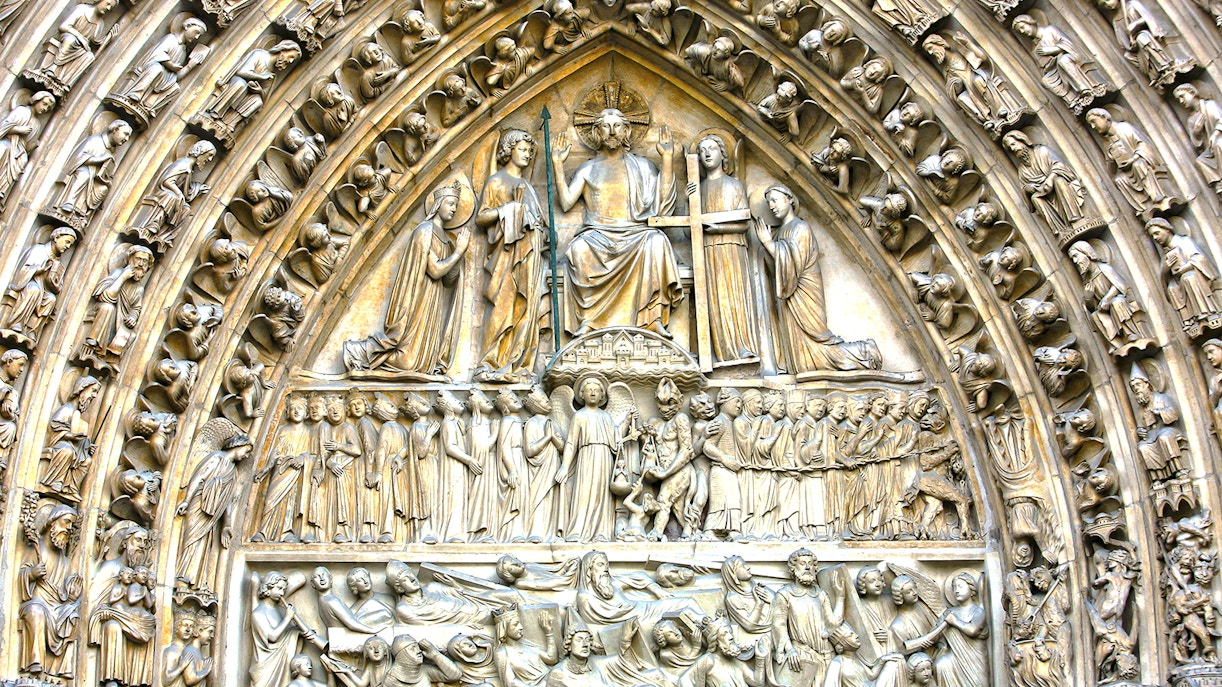
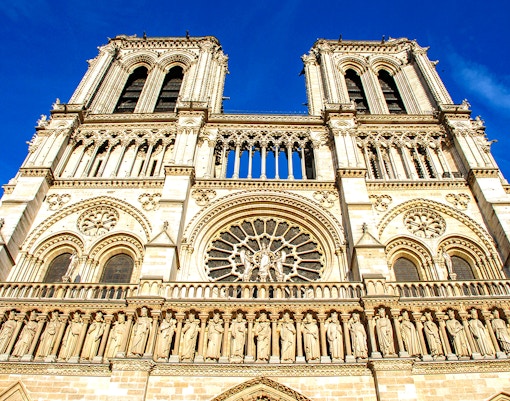
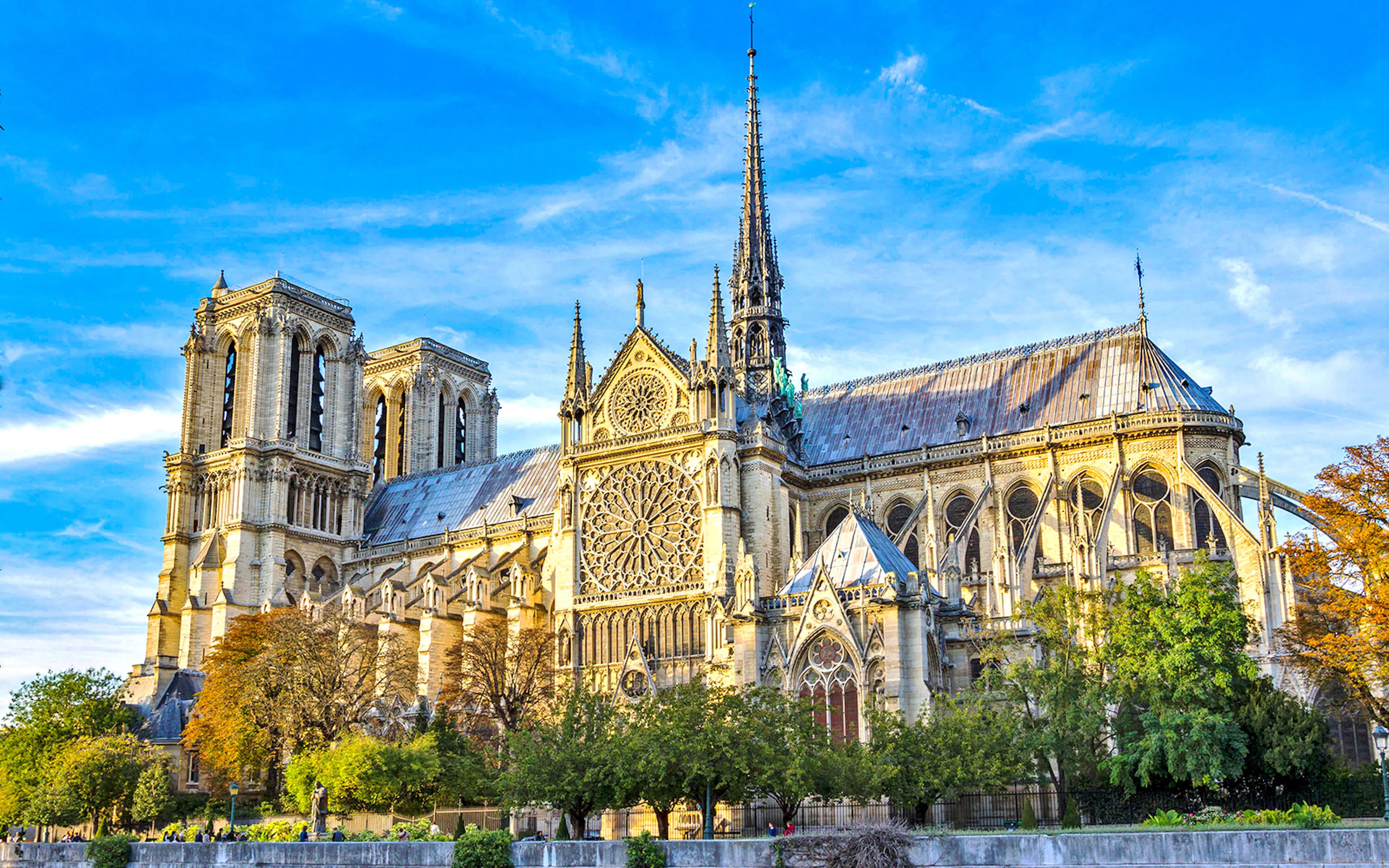
The cathedral's breathtaking stained-glass Rose Windows, intricately carved façades, and towering spire reflect centuries of craftsmanship and devotion.
Beyond its architectural grandeur, Notre Dame has been the scene of pivotal moments in history, from Napoleon's coronation to Joan of Arc's beatification.
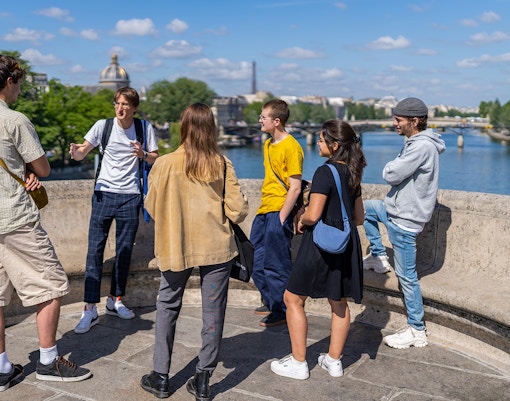
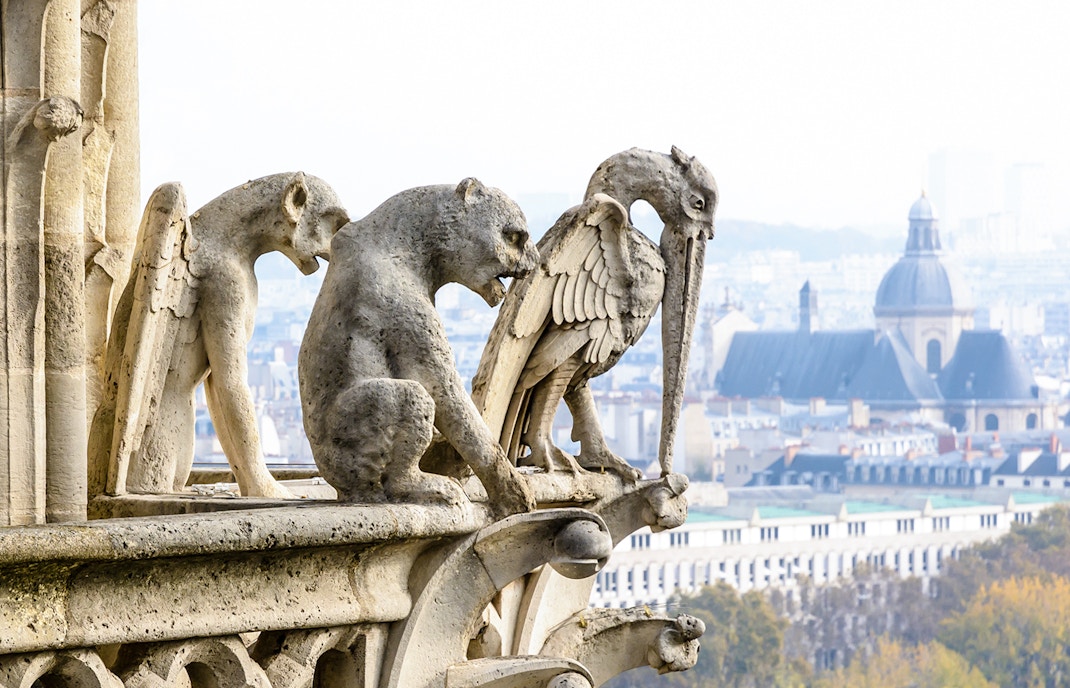
Climbing the towers rewards visitors with stunning panoramic views of Paris. The interior holds sacred relics and treasures, including the Crown of Thorns.
Whether you're drawn by its spiritual significance, its role in literature like Victor Hugo's The Hunchback of Notre-Dame, or its sheer beauty, the cathedral is a must-visit for anyone exploring Paris.
What to see in and around Notre-Dame?
Notre-Dame’s interior is a masterpiece of Gothic architecture, filled with awe-inspiring features and sacred relics.
Here’s a detailed breakdown:
Brief history of Notre-Dame
- 1163: Construction begins under Bishop Maurice de Sully during the reign of King Louis VII.
- 13th century: Iconic rose windows and flying buttresses are added, solidifying its Gothic design.
- 1793–1794: Desecrated during the French Revolution; many religious artifacts are destroyed, and the cathedral is used as a warehouse.
- 1804: Napoleon Bonaparte is crowned emperor inside Notre-Dame.
- 1831: Victor Hugo’s The Hunchback of Notre-Dame reignites public interest in the cathedral.
- 1944: Bells ring to celebrate the liberation of Paris during World War II.
- 2019: A devastating fire destroys the wooden roof and collapses the spire.
- 2024: Reopening following a comprehensive restoration effort.
Notre-Dame: Before and after
Architecture of Notre-Dame
Notre-Dame as a place of worship
Notre Dame Cathedral holds profound religious significance as a sacred site for Catholic worship, symbolizing the enduring presence of faith through centuries. It has been the venue for significant religious ceremonies, including coronations, royal weddings, and national funerals, while also housing sacred relics such as the Crown of Thorns, believed to be worn by Christ during His crucifixion. The cathedral's architectural design, with its soaring spires and radiant stained glass, inspires spiritual reflection and draws millions of pilgrims seeking a connection to divine transcendence.
Frequently asked questions about Notre-Dame
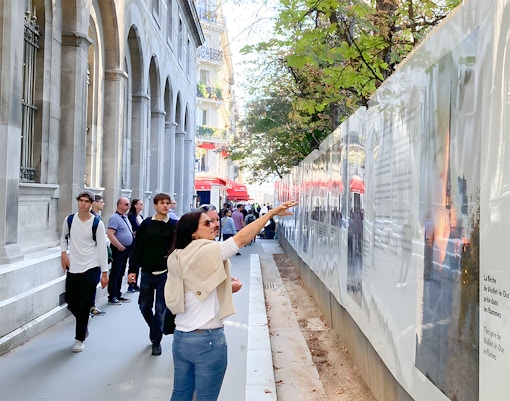
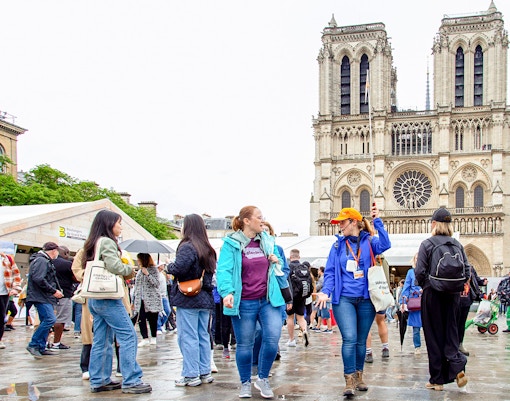
After 5 years of restoration, Notre-Dame has reopened its doors to the public, although access may be restricted during certain events or restoration works. Be sure to check ahead for updates, especially following the 2019 fire restoration efforts.
Notre-Dame is renowned for its stunning Gothic architecture, historical significance, and cultural importance. It has been the site of numerous royal events, religious ceremonies, and cultural milestones. Its restoration after the 2019 fire further solidifies its place as a beloved symbol of resilience and history.
Notre-Dame was built primarily as a place of worship and to serve as a symbol of the power and prestige of the Catholic Church in Paris and France.
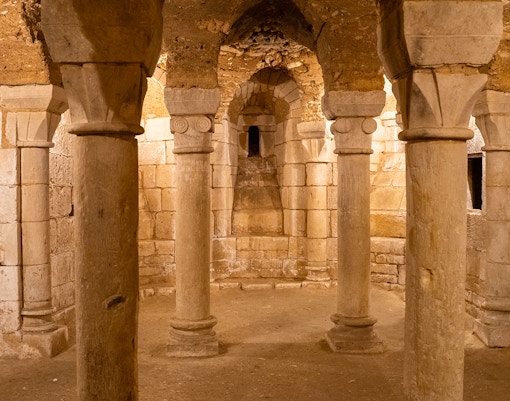
Yes, visitors can explore the interior of the cathedral. However, access to the towers is restricted, and separate tickets are required to enter the crypt.
Notre-Dame hosts various religious events, concerts, and exhibitions throughout the year, including during its restoration period. It's best to check the official website for any upcoming events during your visit.
Yes, Mass is regularly celebrated at Notre-Dame Cathedral, and visitors are welcome to attend. Special religious ceremonies and events are also held throughout the year, particularly during Christian holidays.
Notre Dame Cathedral was built over a period of nearly 200 years, starting in 1163 and finishing in 1345, making it over 850 years old.
Photography is allowed inside the Cathedral, but flash photography and the use of tripods are prohibited to preserve the artwork and artifacts.