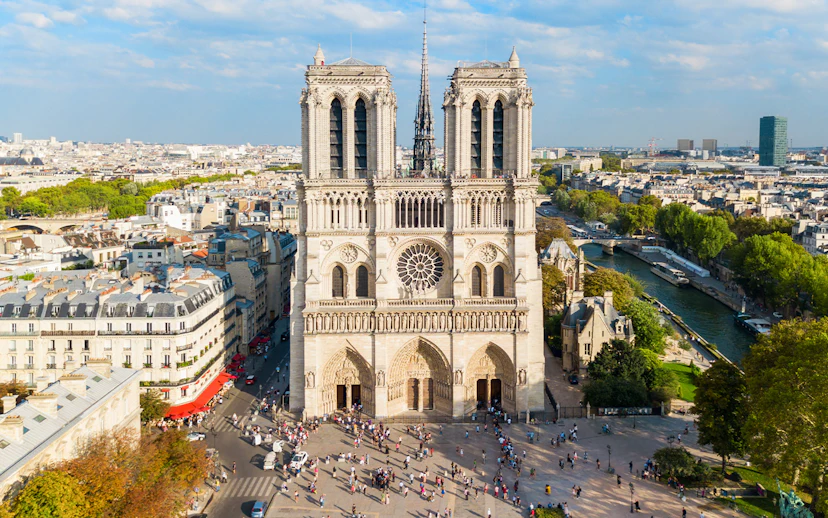
8am – Angelus and Mass
12pm – Angelus and Mass
3pm – Rosary
5:30pm – Vespers
6pm – Mass and Angelus
Thursday, 6:45pm – Eucharistic Adoration
Discover the spiritual essence of Notre-Dame through Mass
Notre-Dame isn’t just a cathedral; it’s where history, faith, and a little bit of magic collide. Whether you’re here to pray, reflect, or just wonder how they built something this incredible without cranes, every service offers a moment to hit pause and soak in the atmosphere. Believer or not, it’s hard not to feel something in a place this timeless.
Notre-Dame Mass schedule
Plan your visit to the mass by getting to know the timings of the Notre-Dame Cathedral.
Monday to Friday
Saturday
8:30am – Angelus and Mass
12pm – Angelus and Mass
3pm – Rosary
5:15pm – First Vespers
6pm – Anticipated Mass and Angelus
Sunday
8:30am – Mass
9:30am – Lauds
10am – Gregorian Mass
11:30am – Mass
5:15pm – Vespers
6pm – Diocesan Mass
Different types of Mass
Notre-Dame Cathedral has historically hosted a variety of Masses to accommodate different occasions, liturgical needs, and audiences. Here's an overview of the different kinds of Masses celebrated at Notre-Dame:
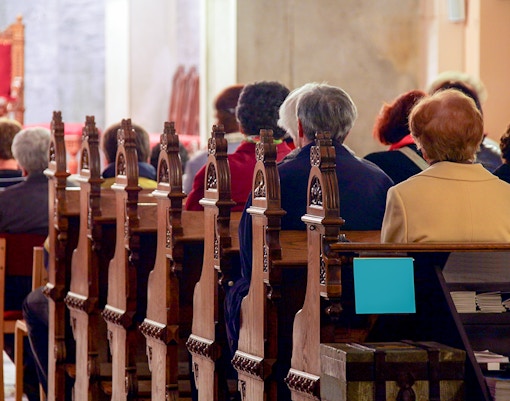
Angelus Prayer
- Description: Held every day, 3 times a day, these are simple prayers followed by Mass.
- Time: Morning, noon, and evening
- Purpose: Aimed at regular worshippers who wish to attend Mass on weekdays.
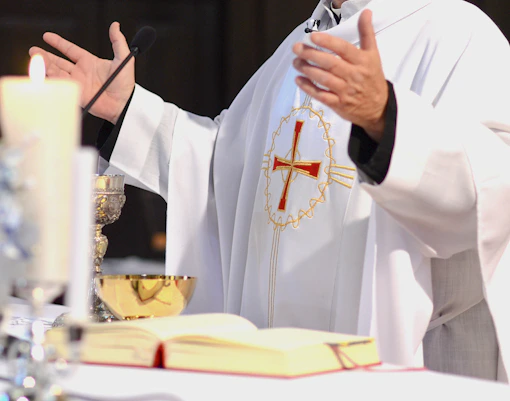
Gregorian Mass
- Description: A traditional Catholic liturgical service celebrated in Latin, often accompanied by Gregorian chant
- Time: Typically chanted on Sundays
- Purpose: Deeply spiritual and historical connection to the Church's heritage
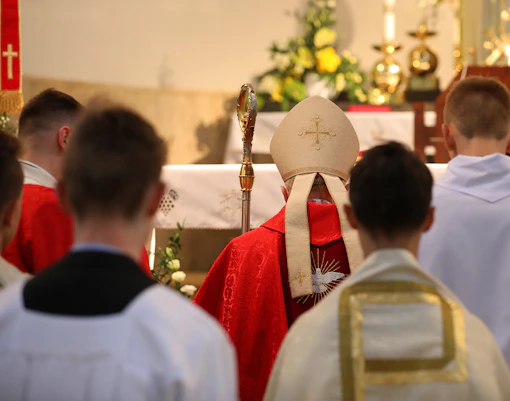
Diocesan Mass
- Description: A Catholic liturgical celebration presided over by a bishop or a representative of the diocese. It reflects the unity of the local Catholic community under the leadership of the diocesan bishop.
- Time: Typically chanted on Sundays at 6pm.
- Purpose: Highlights the Church's connection to the broader diocese of Paris, making it a central gathering for parishioners, clergy, and visitors.
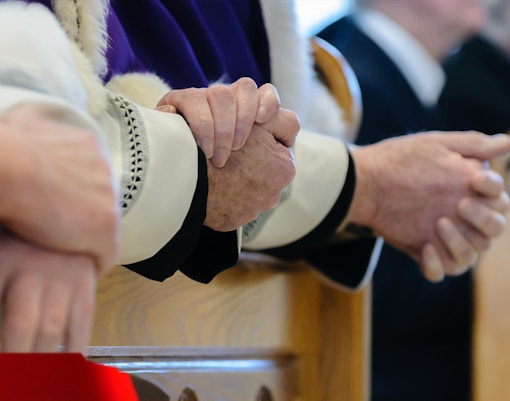
Daily Mass
- Description: Held every day, these are simpler services focusing on daily prayers and scripture readings.
- Time: Typically offered in the morning and evening.
- Purpose: Aimed at regular worshippers who wish to attend Mass on weekdays.
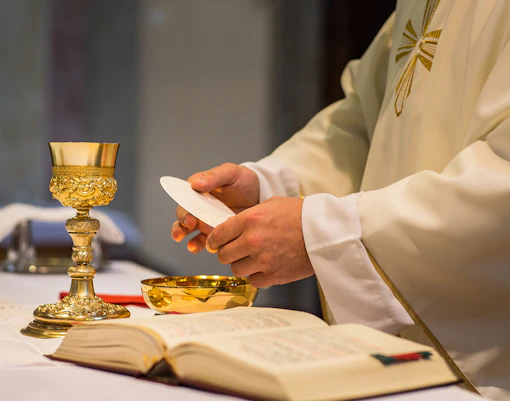
Sunday High Mass (Messe Solennelle)
- Description: The most formal and elaborate weekly service.
- Features: Includes choral music, organ accompaniment, and more ceremonial elements.
- Time: Usually held mid-to-late morning on Sundays.
- Purpose: Celebrates the resurrection of Christ and draws large congregations, including many tourists.
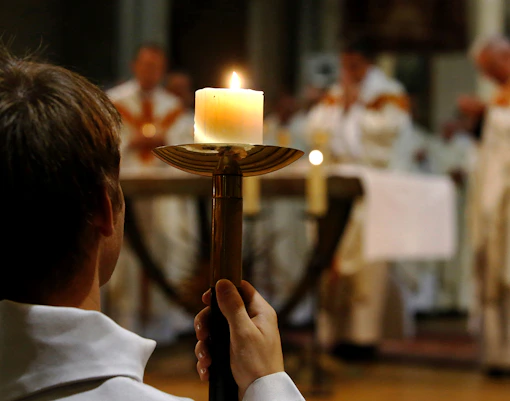
Feast Day and Holiday Masses
- Description: Special services held on significant religious occasions, such as:
- Christmas: Midnight Mass is a highlight, featuring music and candlelight.
- Easter: Celebrates the resurrection with grandeur and solemnity.
- Feast of the Assumption (August 15): Honors the Virgin Mary, to whom the cathedral is dedicated.
- Features: Often include additional readings, hymns, and processions.
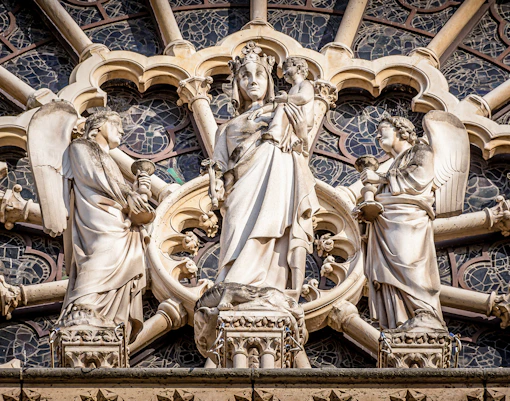
Votive Masses
- Description: Dedicated to specific intentions, saints, or themes, such as prayers for peace or the Virgin Mary.
- Purpose: Often requested by individuals or groups for special intentions.
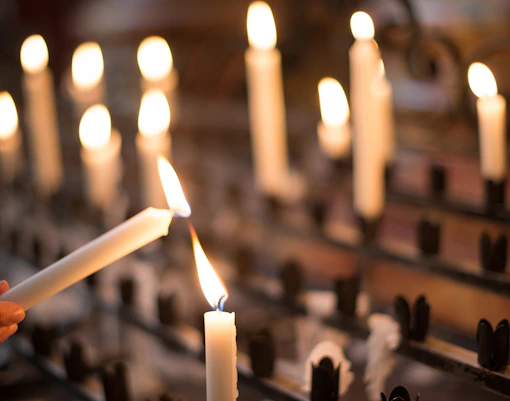
Requiem Mass
- Description: A Mass for the dead, offered in memory of deceased individuals or groups.
- Features: Includes prayers for the soul’s repose and may feature somber organ music.
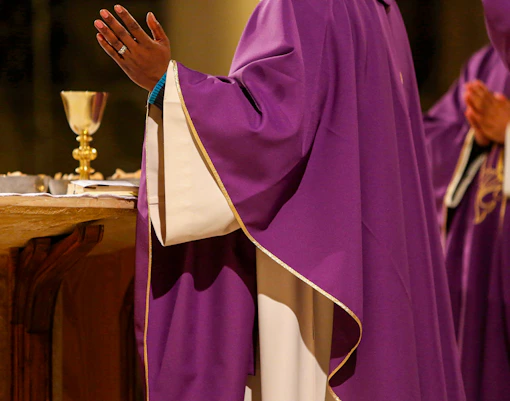
Pilgrimage Masses
- Description: Masses for visiting pilgrims or religious groups.
- Purpose: Strengthens the spiritual journey of pilgrims, often tailored to their specific needs.
Things to keep in mind before attending Mass at the Notre-Dame
- Admission to Mass is free.
- Popular Masses, such as High Mass or holiday services, attract large crowds. Arriving 30-45 minutes early ensures a good seat.
- Photography is typically prohibited during services to maintain reverence.
- Visitors can sit in designated areas to observe or participate.
- Masses at the Notre-Dame are primarily conducted in French, but some services include elements in Latin, particularly during special celebrations. Guides or leaflets in multiple languages were often provided to help international visitors follow along.
- Maintain silence inside the cathedral, especially during services, to respect worshippers.
- It’s customary to make a small donation during the offertory collection. Donation boxes may also be available near the entrance.
- Christmas and Easter Masses are especially beautiful but very crowded. Plan well in advance.
- Large bags or items may be restricted due to security measures.
- If you’re part of a pilgrimage, notify the cathedral staff in advance for seating arrangements.
Have more time after Mass? Discover the history of Île de la Cité on a guided walking tour →
Liturgy in the Cathedral Church
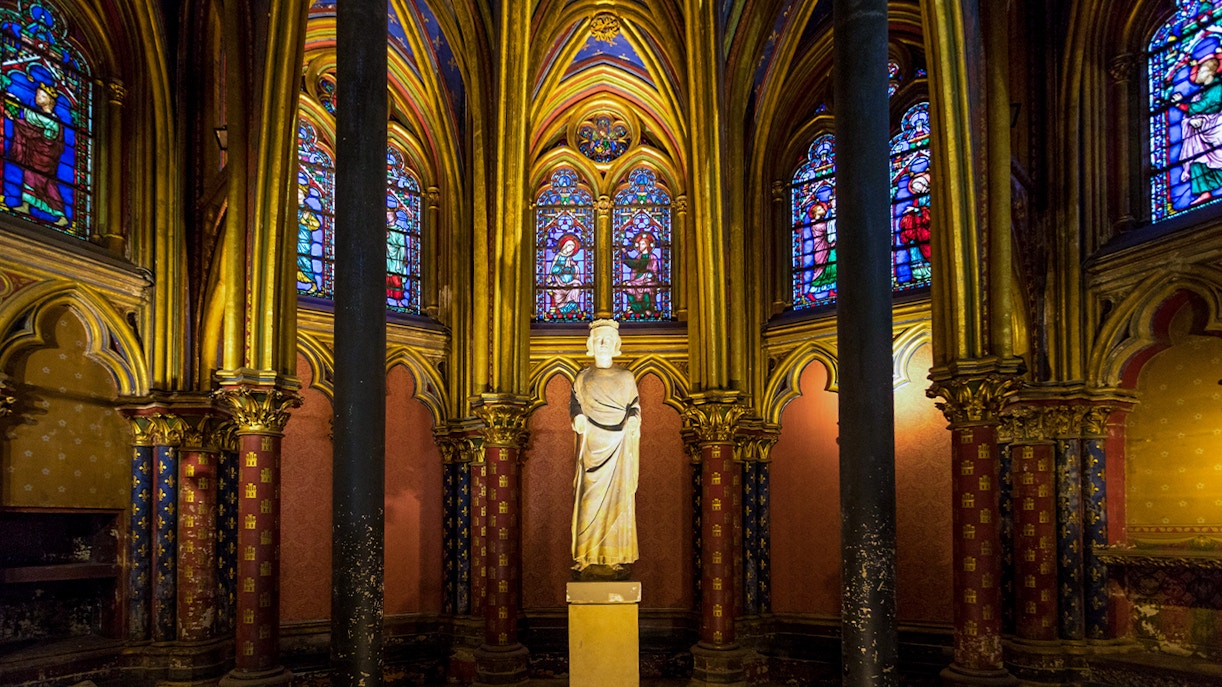
The Liturgy in the Cathedral Church at Notre Dame refers to the various religious ceremonies and acts of public worship conducted within this iconic Catholic cathedral. As a cathedral church, Notre Dame serves as the central place of worship for the Diocese of Paris and hosts liturgical services of significant spiritual, historical, and cultural importance.
The liturgy includes the celebration of the Mass, prayers of the Divine Office (such as Vespers or Lauds), sacramental rites (like Baptism and Confirmation), and special liturgical events aligned with the Church's liturgical calendar. These may include Christmas and Easter celebrations, solemn processions, and ceremonies marking feast days or special occasions.
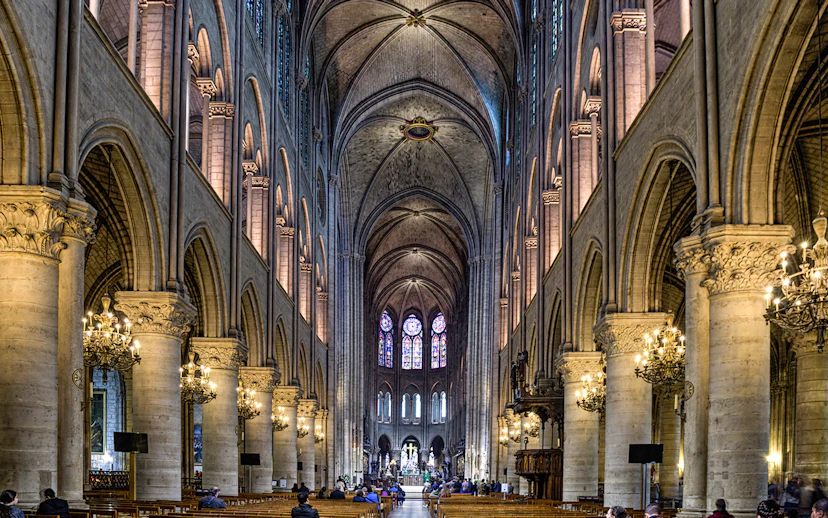
The grandeur of the cathedral, combined with the rich musical traditions (including Gregorian chant and organ performances), elevates the liturgical experience, offering a profound sense of reverence and divine presence. Through its liturgy, Notre Dame continues to embody its role as both a house of worship and a beacon of spiritual life for Catholics worldwide.
Iconic masses of Notre-Dame across history
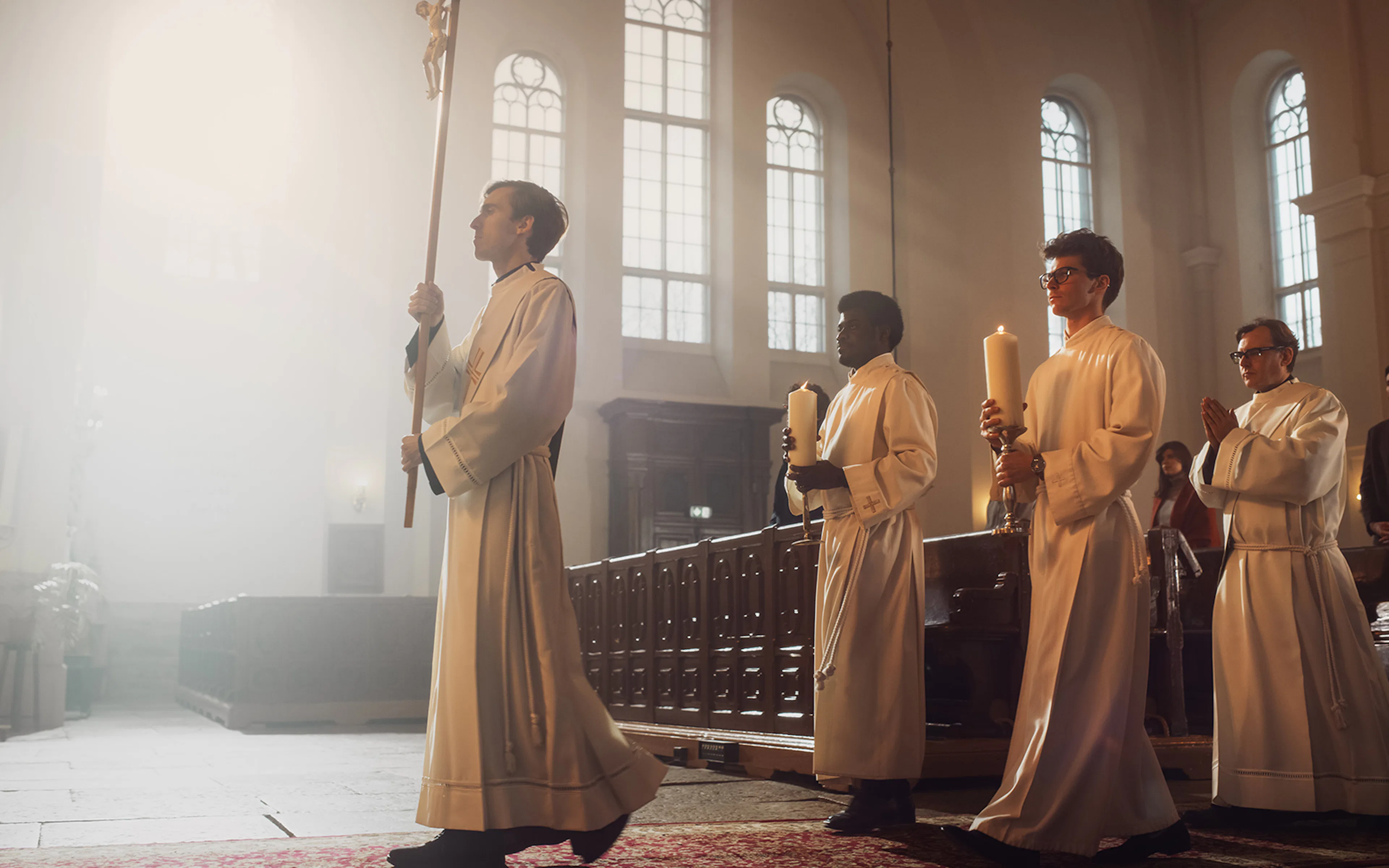
1/4
Coronation of Napoleon Bonaparte (1804)
One of the most famous events in Notre-Dame's history, this grand mass marked Napoleon's self-coronation as Emperor of the French, blending religious ceremony with political power.
Requiem Mass for Charles de Gaulle (1970)
A solemn and deeply emotional event, this mass honored the former French president and symbol of resistance, drawing national and global attention.
Mass for the Liberation of Paris (1944)
Held during World War II, this celebration marked the city's liberation from Nazi occupation, symbolizing hope and renewal.
Commemorations for Notre-Dame's Restoration (2019)
After the devastating fire, special masses celebrated resilience and the efforts to restore the cathedral to its former glory.
The role of music in Notre-Dame's masses
Music has always been a cornerstone of the liturgical and spiritual experience at Notre-Dame. Its soaring melodies and harmonious compositions elevate the sacred atmosphere, creating a profound connection between worshippers and the divine. Through its music, Notre-Dame continues to inspire, uniting tradition with the timeless power of sound to deepen the spiritual experience of all who enter its walls.
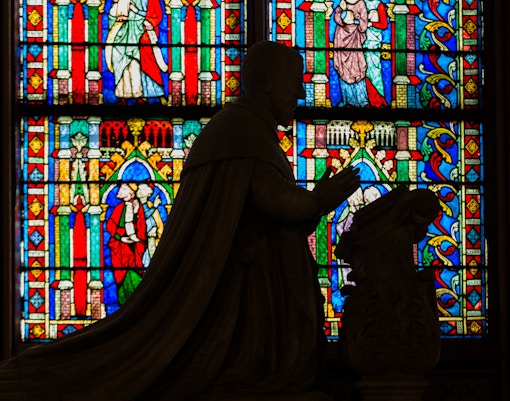
Creating resonance
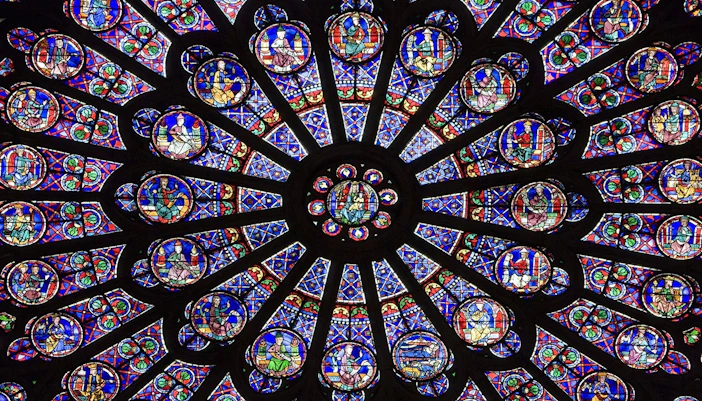
In the same way that statues capture the momentary expressions of prayer, and stained glass windows that let in sunshine transform the earthly city into the heavenly city, music evokes movement and resonance. It creates a sense of unity among the people and the place.
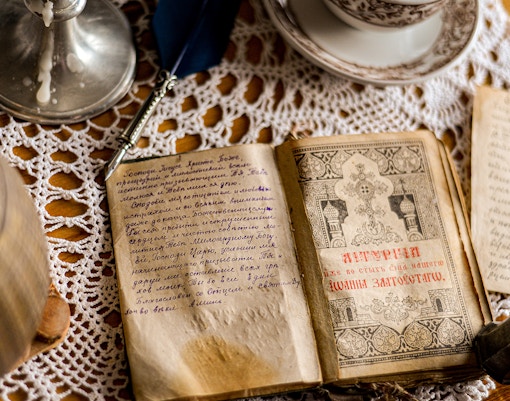
Enhancing the understanding of liturgy
The presence of a wealthy and powerful chapter of canons has guaranteed the existence of outstanding musicians throughout the years at Notre Dame, as in other cathedrals. Professional musicians now contribute to the Cathedral through the Musique Sacrée at Notre Dame de Paris group.
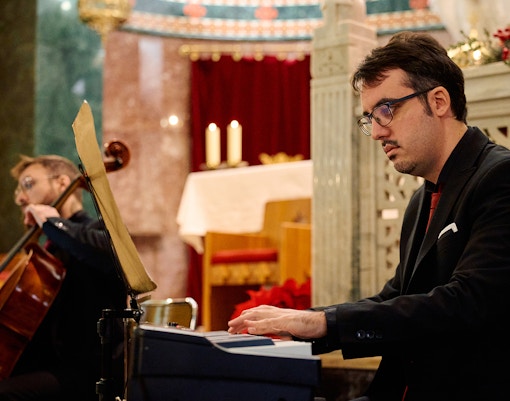
Gregorian chant
These ancient melodies, performed by choirs, have long been central to the cathedral's services, embodying centuries of tradition and spirituality.
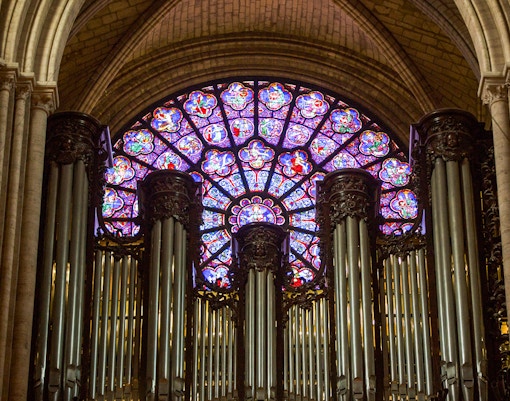
The Grand Organ
One of the most iconic instruments in the world, the Grand Organ of Notre-Dame has accompanied countless masses, its majestic sound filling the cathedral's vast interior with awe-inspiring resonance.
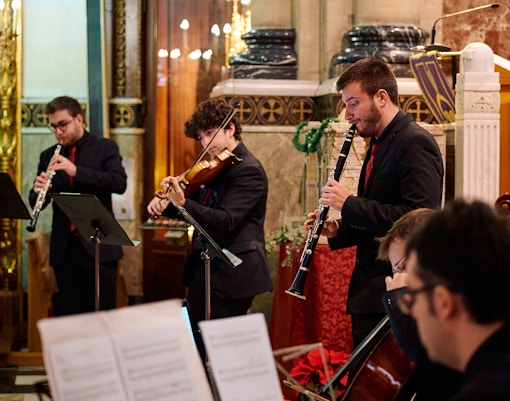
Polyphonic choirs
Notre-Dame’s renowned choirs perform intricate polyphonic works, bringing to life masterpieces by composers like Guillaume de Machaut and Maurice Duruflé.
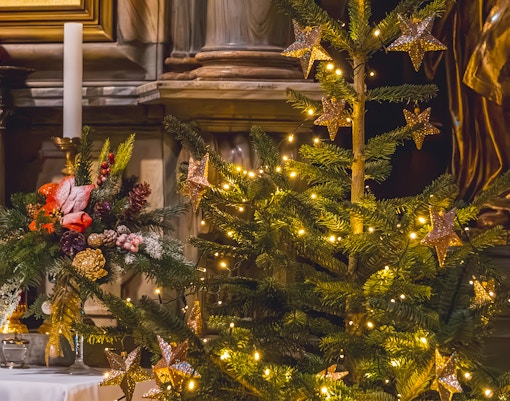
Special liturgical seasons
During Christmas, Easter, and other significant feasts, music plays an even more vital role, with orchestras and soloists joining the choirs to create memorable and deeply moving celebrations.
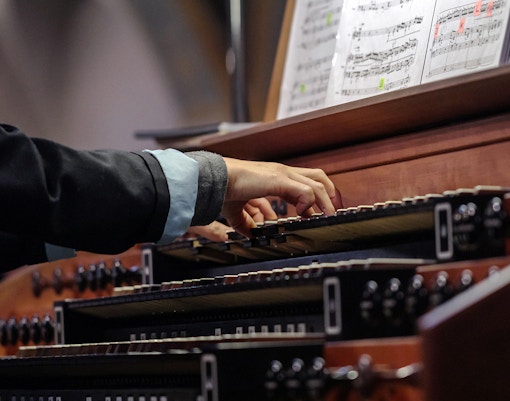
Cultural and spiritual bridge
Beyond its role in worship, music at Notre-Dame serves as a bridge between the sacred and the cultural, inviting people of all backgrounds to experience its transcendent beauty.
Frequently asked questions about the Notre-Dame Mass
No, advance booking is not required for regular Masses. However, for major celebrations like Christmas or Easter, arriving early is recommended due to large crowds.
Yes, traditionally, there were separate lines for tourists visiting the cathedral and worshippers attending Mass. Signage and staff help direct visitors to the appropriate entrances.
Mass at Notre-Dame is uniquely profound, blending centuries of history, breathtaking Gothic architecture, sacred relics, and world-renowned music for a deeply spiritual experience.
Yes, the Grand Organ traditionally accompanies Mass, creating a rich and spiritual experience.
Photography is generally prohibited during Mass to maintain reverence and respect for worshippers.
Modest attire is expected, especially for special services. Avoid wearing shorts, tank tops, or other casual clothing.
High Mass is a formal and elaborate service, often featuring choral music, organ accompaniment, and traditional rituals. It is typically celebrated on Sundays and major feast days.
Absolutely! All are welcome to observe or participate in the service, regardless of faith, as long as they respect the religious practices.