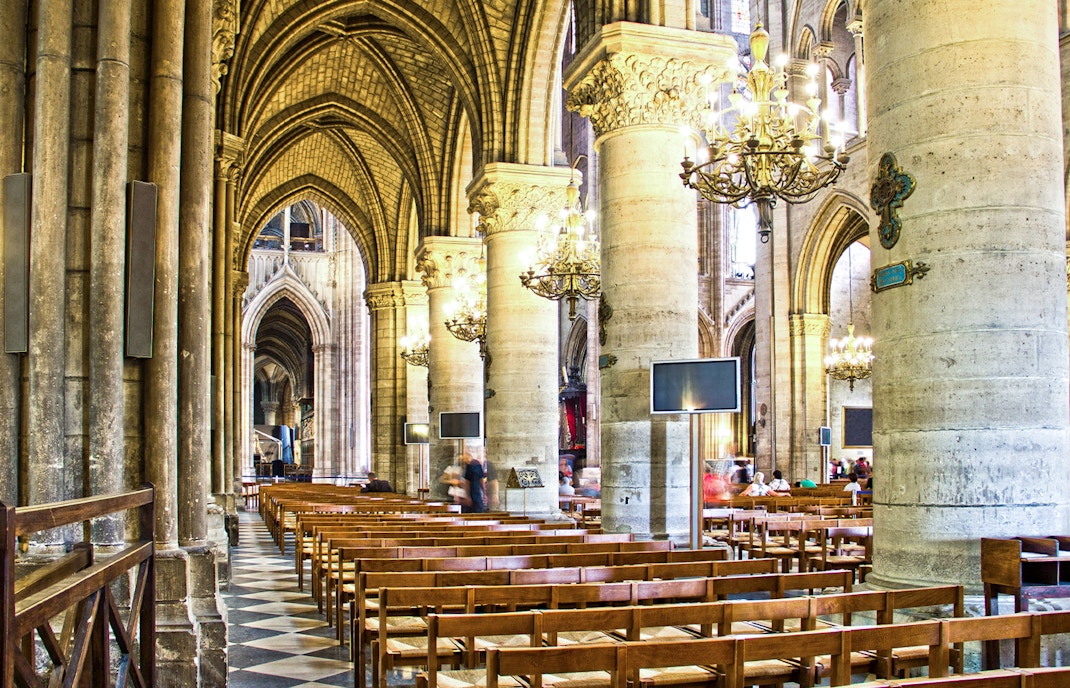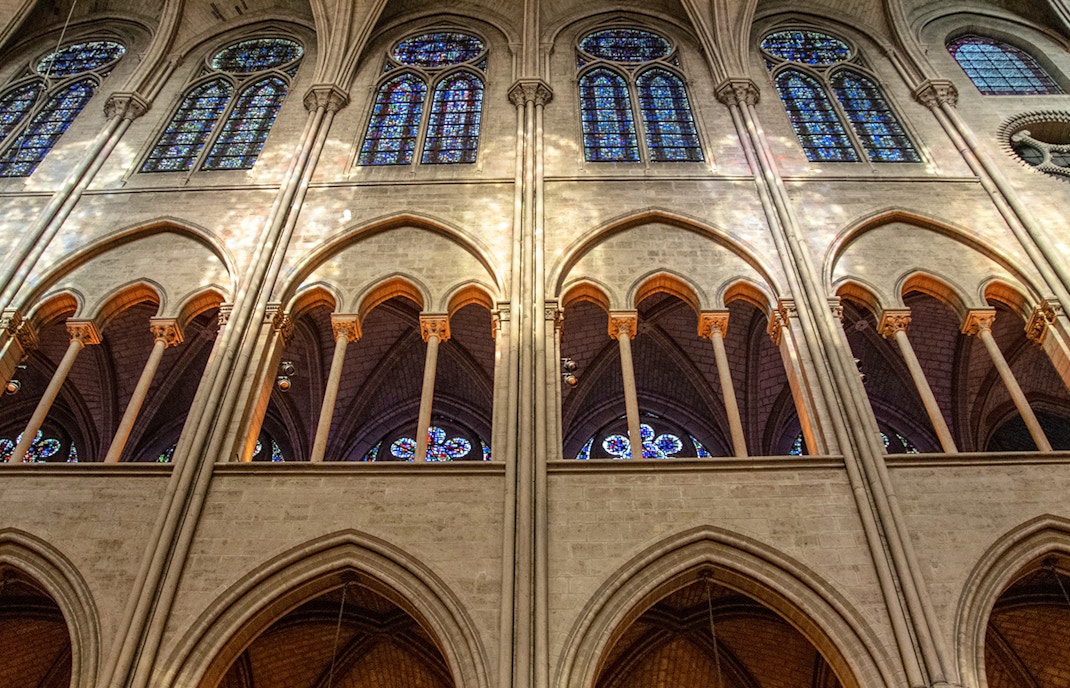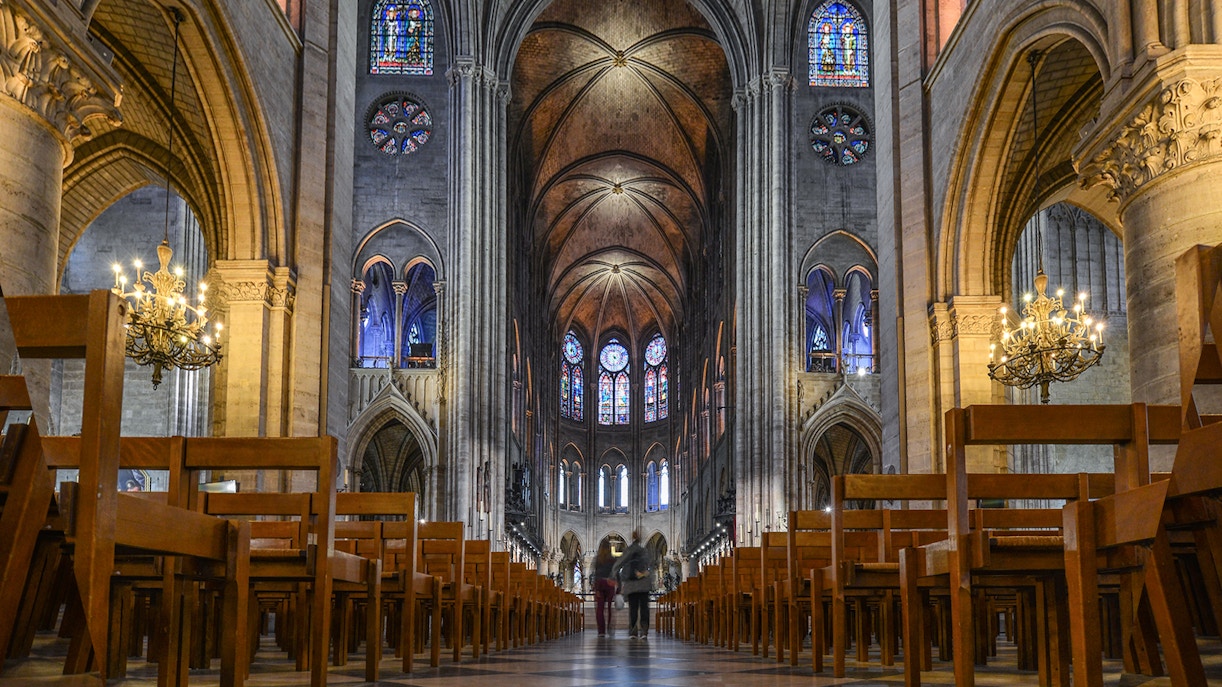
- Traditional Gothic design: Notre Dame follows the Latin cross layout typical of Gothic cathedrals, with a long nave, transepts, and a choir.
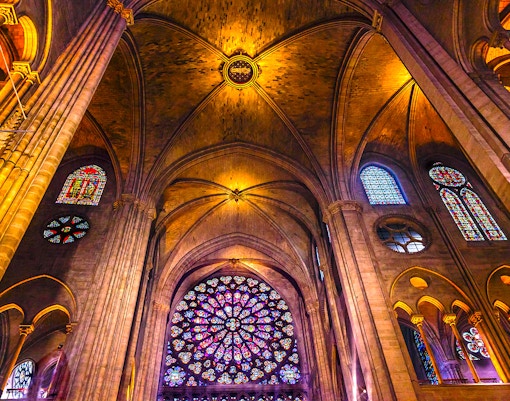
- Vaulted ceilings: The ribbed vaulting creates a sense of height and lightness, drawing the eyes upward toward heaven.
- Capacity: The interior can hold around 6,000 worshippers, making it one of the largest cathedrals in Europe.
- Floor plan: The original medieval floor featured a labyrinth design, a symbolic journey of spiritual enlightenment, although most of it has been replaced or covered over the centuries.
Explore the stunning interiors of Notre-Dame
Notre Dame's interior is as breathtaking as its exterior, showcasing a blend of Gothic architecture, historical artifacts, and religious symbolism. Every detail, from its soaring vaults to its intricate carvings, tells a story of faith, craftsmanship, and the passage of time.
Layout
A deep dive into the Notre-Dame Cathedral interior
Sculptures and paintings inside Notre-Dame
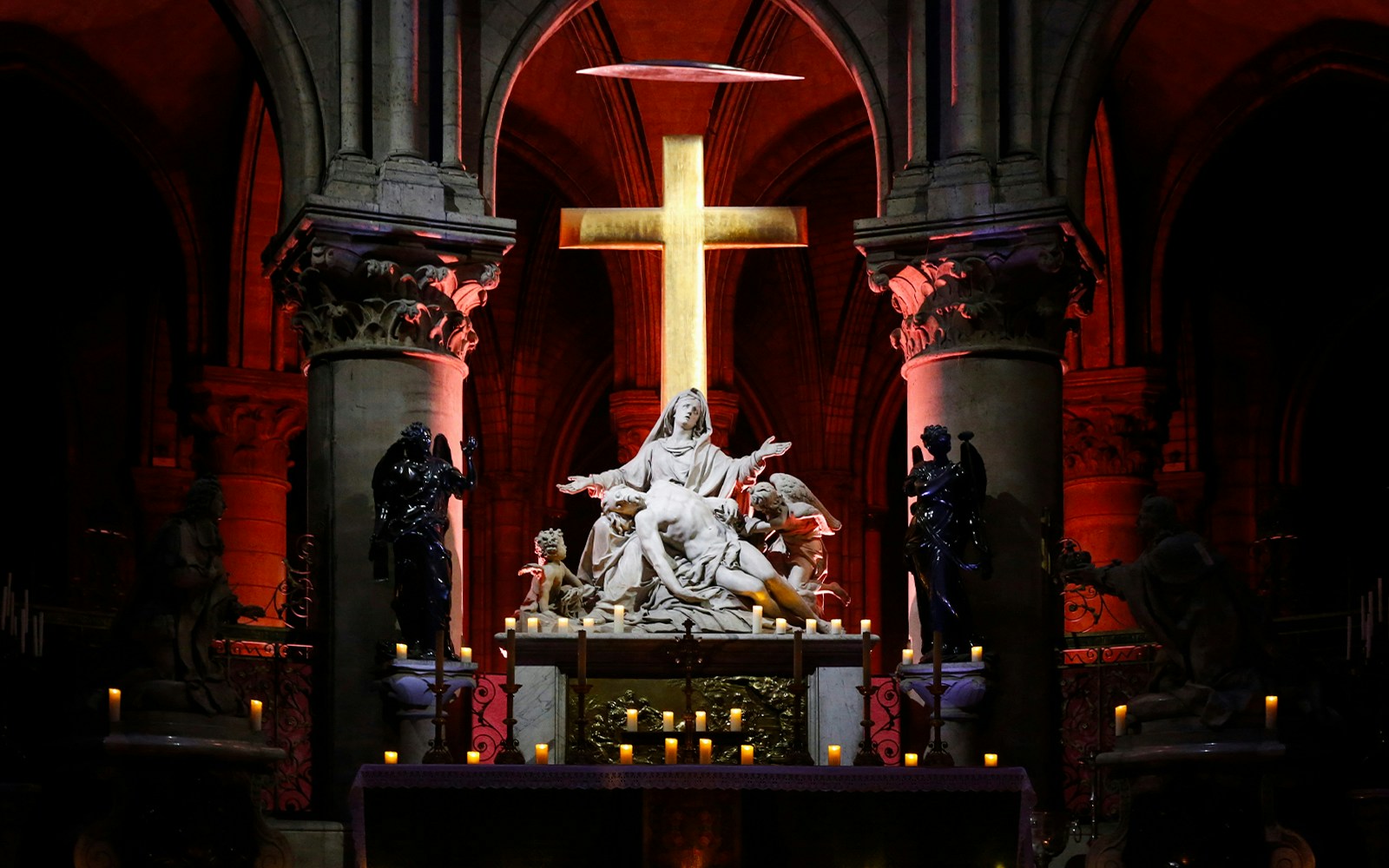
Pietà by Nicolas Coustou
Located at the high altar, this dramatic sculpture depicts the Virgin Mary holding the body of Christ.
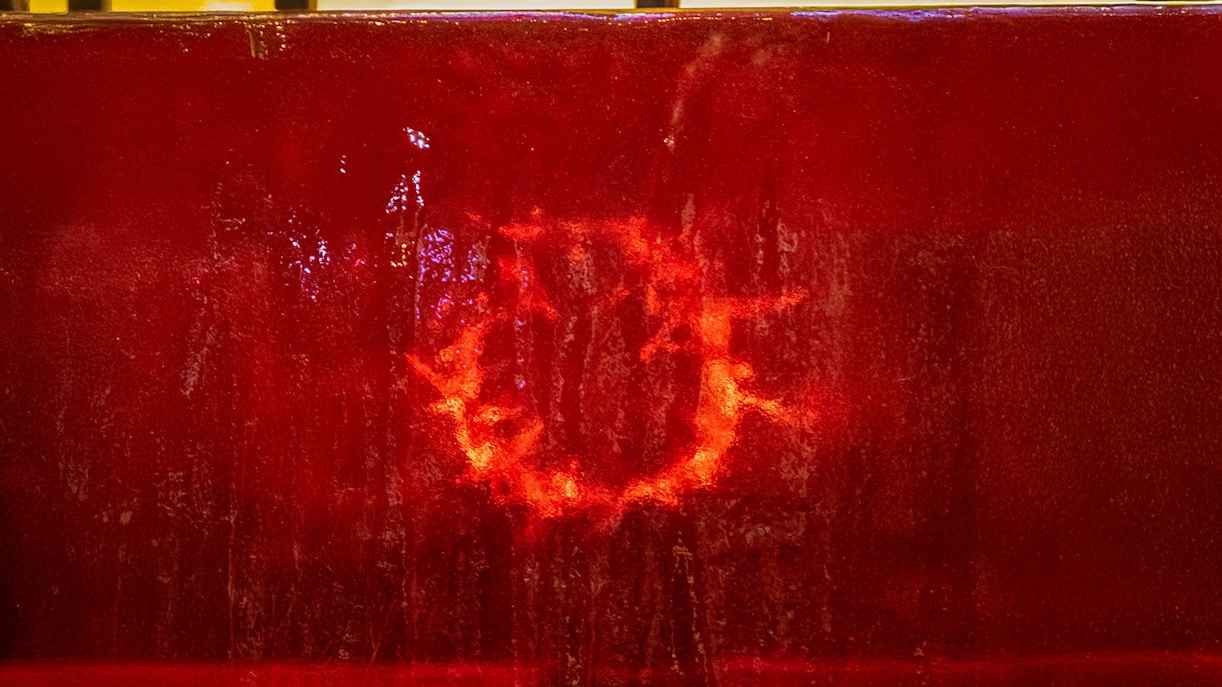
The Crown of Thorns
Frequently asked questions about the Notre-Dame’s Cathedral interior
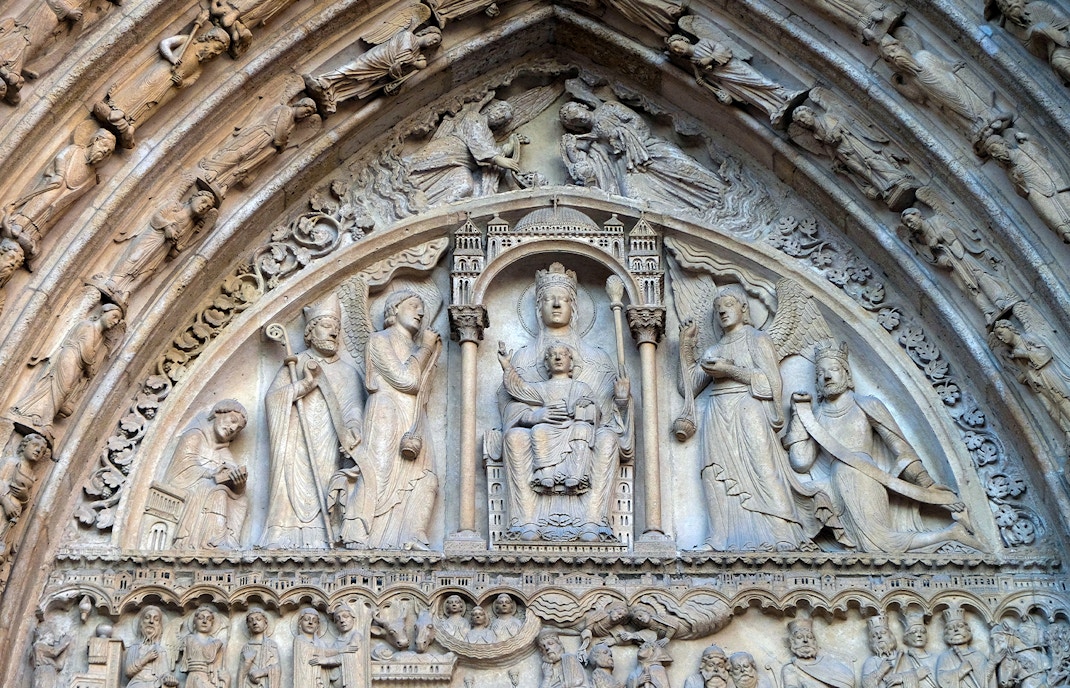
The interior of Notre-Dame is designed in the Gothic architectural style, characterized by pointed arches, ribbed vaults, and flying buttresses. The interior emphasizes verticality, with tall columns and expansive stained-glass windows.
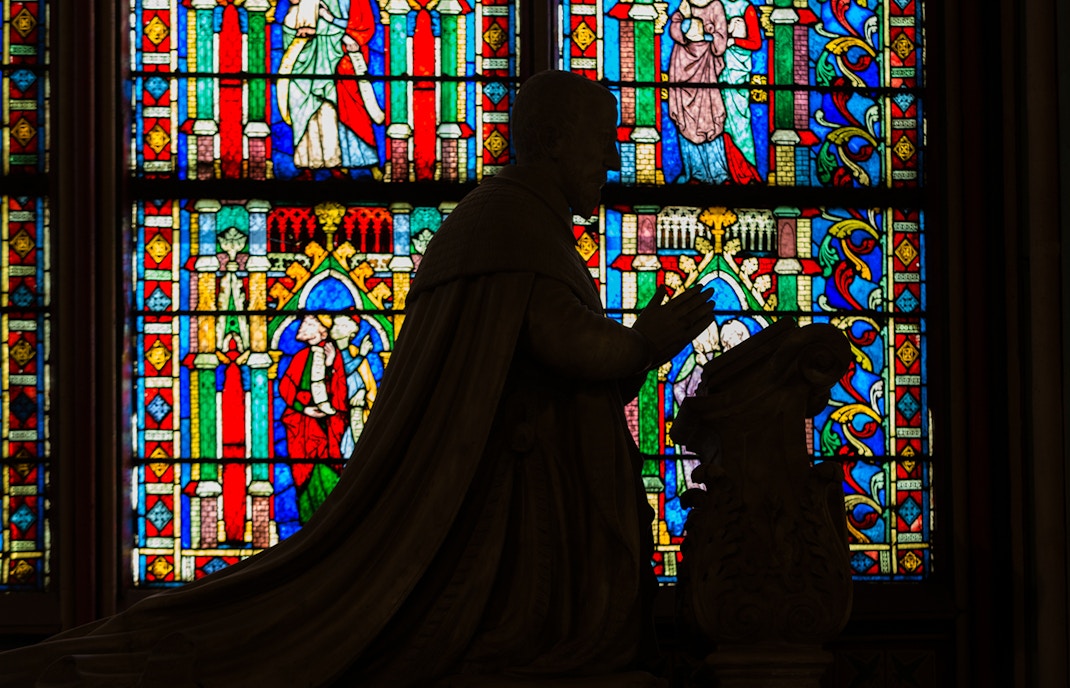
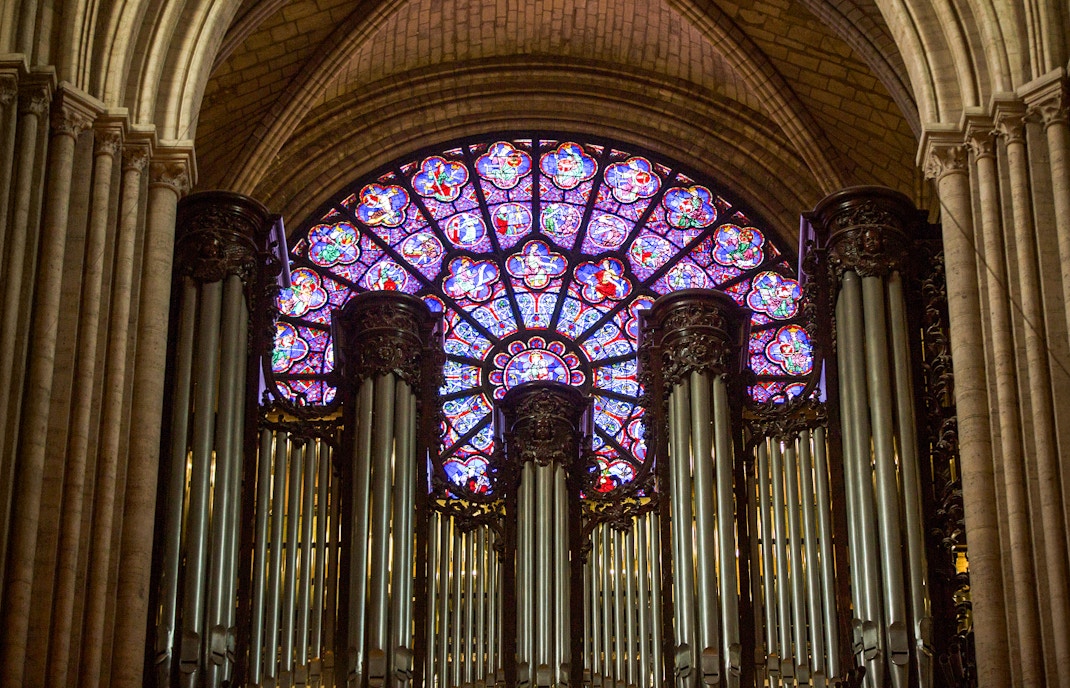
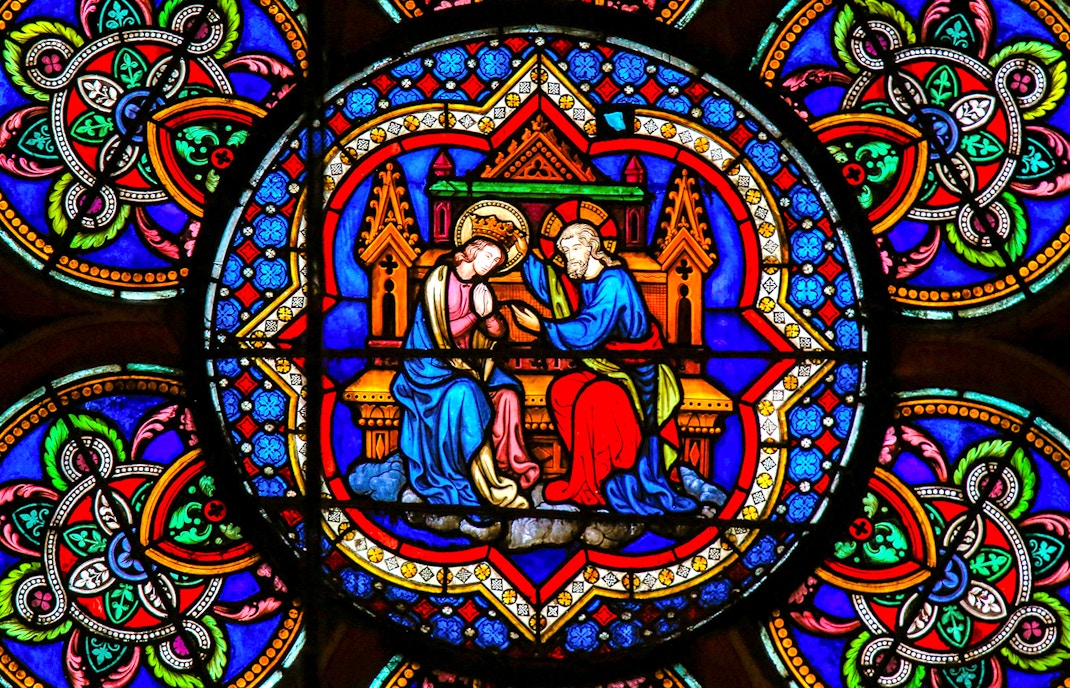
The Cathedral is renowned for its stunning stained-glass windows, especially the three large Rose Windows. These windows depict biblical scenes and are masterpieces of Gothic art, designed to fill the interior with colorful light and convey religious stories to the largely illiterate medieval population.
Notre-Dame has several chapels, each dedicated to different saints and important religious figures. The interior features candlesticks and candelabras that create a prayerful atmosphere, with candles lighting the space during religious ceremonies.
Yes, visitors can access the crypt of Notre-Dame, which houses archaeological exhibits and displays about the Cathedral’s history. The treasure of Notre-Dame, which includes sacred relics, religious garments, and other treasures, is typically on display but not always open to the public.
The fire in April 2019 severely damaged parts of the Cathedral, including its roof and spire. While the interior largely escaped destruction, the restoration process has been completed and key features have been restored, including the altar, organ, and paintings.
Yes, Notre-Dame had a labyrinth set into the floor of the nave until the 18th century. Pilgrims used it to simulate a journey to Jerusalem. Though it was removed during renovations, the tradition of labyrinths in cathedrals is part of its rich history.
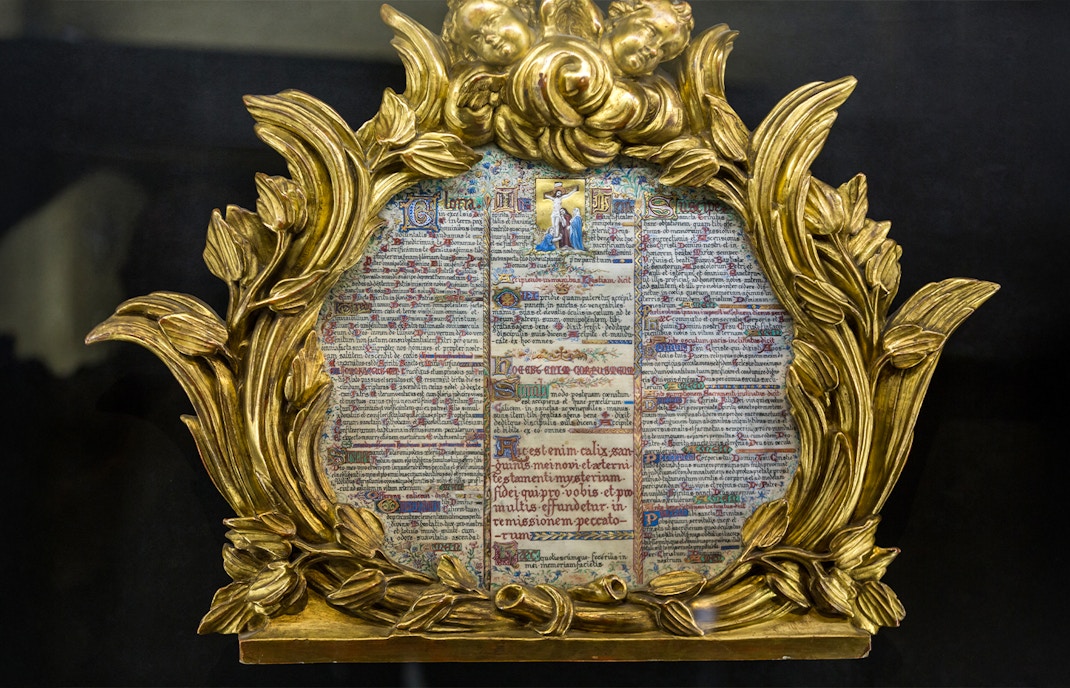
Yes, one of the most famous relics housed in Notre-Dame is the Crown of Thorns, which is said to have been worn by Jesus Christ during his crucifixion. It is an important object of veneration in the Cathedral.