Île de la Cité: Discover Parisian History, Iconic Landmarks, and Architecture

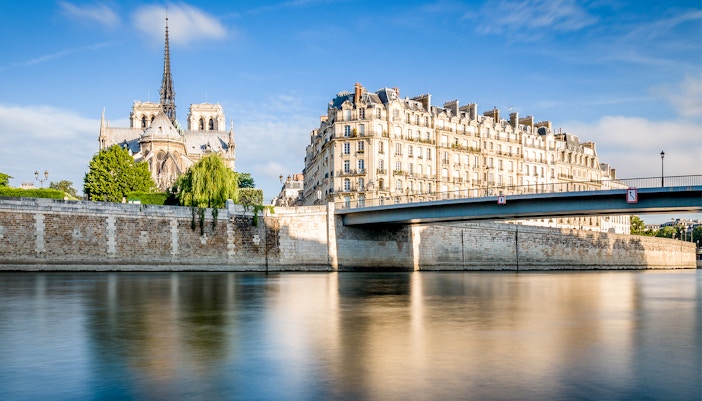
Île de la Cité is a small, historic island in the Seine River at the heart of Paris, often regarded as the city's birthplace. It is home to some of France's most iconic landmarks, including Notre-Dame Cathedral, the stunning Sainte-Chapelle, and the former royal palace turned prison, the Conciergerie. Connected to the rest of Paris by 9 bridges, including the Pont Neuf, the island blends monumental architecture, serene green spaces like Square du Vert-Galant, and centuries of history, making it a must-visit destination for any traveler.

Key details of Île de la Cité

  • Location: Île de la Cité is located in the center of Paris, in the 1st arrondissement. It is situated on the Seine River, about 1 kilometer from the Eiffel Tower.
  • Size: It covers approximately 22.5 hectares (about 56 acres).
  • Connected to Paris: The island is connected to the mainland by 9 bridges, the most famous of which is the Pont Neuf. These bridges link it to the Left and Right Banks of the Seine and its neighboring Île Saint-Louis.
  • Shape and size: The island is roughly oval in shape, with its widest point located near Notre-Dame Cathedral. It stretches approximately 850 meters (2,789 feet) in length and 200 meters (656 feet) in width.

What makes Île de la Cité a must-visit?

  • Île de la Cité is where Paris began as an ancient Roman settlement, giving visitors a chance to walk through the city’s origins.
  • From the medieval elegance of Notre-Dame to the Gothic brilliance of Sainte-Chapelle and the 17th-century Pont Neuf, the island is a treasure trove of architectural styles.
  • Its central location makes Île de la Cité an easy stop for anyone exploring Paris. The island is pedestrian-friendly, with narrow streets, open squares, and gardens such as the Marché aux Fleurs inviting leisurely exploration.
  • Île de la Cité is not just a relic of the past; it’s a living part of Paris. You’ll find bustling markets, cafes, such as Au Vieux Paris d'Arcole, and streets alive with locals and tourists alike.
  • Nestled in the Seine, the island offers postcard-perfect views of Paris’s iconic bridges, including the Pont Neuf, the oldest bridge in the city.
  • The island has inspired countless works of literature and art. Victor Hugo’s The Hunchback of Notre-Dame immortalized the area’s romance and mystery.

Architectural and urban layout

Eastern end (Notre-Dame)

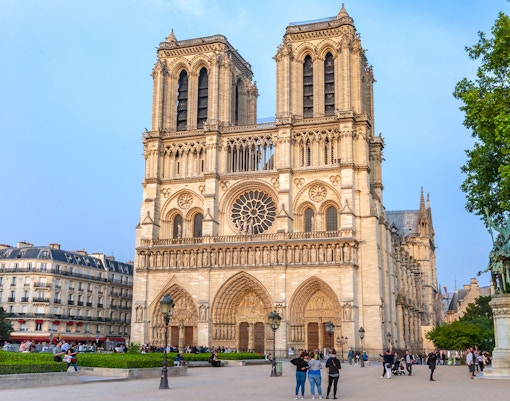
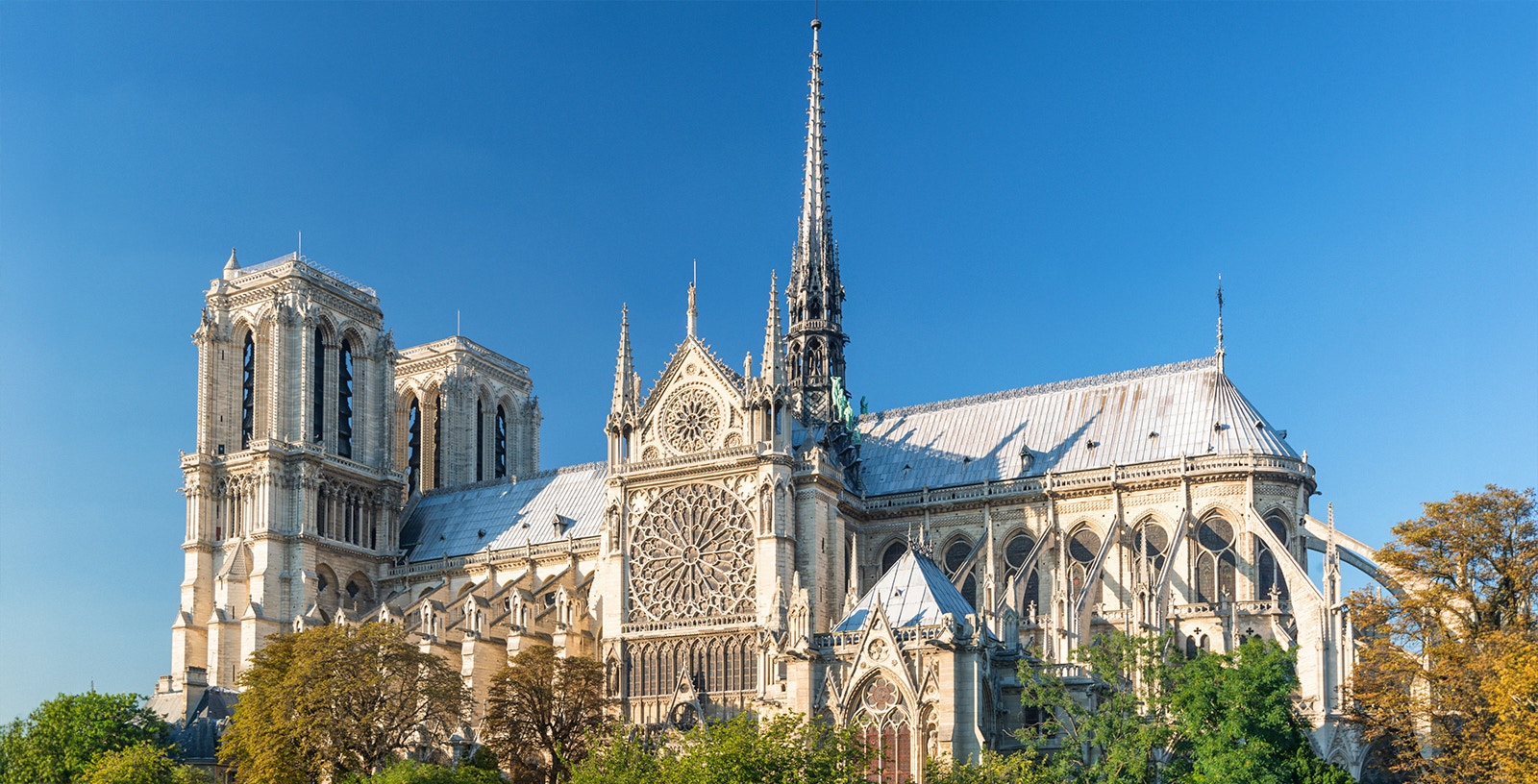
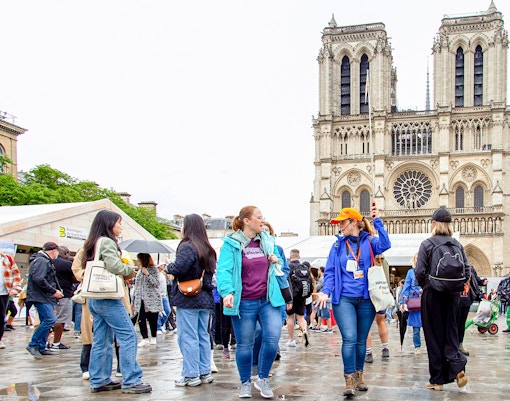
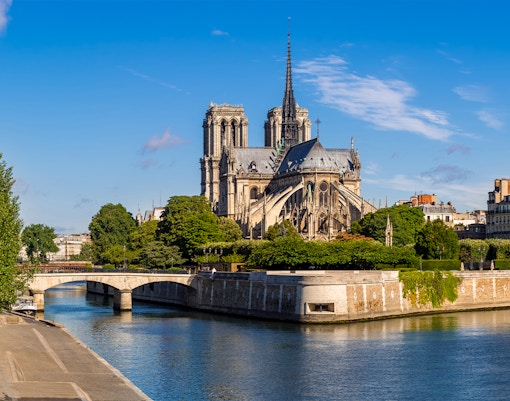
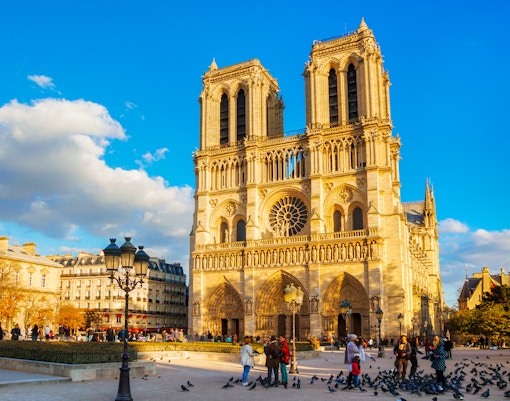
The eastern tip of the island is dominated by the massive and intricate structure of Notre-Dame Cathedral, which serves as the island's focal point. Surrounding the cathedral is the Parvis Notre-Dame, a large plaza offering stunning views.

All about the Notre-Dame Cathedral

Western tip (Pont Neuf and Square du Vert-Galant)
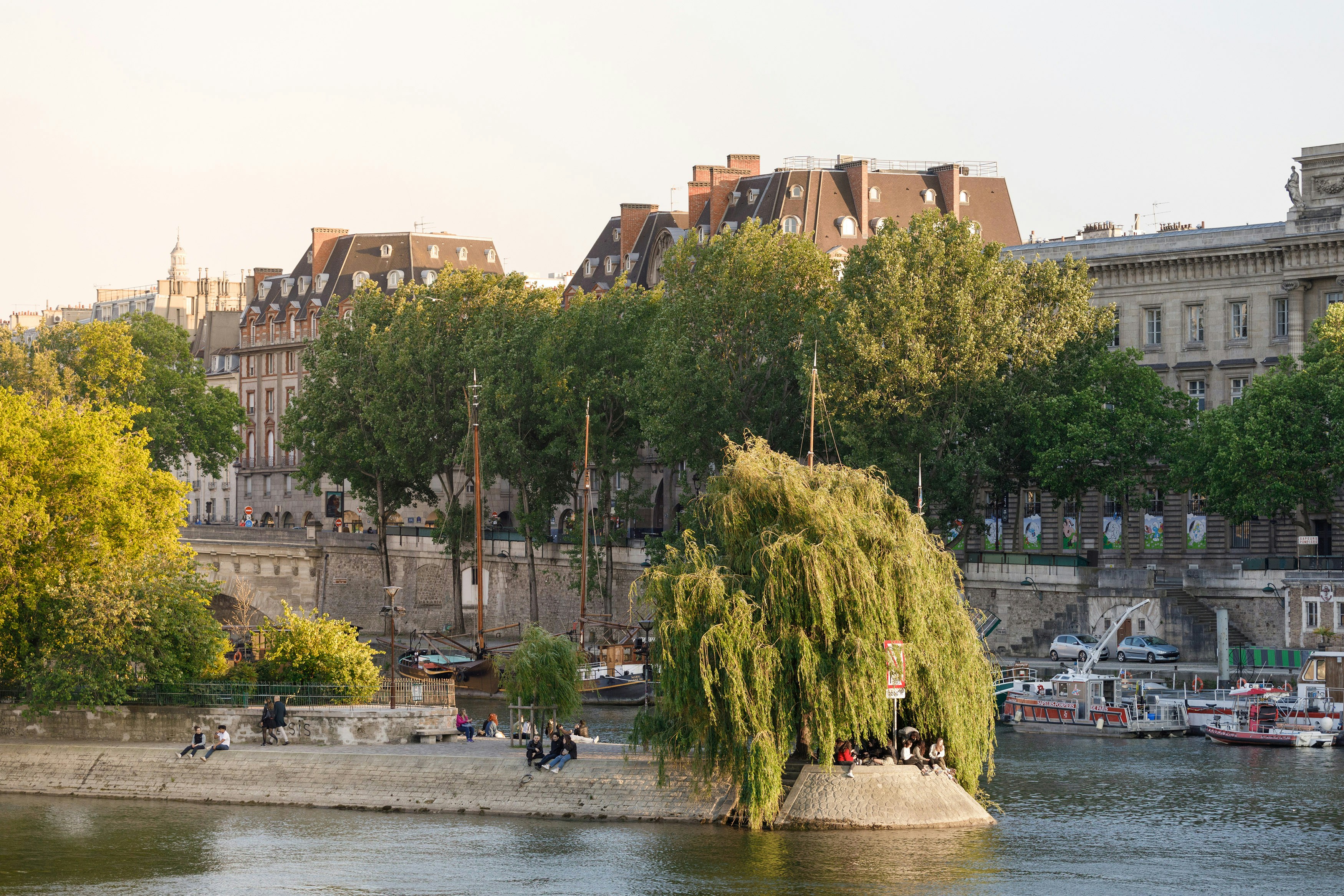
The western end is more open, with the Square du Vert-Galant, a triangular garden offering serene views of the Seine. Above this point lies Pont Neuf, a symbol of Parisian history and architecture.

Central zone
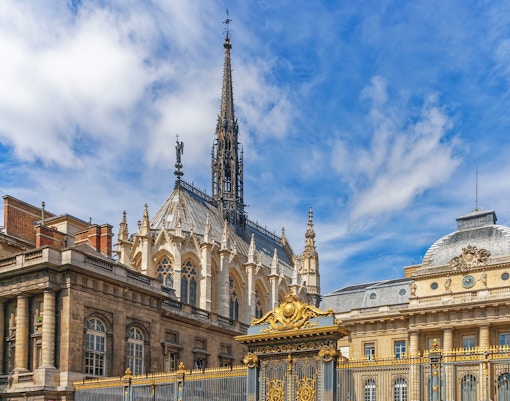
The Palais de Justice, Sainte-Chapelle, and Conciergerie dominate the central area, forming a historical and judicial complex. This part of the island is densely built, with large stone structures and courtyards.

Residential and market areas

Smaller streets and courtyards are scattered among the historic buildings, like the Flower and Bird Market, adding a quaint charm. Residential buildings are limited but blend seamlessly into the historic architecture.

The bridges of Île de la Cité

Pont Neuf (Western tip)

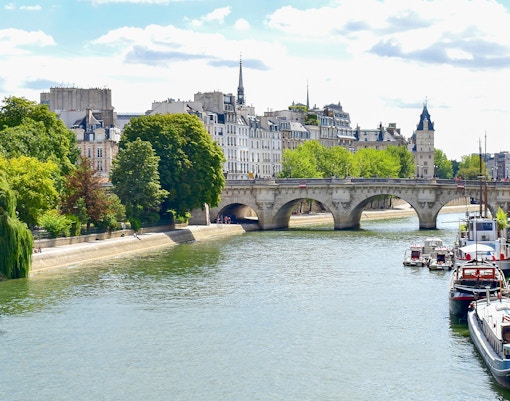
  • Meaning: "New Bridge," though it is the oldest standing bridge in Paris, completed in 1607.
  • Features:
  • Spans both sides of the island and offers a stunning view of the Seine.
  • Famous for its semi-circular niches and sculptures.
  • Includes access to the Square du Vert-Galant, a small park at the western tip of the island.

Pont Saint-Michel (Southwest)

  • Connects: Île de la Cité to the Left Bank (5th arrondissement).
  • Built: Originally in 1378, the current version dates to 1857.
  • Features:
  • Named after Saint Michael.
  • Leads directly to the Place Saint-Michel, a lively square.

Pont au Change (Northwest)

  • Connects: Île de la Cité to the Right Bank (1st arrondissement).
  • Built: 1860 during Napoleon III's reign.
  • Features:
  • Historically, money changers set up shops here, giving the bridge its name.
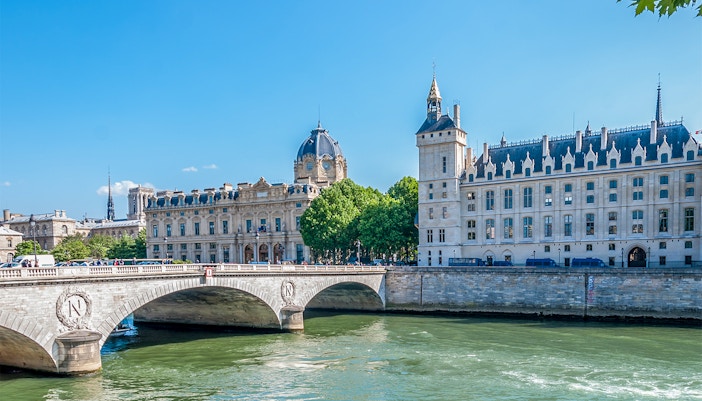
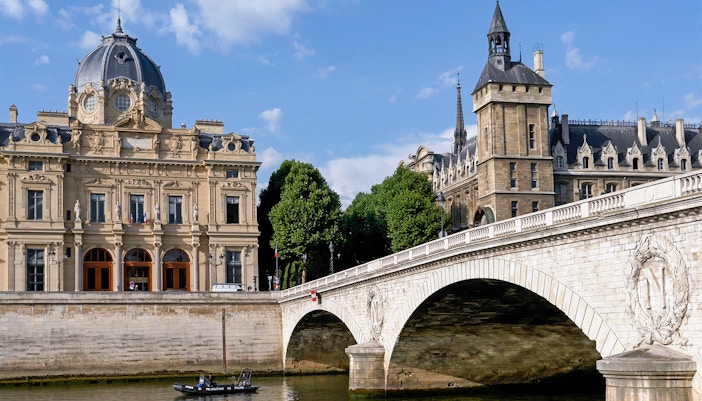
  • Offers direct access to the Conciergerie and Palais de Justice.

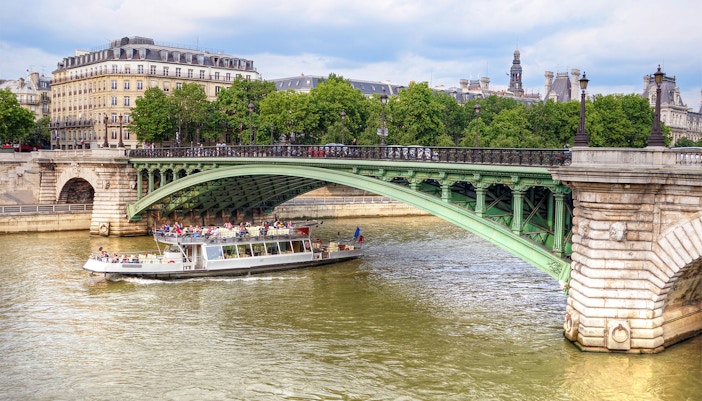
Pont Notre-Dame (North)

  • Connects: Île de la Cité to the Right Bank (4th arrondissement).
  • Built: The current bridge dates to 1919, though previous versions have existed since the Middle Ages.
  • Features:
  • Located near the Marché aux Fleurs (Flower Market).
  • Historically one of the busiest bridges in medieval Paris.

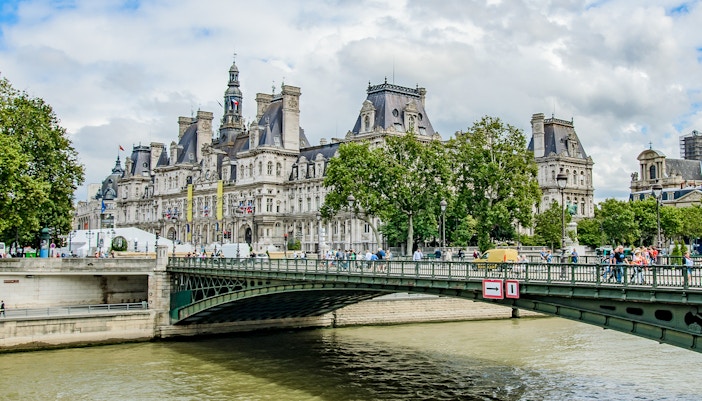
Pont d'Arcole (Northeast)

  • Connects: Île de la Cité to the Right Bank (4th arrondissement) near the Hôtel de Ville built in 1856.
  • Features:
  • Known for its elegant iron structure.
  • Named after the Battle of Arcole, where Napoleon Bonaparte fought in Italy.

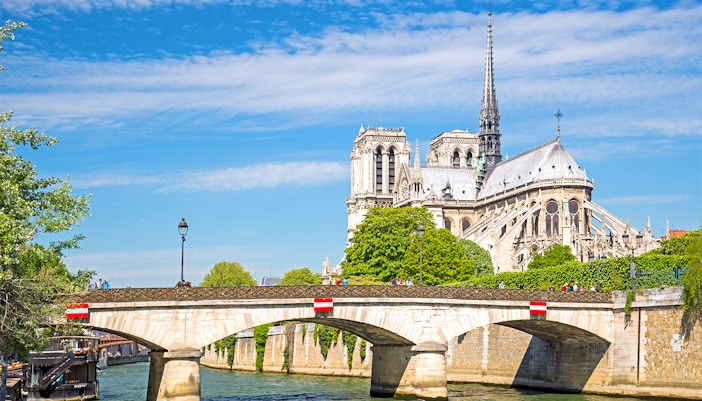
Pont de l’Archevêché (Southeast)

  • Connects: Île de la Cité to the Left Bank (5th arrondissement), built in 1828.
  • Features:
  • One of the narrowest bridges in Paris.
  • Known as a popular spot for love locks (though locks were removed in recent years to preserve the bridge).
  • Offers a fantastic view of Notre-Dame Cathedral.

Pont Saint-Louis (East)

  • Connects: Île de la Cité to Île Saint-Louis.
  • Built: The current pedestrian-only bridge was completed in 1970.
  • Features:
  • A peaceful spot for walking.
  • Often features street performers and musicians.

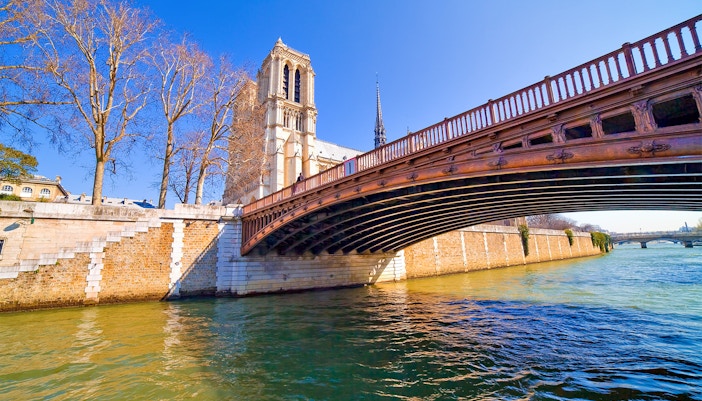
Pont au Double (South)

  • Connects: Île de la Cité to the Left Bank (5th arrondissement).
  • Built: The current iron bridge was constructed in 1883.
  • Features:
  • Originally built to transport patients to the Hôtel-Dieu hospital.
  • Offers stunning views of the Seine and Notre-Dame Cathedral.

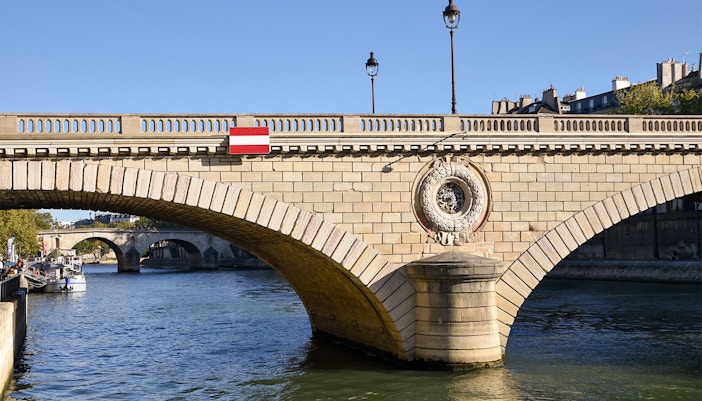
Pont Louis-Philippe (Northeast)

  • Connects: Île de la Cité to the Right Bank (4th arrondissement), built in 1862.
  • Features:
  • Named after King Louis-Philippe I.
  • Features beautiful lampposts and provides access to the quieter side of the island.

Key landmarks in Île de la Cité

Notre-Dame Cathedral
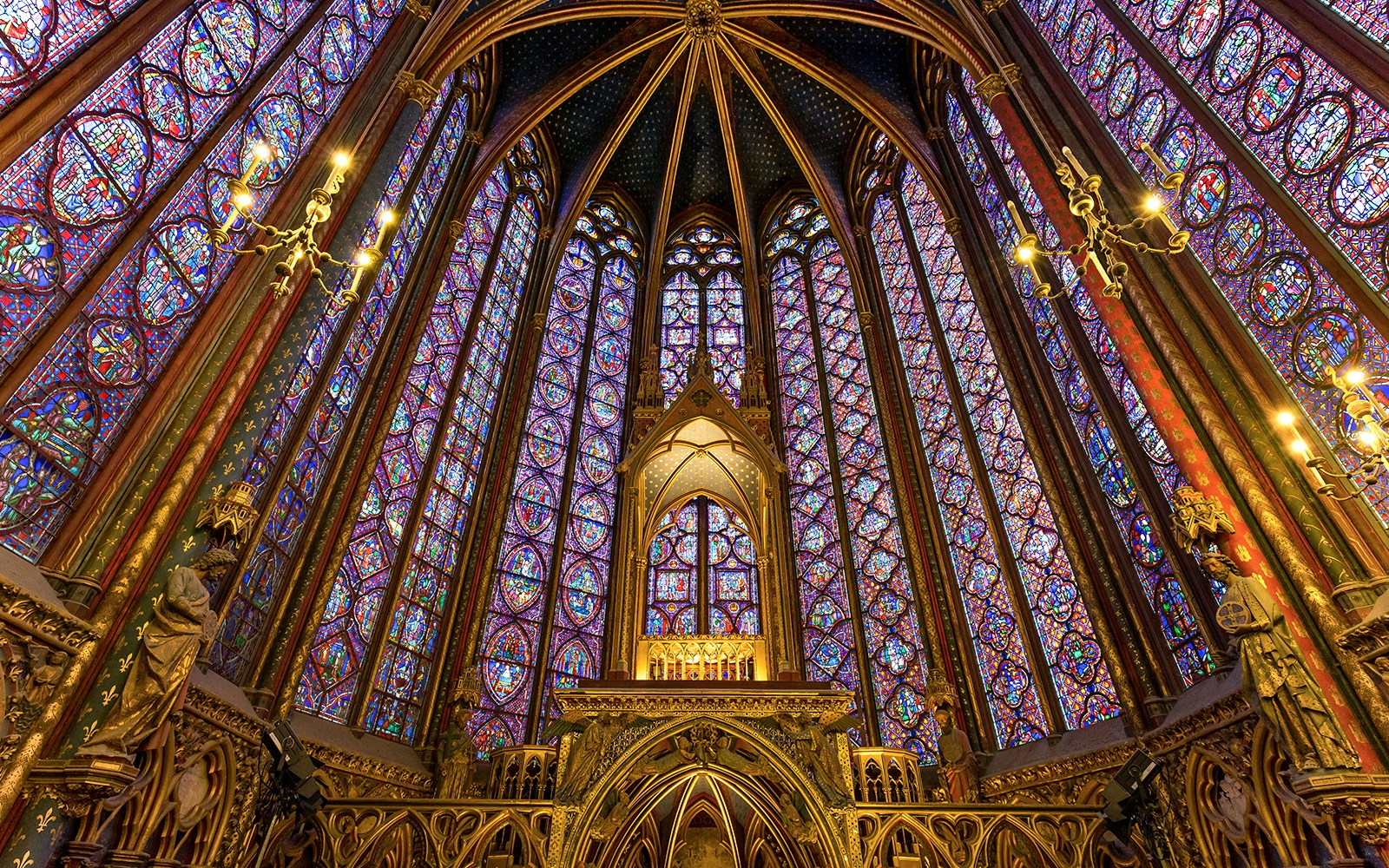
Stained glass windows inside Sainte Chapelle, Paris, showcasing biblical scenes.
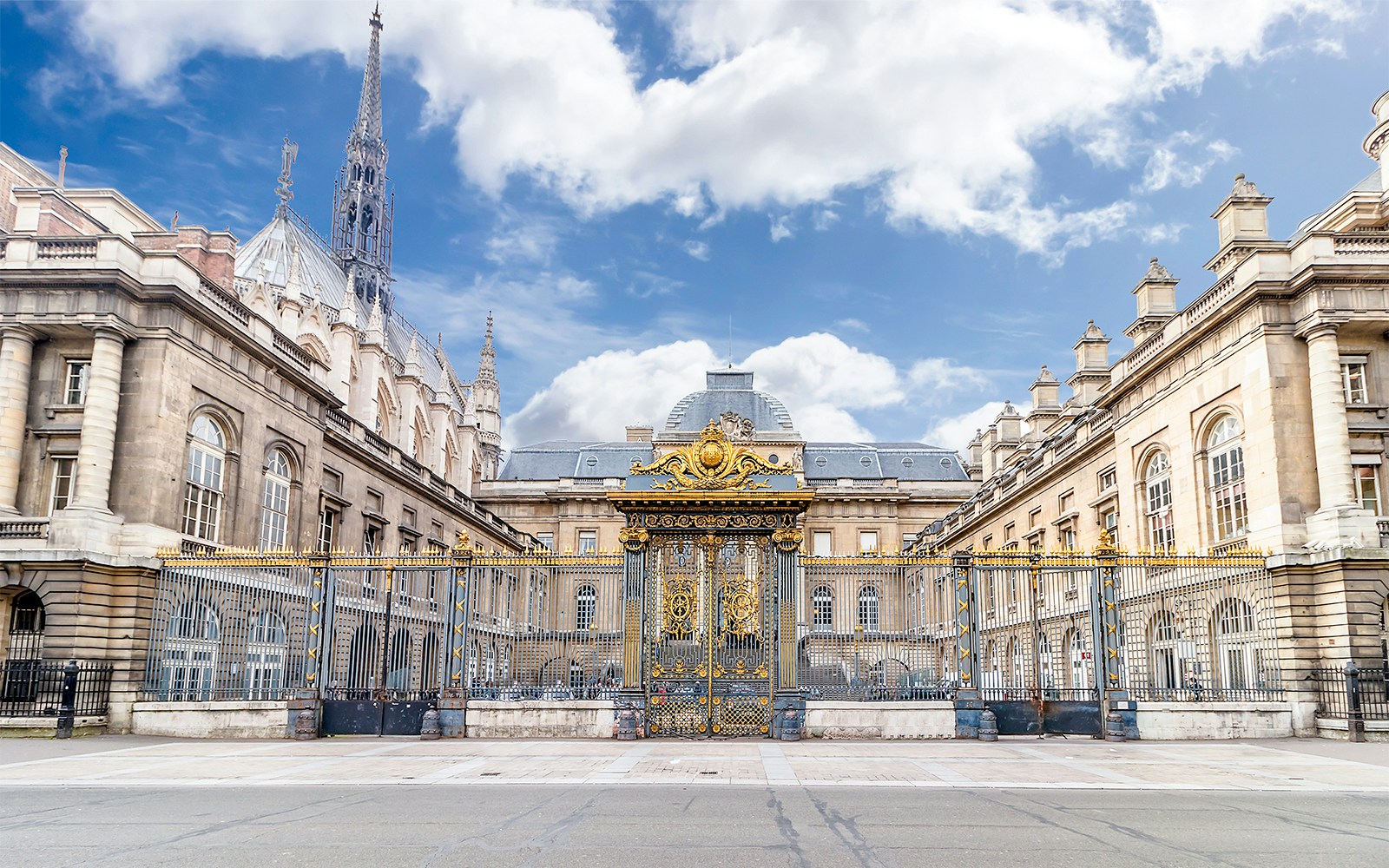
Palais de Justice Ile de la Cité facade with historic architecture in Paris, France.
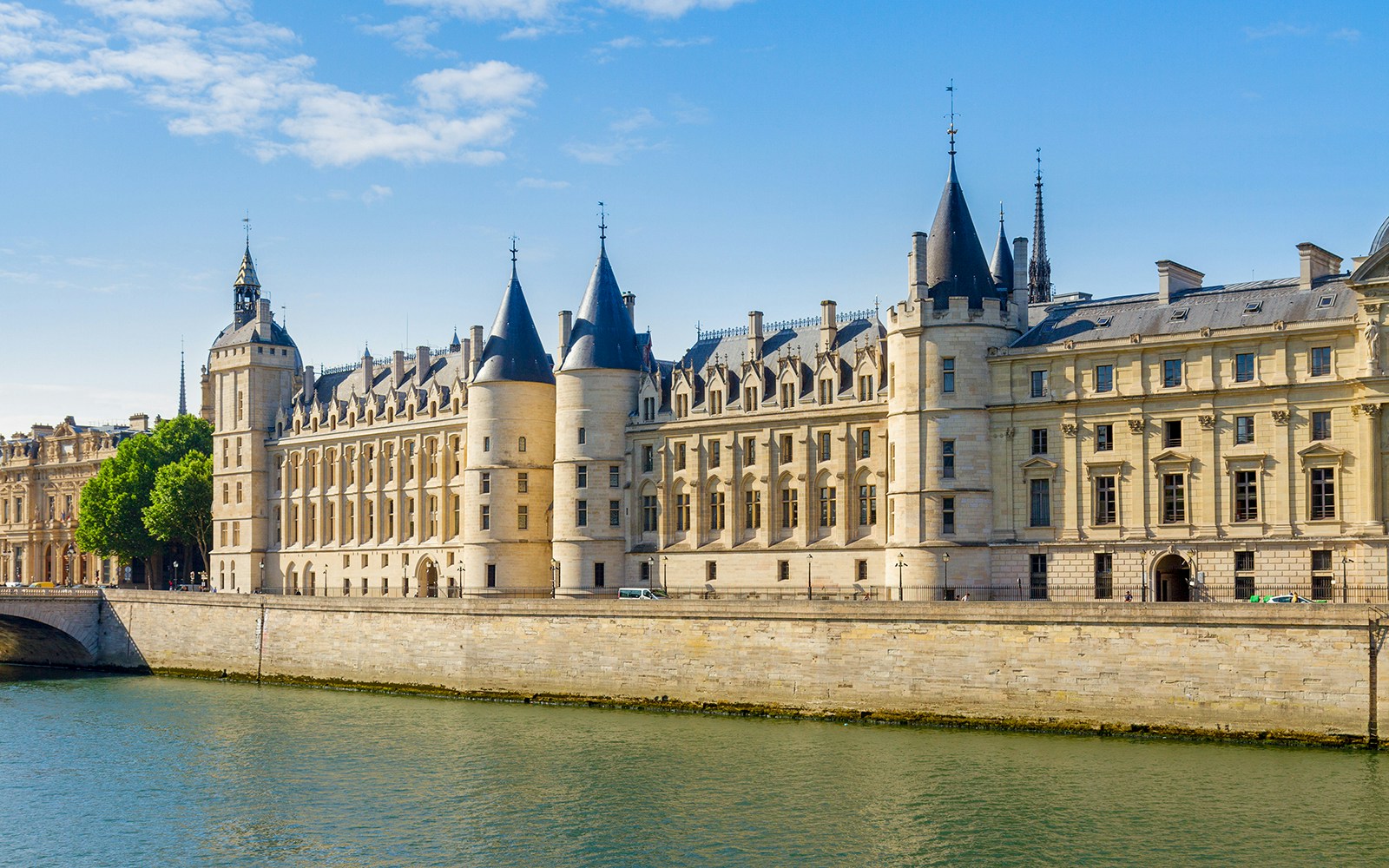
La Conciergerie in Paris with stained glass windows and Gothic architecture.
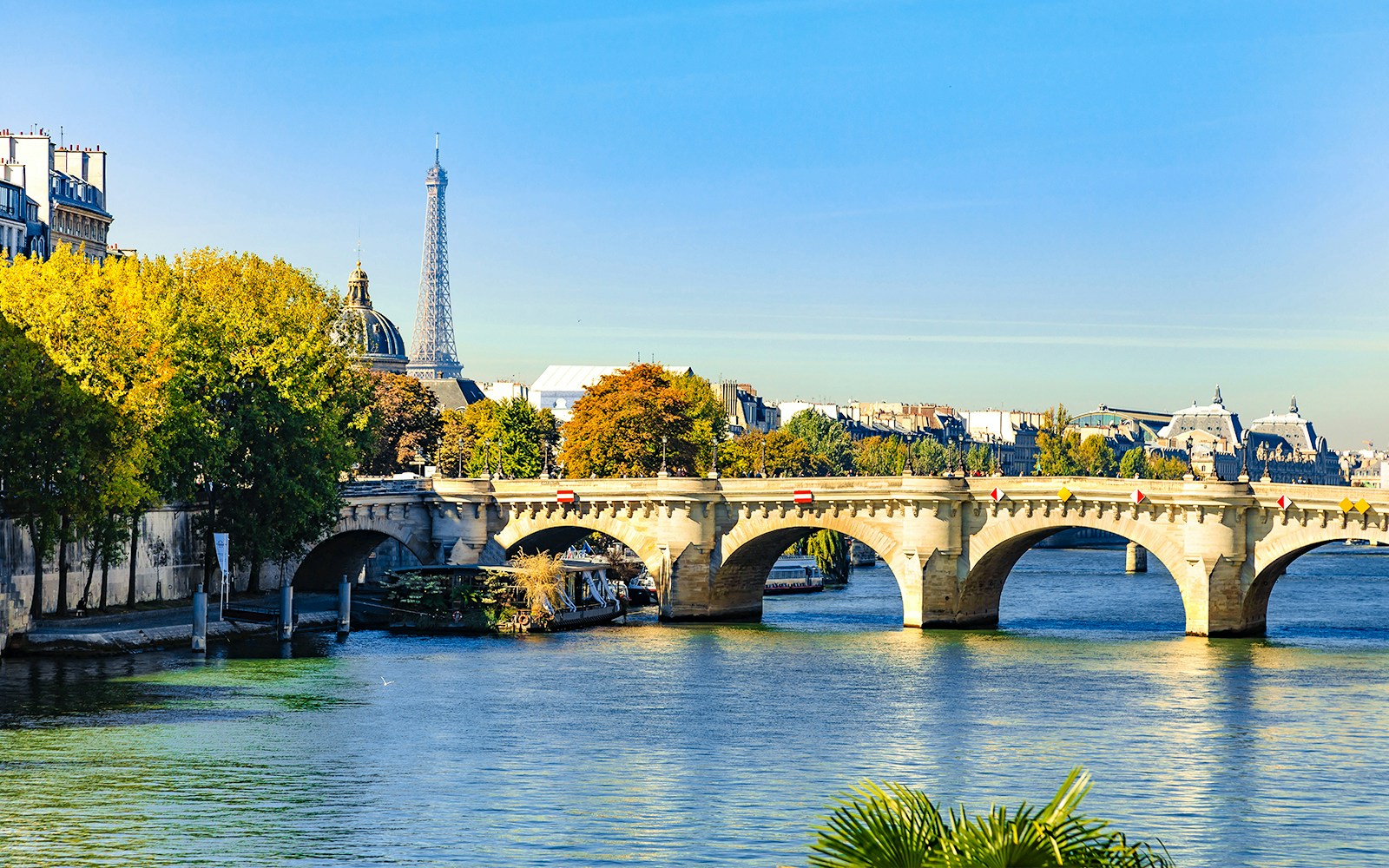
Pont Neuf bridge spanning the Seine River in Paris, France, with historic architecture.
Square du Vert-Galant Paris with Seine River view and lush greenery
1/6

Notre-Dame Cathedral

This iconic Gothic cathedral, one of the most famous churches in the world, is situated on the eastern side of Île de la Cité. It was built between the 12th and 14th centuries and is renowned for its architecture, stained-glass windows, and historical significance.

Read more

Sainte-Chapelle

This stunning Gothic chapel, built in the 13th century, is known for its magnificent stained glass windows depicting biblical stories. It was constructed by King Louis IX to house sacred relics, including Christ’s Crown of Thorns.

Read more

Palais de Justice (Palace of Justice)

The Palais de Justice, located near the west end of the island, houses the Court of Appeal and other judicial offices. It was originally a royal palace before being converted into a center of justice.

Conciergerie

A former royal palace that became a prison during the French Revolution, it is famous for housing Marie Antoinette before her execution. Visitors can tour the historic cells and learn about their revolutionary history.

Read more

Pont Neuf

The Pont Neuf, or "New Bridge," is the oldest standing bridge across the Seine. Completed in 1607, it connects Île de la Cité to the river’s right and left banks

Square du Vert-Galant

A small public garden located at the western tip of Île de la Cité. It offers views of the Seine and is named after Henry IV, known as the “Vert Galant” (Green Gallant).

How do I spend my time at Île de la Cité?

Although you may already be familiar with the Île de la Cité as the location of the Conciergerie, Sainte-Chapelle, and Notre Dame Cathedral, 3 magnificent and internationally renowned medieval works, it is also the birthplace of Paris and has many other fascinating sites for you to explore.

Admire the Seine River

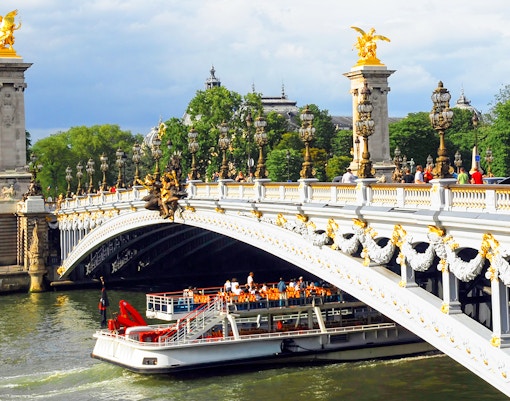
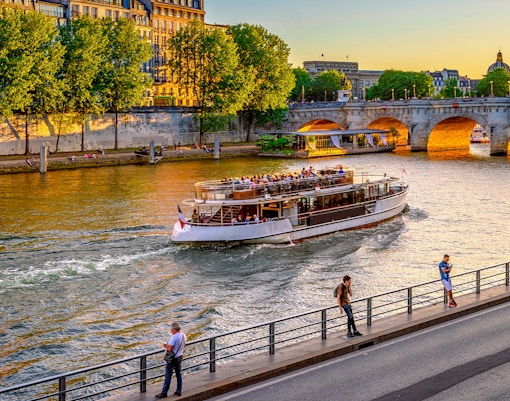
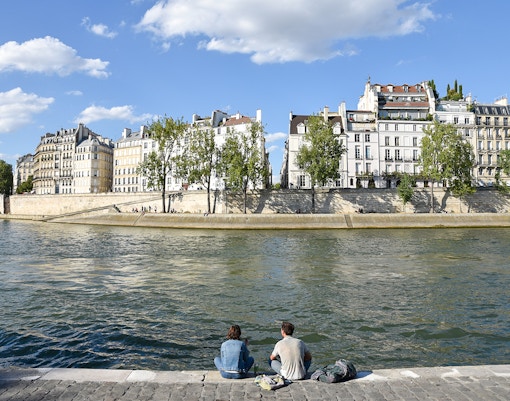
Walk along the island’s banks for picturesque views. Take a Seine River cruise that circles Île de la Cité for a unique perspective.

Book a cruise along the Seine River

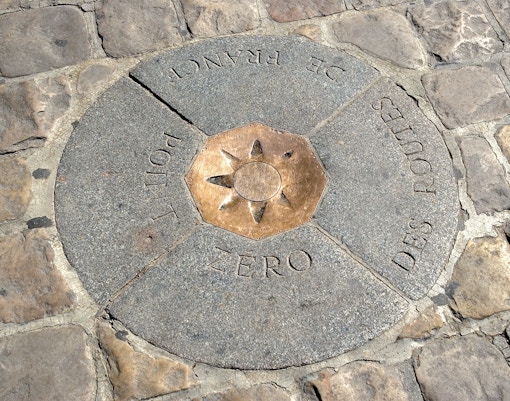
Find Point Zéro

Locate Point Zéro des Routes de France, a small bronze plaque near Notre-Dame. Legend says standing on it ensures you’ll return to Paris!

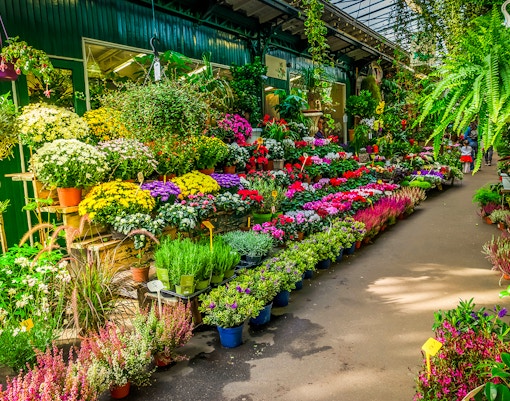
Explore the Flower and Bird Market

Visit the Marché aux Fleurs et Oiseaux, a charming market open daily. On Sundays, it transforms into a bird market with exotic species.

Enjoy local cafes and restaurants

Dine at cozy spots around Place Dauphine or enjoy riverside views at a bistro. Sample classic French cuisine or enjoy a coffee break while people-watching. You could embark on food tour to cover the culinary delights at Île de la Cité.

Take a guided tour

Join a walking tour to learn about the island’s fascinating history and architecture. Some tours combine Île de la Cité with neighboring Île Saint-Louis.

Photography opportunities

Capture iconic views of Notre-Dame, Sainte-Chapelle, and the Seine. Sunset from the Pont Neuf or Square du Vert-Galant is particularly photogenic.

Experience Île de la Cité at night

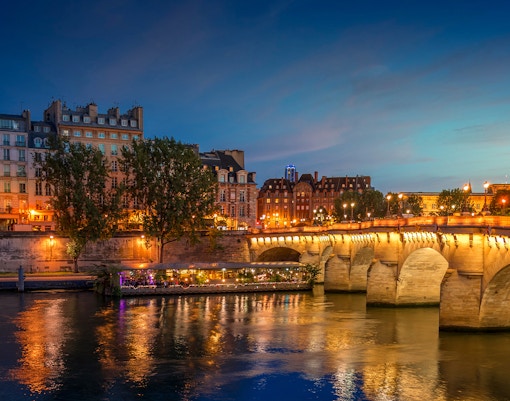
See the island’s landmarks beautifully illuminated after sunset. Enjoy a romantic stroll across the Pont Neuf or along the riverbanks. The surrounding waters of the Seine River mirror the city lights, creating a dazzling spectacle.

Combine with Île Saint-Louis

Walk over to the quieter neighboring island, Île Saint-Louis, for its charming streets, boutique shops, and famous Berthillon ice cream.

History of Île de la Cité

  • 3rd century BCE: Settled by the Parisii, a Celtic tribe, who used the island for trade and defense along the Seine.
  • 52 BCE: Conquered by the Romans, who renamed the settlement Lutetia. The island became an administrative and religious center.
  • 6th century CE:
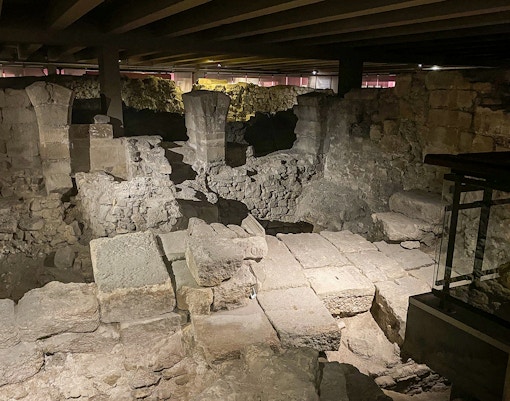
    The first Christian church, the Basilica of Saint-Etienne, was constructed on the site where Notre-Dame Cathedral stands today.
  • 10th–14th century: The island thrived as a political and religious hub. Notre-Dame Cathedral's construction began in 1163, and the Palais de la Cité served as the royal residence.
  • 14th century: The French monarchy relocated to the Louvre, and the island became a center of judicial power, housing the Conciergerie.
  • 18th century: During the French Revolution, the Conciergerie was used as a prison, most notably holding Queen Marie Antoinette before her execution.
  • 19th century: Notre-Dame and other historical structures underwent a major restoration, emphasizing the island’s cultural heritage.

Île de la Cité  today

Today, Île de la Cité is a mixed-use area, with some residents living on the island, but it is also a major tourist destination. The island attracts millions of visitors each year, especially to see its historical landmarks like Notre-Dame, Sainte-Chapelle, and the Conciergerie. Île de la Cité has inspired numerous works of art, literature, and film, most notably Victor Hugo's "The Hunchback of Notre-Dame", which was set in the cathedral.

Frequently asked questions about Île de la Cité

You could reach by metro. The closest stations are Cité (Line 4) and Saint-Michel Notre-Dame (RER B and C).

More reads

About page

Book Now

History

Book Now

Plan your visit

Book Now