Plan your visit to Zoo de Vincennes
Zoo de Vincennes, officially the Parc zoologique de Paris, is a large east-Paris zoo best known for its five biozones, the 65m Grand Rocher, and a long 4km walking circuit. This is not a quick city stop: it works best as a half-day outdoor visit, and your experience depends as much on pace, weather, and animal visibility as on the ticket you buy. The biggest difference between a rushed visit and a satisfying one is saving time and energy for the vivarium and tropical greenhouse. This guide covers the route, timings, entrances, and the smartest way to plan your day.
Quick overview: Zoo de Vincennes at a glance
The right plan here matters more than chasing a fancier ticket.
- When to visit: Through August 31, the zoo is open daily 9:30am–7:30pm; from September 1–October 11, weekdays run 9:30am–6pm and weekends 9:30am–7:30pm; from October 12–January 3, it runs daily 10am–5pm, and winter weekdays or summer evening sessions feel noticeably calmer than summer weekends because the long single circuit bottlenecks around the Africa zone and greenhouse.
- Getting in: Booking ahead matters most for summer and limited-capacity evening sessions, while quieter winter days are more about locking in your plan than beating a dramatic line.
- How long to allow: 3–4 hours works for most visitors, and families, photo stops, or patient animal-watching can easily stretch that into half a day.
- What most people miss: The vivarium under the Grand Rocher and the Amazonia-Guyana greenhouse are the sections that make the zoo feel richer than a standard animal checklist.
- Is a guide worth it?: Usually no, because this visit is more about smart pacing than dense interpretation, and a downloaded map helps more than paying extra for vague 'skip-the-line' language.
Jump to what you need
🕒 Where and when to go
🗓️ How much time do you need?
🗺️ Getting around
🦒 Which animals to prioritise
♿ Facilities and accessibility
Where and when to go
How do you get to Zoo de Vincennes?
Zoo de Vincennes sits on the Bois de Vincennes side of the 12th arrondissement, east of central Paris, with Porte Doree as the easiest public-transport approach.
Crossroads of Avenue Daumesnil and Route de Ceinture du Lac, 75012 Paris
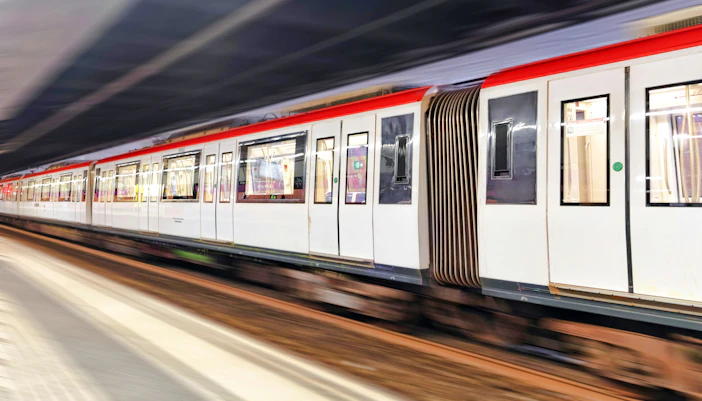
- Metro: Porte Doree (Line 8) → under 10 min walk → the simplest approach if you want the shortest walk to the entrance.
- Metro: Saint-Mande (Line 1) → about 15 min walk → useful if Line 1 suits your day better than changing lines.
- Metro/bus: Chateau de Vincennes (Line 1) + Bus 46 → lower-walk option → handy if you want to stay on Line 1 and cut the final approach.
- Bus: Parc zoologique stop (lines 46, 86, and 325) → near the entrance → the least fussy option if your route naturally connects here.
- Tram: Porte Doree (T3) → short walk → good if you are already moving along the tram corridor.
- Taxi/rideshare: Main entrance drop-off → immediate access → easiest with children or anyone limiting extra walking.
Which entrance should you use?
The zoo has 1 official entrance, and the main mistake is arriving too late and losing a big chunk of a visit that already needs several hours.
- Main entrance: Located at the Avenue Daumesnil/Route de Ceinture du Lac crossroads. This is the only official entrance, and it feels most pressured close to the 1-hour-before-closing cutoff.
When is Zoo de Vincennes open?
- Until August 31: 9:30am–7:30pm daily
- September 1–October 11: 9:30am–6pm Monday–Friday
- September 1–October 11: 9:30am–7:30pm Saturday–Sunday
- October 12–January 3: 10am–5pm daily
- November 3: Closed
- Last entry: 1 hour before closing
When is it busiest: Summer weekends, and especially late morning to mid-afternoon, feel fullest because families spread through the long loop and the Africa zone absorbs the earliest rush.
When should you actually go: Winter weekdays are the easiest daytime window, and if summer nocturnes are running they are often the smarter choice because the route feels cooler, quieter, and less child-heavy.
How much time do you need?
| Visit type | Route | Duration | Walking distance | What you get |
|---|---|---|---|---|
Highlights only | Entrance → Africa zone → Grand Rocher/Vivarium → Amazonia-Guyana greenhouse → exit | 2–2.5 hrs | 3km | You cover the zoo's strongest contrasts and biggest crowd-pleasers, but Patagonia, longer animal-watching stops, and a proper Madagascar finish usually get cut short. |
Balanced visit | Entrance → Patagonia → Africa → Europe/Vivarium → Amazonia-Guyana → Madagascar | 3–4 hrs | 4km | This is the best fit for most visitors because you complete the full circuit without turning the day into an endurance test, and you still have time for photos and 1 real pause. |
Full exploration | Full circuit + longer stops in Africa, the vivarium, the greenhouse, picnic/lunch break, and repeat viewing where animals are active | 4+ hrs | 4km+ | This is the most rewarding version if you like patient animal-spotting and habitat design, but it needs stamina and you will feel the distance by the final Madagascar stretch. |
How do you get around Zoo de Vincennes?
How is the park laid out?
Zoo de Vincennes is spread across 5 biozones, and most visitors need about 2–2.5 hours for highlights or 3–4 hours for a full satisfying circuit. The flow works best when you do not burn all your time in the Africa zone just because it delivers the earliest big-animal payoff.
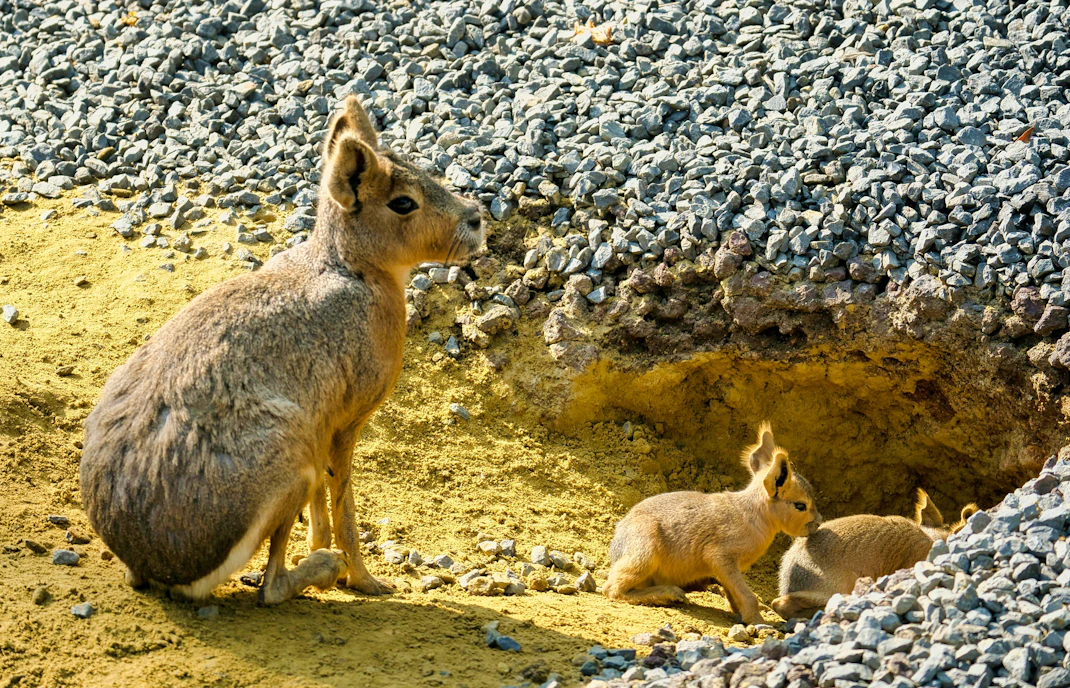
- Patagonia: Open-air warm-up zone with broad habitat viewing → budget about 15–25 min.
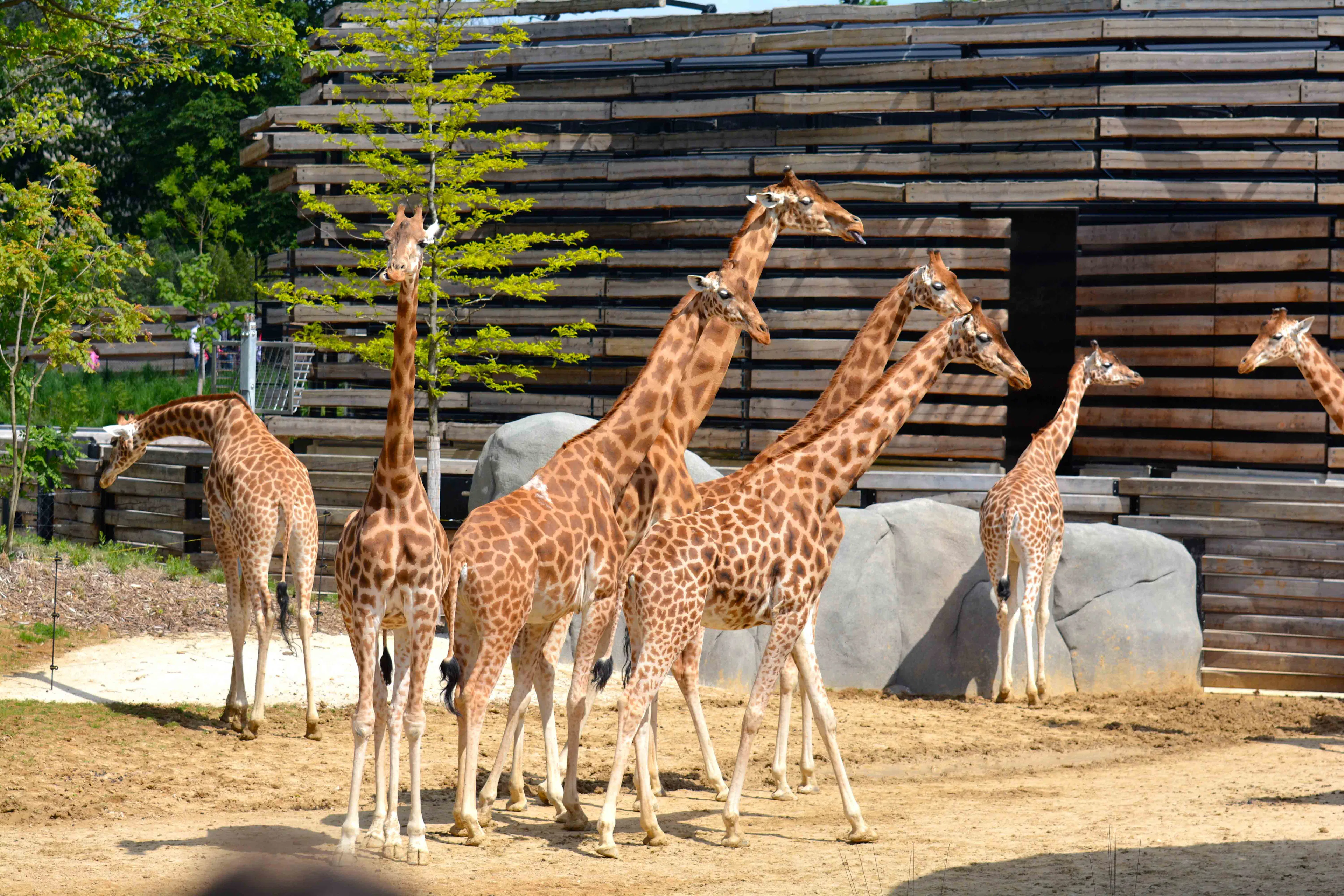
- Africa / Sahel-Sudan: The strongest first-time crowd-pleaser with giraffes and other large mammals → budget about 30–50 min.
- Europe / Vivarium: Transition zone with the vivarium under the Grand Rocher → budget about 25–40 min.
- Amazonia-Guyana: Tropical greenhouse and one of the biggest environmental shifts in the visit → budget about 25–40 min.
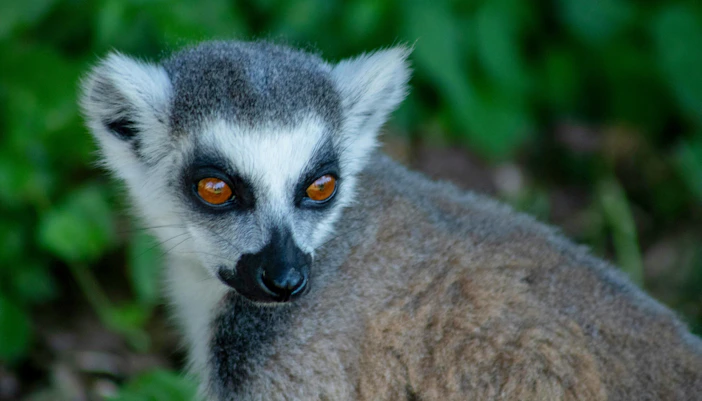
- Madagascar: Distinctive final zone with lemurs and a different mood from the earlier route → budget about 20–35 min.
Suggested route: Follow the official circuit, but save time for the vivarium and greenhouse for more variety.
Maps and navigation tools
- Map: Downloadable/on-site zoo map → covers the 5 biozones and main visitor route → save it before you arrive.
- Signage: Good enough for staying on the main loop, but not always great for efficient prioritising once you start cutting or shortening the route.
- Keep the map handy: You won’t need GPS, but a saved screenshot of the map can help you navigate the later sections.
💡 Pro tip: Download the map before you enter and treat the vivarium plus greenhouse as protected stops, because they are the 2 sections most often rushed once legs get tired.
Which animals and habitats should you prioritise?
Africa / Sahel-Sudan zone
Habitat: African savannah-style biozone
This is the zoo's clearest first-time payoff and the section that most quickly feels like a big-format animal park rather than a compact city zoo. It is where many visitors get their strongest early sightings, especially of giraffes, and it sets the emotional tone for the rest of the route. What people miss is the pacing problem: if you linger too long here, the later vivarium and greenhouse sections get rushed.
Where to find it: Early in the main circuit, after Patagonia
Giraffes
Species: Giraffes
Giraffes are the single most consistently singled-out highlight in visitor feedback, and for families they are often the animal that makes the visit feel worth the trip east. Because their habitat is large, the best payoff comes from slowing down instead of taking a quick look and moving on. What many visitors miss is that these are not just a photo stop — they are the zoo's most dependable emotional anchor.
Where to find it: Within the Africa / Sahel-Sudan zone, early-to-mid visit
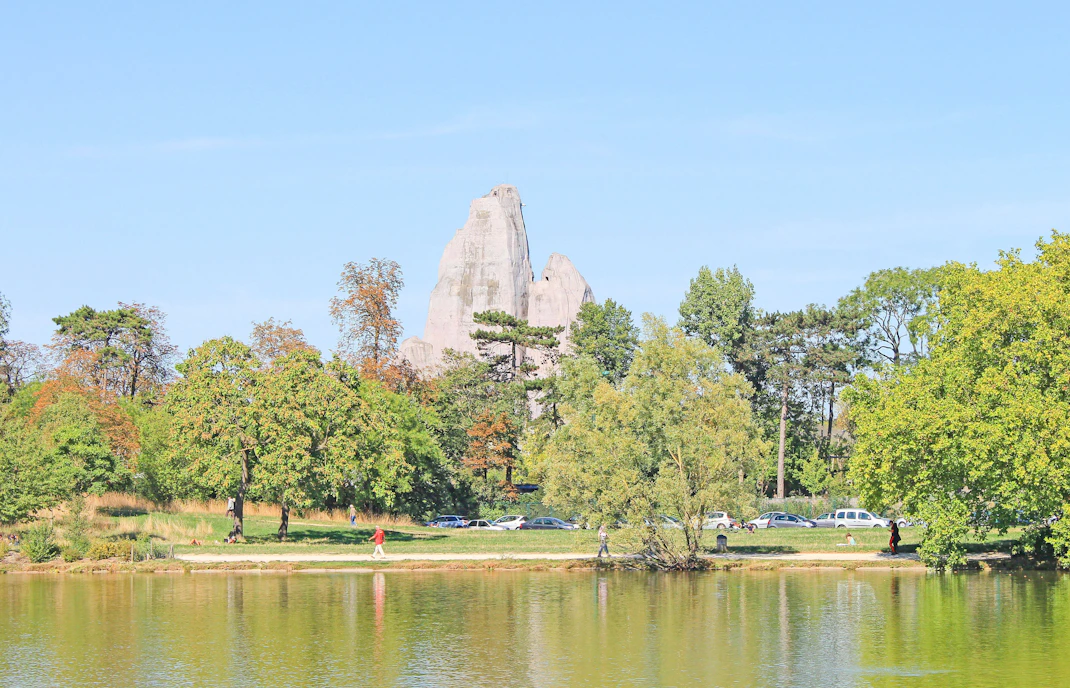
Grand Rocher
Attribute: Landmark structure
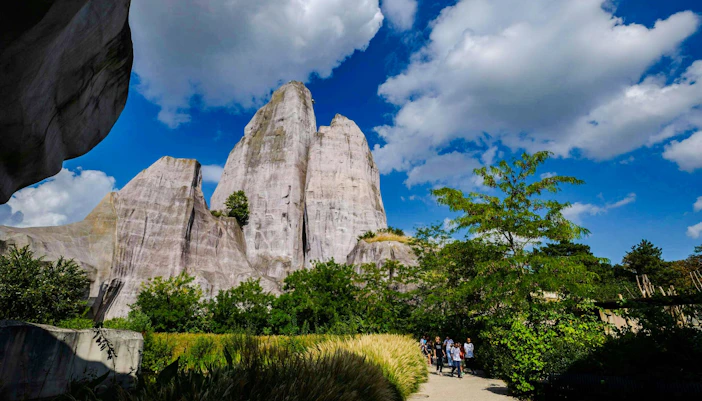
The 65 m Grand Rocher is the visual symbol of Zoo de Vincennes, and it does more than give the zoo its skyline. It is the point where the visit shifts from open-air habitat viewing into one of the strongest indoor contrasts on the route. Many visitors photograph the rock and keep walking, missing that the real payoff sits directly underneath it.
Where to find it: Central landmark visible across the park
Vivarium under the Grand Rocher
Habitat: Reptiles, amphibians, and invertebrates
The vivarium is one of the smartest sections to prioritise because it resets the visit after long outdoor walking and gives you a different kind of animal visibility from the large open paddocks. It is also one of the few spaces the operator itself frames as a must-stop. What many people rush past is exactly why it works: it delivers close-up detail when other animals may be far back in their habitats.
Where to find it: Beneath the Grand Rocher, in the Europe sequence
Amazonia-Guyana greenhouse
Habitat: Tropical greenhouse
This 4,000 m² greenhouse is one of the biggest spatial payoffs in the entire zoo, and it often rescues the visit for people who expected more constant animal closeness outdoors. The value here is not only species-spotting but the sudden shift in atmosphere, vegetation, humidity, and scale. What many visitors underplay is that it works best when you give it real time rather than treating it as a passage to the end.
Where to find it: Later-middle section of the main route, after Europe/Vivarium
Madagascar zone
Habitat: Lemur- and bird-focused island ecosystem
Madagascar gives the zoo a strong finish, especially if you still have energy left for the last stretch. The species mix feels different from the earlier mammal-heavy sections, and that contrast is exactly what makes the end of the route rewarding. What many visitors miss is not the zone itself but the timing: tired legs make this the easiest major section to hurry through.
Where to find it: Final phase of the main circuit
The sections most often short-changed are the vivarium, the greenhouse, and Madagascar, because the early Africa zone absorbs attention and the 4km route catches up with people late.
Facilities and accessibility
- 🍽️ Food and drink: Choose from 2 restaurants and seasonal kiosks for a convenient meal or snack during your visit.
- 🧺 Picnic areas: Take a break at 2 picnic areas with tables, benches, parasols, and water fountains—handy on a visit that can last 3+ hours.
- 💧 Water fountains: Refill your bottle at the picnic areas before continuing around the rest of the circuit.
- 🦽 Wheelchair loan: Wheelchairs are available to borrow by leaving an identity document as a deposit.
- 🌿 Rest breaks: Use the picnic areas and indoor sections as natural stops to break up the longer outdoor circuit.
- 🎟️ Family tickets: Children under 3 enter free with a ticket, while the family pass offers savings for 2 adults and 2 children.
- ♿ Mobility: The zoo is wheelchair accessible and carries the Tourisme & Handicap label, but the ~4 km outdoor circuit can still involve considerable walking.
- 🦽 Wheelchair support: Wheelchairs are available to borrow, which can make navigating the longer circuit more manageable.
- 👁️ Visual impairments: Dedicated low-vision visitor aids are not specified in the available accessibility information.
- 👂 Hearing support: Sign-language or lip-reading guided visits are not listed as standard visitor services in the available information.
- 🧠 Cognitive and sensory needs: Quieter visiting periods can make the open-air circuit easier to navigate if you prefer fewer crowds and less noise.
- 👨👩👧 Families and strollers: The outdoor paths accommodate strollers, but plan for breaks when completing the full circuit.
- 👨👩👧 Age fit: Best for kids who enjoy spotting animals, exploring outdoors, and taking the visit at a relaxed pace.
- 🕐 Time: Allow around 3 hours with children, focusing on key zones and including at least one proper break.
- 🏠 Facilities: Use the 2 picnic areas with tables, benches, parasols, and water fountains for an easy mid-visit break.
- 💡 Keep kids engaged: Save the vivarium and greenhouse for later in the route to break up the longer stretches of outdoor animal viewing.
- 🎒 Plan ahead: Bring snacks and a refillable bottle, and leave enough time to explore without rushing the long circuit.
- 📍 After your visit: Head to nearby Bois de Vincennes for more outdoor time without adding another ticketed attraction.
Rules and restrictions

What you need to know before you go
- Entry time: Arrive with enough time to explore, as last admission is 1 hour before closing.
- Travel light: Keep bags manageable for the 4km outdoor circuit.
- Re-entry: Re-entry is not allowed once you leave, so plan your breaks within the zoo.
Not allowed
- 🚫 Late entry: Admission closes 1 hour before the zoo’s closing time.
- 🚫 Re-entry: Once you exit the zoo, you cannot return using the same ticket.
- 🚫 Summer evening tickets: Seasonal evening tickets are valid only for the specified date and time slot.
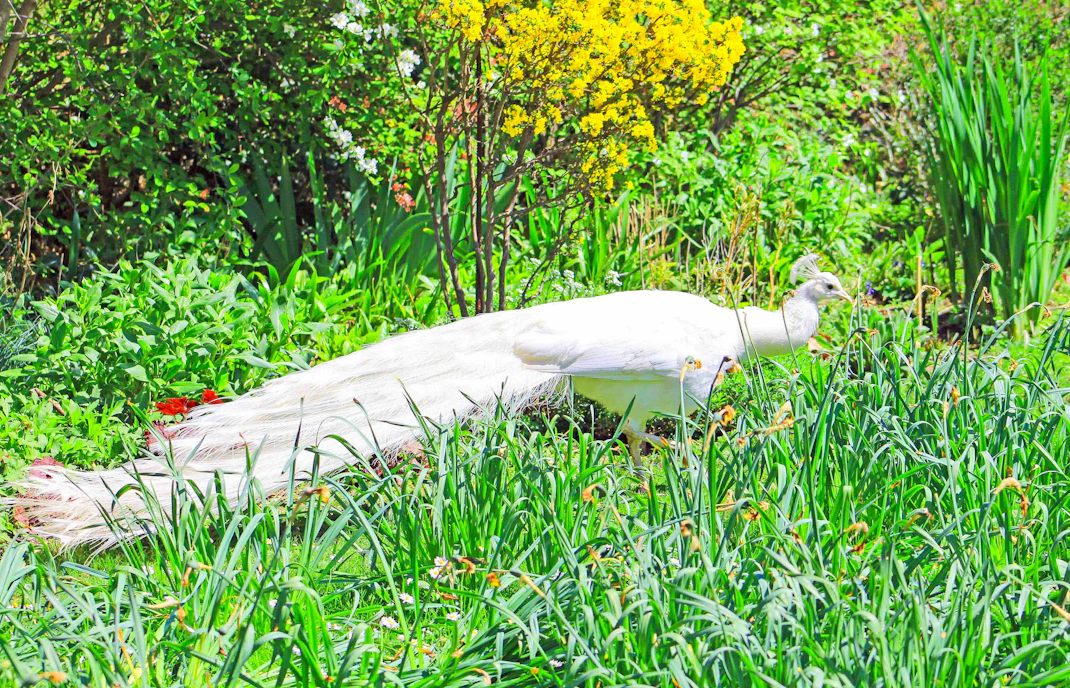
Photography
The zoo offers plenty of opportunities for animal photography, but sightings depend on where the animals are within their habitats. Take your time at larger enclosures, and look out for closer viewing opportunities in the greenhouse and vivarium.
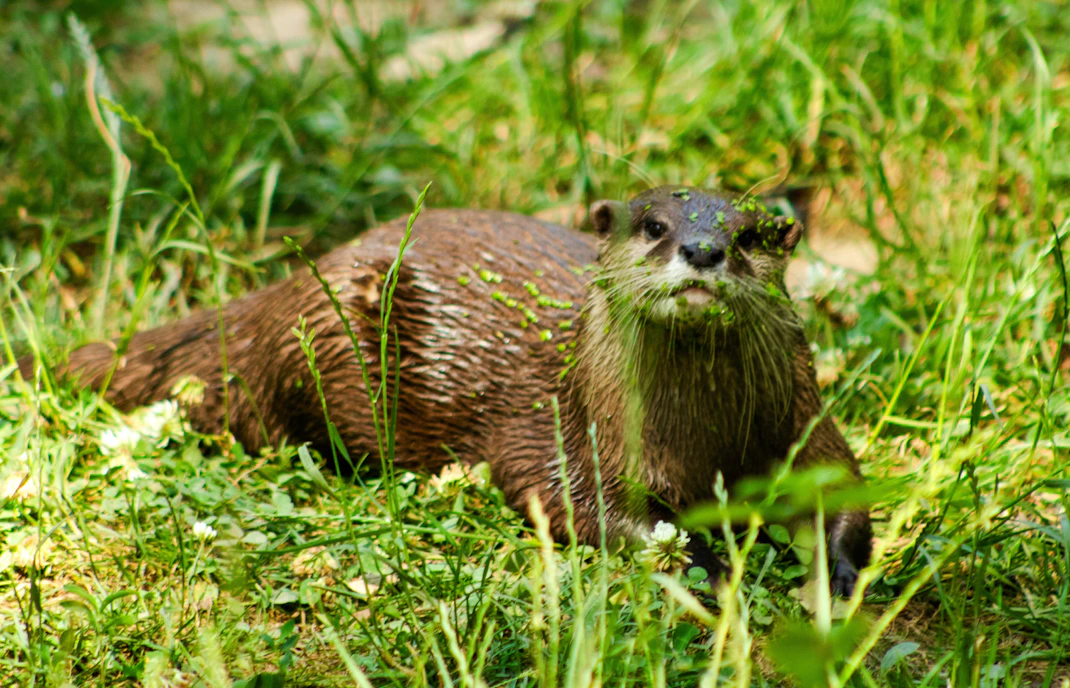
Good to know
- Seasonal evenings: Summer evening sessions, when available, have their own timings and ticket conditions.
- Plan enough time: The full circuit is around 4km, so factor in time for animal viewing and breaks rather than rushing through the route.
Practical tips
- Booking and arrival: Book ahead if you want a summer nocturne or a busy warm-weather date, but for normal daytime entry the bigger win is arriving near opening, not gambling on the last admission window 1 hour before closing.
- Pacing: Do not treat the Africa zone as the whole visit, because the sections that often lift the day most are the vivarium under the Grand Rocher and the Amazonia-Guyana greenhouse later on.
- Crowd management: Winter weekdays are the calmest daytime bet, while summer evening sessions are the smarter warm-weather play because visitor feedback is notably better when the route feels cooler and less full.
- What to bring or leave behind: Bring a refillable bottle and keep your bag small, because you are committing to a long outdoor loop and extra weight feels increasingly annoying by Madagascar.
- Food and drink: If budget matters, plan around the picnic areas instead of relying on lunch inside, because reviews are repeatedly tougher on food value than on the zoo itself.
- Families: The family pass helps on price, but it does nothing for fatigue, so build in 1 real stop rather than assuming children will power through 4 km on animal excitement alone.
- Photos: The best animal shots here come from patience rather than sprinting from sign to sign, so slow down when you find an active enclosure instead of assuming the next one will be better.
What else is worth visiting nearby?
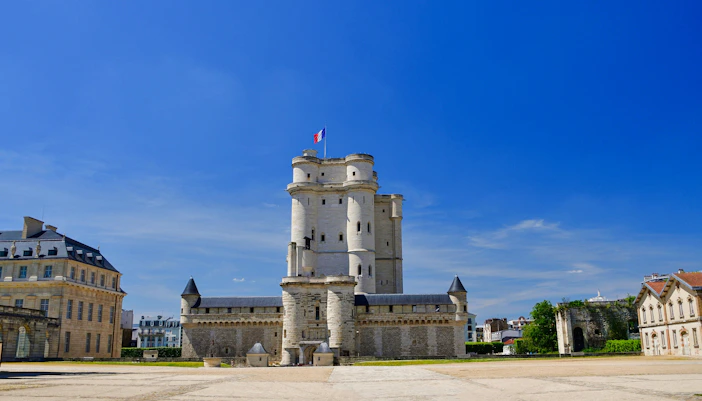
Commonly paired: Chateau de Vincennes
Distance: In the same broader east-Paris/Vincennes area — usually easiest by Metro Line 1 plus a short bus connection or taxi
Why people combine them: They make the trip east feel intentional rather than zoo-only, and the pairing balances a long outdoor animal visit with a historic fortress stop.
✨ Zoo de Vincennes and Chateau de Vincennes are commonly packaged together because they turn 1 out-of-center journey into a fuller east-Paris day.
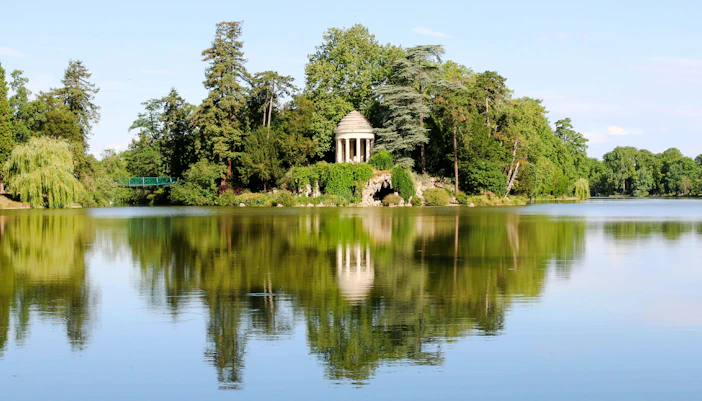
Commonly paired: Bois de Vincennes
Distance: Immediate broader area — access begins around the zoo's surroundings
Why people combine them: It keeps the day outdoors and low-pressure, which works especially well if you are already visiting with children or want a slower nature-focused plan after the zoo.
Also nearby
Grande Galerie de l'Evolution
Distance: Across Paris by metro/bus rather than an easy walk
Worth knowing: This is the strongest thematic add-on if the zoo made you want more natural-history context rather than another outdoor stop.
Menagerie du Jardin des Plantes
Distance: Across Paris by metro rather than naturally next door
Worth knowing: It is the other zoo visitors most often compare with Zoo de Vincennes, but the feel is very different: denser, older, and more compact.
Eat, shop and stay near Zoo de Vincennes
- On-site: The zoo has 2 restaurants and seasonal kiosks; they are useful if you need convenience, but reviews are mixed enough that many visitors will be happier treating them as a backup plan.
- Porte Doree cafes: Best for a pre-visit coffee or quick bite before you enter, especially if you arrive via Line 8 and want to avoid paying zoo prices later.
- Saint-Mande bakeries and takeaway spots: Better if you are approaching from Line 1 and want an easy picnic setup before committing to the full loop.
- Chateau de Vincennes area dining: The strongest post-visit sit-down option if you are pairing the zoo with the wider Vincennes area rather than heading straight back to central Paris.
- 💡 Pro tip: If you care about value more than convenience, eat before entry or bring picnic supplies, because once you leave the zoo you cannot come back in.
- On-site essentials: Treat the area around the entrance and nearby metro approaches as your practical shopping stop for water, snacks, and picnic top-ups before you begin the route.
- Vincennes neighborhood shops: More useful for everyday supplies than for destination shopping, but handy if you want to build the zoo into a broader east-Paris day.
The area around Zoo de Vincennes is practical rather than romantic, and it suits travelers who want space, easier family logistics, and a calmer base over classic central-Paris atmosphere. It makes the most sense if the zoo, Bois de Vincennes, or the wider east side of the city is part of your plan. If your priority is a short first-time Paris stay with easy monument access, this is not the most convenient base.
- Price point: It generally skews more residential and often less premium than the classic central tourist core, though exact hotel value still depends on your transport needs.
- Best for: Families, repeat Paris visitors, and anyone who prefers a quieter neighborhood with more breathing room than the center.
- Consider instead: Stay more centrally if your trip is built around major monuments, or look at the wider Vincennes/east-Paris side only if you value parks, simpler family pacing, and fewer tourist crowds.
Frequently asked questions about visiting Zoo de Vincennes
Most visits take 3–4 hours, and a quick pass-through still usually needs at least 1–2 hours. The route is about 4 km long, so this is better planned as a half-day outdoor attraction than as a short gap-filler between central Paris sights.
Booking ahead is smartest for summer dates and especially for limited-capacity evening sessions, but it is less about beating a huge verified queue than about securing the format and time you want. For quieter winter visits, prebooking is mainly a convenience and planning choice.
Usually, the bigger value is prebooking convenience rather than a dramatic time save. The official visitor information verifies 1 entrance, but it does not clearly confirm a separate priority lane, so pay extra only if the booking flexibility matters to you.
Aim to arrive a little before your planned entry and avoid the final admission window entirely. Entry stops 1 hour before closing, and Zoo de Vincennes is a poor late-arrival attraction because even a shortened visit still involves a long outdoor route.
Yes, but a small bag is the smarter choice because this is a walking-heavy visit rather than a short indoor stop. The main issue here is comfort more than strict bag drama, and you will feel any unnecessary weight by the final part of the circuit.
Yes, it works well as a casual photo visit, but patience matters more than camera gear because many animals are in large habitats and not always close to the viewing points. If photos matter to you, slow down in the Africa zone and do not rush the greenhouse or vivarium.
Yes, groups can visit comfortably because the route is broad and the site is spread across 14.5 hectares. The practical challenge is not space but pacing, since larger groups can lose time quickly if they stop too long early and then rush the final zones.
Yes, as long as you treat it as a half-day family outing rather than a fast checklist visit. Families do especially well here when they build in 1 real pause, use the picnic areas, and prioritise a few strong sections instead of forcing every enclosure.
Yes, the zoo is presented as wheelchair accessible and carries the Tourisme & Handicap label. That said, accessibility here still comes with the reality of a large open-air route, so the distance matters even when the paths themselves are manageable.
Yes, there are 2 restaurants and seasonal kiosks inside the zoo, and nearby food options around Porte Doree, Saint-Mande, and Vincennes are often the better value play. Because all exits are final, decide before entry whether you are eating inside or picnicking.
Yes, when the zoo runs summer nocturnes, they are sold as a distinct evening-format ticket rather than standard daytime entry with later access. In the 2026 season they ran on selected Thursdays from 6pm and were priced below normal adult daytime admission.
Yes. Zoo de Vincennes, Vincennes Zoo, Paris Zoo, and Parc zoologique de Paris all refer to the same attraction. It is not the same place as the Menagerie du Jardin des Plantes, which is the other Paris zoo people commonly confuse with it.
More reads
Zoo de Vincennes tickets
Zoo de Vincennes highlights
Getting to Zoo de Vincennes