Zoo de Vincennes Tickets
Crafted by Headout, a global experiences brand offering curated tours, tickets & experiences. Discover with ease, book with peace.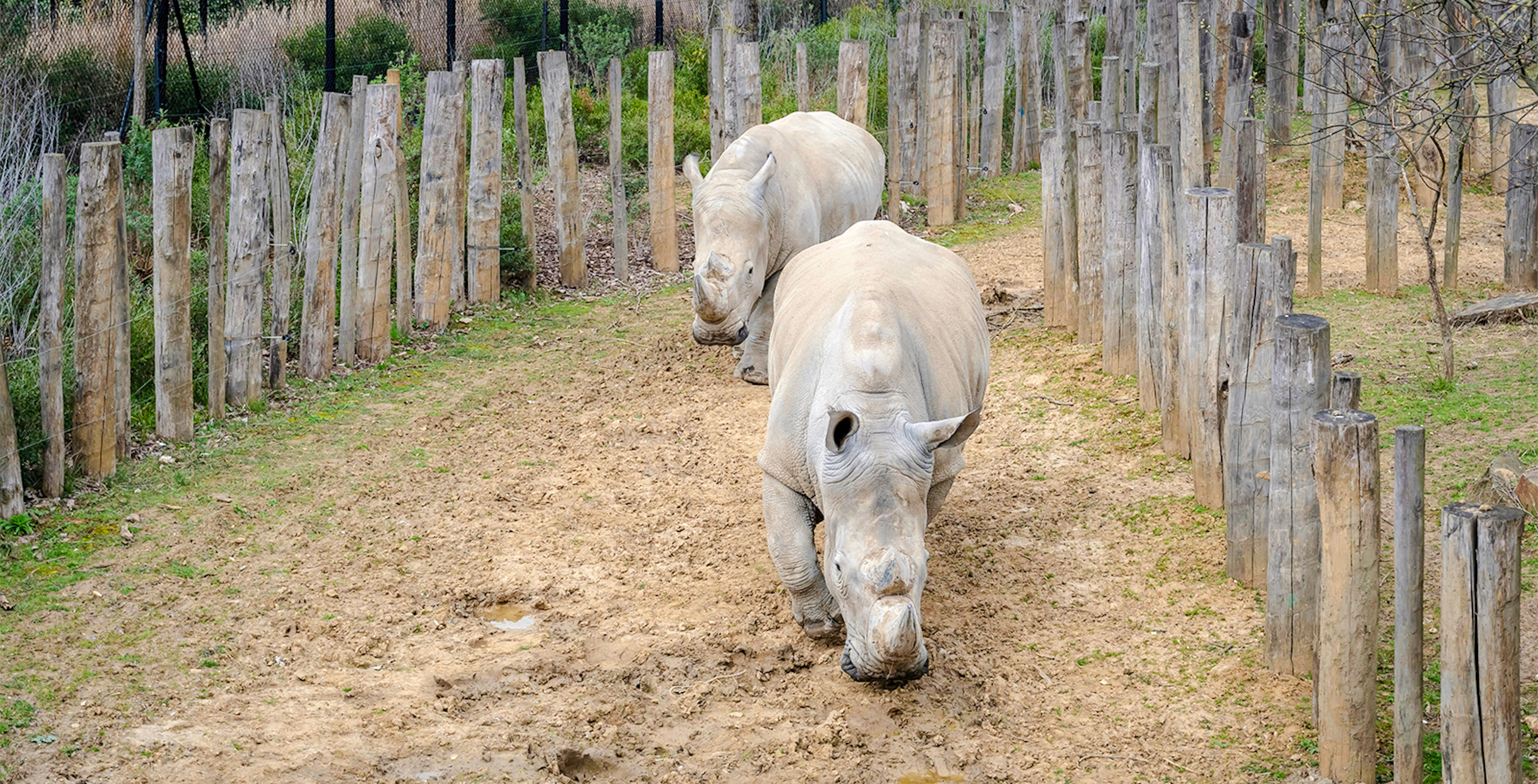
Quick overview
- Ways to experience: Choose standard self-guided entry or pair your visit with another Paris attraction through a combo ticket. Family, annual, guided, keeper, and seasonal evening options may also be available on selected dates.
- Additional access: Standard admission covers all five biozones and daily presentations. Online tickets can skip the ticket-office queue, but compulsory security screening still applies.
- Unique experiences: Look for date-specific keeper sessions, family-guided activities, and summer nocturnes that change the pace, timing, or interpretation of the visit.
- When to book: Book ahead for school holidays, sunny spring weekends, and summer dates.
- Good to know: Plan at least 3 hours, use the single entrance, arrive before the one-hour cutoff, and remember exits are final.
Galleries at Parc zoologique de Paris

Patagonia
South American Coastal and Grassland Biozone
- Patagonia opens the main circuit with coastal, grassland, and Andean habitats for Humboldt penguins, sea lions, pumas, and guanacos.
- Underwater viewing windows near the pool make this one of the clearest early sections for animal sightings.
Africa
African Savanna and Sahel Landscapes
- Africa is the zoo’s largest outdoor section, with open savanna, shrubland, and wetland-style habitats.
- Early to midway along the route, you’ll find broad viewing areas for giraffes, white rhinos, zebras, lions, and baboons.
Grande Volière africaine
Walk-through African Aviary
- The Grande Volière africaine extends the Africa section into a walk-through bird environment.
- Reached as a side sequence from the savanna route, it brings flamingos and other African birds into closer view.
Europe
European Forest, Wetland, and Mountain Habitats
- Europe shifts the circuit into conifer forests, wetlands, and colder-climate habitats.
- Around the Grand Rocher, look for Iberian wolves, Eurasian lynx, wolverines, and otters before continuing toward the greenhouse.
Vivarium
European Reptile and Amphibian House
- The Vivarium sits beneath the Grand Rocher and focuses on European reptiles, amphibians, tortoises, and invertebrates.
- This indoor detour breaks up the open-air route and offers a different viewing experience.
Grande Serre
Tropical Greenhouse Route
- The Grande Serre is a 4,000 m² tropical greenhouse linking the later middle of the route with warmer indoor habitats.
- Dense planting, aquatic areas, and humid pathways bring manatees, iguanas, tropical birds, and other species into closer view.
Amazon-Guyana
Equatorial Forest and River Habitats
- Amazon-Guyana follows the greenhouse sequence with tropical forest and river habitats focused on South American fauna.
- Later in the circuit, thicker vegetation and water edges shape sightings of jaguars, tapirs, bush dogs, fish, and other aquatic species.
Madagascar
Madagascar Rainforest and Dry-Forest Habitats
- Madagascar closes the main loop with rainforest and dry-forest environments distinct from mainland Africa.
- In the final stretch, lemurs, fossas, chameleons, birds, and reptiles create a lighter-paced finish before the route returns toward the exit.
Things to know before booking your Parc zoologique de Paris tickets
Booking window
Book ahead for weekends and school holidays. Book online to skip the ticket-office purchase queue; security still applies.
What’s included
Parc zoologique de Paris tickets cover the full self-guided zoo circuit across all five biozones, plus standard daily presentations. There’s no traditional audioguide; use the free multilingual zoo app for maps and interpretation.
Entrances & flow
Parc zoologique de Paris has one visitor entrance at Avenue Daumesnil and Route de Ceinture du Lac. Last entry is one hour before closing, and the main route is about 4km, so most first visits need 3–4 hours.
Ways to explore
Parc zoologique de Paris works best as a self-paced half-day visit rather than a quick stop. Follow the main biozone sequence, and use the greenhouse or vivarium as indoor relief during heat, rain, or mid-visit fatigue.
Policies & rules
Parc zoologique de Paris is wheelchair accessible, with free wheelchair loans against ID. Exits are final, lockers are not available, bags over 55 × 35 × 20cm are refused, and visitors under 16 must enter with an adult.
Highlights of your Parc zoolique de Paris experience

Wide savanna views in the Africa zone
From the main path, the African plain opens in long, layered views, with giraffes striding past grasses and white rhinos resting farther back. The distance matters here: animals appear against a broad horizon, so the scene feels more like a landscape than a lineup of enclosures.


Plan your Parc Zoologique de Paris experience
- Operating hours: Daily 9:30am–7:30pm through August 31, 2026.
- Seasonal pattern: Shoulder-season weekdays often end at 6pm; low season usually runs 10am–5pm.
- Last admission: Gates and ticket office close 1 hour before park closing time.
- Visit duration: Allow 3–4 hours for the full 4km circuit.
- Best time of day to go: Opening time, or the last 2–3 summer hours.
- Best season or month to visit: April–June and September–early October; winter stays quieter.
- Location: Single entrance beside Bois de Vincennes in Paris’s 12th arrondissement.
- Address: Croisement de l’avenue Daumesnil et Route de Ceinture du Lac, 75012 Paris.
- Google Maps: [Open in Google Maps]
Getting there:
- By Metro: Porte Dorée on Line 8 is the simplest route, with a 7–10 minute walk.
- By Metro Line 1: Saint-Mandé is about 15 minutes on foot; Château de Vincennes connects to Bus 46.
- By bus, tram, or car: Demi-Lune–Parc Zoologique is closest; T3a Porte Dorée is 7–10 minutes; no dedicated zoo car park.
- Physical effort: Expect a 4km walking circuit across 14.5 hectares, not a quick stop.
- Pacing: Two hours covers highlights only; 3–4 hours suits a first full circuit.
- Weather dependency: Most of the route stays outdoors, so heat and rain affect comfort.
- Crowd pattern: Tuesday–Thursday mornings are calmer; sunny weekends and school-holiday afternoons are busier.
- Age or participation constraints: Visitors under 16 need an accompanying adult aged 18+ with a valid ticket.
- Accessibility notes: Step-free paths, firm surfaces, wheelchair loan, and walking-frame loan support reduced-mobility visits.
- Restrooms: Toilets and accessible toilets are distributed across the zoo.
- Food stops: Two restaurants, seasonal kiosks, and snack-and-drink vending machines are available.
- Picnic areas: Two designated picnic zones include tables, benches, parasols, and water fountains.
- Indoor breaks: The tropical greenhouse and European vivarium provide covered all-weather spaces.
- Family gear: Stroller rental, wheelchair loan, walking-frame loan, and binocular rental are available, subject to availability.
- On-site services: An information point, seating areas, and a 500m² shop sit near the entrance area.
- Footwear: Comfortable walking shoes matter most for the full 4km route.
- Layers: Outdoor paths can feel cool or windy, while the greenhouse stays around 25°C and humid.
- Sun protection: Hat, sunscreen, and a refillable water bottle help on exposed summer stretches.
- Rain cover: A light waterproof layer works better than an umbrella on longer outdoor sections.
- Bag limits: Large items over 55 × 35 × 20cm are not accepted.
- Storage: No lockers or luggage storage are available, so light day bags work best.
- Security check: Security screening applies at the single entrance for all visitors.
- Online tickets: Online tickets skip the ticket-office queue; security still applies.
- Free child entry: Under-3s enter free, but a ticket is still required.
- Disability access: Eligible visitors with disabilities and one companion receive free admission with valid proof.
- Wheelchair loan: Free wheelchair loan requires an identity document as deposit.
- Re-entry: All exits are final, so outside breaks are not practical mid-visit.
Tips & guidelines
- Wear comfortable shoes: The ~4 km circuit involves plenty of walking, so cushioned footwear will make the full route easier.
- Dress for sunny days: Bring a hat, high-SPF sunscreen, and light clothing, especially in summer when many paths are exposed.
- Layer for cooler weather: A waterproof jacket and warm layers help outdoors, while something easy to remove works best inside the hot, humid greenhouse.
- Travel light: A compact crossbody bag or small daypack keeps your hands free for photos, railings, and strollers.
- Plan ahead with kids: Bring a stroller or carrier if needed, as the full loop can feel long for younger visitors.
- Be patient at enclosures: If an animal isn’t visible right away, wait a little or come back once the area is quieter.
Frequently asked questions about Parc zoologique de Paris tickets
Yes. Zoo de Vincennes is the commonly used name, while Parc zoologique de Paris is the official name. They refer to the same zoo in the 12th arrondissement, beside the Bois de Vincennes. It is not the same as the Ménagerie du Jardin des Plantes.
Yes. You can buy Paris Zoo tickets at the on-site ticket office. Online booking is still the safer choice in busy periods, because it helps you avoid the ticket-purchase queue. Compulsory security screening still applies to every visitor.
Online tickets can help you bypass the ticket-office queue, especially on busy days. They do not skip mandatory security checks. If you see “skip-the-line” wording elsewhere, treat it as ticket-purchase convenience rather than guaranteed fast-track entry through all controls.
Allow at least 3–4 hours for a comfortable first visit. Two hours is only enough for a quick highlights route. Families, photographers, or visitors planning lunch and animal talks should expect 4–5 hours, because the zoo follows a roughly 4km walking circuit.
There is one visitor entrance only. It is at the crossroads of Avenue Daumesnil and Route de Ceinture du Lac, 75012 Paris. The easiest public-transport approach for most visitors is Porte Dorée on Metro Line 8 or Tram T3a.
No. Exits are final. Once you leave the zoo, re-entry is not normally permitted. That matters for meal and packing plans, because you cannot step out for cheaper food or collect bags later and then come back inside.
Yes. The zoo describes the site as fully accessible for visitors with reduced mobility, with step-free main paths, accessible toilets, and accessible viewpoints. Free wheelchair and walking-frame loans are available against ID, and stroller rental is offered subject to availability.
Yes. Visitors under 16 must be accompanied by an adult over 18 who also has a valid ticket. Children under 3 enter free, but they still need a ticket. Child tickets apply to ages 3–12 for standard admission.
Yes, but picnics are allowed only in the zoo’s two designated picnic areas. Those areas include tables, benches, parasols, and drinking-water fountains. If food value matters to you, bringing snacks or a simple picnic can be useful.
No. The zoo does not provide lockers or luggage storage. Suitcases and large bags are prohibited, and items larger than 55 × 35 × 20cm are not accepted. Travel light, especially if you are visiting before or after hotel check-in.
There is no traditional audioguide. Instead, the zoo offers a free mobile app in several languages. The app also includes accessibility content, including French Sign Language and audio-description features, so it is worth downloading before you arrive.
Standard Paris Zoo admission is self-guided. Selected family programs and small-group animal-care experiences run on specific dates, but they are separate products and usually need advance booking. Regular entry does include the zoo’s standard daily presentations and animations.
No. Animal visibility varies by weather, time of day, and where the animals choose to rest. In hot weather, the zoo advises visiting in the morning or later in the day. If an enclosure looks empty, try another viewpoint or return later.