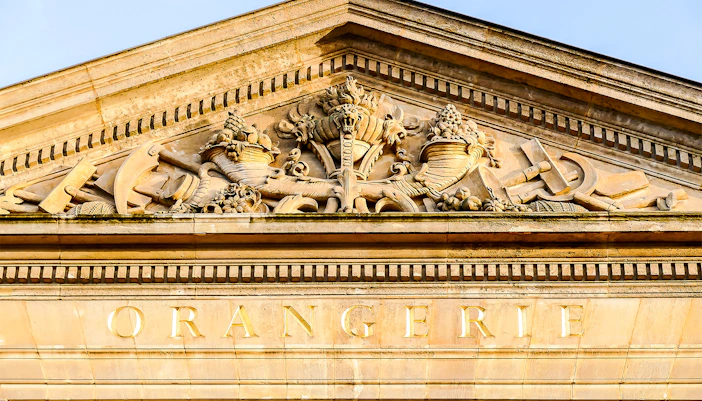
🎨 Monet created over 250 paintings in the Water Lilies series, focusing on his garden in Giverny.
Admire Monet's Water Lilies at the Orangerie Museum
Claude Monet's Water Lilies series is a masterpiece of Impressionism, capturing the serene beauty of his garden in Giverny. These large-scale paintings, displayed in the Orangerie Museum in Paris, offer an immersive experience of color and light. Monet's brushwork and use of color create a sense of tranquility and reflection, inviting viewers to lose themselves in the natural world. Entry to view Water Lilies is included with a standard museum ticket.
Did you know?
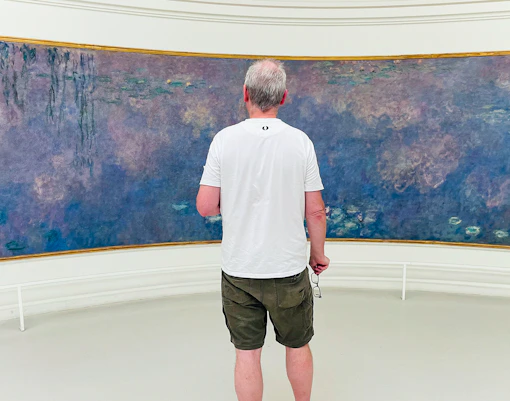
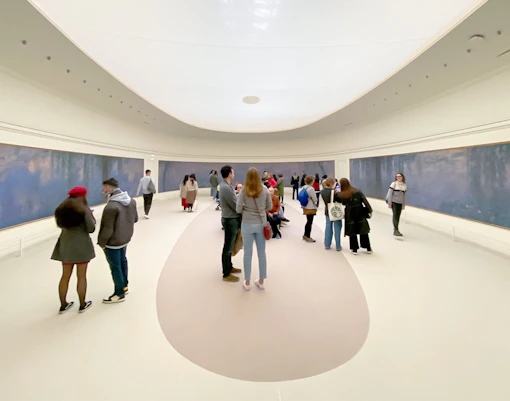
🖌️The Orangerie Museum's Water Lilies rooms were designed in collaboration with Monet to enhance the viewing experience.
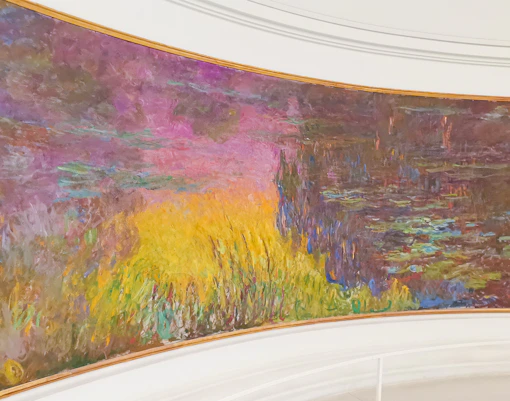
🖌️The paintings were donated to the French state after Monet's death and have been displayed at the Orangerie since 1927.
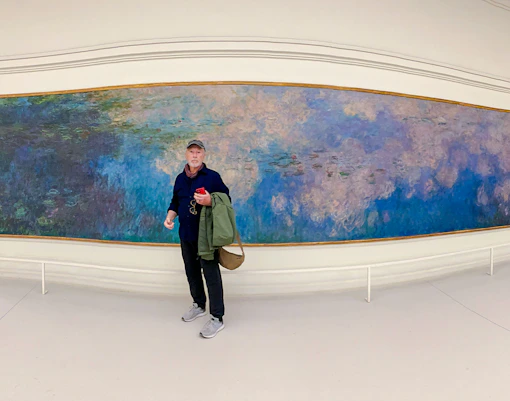
🎨Monet's failing eyesight in his later years influenced the abstract quality of the Water Lilies series.
Story behind Water Lilies

Claude Monet began the Water Lilies series in the late 1890s, inspired by the pond in his garden at Giverny. Over the next three decades, he painted more than 250 canvases, capturing the changing light and reflections on the water. The series represents Monet's exploration of color, light, and abstraction, pushing the boundaries of Impressionism. The Orangerie Museum's Water Lilies rooms, designed in collaboration with Monet, offer a unique immersive experience, allowing viewers to be surrounded by the paintings.
Who created Water Lilies?
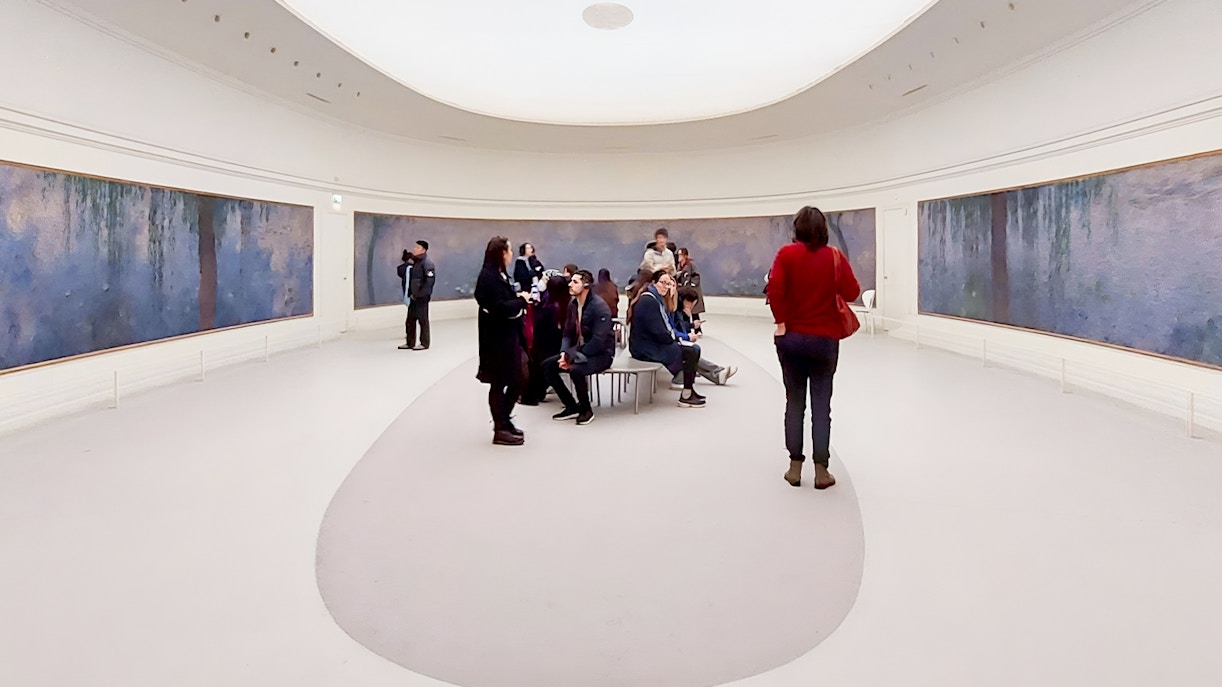
Claude Monet (1840–1926) was a leading figure in the Impressionist movement, known for his innovative use of color and light. Monet's garden in Giverny served as both inspiration and subject for these paintings, reflecting his deep connection to the natural world. The Water Lilies series remains one of Monet's most celebrated achievements, showcasing his ability to convey emotion and atmosphere through his art.
What makes Water Lilies a masterpiece? See for yourself
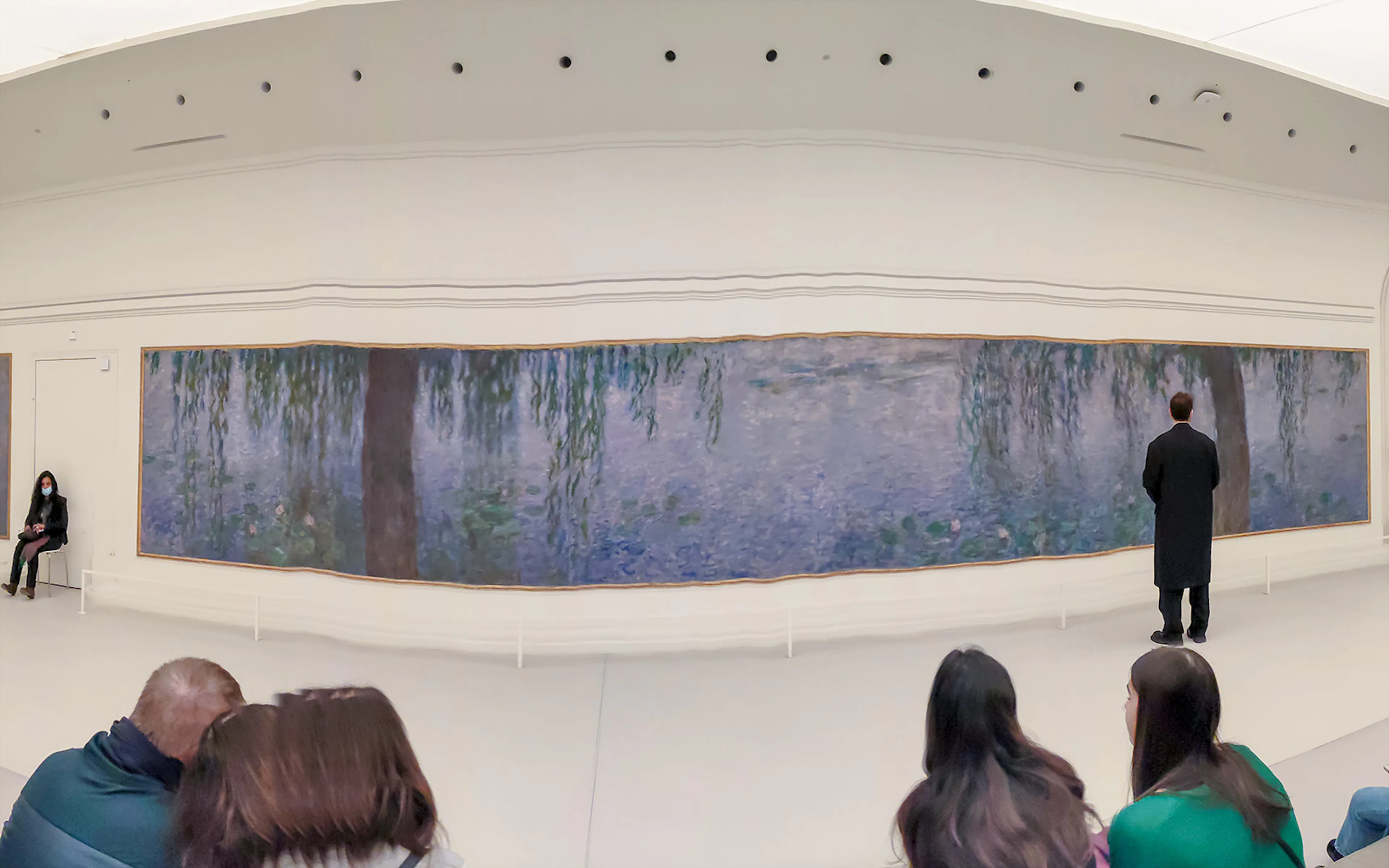
1/5
Iconic full view
The Water Lilies series envelops viewers in a serene world of color and light.
Focus on specific features
Monet's brushwork creates a sense of movement and reflection on the water's surface.
Technique close-up
The use of color and light captures the changing atmosphere and reflections in the pond.
Symbolism or interpretation
The series represents Monet's exploration of abstraction and his connection to nature.
Lighting/material magic
The paintings' scale and color palette create an immersive experience, enhanced by natural light.
How to best visit Water Lilies
Guided tours: Opt for a guided tour to gain insights into Monet's techniques and artistic vision.
Viewing angles: Stand at different distances to appreciate the scale and detail of the paintings.
Photography tips: Photography is allowed; capture the paintings with natural light for the best effect.
Best time to visit: Early morning or late afternoon for softer lighting and fewer crowds.
Allocate time: Spend at least 30 minutes exploring the Water Lilies rooms to fully appreciate the series.
Frequently asked questions about Water Lilies
Yes, it is included with a standard museum ticket.
They are displayed in specially designed rooms at the Orangerie Museum.
Yes, photography is allowed.
Monet intentionally left out people to create a sense of tranquility, timelessness, and immersion. The viewer becomes the presence in the landscape—surrounded, not observed.
Yes, and it adds a whole new layer of meaning. He developed cataracts, which altered his color perception. Some of the later Water Lilies works are darker, moodier, and blurrier—reflecting both his vision and emotions.