Quick Information

RECOMMENDED DURATION

2 hours

VISITORS PER YEAR

800000

Plan your visit

Did you know?

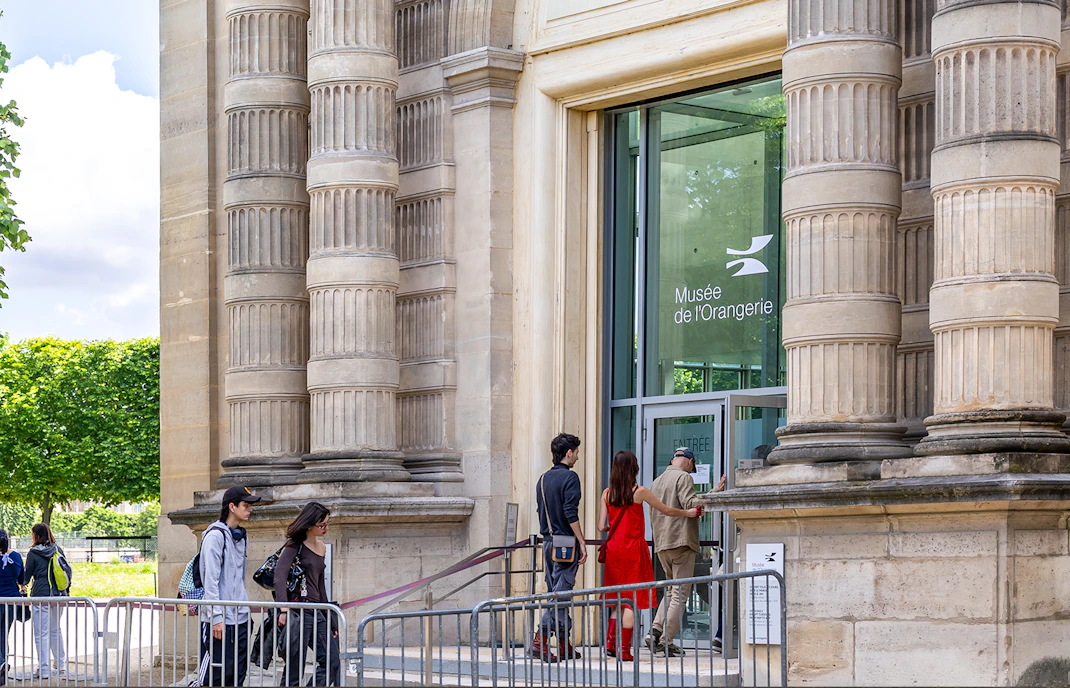
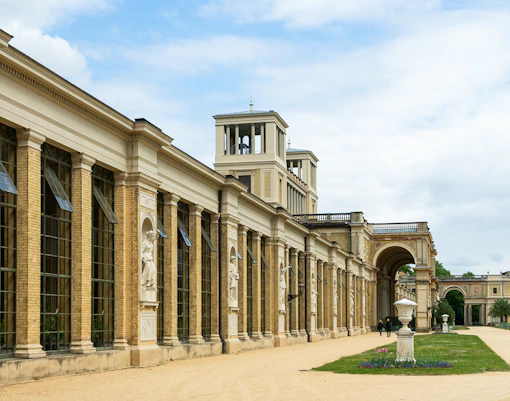
The Orangerie building was constructed in 1852 to shelter the orange trees of the Tuileries Garden during winter.

Monet offered the Water Lilies cycle to the French State after the Armistice of November 11, 1918, as a symbol of peace.

The Water Lilies rooms opened to the public in 1927, a few months after Monet’s death.

Is the Orangerie Museum worth visiting?

The Orangerie Museum is worth visiting if you want a focused, easy-to-cover art museum in central Paris. It is much smaller than the Louvre or Musée d’Orsay, which makes it a good choice if you want to see major artworks without spending half a day inside a museum.

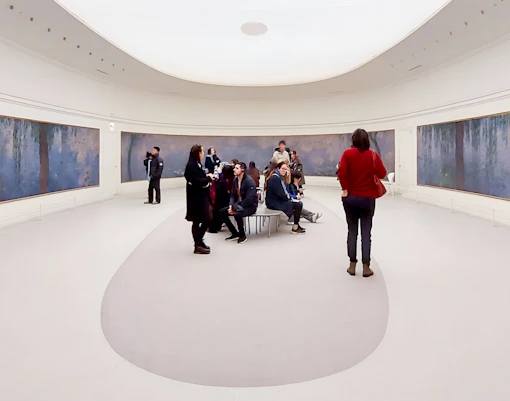
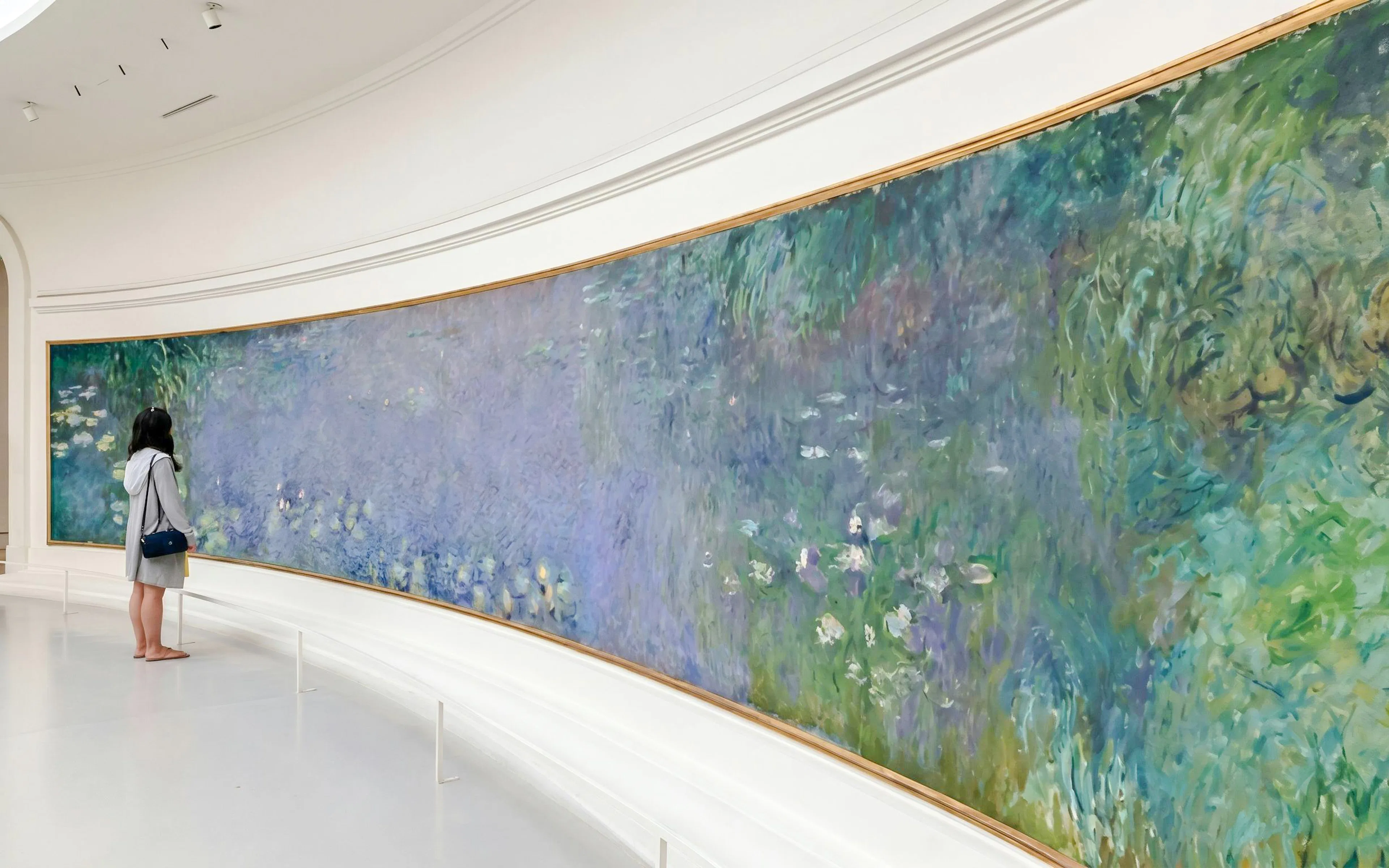
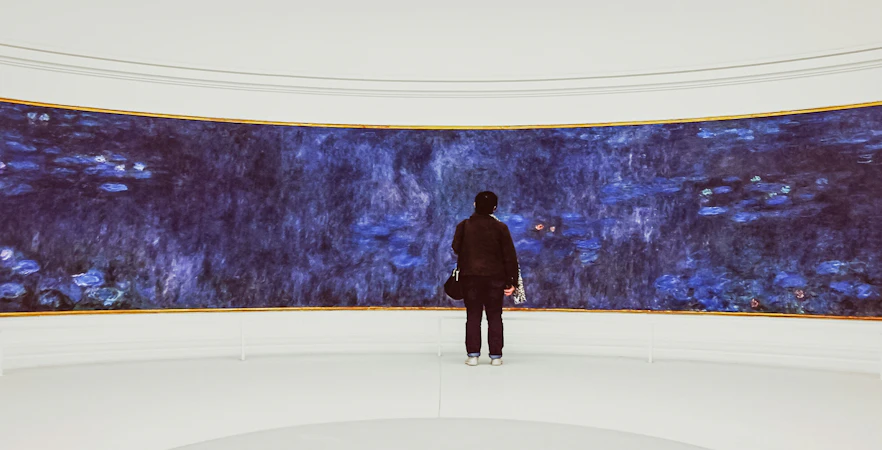
The main reason to visit is Monet’s Water Lilies. The paintings are displayed across two oval rooms, where water, sky, light, and reflections surround you instead of sitting on a single wall. It feels calmer and more immersive than a typical gallery visit.

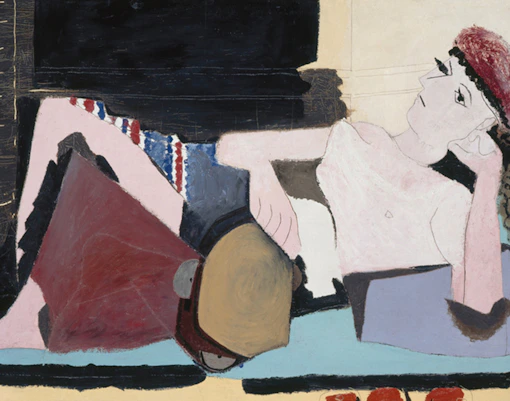
The museum also works well for visitors interested in Impressionist and modern art. Along with Monet, you can see works from the Walter-Guillaume collection by artists such as Renoir, Cézanne, Matisse, Picasso, Modigliani, and Soutine.

Skip it if you prefer large museums with many rooms, or if you have very little interest in Monet, Impressionism, or early modern art.
What to see at the Orangerie Museum

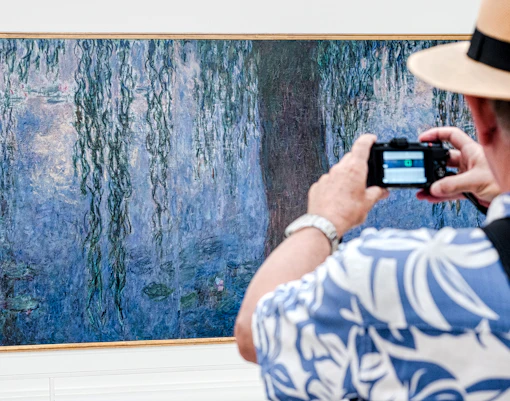
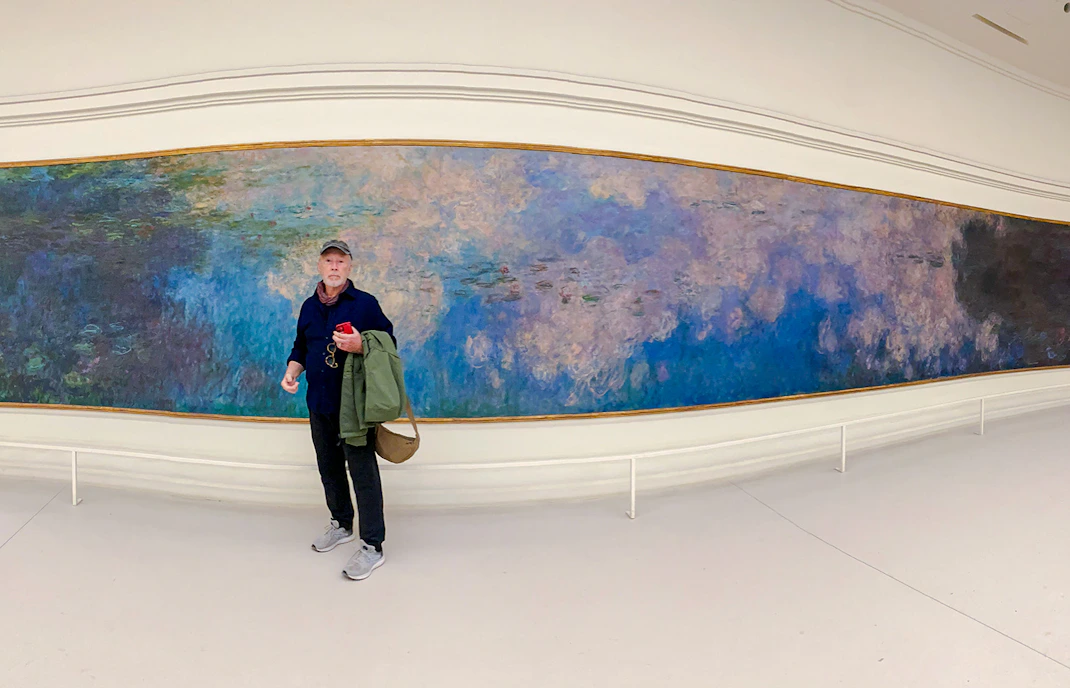
Visitor admiring Monet's Water Lilies at Musée de l’Orangerie, Paris.
1/4

Monet’s Water Lilies rooms

The museum’s main highlight is Monet’s Water Lilies, displayed across two oval rooms. The eight large panels create an immersive, almost panoramic viewing experience.

Walter-Guillaume collection

This collection brings together 148 works from the 1860s to the 1930s, including paintings by Renoir, Cézanne, Matisse, Picasso, Modigliani, Rousseau, Utrillo, and Soutine.

Temporary exhibitions

The museum regularly hosts temporary exhibitions alongside its permanent collections. Check what is on before visiting, especially if you are planning around a specific artist or theme.

Tuileries Garden setting

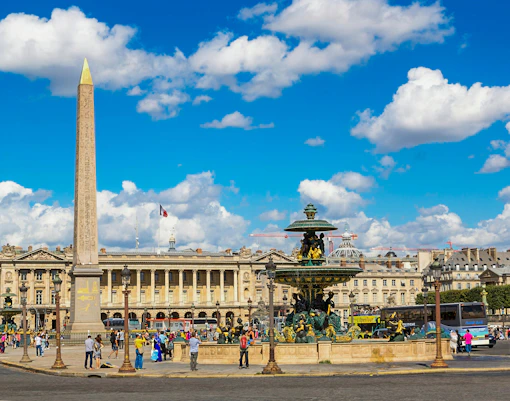
The museum sits inside the Tuileries Garden, close to Place de la Concorde and the Seine. This makes it easy to combine with a garden walk or nearby museum visit.

See Monet’s Water Lilies up close

Book Orangerie Museum tickets to explore Monet’s Water Lilies, the Walter-Guillaume collection, and temporary exhibitions in one focused Paris museum visit.

Book Orangerie Museum tickets →

Visitor admiring Monet's Water Lilies at Orangerie Museum exhibition.

How to make the most of your Orangerie Museum visit

Don’t rush the Water Lilies rooms

Monet’s Water Lilies are not artworks you quickly walk past. Enter the oval rooms slowly, circle the panels once, then sit down if space allows. The reflections, light, and scale feel different when you give them a few quiet minutes.

  • Sit if you can
  • View from different angles
  • Avoid rushing through
  • Best early or late

Pick the right visit length

The museum is compact, but it rewards slower looking. Plan 45 minutes to 1 hour if you only want Monet’s Water Lilies. Allow 1.5 to 2 hours if you also want the Walter-Guillaume collection and temporary exhibitions.

  • 45–60 minutes for Monet
  • 1.5–2 hours for full visit
  • Add time for exhibitions
  • Easy half-day add-on

Choose context if you want more depth

A standard ticket works well for a self-paced visit, but an audio guide or guided tour helps if you want to understand Monet’s vision, the oval-room layout, and how the Walter-Guillaume collection fits into modern art.

  • Entry for self-paced visits
  • Audio guide for context
  • Guided tour for depth
  • Best for first-timers

Plan a smart nearby route

The museum sits inside the Tuileries Garden, close to Place de la Concorde, the Seine, Musée d’Orsay, and the Louvre. Pair it with one nearby stop instead of overloading your day with too many large museums.

  • Tuileries Garden walk
  • Musée d’Orsay pairing
  • Seine-side route
  • Avoid museum overload

Brief history of the Orangerie Museum

  • 1852: The building is constructed on the edge of the Tuileries Garden under Napoleon III as an orangery for the garden’s orange trees.
  • 1921: The French state assigns the building to house Claude Monet’s Water Lilies, donated as a symbol of peace after World War I.
  • 1922–1927: Architect Camille Lefèvre reshapes the interior, with Monet closely involved in the design of the oval rooms and natural light.
  • 1927: The museum opens to the public, a few months after Monet’s death.
  • Mid-20th century: The Jean Walter and Paul Guillaume collection expands the museum beyond Monet, adding works by Renoir, Cézanne, Matisse, Picasso, Modigliani, and Soutine.
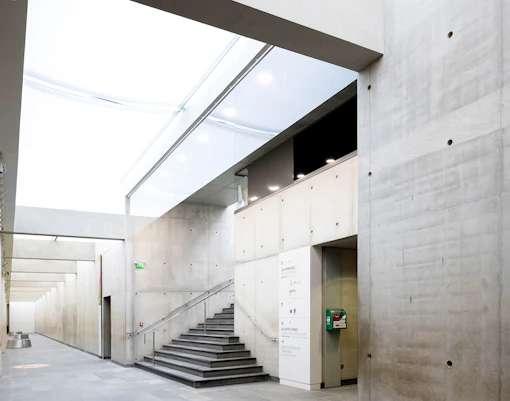
  • 2000–2006: A major renovation restores the skylit Water Lilies rooms and reorganizes the lower galleries into the layout visitors see today.

Who built it?

The Orangerie building was commissioned under Napoleon III in 1852 and designed as a practical winter shelter for the orange trees of the Tuileries Garden. Its museum identity came later, when architect Camille Lefèvre adapted the space for Claude Monet’s Water Lilies, with Monet closely involved in shaping the oval rooms, natural light, and calm viewing experience.

Architecture of the Musée de l'Orangerie

Built as a garden orangery

The Orangerie was built in 1852 as a long, light-filled shelter for the orange trees of the Tuileries Garden. Its practical design, open setting, and garden-facing structure still shape how visitors experience the museum today.

  • Built in 1852
  • Tuileries Garden setting
  • Originally a winter shelter
  • Simple, light-focused design

Designed around Monet’s Water Lilies

The museum’s most important architectural feature is inside: the two oval rooms created for Monet’s Water Lilies. Their curved layout, natural light, and quiet flow make the paintings feel continuous and immersive.

  • Two oval rooms
  • Natural light
  • Immersive viewing layout
  • Built for Monet’s paintings

Why Monet’s Water Lilies are at the Orangerie Museum

Claude Monet did not want Water Lilies to feel like ordinary paintings hung in a standard gallery. He imagined them as a peaceful space after World War I, where visitors could step away from the city and sit with light, water, sky, and reflection.

That is why the Orangerie Museum feels different from larger Paris museums like the Louvre or Musée d’Orsay. The paintings are not displayed as separate works with one fixed viewpoint. They surround you across two oval rooms, encouraging slow walking, quiet looking, and time to pause.

The museum is best understood as part of the artwork itself. The rooms, natural light, curved walls, and open layout all help create the immersive experience Monet wanted for Water Lilies.

Frequently asked questions about the Musée de l'Orangerie

The Orangerie Museum is significant because it was designed around Claude Monet’s Water Lilies, not just built to display them. The two oval rooms create one of the most immersive Monet experiences in Paris. The museum also houses the Walter-Guillaume collection, with major works by Renoir, Cézanne, Matisse, Picasso, Modigliani, Rousseau, Utrillo, and Soutine.

More reads

Timings

Directions

Plan your visit