Louvre Facts: Must-know secrets about the world’s largest museum

While masterpieces like the Mona Lisa and the Venus de Milo draw millions of visitors each year, there’s so much more to this cultural treasure trove than meets the eye. Beyond its famous artworks, the Louvre is filled with fascinating secrets, hidden stories, and lesser-known facts that highlight its evolution from a medieval fortress to the world’s largest museum. Dive into these captivating details to uncover a new perspective on this globally celebrated institution.

Reading about the Louvre is just the beginning

Many of these facts come to life only when you’re standing in the galleries, especially if you know where to look.

What makes the Louvre truly unique?

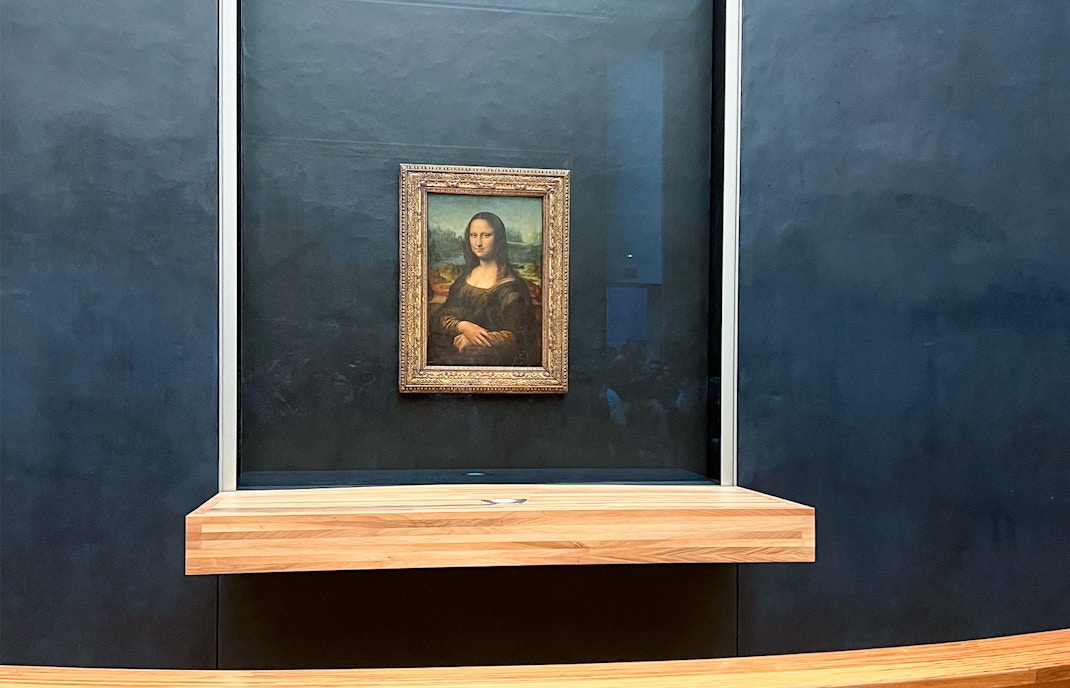
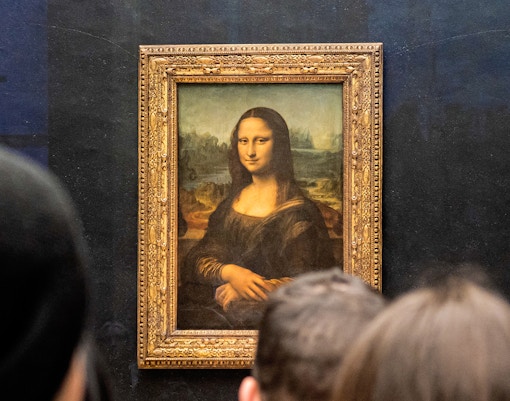
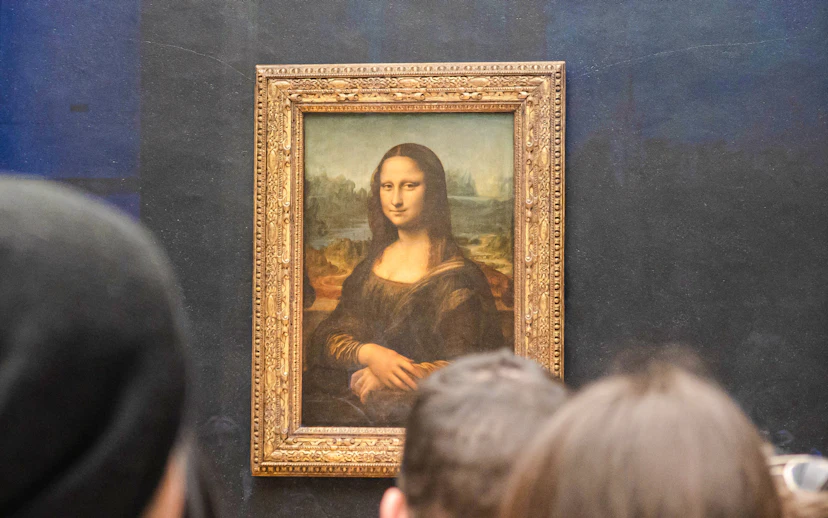
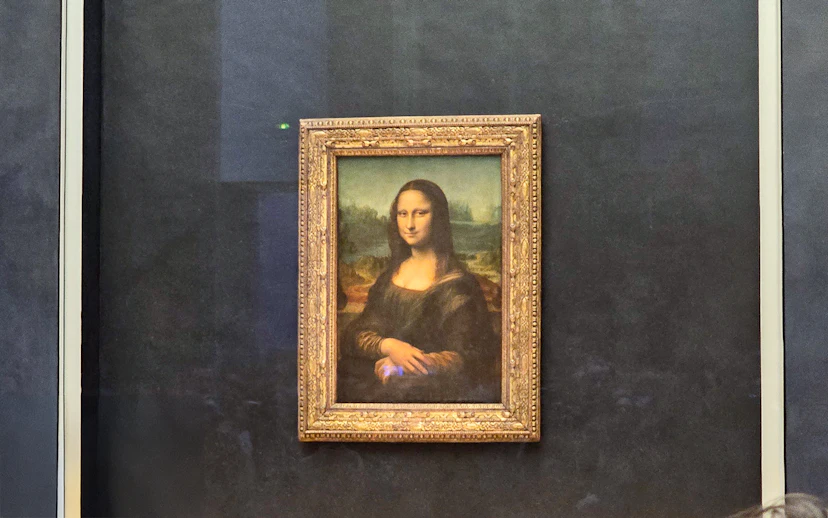
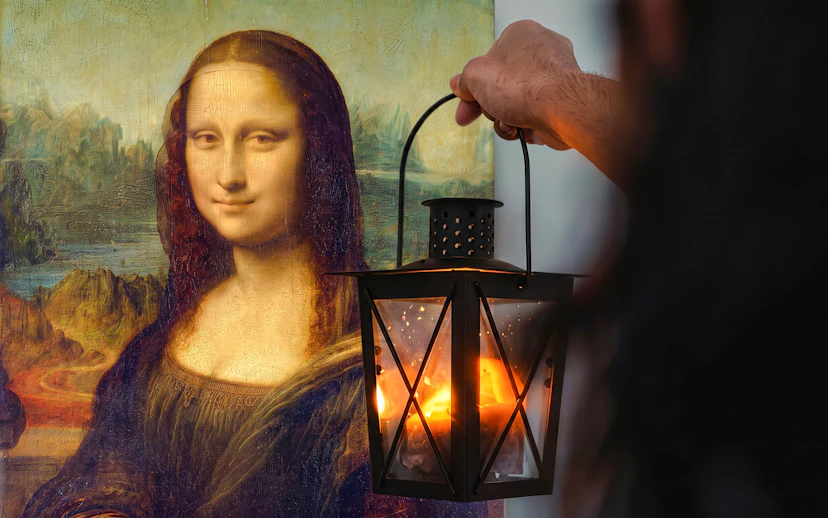
The Mona Lisa is surprisingly small

While the Mona Lisa is one of the most famous paintings in the world, many visitors are surprised to find that it measures only 30 x 21 inches. Protected behind bulletproof glass, it attracts millions of admirers every year despite its modest size.

Get to Mona Lisa without fighting the crowds: book a hosted visit >

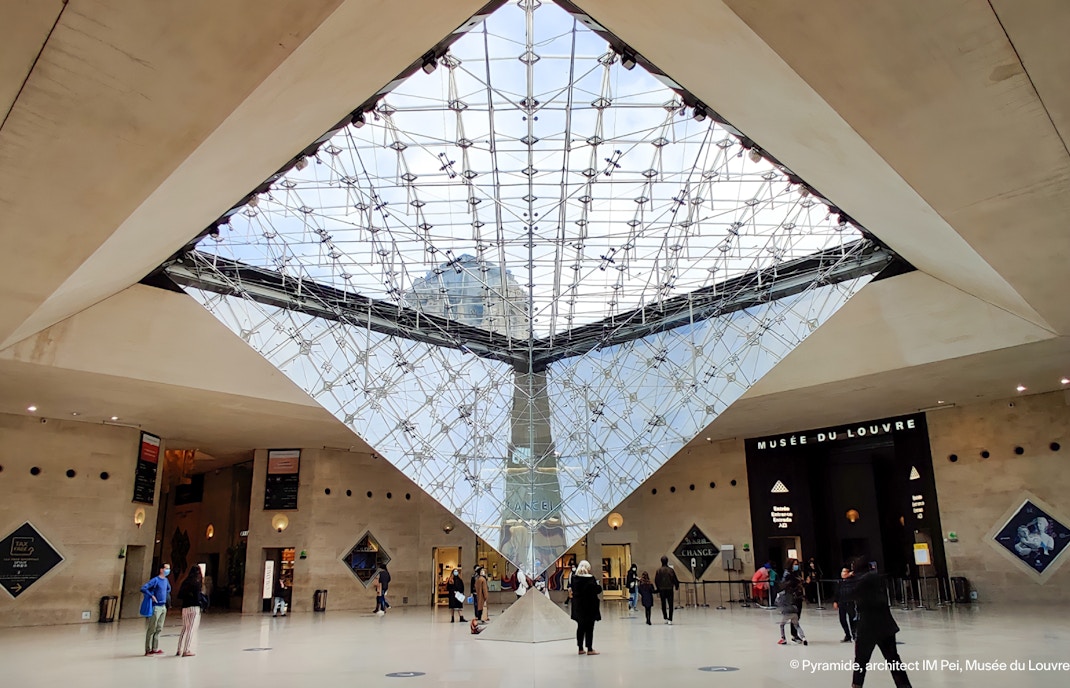
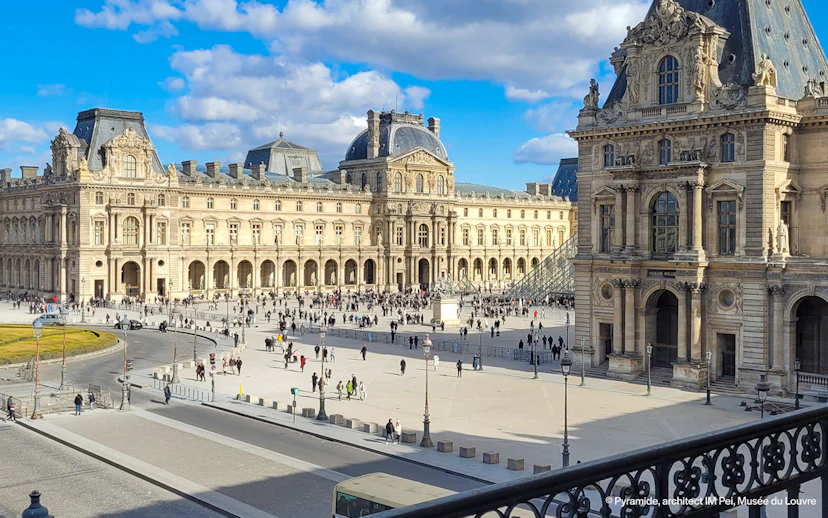
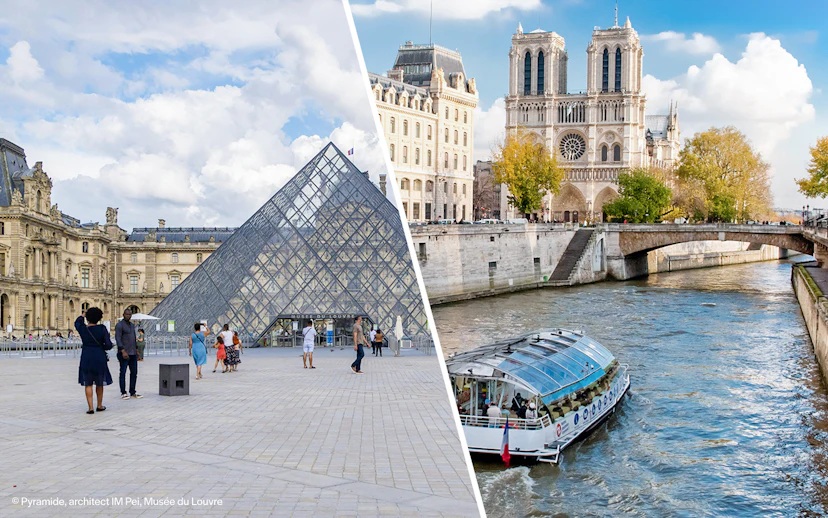
The Glass Pyramid was controversial

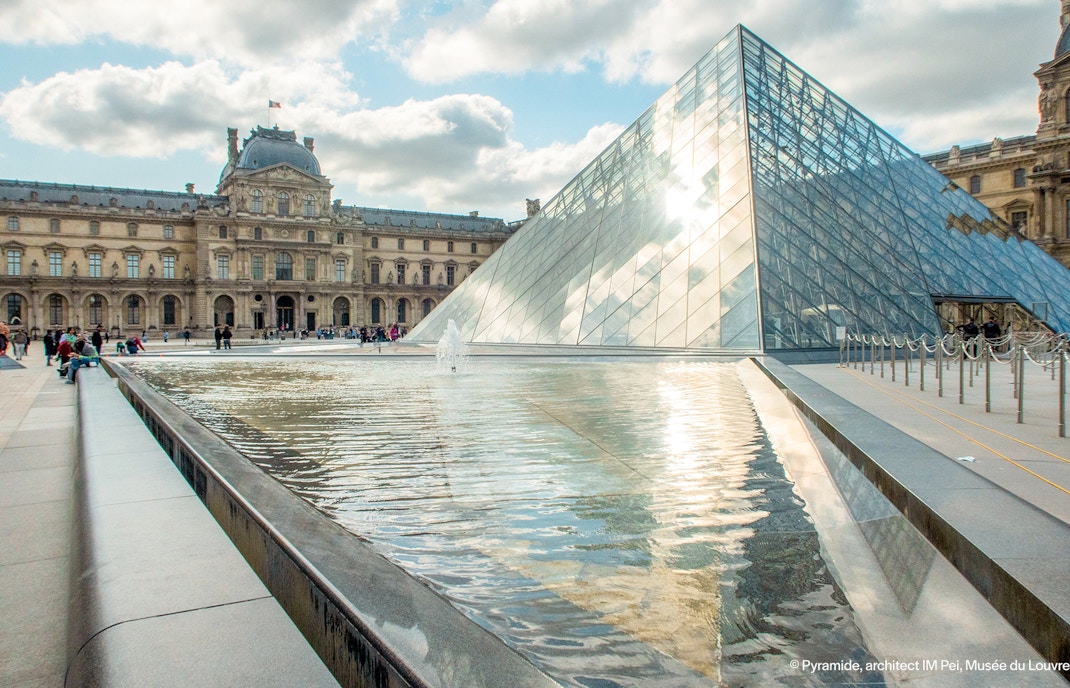
The iconic glass pyramid, designed by architect I.M. Pei, was unveiled in 1989 to modernize the Louvre’s entrance. Initially, it sparked public outrage for clashing with the museum's classical architecture but is now a celebrated symbol of the Louvre.

Get a detailed lowdown on the pyramid

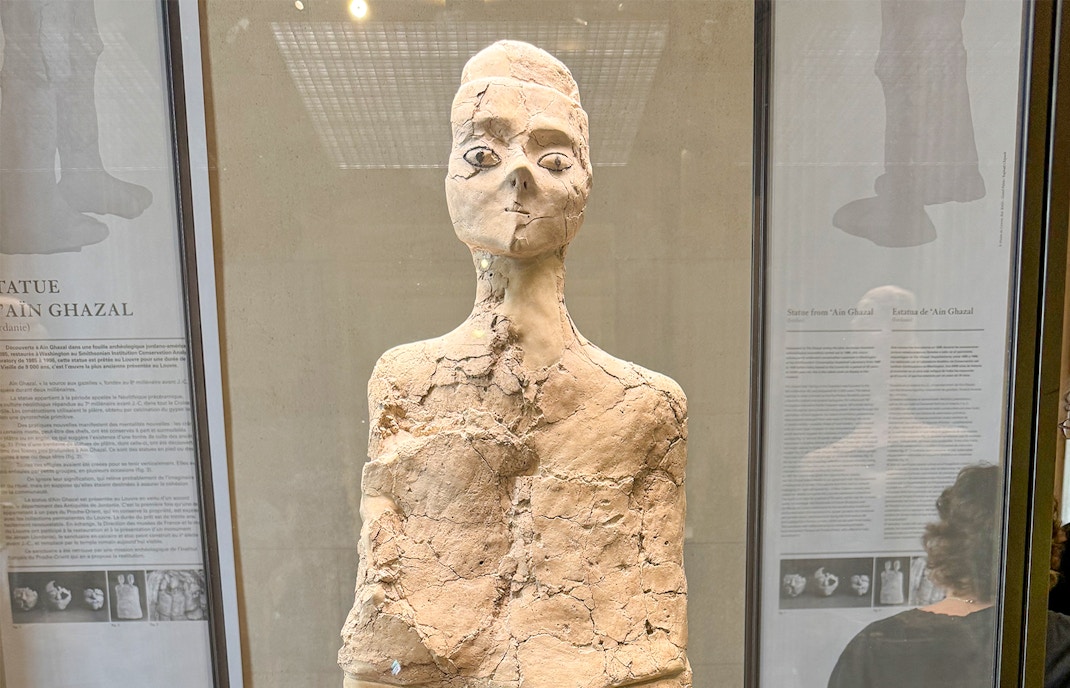
It holds the world’s oldest statue
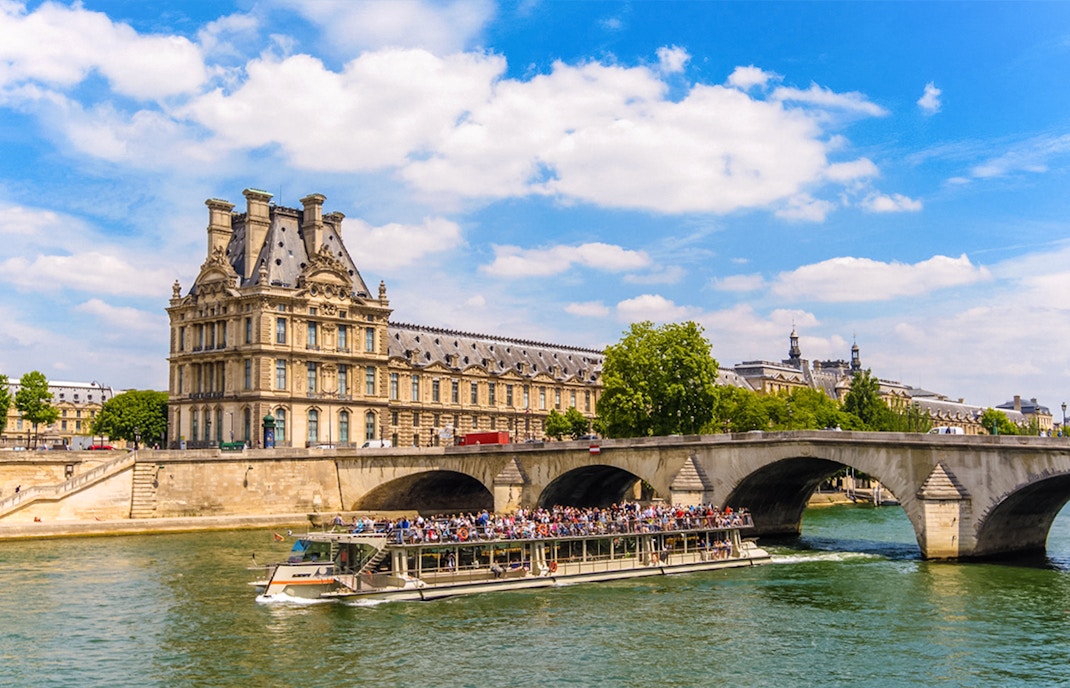
Among the Louvre’s ancient artifacts is the “Ain Ghazal Statue,” one of the oldest known human statues, dating back to 7000 BCE. This 9,000-year-old figure connects modern visitors with the earliest forms of human artistry.

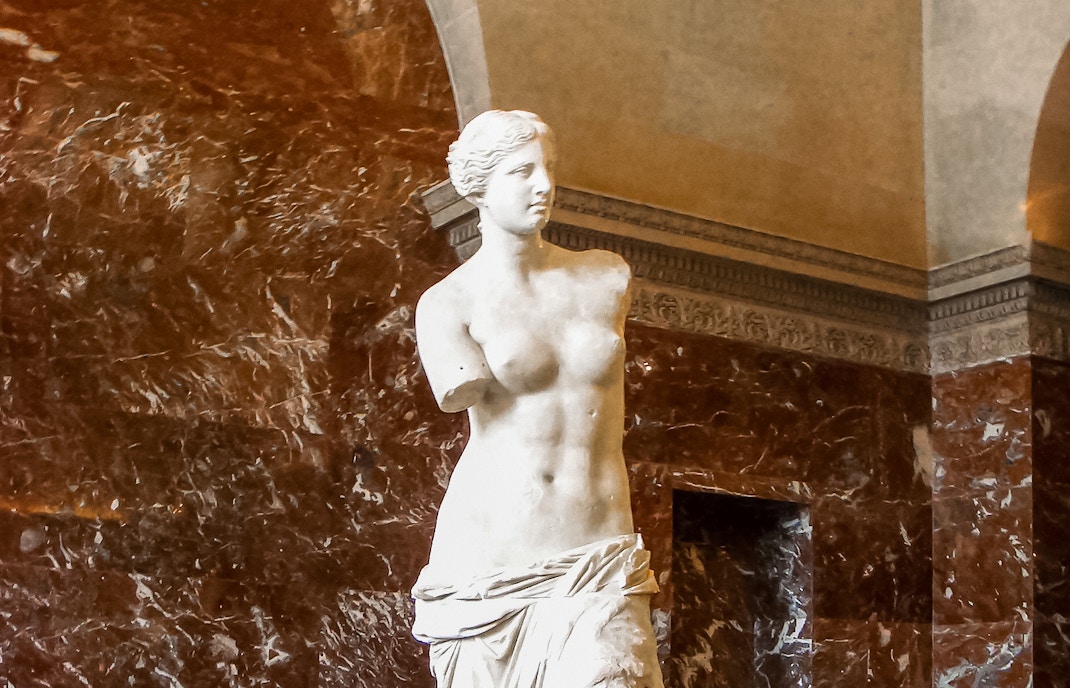
The Venus de Milo was found without arms

The iconic Venus de Milo statue, believed to depict the Greek goddess Aphrodite, was discovered on the island of Milos in 1820. Its missing arms remain a mystery, adding to the sculpture’s allure and mystique.

The Louvre hosts a secret medieval well
Deep in the Louvre’s underground galleries lies a medieval well, a remnant of the site’s time as a fortress. Though not open to the public, this feature gives a rare glimpse into the building’s ancient architectural history.

The Winged Victory of Samothrace has a hidden feature

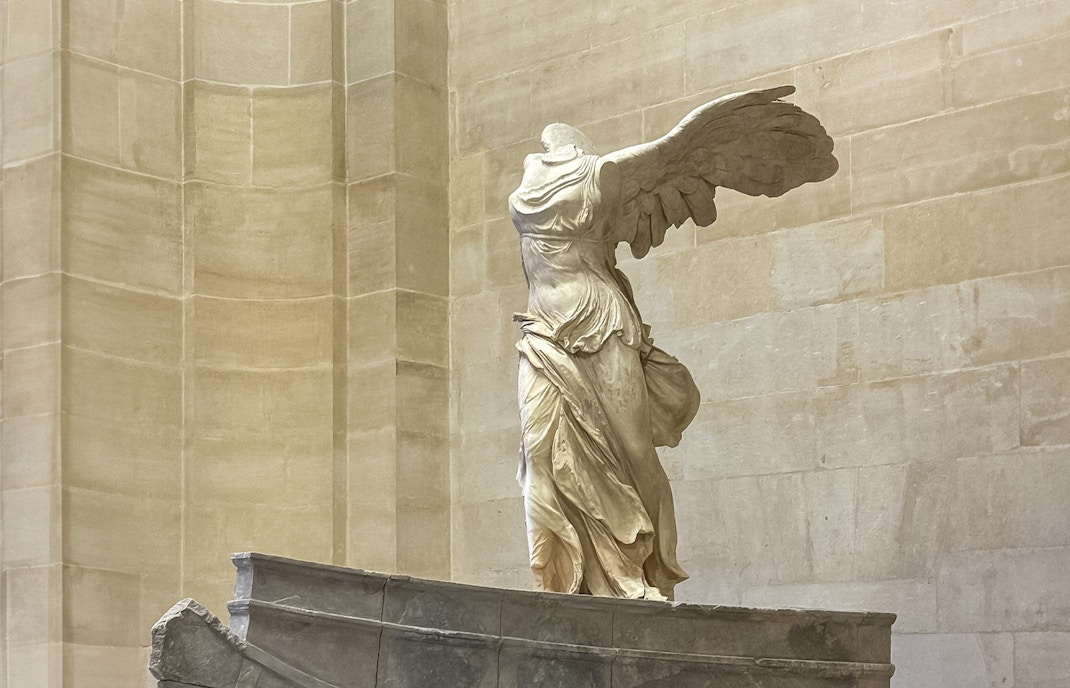
This iconic Greek sculpture, which depicts the goddess Nike, stands triumphantly atop a ship’s prow. What’s less known is that the Louvre has reconstructed the base from marble fragments to complete its display.

The smallest piece of art is just over 1 inch

Among the Louvre's massive collection is a tiny, carved statuette measuring just over an inch tall. This artifact, created in ancient Mesopotamia, proves that size doesn’t diminish artistic significance.

A private tour promises such fun tidbits: book here

It holds a painting bigger than the Sistine Chapel ceiling
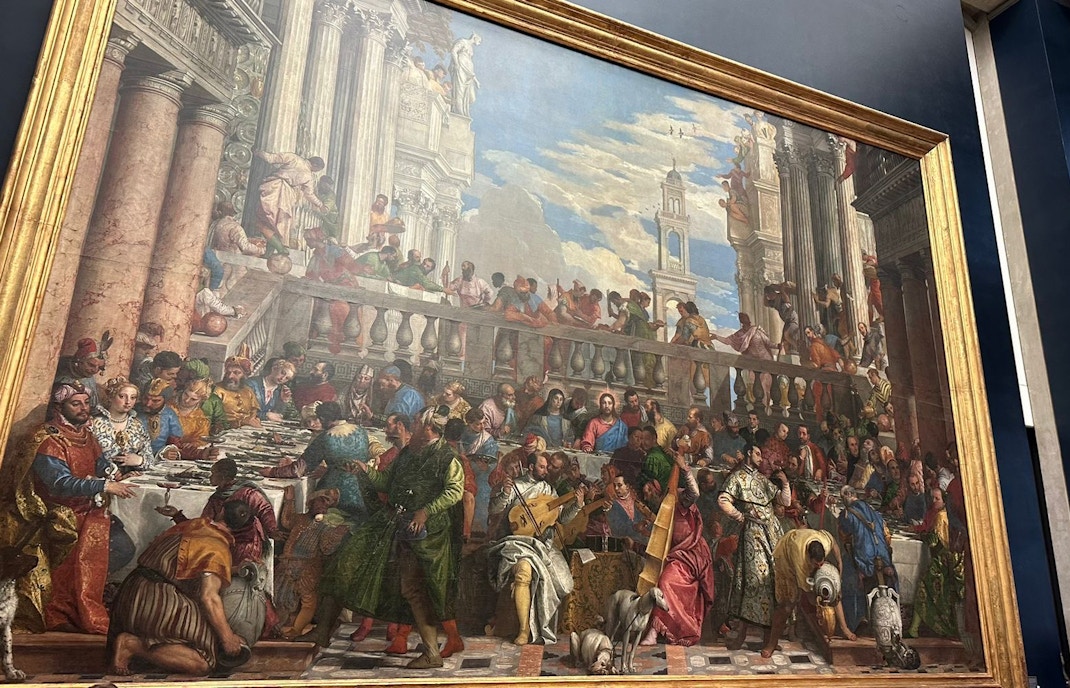
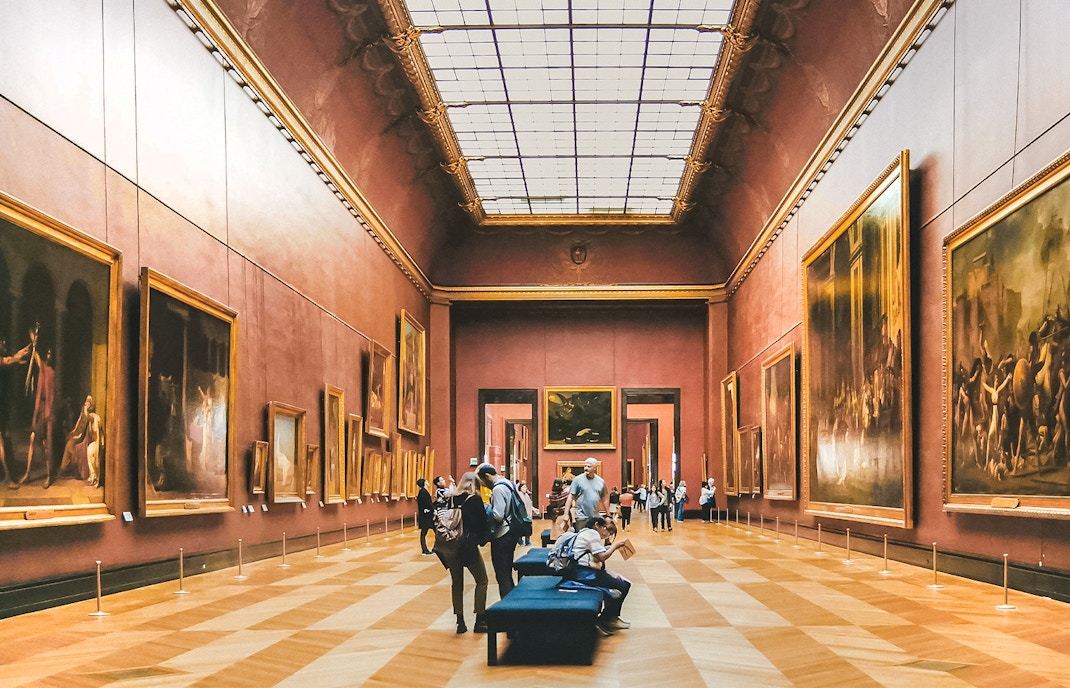
The painting The Wedding at Cana by Paolo Veronese is the largest artwork in the Louvre, measuring 33 feet long and 22 feet tall. It’s so massive that it had to be carefully reconstructed in the museum’s gallery.

The Louvre Pyramid Aligns with the Sun
The glass pyramid isn’t just a modern architectural marvel—it’s also designed to align with the sun’s movements, mirroring ancient Egyptian architecture. On certain days, sunlight creates stunning reflections within the museum's courtyard.

There’s a ghost called the Red Man of the Tuileries

The Louvre is said to be haunted by the "Red Man," a ghost who allegedly appeared to Catherine de Medici and Napoleon Bonaparte. Legend has it that sightings of the Red Man predict disaster for those who see him.

More reads

Audio Guided Tours

Book Now

History

Learn more

Artworks

Read on

Plan your visit

Learn more