The most famous artworks at the Louvre Museum

Some pieces of art have endured through the ages and left such an impression on history that we find it impossible to picture the world without them. They continue to be adored by everyone and distinguished by specialists, and their influence has transcended national boundaries and cultural boundaries.

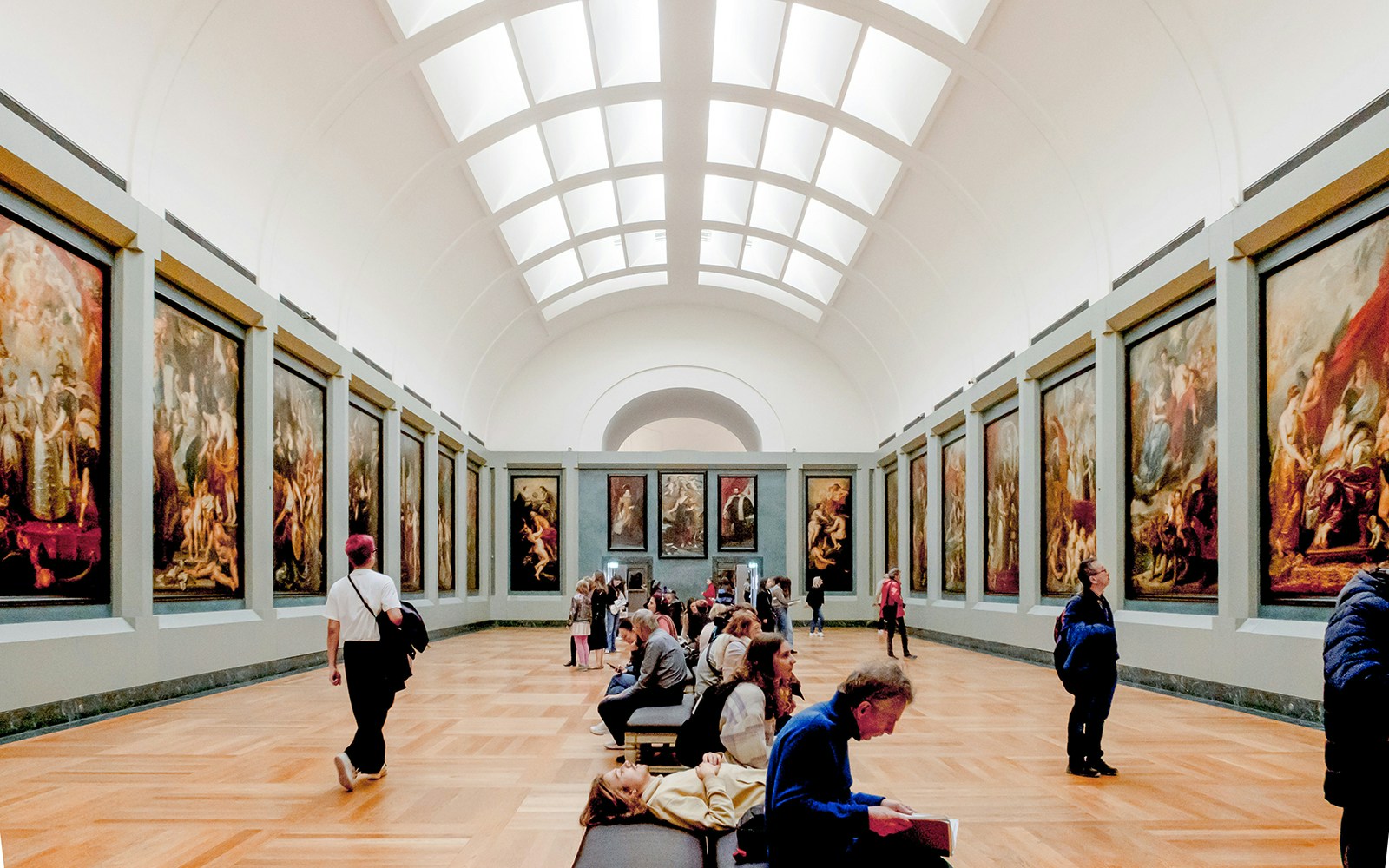
What better place to experience these magnificent works of art than the Louvre? The palace contains some of the most recognizable artwork in the world, including paintings, sculptures, architectural features, and artifacts created by well-known or unknown artists from a wide range of backgrounds and times. Furthermore, no two works of art are alike!

Must-see artworks at the Louvre Museum

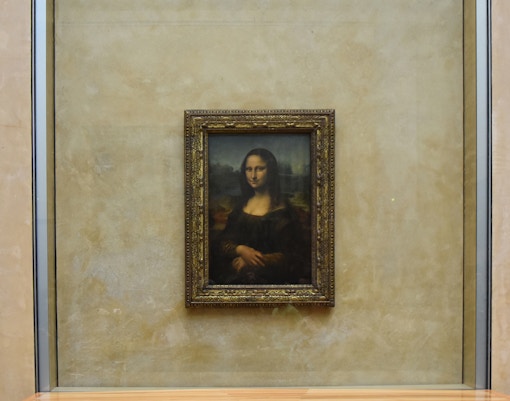
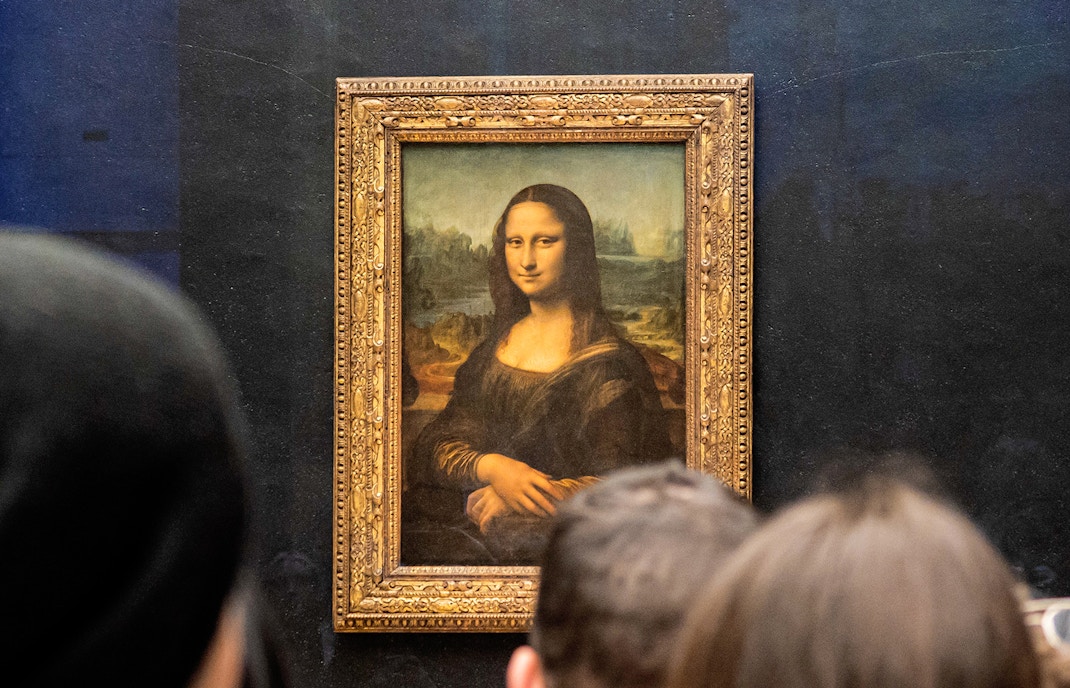
Mona Lisa

Artist: Leonardo da Vinci
Location: Denon Wing, Room 711
Year: 1503 - 1505

How can we not mention the Mona Lisa? Perhaps the most famous painting in the world, the Mona Lisa is renowned for her enigmatic smile and the mastery of da Vinci’s sfumato technique. Expect crowds, but it’s a must-see!

Known as La Gioconda in Italian, the Mona Lisa was once stolen by a janitor and brought home to Italy after two years. Since that episode, the portrait made with oil on wood has become a piece of curiosity. The subject of the painting is believed to be the wife of Francesco del Giocondo, an influential Florence Politician. Mona Lisa stirs occasional controversy about its origin and whether it is finished or not. Additionally, it is a national treasure in France because her Louvre enclave is bulletproof glass.

See Mona Lisa without the crowds >
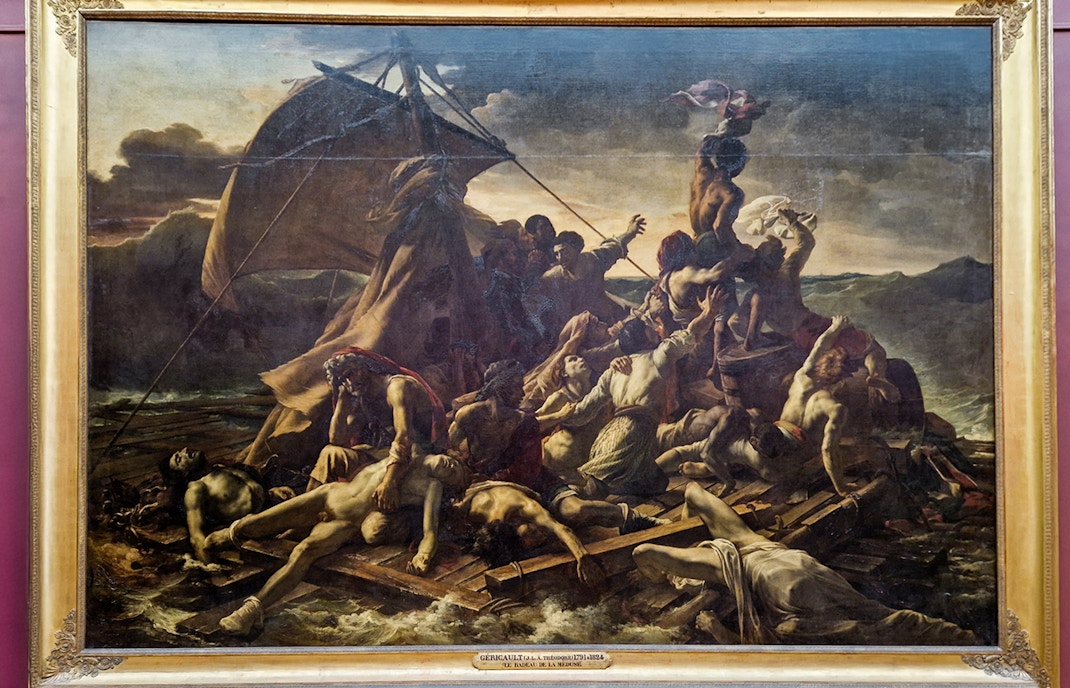
The Raft of Medusa

Artist: Théodore Géricault
Location: Denon Wing, Room 700
Year: 1819

This 1819 painting gave little-known French artist Théodore Géricault National fame. A prime example of French Romanticism in art, The Raft of Medusa is often considered a superior masterpiece. The 16-foot tall oil painting depicts the French Navy frigate Medusa. The scene of the artwork is the 1816 shipwreck off the Mauritiana coast. The Raft of Medusa shows the emotions and drama of occupants in the ship, an amalgamation of fighting elements. The scene is filled with survivors, dead bodies, and an agonizing cry for help. The painting was acquired by the Louvre Museum shortly after the death of Théodore Géricault, at age 32.

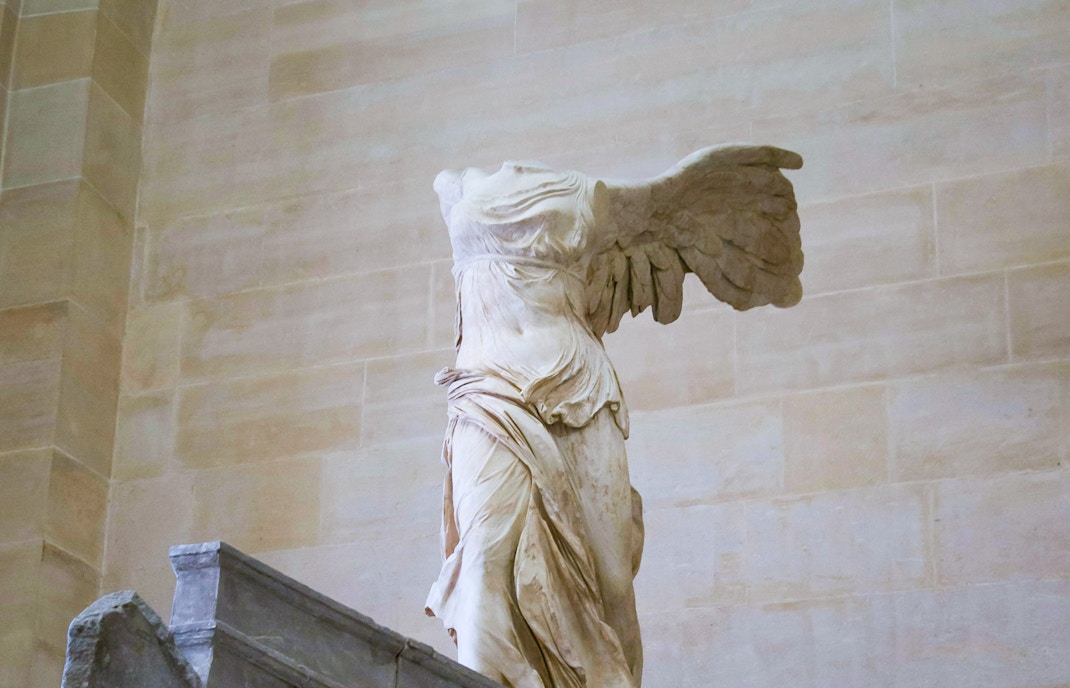
The Winged Victory of Samothrace

Collection: Ancient Greek
Location: Denon Wing, Room 703
Year: 190 BC

This powerful Hellenistic sculpture represents Nike, the Greek goddess of victory. Its dramatic pose and its ability to capture the sensation of wind and movement make it one of the Louvre's most awe-inspiring pieces.

The total height of the monument is 5.57 metres (18 ft 3 in), including the socle, the statue alone measures 2.75 metres (9 ft 0 in). The sculpture is one of a small number of major Hellenistic statues surviving in the original, rather than Roman copies.

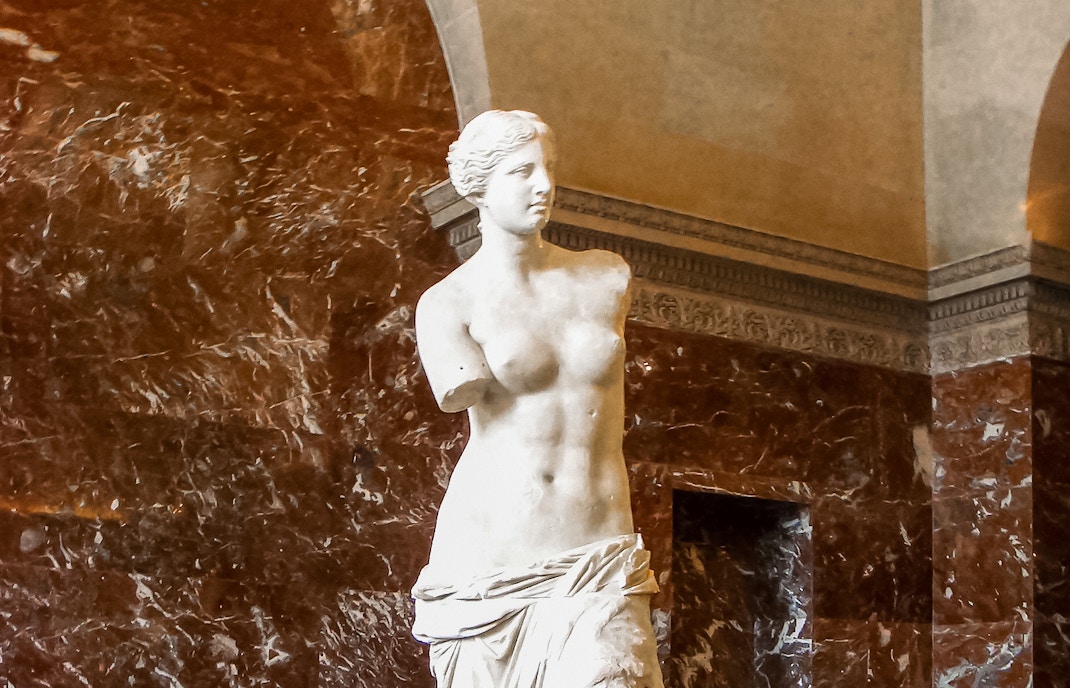
Venus de Milo

Collection: Ancient Greek
Location: Sully Wing, Room 345
Year: 1820

Discovered in 1820, it was offered to King Louis XIII who gave it to the Louvre Museum. It is one of the most famous representations of the goddess Venus (Aphrodite to the Greeks). This celebrated ancient Greek statue is known for its elegant proportions and its mysterious lost arms. It’s one of the most famous classical sculptures in the world.

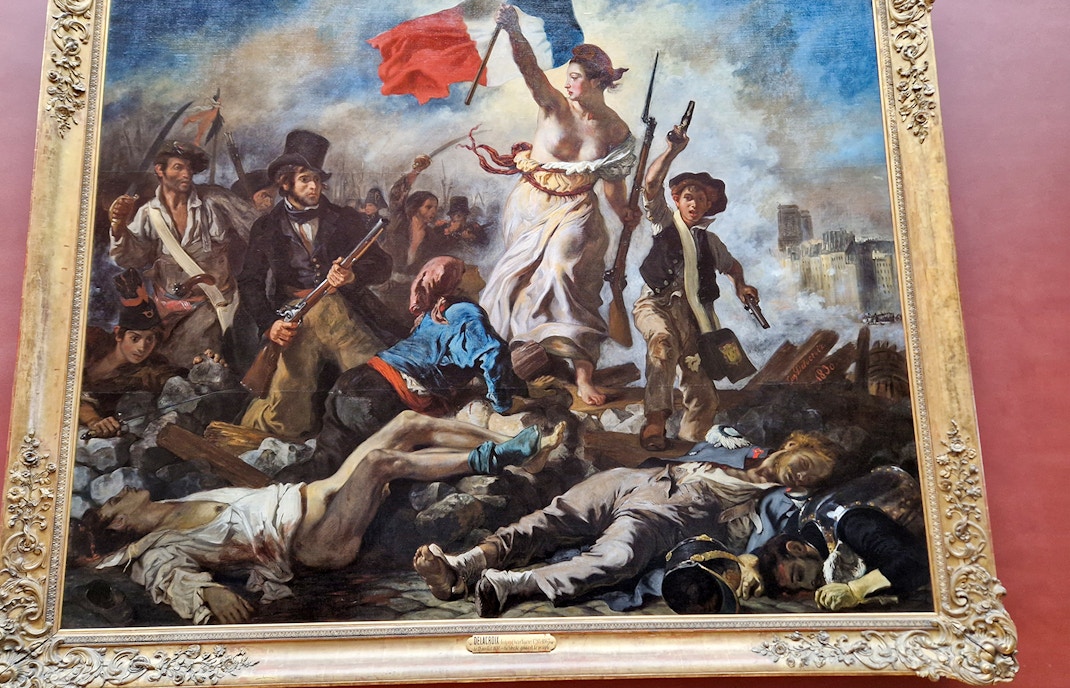
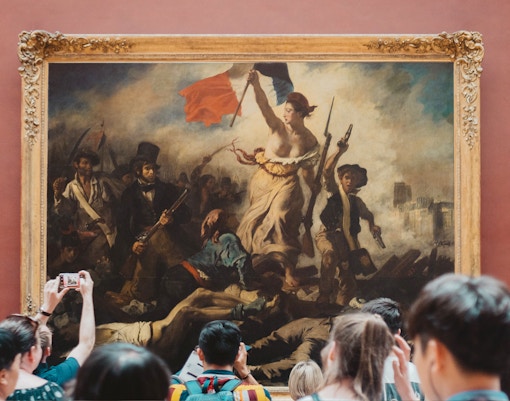
Liberty Leading the People

Artist: Eugène Delacroix
Location: Denon Wing, Room 701
Year: 1831

Eugène Delacroix painted the iconic Liberty Leading the People in 1831, commemorating the July Revolution that toppled King Charles X. The painting shows Liberty personified as a woman wearing a Phrygian cap, holding the French tricolor on her right hand, and a bayoneted musket on the other, leading a group of armed people. Eugène Delacroix is one of the pioneers of French Romanticism, and the painting itself is revered as a symbol of his art. The 260-centimeter-tall painting is oil on canvas.

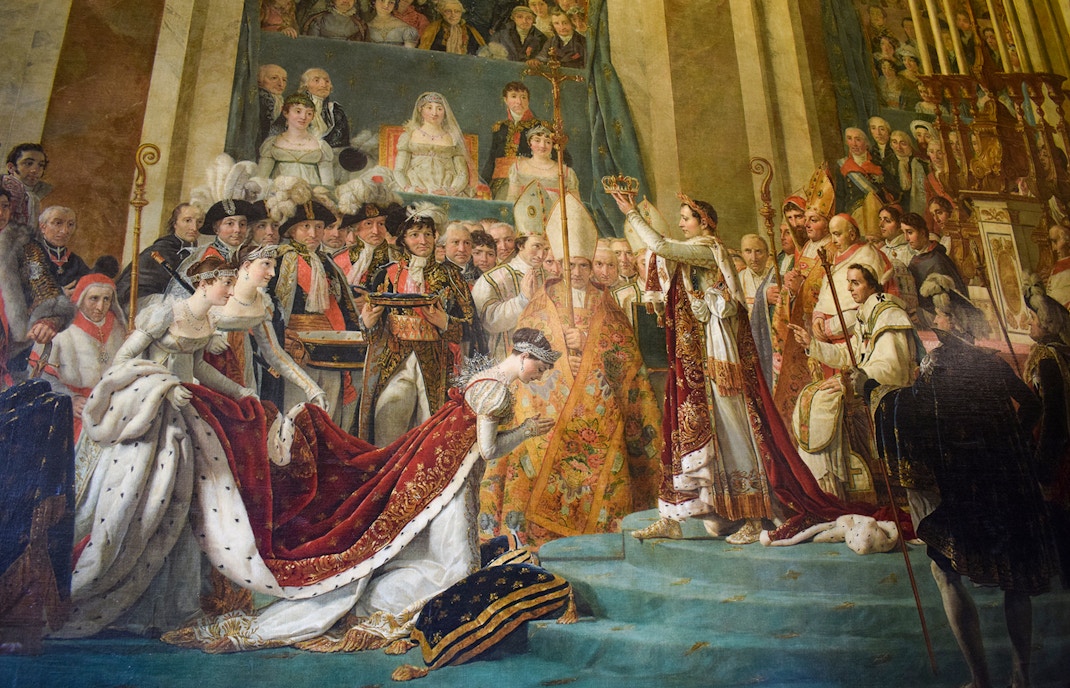
The Coronation of Napoleon

Artist: Jacques-Louis David
Location: Denon Wing, Room 702
Year: 1807

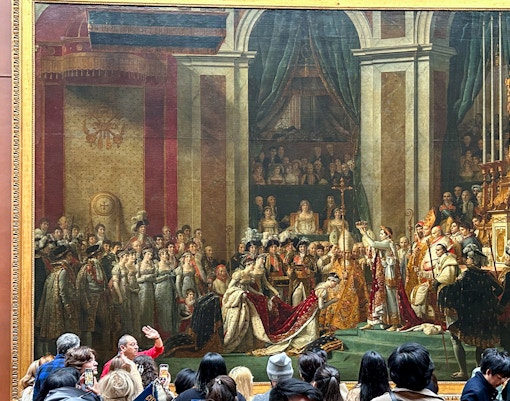
Jacques-Louis David's masterpiece, The Coronation of Napoleon, is a gigantic painting with a dimension of 20-feet x 32-feet. The artist was hired as the official painter of Napoleon Bonaparte. The stunning visual depicts the coronation of Napoleon at the Notre-Dame Church in Paris. The most important thing about this painting is the attention to detail. Everyone in the painting, including Pope Pius VII, gets immaculate detailing by the artist. The characters in the painting are depicted in a way they are all concentrating on Napoleon. It was believed that the artist took nearly three years to finish the artwork.

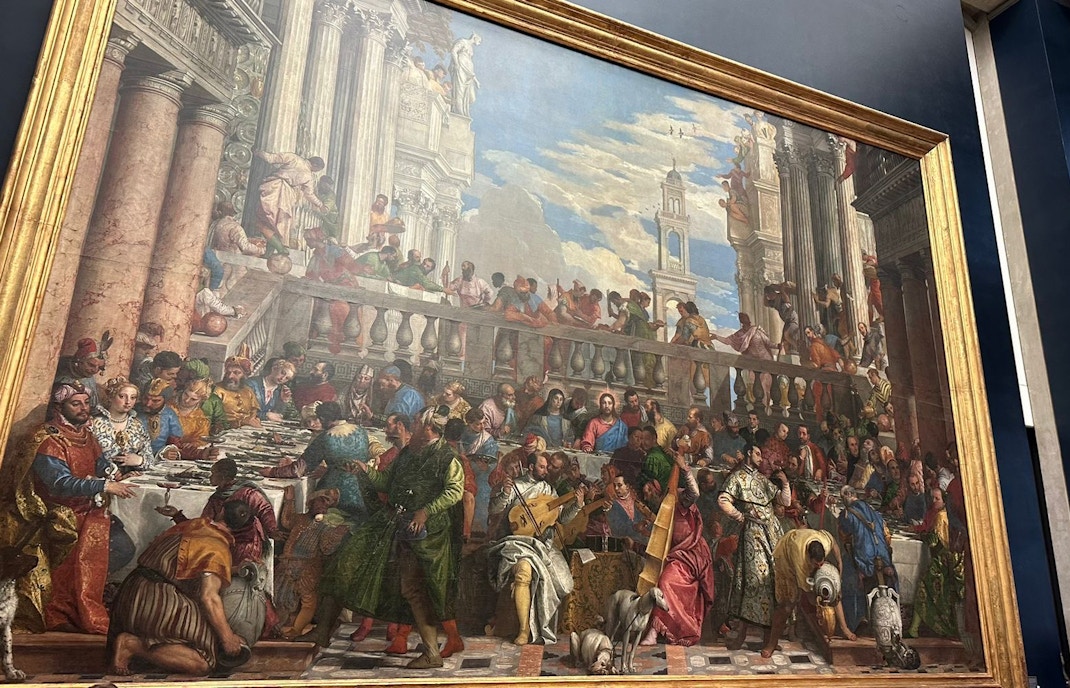
The Wedding at Cana

Artist: Paolo Veronese
Location: Denon Wing, Room 711
Year: 1563

The Wedding at Cana is a painting by Italian Renaissance painter Paolo Veronese. The painting depicts the scene in the Bible where Jesus turned water into red wine at a feast in the city of Cana. Veronese took the artistic freedom to create a different version of a marriage feast to accomplish this 6.77-meter-tall painting. Often hailed as a peak Renaissance artwork, The Wedding at Cana shows the brilliance of Veronese in using color palettes to perfection. Veronese, a student of the Venetian School of Arts, adopted the Venetian style in creating this art piece.

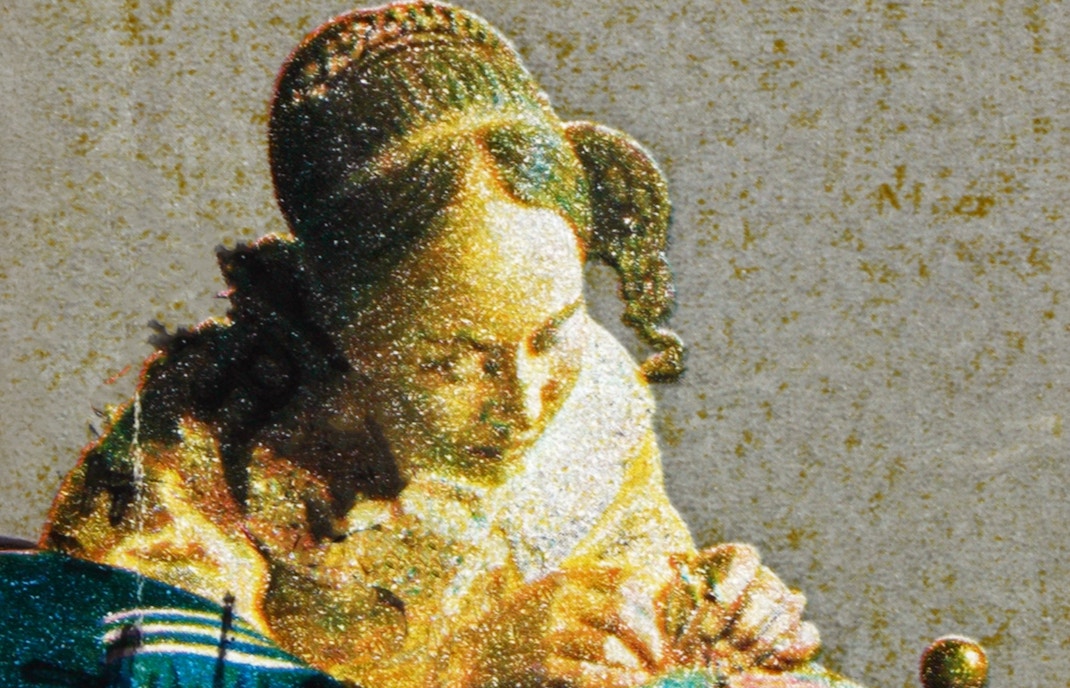
The Lacemaker

Artist: Johannes Vermeer
Location: Richelieu Wing, Room 837
Year: 1670

This delicate masterpiece by Vermeer showcases his mastery of light, texture, and intimate moments. It’s a serene and quietly powerful work. A famous 16th-century painting, the Lacemaker inspired a successful novel and a film with Isabelle Huppert in the lead role. This painting depicts a young girl focused on her work. It is a faithful representation of the occupation of distractions and work at the time.

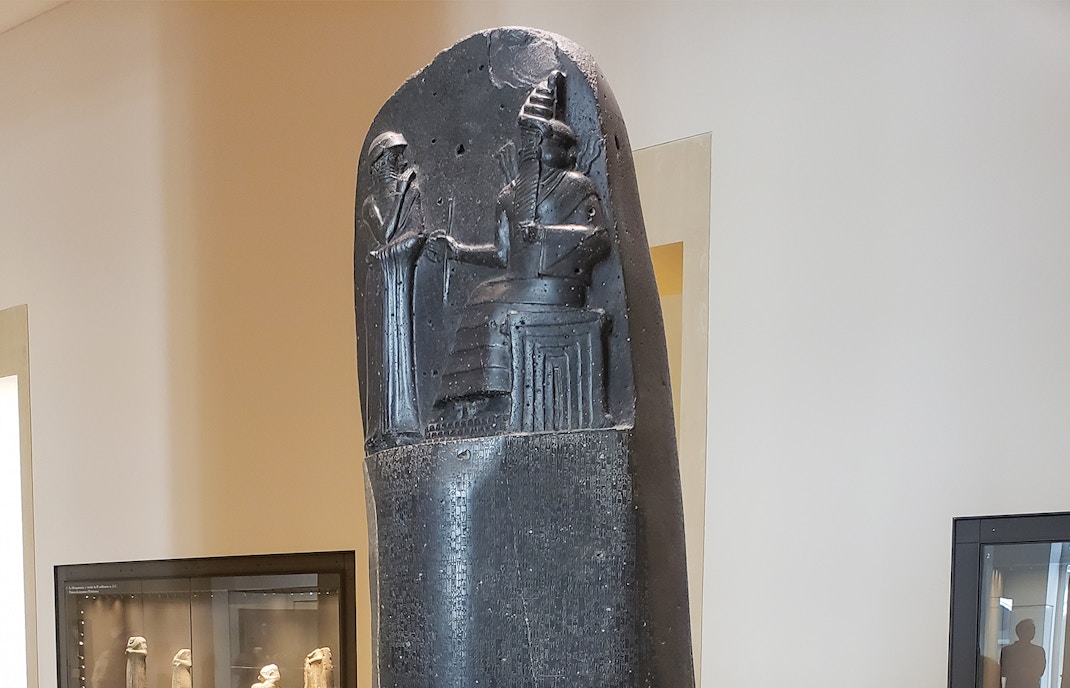
The Code of Hammurabi

Collection: Babylonian
Location: Richelieu Wing, Room 227
Year: 1755 - 1750 BC

One of the oldest and most important legal documents in history, this 7-foot-tall basalt stele represents King Hammurabi of Babylon receiving the laws from the sun god Shamash. The Code of Hammurabi, engraved on a stele in Babylonia in 1754 BC, represents one of the earliest codifications of laws in history. It covers diverse fields such as commerce, family and property. This historic document has influenced much subsequent legislation and remains a valuable reference for understanding the beginnings of the legal system.

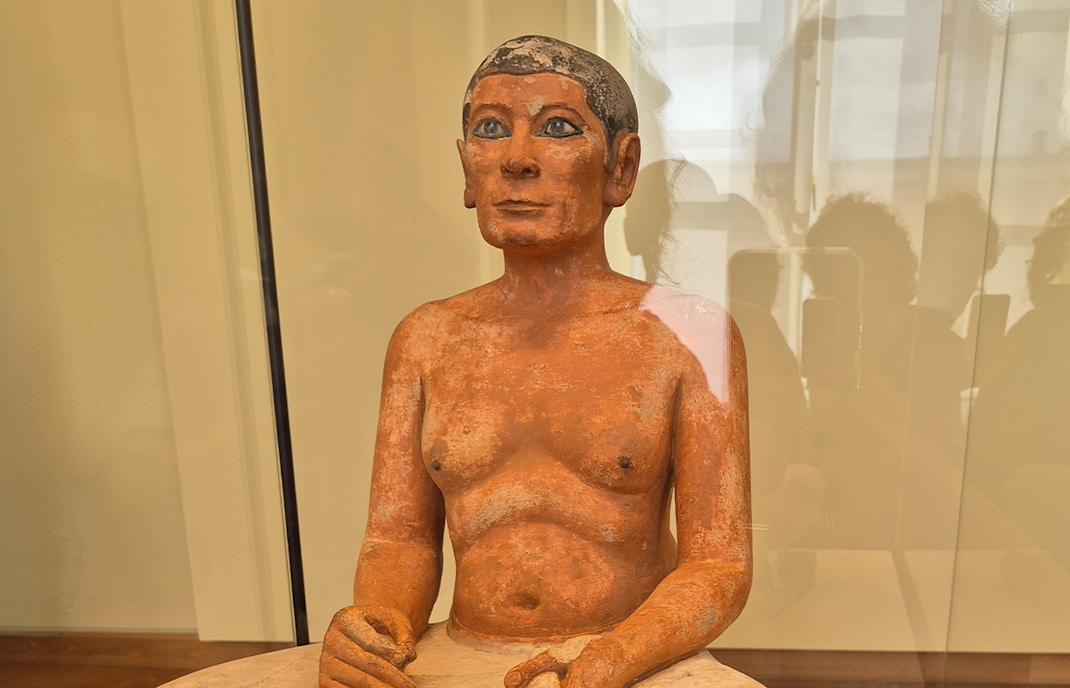
The Seated Scribe

Collection: Egyptian Collection
Location: Room of Egyptian Collection
Year: 2450–2325 BCE

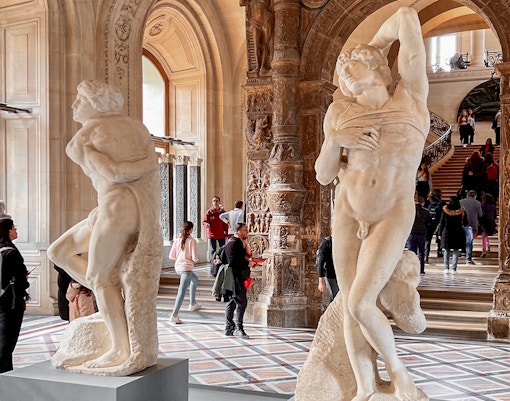
This sculpture is an unfinished work by the Italian master Michelangelo. It is thought to have been made between 1513 and 1516. There is another dying slave on display in the Louvre. They were originally commissioned for the tomb of Jules II that had to be installed in St. Peter's Basilica in Rome.

Hidden masterpieces

The Battle of the Quarters by Paolo Uccello

The Battle of the Quarters by Paolo Uccello

This intricate panel, painted by Uccello, illustrates the medieval conflict between the factions of Florence. It showcases the artist's skill in perspective and geometric composition, often underappreciated in favor of his more famous works.

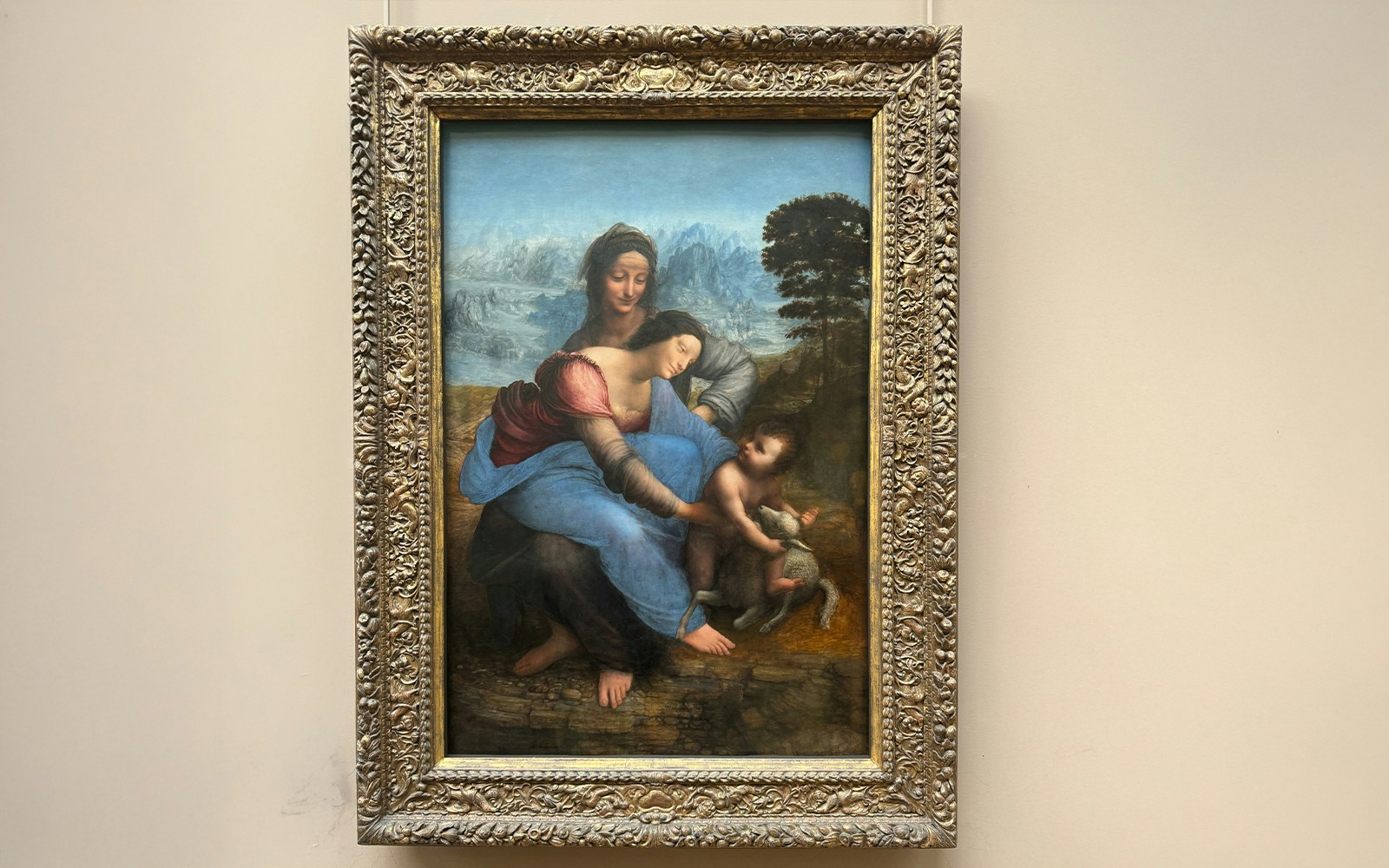
The Virgin and Child with Saint Anne painting by Leonardo da Vinci at Louvre Museum, Paris.
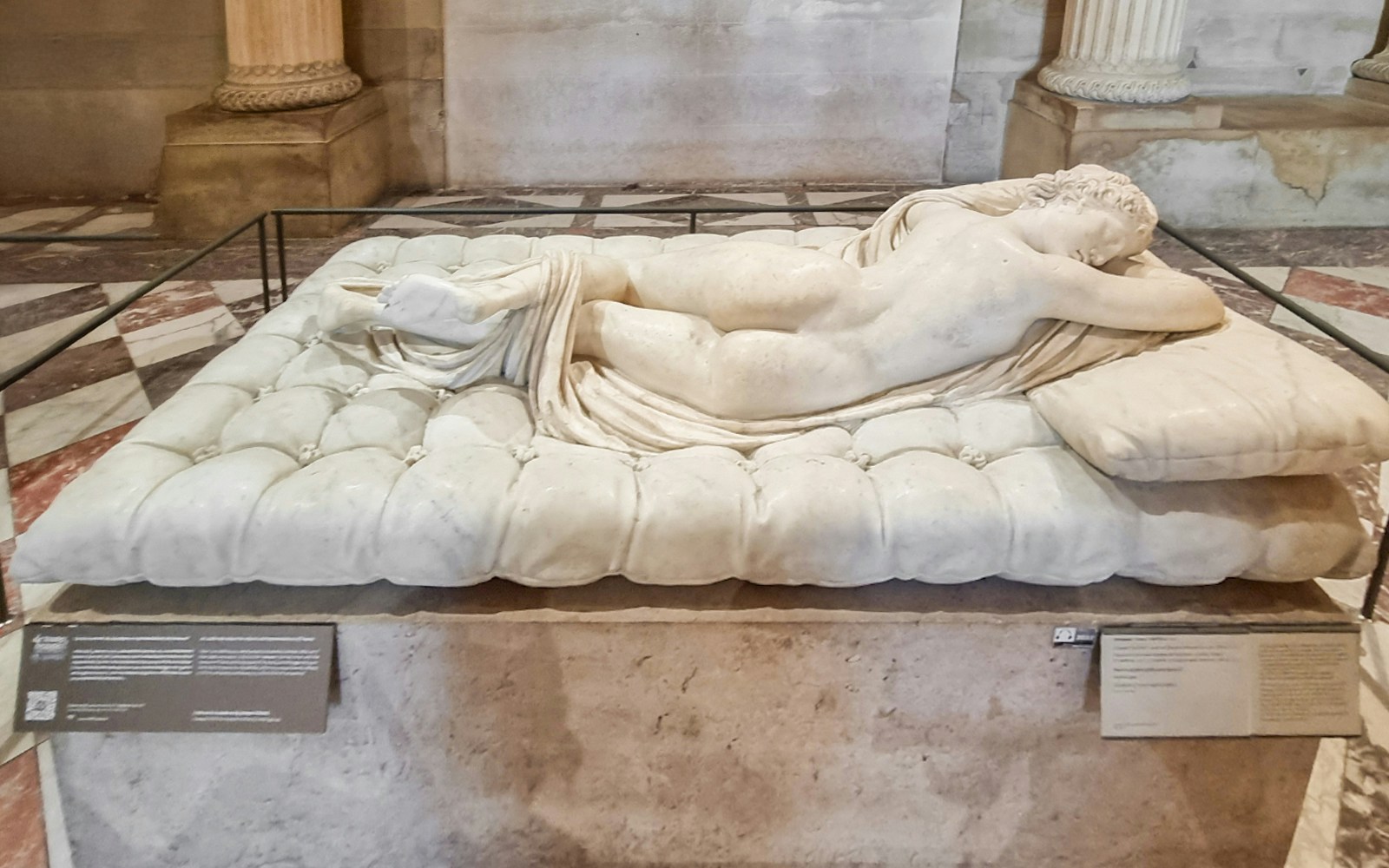
The Sleeping Hermaphroditus sculpture at Louvre Museum, Paris.
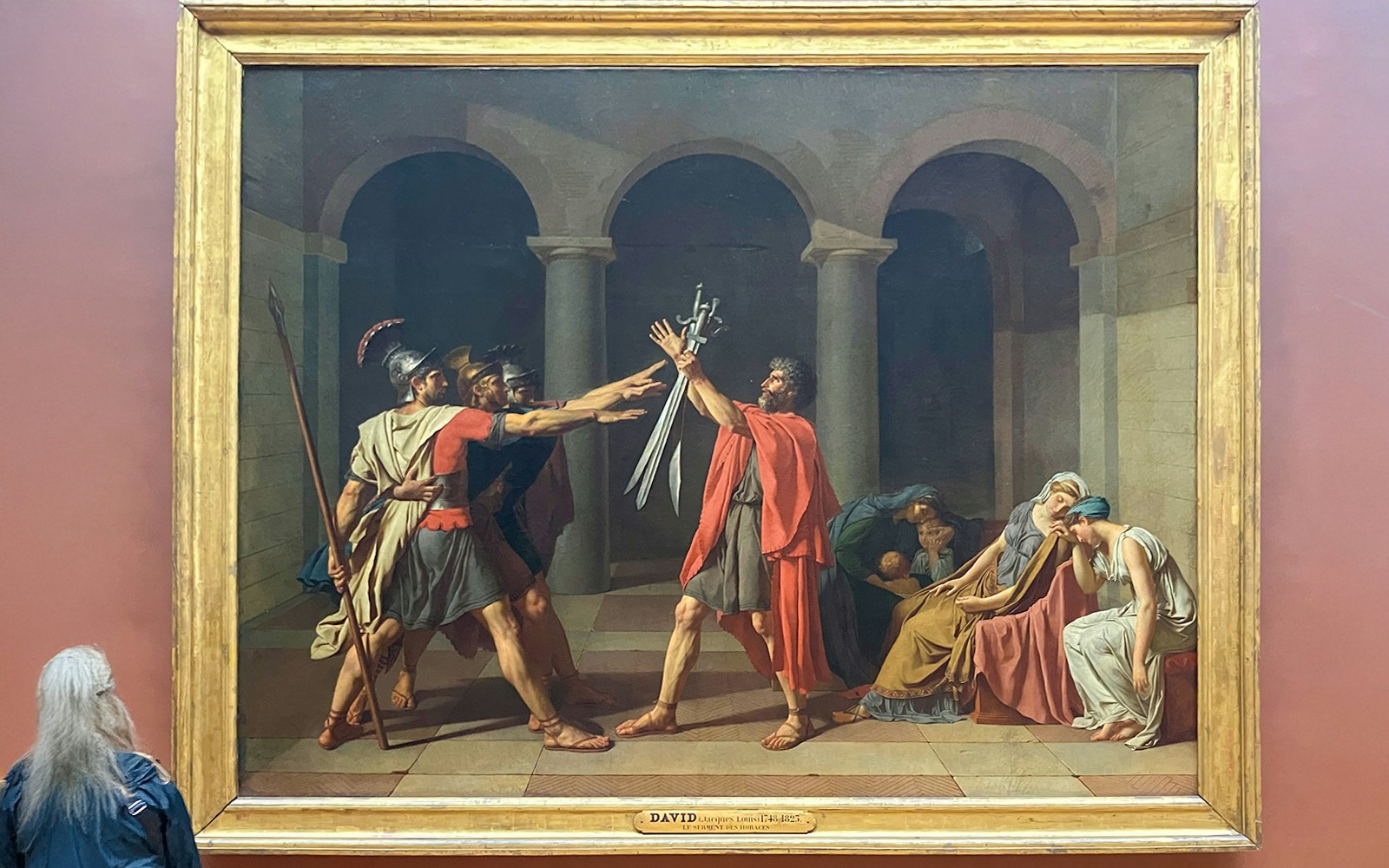
The Oath of the Horatii painting by Jacques-Louis David displayed at the Louvre Museum, Paris.
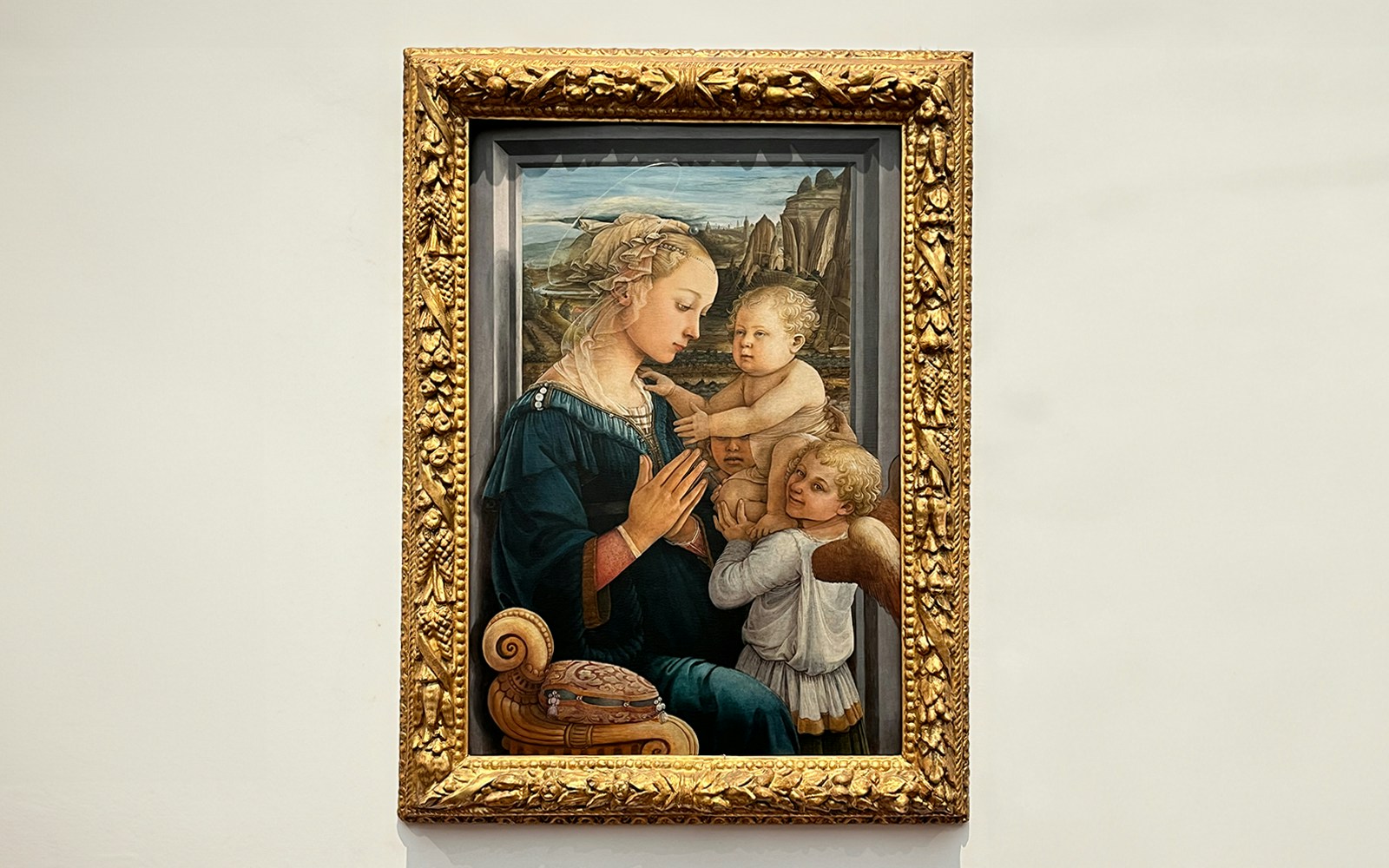
Filippo Lippi's "Madonna and Child with Two Angels" at Louvre Museum Paris
Seeing the artworks is one thing, understanding them is another.

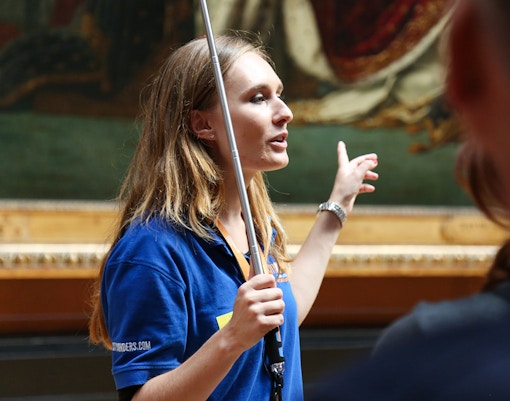
From the Mona Lisa to lesser-known masterpieces, much of what makes the Louvre special lies in context and storytelling. Guided tours help connect the dots across art, history, and architecture.

Famous artists at the Louvre

Leonardo da Vinci

  • Famous work: Mona Lisa
  • Da Vinci’s Mona Lisa is arguably the most famous painting in the world, celebrated for its mysterious smile and enigmatic allure.

Eugène Delacroix

  • Famous work: Liberty Leading the People
  • Delacroix’s romantic and revolutionary style is embodied in this dramatic painting, symbolizing freedom and the July Revolution of 1830.
Musée Eugène-Delacroix in detail

Michelangelo

  • Famous work: The Dying Slave and Rebellious Slave
  • Although known for his frescoes on the Sistine Chapel, Michelangelo's works in the Louvre, such as his unfinished sculptures, showcase his skill in capturing human emotion and form.

Jacques-Louis David

  • Famous work: The Coronation of Napoleon
  • A key figure in Neoclassicism, David's large-scale works such as The Coronation of Napoleon depict political and historical events with precision and grandeur.

Raphael

  • Famous work: The Holy Family with a Lamb
  • Raphael’s delicate and serene works exemplify the High Renaissance, with his pieces often showing balanced compositions and graceful figures.

Rembrandt van Rijn

  • Famous work: The Jewish Bride
  • Rembrandt’s mastery of light and shadow is evident in The Jewish Bride, showcasing his talent for capturing emotion and intimacy.

Vermeer

  • Famous work: The Lacemaker
  • Vermeer’s subtle yet captivating works, like The Lacemaker, are known for their mastery of light and serene everyday scenes.

Tips for visiting

  • Plan your visit: The Louvre is vast, so prioritize the art you want to see. The museum is divided into wings: Denon, Sully, and Richelieu.
  • Get a map: You can pick up a map at the entrance or download the museum’s app to help you navigate.
  • Avoid crowds: The Mona Lisa attracts huge crowds, so try to visit early or later in the day, or purchase a ticket with hosted access to the Mona Lisa.
  • Time management: If you're short on time, consider focusing on one wing or a specific period, like Renaissance or Ancient Greek art.

The Louvre is a treasure trove of human creativity across centuries. Every visit reveals new details and masterpieces, so take your time and immerse yourself in its unparalleled collection.

Frequently asked questions about the artworks at the Louvre Museum

The Mona Lisa by Leonardo da Vinci, The Winged Victory of Samothrace, Venus de Milo, Liberty Leading the People by Delacroix, and The Raft of the Medusa by Géricault are some of the most famous and iconic works housed in the Louvre.

More reads

Collections

Book Now

Plan your visit

Book Now

Guided tours

Book Now