Quick Information

RECOMMENDED DURATION

5 hours

VISITORS PER YEAR

7500000

NUMBER OF ENTRANCES

4

EXPECTED WAIT TIME - STANDARD

2+ hours (Peak), 1-2 hours (Off Peak)

EXPECTED WAIT TIME - SKIP THE LINE

30-60 mins (Peak), 0-30 mins (Off Peak)

UNESCO YEAR

1991

Plan your visit

Did you know?

The Louvre’s story began over 800 years ago as a fortress defending Paris from Viking invasions. You can still see parts of the original medieval moat in the museum today.

During World War II, the Louvre’s deputy director, Jacques Jaujard, orchestrated a daring mission to hide over 4,000 priceless artworks in a château in Loire Valley to outwit the Nazis.

On 21 August 1911, Italian handyman Vincenzo Peruggia stole the masterpiece, Mona Lisa from the Louvre because he believed that she belonged in Italy. Her two-year disappearance made her a global sensation.

Why visit the Louvre Museum?

Step into the Louvre Museum, where 9,000 years of human history and artistry come alive under the iconic glass pyramid. As the world’s most visited museum, the Louvre is not just another art gallery—it’s a global cultural icon and a must-see destination in Paris.

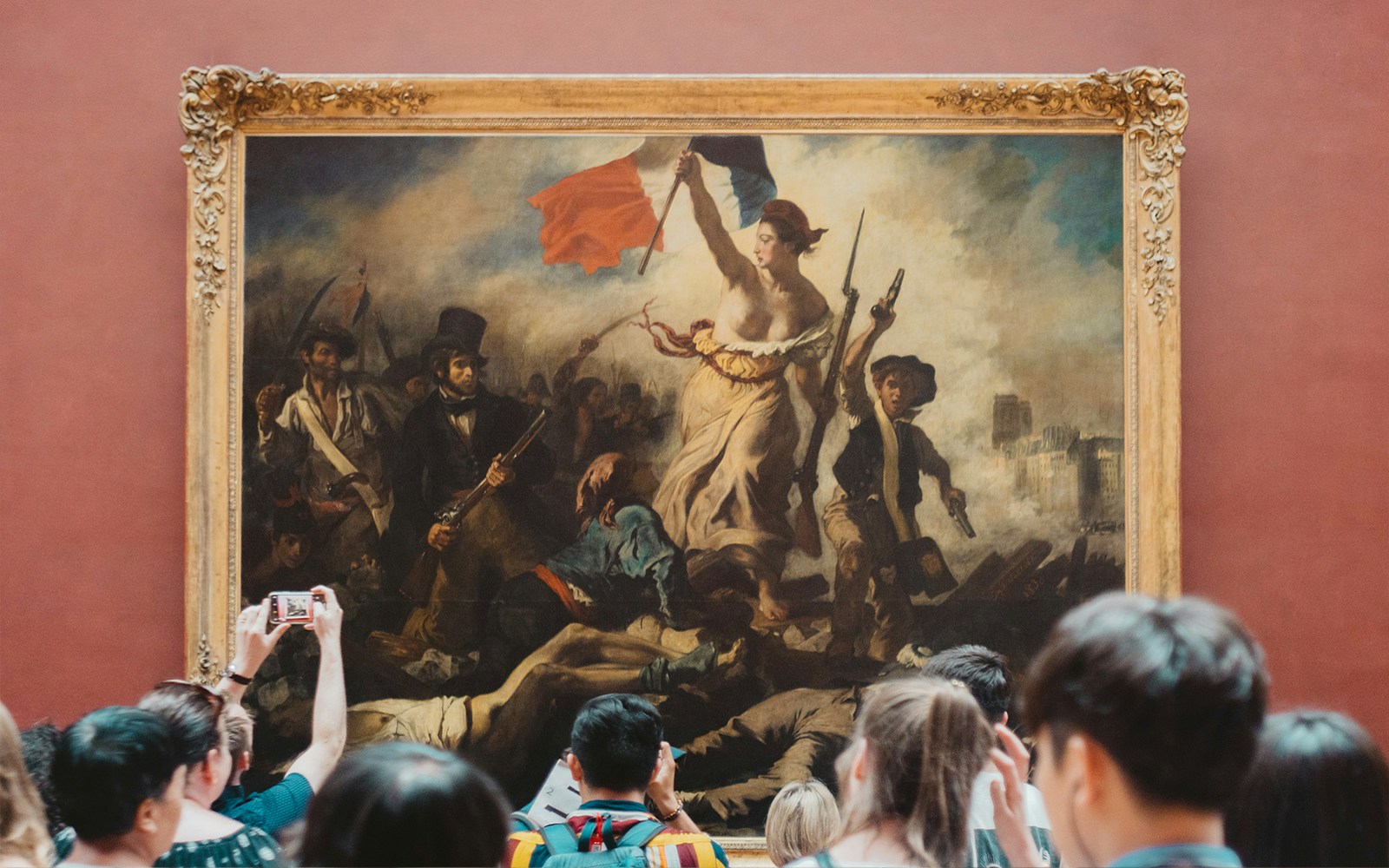
Marvel at masterpieces like the Mona Lisa by Leonardo da Vinci, the Venus de Milo, and Liberty Leading the People by Eugène Delacroix. Each piece tells a story, drawing visitors into the heart of artistic and cultural milestones.

The Louvre is not just about art—it’s a journey through time. Originally built as a fortress in the 12th century to defend Paris, it became a royal palace and, during the French Revolution, the home of France’s national treasures. Today, it stands as a timeless testament to human creativity and resilience.

Dive into the Louvre’s diverse collections

With over 35,000 masterpieces spread across eight departments, the Louvre can feel like a maze. Here's how to navigate its treasures like a pro.
Paintings
  • Focus: European paintings from the 13th to the 19th centuries.
  • Key Highlights: Mona Lisa by Leonardo da Vinci, The Wedding at Cana by Veronese, Liberty Leading the People by Eugène Delacroix
  • Significance: Features works by masters like Raphael, Rembrandt, Vermeer, and Titian.

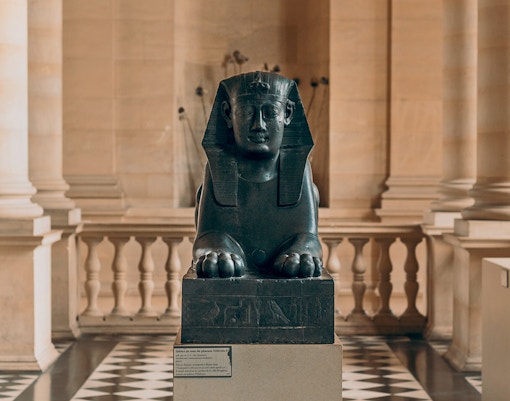
Egyptian Antiquities

  • Focus: Ancient Egyptian culture from prehistory to the Byzantine era.
  • Key Highlights: Great Sphinx of Tanis, Sarcophagi, mummies, and daily life artifacts like tools and jewelry.
  • Significance: Offers a comprehensive view of pharaonic art, including monumental sculptures and funerary objects.
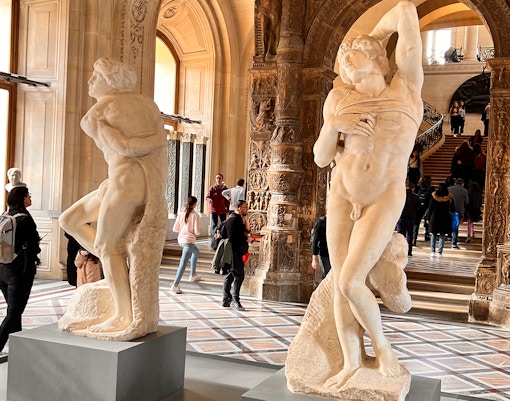
Sculptures

  • Focus: Freestanding works from medieval to modern Europe and beyond.
  • Key Highlights: Michelangelo’s Dying Slave and Rebellious Slave and The Seated Scribe
  • Significance: Celebrates the human form through various periods and styles.
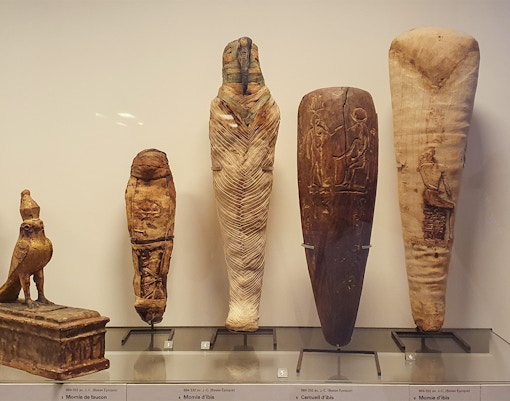
Near Eastern Antiquities

  • Focus: Civilizations of Mesopotamia, Persia, and the Levant.
  • Key Highlights: Code of Hammurabi, and Winged Human-Headed Bulls (Lamassu) from Khorsabad
  • Significance: Explores the cradle of civilization with artifacts from the earliest urban societies.
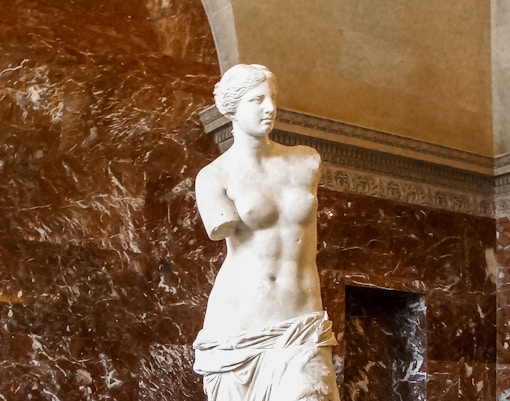
Greek, Etruscan, and Roman Antiquities

  • Focus: Classical art and artifacts from the Mediterranean basin.
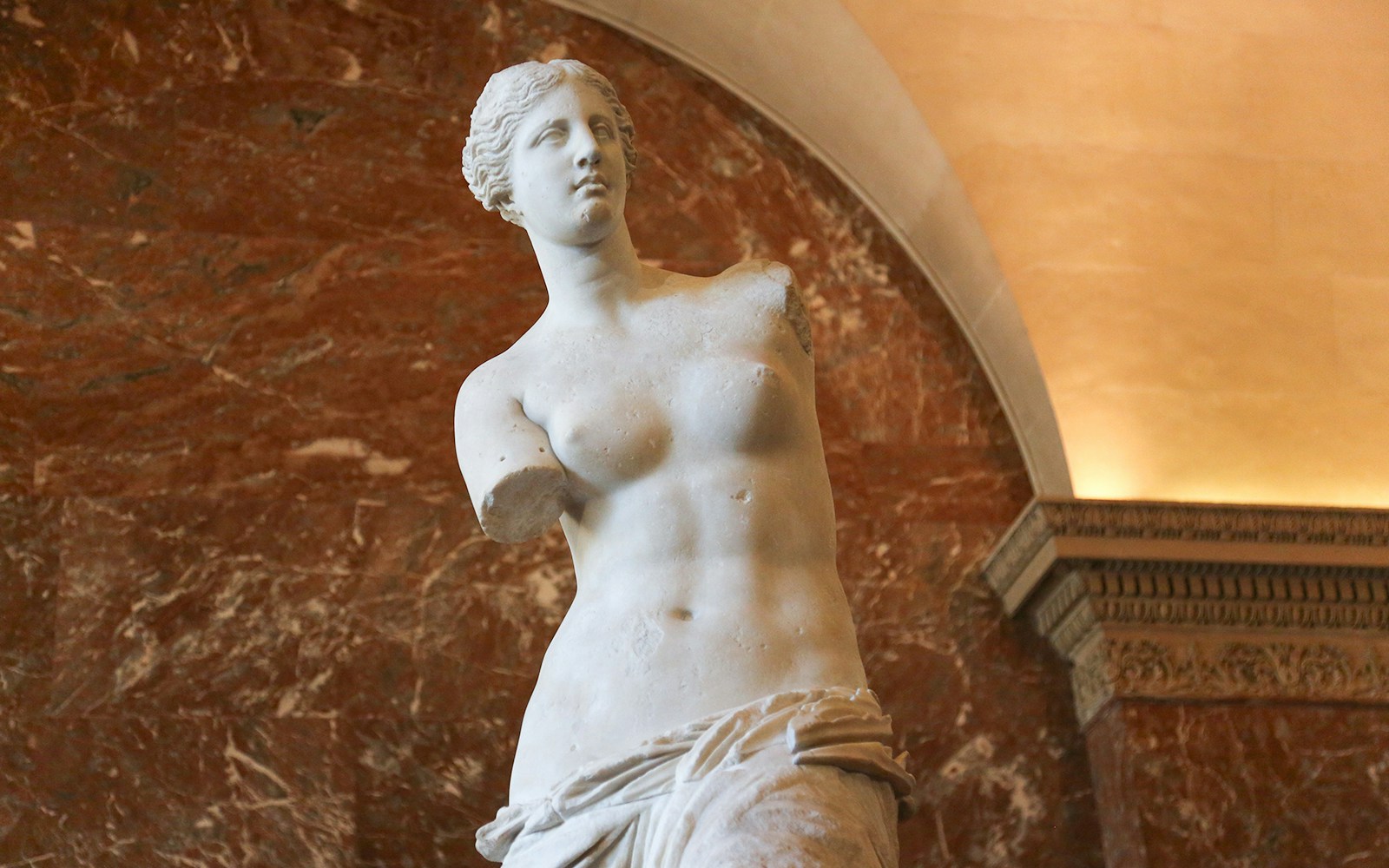
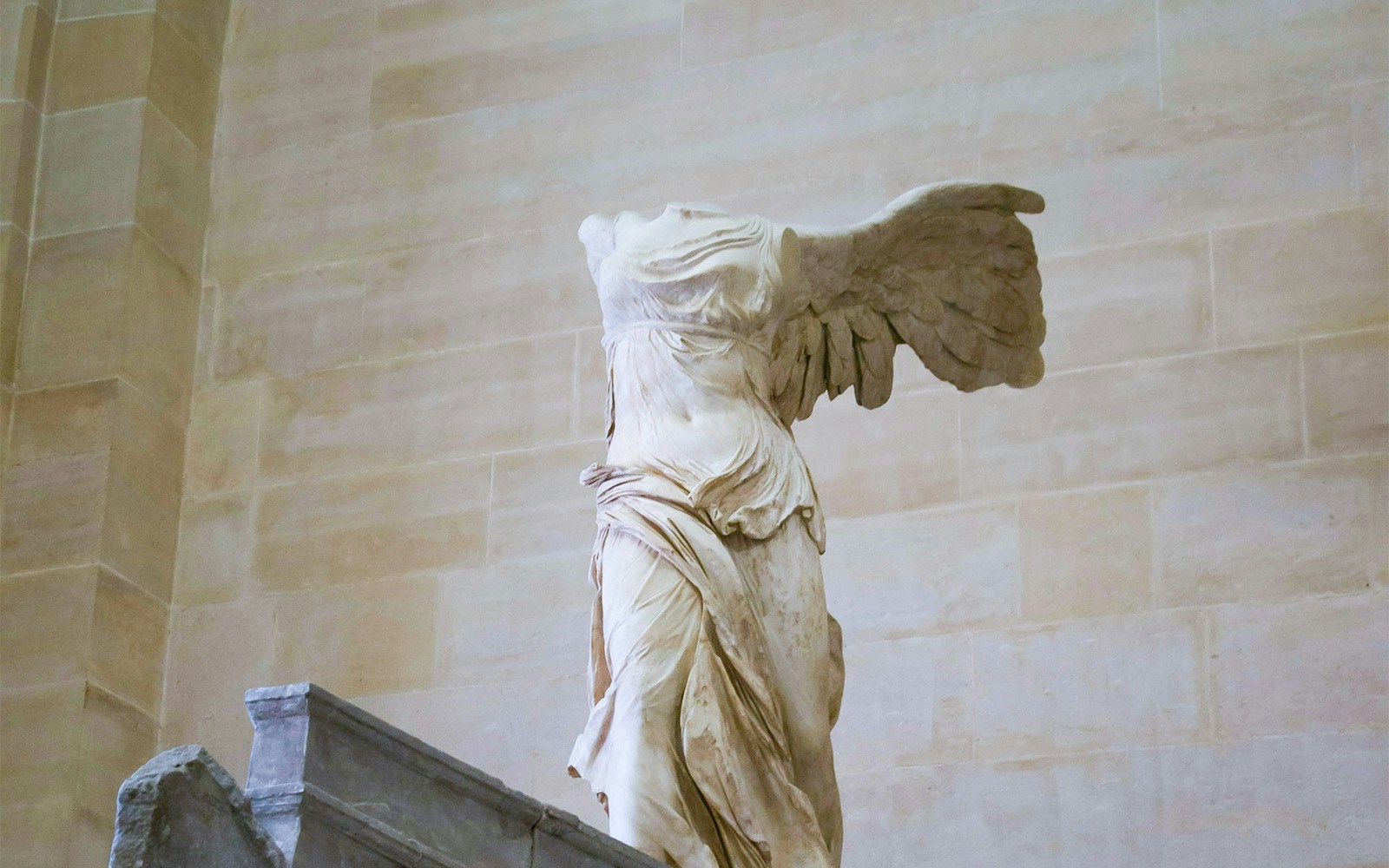
  • Key Highlights: Venus de Milo and Winged Victory of Samothrace
  • Significance: Showcases the artistic and cultural achievements of the ancient world.
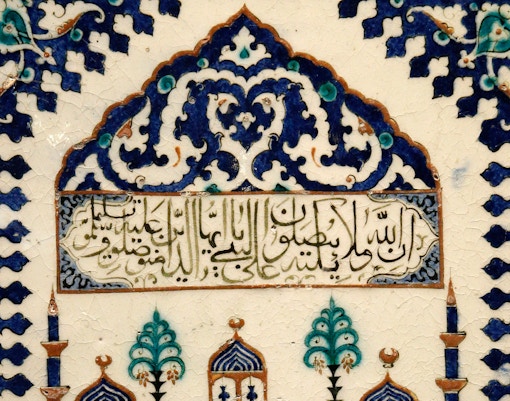
Islamic Art

  • Focus: Art from Islamic cultures spanning the Middle East, North Africa, and Europe.
  • Key Highlights: Pyxis of al-Mughira, ceramic tiles, textiles, and illuminated manuscripts.
  • Significance: Celebrates the beauty and innovation of Islamic artistic traditions.
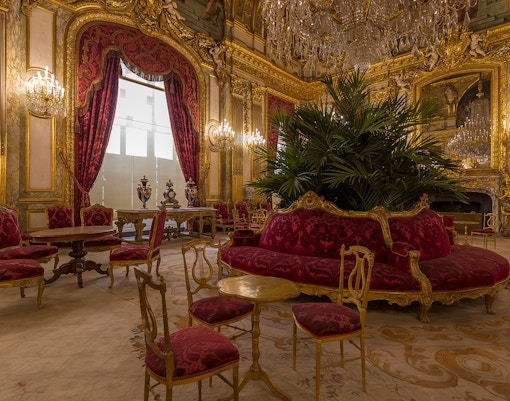
Decorative Arts

  • Focus: European decorative pieces from the Middle Ages to the 19th century.
  • Key Highlights: Napoleon III’s Apartments, clocks, furniture, and exquisite jewelry.
  • Significance: A testament to European craftsmanship and luxury.

Prints and Drawings

  • Focus: Works on paper, including drawings, engravings, and illuminated manuscripts.
  • Key Highlights: Rare sketches by Leonardo da Vinci, Raphael, and Rembrandt.
  • Significance: Offers insight into the creative process and evolution of artistic ideas.
Highlights at the Louvre Museum

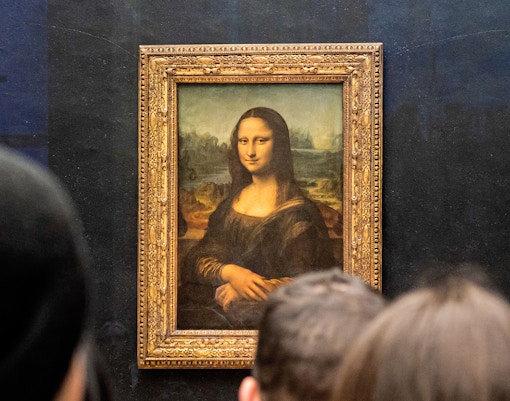
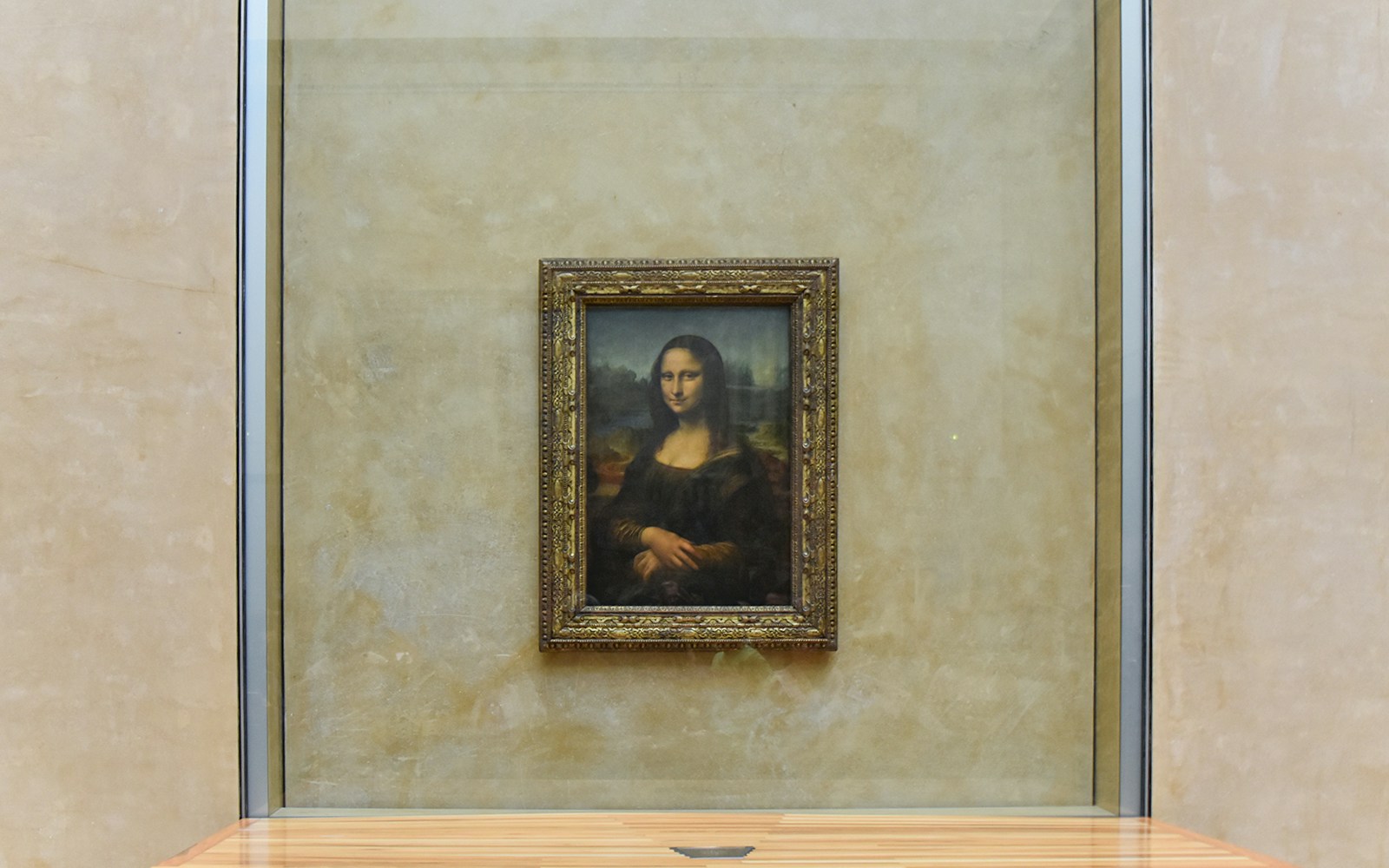
Louvre Museum interior with visitors viewing Leonardo da Vinci's Mona Lisa painting, Paris.

Mona Lisa

Arguably the most famous painting in the world, Leonardo's enigmatic portrait captivates millions of visitors each year with its mysterious smile and masterful technique.
Location: Denon Wing, Room 711

Venus de Milo statue in Louvre Museum's gallery with visitors exploring the exhibit.
Winged Victory of Samothrace
Louvre Museum visitors viewing "Liberty Leading the People" painting in Paris, France.
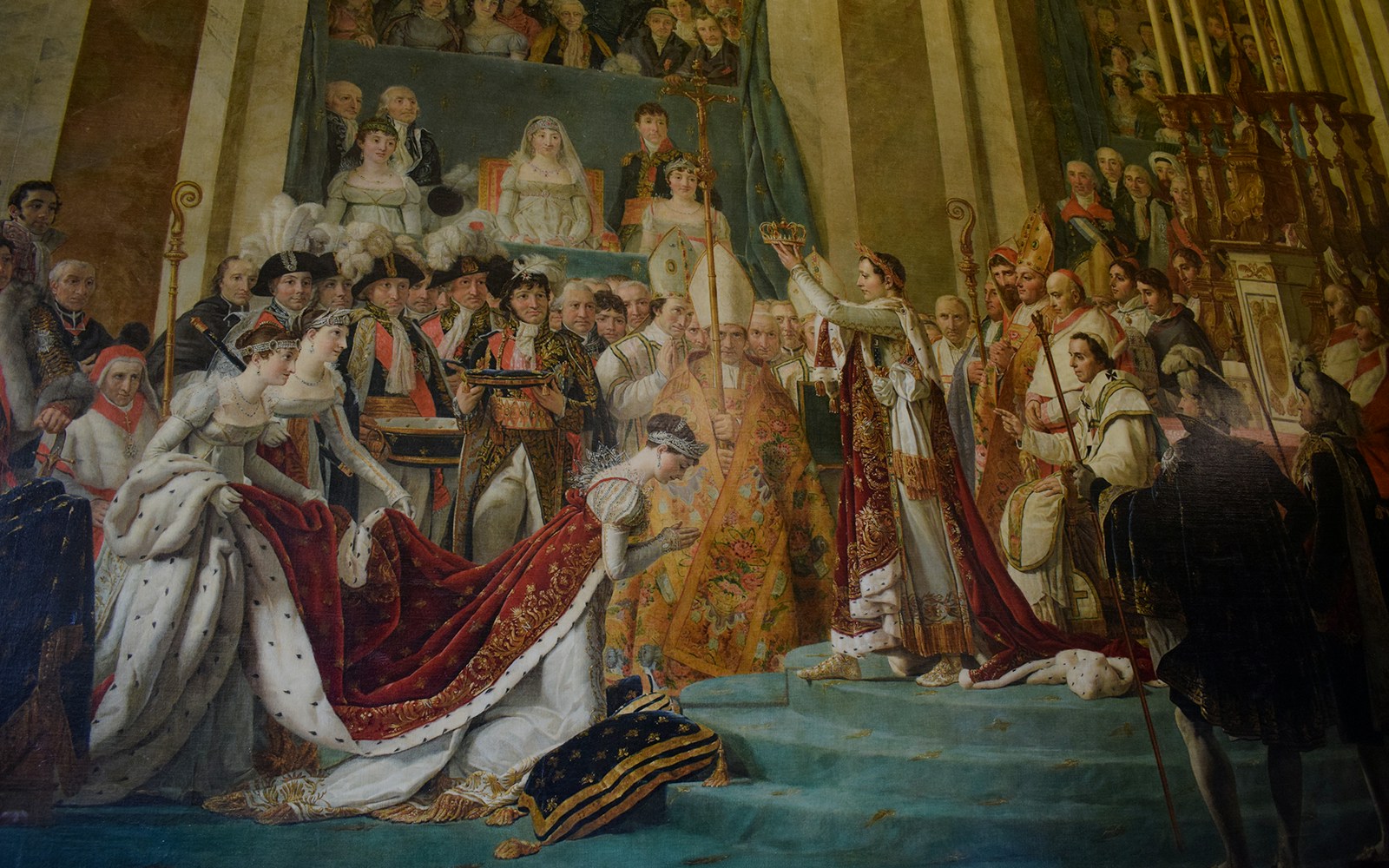
The Coronation of Napoleon

History of the Louvre: Fortress turned cultural icon

The Louvre's history dates back to the 12th century when it was originally built as a fortress by King Philip II. Over time, it evolved from a royal palace to a public museum during the French Revolution in 1793. The museum’s transformation mirrored France’s evolving political and cultural landscapes, and its collections grew immensely during the reign of Napoleon Bonaparte, who expanded the Louvre's holdings through military conquests and acquisitions.

Today, the Louvre is more than just a museum; it is a living, breathing testament to human creativity and achievement. With millions of visitors each year, it is one of the most visited museums in the world, attracting people from all corners of the globe who come to marvel at its treasures

Deep dive into the history of the Louvre

Architecture of the Louvre Museum

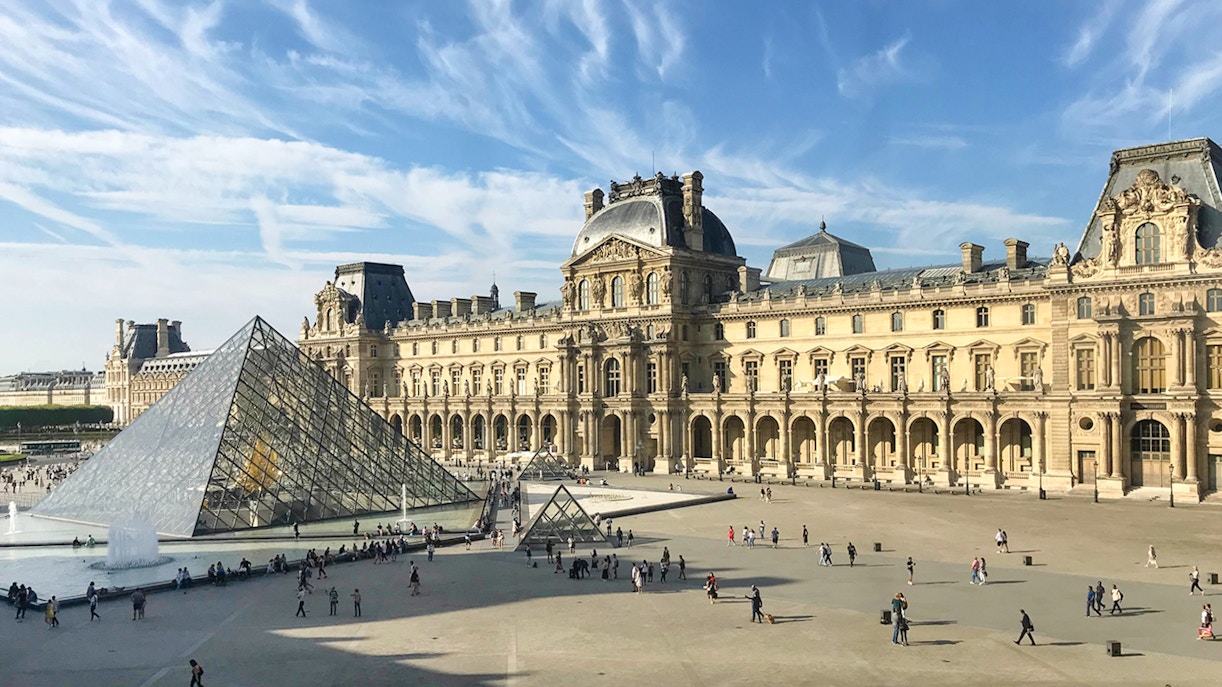
Visitors near the Louvre glass pyramid in Paris, France.

The Louvre's architectural grandeur is a blend of classical and modern design. The original medieval fortress is now hidden beneath the museum’s expansive Renaissance and Baroque wings. In 1989, the addition of the glass pyramid entrance by I. M. Pei marked a significant turning point in the museum’s history, blending contemporary design with historical architecture. The pyramid serves as a symbolic and literal gateway to the museum, drawing visitors into the museum's vast, interconnected galleries.

Over the years, the Louvre has undergone multiple renovations to accommodate its growing collection and to ensure that its historical and cultural significance is preserved for future generations.

The gardens in all its glory

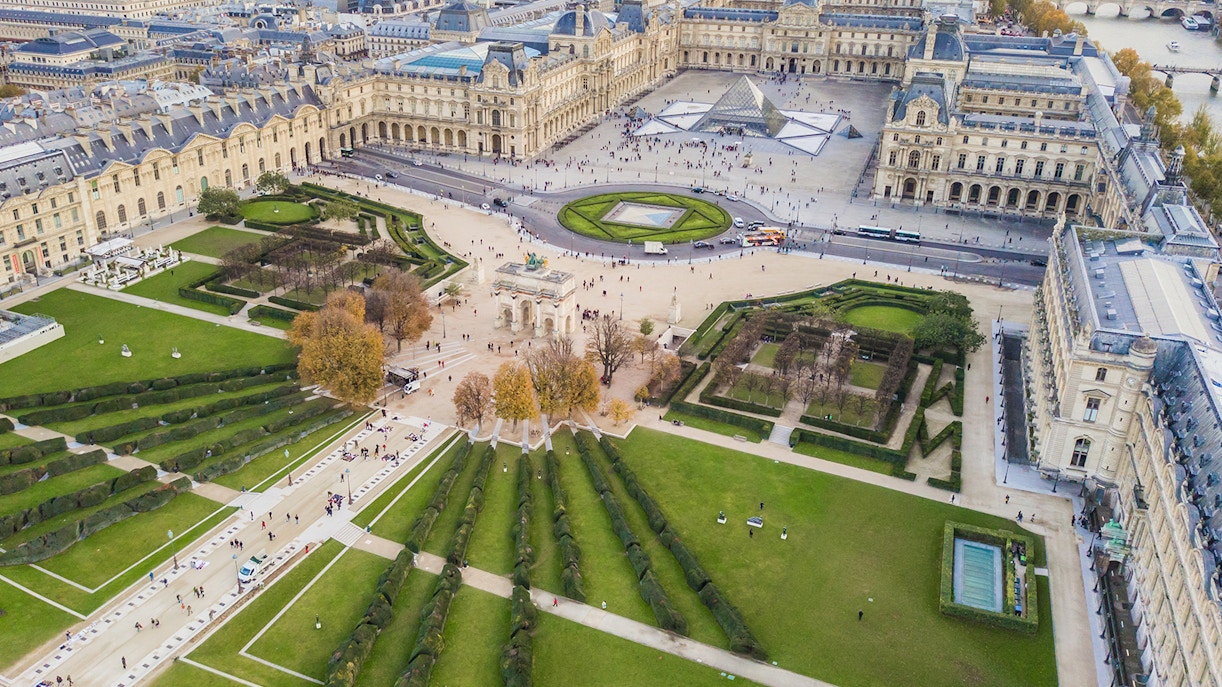
Aerial view of the Louvre Museum in Paris with the Seine River in the background.

The gardens of the Louvre are an enchanting part of the museum complex, offering visitors a peaceful retreat amid the bustling city of Paris. The gardens are spread over several areas, with the most notable being the Tuileries Garden, which lies between the Louvre and Place de la Concorde. Originally designed by Catherine de Médici in the 16th century, the Tuileries Garden has evolved into a grand formal park with meticulously laid-out pathways, statues, fountains, and lush greenery.

It was opened to the public in the 18th century and remains one of Paris' most beloved open spaces. The garden features long rows of trees, flowerbeds, and tranquil ponds, providing a serene environment for visitors to relax or take a leisurely stroll. Another notable garden is the Cour Carrée Garden, located at the rear of the Louvre Palace, which offers a more intimate space with geometric hedges and classical sculptures. Together, these gardens offer not only a scenic and restful escape but also a historical and cultural experience that complements the museum’s collection, making the gardens a must-see during any visit to the Louvre.

The gardens in detail

Eugène Delacroix Museum**

The Eugène Delacroix Museum (Musée Eugène Delacroix) is connected to the Louvre Museum through its shared history and artistic significance in Paris.

The connection between the two museums is largely thematic: both are steeped in French art history, and Delacroix's works played a key role in the Romantic movement, which was contemporaneous with the art collections housed at the Louvre. Additionally, Delacroix's famous painting Liberty Leading the People is one of the Louvre's most iconic pieces, and his influence is felt throughout the museum's galleries.

The Eugène Delacroix Museum is located in the apartment and studio where Delacroix lived and worked for much of his life, situated in the 5th arrondissement of Paris, near the Luxembourg Gardens. While the Louvre presents a broader spectrum of art across periods and cultures, the Delacroix Museum provides a more focused and personal exploration of one artist's legacy, making it a complementary experience for visitors interested in French Romanticism and the museum’s broader artistic context.

Book tickets to the Eugene Museum here

Frequently asked questions about the Louvre Museum

The Louvre spans over 72,735 square meters (782,910 square feet) of exhibition space.

More reads

History

Book Now

Inside

Book Now

Plan your visit

Book Now

Guided tours

Book Now