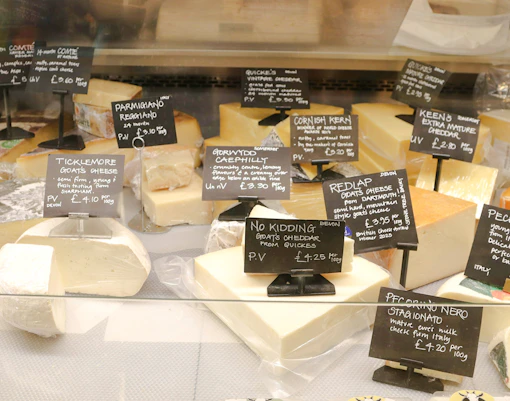
Is the Paris Cheese Museum worth visiting?

Step off Rue Saint-Louis en l’Île and the mood shifts from postcard Paris to cream, rind, cellar notes, and warm milk. The Paris Cheese Museum feels intimate rather than grand, which is exactly what makes it work: you are close enough to watch technique, ask questions, and taste with context.

Created by the Paroles de Fromagers team, the museum makes one of France’s most familiar foods easier to understand. It connects cheese to regions, animals, aging, and craft, then brings that story to life through a live cheesemaking demonstration and guided tasting.

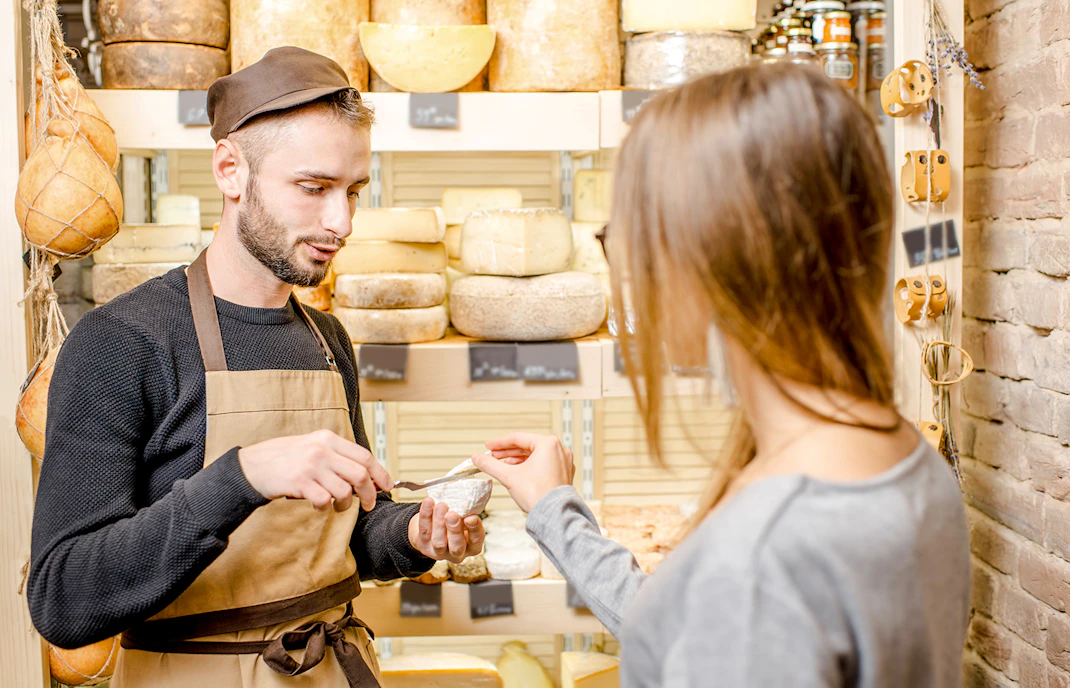
The real payoff is not just the cheese you sample, but the confidence you leave with. After this visit, a Paris cheese counter feels less intimidating because you know what rinds, textures, and regional styles are telling you.

Skip it if dairy-heavy tastings are not for you, or if you want a large, gallery-style museum.

What to see inside the Paris Cheese Museum?

Placeholder Image Headout Blimp
1/4

Live cheesemaking demonstration

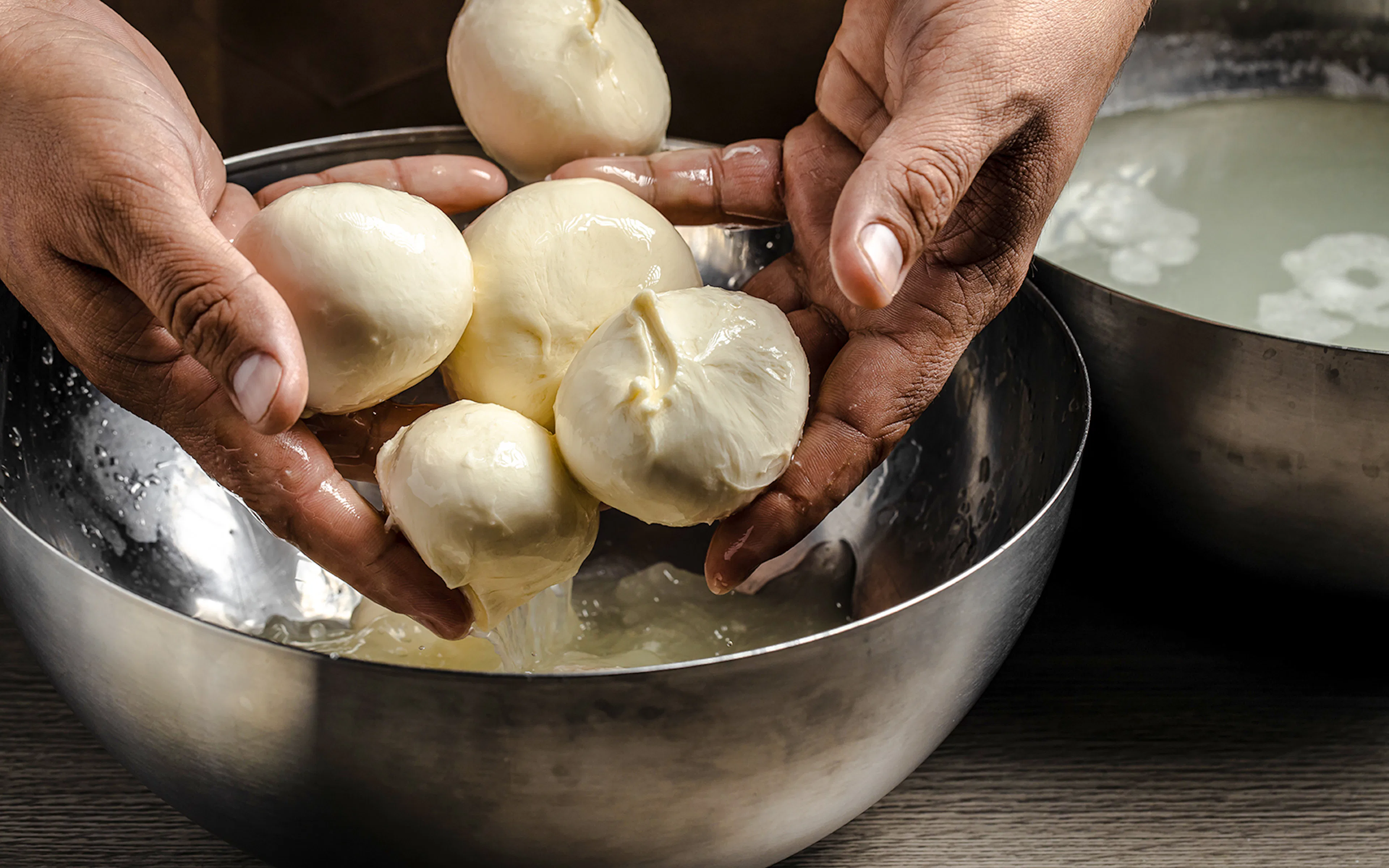
This is the museum’s strongest hook. Watch how milk is transformed into curds and learn the basic techniques behind French cheesemaking. It makes the tasting feel more meaningful because you see the craft before you sample the final product.

Guided cheese tasting

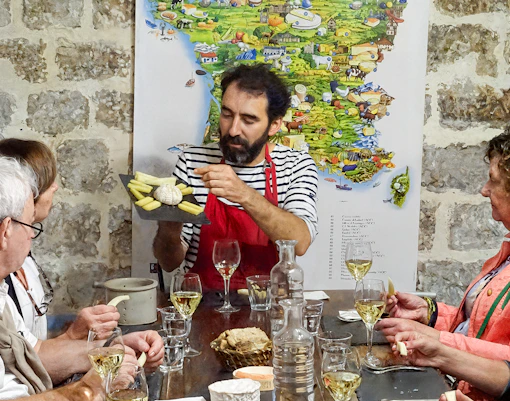
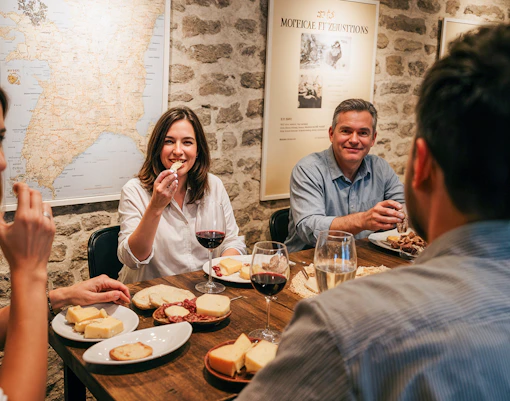
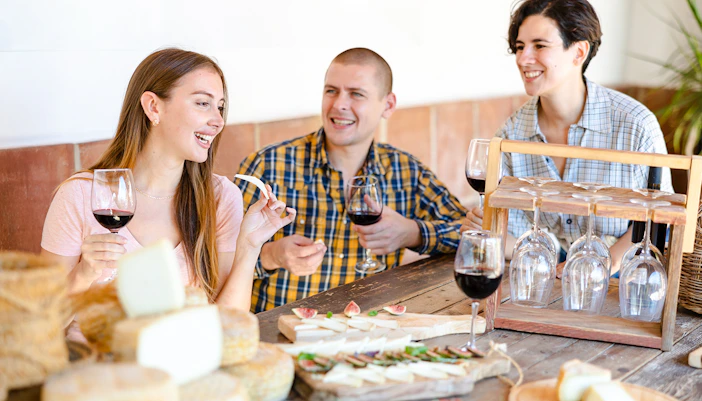
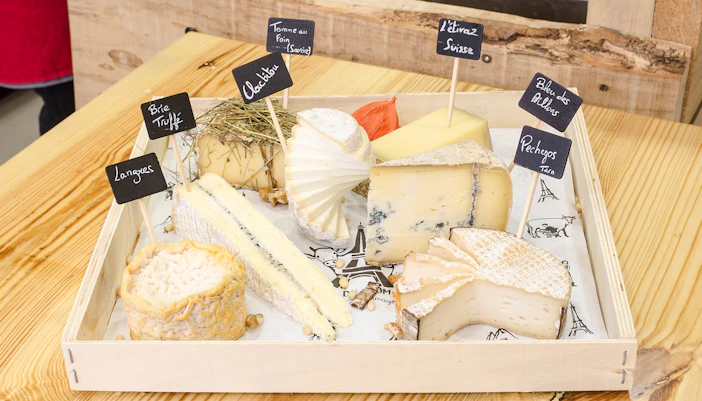
The tasting is where the visit comes together. You sample different French cheeses while the guide explains texture, aroma, rind, aging, and regional style, helping you understand why each cheese tastes the way it does.

French cheese heritage displays

These displays explain how geography, milk type, animals, and aging shape France’s cheese culture. They are short but useful, especially if you want to understand the difference between simply eating cheese and actually reading it.

Cheese aging and terroir section

This section helps visitors understand how time, climate, region, and storage affect flavor. It is especially useful before the tasting, because it gives you the vocabulary to notice sharper, creamier, earthier, or more mature profiles.

Go deeper with a cheese and wine tasting

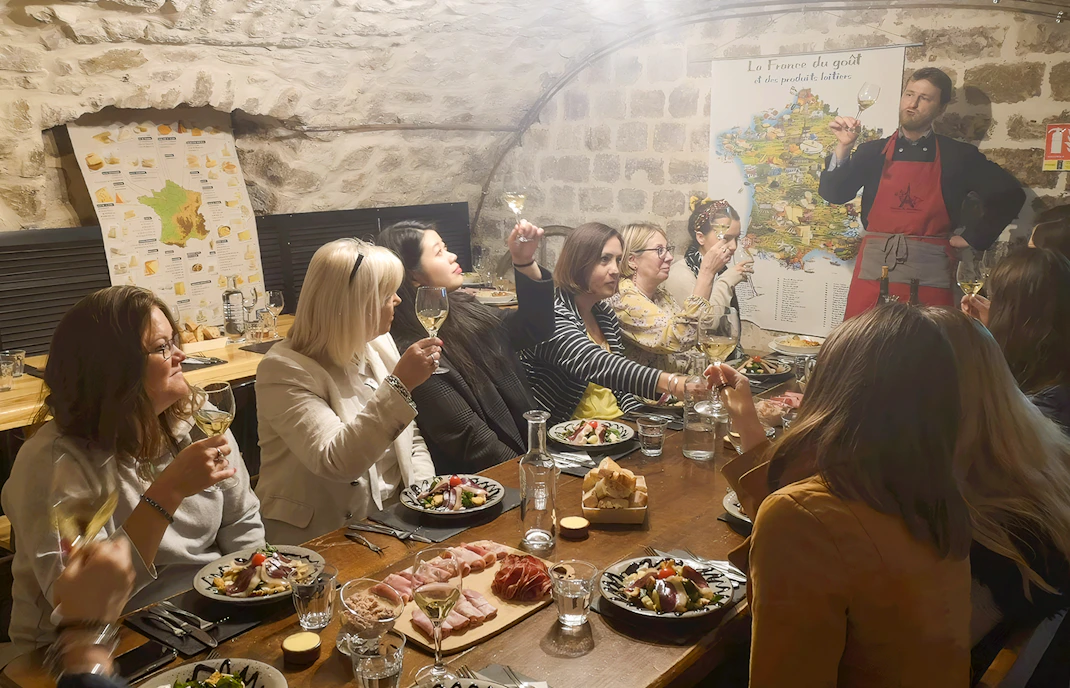
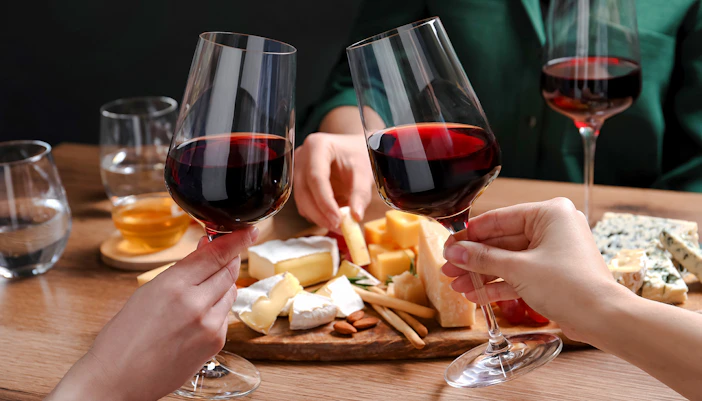
See how cheese is made, then taste it the right way. This experience adds a cellar visit, 9 aged cheeses, and 5 wines, so every texture, aroma, and regional note makes more sense.

Explore the tasting options →

How to Explore the Paris Cheese Museum

Start with the story

Begin with the heritage displays instead of rushing straight to the tasting. This is where the museum explains why French cheese is so closely tied to place, season, milk, and traditional craft.

  • Learn how region, milk type, and aging influence the final flavor
  • Understand why terroir matters in French cheesemaking
  • Notice how different animals, climates, and techniques create different cheese styles
  • Best for first-time visitors who want the tasting to feel more meaningful
Watch the live demo

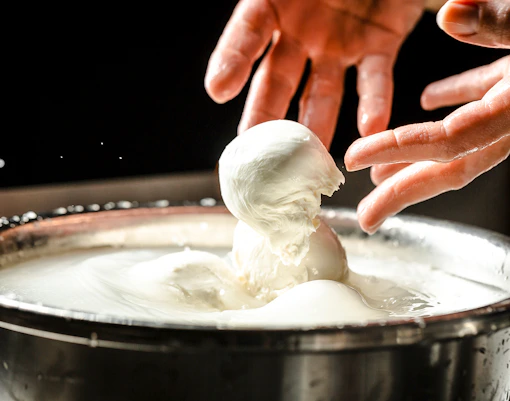
The live cheesemaking demonstration is the point where the visit becomes more than a food tasting. You get to see the process up close, from milk and curds to the early stages of cheese formation.

  • Watch how milk begins to transform into curds
  • See the basic techniques behind fresh cheese production
  • Connect the craft on display to the cheeses you taste later
  • Best for visitors who enjoy behind-the-scenes food experiences

Taste with context

The guided tasting works best after you have seen the process and understood the basics. Instead of simply sampling cheese, you learn how to read texture, aroma, rind, aging, and regional character.

  • Taste different French cheese styles with expert explanation
  • Notice details like creaminess, sharpness, rind, and maturity
  • Ask questions as you compare textures and flavors
  • Best for anyone who wants to feel more confident at a Paris cheese counter

Upgrade if you want more

The standard museum visit is ideal if you want a short, guided introduction. If you want a slower and more immersive experience, choose a wine pairing or cheesemaking workshop instead.

  • Standard visit: best for a quick 45–60 minute introduction
  • Wine pairing: best if you want to understand cheese with French wines
  • Workshop: best if you want hands-on cheesemaking rather than just tasting
  • Best for food-focused travelers with more time in their itinerary

Brief History of the Paris Cheese Museum

  • 2010s: Paroles de Fromagers grows in Paris through cheese workshops, tastings, and professional training, building the educational base that later shapes the museum.
  • 2024: The Musée Vivant du Fromage opens on Île Saint-Louis as Paris’s first museum dedicated entirely to cheese heritage.
  • 2024: From the start, it is designed as a living museum, combining regional cheese displays with live cheesemaking demonstrations and guided tastings.
  • Today: The museum is part of a wider cheese-learning ecosystem in Paris, with tastings, workshops, and more immersive food experiences.**** It works best as a short cultural stop where visitors connect French cheese to terroir, aging, rural craft, and everyday Paris dining.

Who built it?

The Paris Cheese Museum was developed by Pierre Brisson and the Paroles de Fromagers team, a Paris-based cheese education group known for tastings, workshops, and professional cheese training. Their idea was practical rather than monumental: make French cheese culture visible, understandable, and tasteable for visitors who might otherwise know only the names on a menu. Instead of building a traditional gallery-style museum, they created a living space where craft, tasting, terroir, and technique come together.

Architecture of the Paris Cheese Museum

A compact living museum

The Paris Cheese Museum is not built like a grand monument or traditional gallery. Its design is compact, intimate, and experience-led, so visitors move naturally from cheese heritage displays to live demonstration and tasting. The smaller scale works well because it keeps the focus on craft, aroma, texture, and conversation rather than on large exhibition halls.

Designed around tasting and technique

The layout is built for a guided food experience. Instead of long corridors or static rooms, the museum brings visitors close to the cheesemaking process, then leads them into a tasting space where the guide can explain rind, aging, milk type, and terroir. It feels more like a working cheese atelier than a conventional museum.

Why French terroir matters here

One reason the Paris Cheese Museum works so well is that it explains cheese the French way: as a product of place. Milk changes with pasture, animal breed, season, bacteria, and aging conditions, so a cheese from Normandy tells a different story from one made in the Alps or the Pyrenees.

That idea of terroir turns the tasting from a simple snack into a map of France. By the time you step into a fromagerie later in your trip, the labels feel less intimidating and more useful. You start reading them as clues to flavor, texture, region, and craft.

Frequently asked questions about Paris Cheese Museum

The Paris Cheese Museum is worth visiting if you enjoy food-led experiences and want a short, local-feeling stop in central Paris. It is especially useful for understanding French cheese beyond just tasting it.

More Reads

Timings

Directions

Plan your visit