Hours, directions, entrances and the best time to arrive
The Paris Cheese Museum, also called the Musée Vivant du Fromage, is a compact food-culture museum best known for its live cheesemaking demo and guided tasting. This is a short, guided, sensory stop rather than a half-day museum, so it works best when you choose the right format in advance: standard visit, deeper tasting, or workshop. The biggest difference between a rushed visit and a good one is matching the ticket to the time you actually have. This guide covers timing, entry, route, and what to prioritize.
If you want a short Paris experience that feels local, easy to fit in, and more memorable than another generic tasting, this is one of the better central-city add-ons.
Hours, directions, entrances and the best time to arrive
Visit lengths, suggested routes and how to plan around your time
Compare all entry options, tours and special experiences
How the galleries are laid out and the route that makes most sense
Live demo, guided tasting, and regional cheese displays
Restrooms, lockers, accessibility details and family services
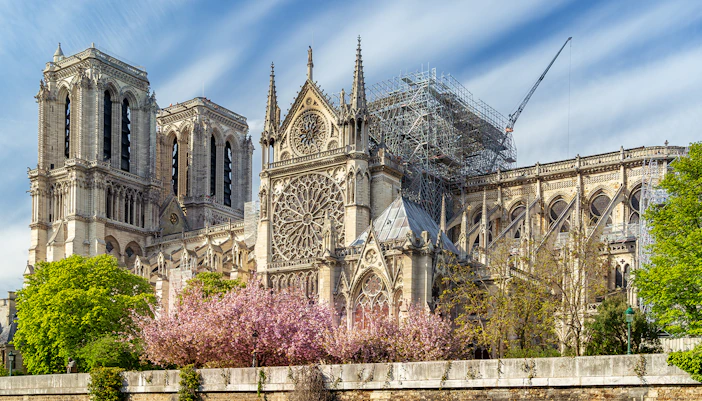
The museum is on Île Saint-Louis, a short walk from Notre-Dame and close to Pont Marie Metro in the heart of central Paris.
39 Rue Saint-Louis en l’Île, 75004 Paris, France
→ Open in Google Maps: https://maps.google.com/?q=39+Rue+Saint-Louis+en+l'Ile+75004+Paris
There is one main storefront entrance on Rue Saint-Louis en l’Île, and the most common mistake is arriving as if this were a large museum with multiple access points.
When is it busiest? Saturday late morning through mid-afternoon feels busiest, especially on rainy days and when nearby Notre-Dame foot traffic spills onto Île Saint-Louis.
When should you actually go? Aim for a late-morning weekday slot if you want a calmer tasting and easier pacing before the island gets busy with lunch and afternoon walkers.
| Ticket type | What's included | Best for | Price range |
|---|---|---|---|
Standard museum ticket + guided tasting | Entry + live cheesemaking demonstration + guided tasting + four cheeses | A short central-Paris stop where you want context and tasting without committing to a long class | From €20 |
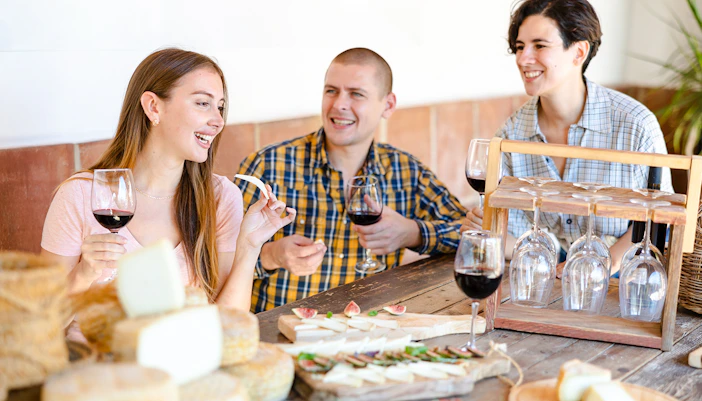
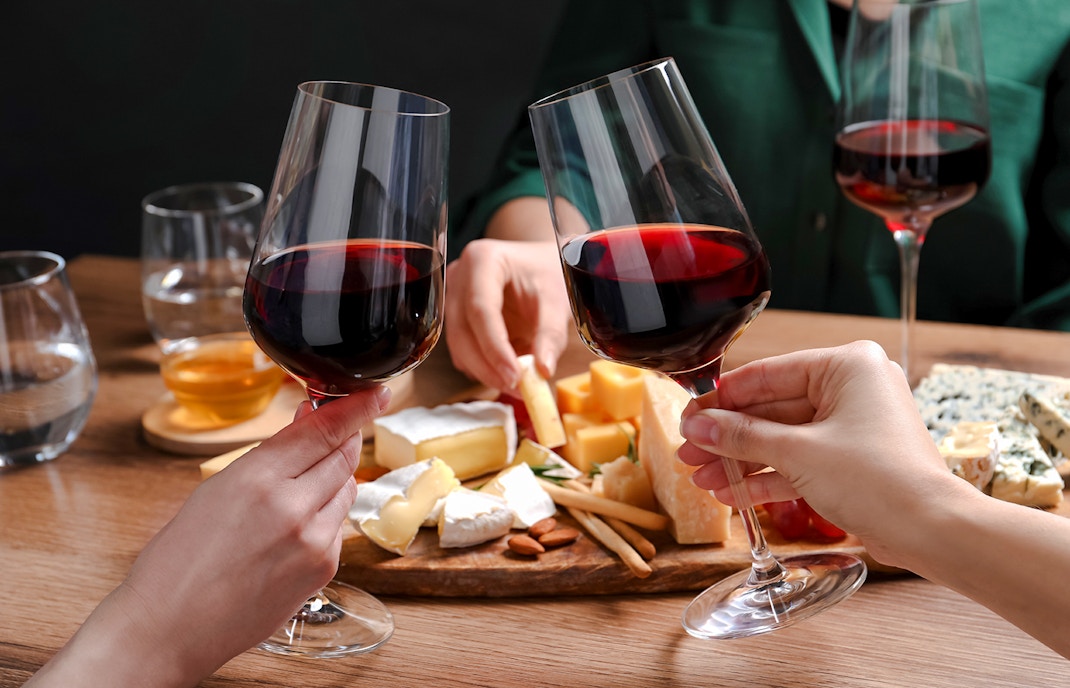
Cheese and wine tasting experience | Guided tasting + wine pairing + expert explanation | A more relaxed food-focused visit where the base museum format may feel too short | |
Cheese-making workshop | Hands-on cheesemaking + instruction + tasting elements | A deeper culinary activity where you want to learn technique, not just sample and move on | |
Multi-experience pass | Museum visit + tasting + workshop components | A food-led day where you want the full ladder of explanation, tasting, and participation |
| Ticket type | What's included | Best for | Price range |
|---|---|---|---|
Standard museum ticket + guided tasting | Entry + live cheesemaking demonstration + guided tasting + four cheeses | A short central-Paris stop where you want context and tasting without committing to a long class | From €20 |
Cheese and wine tasting experience | Guided tasting + wine pairing + expert explanation | A more relaxed food-focused visit where the base museum format may feel too short | |
Cheese-making workshop | Hands-on cheesemaking + instruction + tasting elements | A deeper culinary activity where you want to learn technique, not just sample and move on | |
Multi-experience pass | Museum visit + tasting + workshop components | A food-led day where you want the full ladder of explanation, tasting, and participation |
The museum is compact and mostly linear, so you won’t spend time figuring out routes the way you would in a major Paris gallery. That’s good news if you only have an hour, but it also means the experience moves quickly and it’s easy to rush past the context that makes the tasting land.
Suggested route: Slow down at the heritage displays before the tasting, then watch the live demo closely, and leave the shop for last; most visitors do the reverse mentally and end up remembering the samples more than the story behind them.
💡 Pro tip: Don’t mentally save your attention for the tasting alone — the terroir and production sections are what make the tasting feel more than just a sample plate.


Attribute — Experience type: Live demonstration
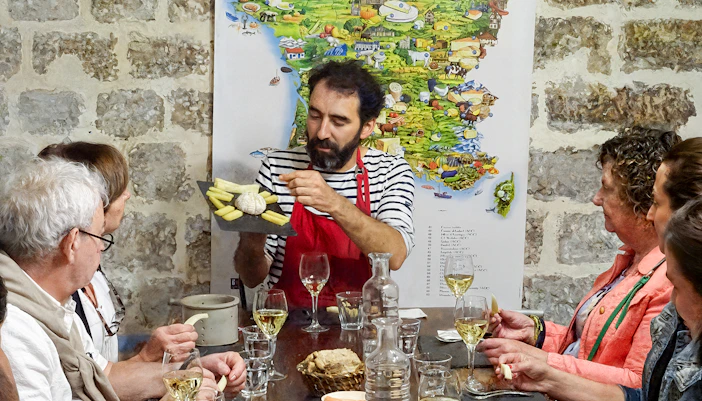
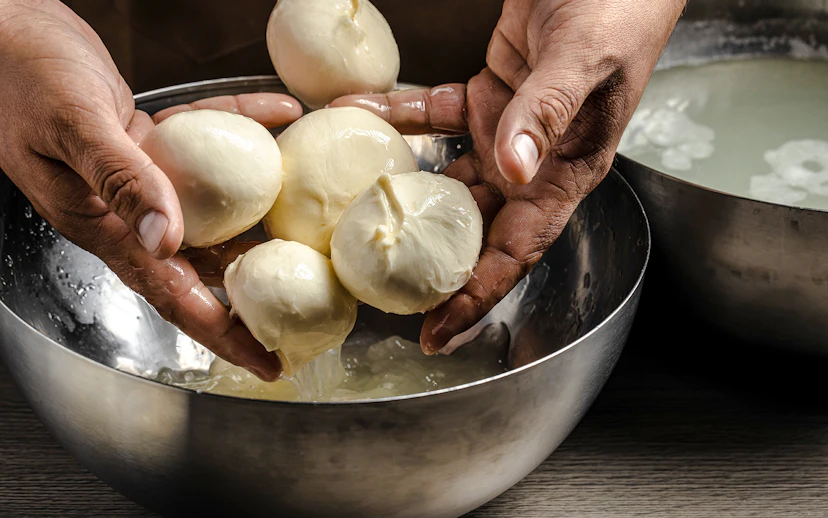
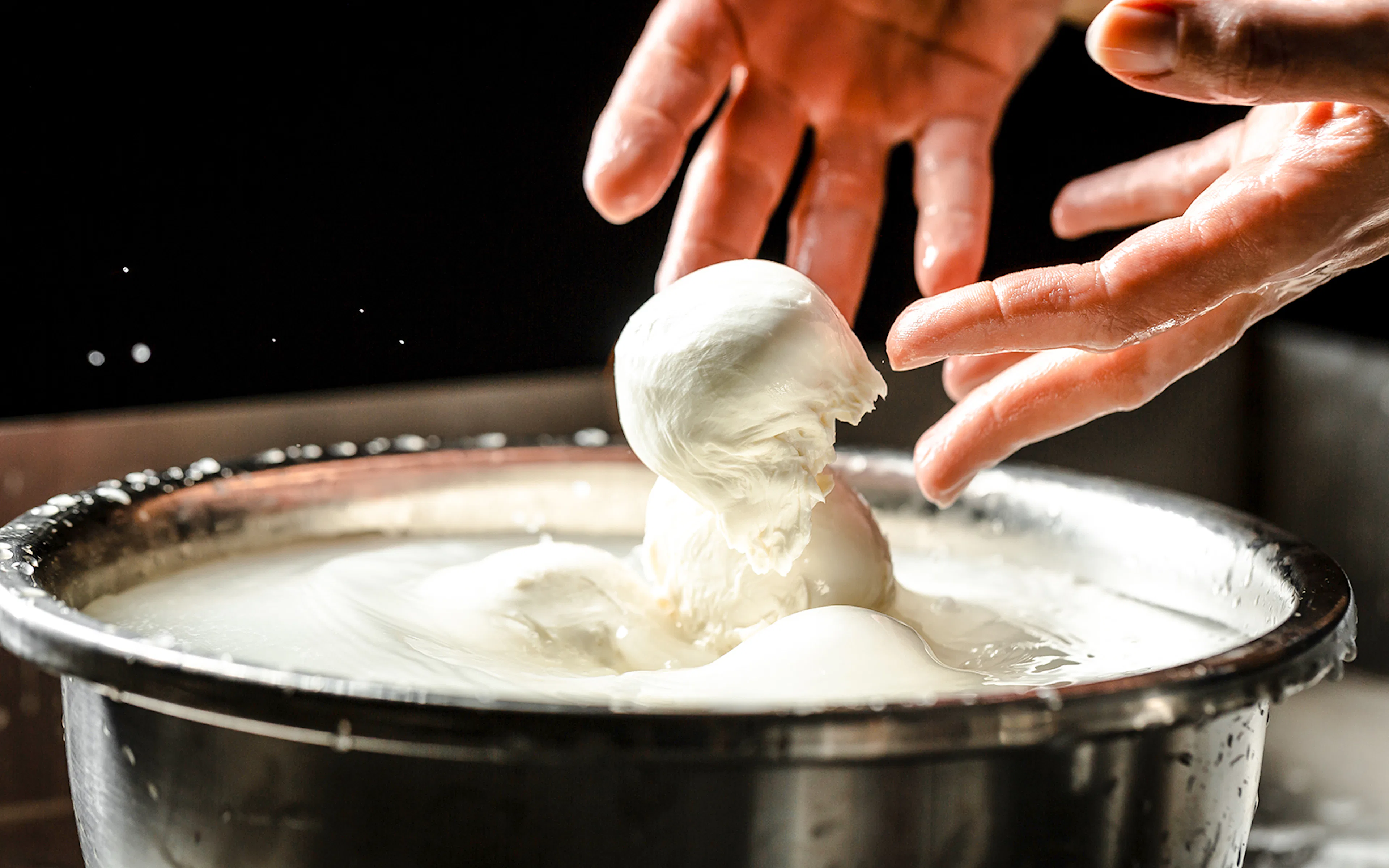
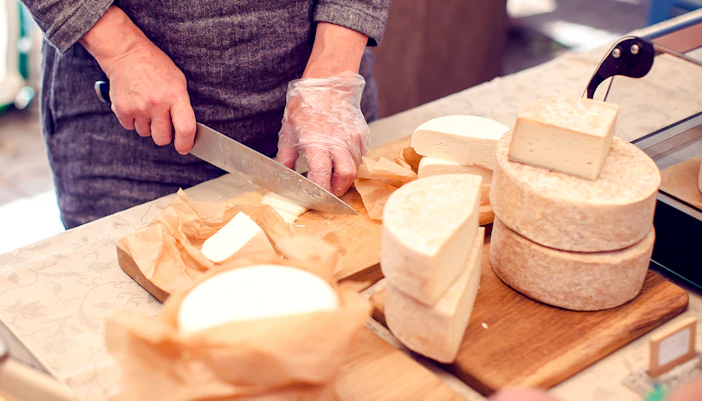
This is the clearest reason the museum feels different from a simple tasting room. You’re not just hearing that French cheese is artisanal — you’re watching the process that turns milk into curds and structure. Most visitors focus on the tasting payoff, but the real value is seeing technique in motion first, because it changes how the cheeses make sense afterward.
Where to find it: In the demonstration space after the introductory heritage displays and before the tasting-led close of the visit.
Attribute — Experience type: Expert-led tasting
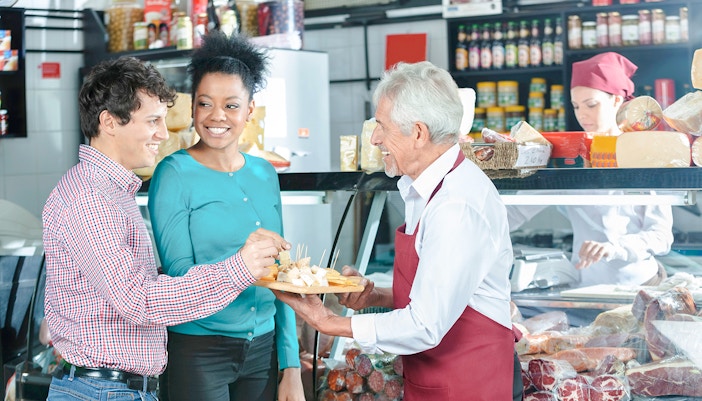
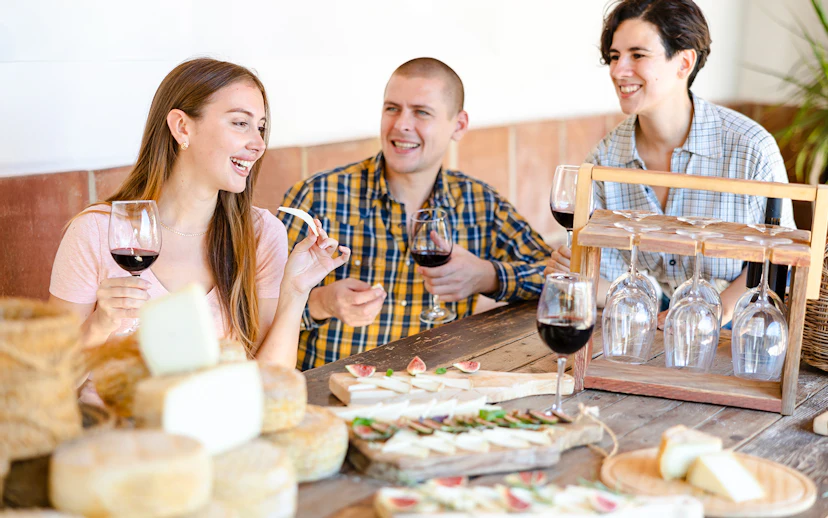
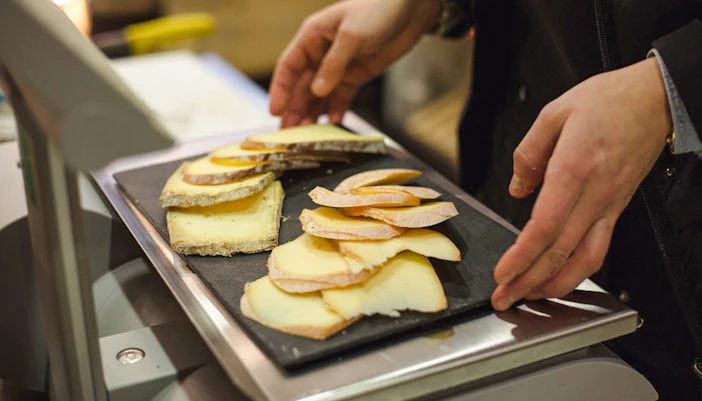
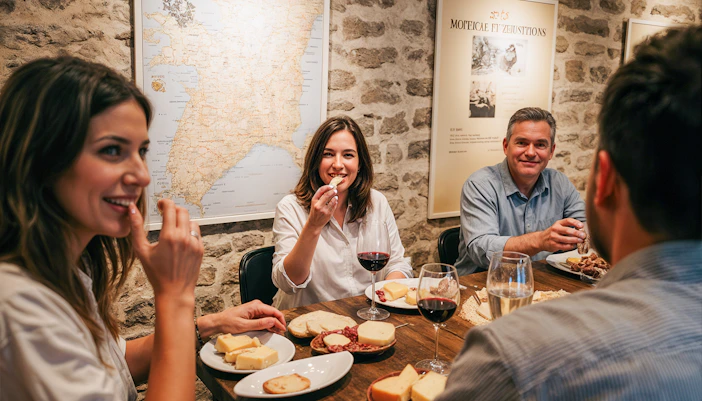
This is the sensory core of the standard ticket and the moment most visitors remember best. The tasting works because it is explained, not just served, so you leave with a better sense of texture, rind, aging, and regional style. What people often rush past is the comparison between cheeses — don’t just eat each one and move on; listen for why they differ.
Where to find it: In the tasting area toward the latter part of the guided museum route.
Attribute — Theme: French terroir and regional culture
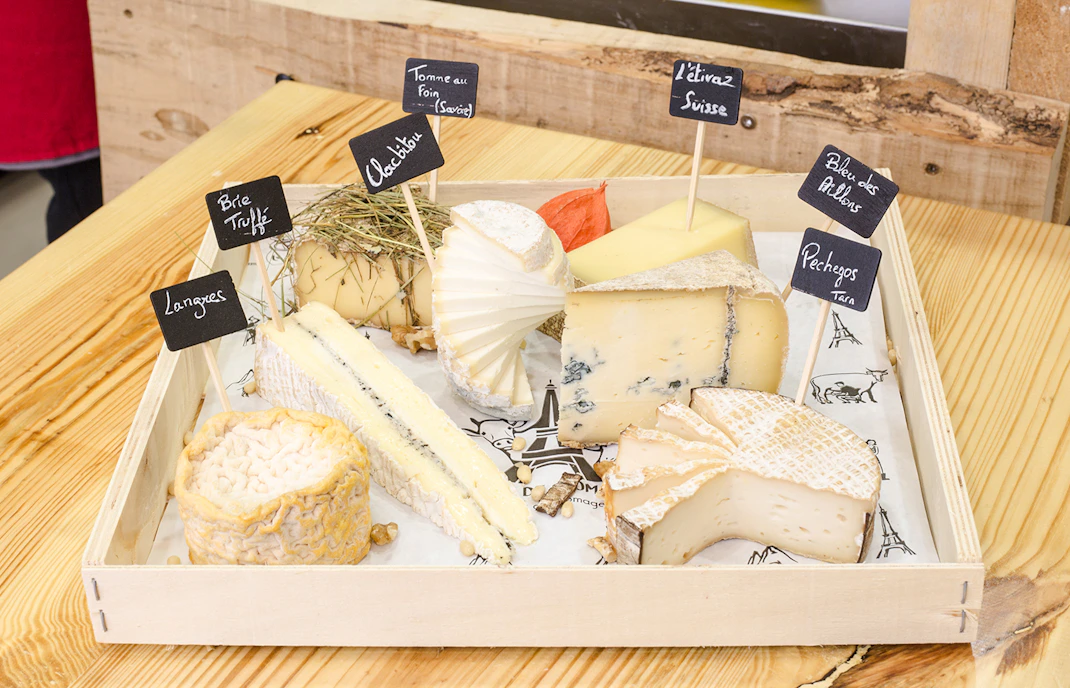
These displays are what turn the visit from a novelty stop into a proper food-culture experience. They help you understand why cheese in France is tied to geography, climate, milk type, and farming traditions rather than just brand names. Most visitors skim these quickly because they want to get to the tasting, but this is what gives the tasting its context.
Where to find it: At the beginning of the museum route, before the live cheesemaking section.
Attribute — Theme: Production and maturation
This is one of the most useful parts if you actually buy cheese later in Paris. The museum explains how aging shapes texture, aroma, and character, which helps you read a fromagerie counter more confidently after your visit. It’s easy to miss because it feels technical at first glance, but it is one of the most practical parts of the entire stop.
Where to find it: Along the interpretive display sequence between the heritage introduction and the tasting-focused end of the visit.
Attribute — Experience type: Retail finish
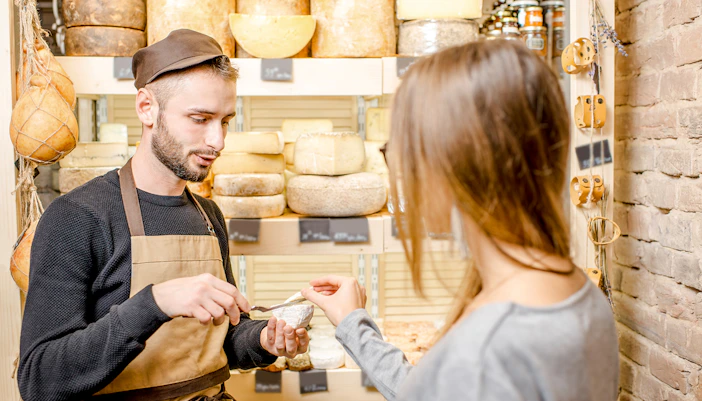
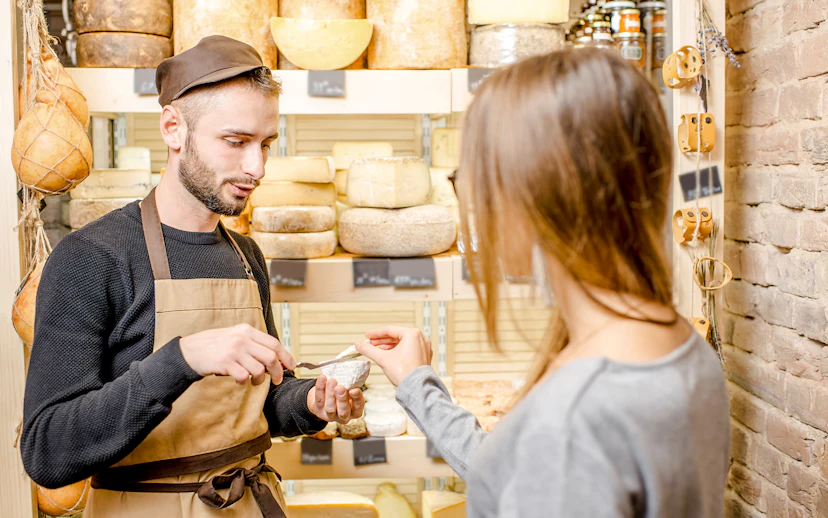
The shop is not the reason to visit, but it makes sense as the final stop once you’ve seen the demo and finished the tasting. It works best if you use it to pick up a small edible gift or a cheese-related souvenir rather than trying to turn it into a full shopping detour. Most visitors either ignore it or linger too early.
Where to find it: At the exit end of the museum experience, after the guided route concludes.
This works best for curious older children who like tasting, watching demonstrations, and asking questions rather than for very young kids who need lots of movement or play.
Photography rules are worth checking at entry because the museum’s guided and demonstration-led format matters more than free-roaming photo-taking. If phone photos are allowed in some parts, be especially careful during the live demo and tasting. Flash, tripods, and selfie sticks are poor fits for a compact guided space even when casual photos are permitted.
Distance: 0.6km — 8–10 min walk
Why people combine them: It’s the most natural same-area pairing in Paris, giving you one major landmark and one short culinary stop without any extra transit.
Distance: About 1km — 12–15 min walk
Why people combine them: This works well if you want a strong culture-and-food split in the same part of the city, especially on a weather-sensitive day.
Berthillon
Distance: About 0.3km — 4–5 min walk
Worth knowing: This is the easiest post-visit treat on Île Saint-Louis and a smart follow-up if the cheese tasting has left you wanting something sweet.
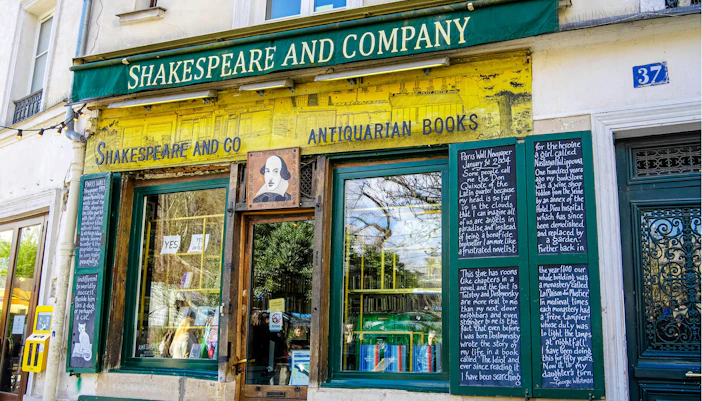
Shakespeare and Company
Distance: About 0.9km — 10–12 min walk
Worth knowing: It fits well if you want to slow the day down after the museum with a classic Left Bank-style browse instead of another major ticketed sight.
Île Saint-Louis is beautiful, walkable, and central, but it’s better as a short-stay splurge base than a practical default for every Paris trip. You’re close to the museum, Notre-Dame, and the Seine, but the area is quieter, smaller, and usually pricier than more flexible neighborhoods nearby.
Most standard visits take about 45–60 minutes. That covers the heritage displays, the live cheesemaking demonstration, and the guided tasting of four cheeses. If you book a wine-led tasting or hands-on workshop instead, the experience can stretch to 1.5–3 hours.
Yes, booking ahead is the safer choice if you want a specific time or language. This is a timed, guided experience rather than a huge open museum, so the right slot matters more than it does at larger walk-through attractions. Advance booking is especially useful on weekends and rainy days in central Paris.
Arrive about 10–15 minutes early. That gives you enough time to find the storefront on Île Saint-Louis, pull up your mobile ticket, and settle in before the guided portion starts. If you cut it too close, a short-format experience can feel rushed before it even begins.
Yes, but a small bag is the better choice. This is a compact indoor visit, so there’s little advantage to carrying bulky shopping or luggage through the route. If you’re sightseeing all day, keep your bag light and have your ticket ready on your phone before you arrive.
Possibly, but you should check at entry before photographing the demonstration or tasting. Because the experience is guided and happens in compact rooms, casual phone photos may be easier to allow than flash, tripods, or selfie sticks. Ask first rather than assuming the same rules apply in every part of the visit.
Yes, small groups fit this experience well because it is guided and discussion-based. The visit works best when everyone can hear the explanation and follow the tasting together, so it is better for manageable group sizes than for large, free-roaming tour groups with different pacing.
Yes, especially for older children who like tasting and watching demonstrations. The short 45–60 minute format is much easier for families than a long museum day, but very young children may get less out of the explanation-heavy parts. The live demo and tasting are usually the most engaging sections.
You should confirm accessibility directly before booking if you need step-free access. The visit is short and indoors, but detailed public information on elevators, wheelchair routes, and fully no-step circulation is limited. If accessibility is a priority, it’s worth checking before choosing a timed slot.
Yes, but the museum itself is better treated as a tasting stop than a meal venue. The standard ticket includes a guided cheese tasting, and there are plenty of cafés nearby on Île Saint-Louis, with fuller restaurant choices in the Latin Quarter after your visit.
No, you should not assume wine is included in the base ticket. The standard visit is built around the museum, the live cheesemaking demonstration, and a guided tasting of four cheeses. Wine pairings are better treated as a separate upgrade or longer-format experience.
The standard visit is enough for most travelers who want a short, central Paris food-culture stop. A workshop is worth it only if you want hands-on learning and are happy to commit much more time. If you only have an hour, the standard format is the better match.


Explore the art of cheese-making at France’s first cheese museum on a guided tour with curated tastings.
Inclusions #
Entry to the Living Cheese Museum
1-hour guided tour in English (as per option selected)
1-hour guided tour in French (as per option selected)
Live cheesemaking demonstration
Tasting of 4 French cheeses
Exclusions #
Wine pairing
Cheesemaking workshop
What to bring
What’s not allowed
Accessibility
Additional information


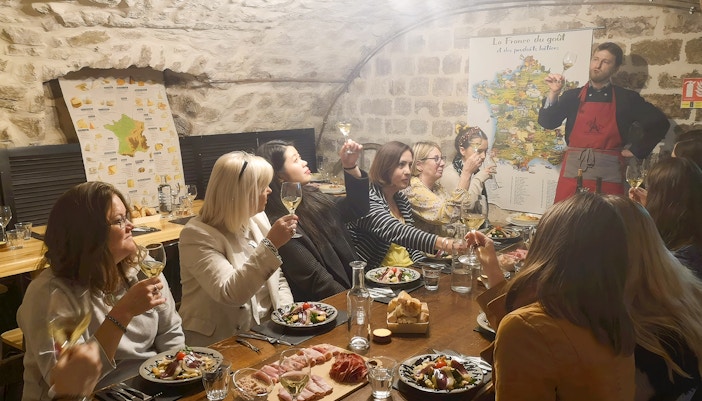
Step into a 17th-century tasting cellar to explore the rich heritage of French cheese and wine pairings.
Inclusions #
Guided tasting in a 17th-century tasting cellar
Selection of 9 aged cheeses
Selection of 5 wines
Bread
Visit to the aging cellar
Instructions in English (as per option selected)
Instructions in French (as per option selected)
Exclusions #
Entry to the Living Cheese Museum
Cheese-making workshop
What to bring
What’s not allowed
Accessibility
Additional information


Make, taste, and learn your way through an iconic culinary tradition in the heart of Paris.
Inclusions #
Cheesemaking workshop
Expert English-speaking instructor
All equipment and ingredients provided
Cheese and wine tasting
Small group (maximum 10 participants)
Exclusions #
What to bring
What’s not allowed
Accessibility
Additional information