This magnificent structure is a centerpiece of the museum, showcasing the building's former life as a railway station. Its soaring height, curving stairs, and delicately carved iron frames create a dramatic entrance.
Inside the Orsay: Impressionist paintings, Art Nouveau styles, and more
The Orsay Museum is housed within the restored Beaux-Arts style Gare d'Orsay railway station, and carries the world’s largest collections of Impressionist and Post-Impressionist artwork. The museum showcases French art from 1848 to 1914, including paintings, sculptures, and photography. Plan for 3-4 hours to explore its five floors, each dedicated to different artistic movements and featuring masterpieces by artists like Monet, Renoir, Degas, and Van Gogh.
What to see on each floor of the Orsay Museum
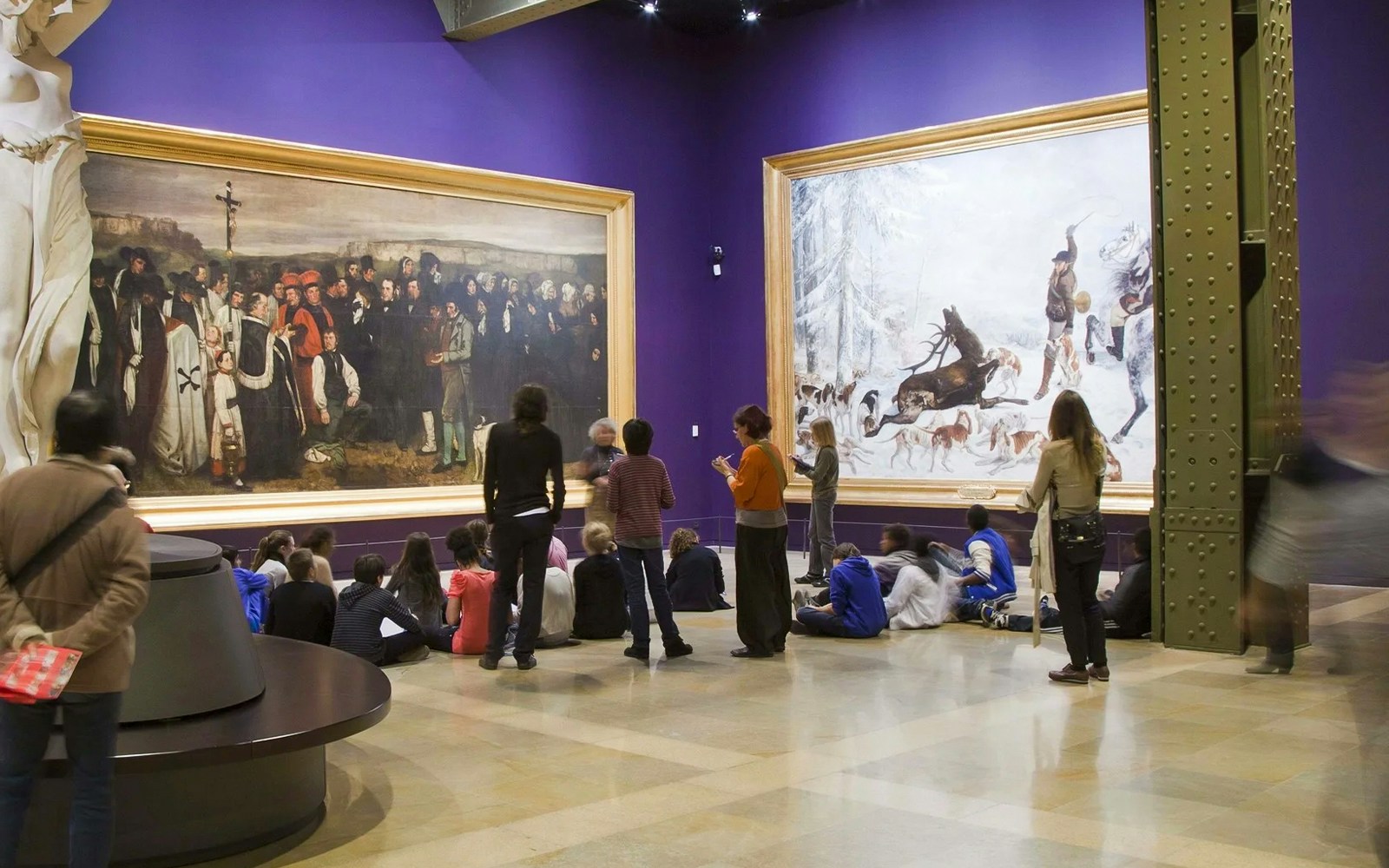
Fifth Floor:
Style: Impressionism
Must-see pieces: "Impression, Sunrise" by Monet, "Dance at Le Moulin de la Galette" by Renoir

Artworks inside the Orsay
1/5
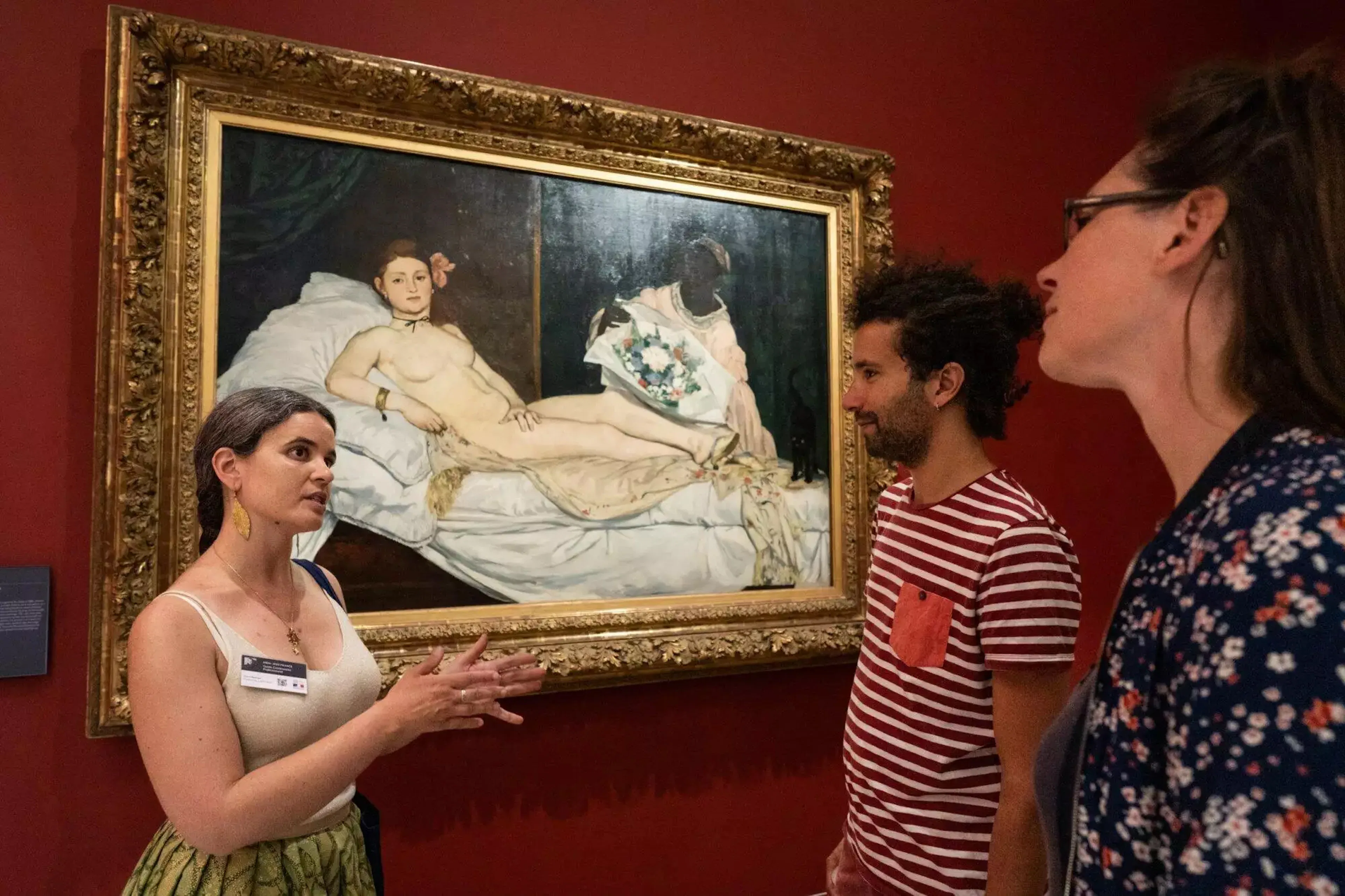
Olympia by Édouard Manet
A controversial painting depicting a nude woman, this work challenged traditional idealized portrayal of the female form. Located in the Realism galleries on the fourth floor, it sparked a major scandal due to its realistic portrayal of a prostitute and its unconventional approach to the female nude.
Impression, Sunrise by Claude Monet
A foundational work of Impressionism, this painting captures the fleeting effects of light and atmosphere on a harbor scene at sunrise. It is located in the Impressionism galleries on the fifth floor.
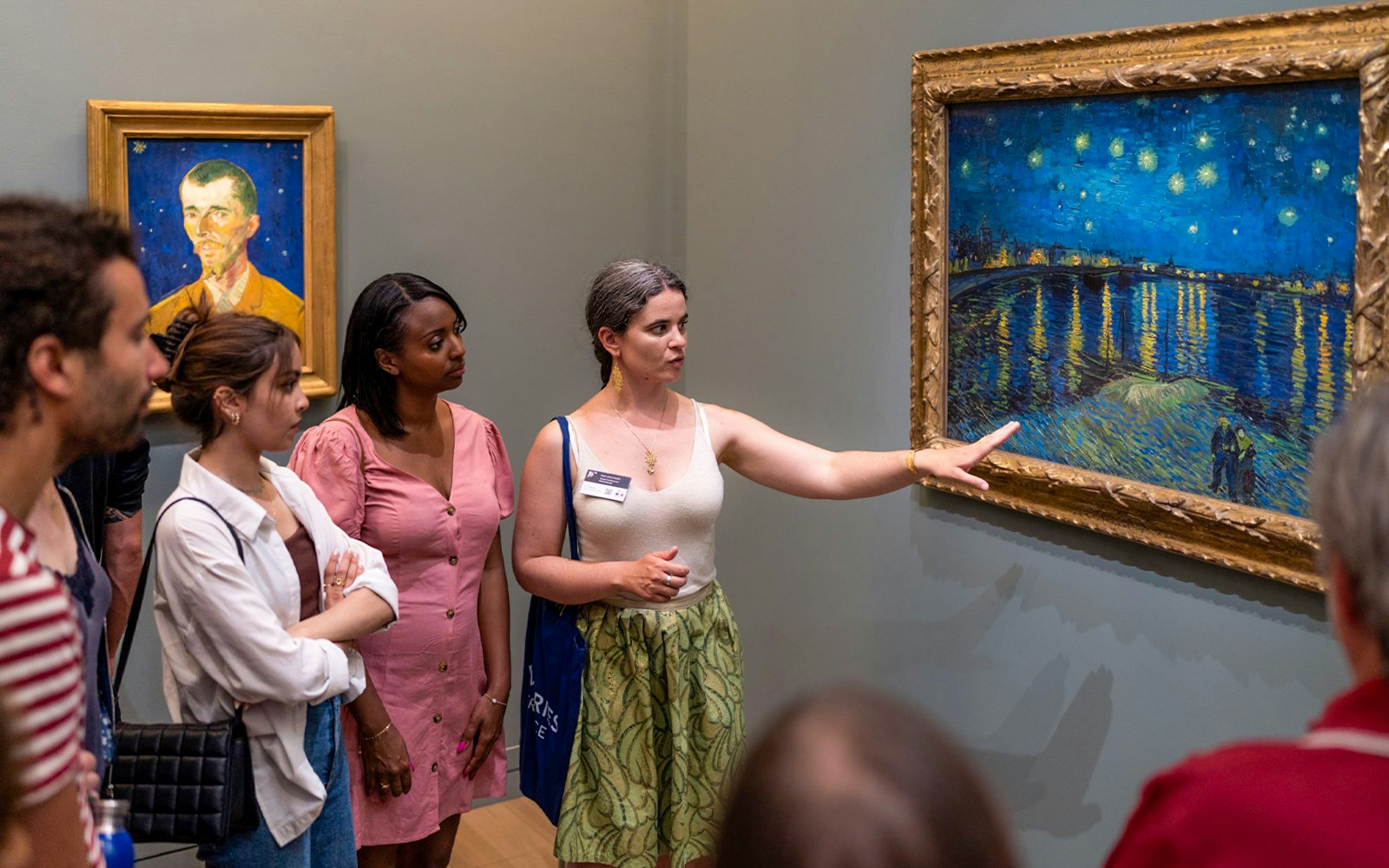
The Starry Night Over the Rhône by Vincent van Gogh
A nocturnal scene depicting the vibrant night sky over the Rhône River in Arles, this popular painting has Van Gogh's signature bold brushwork and expressive use of color. It is located in the Post-Impressionism galleries on the fifth floor.
Dance at Le Moulin de la Galette by Renoir
A lively depiction of a Sunday afternoon gathering at a popular Parisian dance hall, this painting captures the joyful atmosphere of human interaction in Renoir's Impressionist style. It is located in the Impressionism galleries on the fifth floor.
The Gleaners by Jean-François Millet
This painting depicts three peasant women harvesting the remaining grains in a field after the main harvest. This depiction of rural life and social realities, often interpreted as a symbol of social and economic inequality, is located in the Realism galleries on the fourth floor.
Architectural highlights
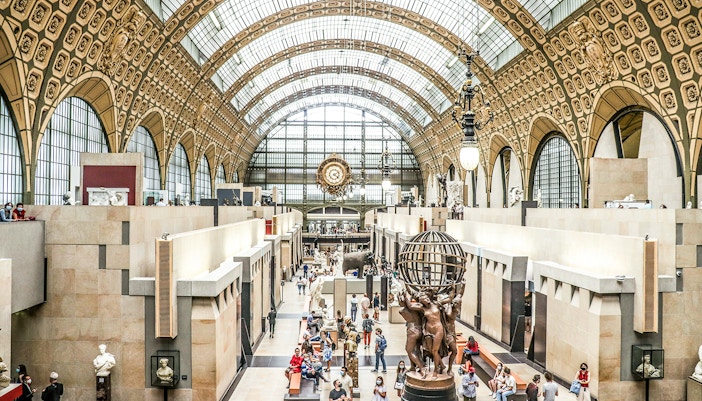
The Grand Staircase
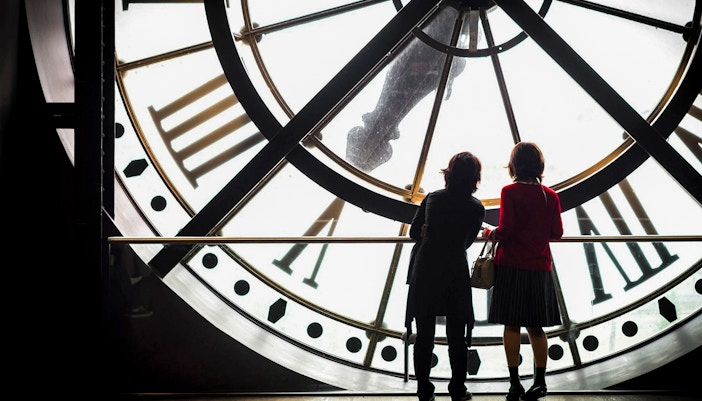
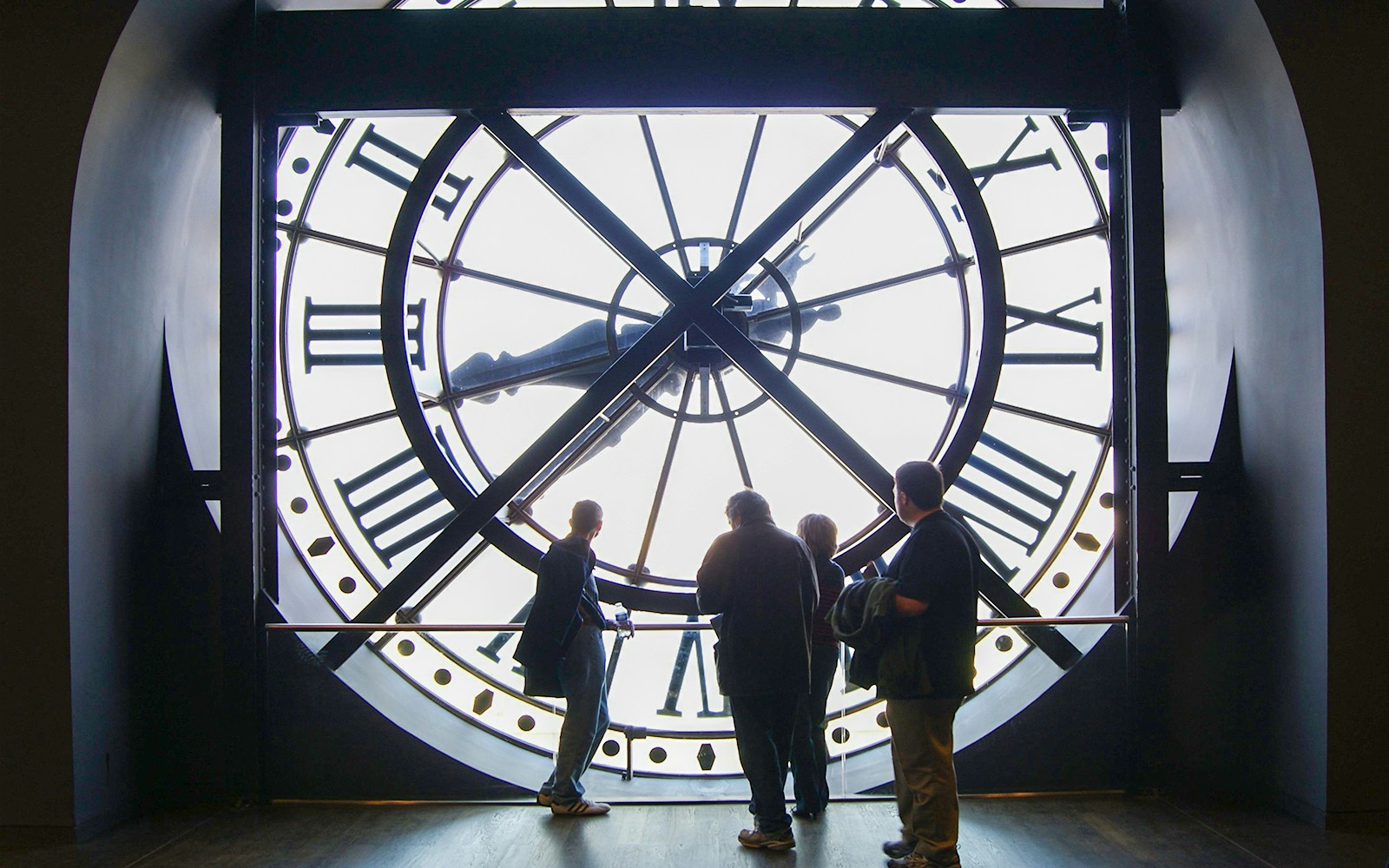
The Clock Tower
The iconic clock tower, originally designed for the railway station, remains a prominent feature of the museum's entrance. Sunlight streams through the vast glass windows, illuminating the clock face and casting dramatic shadows across the entranceway.
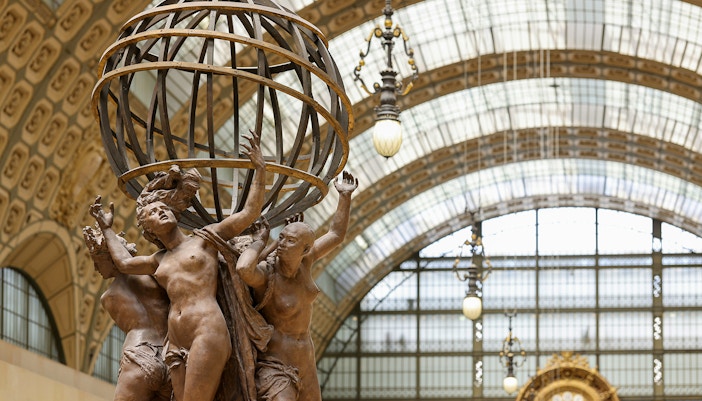
The Glass Vaults
These expansive glass vaults flood the museum with natural light, creating a bright and airy atmosphere. They offer stunning views of the surrounding cityscape.
Visitor tips
- Book tickets in advance during peak season which will save you time waiting in long lines.
- Comfortable shoes are essential since the museum is spread across five floors and involves a lot of walking.
- The museum offers an audio guide that provides in-depth information about the artworks.
- If you plan to visit multiple museums in Paris, a museum pass can save you money.
- The museum is vast, so take breaks to rest and refuel at the cafe or on the terrace overlooking the Seine.
- Refrain from touching the artwork at the museum and avoid flash photography.
Frequently asked questions about inside Orsay Museum
The museum interior combines historic architecture with modern design elements. Its vast open spaces and natural light streaming through the iconic clock windows create a one-of-a-kind atmosphere.
Yes! Aside from the famous Impressionist galleries, look for the lesser-known Art Nouveau furniture collection. The terrace behind the giant clock also offers a fantastic view of Paris and the Seine River.
Yes, photography is allowed for personal use but only without flash.
A common route begins on the ground floor, exploring sculptures and the early works, then moving up to the upper floors for the Impressionist and Post-Impressionist masterpieces.
Yes, the Orsay Museum has several seating areas and lounges where visitors can take a break. There are also cafés and a restaurant with views of the Seine.
Yes. The museum has elevators, ramps, and wheelchair access to all floors. Wheelchairs are also available for loan at the reception desk.
Yes, strollers are allowed inside the museum. However, some smaller exhibit areas may require you to park them outside for easier navigation.
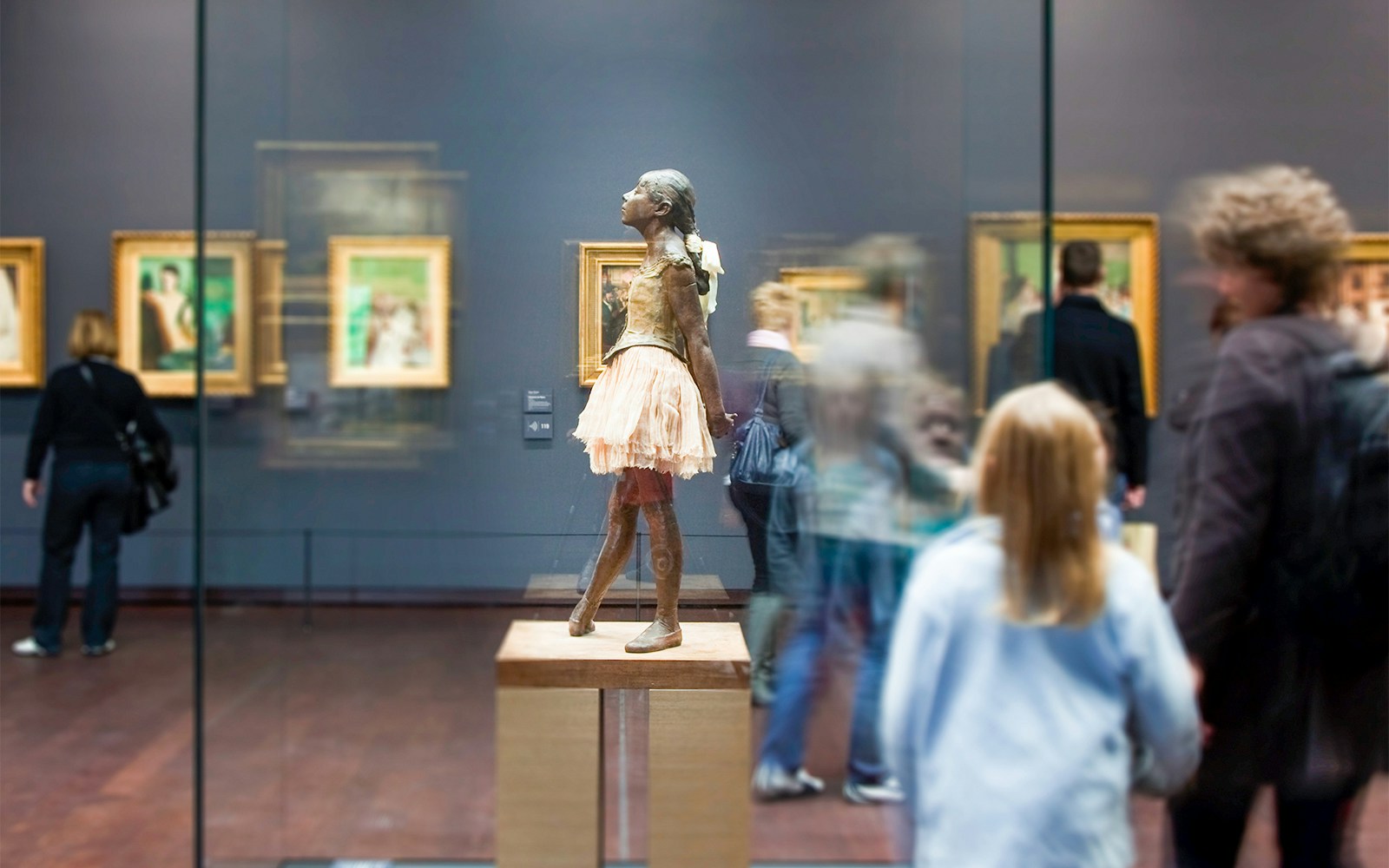
Don’t miss masterpieces like Van Gogh’s "Starry Night Over the Rhône," Monet’s "Poppies," and Degas’ "The Ballet Class."
Most visitors spend 3-4 hours exploring the museum. However, art enthusiasts might need an entire day to fully appreciate the collection and the building’s beauty.
Yes, the Orsay Museum offers audio guides in multiple languages, and there are guided tours available as well.
Re-entry is generally not allowed once you leave the museum, so plan your visit accordingly.
Yes, the museum shop offers a range of art books, prints, and souvenirs inspired by its collections. It’s a great place to pick up a unique keepsake from your visit.

