Visiting Musée d’Art Moderne de Paris
The Musée d’Art Moderne de Paris is the city’s flagship museum for 20th- and 21st-century art, best known for its monumental Dufy and Matisse rooms and a strong free permanent collection. It is easier to visit than the Louvre or Orsay, but a little planning still pays off because the biggest works are not laid out on one simple route and blockbuster temporary exhibitions can change the pace completely. This guide helps you time your visit, choose the right ticket, and move through the museum without missing its best rooms.
Quick overview: Musée d’Art Moderne de Paris at a glance
If you want the short version before you book or go, start here.
- When to visit: Tuesday–Sunday 10am–6pm, with Thursday open until 9:30pm; Thursday from 6pm–8pm is noticeably calmer than weekend afternoons, when walk-in visitors and exhibition traffic overlap.
- Getting in: From €0 for the permanent collection. Temporary exhibition entry usually starts from €7, and guided visits from around €5; you can usually show up for the free galleries, but major exhibitions are worth booking ahead.
- How long to allow: 1.5–2 hours works for most visitors. Add time if you’re seeing a temporary exhibition, sketching, or lingering in the Dufy and Matisse rooms.
- What most people miss: Many visitors rush to the giant murals and then skim the middle galleries, where the Cubist, School of Paris, and Yves Klein rooms give the visit much more shape.
- Is a guide worth it? Yes for temporary exhibitions or if you want the Dufy and Matisse rooms properly explained, but the permanent collection works well self-guided if you like moving at your own pace.
🎟️ Exhibition slots for Musée d’Art Moderne de Paris can sell out a few days in advance during major retrospectives. Lock in your visit before the time you want is gone.
Jump to what you need
🕒 Where and when to go
🎟️ Which ticket is right for you?
🗺️ Getting around
🎨 What to see
♿ Facilities and accessibility
Where and when to go
How do you get to the Musée d’Art Moderne de Paris?
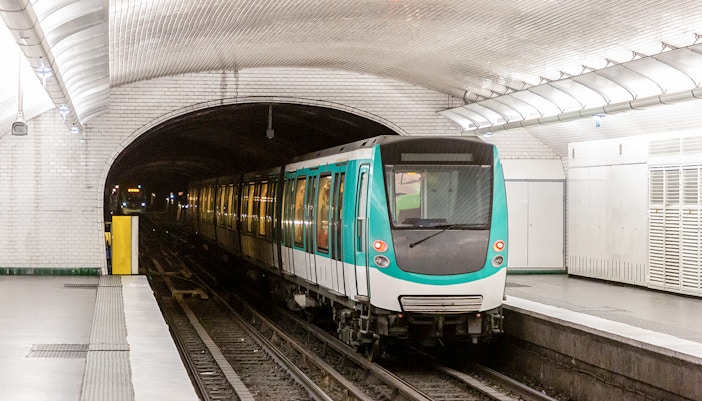
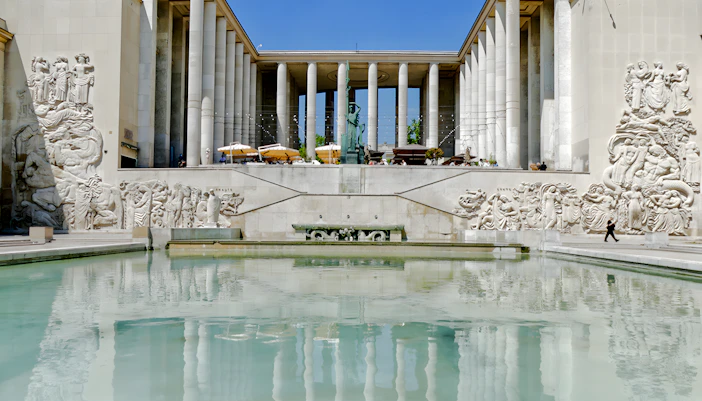
The museum sits in the eastern wing of the Palais de Tokyo in the 16th arrondissement, close to Iéna station and about a 15-minute walk from the Eiffel Tower.
11 Avenue du Président Wilson, 75116 Paris, France
- Metro: Iéna (Line 9) → 5-minute walk → the simplest option if you want the shortest approach.
- RER: Pont de l’Alma (RER C) → 5-minute walk → useful if you’re coming from central Paris or Versailles.
- Bus: Palais de Tokyo stop → short walk → lines along the Seine make this an easy option from Eiffel Tower and Champs-Élysées.
- Taxi / rideshare: Drop-off on Avenue du Président Wilson → 1–2-minute walk → easiest if you’re arriving with limited time.
Which entrance should you use?
The museum is straightforward to enter, but the one thing people misjudge is assuming the free permanent collection and ticketed exhibitions run exactly the same way. If you’re seeing a blockbuster exhibition, arrive ready to go straight there rather than drifting into the free galleries first.
- Main entrance: Located on Avenue du Président Wilson. Expect 5–15 minutes during weekend afternoons or exhibition peaks.
When is Musée d’Art Moderne de Paris open?
- Tuesday, Wednesday, Friday, Saturday, and Sunday: 10am–6pm
- Thursday: 10am–9:30pm
- Monday: Closed
- Last entry: Aim to arrive at least 45–60 minutes before closing if you want more than a quick walk-through
When is it busiest? Weekend afternoons, summer afternoons, and the first weeks of major temporary exhibitions feel busiest, especially when free-gallery visitors overlap with ticketed show traffic.
When should you actually go? Thursday evening is the sweet spot here because the permanent collection stays accessible, the after-work crowd spreads out fast, and the big mural rooms are easier to take in quietly.
How long do you need at Musée d’Art Moderne de Paris?
You’ll need around 1.5–2 hours for a satisfying visit. That gives you enough time for the permanent collection, the Dufy and Matisse rooms, and a slower pass through the strongest 20th-century galleries. If you’re adding a temporary exhibition, expect closer to 2.5 hours. If you like sketching, reading labels, or stopping on the terrace, the visit stretches easily without ever feeling exhausting.
How do you get around Musée d’Art Moderne de Paris?
Museum layout
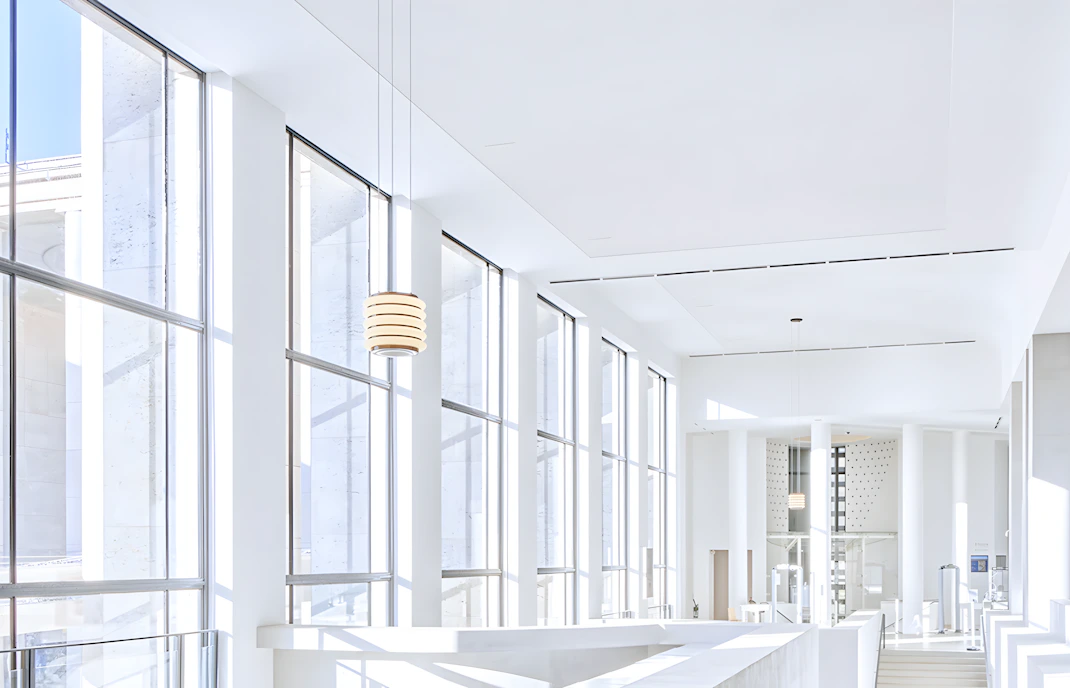
The layout is broad rather than confusing: the permanent collection runs through a chronological sequence of galleries, while the two monumental rooms and temporary exhibition spaces change the rhythm of the visit. It’s easy enough to self-navigate, but you can still miss whole sections if you head straight for the murals and then drift outside.
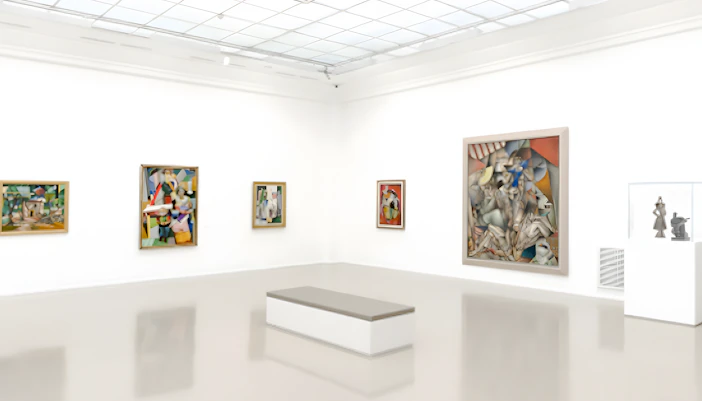
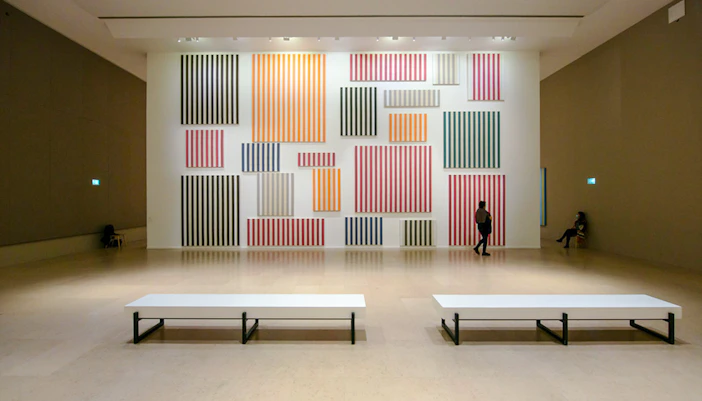
- Permanent collection galleries: Fauvism, Cubism, Surrealism, and postwar works → budget 45–60 minutes.
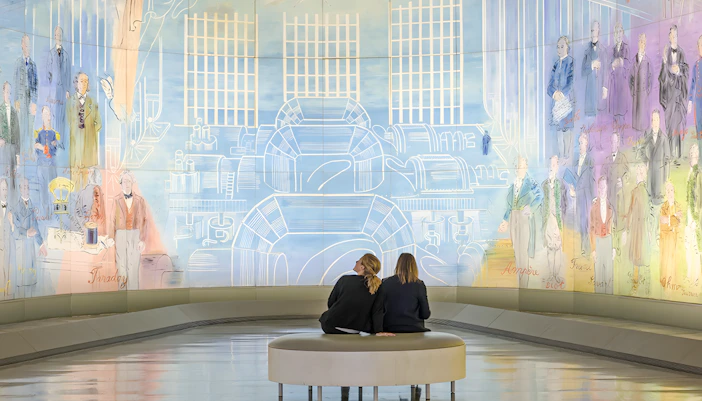
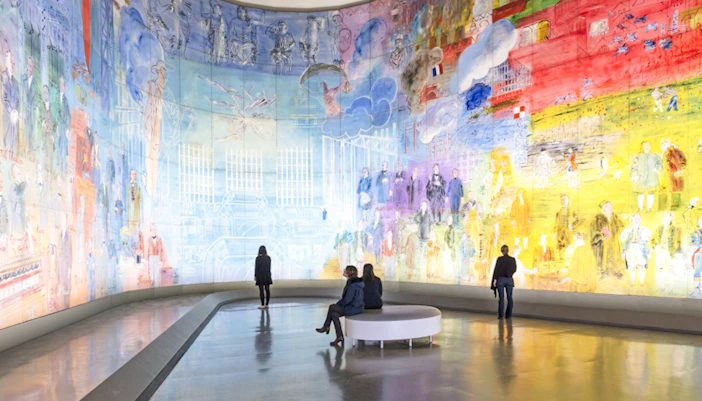
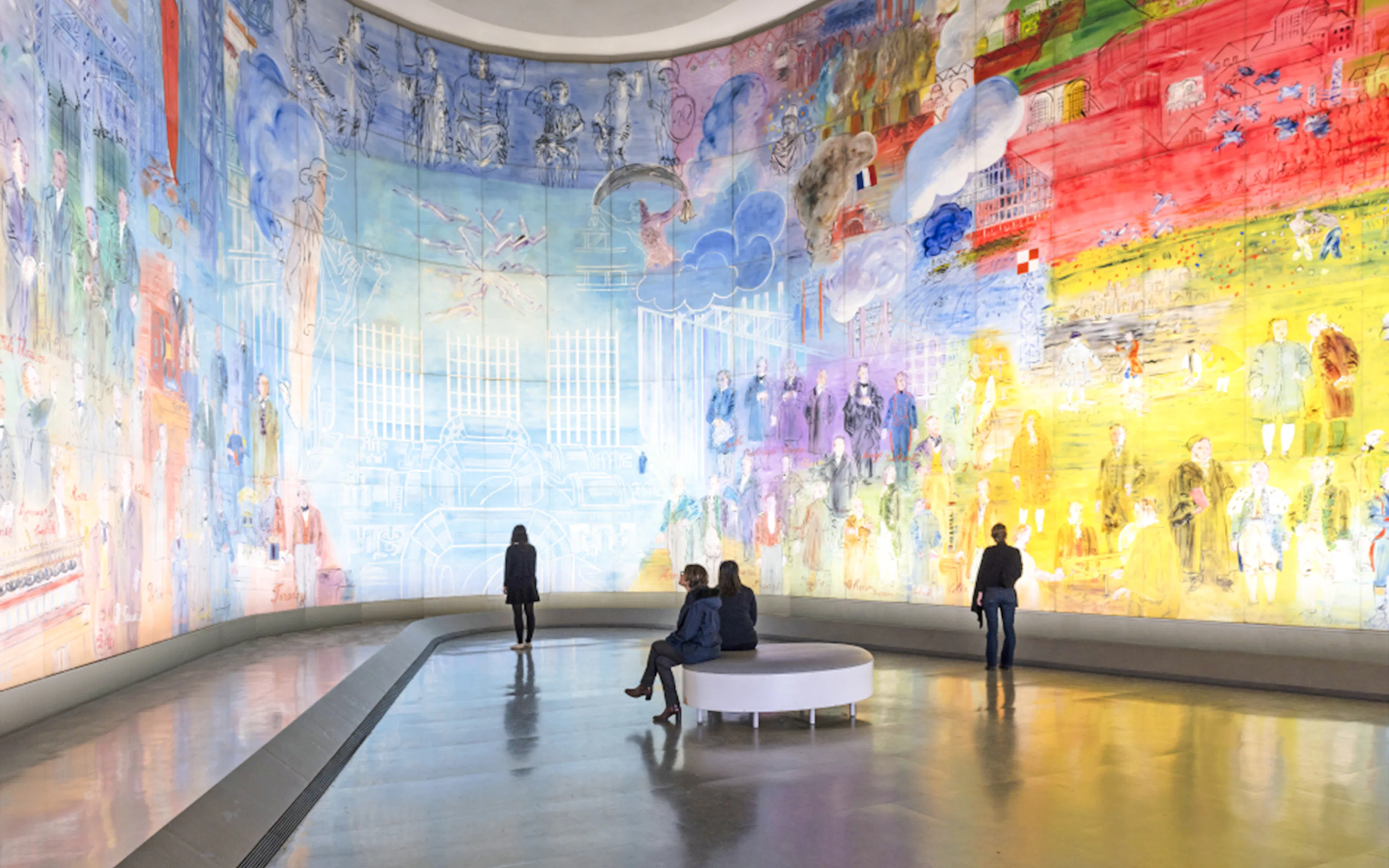
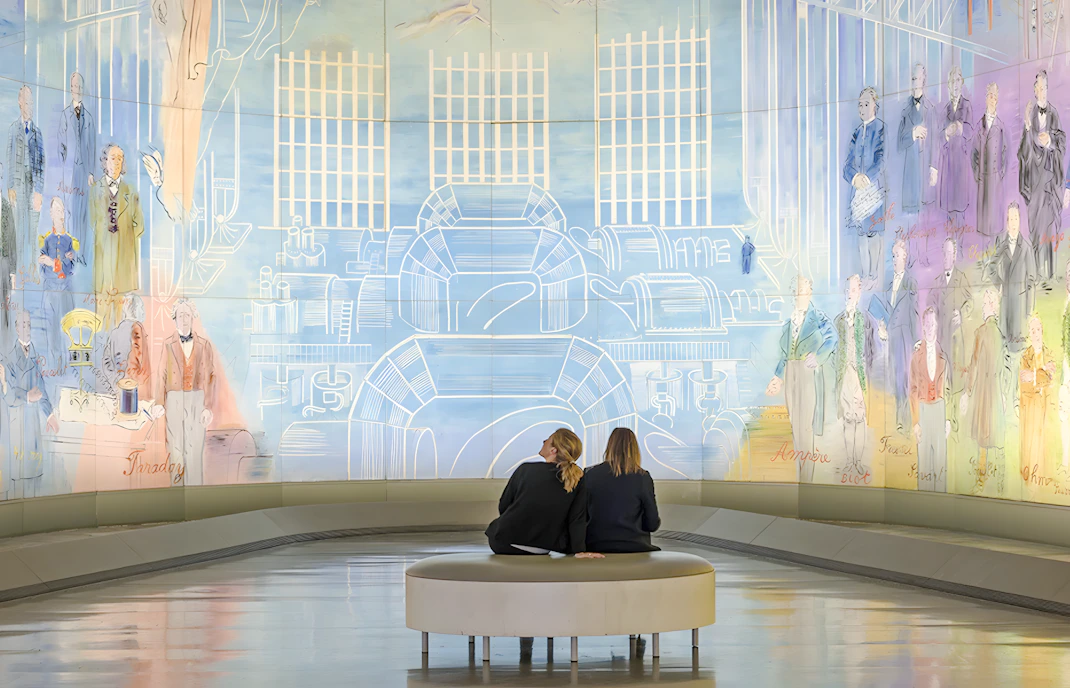
- Salle Dufy: Raoul Dufy’s La Fée Électricité fills the room → budget 10–15 minutes.
- Salle Matisse: Matisse’s La Danse and related context → budget 10–15 minutes.
- Temporary exhibition galleries: Rotating blockbuster shows → budget 30–60 minutes.
Suggested route: Start with the permanent collection, then slow down properly in Salle Dufy and Salle Matisse, and leave the terrace views for last; most visitors reverse that order and end up cutting the middle galleries short.

Maps and navigation tools
- Map: On-site floor plan → covers the permanent galleries, monument rooms, and exhibition spaces → pick it up at the entrance desk before you start.
- Signage: Good enough for a self-guided visit, but a floor plan helps because the most memorable rooms are not all grouped together.
- Audio guide / app: Audioguides are usually available in multiple languages for around €5 → worth it if you want context without joining a fixed tour.
💡 Pro tip: Don’t save Salle Dufy for the end of a rushed visit — it needs a few quiet minutes and some distance to make sense visually.
Where are the masterpieces inside Musée d’Art Moderne de Paris?
La Fée Électricité
Artist: Raoul Dufy
This is the room most people remember, and for good reason: Dufy’s huge 1937 mural surrounds you with color, invention, and hundreds of scientific references. It’s easy to photograph badly because it’s too large to grasp from one quick glance, so slow down and walk the full length of the hall. Most visitors miss the historical figures woven through the panels.
Where to find it: In the dedicated Salle Dufy inside the permanent collection route.
La Danse
Artist: Henri Matisse
Matisse’s monumental La Danse feels different from his smaller, more familiar works because the scale changes how the figures move across the wall. It’s also one of the best places in the museum to see process, not just finish — you can read the work as a major commission still carrying traces of revision. Many visitors stop for the headline image and skip the surrounding context.
Where to find it: In the dedicated Salle Matisse.
Le Matador
Artist: Pablo Picasso
Picasso’s presence here is not about a single overmarketed masterpiece but about seeing his work in conversation with the movements around it. This makes the room more rewarding than many visitors expect, especially if you’ve just come from the Dufy or Matisse spaces. What people rush past is how differently Picasso reads when you see him inside a broader Paris modernism story.
Where to find it: In the permanent collection galleries, within the 20th-century sequence.
The Delaunay works
Artist: Robert Delaunay and Sonia Delaunay
These galleries give the museum some of its strongest rhythm and color after the big mural rooms. The works are worth prioritizing because they show how Paris modernism moved from representation into energy, pattern, and abstraction without feeling academic. Many visitors remember the names less than the sensation, which is exactly why these rooms deserve longer than a quick pass.
Where to find it: In the permanent collection route after the early modern rooms.
Yves Klein’s blue works
Artist: Yves Klein
Klein’s monochromes are easy to underestimate until you see them in person, where the surface and saturation do more than any reproduction can manage. They also give the collection a useful shift in mood after the earlier movement-led rooms. Most visitors glance, photograph, and move on too fast instead of standing long enough for the color to do its work.
Where to find it: In the later permanent collection galleries.
The Cubist and School of Paris rooms
Era: Early- to mid-20th-century modernism
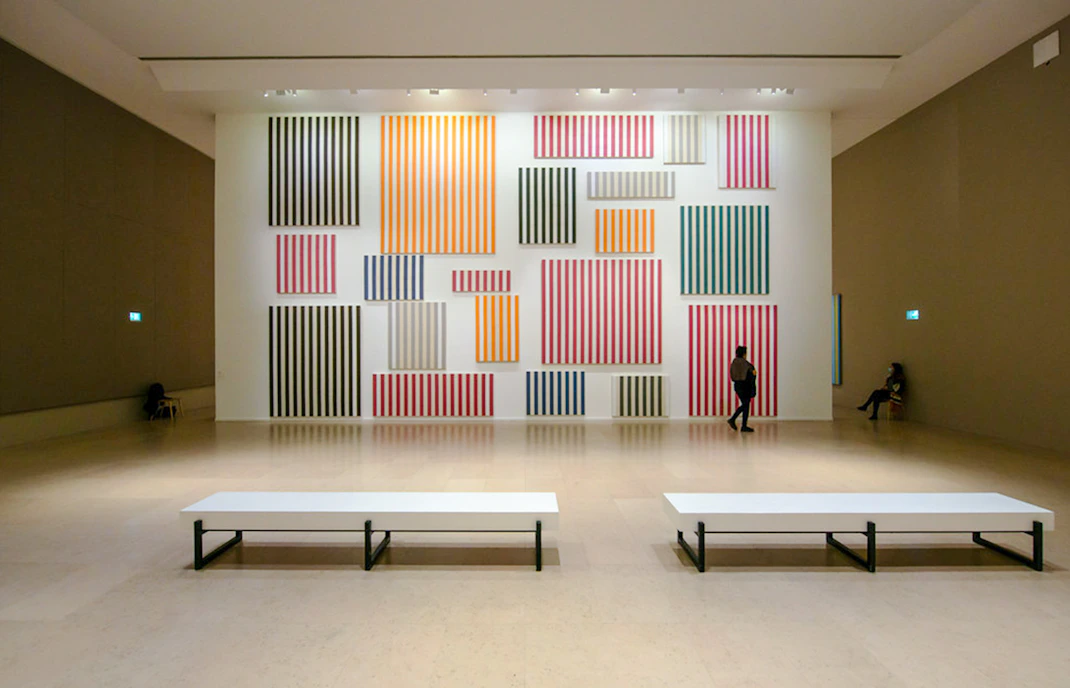
If you only chase the museum’s two signature rooms, you miss the section that gives the whole visit its backbone. These galleries pull together Braque, Léger, Modigliani, and related artists in a way that explains why this museum matters beyond two famous walls. Visitors often rush them because the terrace and the marquee names create a false sense that the middle rooms are filler.
Where to find it: Midway through the main permanent collection sequence.
Facilities and accessibility
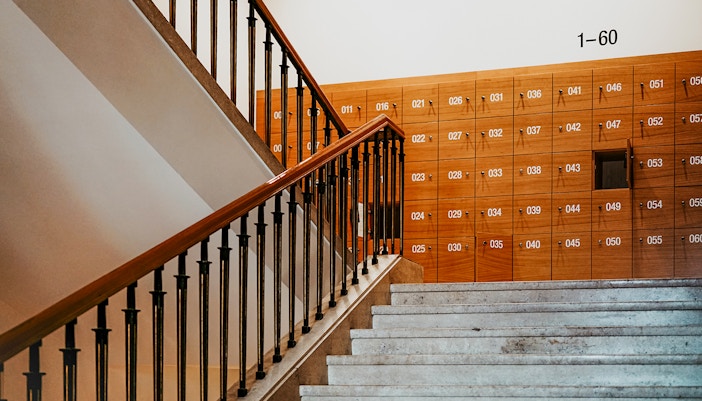
- 🎒 Cloakroom / lockers: A free cloakroom is available and is worth using if you want to move more easily through the galleries.
- 🚻 Restrooms: Restrooms are available on the main floor and lower level, including accessible facilities.
- 🍽️ Restaurant: Forest is the on-site restaurant, and it’s more than a fallback because the terrace opens to one of the museum’s best Eiffel Tower views.
- 🛍️ Gift shop / merchandise: The museum bookshop sells art books, prints, and design-focused gifts, and you can visit it even if you’re keeping the museum stop short.
- 🪑 Seating / rest areas: The larger rooms and circulation spaces make this easier to pace than many central Paris museums.
- 🩺 First aid / medical support: Staffed museum infrastructure and a large public venue setup make it easier to get help quickly if needed.
- ♿ Mobility: The museum is wheelchair accessible, with elevators, accessible restrooms, and step-free access through the main visitor route.
- 👁️ Visual impairments: Tactile visits are available on certain dates, which makes this a better fit than average if you want a museum with adapted programming.
- 🧠 Cognitive and sensory needs: Thursday evenings are the lowest-stress visiting window because the museum is open later and the galleries usually feel less compressed.
- 👨👩👧 Families and strollers: Strollers are welcome, and the broad galleries make this easier than older Paris museums with tighter circulation.
This museum works well for children who can handle a calm, visual visit, especially because the giant mural rooms and open galleries give them something immediate to react to.
- 🕐 Time: Around 60–90 minutes is realistic with younger children, with Salle Dufy and Salle Matisse as the best places to prioritize.
- 🏠 Facilities: Stroller access, restrooms, and generous gallery space make this easier than more crowded museum visits.
- 💡 Engagement: Turn the Dufy room into a spot-the-detail game because the mural is packed with figures, machines, and color shifts children actually notice.
- 🎒 Logistics: Bring only a small day bag, and aim for a morning or Thursday evening start when children have more room to move.
- 📍 After your visit: Aquarium de Paris is a simple next stop if you want to keep the day child-friendly around Trocadéro.
Rules and restrictions
What you need to know before you go
- Entry requirement: The permanent collection is free, but temporary exhibitions need a paid ticket and can be better booked in advance during major shows.
- Bag policy: Use the free cloakroom for bulky items so you can move more comfortably through the galleries.
- Re-entry policy: The free collection is flexible, but timed exhibition visits work best as one continuous stop rather than a leave-and-return plan.
- Dress note: There is no enforced dress code, but gallery rooms can feel cool and polished floors make practical footwear a smarter choice than fashion-first shoes.

Not allowed
- 🚫 Food and drink: Eating and drinking belong outside the galleries, so plan café stops before or after your route.
- 🚬 Smoking / vaping: Smoking and vaping are for outside the museum, not in the building or galleries.
- 🐾 Pets: Pets are not part of a normal museum visit, so arrange pet care before you arrive.
- 🖐️ Touching artworks: Don’t touch works or barriers because the museum’s biggest rooms still rely on visitors keeping proper distance.
Photography
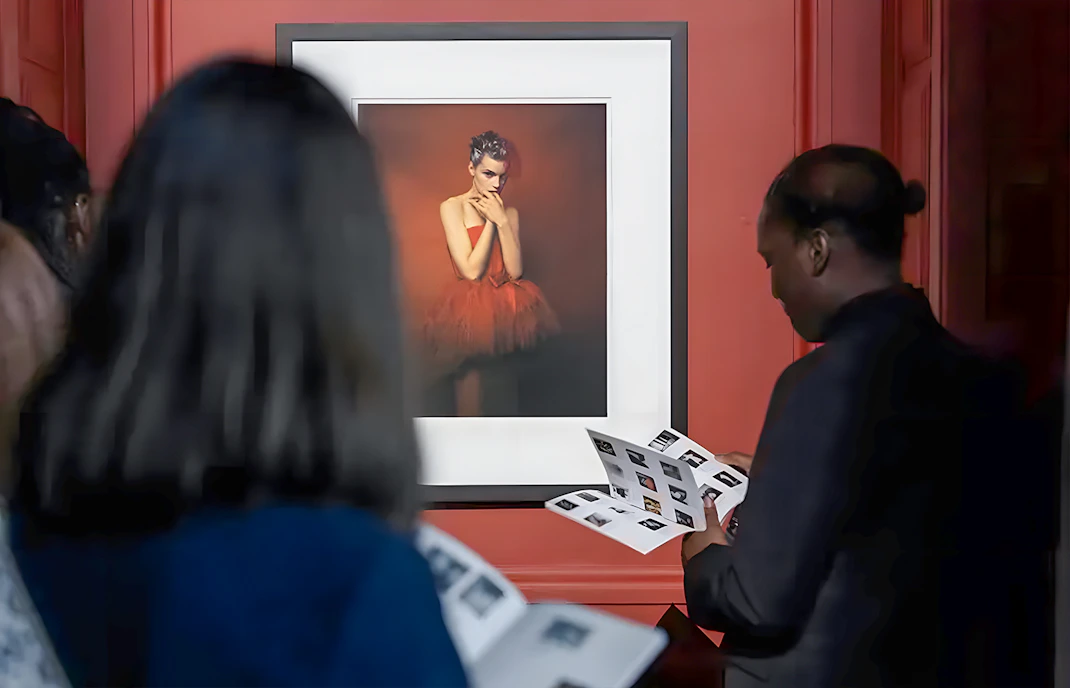
Photography is generally fine for personal use in the permanent collection, but use the room signs as your final guide because temporary exhibitions can apply stricter rules. Flash is best avoided, and tripods or bulky setups are not a good fit for a busy gallery visit. If a specific exhibition room limits photos, follow that local rule rather than assuming the whole museum works the same way.
Good to know
- Crowd pattern: Free entry means the museum can feel unexpectedly busy around lunch and on weekend afternoons even without a blockbuster exhibition.
- Visit flow: The terrace views tempt people to break the route too early, and that’s the fastest way to skim the strongest middle galleries.
Practical tips
- Booking and arrival: You can usually walk straight into the permanent collection, but temporary exhibition tickets are worth reserving a few days ahead during major retrospectives because those are the part of the visit most likely to bottleneck.
- Pacing: See the chronological galleries before you step outside or detour for terrace views, because once people leave the main route they often return with less time and less focus.
- Crowd management: Thursday after 6pm is the best slot if you want space around the Dufy and Matisse rooms, since this museum’s late opening spreads visitors out instead of compressing them into the usual afternoon rush.
- What to bring or leave behind: A small bag is the easiest option, and using the free cloakroom for anything bulky makes a bigger difference here than people expect because the museum invites slow, room-to-room looking.
- Food and drink: If you want the best-value stop, time your visit around the Avenue du Président Wilson market on Wednesday or Saturday morning; if you want the best setting, save lunch or coffee for Forest after the galleries.
- Pairing the day: The Eiffel Tower is close enough to combine comfortably, but give yourself a real break between the museum and tower so the second half of the day doesn’t feel like a checklist.
What else is worth visiting nearby?
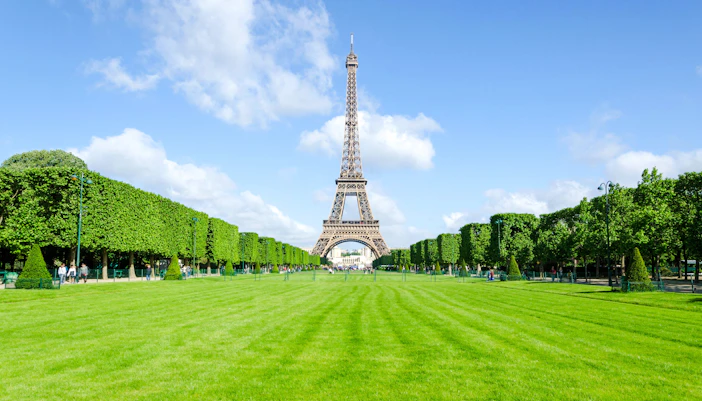
Commonly paired: Eiffel Tower
Distance: About 1km — around 15 minutes on foot
Why people combine them: The route makes sense because you can do a calm museum visit first and then move straight into one of Paris’s biggest landmarks without crossing the city.
Book / Learn more
✨ Musée d’Art Moderne de Paris and the Eiffel Tower are most commonly visited together — and simplest to do on a combo ticket. The practical advantage is that you turn two close-by stops into one planned half-day instead of managing separate schedules and queues. → See combo options
Commonly paired: Palais de Tokyo
Distance: Next door — 1–2 minutes on foot
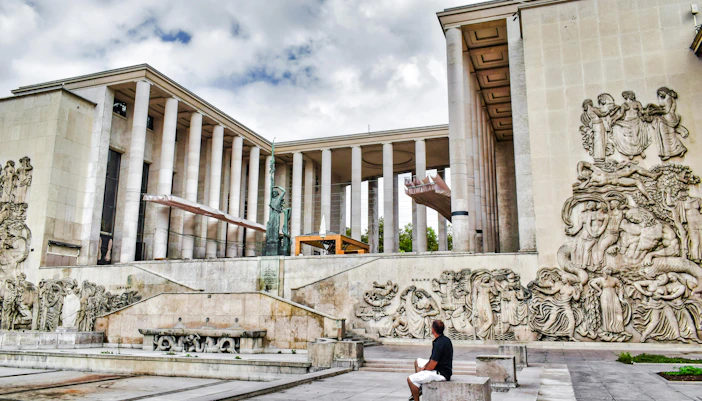
Why people combine them: It’s the most natural art pairing in the area because you move from early modern masters in one wing to contemporary installations in the other without losing time in transit.
Book / Learn more
Also nearby
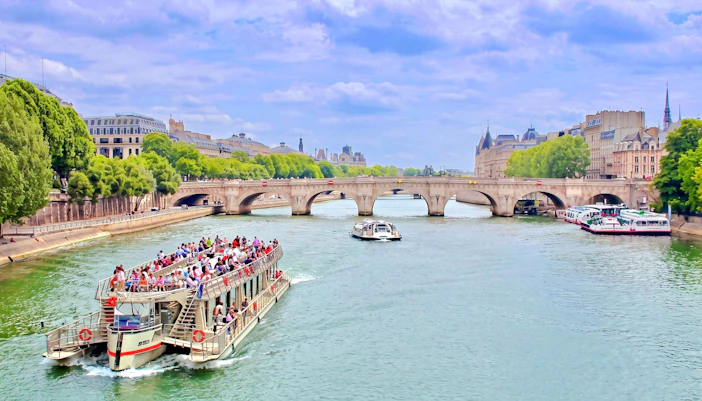
Seine River cruise at Pont de l’Alma
Distance: About 700m — around 10 minutes on foot
Worth knowing: This is the easiest low-effort add-on after the museum if you want views without another long walking route.
Palais Galliera
Distance: About 700m — around 10 minutes on foot
Worth knowing: It’s a smart second museum stop if you’re interested in fashion or design and want to keep the day culturally focused in the same neighborhood.
Eat, shop and stay near Musée d’Art Moderne de Paris
- On-site: Forest, the museum’s own restaurant, is the most convenient option and one of the few museum meals nearby that also feels like part of the outing because of its Eiffel Tower-facing terrace.
- Palais de Tokyo café: (2-minute walk, Palais de Tokyo): Good for a lighter break if you want coffee, a drink, or a quick pause between two art stops.
- Les Ombres: (15-minute walk, Quai Branly area): Best if you want a proper sit-down meal with a strong Eiffel Tower setting after the museum.
- Avenue du Président Wilson market: (1–3-minute walk, Avenue du Président Wilson): Best on Wednesday and Saturday mornings if you want a more local, lower-key food stop instead of a formal lunch.
- 💡 Pro tip: If you want to avoid paying premium prices twice in one day, do the museum first, grab a simpler market or café stop nearby, and save the splurge meal for later around the Eiffel Tower.
- Museum bookshop: Best for art books, exhibition catalogs, prints, and design gifts without leaving the building.
- Avenue Montaigne boutiques: Best if you want luxury shopping after the museum and don’t mind higher prices in exchange for a polished Paris fashion address.
This part of the 16th arrondissement is polished, quiet, and very easy for a short museum-and-sightseeing stay, but it is not the most lively base if you want classic café-hopping Paris late into the evening. It works best when minimizing logistics matters more than neighborhood buzz.
- Price point: The area skews expensive, especially near Trocadéro, Avenue Montaigne, and Eiffel Tower-facing hotels.
- Best for: Short stays where you want to walk to the museum, the Seine, and the Eiffel Tower without adding extra transit.
- Consider instead: Saint-Germain-des-Prés or the Opéra area are better fits for longer stays because they give you more dining range, better late-evening energy, and easier cross-city access.
Frequently asked questions about visiting Musée d’Art Moderne de Paris
Most visits take 1.5–2 hours. That’s enough time for the permanent collection, the Dufy and Matisse rooms, and a reasonably slow walk through the main galleries. If you’re adding a temporary exhibition, expect closer to 2.5 hours, especially during a major retrospective.
You don’t need to book ahead for the permanent collection because it’s free to enter. You should book ahead for temporary exhibitions during popular shows, though, because those are the part of the museum most likely to fill specific entry windows before the day of your visit.
Skip-the-line matters more for temporary exhibitions than for the permanent collection. The free galleries are usually straightforward to enter, but a timed exhibition ticket saves you from buying on-site and is the smarter move when a blockbuster show is drawing larger crowds.
Arrive 10–15 minutes early for a timed exhibition ticket. That gives you enough buffer for security and cloakroom use without standing around too long. If you’re only visiting the permanent collection, timing is much more relaxed and you can be less precise.
Yes, but a smaller bag makes the visit easier. The museum has a free cloakroom, and it’s worth using for anything bulky because the route works best when you can move comfortably between the larger rooms and slower permanent collection galleries.
Yes, personal photography is usually fine in the permanent collection. Temporary exhibitions can apply different rules, so check the room signage before you assume the same policy carries through the whole building. Flash and bulky photo gear are the things most likely to cause problems.
Yes, but larger groups should plan ahead rather than simply showing up. The museum is spacious, though the Dufy and Matisse rooms work better when a group moves in an organized way and doesn’t clog the viewing space. Timed exhibition entry matters even more if your visit includes the paid show.
Yes, especially for children who respond well to visual scale and don’t need constant interactivity. The museum’s giant mural rooms, broad circulation spaces, and manageable 60–90 minute family route make it easier than many Paris museums. It also pairs well with nearby Trocadéro stops if you want to keep the day varied.
Yes, the museum is wheelchair accessible. Elevators, accessible restrooms, and step-free access through the main route make this one of the easier museum visits in Paris to manage. The spacious galleries also reduce the stop-start frustration that smaller historic buildings can create.
Yes, both on-site and nearby. Forest is the museum’s restaurant and the strongest option if you want to stay put after the galleries, while the surrounding area also gives you quick café stops, market food on certain mornings, and easy access to more dining near the Eiffel Tower.
Yes, the permanent collection is free for all visitors. What you pay for, if needed, is the temporary exhibition, a guided visit, or a wider combo that adds something like the Eiffel Tower or a Seine cruise to the museum stop.
The permanent collection is the museum’s standing display of 20th-century modern art and includes its best-known rooms. The temporary exhibitions are separate ticketed shows focused on a specific artist or theme, and they can completely change how busy the museum feels during your visit.
More reads
Musée d’Art Moderne de Paris tickets
Musée d’Art Moderne de Paris highlights