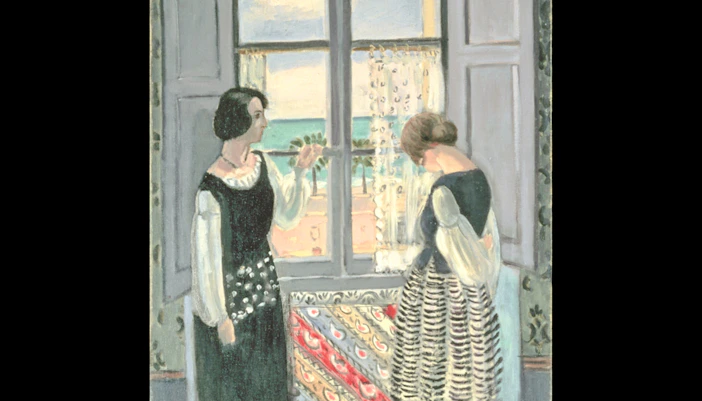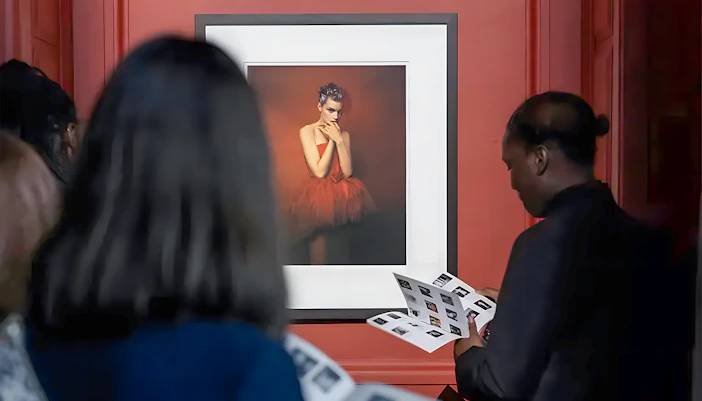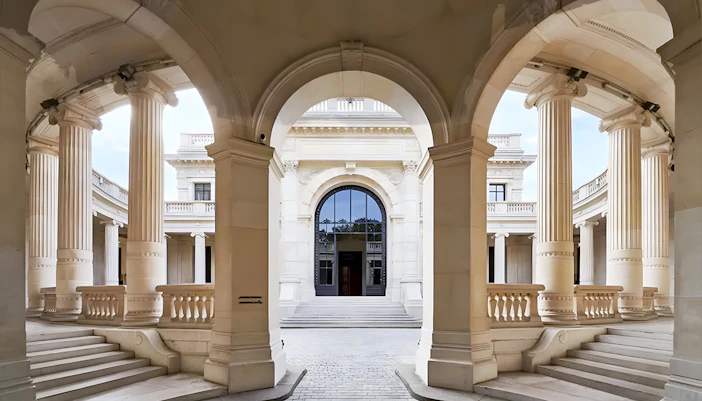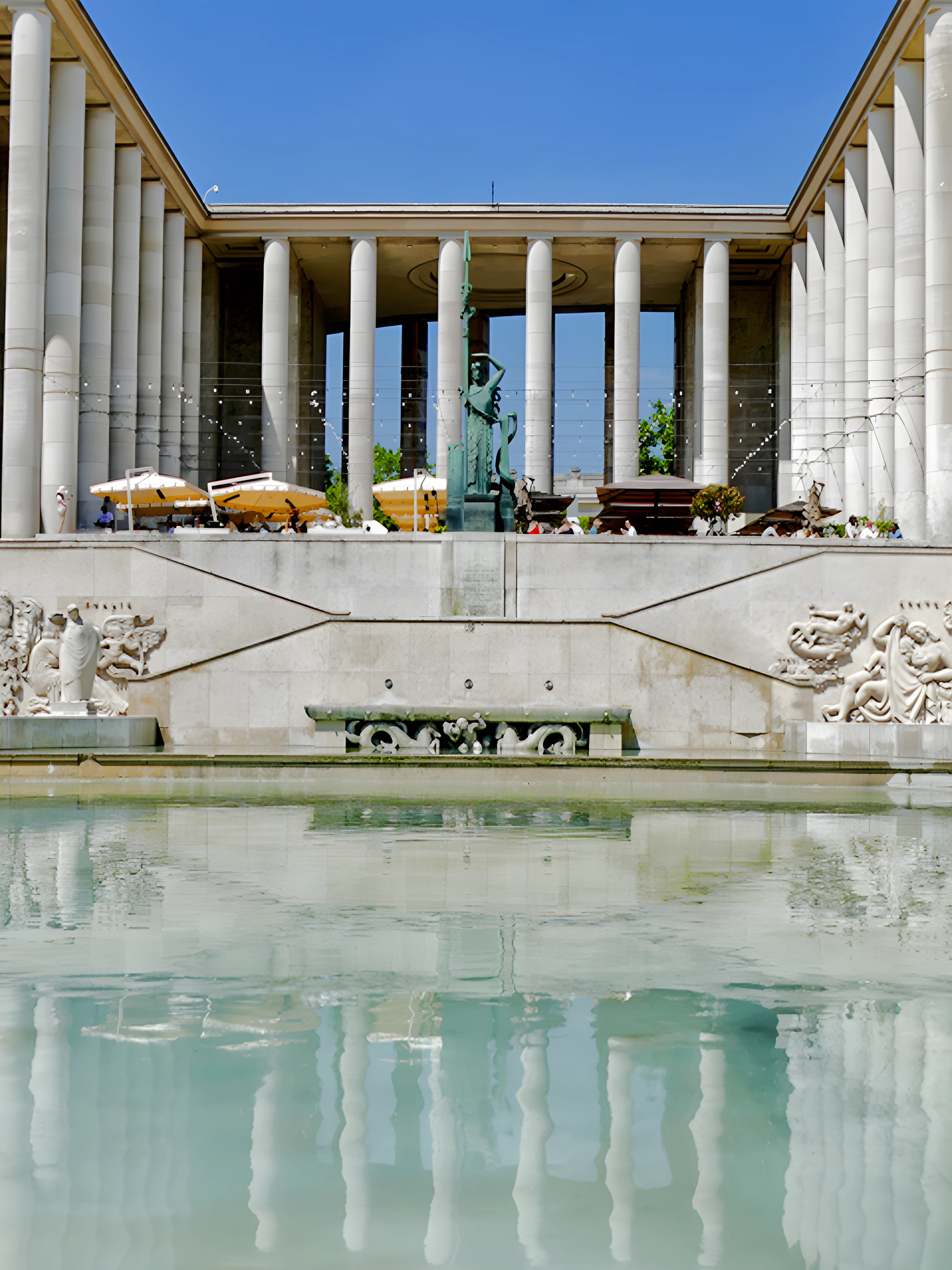
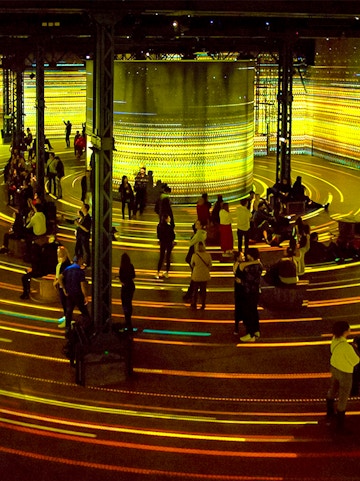
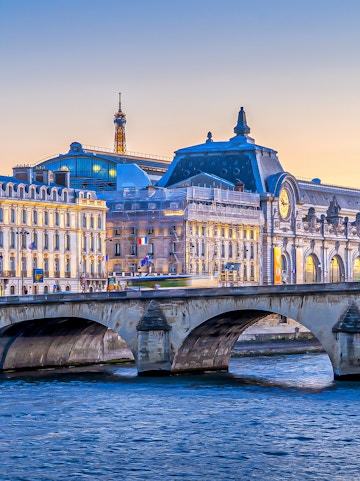
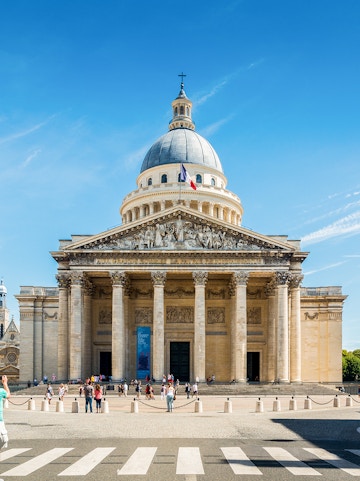
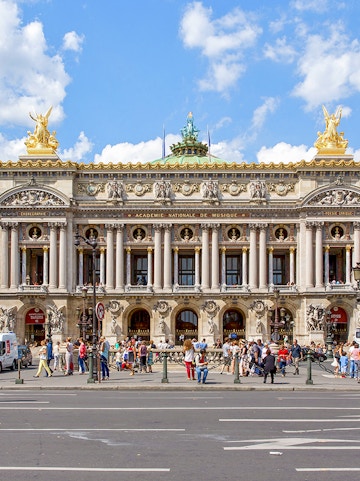
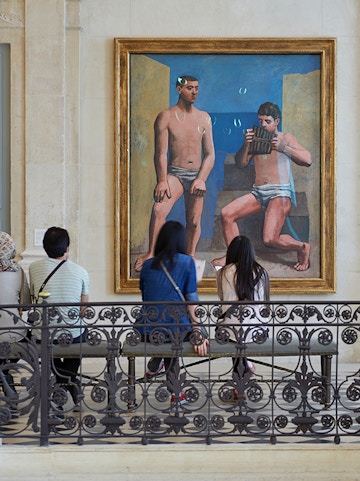
Start with the museum’s main chronological route, where painting, sculpture, and design trace key movements in modern and contemporary art. It’s the easiest way to get an overview before exploring the dedicated galleries.
Experience the best of Paris Museum of Modern Art
Crafted by Headout, a global experiences brand offering curated tours, tickets & experiences. Discover with ease, book with peace.Loved by over 57 million guests worldwide
Headout is an authorized and trusted partner of this venue
Top things to do in Paris
How Headout makes choosing experiences effortless
We curate the best ways to experience
We research and organise all unique experiences - from tickets to tours to special combos - so you get all the choices without the clutter.
We partner with the best
Every supplier is vetted for quality, reliability, and value so you only get top rated experiences. No surprises, no disappointments.
All the best options, in one place
Each experience is thoughtfully organised to give you maximum availability, great value and an easy way to choose.
Book with complete peace of mind
Free cancellations, Flexible payments, and 24/7 support - thoughtfully designed for flexibility, assurance, and total peace of mind.
Slide 1 of 41/4
Slide 1 of 4

Quick overview
- Ticket options: Choose self-guided entry to the Musée d’Art Moderne de Paris, including its permanent collection and a current temporary exhibition.
- What’s included: Your ticket combines access to the museum’s permanent galleries and selected temporary exhibition spaces in one visit.
- Temporary exhibitions: Exhibition access varies by ticket option, letting you choose which of the museum’s current shows you want to see.
- Queues & access: Booking online lets you skip purchasing tickets at the venue, though security and exhibition entry checks may still apply.
- When to book: Book ahead for weekends and major temporary exhibitions, especially if your dates are fixed.
- Good to know: The experience is self-guided, so you can explore the permanent collection and your included exhibition at your own pace.
- Best upgrade: Add temporary exhibition access to your museum visit for more than just the permanent collection.
What to expect at Musée d’Art Moderne de Paris
1/6
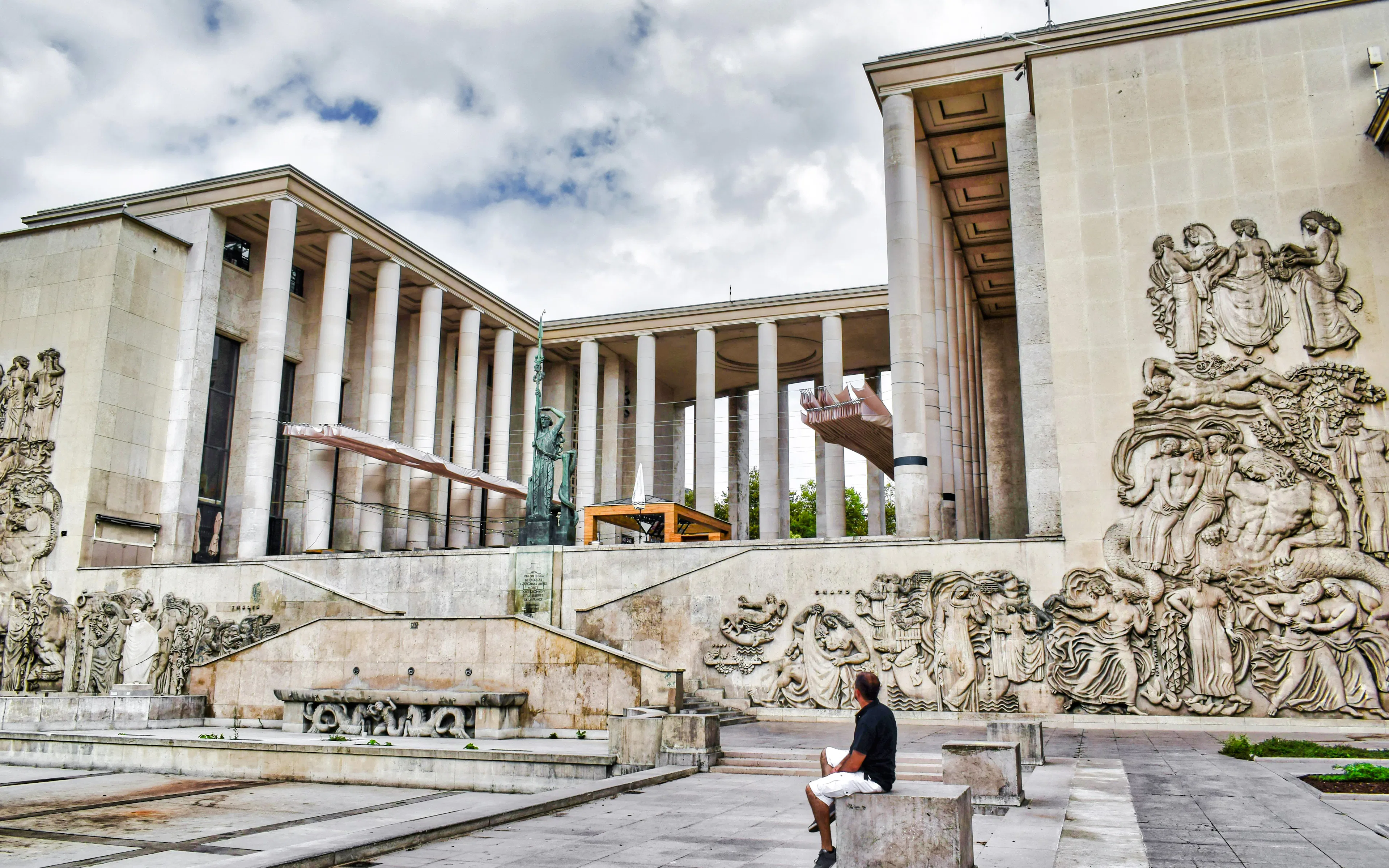
Enter a 1937 landmark
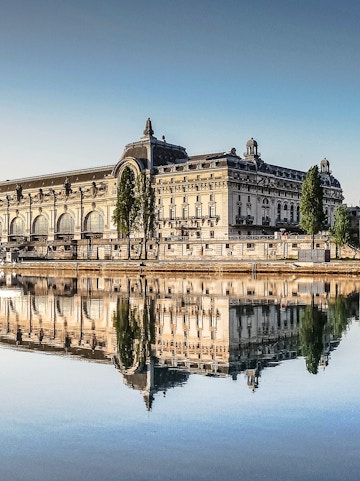
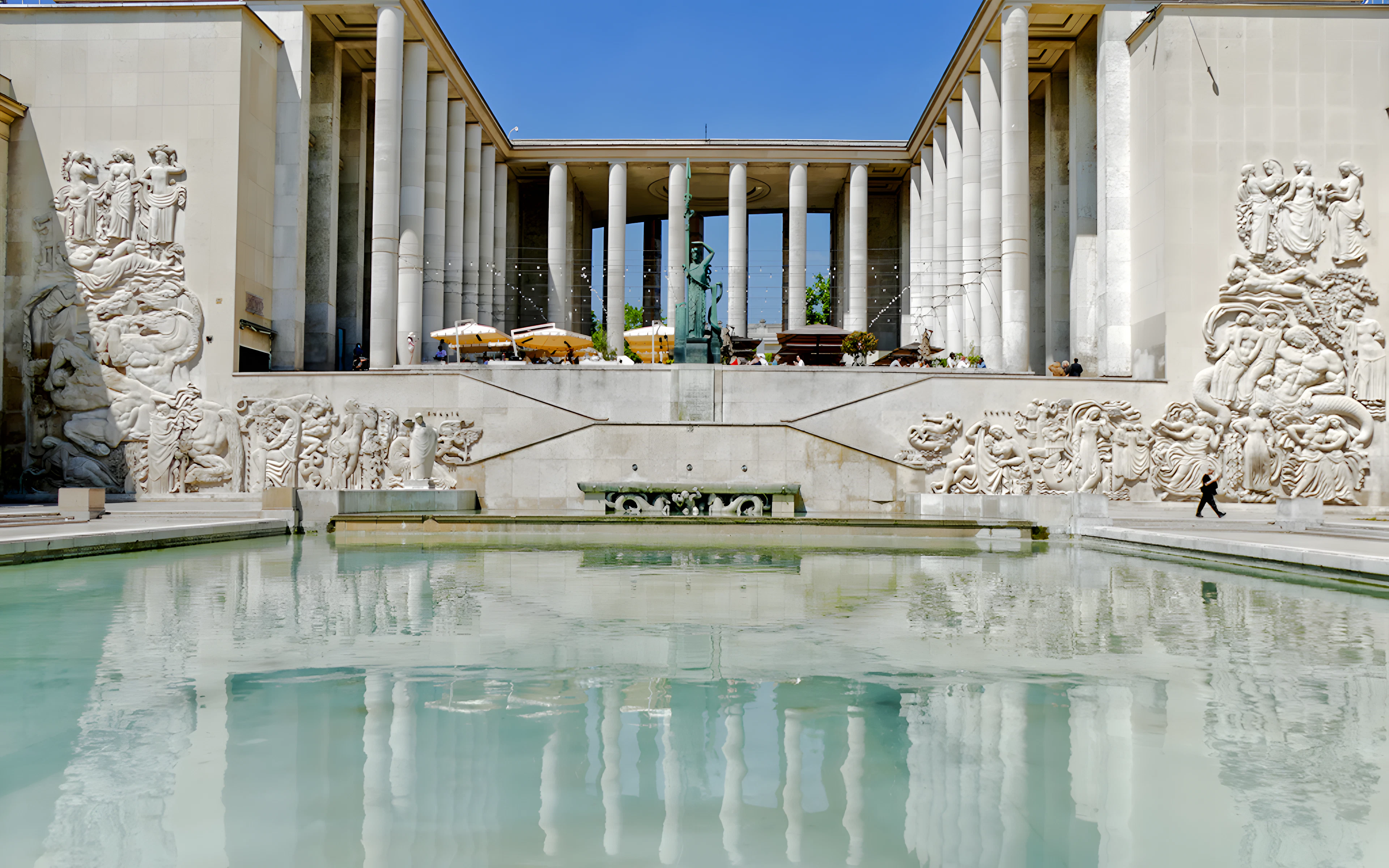
Step into the eastern wing of the Palais de Tokyo, a 1937 riverside building turned museum in 1961. First impressions are airy and ordered, with high ceilings, long sightlines, and a calmer rhythm than Paris’s blockbuster museums.
Start with the free galleries
Most visits begin in the permanent collection Included, where Fauvism, Cubism, Surrealism, and later abstraction unfold across spacious rooms. Unlike the Louvre or Orsay, you’ll usually have more breathing room to pause, compare, and linger with the works.
The Dufy room moment
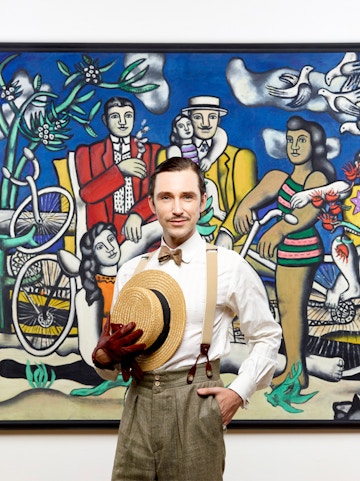
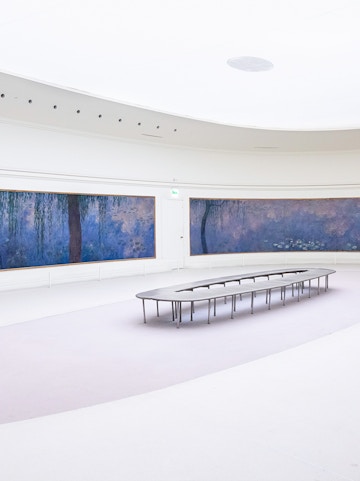
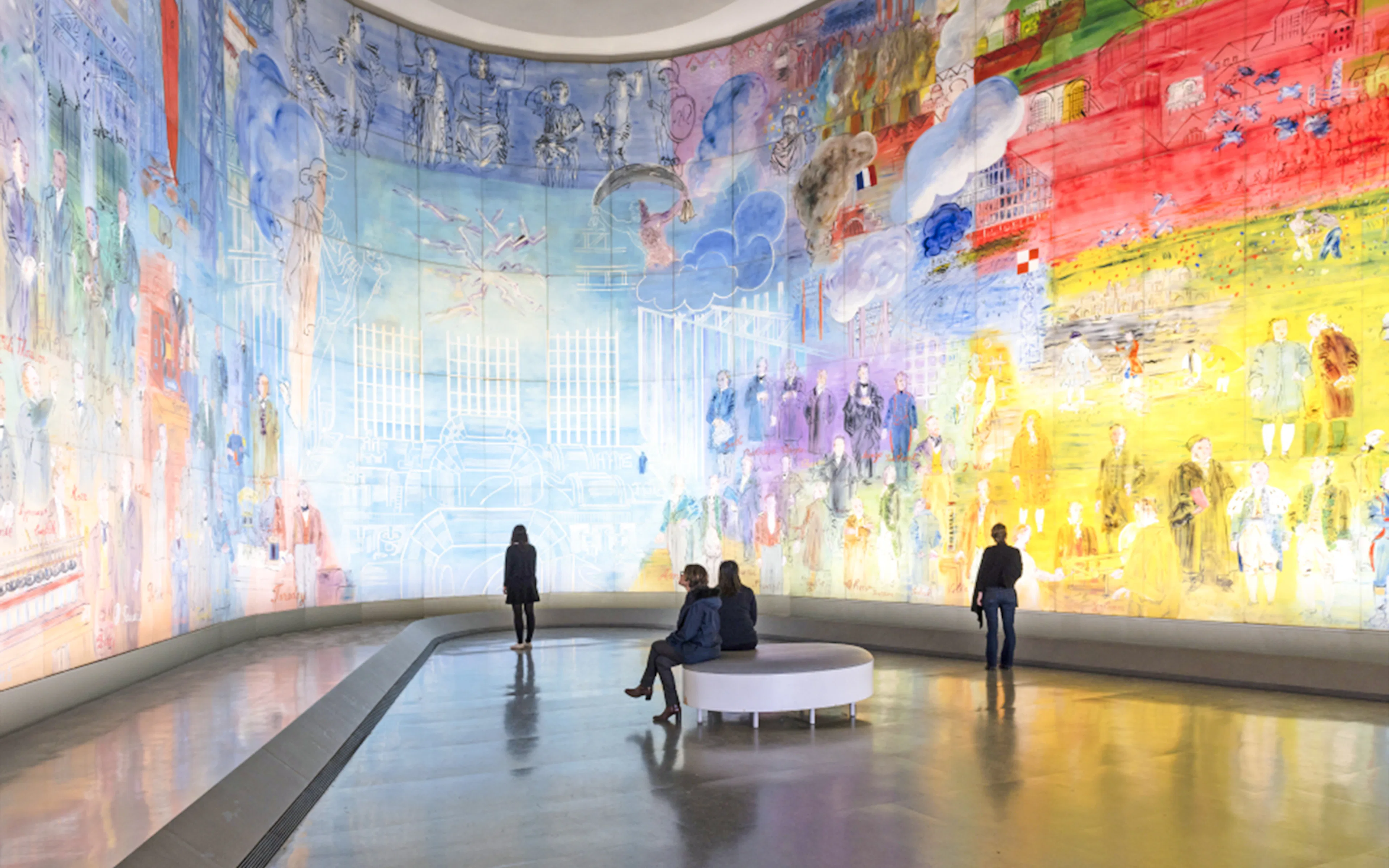
Make time for Salle Dufy, home to Raoul Dufy’s La Fée Électricité. Spanning 600 m² across 250 panels, it’s the museum’s big scale payoff, playful, panoramic, and immersive without feeling rushed by heavy foot traffic around you.
Matisse and modern masters
In Salle Matisse, stand with La Danse in the architectural setting it was created for. Nearby rooms broaden the story with Picasso, Braque, Léger, Delaunay, Modigliani, Chagall, and Yves Klein, covering several major 20th-century movements in one sweep.
Add the current exhibition
The current exhibition Separate ticket fits neatly before or after the permanent rooms. If you booked the Matisse et Marguerite variant, expect a tighter single-artist narrative and the day’s busiest galleries, while online booking often saves about 5–20 minutes.
Continue next door or outside
Most visits take about 1.5–3 hours, then spill naturally into the Seine-facing forecourt. Palais de Tokyo Separate ticket sits next door, so you can extend from early modernism into contemporary installations without crossing the city.
Things to know before booking your Musée d’Art Moderne de Paris tickets
Booking window
- You generally do not need to pre-book the permanent collection, as access is free. Book a ticket if you want to visit a paid temporary exhibition.
- Weekday exhibition visits can often be booked closer to the date, while weekends and major temporary shows are better booked earlier if your schedule is fixed.
- Online booking is especially useful if you are pairing the museum with other timed attractions nearby, as it avoids buying your exhibition ticket at the venue.
Entrances & flow
- All visitors enter via the main entrance on Avenue du Président Wilson, in the east wing of the Palais de Tokyo.
- Pre-booked tickets let you skip the on-site ticket-purchase step, but security and exhibition checks still apply.
- The museum spans multiple galleries and floors, so allow some buffer time if you are visiting a temporary exhibition alongside the permanent collection.
What’s included
- Paid tickets cover the temporary exhibition included with your selected option, while access to the permanent collection is generally free.
- Exact inclusions depend on the ticket variant you choose, so check which temporary exhibition is named before booking.
- Other temporary exhibitions are not included unless they are specifically listed in your ticket.
Ways to explore
- Most visits are self-guided, giving you the flexibility to move between the permanent collection and your included temporary exhibition at your own pace.
- For a fuller visit, combine the permanent galleries with your temporary exhibition and allow around 2–3 hours.
- Museum-run guided or mediation visits may be available separately on selected dates, but they are not part of the standard ticket options here.
Special access & upgrades
- There is no separate skip-the-line or hosted-entry upgrade in this ticket set.
- The main choice is between the available temporary exhibition options, so pick the ticket tied to the show you want to see.
Policies
- Security screening applies to all visitors, including those with pre-booked tickets.
Galleries at Musée d’Art Moderne de Paris
20th- and 21st-century art
Early 20th-century art
Move through the opening decades of the 20th century, with bold-color paintings and early modern works setting up the transition to Cubism, Surrealism, and abstraction later in the collection.
Cubism, Surrealism & interwar art
Continue through galleries dedicated to Cubist and interwar art, including works by Picasso, Braque, and Léger. The route then broadens into School of Paris, Surrealist, and abstract works.
Matisse’s La Danse
Make time for the dedicated gallery housing Henri Matisse’s monumental La Danse. Unlike the chronological galleries, this is a destination space where you can pause with one of the permanent collection’s large-scale works.
Dufy’s La Fée Électricité
Step into Salle Dufy for Raoul Dufy’s monumental La Fée Électricité. Displayed across its own dedicated hall, the large decorative ensemble is another standout stop away from the museum’s main chronological route.
Temporary exhibition galleries
Explore the museum’s rotating modern and contemporary exhibitions in separate ticketed galleries. Access depends on your selected ticket, so you can pair the permanent collection with the temporary exhibition included in your booking.
Must-see artworks at Musée d’Art Moderne de Paris
1/10
La Fée Électricité
Raoul Dufy (1937) This 600-square-meter mural turns scientific history into a color-swept panorama.
Pro tip: Step back first to grasp the mural before chasing smaller details.
La Danse
Henri Matisse (1931–33) This mural study highlights rhythmic composition with simplified bodies and a wide blue background.
Pro tip: Stand centered first, then move closer to spot underdrawing changes.
La Ville de Paris
Robert Delaunay (1910–12) This vast triptych breaks Paris into shifting planes and color, creating a pulsating visual rhythm.
Pro tip: View from several steps back so the composition reads as one field.
L’Équipe de Cardiff
Robert Delaunay (1913) This sporting scene fuses city life and motion with dynamic composition and a spinning rhythm.
Pro tip: Start with the Eiffel Tower, then let your eye circle outward.
Le Cavalier arabe
Raoul Dufy (c.1914) This work turns a rider into a study of speed and decorative movement.
Pro tip: Step back first; the decorative rhythm is clearer at a distance.
Le Matador
Pablo Picasso (1970) This late work strips the bullring down to forceful lines and compressed color with a tense, theatrical framing.
Pro tip: Stand slightly back to keep the full structure in view.
Prismes électriques
Sonia Delaunay (1914) This canvas transforms electric light into pure sensation with overlapping circles and prismatic bands.
Pro tip: Give it a few quiet seconds; the color relationships sharpen.
Le Bal Bullier
Sonia Delaunay (1913) This dance-hall scene captures Paris nightlife with fractured color and dynamic movement.
Pro tip: Step back to see the floor and dancers lock into one rhythm.
Les Disques
Fernand Léger (1918) This work experiments with flat shapes and metallic tones to create weight without traditional depth.
Pro tip: Look from mid-distance; close viewing flattens the balance.
La Femme aux yeux bleus
Amedeo Modigliani (1917) This portrait exudes calm elongation with almond-shaped eyes and a long neck, delivering a charged stillness.
Pro tip: Stand slightly to one side; the face’s asymmetry reads more clearly.
Plan your visit to Musée d’Art Moderne de Paris
- Opening hours: Hours vary by day, with Monday closures and later Thursday opening often applying. Check the Musée d’Art Moderne de Paris timings page for the latest schedule.
- Timed access: Temporary exhibitions may use timed entry, so allow extra time for security.
- Visit length: Plan around 1.5–3 hours, depending on your exhibition and permanent-gallery visit.
Best time to visit
- Quieter times: Weekday mornings are usually calmer than weekend afternoons.
- Later visits: Thursday evenings can be a good option when extended hours are available.
- Address: 11 Avenue du Président Wilson, 75116 Paris, France (View on Google Maps)
- Setting: East wing of the Palais de Tokyo
- Area: Right Bank, near Trocadéro and the Eiffel Tower

- Metro: Iéna on Line 9 is about a 5-minute walk away.
- Metro alternative: Alma-Marceau on Line 9 is about an 8–10-minute walk away.
- RER: Pont de l’Alma on RER C is about a 5-minute walk away.
- Bus: Routes 32, 42, 63, 72, 80, 82, and 92 stop nearby.
- Walking: Trocadéro is about 10 minutes away, and the Eiffel Tower is about 15–20 minutes away.
- Taxi: Taxis and rideshares can drop off directly on Avenue du Président Wilson.
- Parking: The museum has no dedicated car park, and confirmed nearby garage details are not listed in the inputs.

• Restrooms: Restrooms are available inside the museum building.
• Bookshop: An on-site bookshop sells exhibition catalogs, art books, and related gifts.
• Food options: Refreshment options operate within the wider Palais de Tokyo complex, though names and hours vary.
• Strollers: Strollers are allowed, but temporary exhibition rooms can feel tight when busy.
- Wheelchair access: A step-free entrance is available on Avenue du Président Wilson, with elevators connecting museum levels.
- Facilities: Accessible restrooms are available, and staff can help with the easiest accessible route.
- Strollers: Strollers are permitted, though some exhibition spaces may be narrower when busy.

• Security: All visitors pass a bag check at the main entrance.
• Bag policy: Avoid large luggage, as published size limits are unclear and bulky items may be refused.
• Photography: Non-flash photography is generally allowed in permanent galleries, but temporary exhibitions may restrict it.
• Food and drinks: Eating and drinking are not allowed inside gallery spaces.
• Behavior: Please keep voices low and follow staff instructions in quieter rooms.
• Touching artworks: Please do not touch artworks, plinths, or display cases.
• Re-entry: Same-day re-entry is not clearly published, so plan one continuous visit.
• Checked: Time-sensitive visitor rules were last reviewed in May 2026.
Plan your visit to Musée d’Art Moderne de Paris
Get the essentials for a smooth visit, from opening hours and directions to entrances, accessibility, and the best time to go.
Visitor tips & guidelines
- Book temporary exhibitions ahead if you’re visiting on a weekend or have a fixed date in Paris.
- Keep your ticket handy after entering, as temporary exhibition access may involve an additional ticket check.
- Allow 2–3 hours if you plan to see both the permanent collection and your included temporary exhibition.
- Ask staff for directions at entry if needed; the museum spans several galleries and levels, and routes can be easy to miss.
- Visit on a weekday morning for a generally quieter experience than weekend afternoons.
- Plan your visit in one go, as the museum’s same-day re-entry policy is not clearly published.
- Travel light to make security screening and moving between galleries easier.
- Check your ticket inclusions before visiting, as access to temporary exhibitions depends on the option selected.
Frequently asked questions about Musée d’Art Moderne de Paris tickets
The permanent collection is generally free to visit. You’ll need a paid ticket for temporary exhibitions, so book one if a current show is the focus of your visit.
For temporary exhibitions, booking ahead is recommended for weekends and popular shows. The permanent collection generally does not require advance booking.
Some temporary exhibitions may have dated or timed entry. Check the time shown on your ticket and allow enough time for security before entering.
Online tickets let you skip the on-site ticket-purchase step, but not security or any exhibition-specific entry checks.
No. Exhibition access depends on the option you select. Other temporary exhibitions are not included unless specifically listed on your ticket.
They form part of the permanent collection and are generally free to visit when open. Individual rooms may occasionally close for conservation or rehanging.
Same-day re-entry is not clearly guaranteed. Plan to explore the permanent collection and your temporary exhibition in one continuous visit.
Weekday mornings are generally quieter than weekend afternoons. Popular temporary exhibitions can make weekends busier, so an earlier visit is a better option.
Allow around 1.5–3 hours, depending on whether you’re exploring only the permanent collection or adding a temporary exhibition.