Start with the state apartments to understand the mansion’s scale, then move through the informal apartments and private rooms. Save the winter garden, staircase and Italian Museum for the middle of your visit, when you’re ready to slow down.
Why visit Jacquemart André Museum?
Step into a private Parisian mansion: Jacquemart André Museum feels different from larger Paris museums because the building is part of the collection. You move through grand salons, private apartments, a winter garden and a sweeping staircase that still hold the personality of the collectors who lived here.
See major European masterpieces: The museum brings together Italian Renaissance works, Flemish and Dutch masters, and French 18th-century art. Look for artists like Botticelli, Rembrandt, Fragonard, Tiepolo, Bellini, Van Dyck and Chardin.
Experience art at a slower pace: This is a good museum if you want masterpieces without the scale of the Louvre. The rooms feel intimate, the route is easy to follow and the mansion setting makes the artworks feel lived-in.
Explore Paris beyond the obvious icons: Located on Boulevard Haussmann, the museum pairs well with Parc Monceau, Champs-Élysées and the elegant streets of the 8th arrondissement.
What to see at the Jacquemart André Museum

1/6
The State Apartments
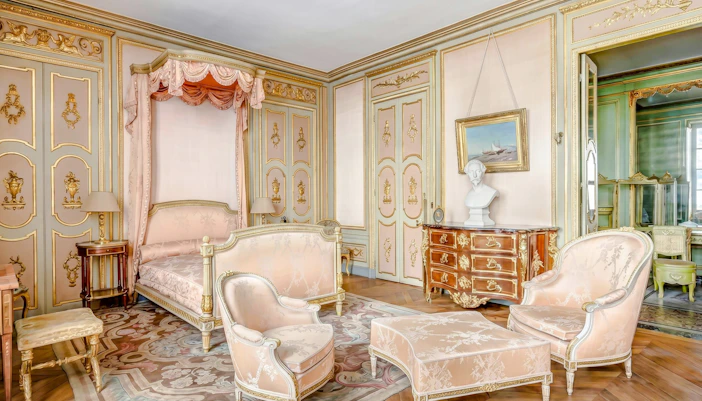
The state apartments show how Édouard André and Nélie Jacquemart entertained Parisian high society. Expect gilded salons, formal reception rooms, rich furnishings and the grand atmosphere of a 19th-century private mansion.
The Winter Garden and Staircase
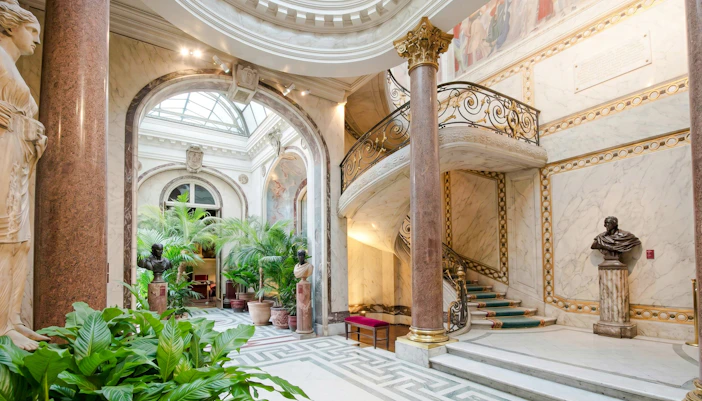
The winter garden and double-spiral staircase are among the museum’s most memorable spaces. Pause here for the architecture: it feels theatrical, elegant and designed to impress guests as they moved through the mansion.
The Italian Museum
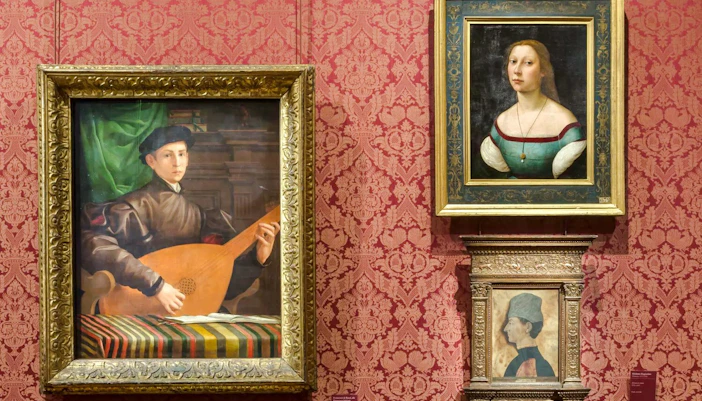
This is one of the museum’s strongest sections, especially for Renaissance art lovers. Look for works by Botticelli, Bellini, Uccello, Mantegna, Perugino and Carpaccio in a setting that feels more intimate than a large gallery.
Flemish and Dutch Masters
The northern European collection gives the museum serious art-historical weight. Rembrandt, Van Dyck and Frans Hals are among the major names that make this smaller Paris museum worth adding to your itinerary.
French 18th-Century Art
This section fits beautifully with the mansion’s interiors. Works by Fragonard, Chardin, Boucher, Nattier and Vigée-Lebrun sit alongside furniture and decorative objects from the same elegant world.
Le Nélie Restaurant-Tea Room
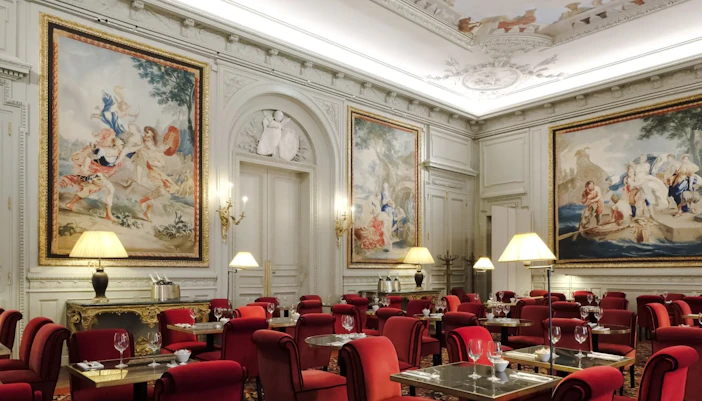
Set in the mansion’s former dining room, Le Nélie is a lovely way to extend your visit. It works well for tea, brunch or a quiet break after the galleries.
How to explore Jacquemart André Museum
Suggested route
Time needed
Plan to spend 2–3 hours at the museum. This gives you enough time for the permanent collection, mansion rooms, temporary exhibition, bookshop and a relaxed stop at Le Nélie if you want one.
Must-see highlights
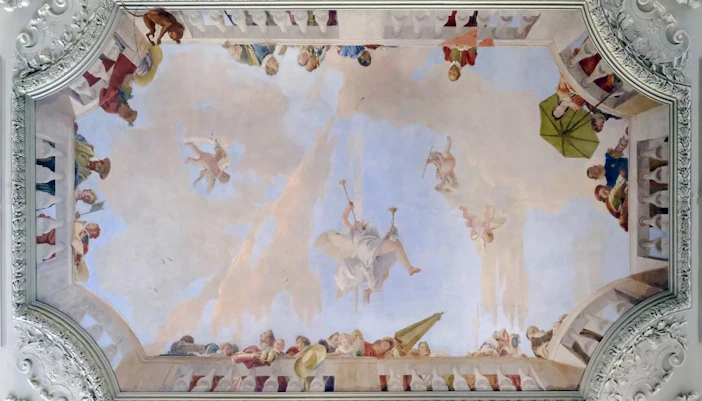
Prioritize the winter garden, double-spiral staircase, Italian Museum, Rembrandt’s The Pilgrims at Emmaus, Botticelli’s paintings and Tiepolo’s ceiling fresco in the former dining room.
Optional add-ons
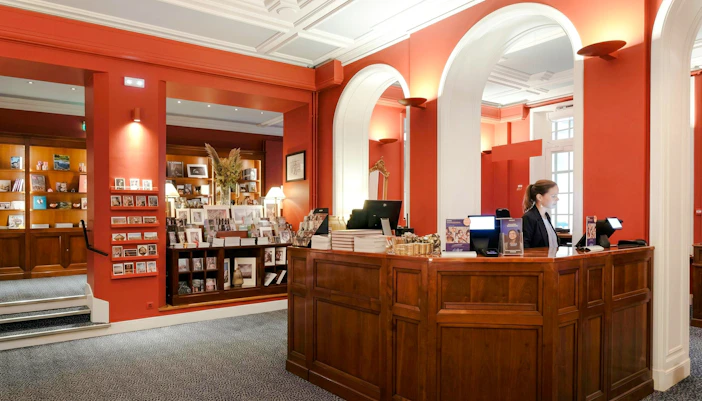
Add the temporary exhibition if one is running, then stop at the bookshop or Le Nélie. The café works especially well if you want the visit to feel like a slower Paris afternoon.
Guided vs self-paced
A self-paced visit works well because the mansion route is easy to follow. Choose an audio guide or museum app if you want more context on the collectors, artworks and architecture.
Brief history of Jacquemart André Museum
- 1833: Édouard André is born into a wealthy banking family during a period of major transformation in Paris.
- 1869: André buys land on the newly created Boulevard Haussmann and commissions architect Henri Parent to design a private mansion.
- 1876: The mansion is completed and becomes known for its grand reception rooms, rich interiors and impressive staircase.
- 1881: Édouard André marries Nélie Jacquemart, a successful portrait painter. Together, they continue building the art collection.
- 1894: Édouard dies, and Nélie continues collecting, travelling and shaping the mansion’s artistic identity.
- 1912–1913: Nélie leaves the mansion and collection to the Institut de France. The museum opens to the public in 1913.
- Today: The museum remains one of Paris’s finest examples of a private mansion transformed into a public art museum.
Who built Jacquemart André Museum?
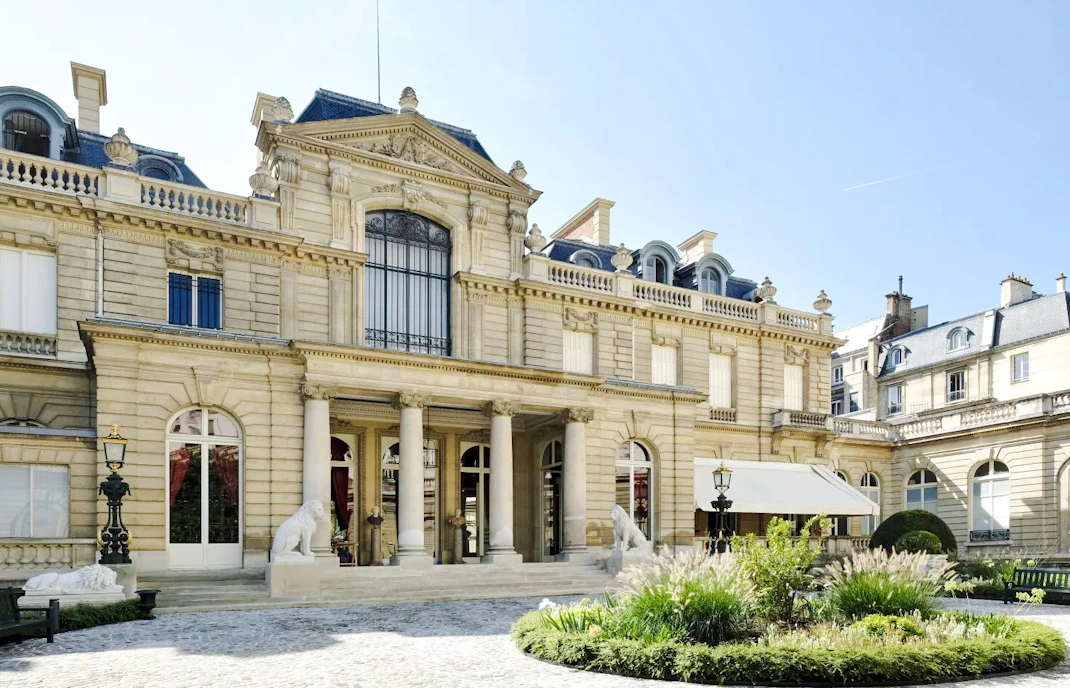
Jacquemart André Museum was built for Édouard André by architect Henri Parent between 1869 and 1876. Parent designed it as a grand private residence on Boulevard Haussmann, with classical symmetry, formal reception rooms and spaces made for both entertaining guests and displaying art.
Architecture of Jacquemart André Museum
Historic mansion setting
Jacquemart André Museum is housed in a 19th-century hôtel particulier on Boulevard Haussmann. Unlike a purpose-built museum, it still feels like a private mansion designed around movement, display and social life.
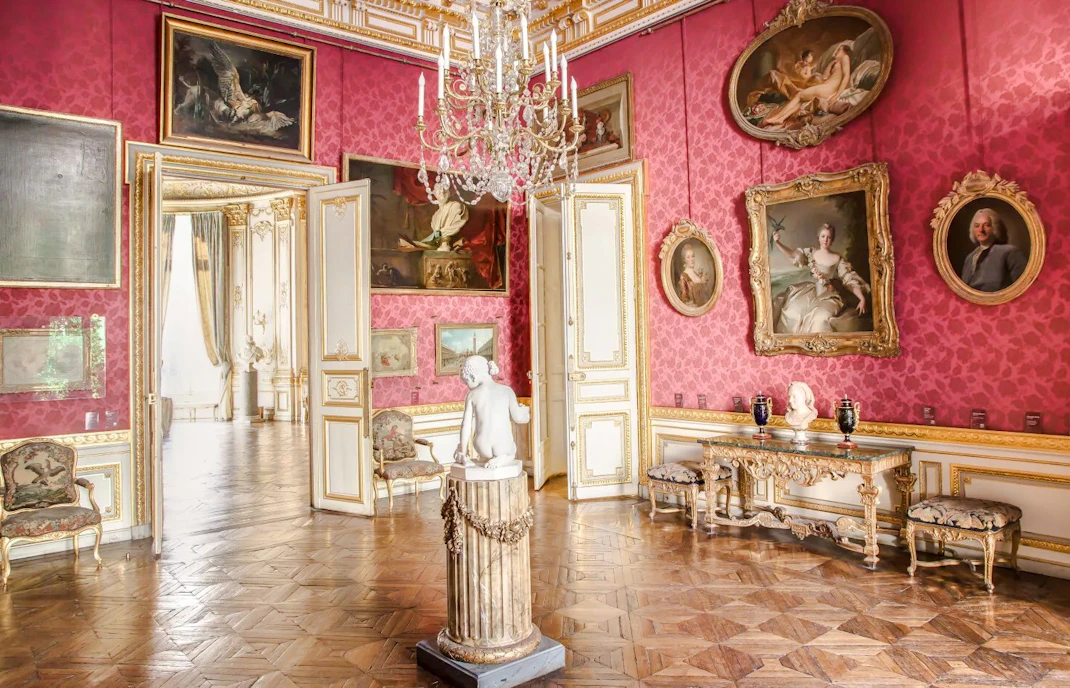
Architect Henri Parent
Henri Parent designed the mansion for Édouard André. His plan created a residence that could function as a home, a reception venue and a refined setting for a growing art collection.

Grand interiors
The interiors use gilded details, marble, tapestries, painted ceilings and elegant room-to-room sightlines. The effect is rich but controlled, with every space designed to frame the next.
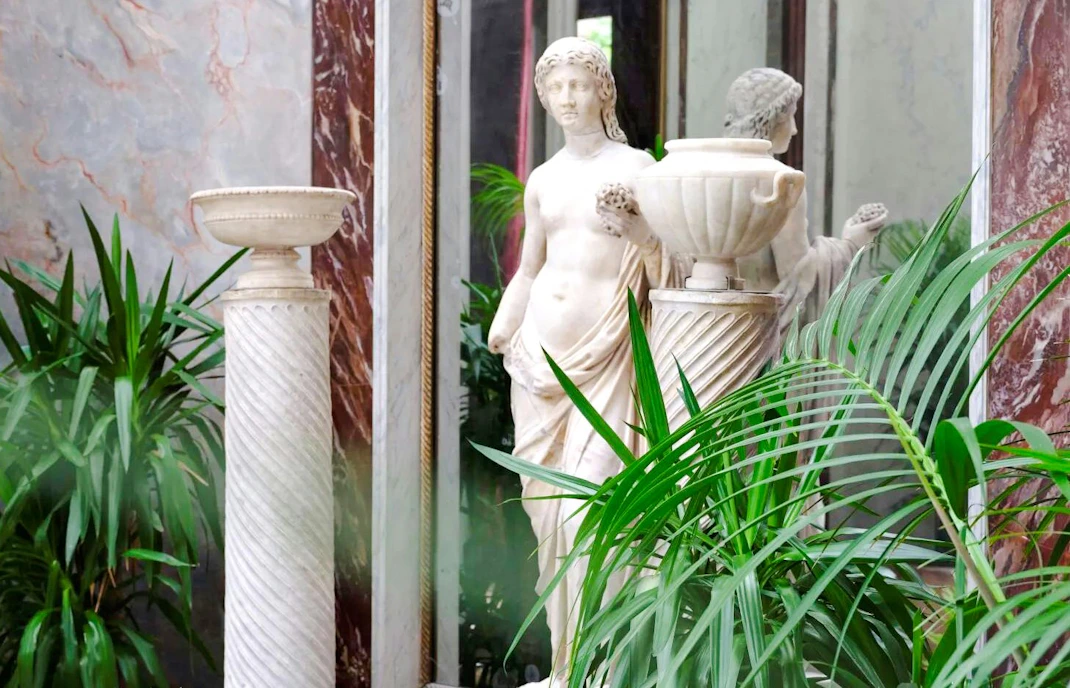
Winter garden and staircase
The winter garden and double-spiral staircase are the architectural showpieces. They create a sense of arrival and theatre, making the mansion feel larger and more ceremonial as you move through it.
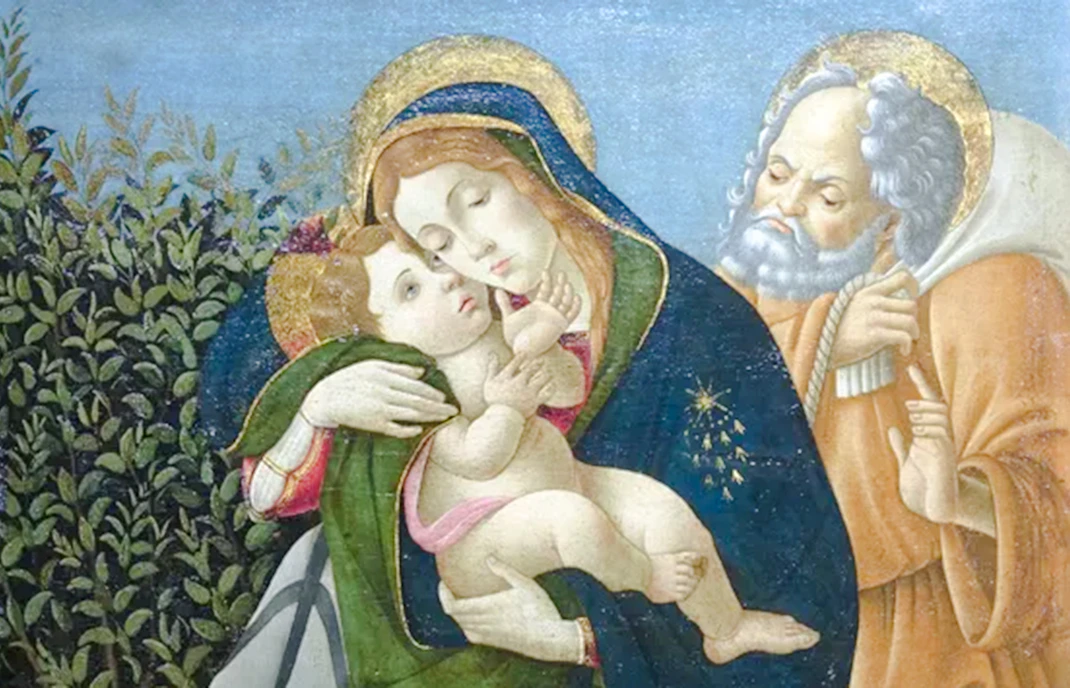
Visitor experience
The architecture makes the museum feel personal. You’re not just moving from artwork to artwork; you’re walking through rooms designed for collecting, hosting and showing taste in 19th-century Paris.
What makes Jacquemart André Museum different?
Jacquemart André Museum stands out because the collection still feels connected to the people who built it. Édouard André and Nélie Jacquemart didn’t collect for a neutral gallery; they collected for their home. Paintings, furniture, decorative objects and architecture work together here, making the museum feel part art collection, part mansion tour and part portrait of Parisian collecting culture.
Frequently asked questions about Jacquemart André Museum
Jacquemart André Museum is significant because it preserves a 19th-century Paris mansion and one of the city’s finest private art collections, with works by Botticelli, Rembrandt, Fragonard, Tiepolo and other European masters.
Yes, especially if you enjoy smaller museums with atmosphere. The mansion combines grand interiors, private apartments, a historic staircase and major artworks in a setting that feels more intimate than larger Paris museums.
Most visitors need 2–3 hours. This gives you enough time to explore the mansion rooms, permanent collection, temporary exhibition, bookshop and Le Nélie restaurant-tea room without rushing.
Don’t miss the winter garden, double-spiral staircase, Italian Museum, Tiepolo ceiling fresco and key works by Botticelli, Rembrandt, Bellini, Uccello, Fragonard and Chardin.
The mansion was designed by Henri Parent for Édouard André between 1869 and 1876. It was built on Boulevard Haussmann as a private residence and a setting for André’s growing art collection.
Édouard André was a banker, politician and collector. Nélie Jacquemart was a portrait painter and collector. Together, they built the collection that later became Jacquemart André Museum.
Yes, especially for families with older children who enjoy art, architecture or historic homes. The museum is smaller than many major Paris museums, so it feels manageable for a half-day visit.
Yes, but booking online is better during weekends and temporary exhibitions. This helps reduce waiting time and gives you a smoother entry experience, especially during busy Paris travel periods.