
Skip to main content‌

Saint-Germain-des-Prés concerts: Music, programs & what to expect

An evening concert at Saint-Germain-des-Prés is as much about the setting as the music. Instead of a conventional concert hall, you listen to classical music inside one of Paris’s oldest churches, surrounded by painted columns, vaulted ceilings, religious artwork, and the natural reverberation of the nave.

Programs change throughout the year, but expect plenty of Baroque and classical favourites, with Vivaldi, Mozart, Bach, Handel, Schubert, and other familiar composers appearing regularly. Depending on the date, you might hear a string orchestra, chamber ensemble, choir, vocal soloists, or an organ recital.

What music can you hear at Saint-Germain-des-Prés?

Placeholder Image Headout Blimp
1/4

Baroque favourites

This is one of the most common concert styles at Saint-Germain-des-Prés.

Expect composers such as Vivaldi, Bach, Handel, and Albinoni, often performed by a chamber or string orchestra. Vivaldi’s The Four Seasons is particularly common and may be paired with other short, recognisable works.

Choose this if: You want energetic strings, famous melodies, and an easy introduction to classical music.

Classical favourites

Some programs mix Baroque music with works by Mozart, Schubert, Massenet, and other composers.

Rather than spending the whole evening with one composer, these concerts move through several familiar works, making them easy to enjoy even if you don’t regularly listen to classical music.

Choose this if: You want variety rather than a specialist program.

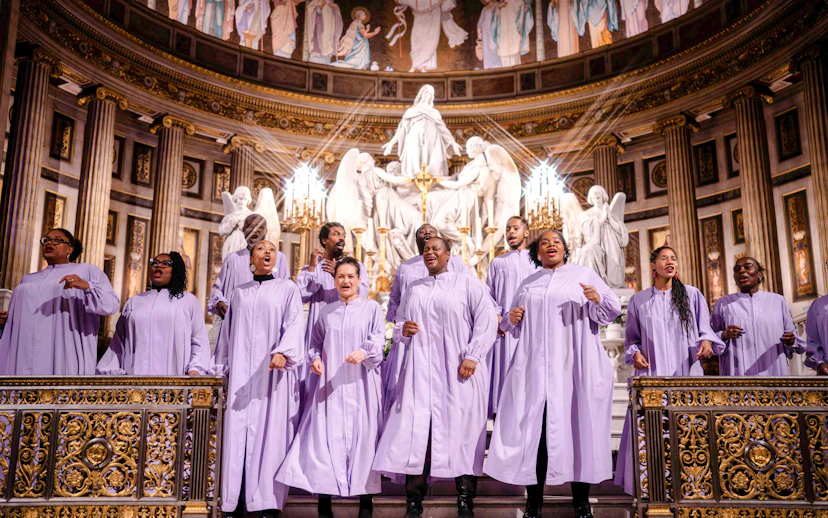
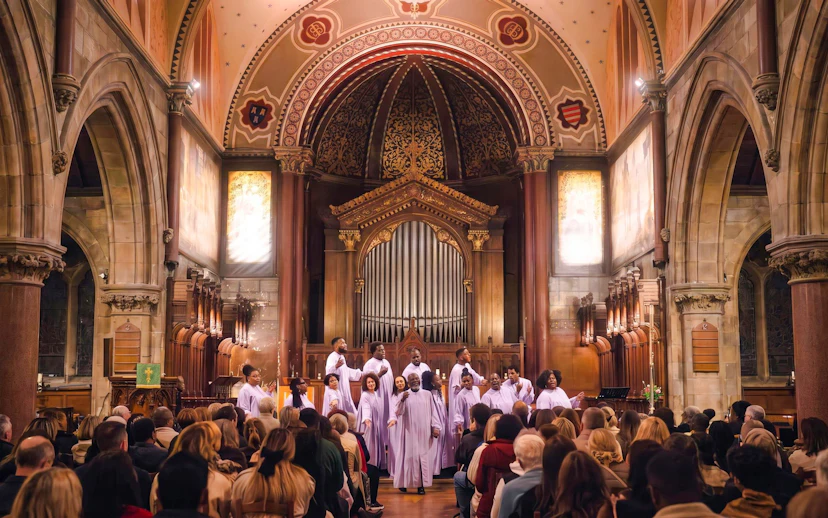
Sacred and choral music

On selected dates, the church hosts more solemn programs featuring works such as requiems, Ave Maria settings, sacred choral pieces, and religious compositions.

The musical setting feels particularly natural here: voices and sustained notes carry through the stone interior differently from in a conventional theatre.

Choose this if: You enjoy choral music or want a more contemplative experience.

Smaller chamber concerts

Some performances use smaller ensembles and focus more closely on composers such as Bach.

These tend to feel more intimate and are often better suited to visitors who already know what kind of classical music they enjoy.

Which concert style suits you best?

Program type What you can expectAtmosphereBest suited to

Vivaldi & Baroque classics

The Four Seasons, Bach, Handel, Albinoni

Lively and dramatic

First-time listeners

Mixed classical program

Several famous works and composers

Varied and accessible

Casual visitors

Chamber concert

Smaller ensemble and more focused repertoire

Intimate and refined

Classical enthusiasts

Sacred or choral concert

Requiems, Ave Maria, vocal and choral works

Solemn and atmospheric

Choir and vocal-music fans

Christmas special

Seasonal sacred music and classical favourites

Festive and memorable

December visitors

🎼 Composers you’re likely to hear

Antonio Vivaldi

Vivaldi is one of the venue’s strongest recurring names, especially The Four Seasons.

Its four short concertos create plenty of musical variety, from thunderstorms and birdsong to icy winter passages, making it particularly accessible if you aren’t familiar with classical music.
Wolfgang Amadeus Mozart

Mozart may appear in lighter orchestral programs through pieces such as Eine kleine Nachtmusik, while selected dates can feature larger sacred works such as the Requiem.

Johann Sebastian Bach

Look out for Bach-focused concerts if you prefer more intricate Baroque music.

These may use smaller instrumental groups and can feel considerably more intimate than the larger string-orchestra evenings.

Schubert, Handel, Albinoni & more

Mixed classical programs often include widely recognised pieces such as:

  • Schubert’s Ave Maria
  • Albinoni’s Adagio
  • Handel’s orchestral works
  • Massenet’s Méditation
  • Additional short Baroque and Romantic favourites

⏱️ What does a typical concert program look like?

Placeholder Image Headout Blimp
1/3

Before the music begins

Arrive ahead of the advertised start time for ticket checks and seating. The church remains a historic place of worship rather than a purpose-built auditorium, so entrances and seating can take a little longer than at a modern venue.

During the concert

A typical program might combine:

  • One headline work, such as The Four Seasons
  • Two or three shorter classical pieces
  • A featured soloist or instrument
  • Several musical movements rather than one continuous performance

How long does it last?

Most concerts are around one hour to approximately 1 hour 15 minutes, although the exact duration varies.

Shorter programs often run straight through without an intermission.

Good to know: Two concerts at Saint-Germain-des-Prés can have completely different structures. Always check the individual program rather than assuming every performance follows the same format.

🎻 Who performs at Saint-Germain-des-Prés?

String orchestras

For Vivaldi and other Baroque programs, expect combinations of:

  • Violins
  • Viola
  • Cello
  • Double bass
  • Featured violin soloist

Chamber ensembles

Smaller programs may feature only a handful of musicians, sometimes combining strings with instruments such as flute.

These concerts feel more intimate and place greater focus on individual performers.

Choirs and singers

Sacred programs can introduce:

  • Mixed choirs
  • Soprano or tenor soloists
  • Vocal ensembles
  • Orchestra and choir combinations

Organ

Saint-Germain-des-Prés also has an important organ tradition, although not every ticketed concert includes the organ.

If hearing the church organ specifically matters to you, check that the concert is advertised as an organ recital or organ concert.

Where should you sit?

Your ideal seat depends on what matters most to you.

Sit closer if…

  • You want to watch individual musicians
  • Seeing the violin soloist matters to you
  • You want more visual connection with the performance

Sit farther back if…

  • You want a wider view of the church interior
  • Atmosphere matters more than seeing every musician clearly
  • You enjoy hearing the sound fill the nave

Sit centrally if possible

Central seating generally gives you the most balanced combination of sound, view, and architectural perspective.

How to choose the right concert date

  • Vivaldi usually means lively strings.
  • Bach may indicate a more focused Baroque evening.
  • Mozart could mean anything from light orchestral music to a full sacred work such as the Requiem.
  • Check which pieces are actually being performed.
  • A concert advertised around one famous composer may include works by several others.

The experience changes depending on whether you're hearing:

  • A solo violinist and string orchestra
  • A small chamber ensemble
  • A choir
  • Vocal soloists
  • An organist

Tips for a better Saint-Germain-des-Prés concert experience

  • Arrive early: Aim to arrive around 20–30 minutes before the concert. It gives you time for entry checks, finding your seat, and settling in before the music starts.
  • Choose the music before choosing the seat: A Vivaldi concert, chamber program, and requiem can feel completely different even though they take place inside the same church.
  • Sit forward for the performers: Closer seating is better if you want to watch individual musicians or a featured violinist.
  • Sit farther back for the setting: If the architecture is a major reason you're attending, sitting slightly farther away gives you a broader view of the nave.
  • Bring a light extra layer: Historic churches can feel cooler than modern performance venues, particularly when you're sitting still for an hour.

Frequently asked questions about Saint-Germain-des-Prés concerts

Programs commonly feature Baroque and classical music, with composers such as Vivaldi, Bach, Mozart, Handel, Schubert, and Albinoni appearing regularly. Depending on the date, you may also find sacred music, choral performances, chamber concerts, and organ recitals.