Opening hours, transport, entrance and the best time to arrive.
Plan your visit to Château de Vincennes
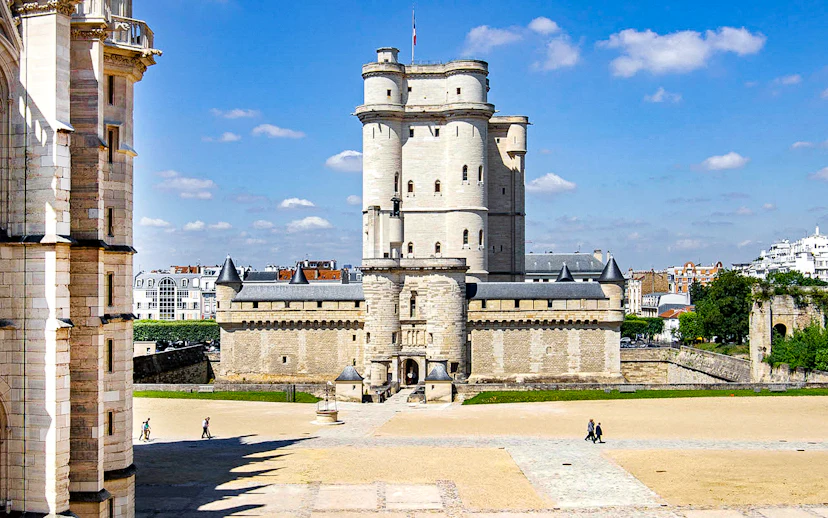
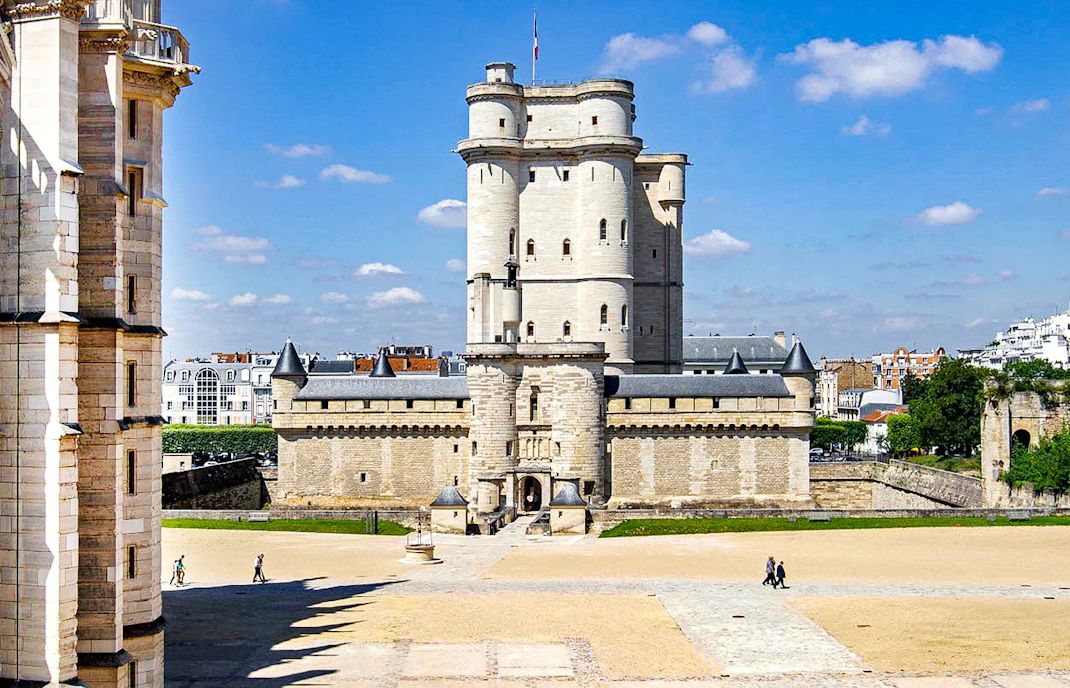
Château de Vincennes is a medieval royal fortress on the eastern edge of Paris, centred around its keep and Sainte-Chapelle. Unlike a furnished palace, expect courtyards, medieval stonework, stairs and relatively sparse interiors. Allow around 2 hours for a well-paced visit. The main thing to plan around? The Sainte-Chapelle temporarily closes around midday, independently of the rest of the château.
Quick overview: Château de Vincennes at a glance
- When to visit: Open 10am–6pm from May 21 to September 21 and 10am–5pm from September 22 to May 20. It closes at 4pm on December 24 and 31.
- Getting in: Standard adult admission is €13 as of August 2026. Pre-booking gets your ticket sorted before arrival, but there’s no verified evidence of major queue savings or a separate security bypass.
- How long to allow: Around 2 hours for the keep, Sainte-Chapelle and main château spaces. The Revelacio multimedia route itself takes around 1.5 hours.
- When to go: Opening time gives you the most flexibility around the Sainte-Chapelle’s midday closure. The château also recommends Wednesdays or school holidays if school groups are a concern.
- What most people miss: Look beyond the scale of the keep to the King’s Chamber and surviving prison graffiti—both help bring its royal and prison history into focus.
💡 Pro tip: Arriving around lunchtime? Visit the Sainte-Chapelle first. Its temporary closure can run from 12pm–2pm or 1pm–2pm, while the keep follows the broader château schedule.
Jump to what you need
🕒 Where and when to go
🎟️ Which ticket is right for you?
Compare standard admission, audio options and special guided experiences.
🗺️ Getting around:
Plan the most practical route through the chapel, keep and wider enclosure.
🏰 What to see:
Prioritise the keep, King’s Chamber, Sainte-Chapelle and stained glass.
♿ Facilities & accessibility:
Restrooms, seating, mobility information and family facilities.
🥗 Eat, shop & stay nearby:
Food, shopping and useful places around the château.
Where and when to go
How do you get to Château de Vincennes?
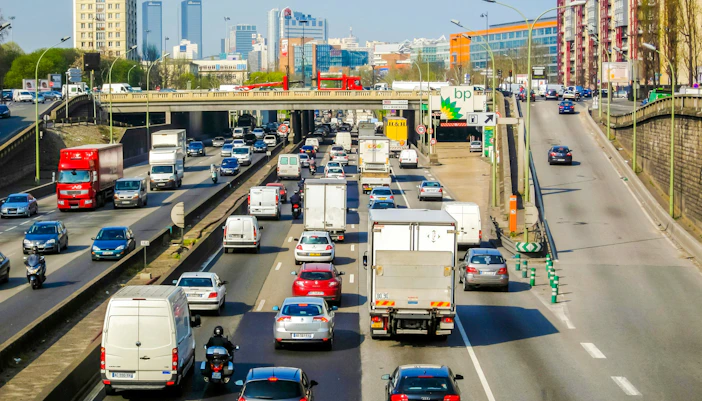
Château de Vincennes sits just east of central Paris beside the Bois de Vincennes. Metro Line 1 runs directly to Château de Vincennes station, making the journey straightforward from central Paris.
Address: 1 Avenue de Paris, 94300 Vincennes, France.
- By Metro: Take Line 1 to Château de Vincennes, its eastern terminus. The château is roughly 0.4km away, or about a 5-minute walk.
- By RER: Take RER A to Vincennes, roughly a 10-minute walk away. This can be the better option for some visitors with reduced mobility because the station has lifts and escalators.
- By bus: Routes 46, 56 and 86 are listed by the château. Check current RATP routing before travelling.
- By car/taxi: Approach via Avenue de Paris. Ordinary private vehicles cannot park inside the château grounds.
Which entrance should you use?
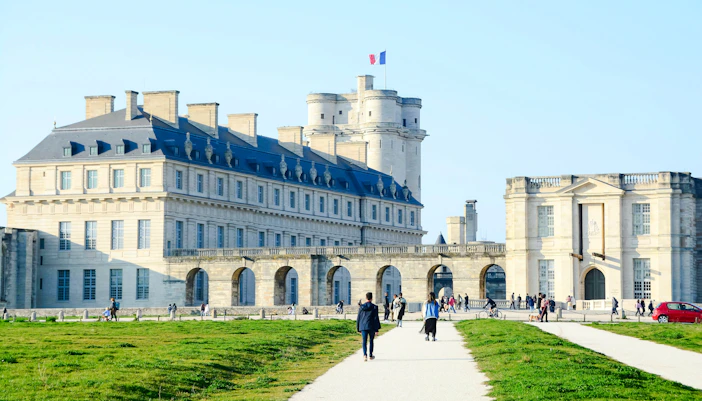
Château de Vincennes has one main visitor approach rather than several tourist entrances.
- Main public entrance: Avenue de Paris, on the northern side of the monument.
- Best for: Standard admission, ticket-office access and general visitors.
- Accessibility: Expect cobblestones, gravel and uneven surfaces on the approach.
- Good to know: The historic Village Tower was once a major fortified gateway, but it should not be confused with today’s normal visitor entrance.
When is Château de Vincennes open?
- May 21–Sep 21: 10am–6pm
- Sep 22–May 20: 10am–5pm
- Dec 24 & 31: Closes at 4pm
- Closed: Jan 1, May 1 & Dec 25
- Last admission: Sainte-Chapelle 45 mins before closing; keep 30 mins before
Sainte-Chapelle opening
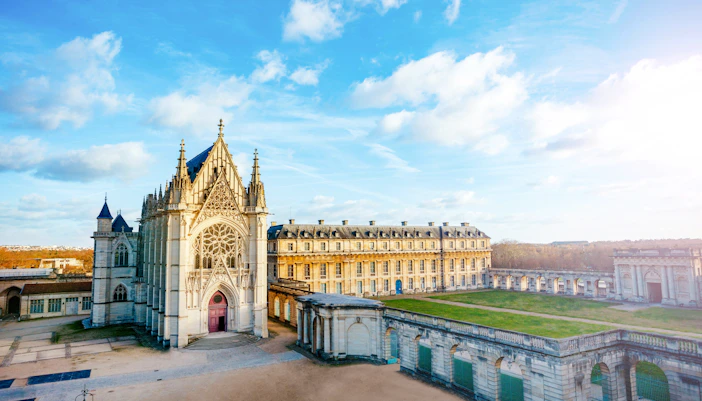
The chapel closes briefly around midday, usually 12pm–2pm or 1pm–2pm. Check the day’s schedule before visiting.
When is it busiest?
School groups can make the château feel busier. Wednesdays and school holidays are recommended for a quieter visit.
When should you go?
Arrive at opening for the easiest visit and to see the Sainte-Chapelle before its midday closure.
How much time do you need?
| Visit type | Suggested route | Duration | What you get |
|---|---|---|---|
Highlights only | Sainte-Chapelle → keep exterior → key keep rooms | ~1–1.5 hrs | See the keep and Sainte-Chapelle, with little time left for the wider enclosure. |
Balanced visit | Sainte-Chapelle → keep enclosure → keep interiors → prison spaces → pavilions | ~2 hrs | Cover the château’s royal, religious, defensive and prison history at a comfortable pace. |
Château + nearby | Balanced château visit → Parc Floral or Bois de Vincennes | Half-day | Pair the château with nearby green space without adding another journey across Paris. |
Which ticket is right for you?
| Ticket type | What’s included | Best for | Price |
|---|---|---|---|
Standard admission | Château entry and standard public route | A straightforward, self-paced visit focused on the keep and Sainte-Chapelle | From €13 |
Admission with audio guide | Château admission + audio interpretation | Booking ahead while keeping your visit independent and adding historical context | From €13 |
How do you get around Château de Vincennes?
Château de Vincennes is easiest to explore on foot. Since the site is spread across several buildings and outdoor spaces, having a simple route in mind helps—especially because the Sainte-Chapelle follows a separate midday schedule.
Key areas
- Main enclosure: Start here to get a sense of the château’s scale and layout.
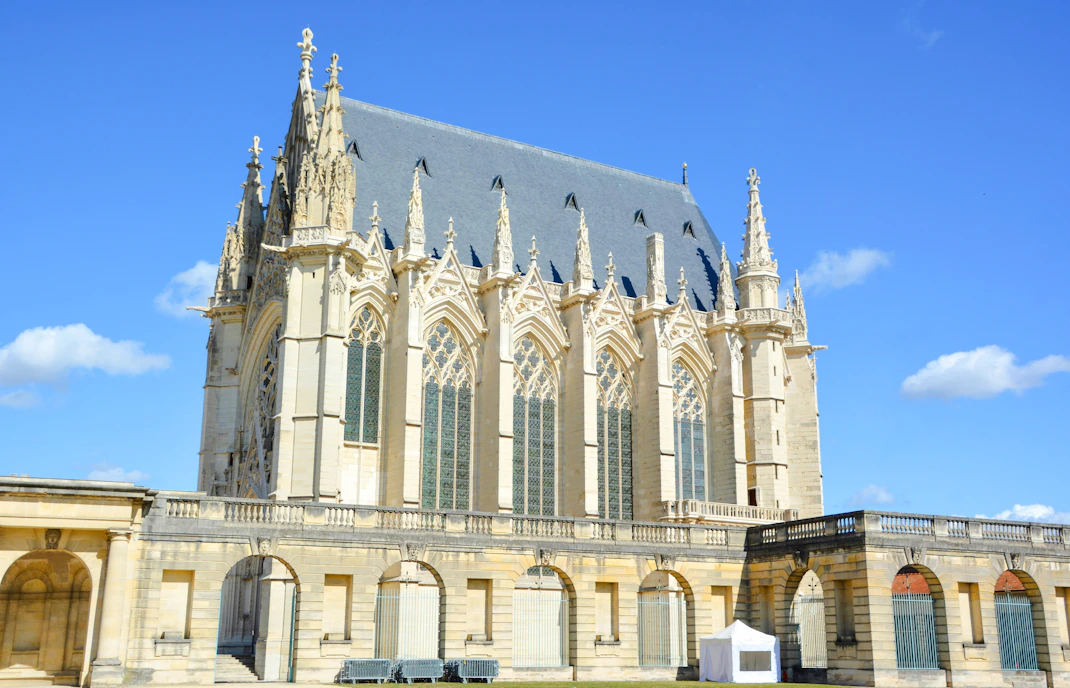
- Sainte-Chapelle: Visiting close to midday? Make this your first stop.
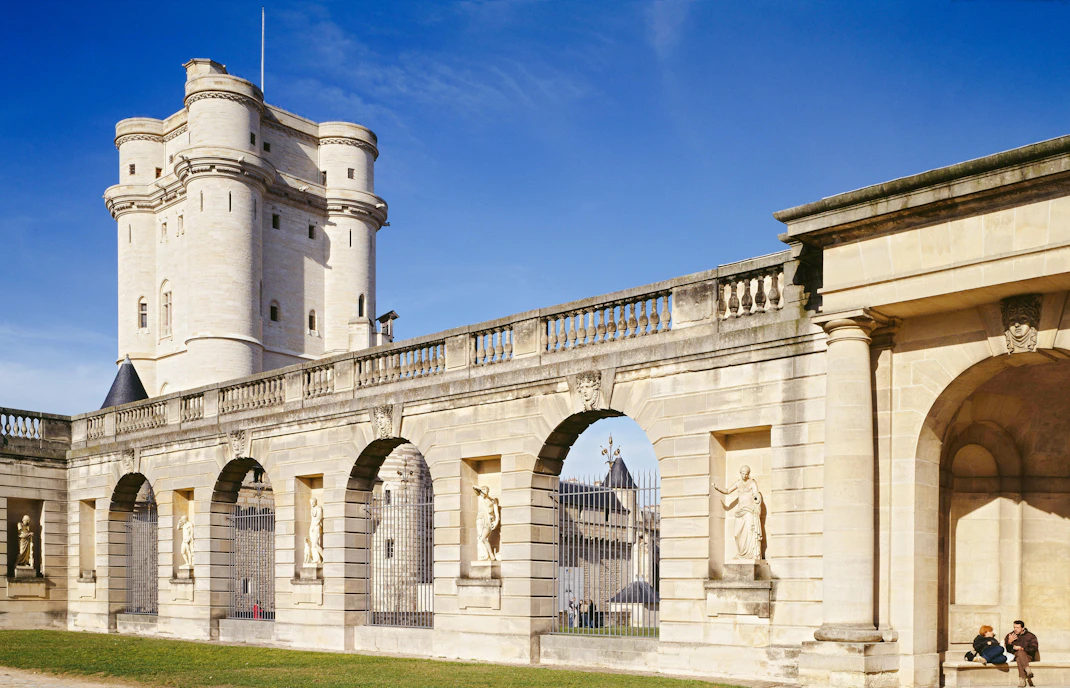
- Keep enclosure and moat: Walk toward the donjon through its separate defensive zone.
- Keep: Continue through the Council Chamber, King’s Chamber, royal spaces and later prison areas.
- Wider enclosure: Finish with the surviving gateways and the King’s and Queen’s Pavilions.
Maps and navigation tools
- Routes available: Adult, family and reduced-mobility routes are available.
- Family route: Designed for children aged 6–15.
- Navigation: The château is easy enough to explore independently, so you don’t need a live guide just to find your way around.
💡 Pro tip: Arriving near lunchtime? See the Sainte-Chapelle first if it’s open, then head to the keep. That way, you avoid waiting around for the chapel to reopen.
What should you prioritise at Château de Vincennes?
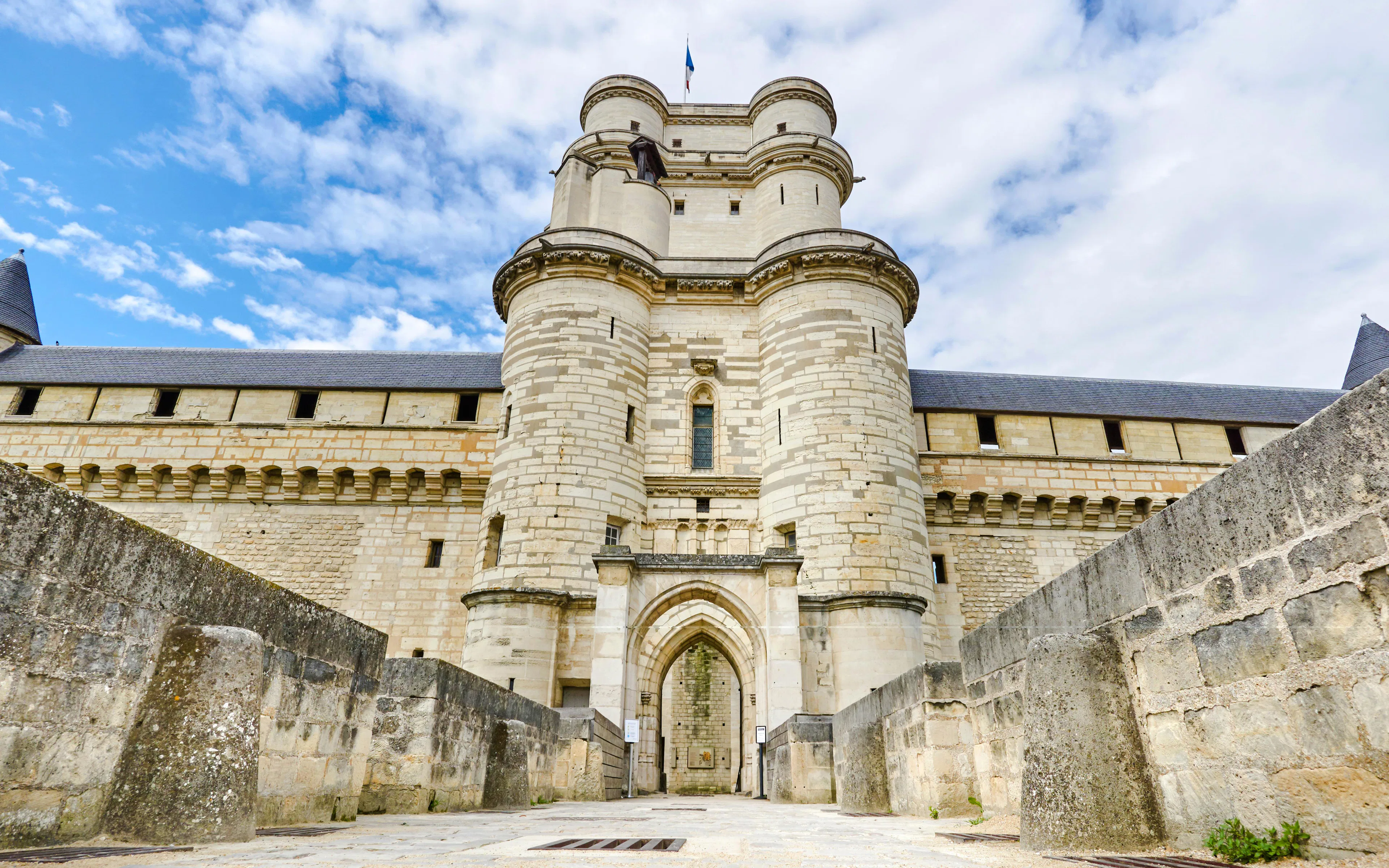
1/5
The keep
Era: 14th century
This is the château’s defining structure. Don’t just admire it from the outside—the rooms inside show how royal life, government, defence and later imprisonment all shared the same building.
King’s Chamber
Location: Second floor of the keep
Look up at the ribbed vaulting and surviving royal fleurs-de-lis. This was the heart of Charles V’s private apartment, and the original blue decoration even used pigment containing lapis lazuli.
Prison spaces and graffiti
Location: Inside the keep
The donjon’s story didn’t end with the monarchy. Diderot, Mirabeau and the Marquis de Sade were later imprisoned here, and inscriptions and graffiti left by prisoners still survive on the walls.
Sainte-Chapelle
Founded: 1379
The switch from keep to chapel is one of the most striking parts of the visit. Heavy defensive stone gives way to Gothic height and stained glass. Unlike Paris’s better-known Sainte-Chapelle, the Vincennes chapel has one principal level.
Apocalypse stained glass
Era: 16th century
Take a closer look at the choir windows. Donated under Henri II between 1556 and 1559, the cycle depicts the Apocalypse of St John and was created by master glassmaker Nicolas Beaurain.
💡 Don’t leave without seeing: The prison graffiti and King’s Chamber are easier to miss than the keep itself, but they’re what make the donjon feel like more than just an impressive medieval tower.
Facilities and accessibility
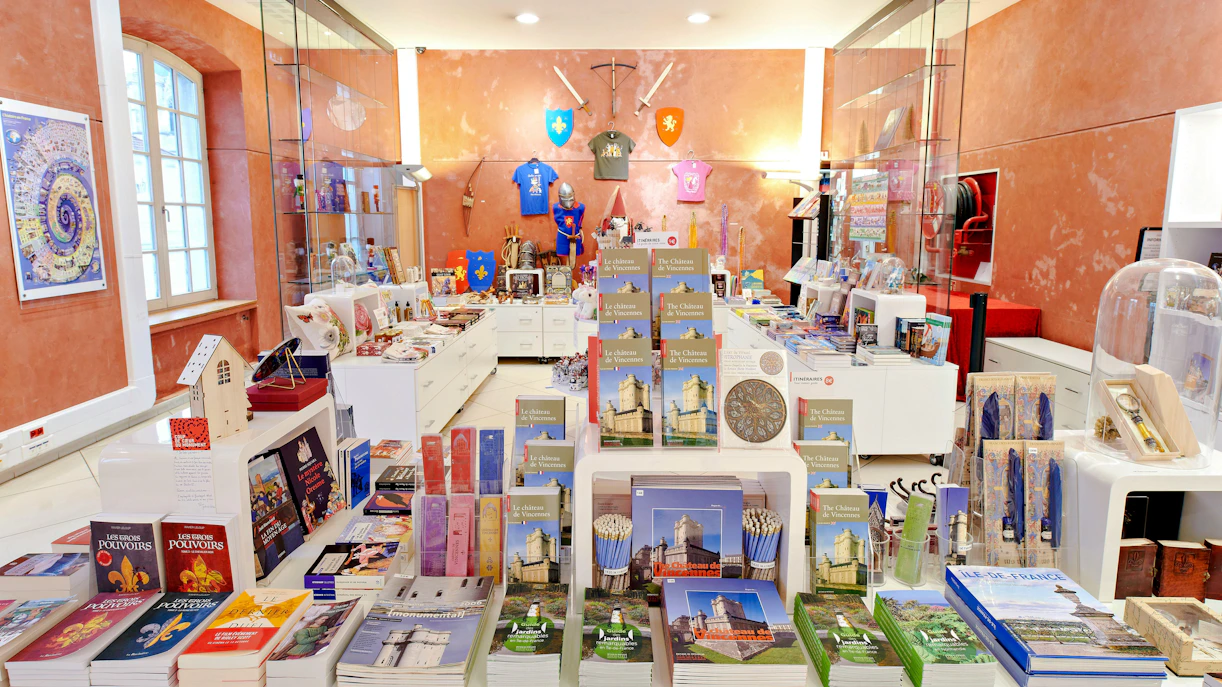
- 🚻 Restrooms: Located in the keep courtyard and behind the gift shop. You’ll need monument admission to use them.
- 🛍️ Bookshop/gift shop: Focuses on history and heritage.
- 🪑 Seating: Benches are available in several areas, and seat canes can be requested.
- 🎒 Luggage storage: There isn’t any. Leave suitcases and oversized bags elsewhere.
- 🥗 Food: There’s no verified conventional café or restaurant inside. Food and drinks are limited to the designated dining area in the keep courtyard.
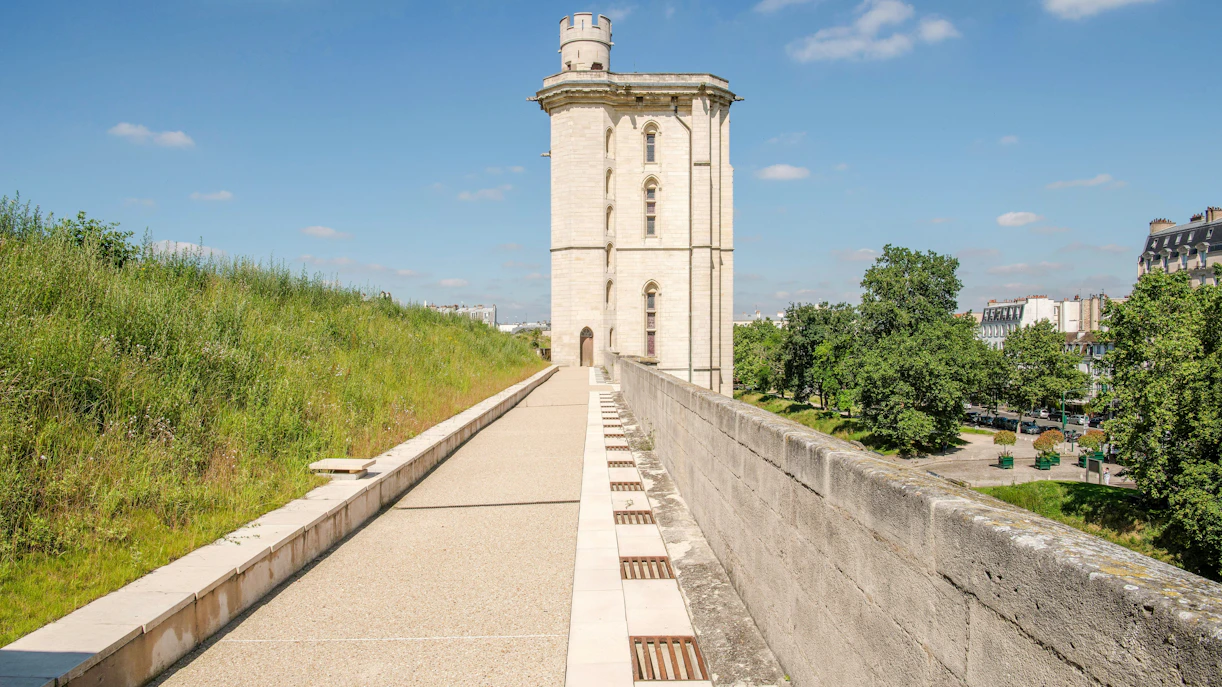
Accessibility is partial rather than site-wide.
- Ground floors: Accessible routes serve the ground floors of the keep and Sainte-Chapelle.
- Upper keep: Reaching the first and second floors involves around 150 steps.
- Sainte-Chapelle tribune: Around 70 steps.
- Terrain: Expect cobblestones, gravel, earth, wooden surfaces and metal grilles.
- Public transport: Vincennes RER A may be easier than Metro Line 1 for some visitors with reduced mobility because the RER station has lifts and escalators.
- Hearing accessibility: A subtitled film is available for deaf and hard-of-hearing visitors.
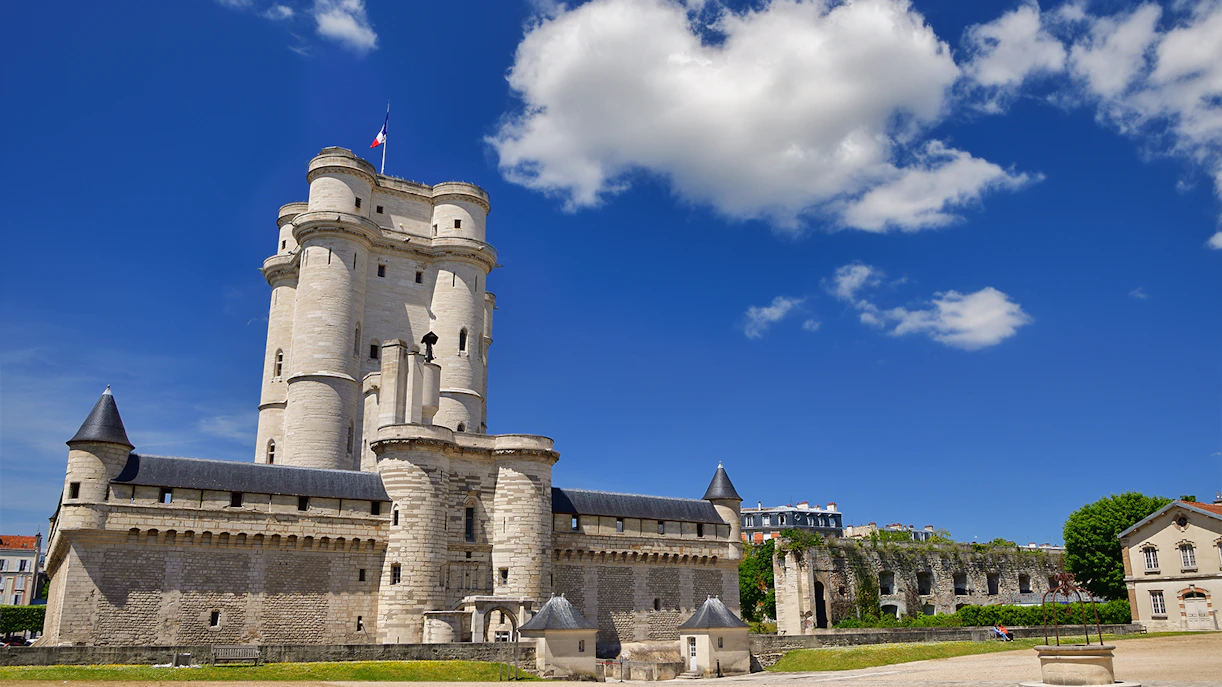
Château de Vincennes can work well for children who enjoy castles and medieval history.
- Family multimedia route: Designed for ages 6–15.
- Visit length: Around two hours is a good target before adding another attraction.
- Terrain: Expect stairs and uneven medieval surfaces.
- Strollers: Official information conflicts. One source says strollers aren’t allowed within the monument grounds, while another allows them in the grounds but not inside the keep or Sainte-Chapelle. Check before you go.
- Afterwards: Parc Floral or Bois de Vincennes makes an easy change of pace without another long journey.
Rules and restrictions
What you need to know before you go
- ID: Bring valid identification if you plan to borrow the Revelacio tablet; an identity document is held during the loan.
- Children: Visitors under 16 must be accompanied by an adult.
- Bags: Maximum permitted size is 30 × 40 × 15cm.
- Storage: There are no lockers or luggage-storage facilities.
- Security: The monument operates under France’s Vigipirate security measures. Advance admission does not bypass security.
Not allowed
- Large luggage: Bags above the permitted size cannot be brought inside, and there’s nowhere to store them.
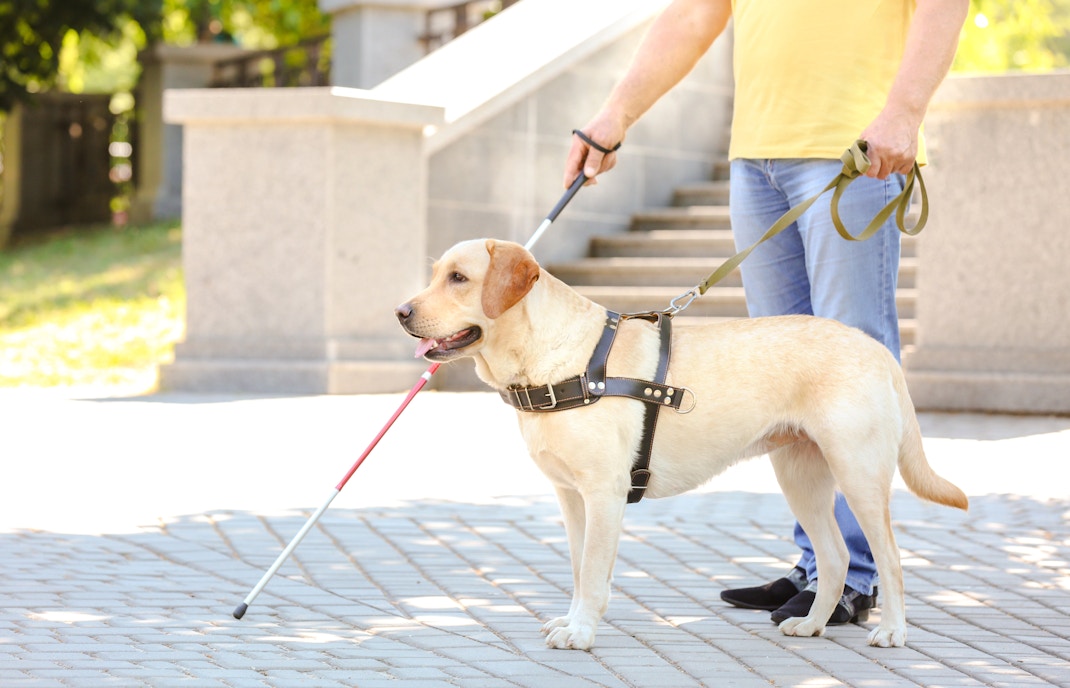
- Pets: Only guide and assistance animals are allowed.
- Food and drinks: Not permitted in regular visitor areas, except the designated dining area in the keep courtyard.
- Smoking: Not permitted anywhere on site, including outdoor areas.
Practical tips
- Check the Sainte-Chapelle schedule before you leave. Its midday closure is separate from the château’s main hours and is the easiest way to accidentally miss one of the highlights.
- Visiting near lunch? Head to the chapel first. You can explore the keep while it’s closed, but doing the reverse may leave you waiting for it to reopen.
- Save some energy for the keep. Reaching its first and second floors involves around 150 steps, and some are uneven. The Sainte-Chapelle tribune adds roughly another 70.
- Bring ID if you want the Revelacio tablet. A valid identity document is held while you use it.
- Leave your suitcase elsewhere. Bags are limited to 30 × 40 × 15cm, and there’s no luggage storage.
- Expect medieval surfaces, not museum floors. Cobblestones, gravel, earth, wooden surfaces and metal grilles make the route less even than a typical indoor attraction.
- Want to avoid school groups? The château recommends Wednesdays or school holidays for a quieter visit.
- Don’t rush the King’s Chamber. The interiors can feel sparse at first, but details like the ribbed vaulting and surviving royal decoration are what make the space worth slowing down for.
- Eat before or after your visit. There’s no verified conventional restaurant inside, but several options sit directly opposite the château on Avenue de Paris.
- Give the château its own two-hour block. Adding Bois de Vincennes or Parc Floral afterwards works well; trying to squeeze in the zoo, lakes, park and château in one short afternoon is much less relaxed.
What else is worth visiting nearby?
Château de Vincennes sits right beside the Bois de Vincennes, so extending your day is easy without crossing Paris again.
Commonly paired with Château de Vincennes
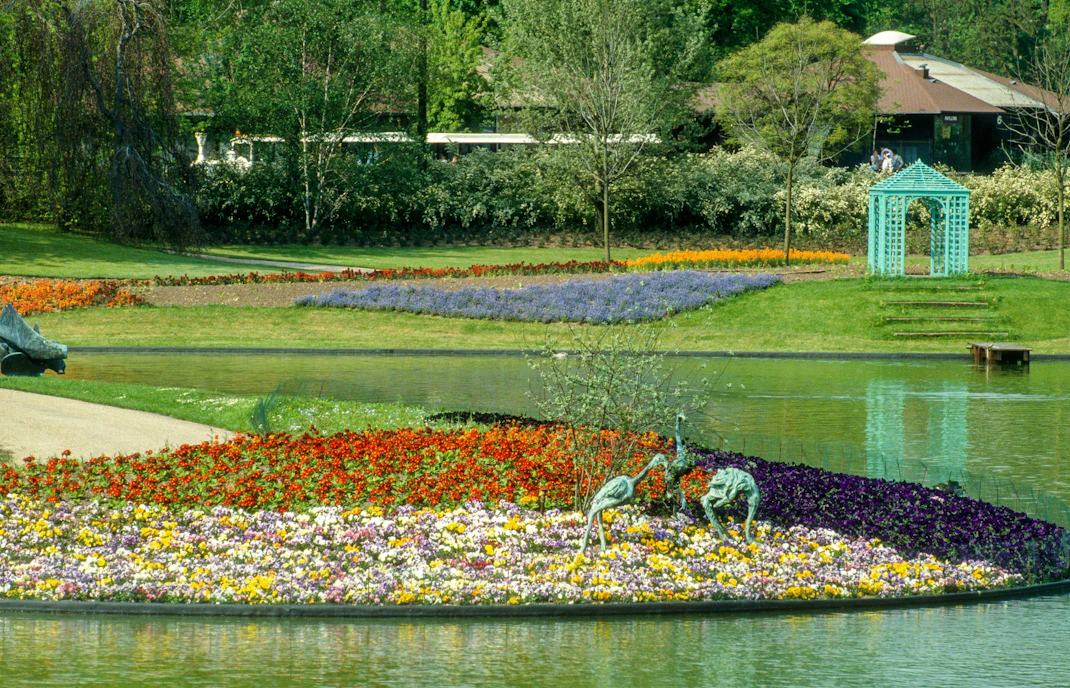
Parc Floral de Paris
- Distance: Roughly 0.5–1km, depending on the entrance.
- Why combine them: You can go straight from medieval architecture to gardens and green space without using public transport.
- Best plan: Visit the château first, then head to Parc Floral for an easy half-day outing.
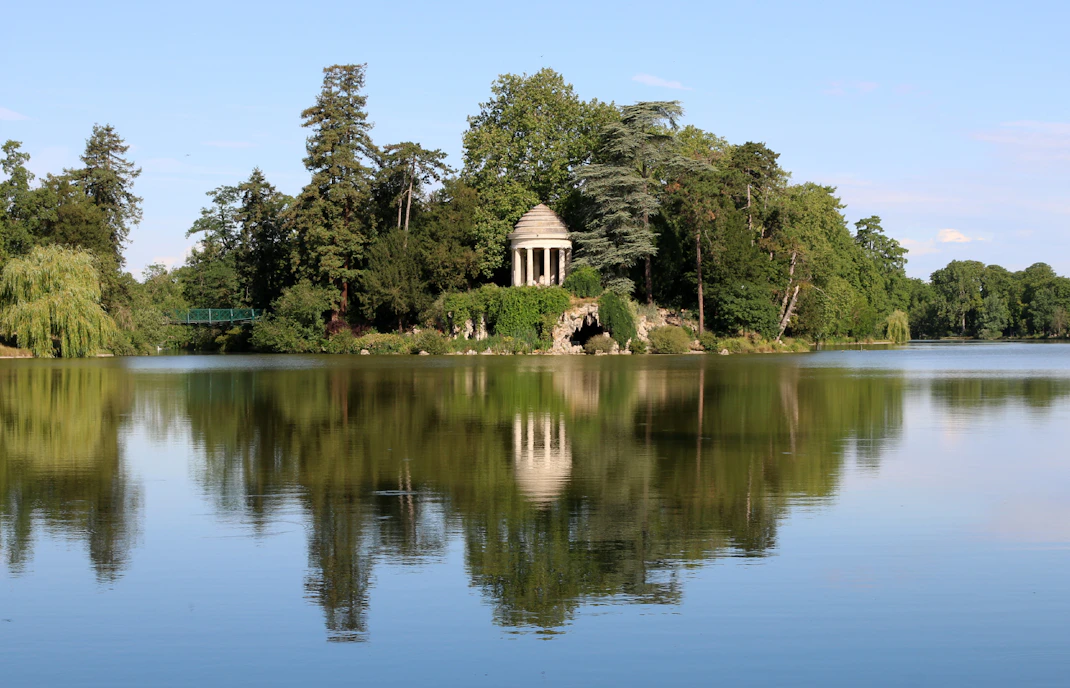
Bois de Vincennes
- Distance: Directly beside the château.
- Why combine them: Add walking, cycling, lakes and picnic space after around two hours inside the monument.
- Best plan: Particularly useful if you want somewhere to eat outdoors, since picnicking is restricted inside the château.
Eat, shop and stay near Château de Vincennes

Since there is no restaurant inside Château de Vincennes, Avenue de Paris is the better bet for a proper meal.
Better options nearby
- La Table des Troys — 2 bis Avenue de Paris: Traditional French food with a terrace overlooking the château.
- Le Bo'Vincennes: Opposite the château, serving traditional French cooking and grilled specialities.
- Barto — 22 Avenue de Paris: Italian food with indoor seating and a summer garden.
- Chez Comus: Seasonal French cuisine opposite the château.
💡 Pro tip: Visiting around lunch? See the Sainte-Chapelle before its midday closure, then head out for lunch once you’ve covered the château’s two key spaces.
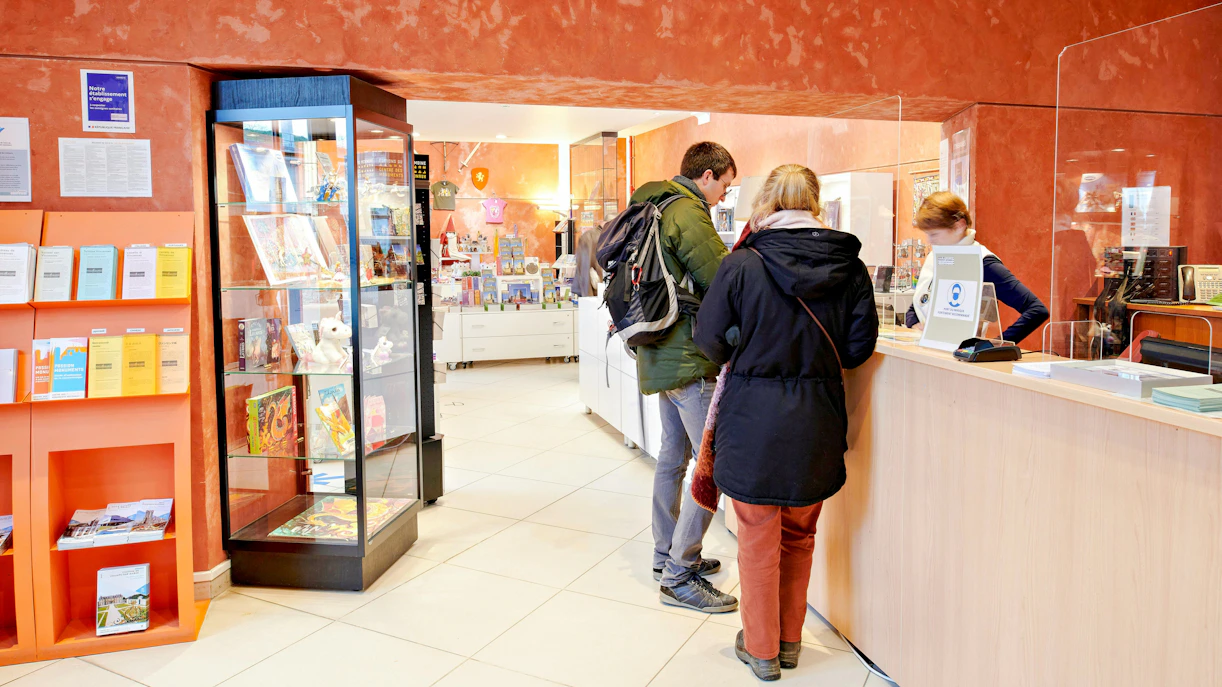
- Château bookshop/gift shop: Sells books and products focused on history and heritage.
- Nearby shopping: The supplied research doesn’t establish another specific nearby shop or market strongly enough to recommend.
You don’t need to stay in Vincennes just to visit the château. The monument takes around two hours, and Metro Line 1 connects it directly with central Paris.
Staying nearby makes more sense if you’re planning to explore Vincennes and the Bois de Vincennes over more than one day.
- Best for: Visitors focusing on eastern Paris, the château and Bois de Vincennes.
- Nearby options: Aparthotel Adagio Paris Vincennes, Hôtel Daumesnil-Vincennes and Royal Regency Paris Vincennes.
- Consider instead: Stay in central Paris if Château de Vincennes is just one stop in a broader itinerary.
Frequently asked questions about visiting Château de Vincennes
Yes. Entry is free on the first Sunday of the month from November to March. These visits are self-guided, so it’s a good option if you want to explore at your own pace.
Yes, but access is limited. Strollers can be used in the château grounds, but not inside the keep or Sainte-Chapelle. You may need to leave them in the designated area before entering these spaces.
Yes. A baby-changing table is available in the toilets near the ticket office and shop, which makes visiting with younger children a little easier.
Yes. On selected dates, the château runs activities for children aged 0–3, including storytelling, music, sensory shows, and creative workshops. These sessions usually need to be booked in advance.
Sometimes. Special guided visits can take you into areas outside the standard route, including the upper levels of the keep and parts of the Sainte-Chapelle roof structure. Availability depends on the date.
The keep was used as a prison for centuries, and some prisoners left inscriptions and graffiti behind on the walls. These marks are still visible today and add a more personal layer to the château’s prison history.
Yes. Benches and chairs are available in several areas, which is handy if you want to take a break between the stairs, courtyards, and uneven medieval surfaces.