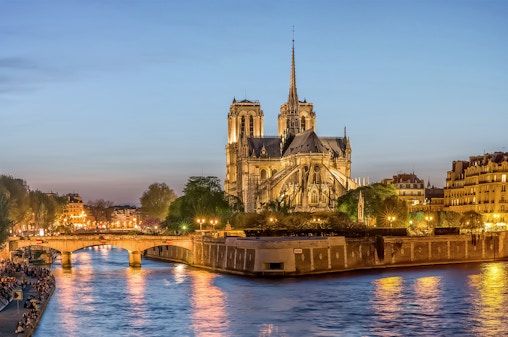
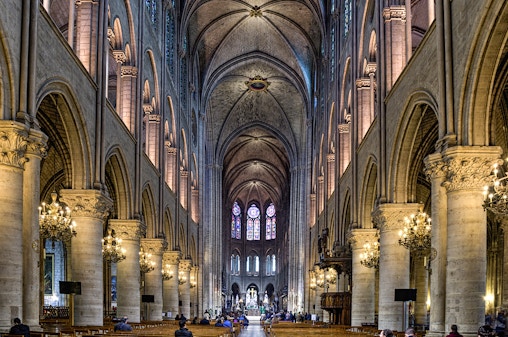
850 years of Gothic engineering, miraculously restored after the 2019 fire that shocked the world.
- Admission: Free entry; guided tours available
- Hours: Mon-Fri 8am-6:45pm, Sat-Sun 8am-7:15pm
Where 2,000 years of Paris history unfolds on one island, from Roman ruins to revolutionary drama
Floating in the Seine at the geographic heart of Paris, Île de la Cité is the birthplace of the city and the keeper of its soul. This teardrop-shaped island packs more history into its 22 hectares than most cities manage in square miles. Here, you'll find the majestic Notre-Dame Cathedral, still standing proud after the devastating 2019 fire; the jewel-box Sainte-Chapelle with its kaleidoscopic stained glass; the Conciergerie prison, where Marie Antoinette spent her final days before facing the guillotine; and medieval streets that have barely changed since the 1200s.
Most visitors rush from one big attraction to the next, missing the island's true magic. But Île de la Cité is more than a collection of famous monuments. Wander down Rue des Chantres and you can almost hear the echoes of the medieval cathedral school where scholars once debated theology. Stroll along the Quai des Fleurs and watch the Seine flow by, just as Parisians have done for generations. This guide will show you how to experience it all—the grand monuments and the hidden corners most tourists overlook.
Notre-Dame to Pont Neuf is a 7-minute walk. You can't get lost. Don't stress about logistics; just wander. The best discoveries happen when you follow your curiosity down a medieval side street.
🏛️Why visit | 🏰 Landmarks of Île de la Cité | 🎟️ Best ways to explore | 🌟Free things to do | 🧭 Plan your visit | 📋Itinerary | 💡Insider tips
Discover the must-see attractions that make Île de la Cité the beating heart of Paris. From Gothic masterpieces to hidden gems, these are the experiences you won't want to miss.
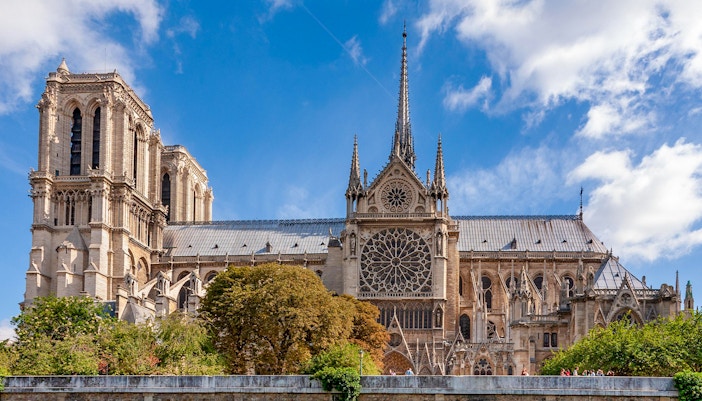
850 years of Gothic engineering, miraculously restored after the 2019 fire that shocked the world.
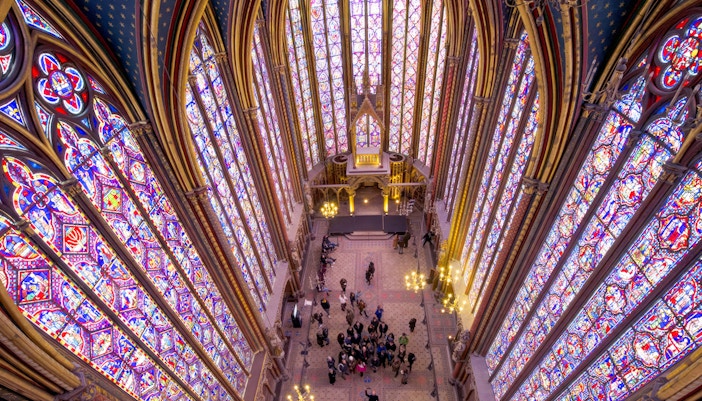
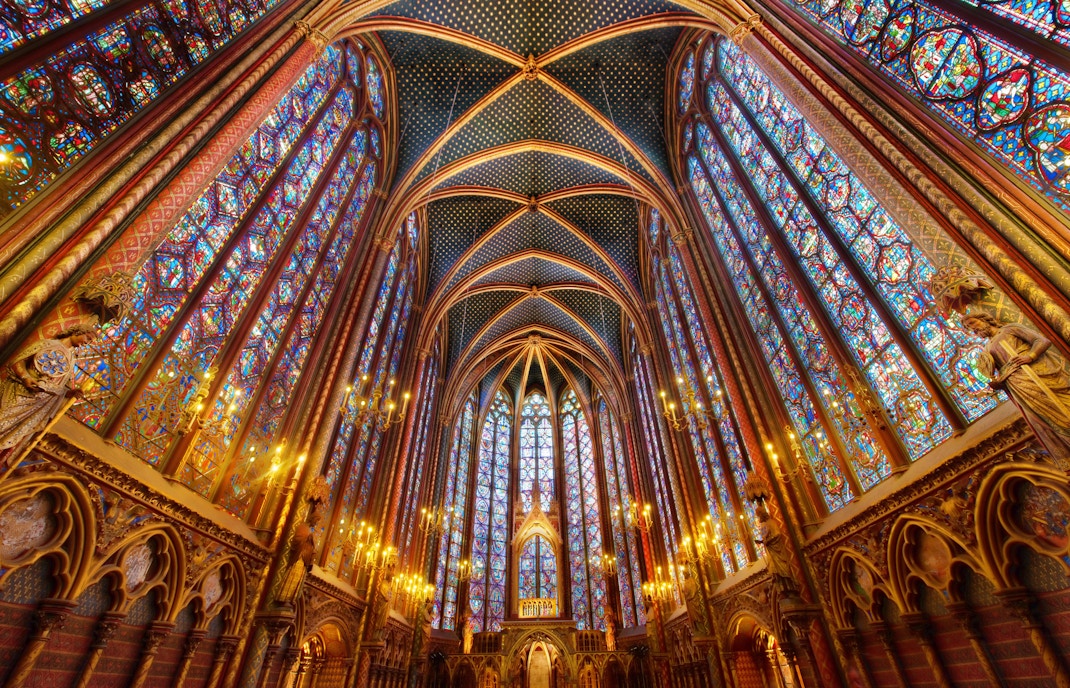
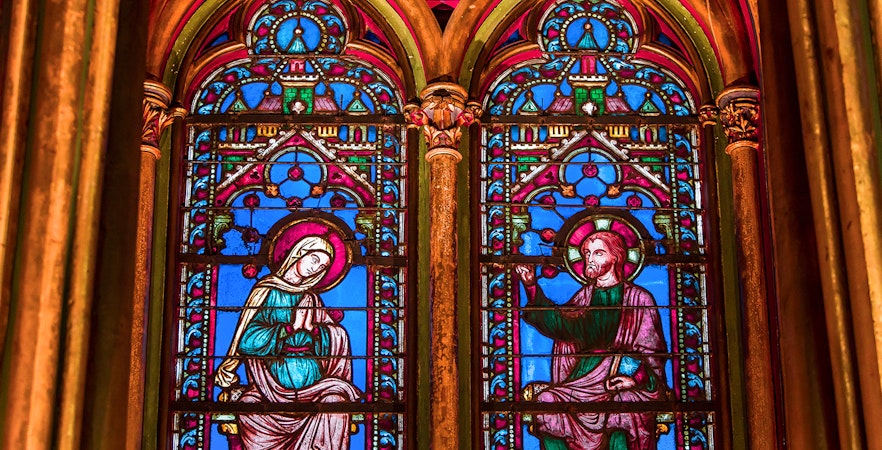
15 towering stained-glass windows depicting 1,113 biblical scenes - medieval Parisians believed they were standing at heaven's threshold.
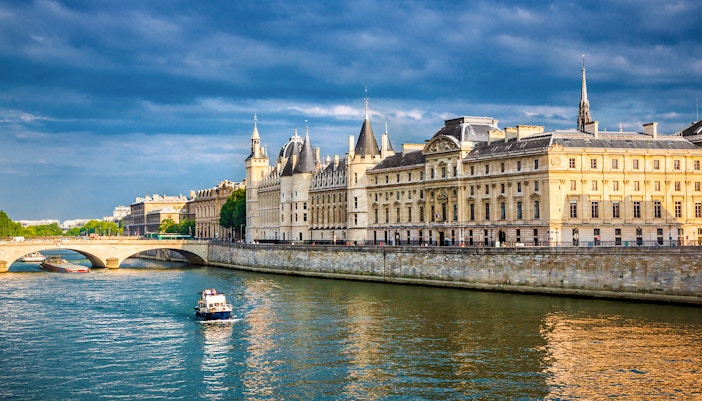
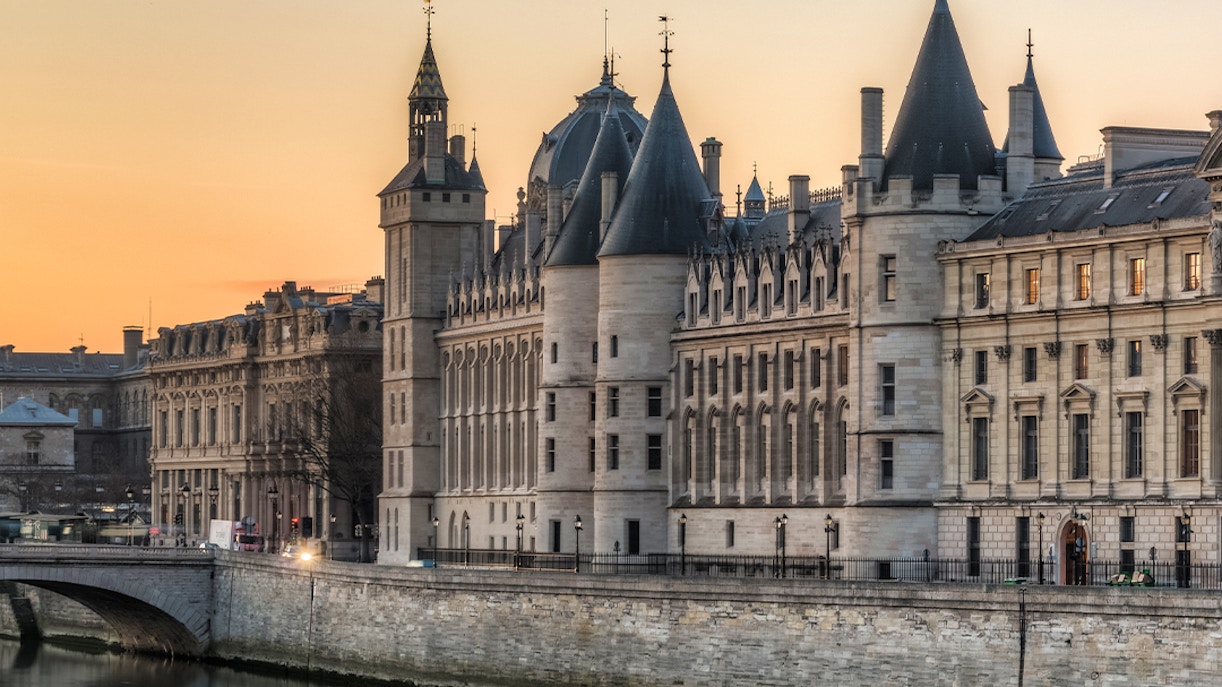
Marie Antoinette's final prison cell, preserved exactly as it was before she faced the guillotine in 1793.
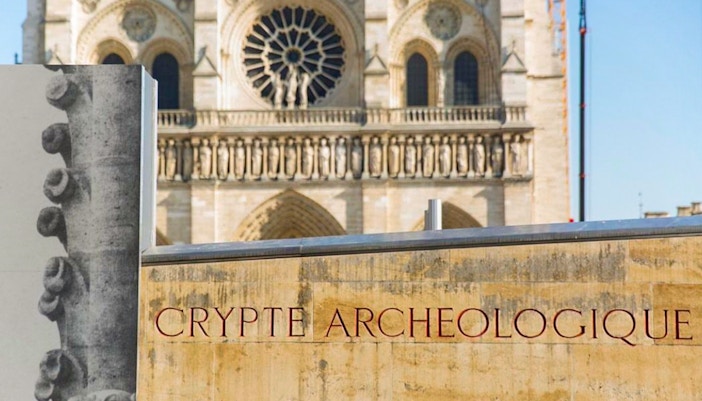
Descend beneath Notre-Dame's plaza to walk through 2,000-year-old Roman streets and thermal baths.
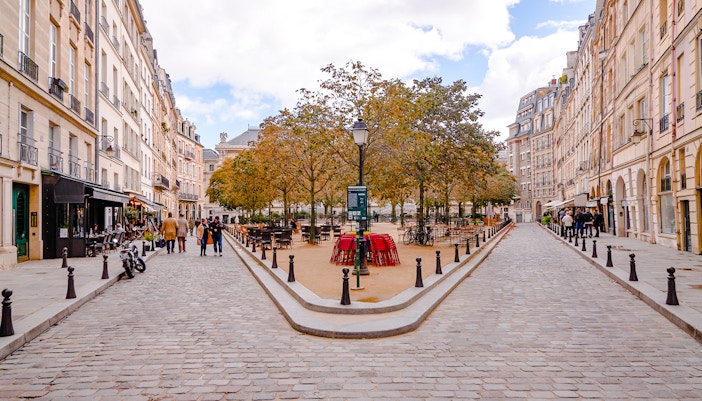
Paris's hidden triangular square where locals play pétanque under chestnut trees while tourists crowd the plaza 200 meters away.
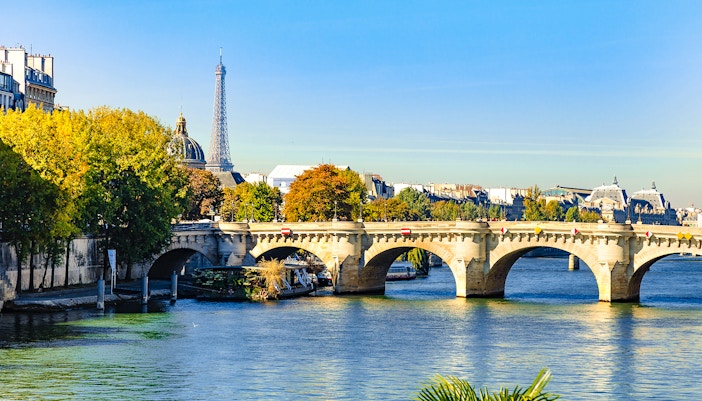
Paris's oldest bridge (1607) lined with 381 unique stone masks, offering panoramic views of the Seine and the city skyline.
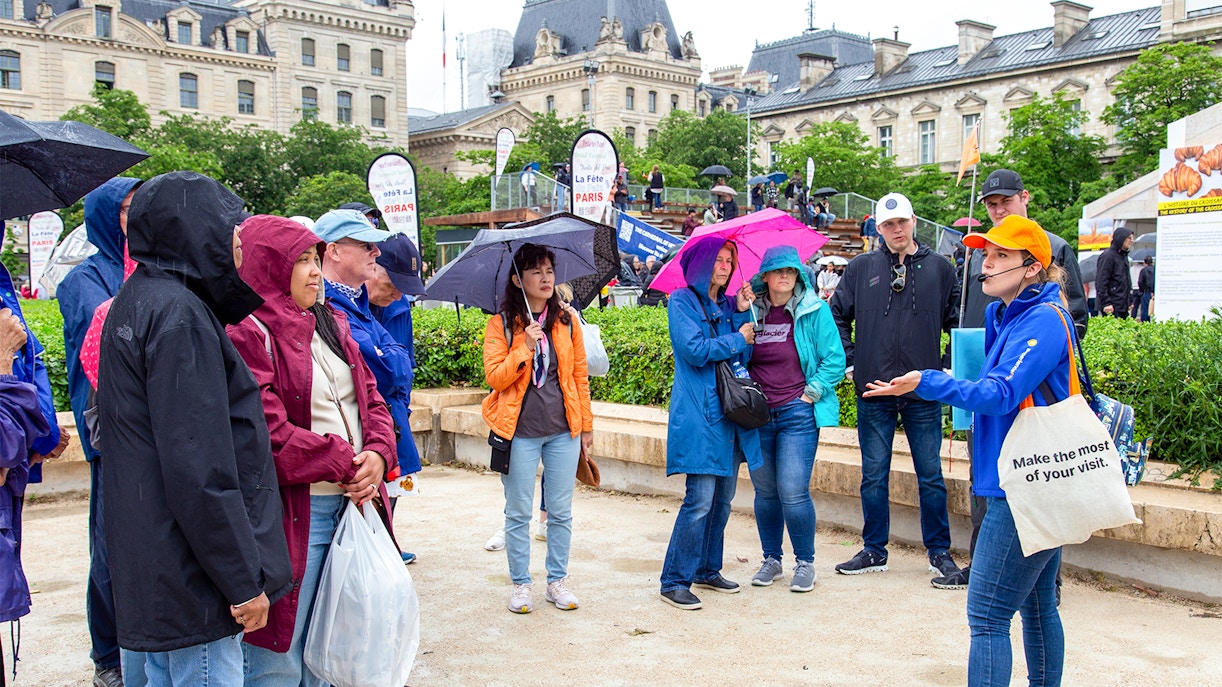
Skip the lines and see the island's highlights with expert guides who bring 2,000 years of history to life.
👉 Browse guided tours of Île de la Cité
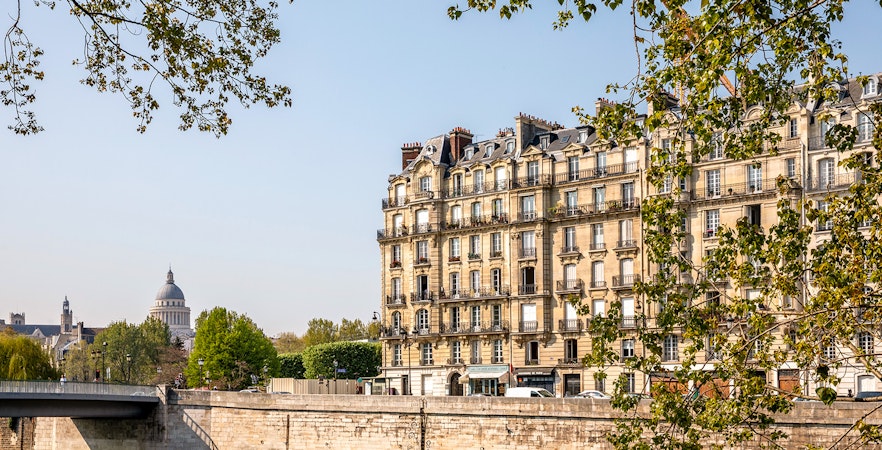
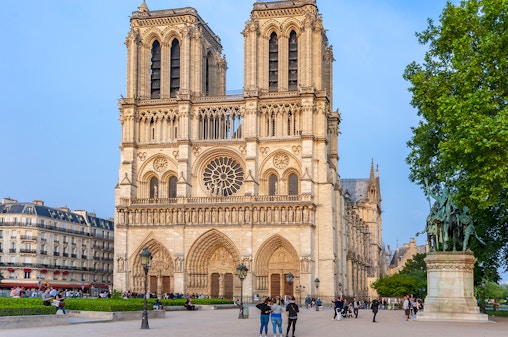
This 12th-century Gothic masterpiece is world-renowned for its pioneering flying buttresses, iconic rose windows, and the silent gargoyles that have watched over Paris for generations.
👉 Book a Notre-Dame guided tour with reserved access
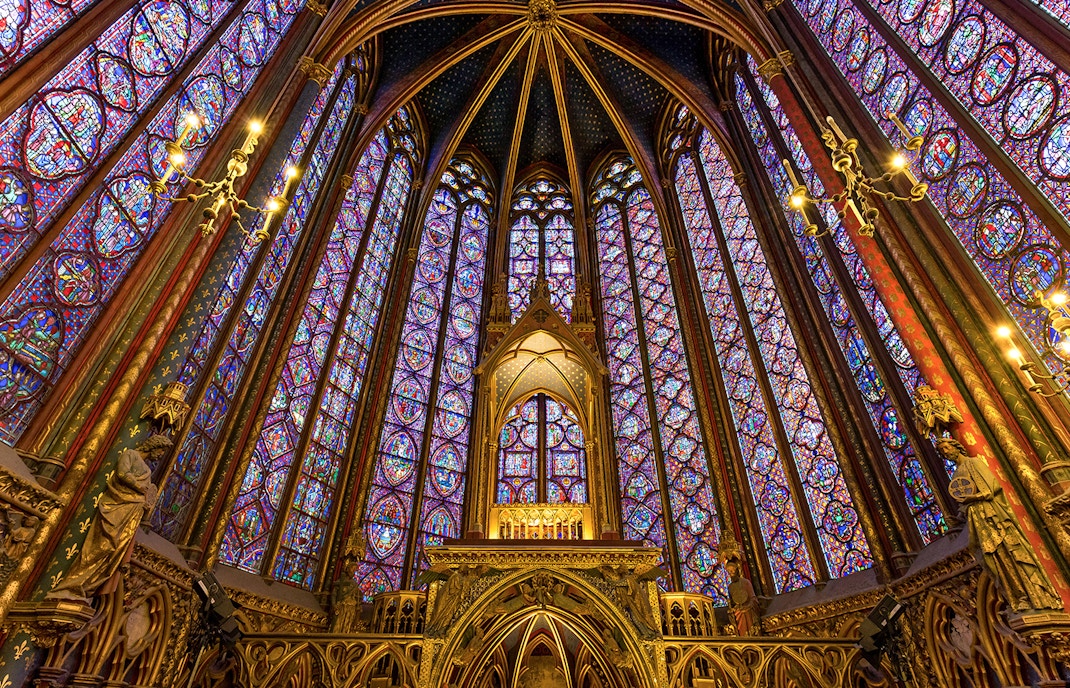
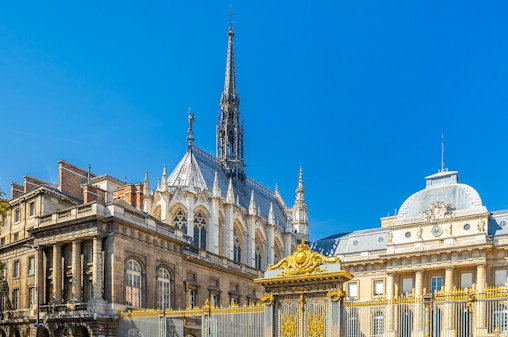
Tucked away within the historic heart of the city, this royal chapel is a jewel box of 13th-century Gothic art. It was originally built to house the Crown of Thorns and other sacred relics of the Passion.
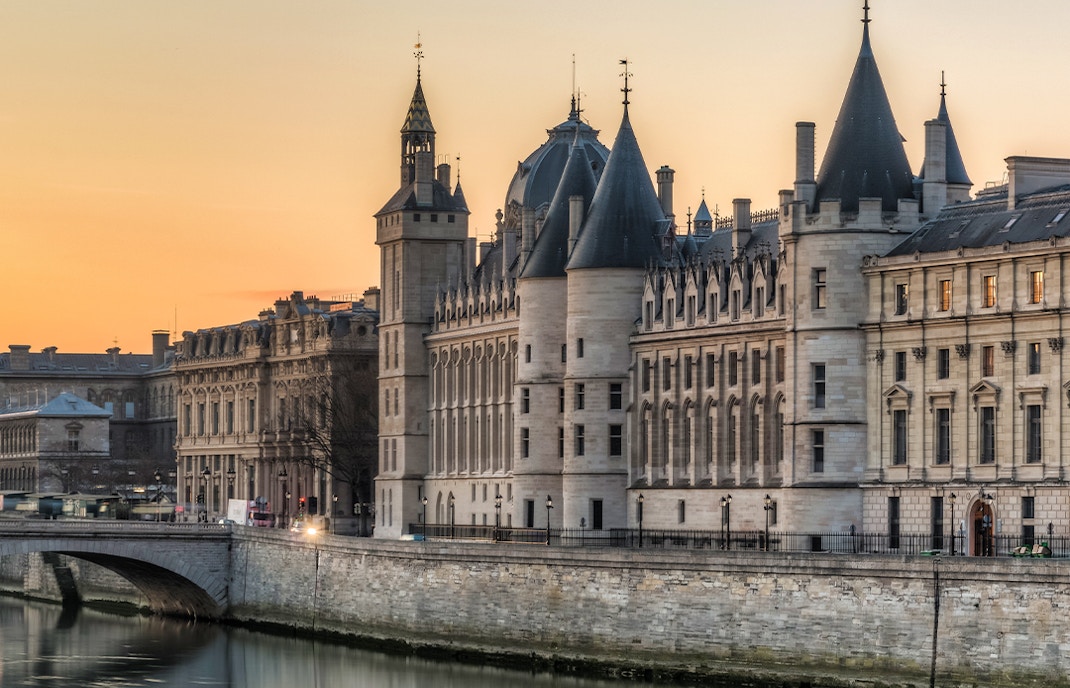
Originally a medieval royal palace, this site became the French Revolution’s most notorious prison. It famously housed Marie Antoinette in the final weeks before her execution. Today, it serves as a haunting museum where visitors can explore the largest Gothic hall in Europe and walk the same corridors where 2,700 prisoners awaited the guillotine.
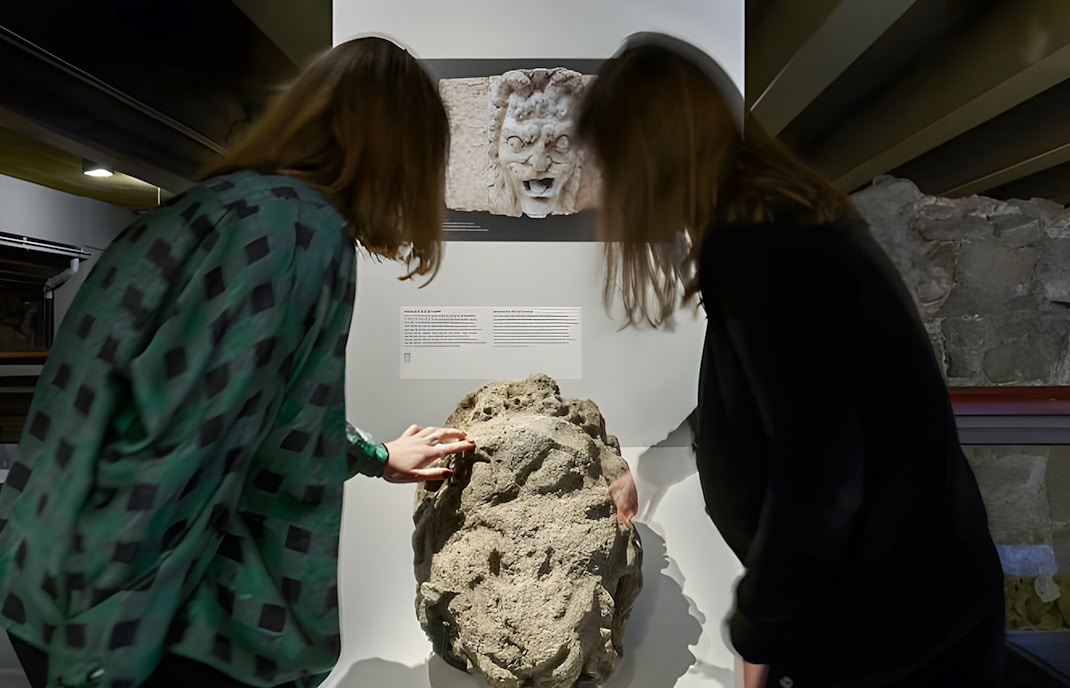
Beneath the plaza in front of Notre-Dame lies a fascinating underground museum showcasing Roman remains from ancient Lutetia. Discovered during excavations between 1965 and 1972, these ruins include streets, city walls, and thermal baths from 2,000 years ago.
Book ticket to the Archeological Crypt of Île de la Cité
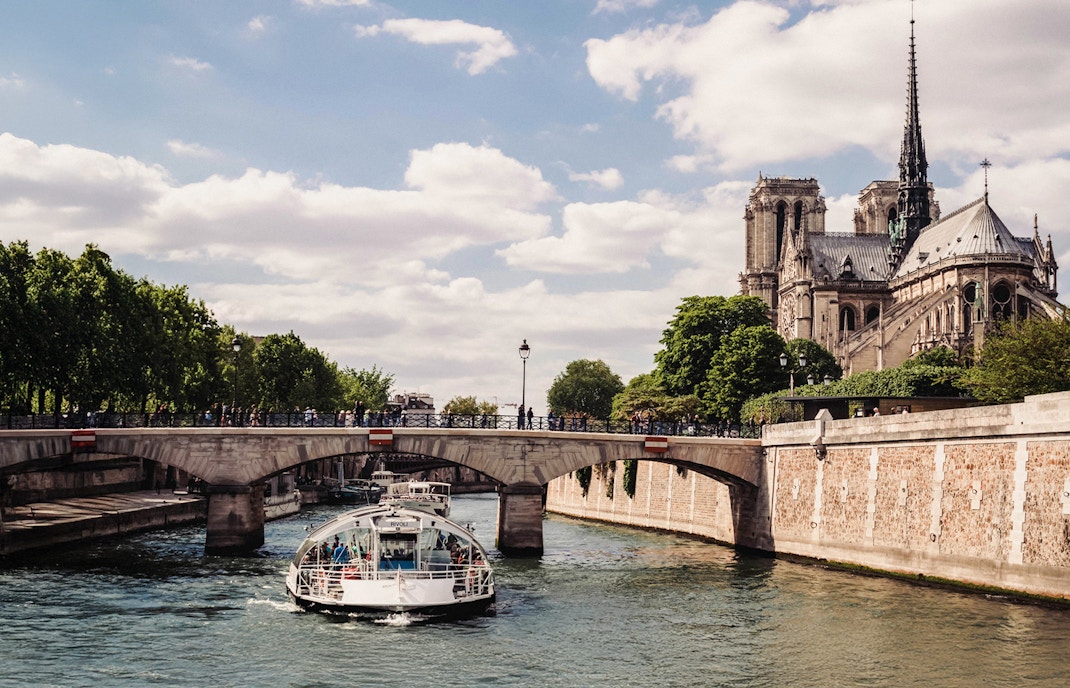
Despite its name meaning "New Bridge," the Pont Neuf is actually the oldest standing bridge across the Seine. Completed in 1607, it was the first bridge in Paris built without houses on it and the first to feature sidewalks for pedestrians.
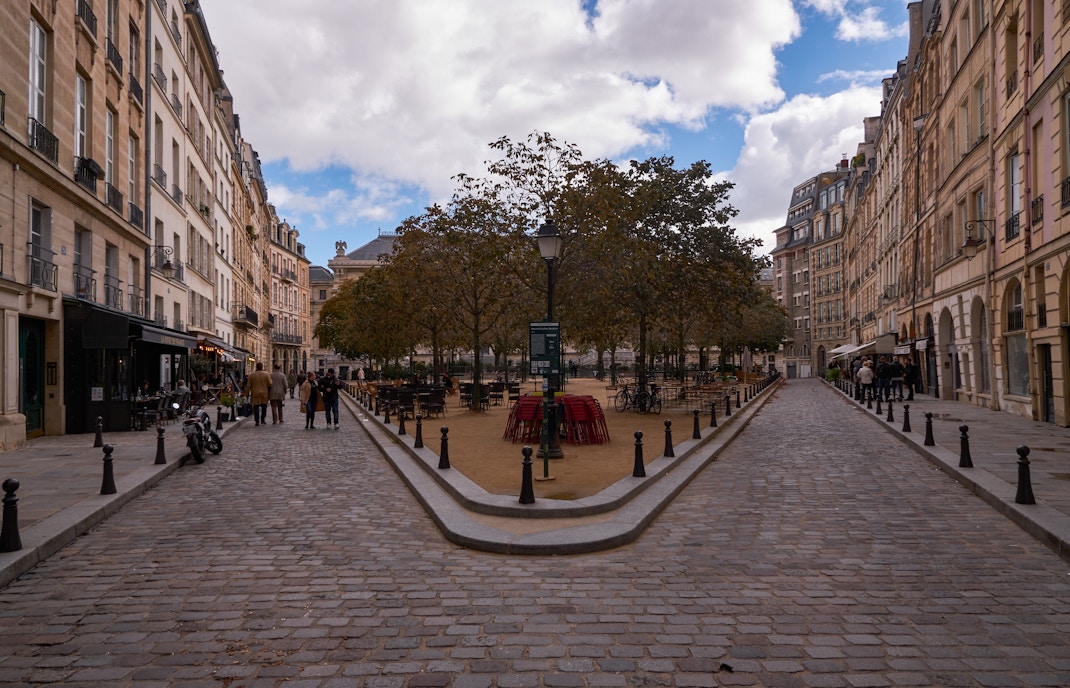
Often called the "hidden square" of Paris, this triangular plaza was created by King Henry IV in 1607. Tucked away at the western tip of Île de la Cité, it remains one of the most tranquil and romantic spots in the city.
Located at the very western tip of Île de la Cité, this teardrop-shaped park sits seven meters below the rest of the island. It is named after King Henry IV, nicknamed the "Vert-Galant" (Green Gallant) for his legendary vitality and romantic pursuits well into his old age.
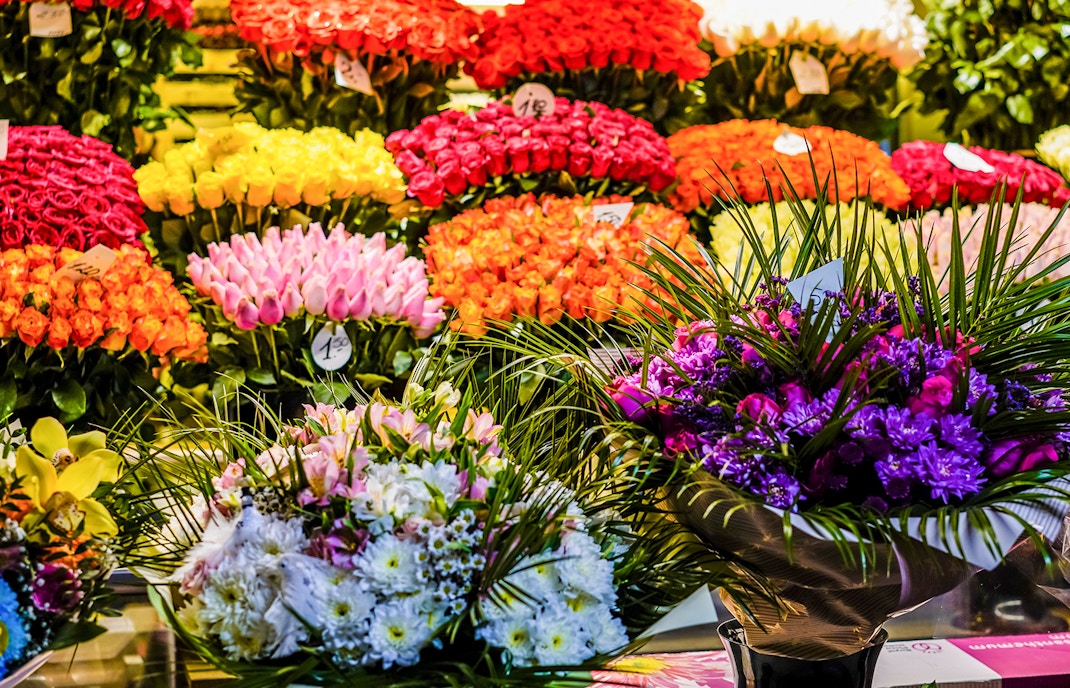
Located between Notre-Dame and the Palais de Justice, this historic flower market has been a fragrant fixture of Paris since 1808. In 2014, it was renamed in honor of Queen Elizabeth II during her state visit to commemorate the 70th anniversary of D-Day.
Seen enough to know you want in? Skip-the-line slots for Sainte-Chapelle and Notre-Dame often sell out 3–5 days in advance. Secure your entry below to spend your time exploring, not queuing.
👇 Browse the island’s best-rated experiences
The stained glass at Sainte Chappelle looks completely different depending on weather and time of day. 10-11am on sunny days is optimal, with the morning sun streaming through, creating the full kaleidoscope effect medieval pilgrims experienced. Overcast days are still beautiful, but you miss the magic hour.
Security lines are shortest at opening (9am) and during lunch (12:30-1:30pm).
You've seen what makes this island special. Now here's how to experience it like a local, without spending half your day in lines.
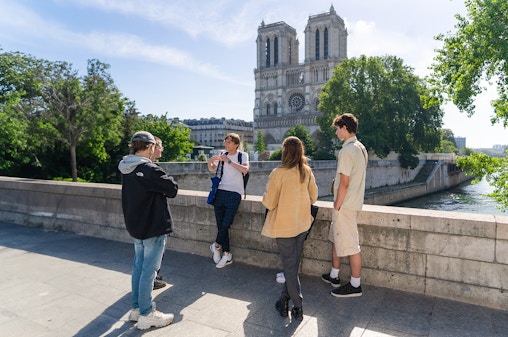
The island's 2,000 years of history are layered in ways that aren't obvious from the surface. A guide who knows the stories can show you why revolutionaries beheaded certain statues but left others untouched, how the 2019 fire accidentally revealed 18th-century ceiling paintings no one knew existed, which medieval alleyways still follow the exact path canons walked in the 1200s. You'll notice details you'd walk past a hundred times on your own.
Best choice: 👉 Sainte Chapelle, Marie-Antoinette's Prison & Notre Dame's Island Skip-the-Line Guided Tour : 2.5 hours that cover the royal chapel, the revolutionary prison, and Notre-Dame's resurrection. Skip-the-line access means you actually spend time inside instead of standing outside watching others go in.
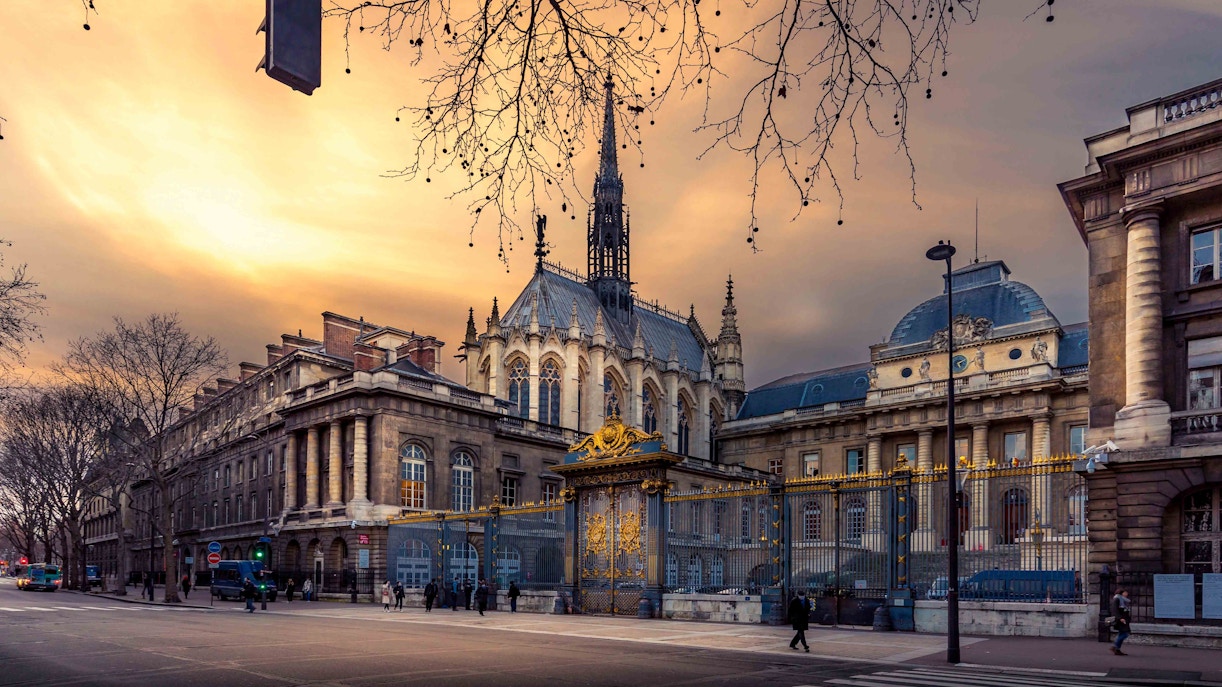
Sainte-Chapelle and the Conciergerie share a security entrance and sit literally next door to each other. They also tell one continuous story: the chapel was built for a king who believed he was divinely chosen; the prison below is where revolutionaries held that king's descendants before executing them. One ticket, one security line, the complete arc from medieval power to revolutionary justice.
Best choice: 👉 Sainte-Chapelle and Conciergerie Tickets : Straightforward combo, better price than separate tickets. One queue, two monuments that were designed to exist together.
Other option:
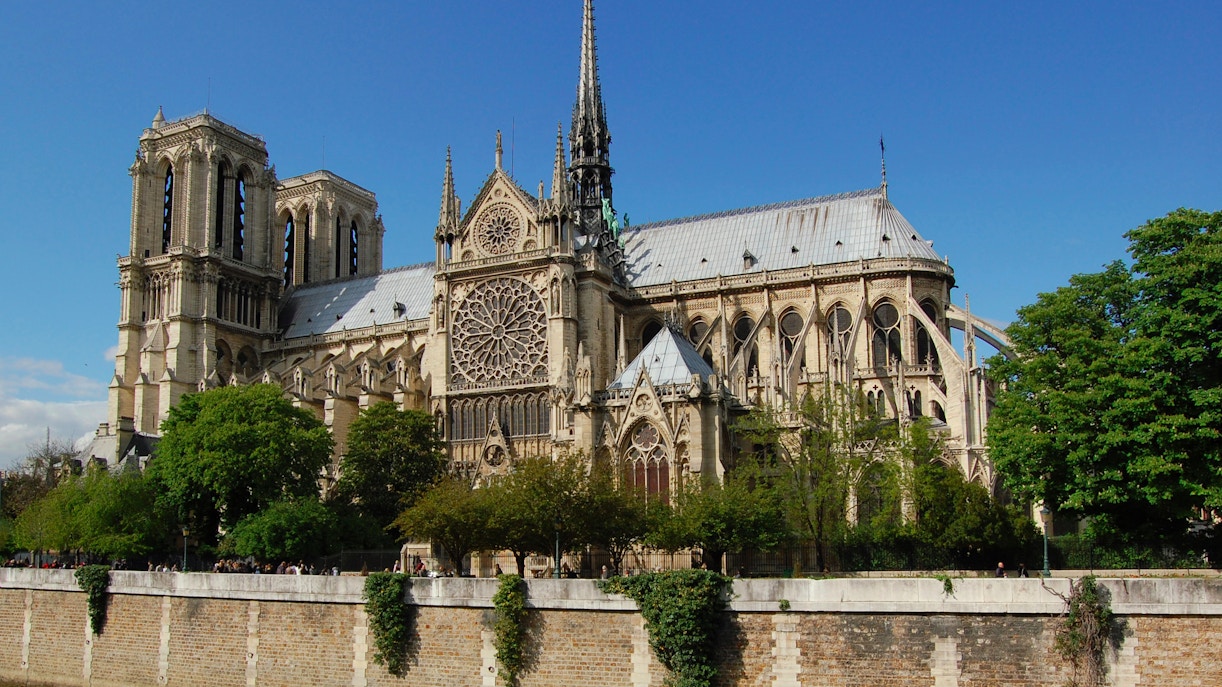
The cathedral's exterior tells stories most people miss. Those aren't just decorative gargoyles; they're a medieval drainage system. The missing heads on certain statues? Revolutionary crowds thought they were French kings and beheaded them (they were actually biblical kings of Judah). The 2024 restoration revealed oak beams from the 1100s that survived the fire, paint fragments showing the interior was once bright with color, architectural modifications from six different centuries.
Best choice: 👉 Notre-Dame Outdoor Guided Walking Tour with Crypt Entry : The cathedral exterior decoded, then down into the Roman ruins underneath. You'll see how this spot has been sacred ground for 2,000 years.
Other option:

The island doesn't reveal its true shape until you see it from the water. That's when you understand why the Parisii tribe chose this exact spot in the 3rd century BC: it's naturally defensible, sits at a river crossing, connects both banks. Notre-Dame dominates the skyline the way it was designed to, and the eight bridges linking the island to the rest of Paris each have their own story.
After dark, the island transforms completely. Notre-Dame lit against the night sky, the bridges glowing, reflections dancing on the water. It's the Paris you see in films, except you're actually there.
Best choice: 👉 1-Hour Paris Illuminated Evening Sightseeing Cruise : See Notre-Dame and the bridges lit up, with commentary on what you're passing.
Other option:
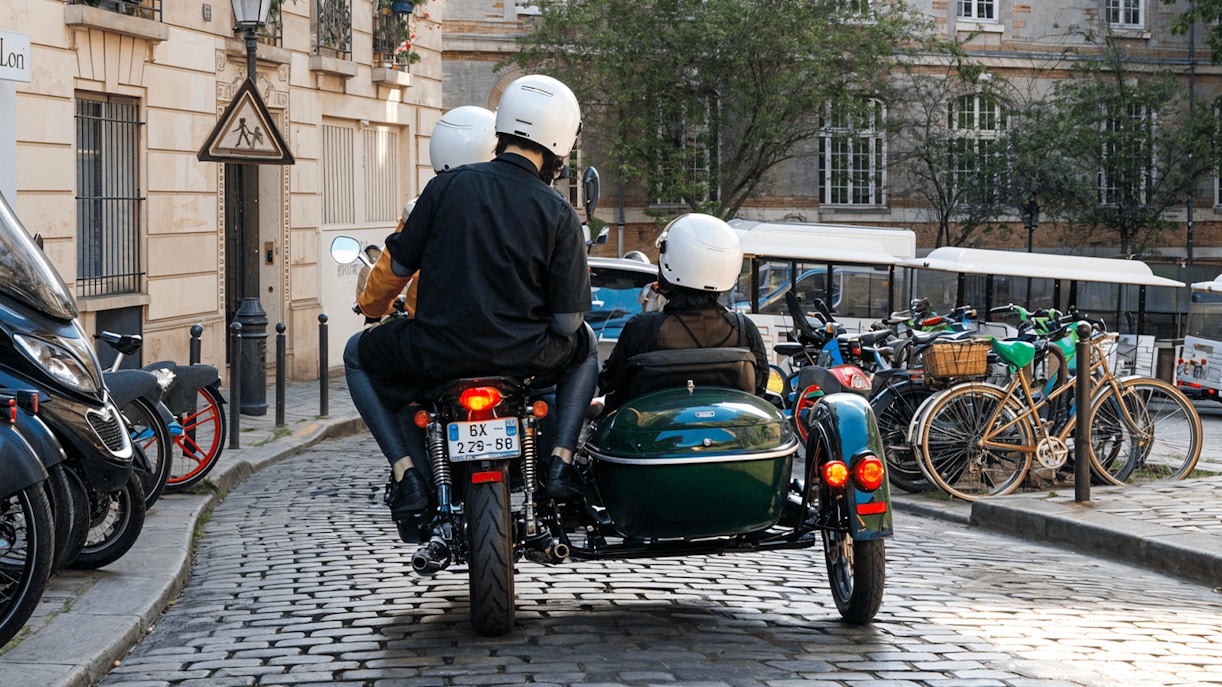
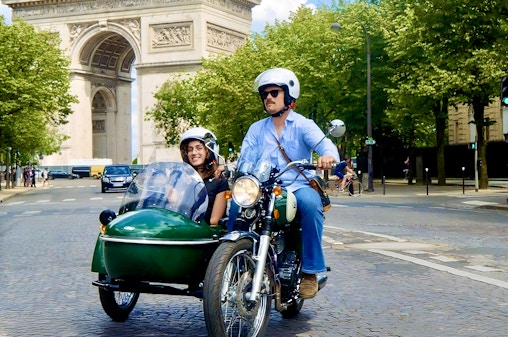
A 1920s-style sidecar completely changes how you experience the island. You'll rumble over cobblestones that have been there since medieval times, reach hidden squares most tours skip, and see locals' reactions when you roll past (you will look incredibly cool). The guide can navigate narrow streets tour buses can't access and stop for photos without holding up a group.
Best choice: 👉 From Notre-Dame: Sidecar Tour of Paris : Start at the island, then explore neighborhoods only Parisians know about. Wind in your hair, engine humming, zero regrets.
Other option:
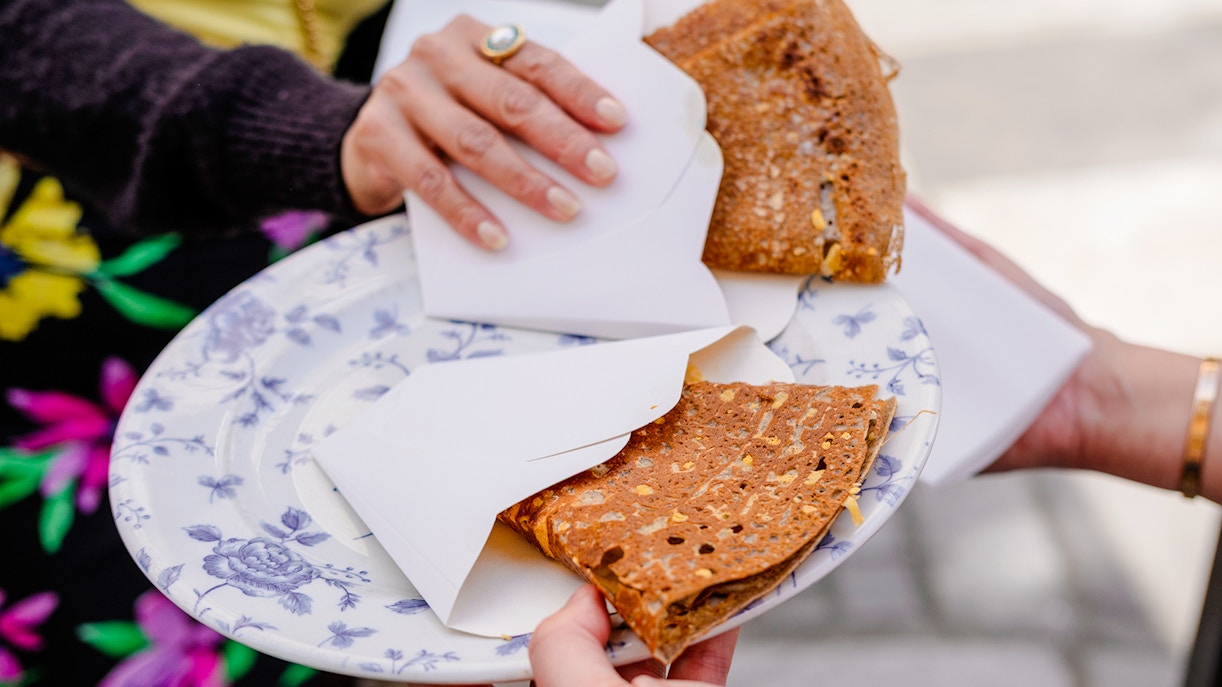
Food in Paris isn't separate from history. The bakeries on Île de la Cité and the surrounding streets have been feeding Parisians the same way for generations. A culinary tour connects what you're tasting to where it came from: why Parisians are particular about their baguettes, how bistro culture evolved, what the market stalls tell you about seasonal eating.
Best choice: 👉 Notre-Dame Secret Food Tour : Discover the island's culinary secrets with a local guide who knows which bakeries Parisians actually go to, where to find the best cheese shops, and the stories behind the food traditions that have shaped this neighborhood for centuries.
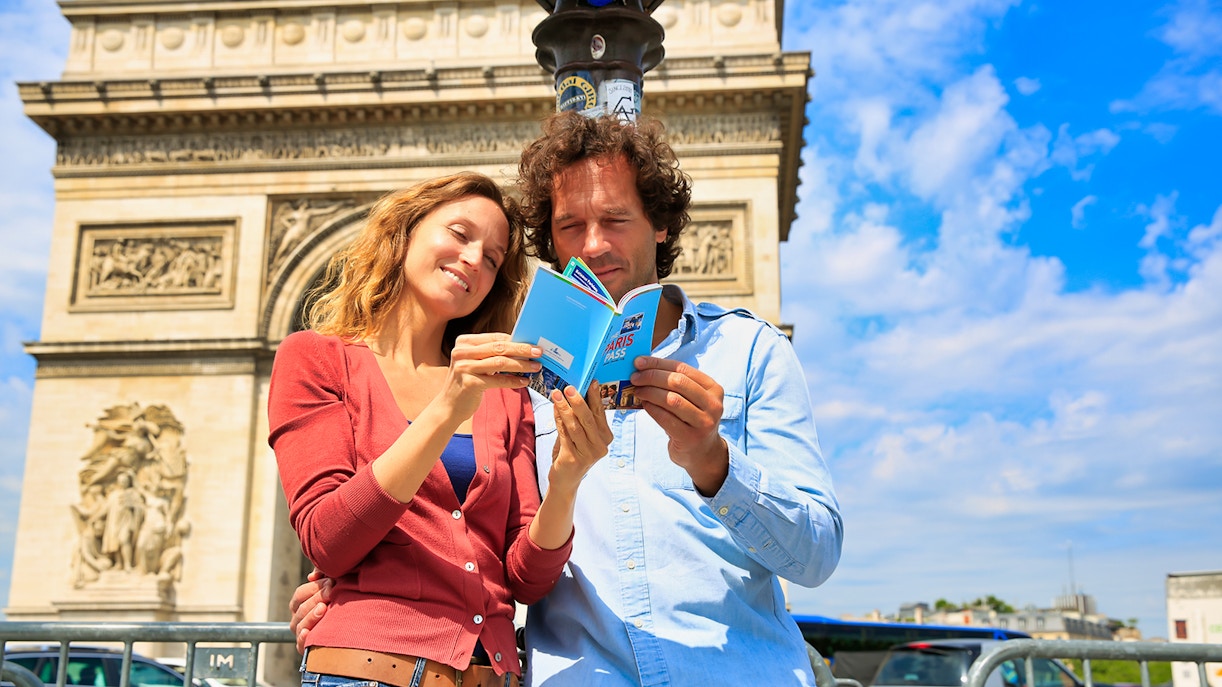
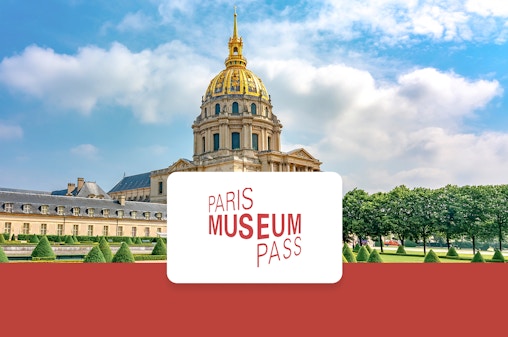
If you're spending several days in Paris and want to explore at your own pace, city passes make sense. They cover Île de la Cité's main attractions plus dozens of other sites across the city. Skip the ticket lines, go when you feel like it, and don't worry about adding up entry fees.
Best choice: 👉 Paris Museum Pass: Access to 50+ Museums : Includes the Archaeological Crypt, Sainte-Chapelle, and Conciergerie, plus 50+ other Paris museums. Valid for 2, 4, or 6 consecutive days.
Other passes:
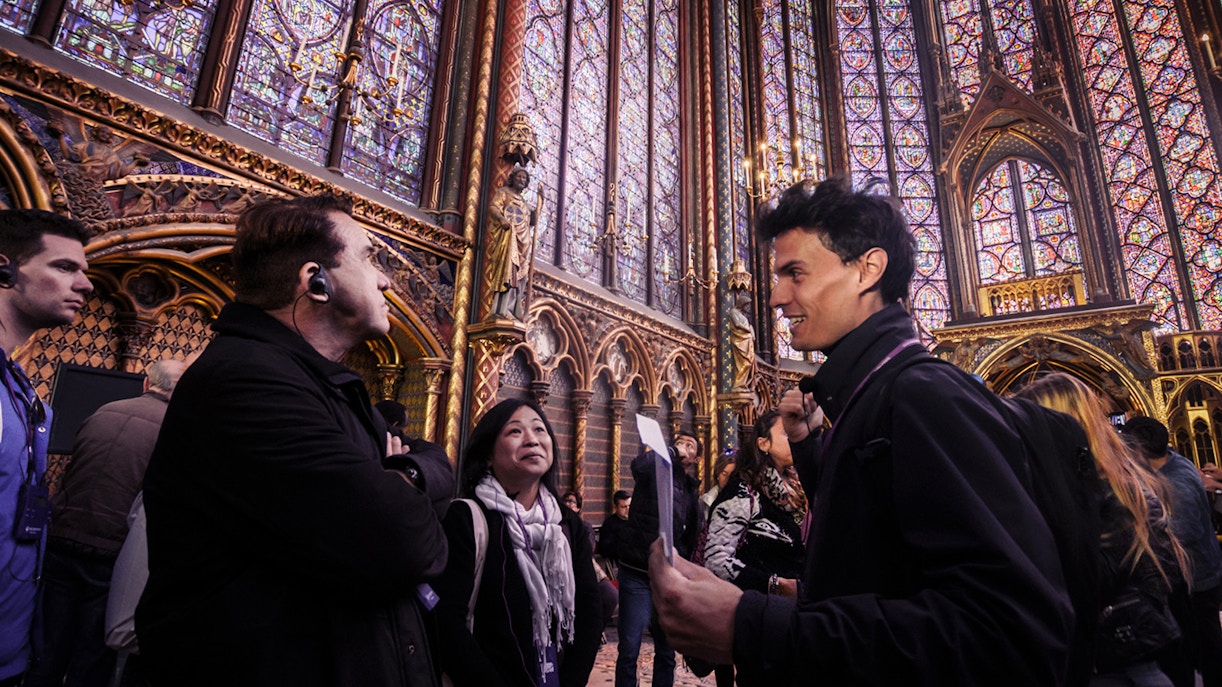
Paris has more to see than any one trip can cover. If you're working with limited time and want to hit the essential highlights without the stress of planning connections and tickets, all-in-one tours handle the logistics while you focus on experiencing.
Best choice: 👉 Paris in a Day: Louvre, Notre Dame, Saint Chapelle, and Conciergerie : The island's highlights plus the Louvre in one well-orchestrated day. Skip-the-line access throughout means you're not watching the clock.
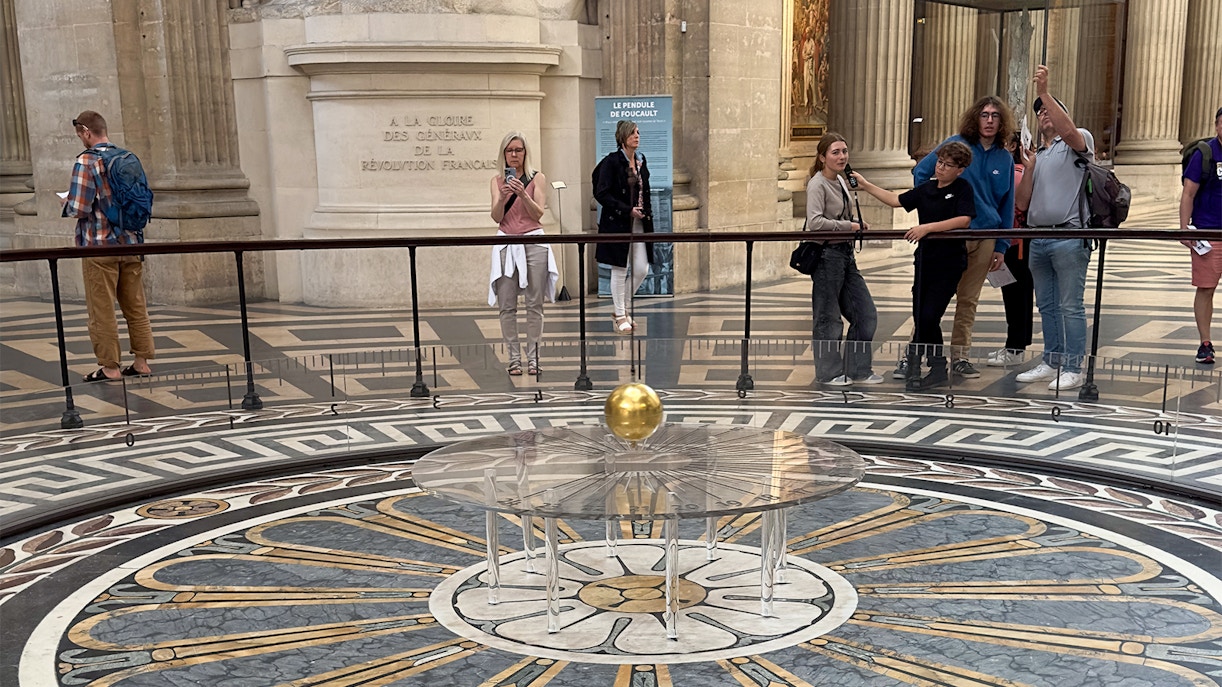
Île de la Cité sits at the geographic and cultural heart of Paris, connecting to neighborhoods with completely different characters. The Latin Quarter across the bridge has been the student district since medieval times. The Marais to the north was the aristocratic quarter. Combined tours show you how these neighborhoods shaped each other.
Best choice: 👉 Combo: Pantheon Tickets + Île de la Cité and Latin Quarter Guided Tour with Seine River Cruise : Connect the island's medieval history to the Left Bank's bohemian culture, see the Panthéon where France's greatest minds are buried, then view it all from the Seine.
Sainte-Chapelle and the Conciergerie share the same high-security entrance (Palais de Justice complex). If you visit them separately and leave for lunch in between, you'll wait in the airport-style security line a second time. See both consecutively and you only clear security once.
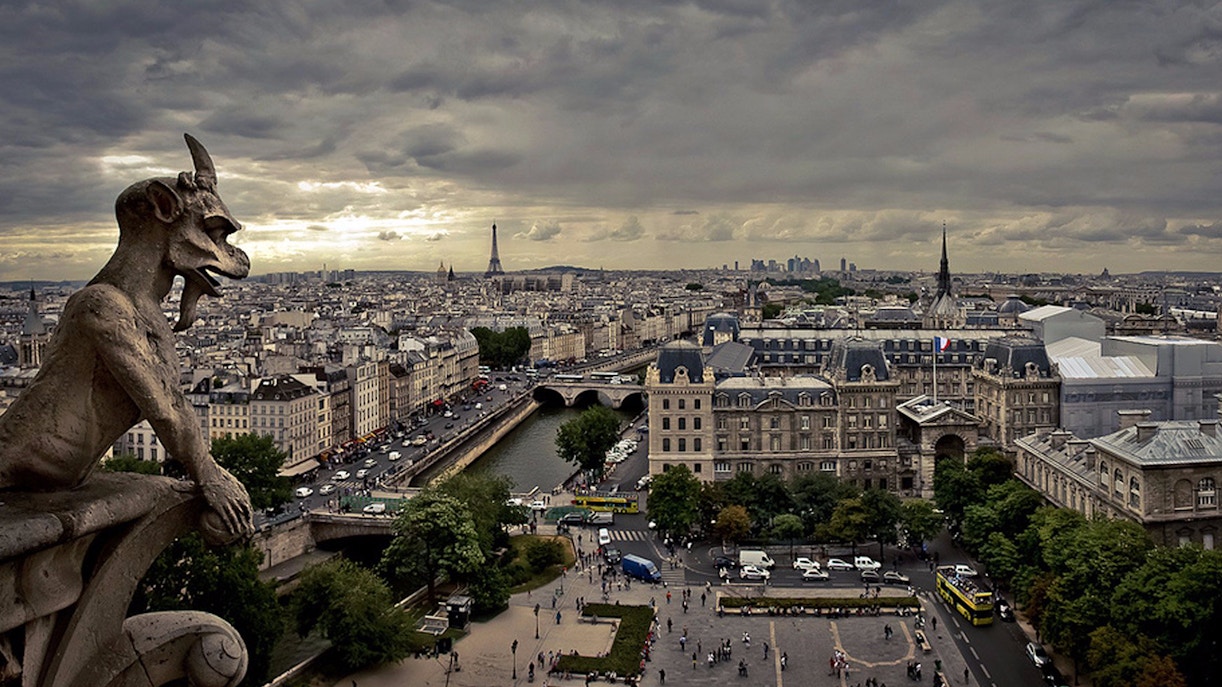
The island sits in the middle of the Seine River at the geographic heart of Paris. You cannot miss it; the towers of Notre-Dame serve as the city’s compass.
The island rewards those who linger. If you only have an hour, come back another day.
For the most popular sites, booking is non-negotiable if you want to avoid hours of standing on pavement.
Absolutely. The island offers a mix of history and space to move.
Note: Most monuments are free for kids under 18. The island is mostly flat, but medieval cobblestones can be bumpy for strollers.
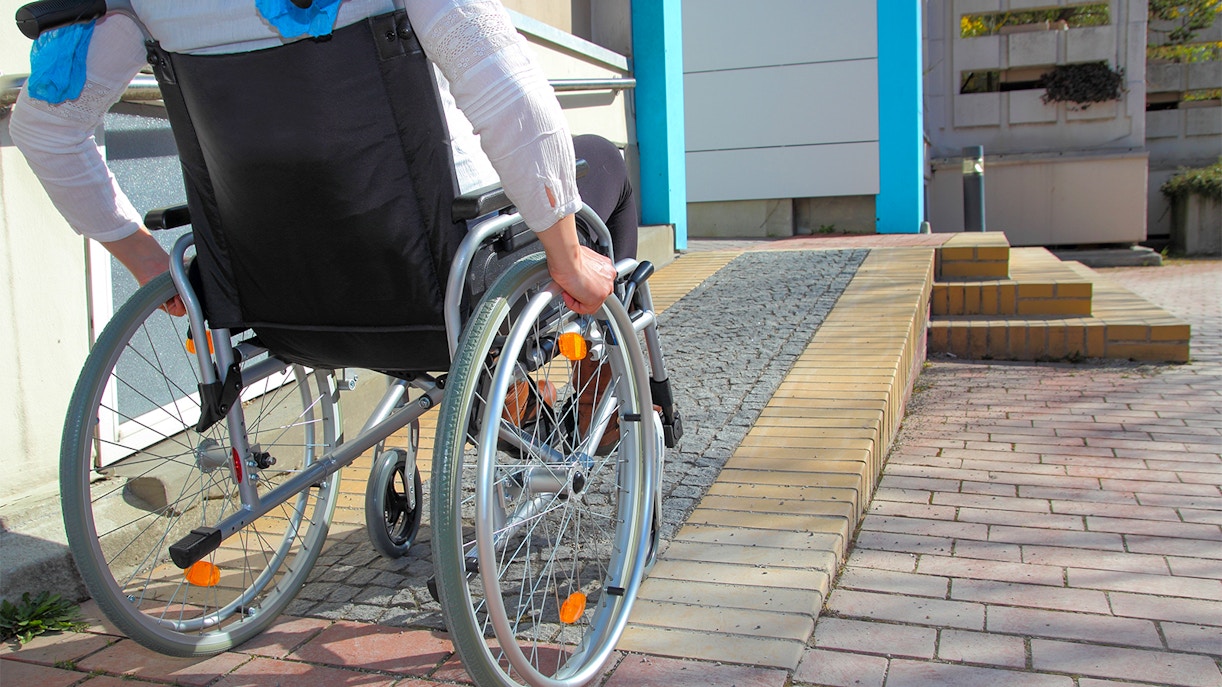
The island is more accessible than many historic Paris neighborhoods, but it is not 100% barrier-free.
The Local Secret: Avoid restaurants directly facing Notre-Dame. They often have inflated prices and inconsistent quality.
Yes. You could spend a full day here without buying a single ticket.
Yes. Notre-Dame reopened in December 2024 after a five-year restoration. Entry is free but requires a timed reservation—book 3-5 days ahead, especially for weekends. The 2024 restoration revealed details hidden for centuries: vibrant ceiling paintings, intricate carvings, and 13th-century stained glass that survived the fire. Guided tours with reserved access bypass general admission lines and provide deeper context.
Not everything on this island requires a ticket. Some of the best experiences cost nothing.
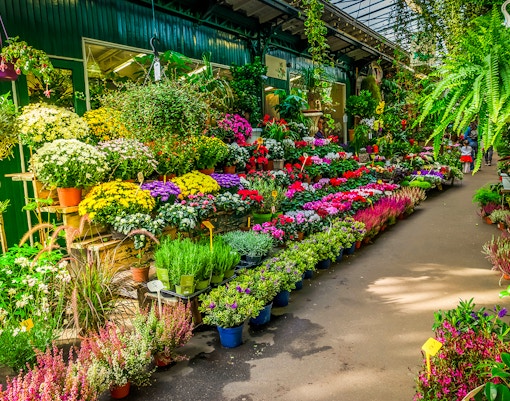
The Marché aux Fleurs has occupied the same spot since 1830, housed in green pavilions installed in 1900. It's what it sounds like: stalls selling seasonal blooms, potted plants, seeds, and gardening supplies. On Sundays, bird vendors join the flower sellers with finches, canaries, and cages. It's a tradition that's slowly fading, which makes it worth catching while it still exists.
Where: Place Louis Lépine
When: Daily except Mondays; bird market Sundays only
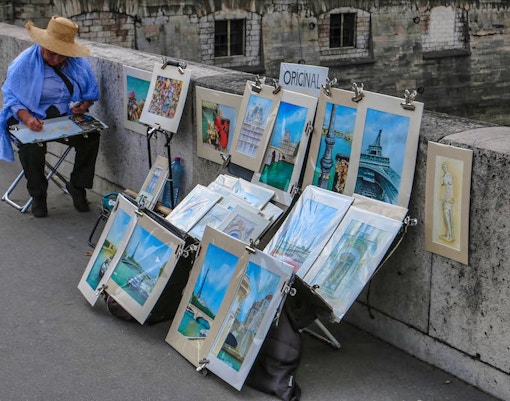
Most visitors never leave the main plaza around Notre-Dame. The actual medieval neighborhood is tucked behind it.
Rue Chanoinesse still follows the path canons walked to the cathedral 700 years ago. The street layout hasn't changed; the buildings have, but not by much.
Rue de la Colombe has dove sculptures above doorways at number 4. At number 6, there's an inscription marking where the Roman city wall stood in 267 AD. You can still see fragments of the foundation.
Rue des Chantres is quieter than the main square but just as old. Good for escaping crowds while staying in the medieval core.
Henri IV commissioned this triangular square in the early 1600s as one of Paris's first planned residential spaces. Today it feels like a village square that somehow ended up in central Paris. Locals play pétanque under the chestnut trees. The outdoor cafés have better prices than anything facing Notre-Dame, and the atmosphere is noticeably calmer.
Best time: Late afternoon when locals gather and the light turns golden.
This small park sits at the island's western tip, below street level. Most tourists walk right past the entrance. Descend the steep stairs behind the Henri IV statue, and you'll find benches, Seine views, and actual quiet in the middle of central Paris.
It's named after Henri IV's nickname ("the gallant"). Parisians come here to read, picnic, or watch the river. No facilities, no vendors, just a park that's been here since the 1600s.
At the island's eastern tip, this memorial honors 200,000 French citizens deported to concentration camps during WWII. It's stark, powerful, and rarely crowded. The design deliberately creates a sense of confinement and isolation. Worth visiting if you want a moment of quiet reflection away from the monument crowds.
Île de la Cité connects to the rest of Paris via eight bridges. Each has its own story:
The building houses Sainte-Chapelle and the Conciergerie, but most people rush inside without noticing the exterior. The facades facing Boulevard du Palais are grand 19th-century French institutional architecture: columns, allegorical statues, and the works. Worth a few minutes if you appreciate that style.
Restaurants directly facing Notre-Dame cater to tourists who'll eat there once and never return. Rue Chanoinesse has a few bistros that locals actually go to. Look for handwritten menus, more French than English speakers, and prices that make sense for what you're getting.
By stepping off the main tourist path, you'll see the Île de la Cité that most visitors miss: the medieval street grid that hasn't changed in centuries, the parks where Parisians actually go, the details that reveal 2,000 years of layered history. Take your time. The island rewards attention.
Île de la Cité is the geographic center of Paris, making it one of the most accessible points in the city. Whether you arrive by metro, bus, or on foot, all paths lead to the square in front of Notre-Dame.

To beat the crowds, aim to arrive before 9am to photograph the cathedral exterior and Place Dauphine. Midweek visits (Tuesday through Thursday) typically offer shorter security lines for Sainte-Chapelle than weekends.
Early morning (8to 10am): Fewer crowds and beautiful light for photography.

Wheelchair accessible:
Limited accessibility:
Support available:
Contact monuments directly for specific accessibility questions.
Before tour groups arrive, the island feels completely different. Quiet medieval streets, beautiful light for photos, zero lines at Sainte-Chapelle. It's the same place, but you'll have it to yourself for an hour. If you can only visit once, come early.
Best for: First-time visitors with limited time Duration: 3-4 hours
Best for: History enthusiasts who want to avoid peak crowds Duration: 3-4 hours
Best for: Anyone who wants to see everything without rushing Duration: 6-7 hours
Best for: Romantic evening or seeing the island after the crowds leave Duration: 2-3 hours
Best for: Families with kids ages 5-12 Duration: 4-5 hours
Tips for parents:
Food on Île de la Cité is a tale of two worlds. The restaurants directly facing the main monuments often cater to the "one-time" tourist crowd and hence tend to be overpriced and mediocre.


Île Saint-Louis (5-minute walk east):
Latin Quarter (across Petit Pont, 2 minutes):
Le Marais (10-minute walk northeast):
Choosing to stay on the island means waking up in the birthplace of Paris before the first tour buses arrive. It is an experience of total immersion, but it comes with specific trade-offs.
Île de la Cité sits at the geographic center of Paris. Once you've explored the island, these neighborhoods are all walking distance:
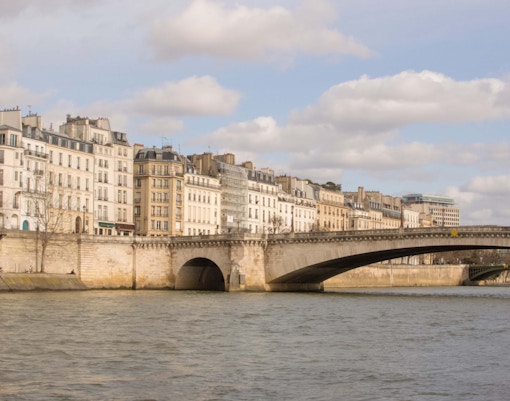
5 minutes east
The smaller, quieter sister island with upscale shops and Berthillon ice cream (legendary since 1954)
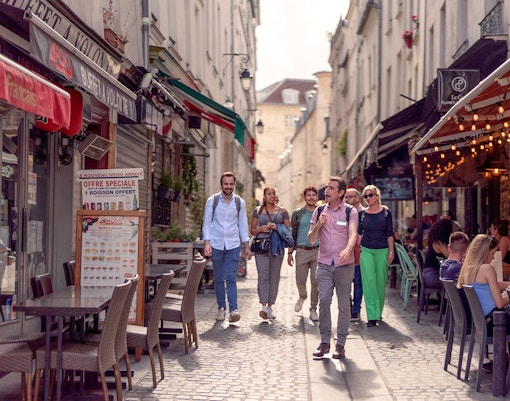
5 minutes south
Historic student district since medieval times. Shakespeare & Company bookstore, Panthéon, affordable cafés
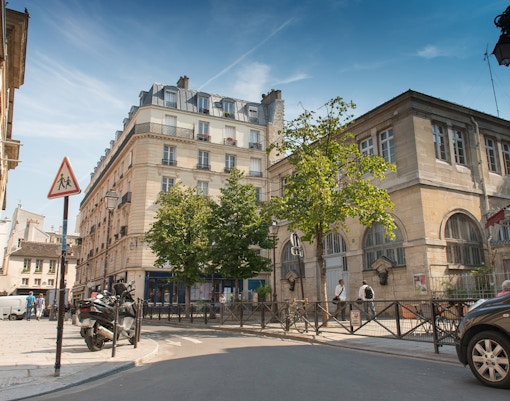
10 minutes northeast
Trendy boutiques, art galleries, Place des Vosges (Paris's oldest planned square), Jewish quarter with excellent falafel
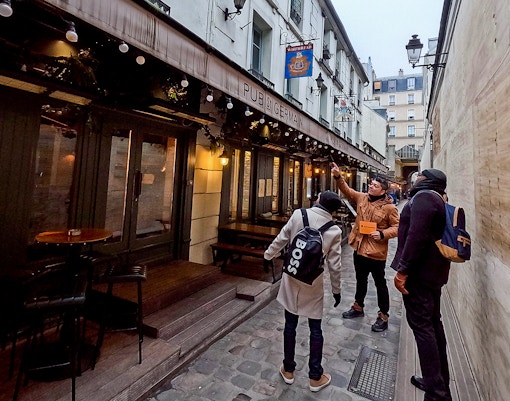
10 minutes southwest
Literary Paris. Café de Flore and Les Deux Magots (where Sartre and de Beauvoir wrote), art galleries, Luxembourg Gardens
Île de la Cité has survived Viking raids, medieval plagues, revolutionary terror, Nazi occupation, and catastrophic fire. It's still here, still beautiful, still the beating heart of Paris. When you stand on Point Zéro and look around at the towers and bridges and medieval lanes, you're standing where 2,000 years of Parisians have stood before you. Take your time. The island isn't going anywhere.
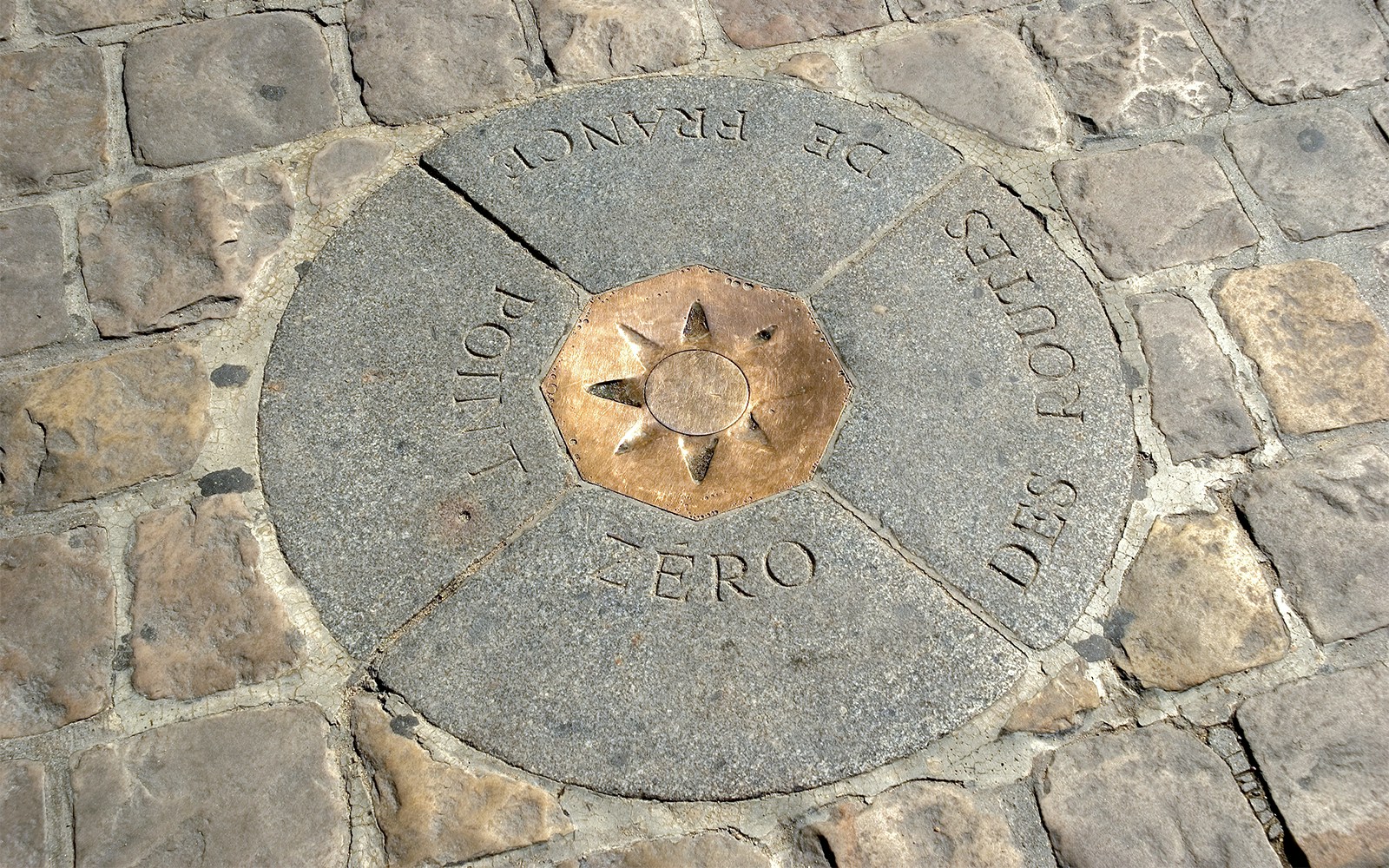
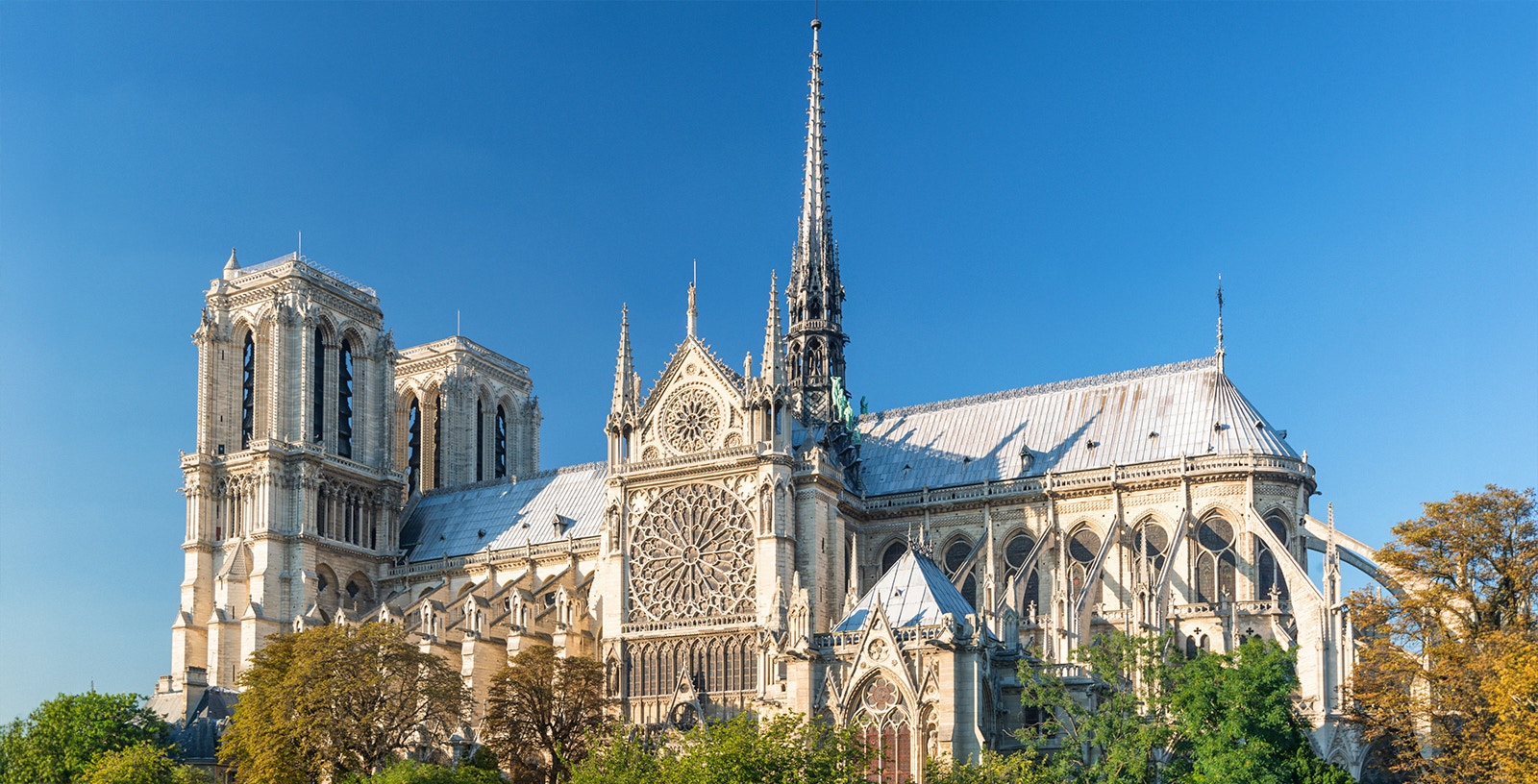
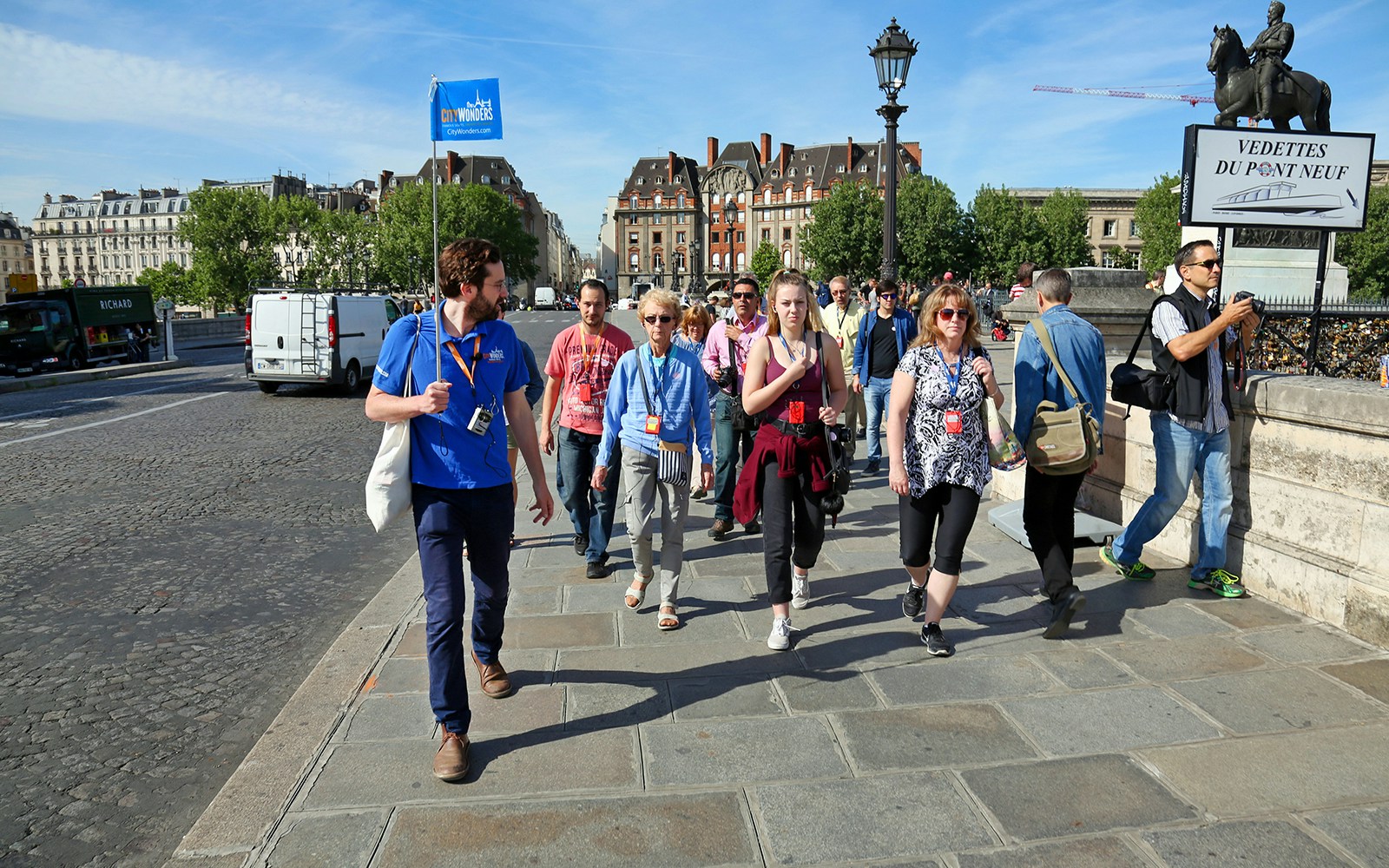
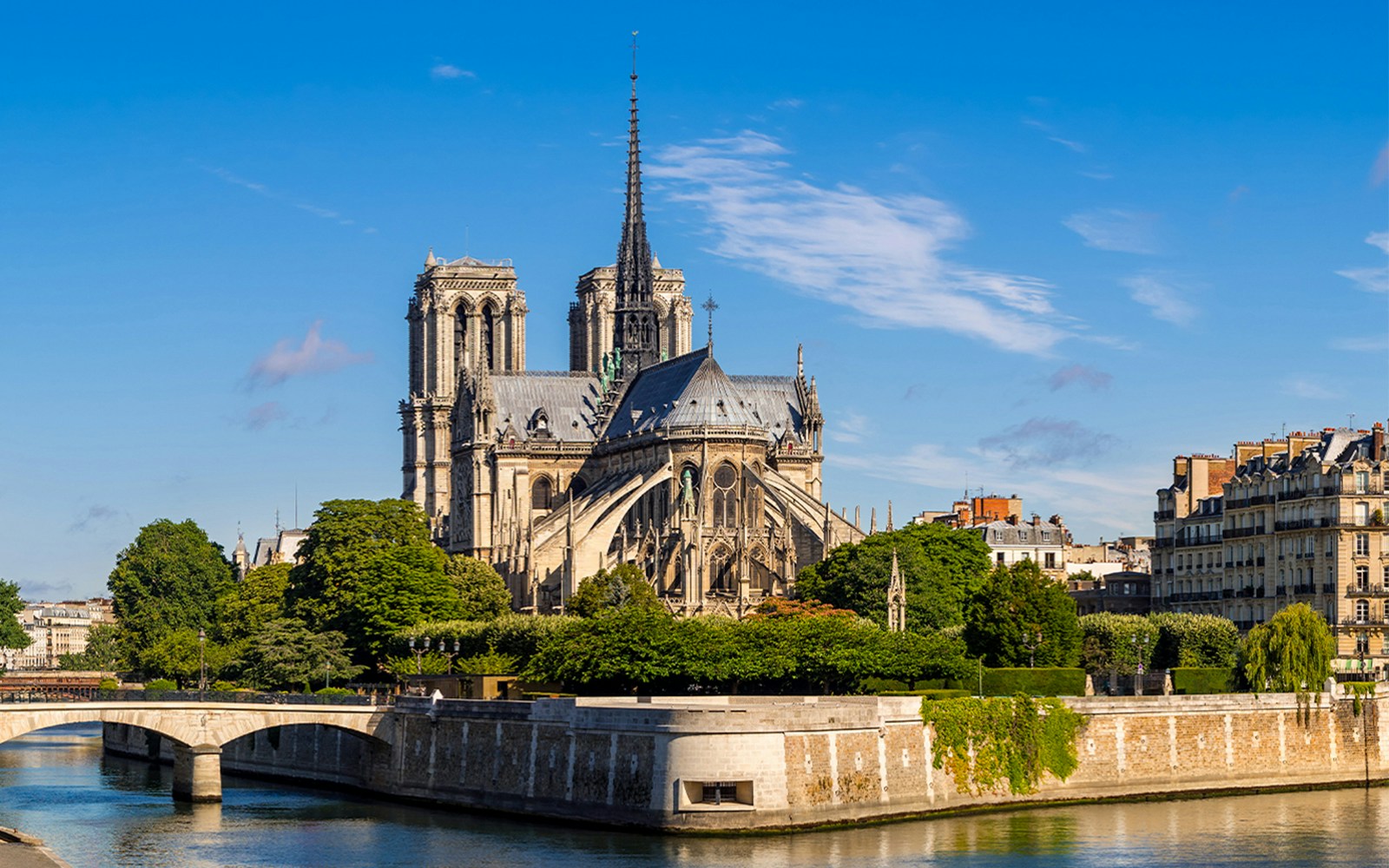
Stand on Point Zéro, the bronze marker, in front of Notre-Dame, and you're standing where Paris began over 2,000 years ago. This island has been the city's beating heart through the ages, from the Roman outpost of Lutetia to the seat of royal and religious power in the Middle Ages. It's where revolutionaries imprisoned aristocrats in the Conciergerie before sending them to the guillotine and where the world watched in shock as fire engulfed Notre-Dame in 2019. To understand Paris, you must start here.
Île de la Cité showcases Gothic architecture at its most awe-inspiring. The Notre-Dame pioneered the flying buttress, allowing it to soar higher than anyone thought possible. Sainte-Chapelle, built in the 1240s to house Christ's Crown of Thorns, is a kaleidoscope of stained glass that leaves visitors feeling like they're standing at the threshold of heaven. The Conciergerie, once Europe's grandest palace hall, still echoes with the stark contrast of royal splendor and revolutionary terror.
On this island, history isn't confined to museums. It's in the cobblestones beneath your feet, the 14th-century clock still ticking on the Conciergerie wall, and the medieval street names that whisper old stories. Follow the path of centuries-old processions on Rue Chanoinesse, touch fragments of the Roman city wall at 6 Rue de la Colombe, and cross Pont Neuf, where carved stone faces have watched Parisians traverse the Seine since 1607.
Île de la Cité packs a staggering amount of history and beauty into just 22 walkable hectares. In a single afternoon, you can marvel at world-class Gothic architecture, lose yourself in quiet medieval lanes, and discover hidden gardens and iconic bridges, each with its own tale to tell. Despite the crowds at major sites, you'll find pockets of tranquility where locals still go about their daily lives, just as they have for centuries.
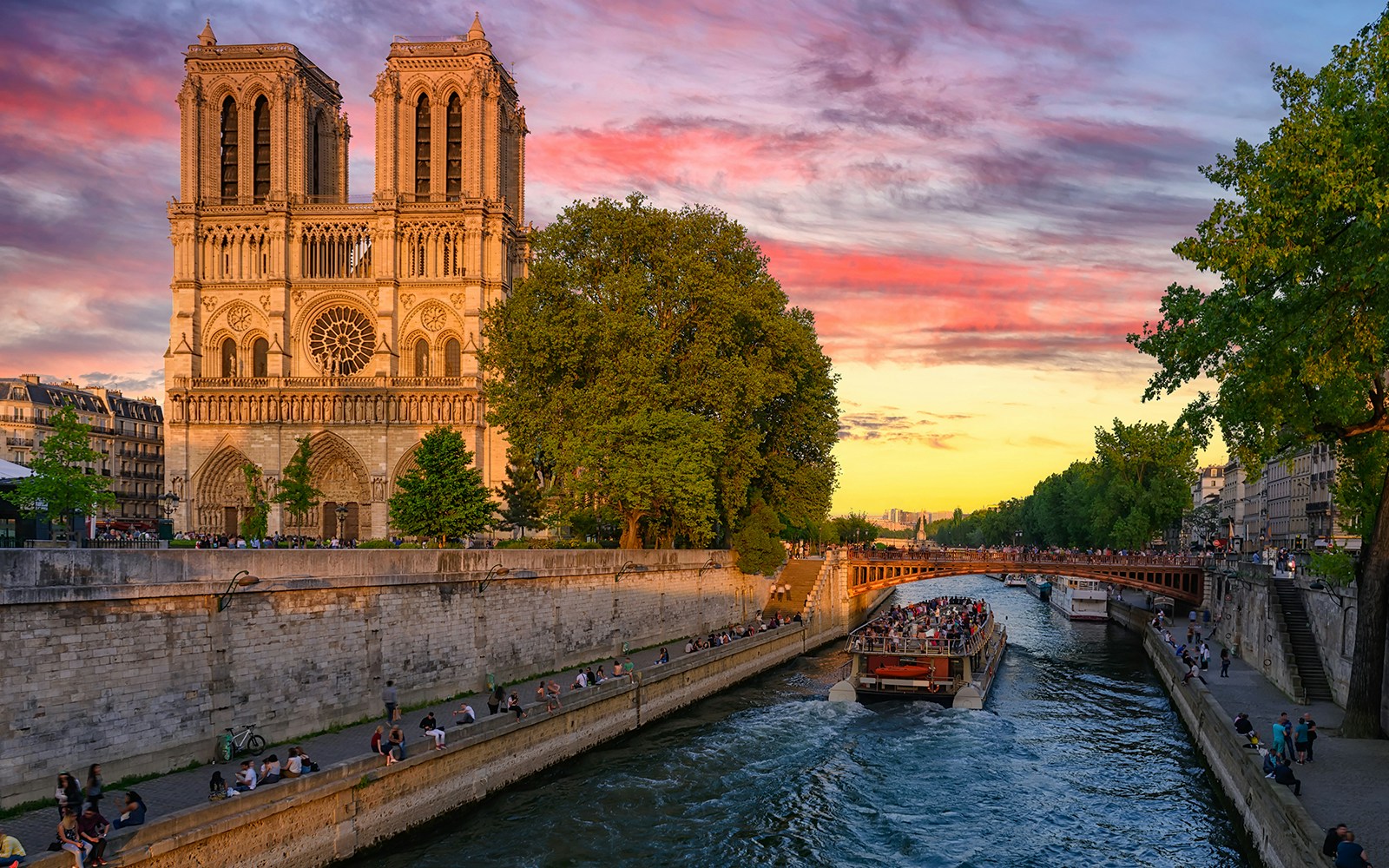
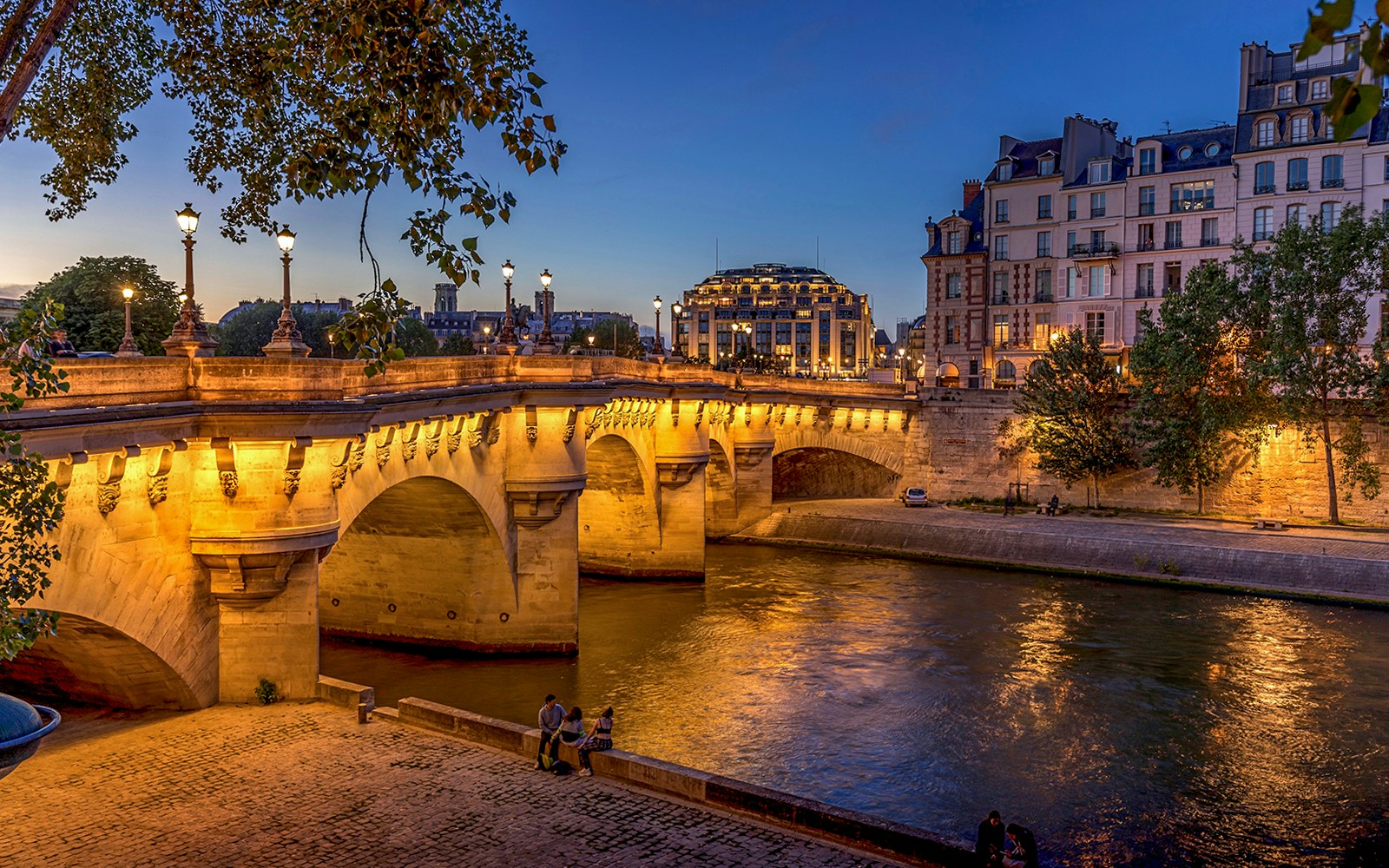
You don’t need a DSLR or perfect golden hour to capture the island, though both help. These are the specific angles that produce the "where was that?" shots.
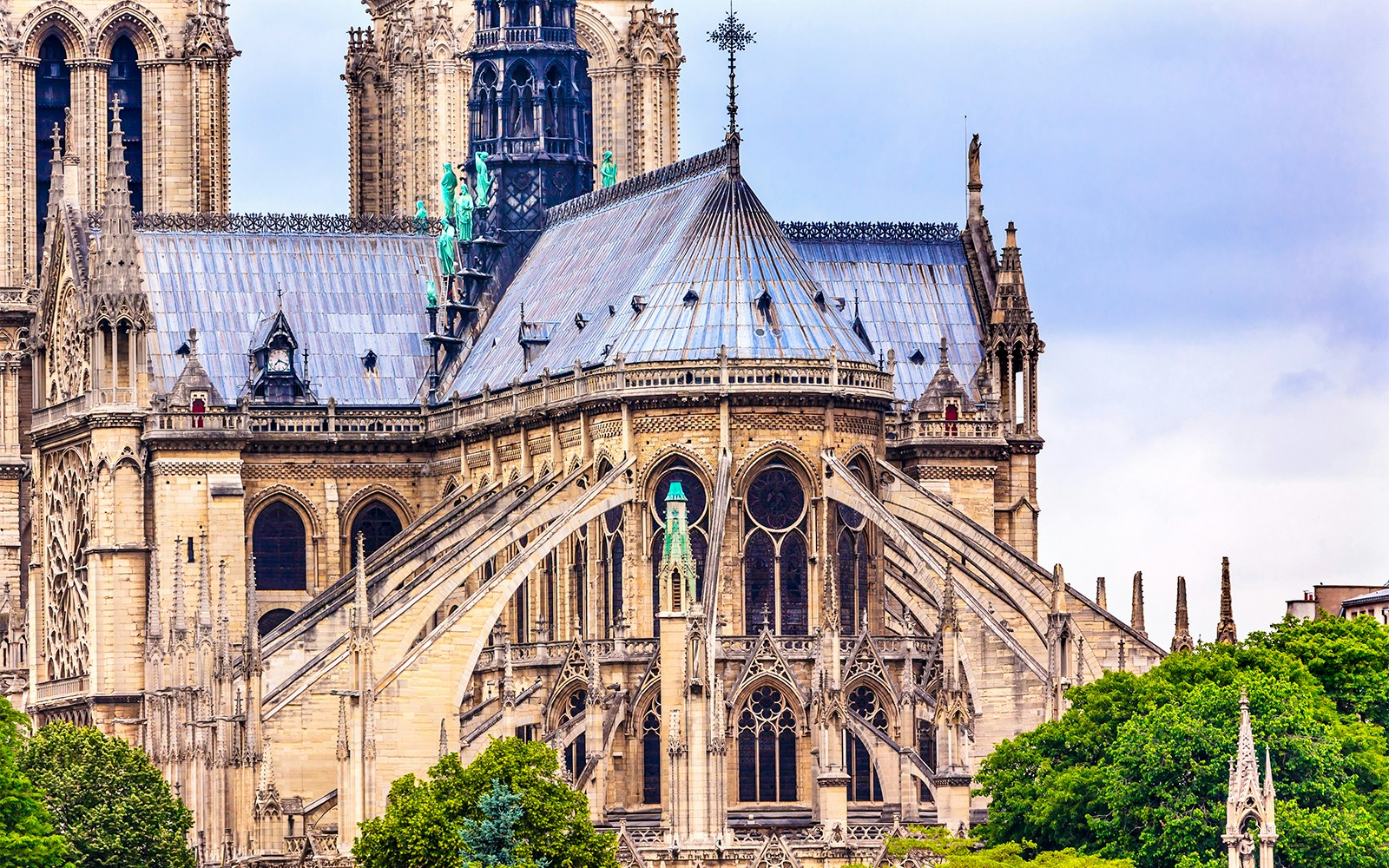
Most people photograph Notre-Dame from the front plaza. Skip the crowds and cross this bridge on the south side for an unobstructed view of the flying buttresses and the Seine in the foreground. Late afternoon light is best here.
Head to the island’s western tip at the river level. This spot places the Louvre across the water with the Seine wrapping around both sides of your frame. Golden hour is non-negotiable for this shot.
Stand mid-bridge to capture the towers of Notre-Dame with the river curving toward you. Aim for 7 to 8am for the softest light and a bridge free of commuters.
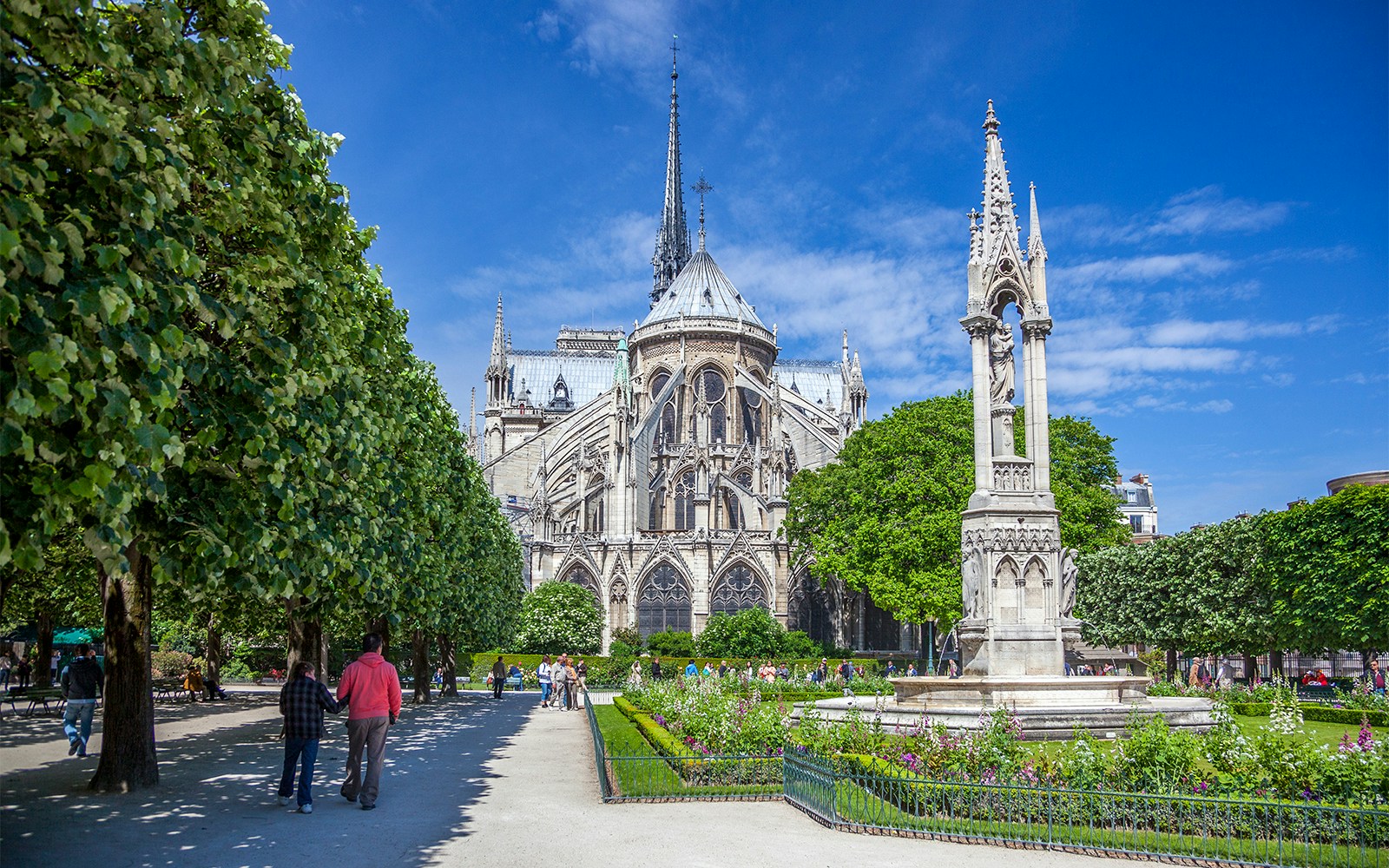
Position yourself directly behind the cathedral rather than in front. This angle highlights the massive engineering of the buttresses from ground level. Overcast days actually work better here, as the stone textures pop without harsh shadows.
Find the bronze star in the pavement of the main plaza. Get your camera down to ground level and frame the star in the foreground with the cathedral towers rising behind it.
Walking distances:
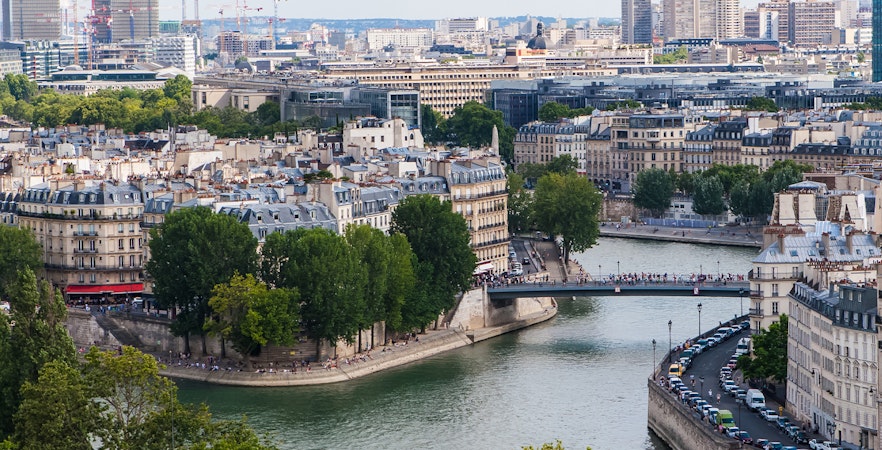
Whether you want expert-guided storytelling, money-saving combos, romantic river views, or vintage sidecar thrills, there's a perfect way to experience Paris's historic heart. The island has been welcoming visitors for 2,000 years, and now, it's your turn.