Neighborhood at a glance

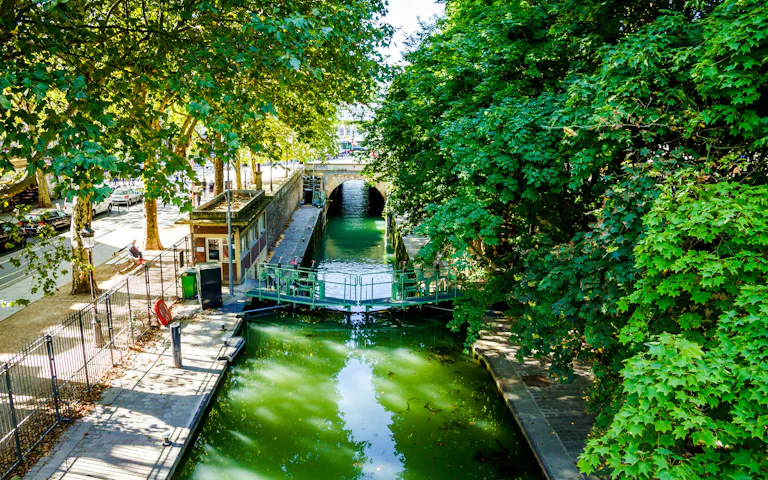
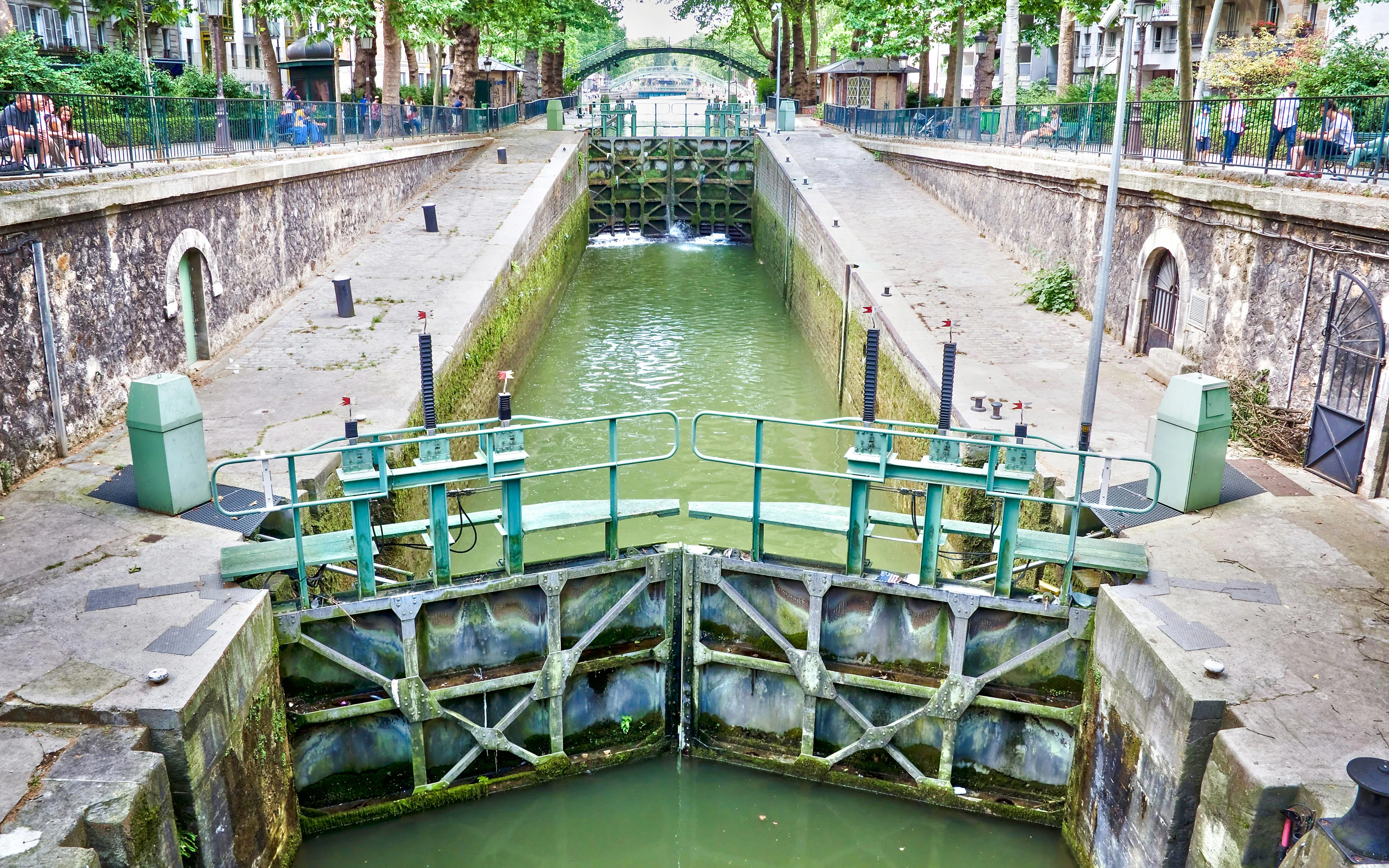
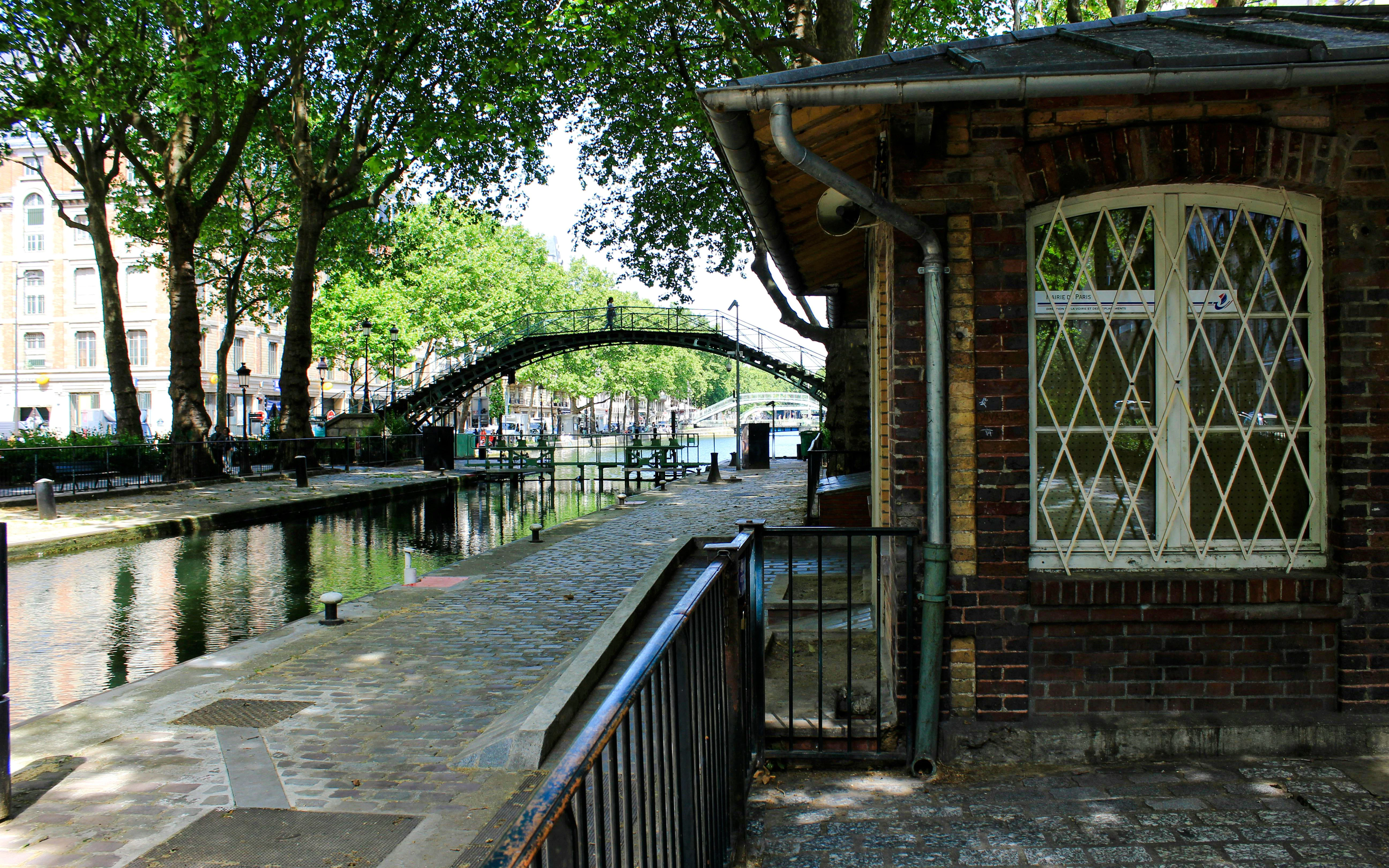
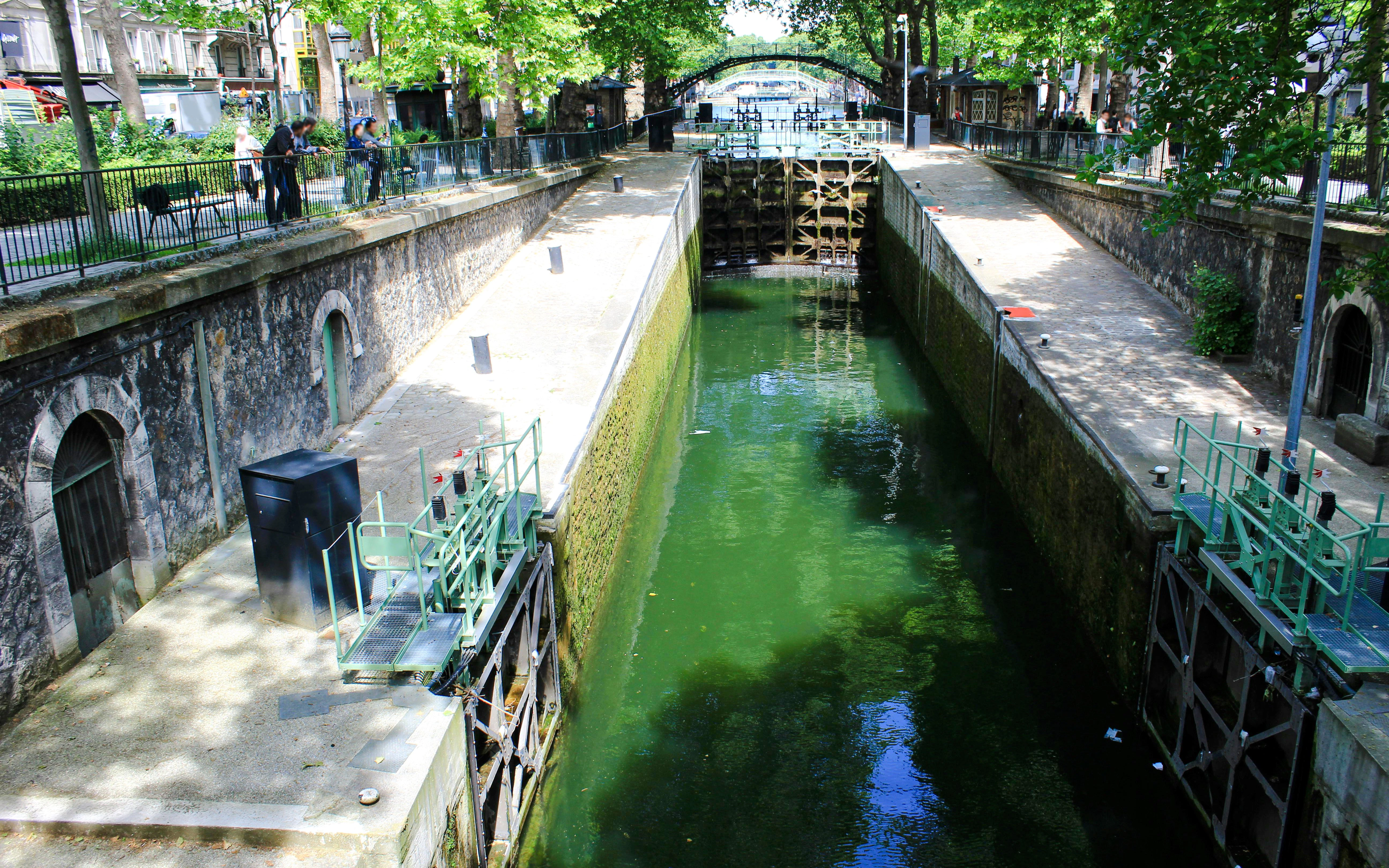
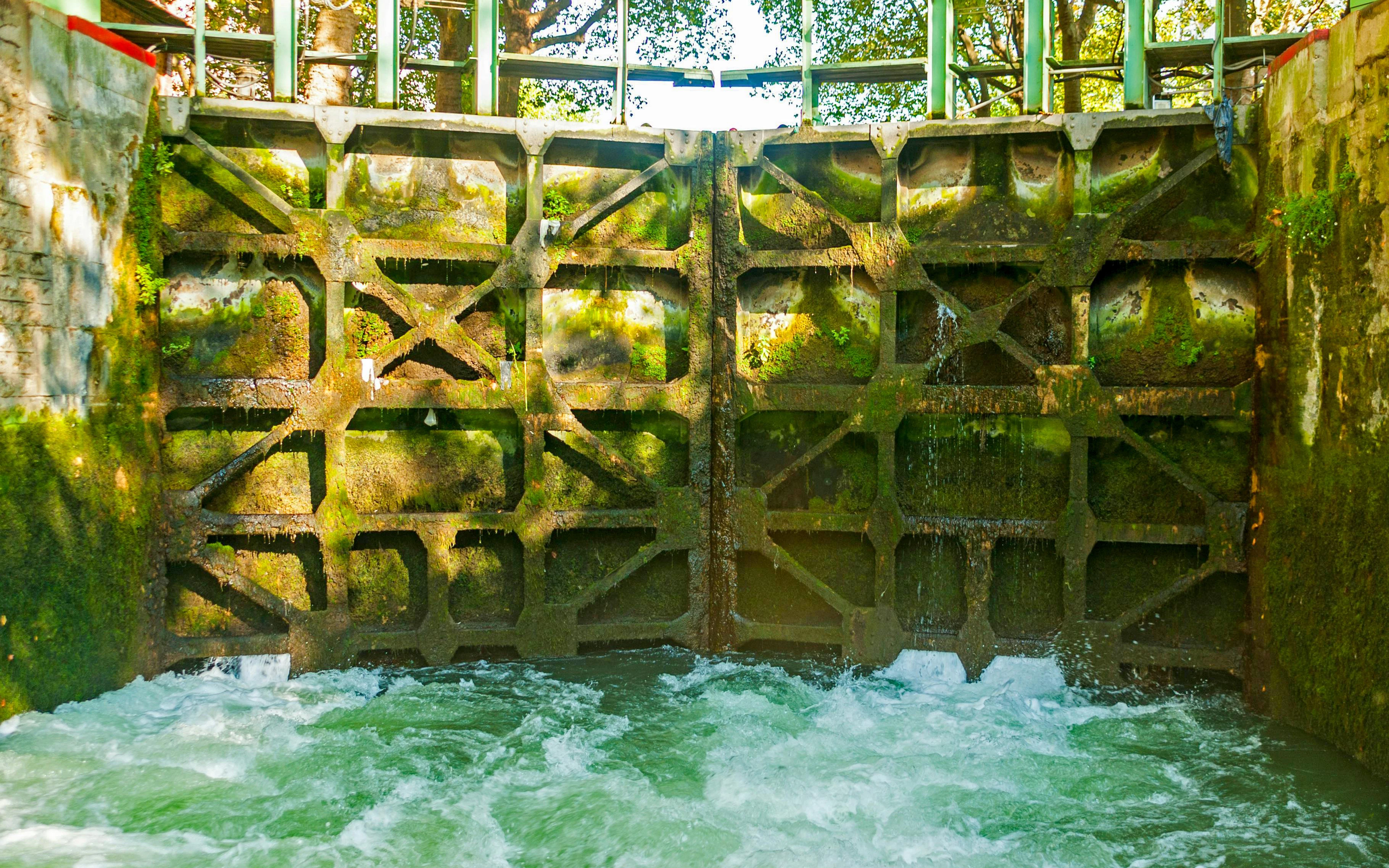
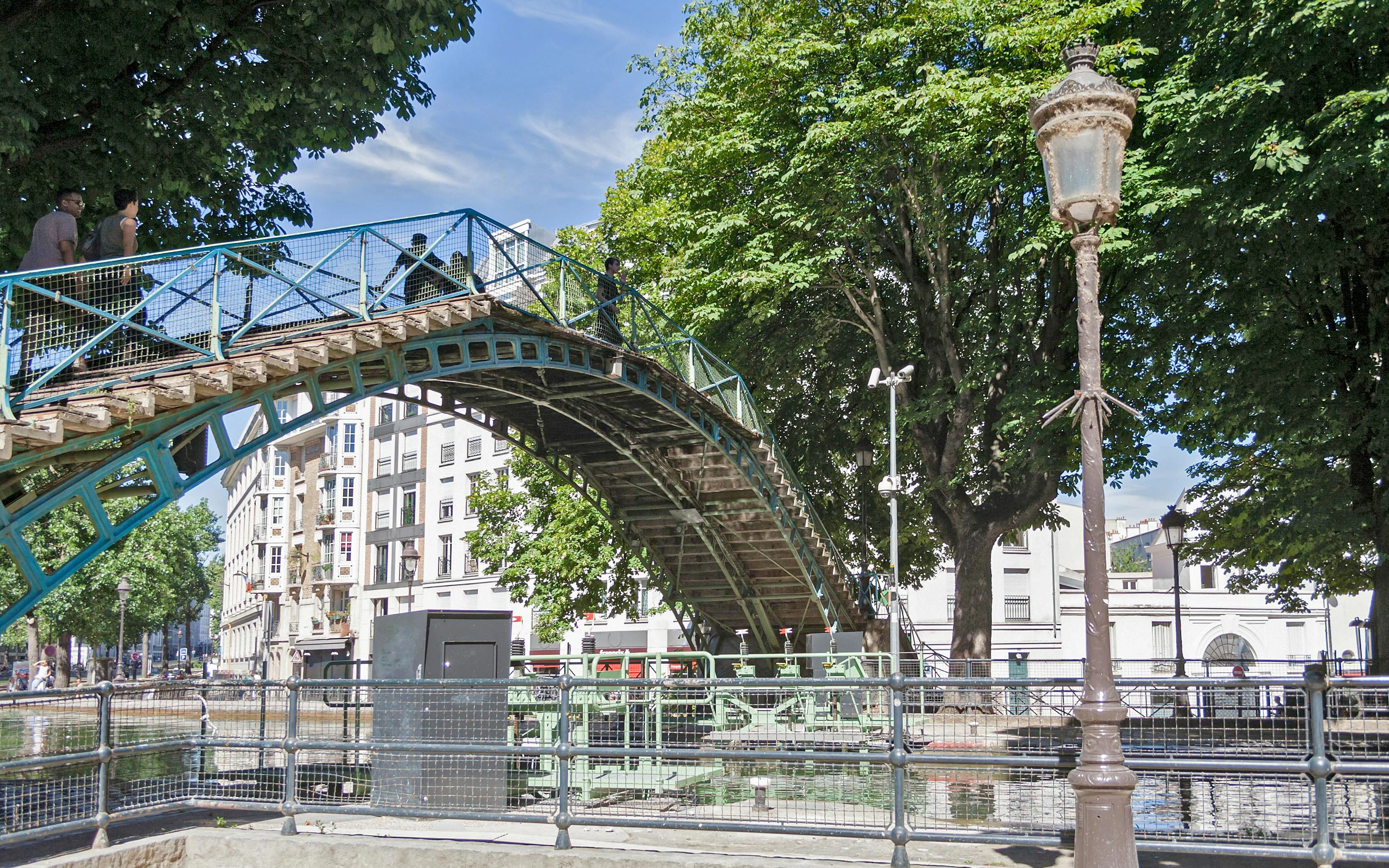
  • Why visit: Canal Saint-Martin is where you come to watch the canal locks work, walk the tree-lined quays between République and Jaurès, and spend a few unhurried hours moving between bakeries, wine bars, and waterside benches.
  • Atmosphere: Relaxed, local, waterside, café-lined.
  • Top things to do: Watch the locks on Quai de Valmy, walk from Hôtel du Nord to Bassin de la Villette, browse shops around Rue de Marseille, stop at Jardin Villemin.
  • Best for: Couples, return visitors, café-hoppers, street photography.
  • Time needed: 2–4 hours.
  • Best time to visit: Weekday mornings or late afternoons for quieter quays, better light on the water, and easier café seating.
  • Nearby: Place de la République, Jardin Villemin, Point Éphémère, Bassin de la Villette, Gare de l’Est, Place de la Bataille-de-Stalingrad.

Top things to do in Canal Saint-Martin

Pro tip

Start at République and walk north on Quai de Valmy rather than dropping in at Jaurès first; the locks, bridges, and café cluster are denser at the southern end, so the neighborhood reads better in that direction.

Quick navigation

🏛️ Why visit | 🎟️ Best ways to explore |🧭 Plan your visit | 🌟 Free things to do | 📋 Itinerary | 💡 Tips |🍴 Dining

Best ways to explore Canal Saint-Martin

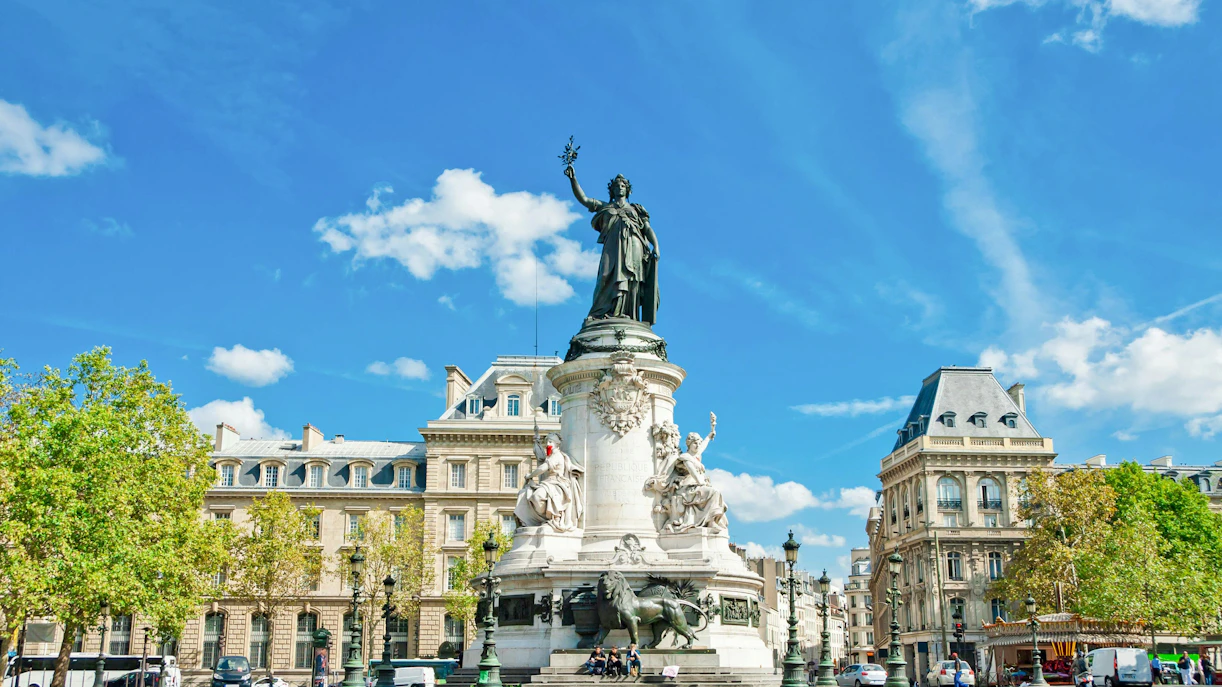
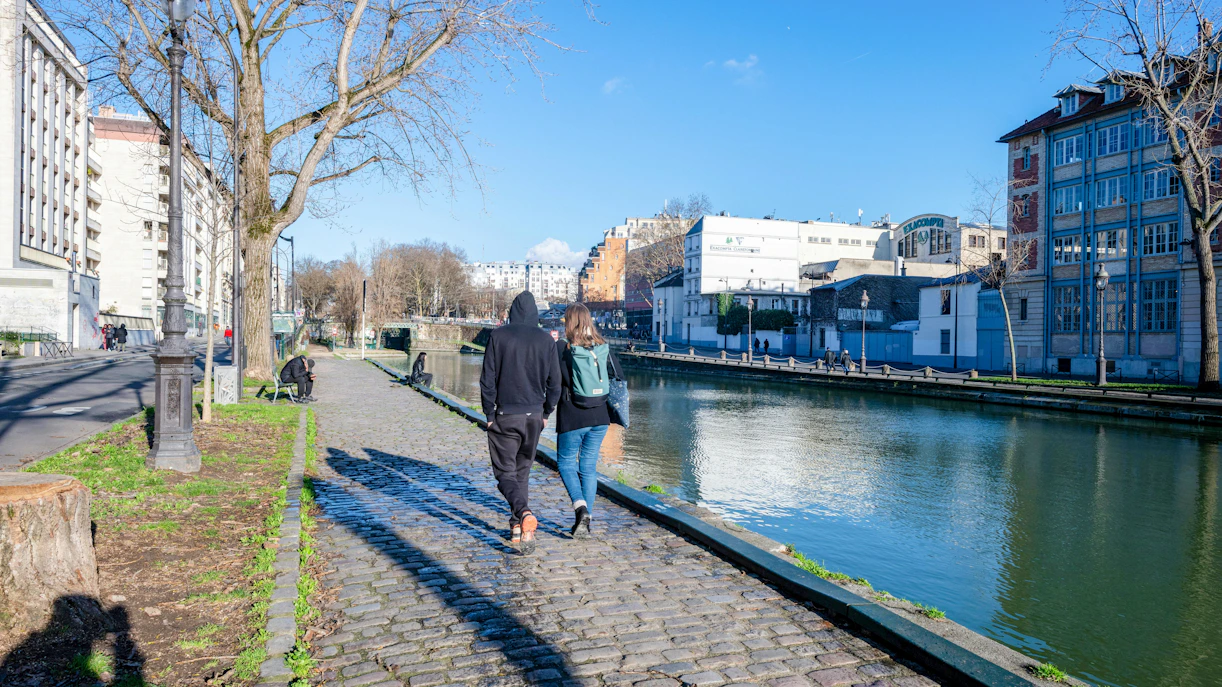
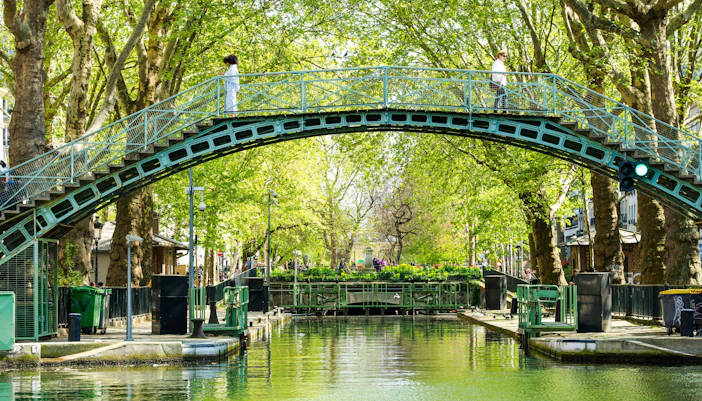
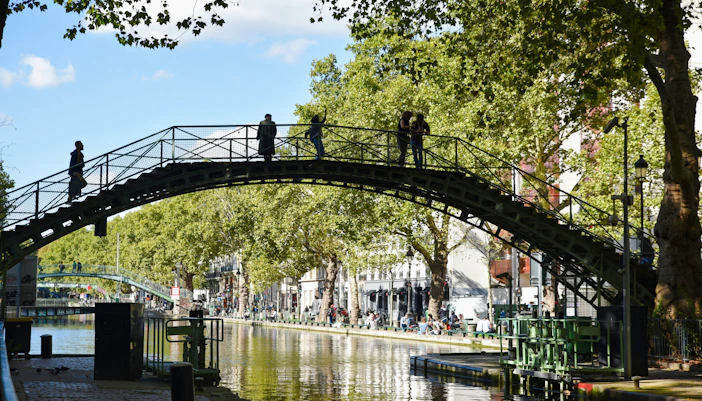
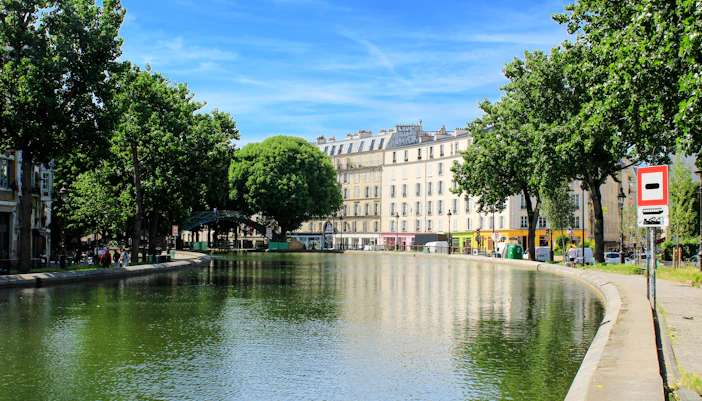
Canal Saint-Martin makes most sense on foot. A good route runs from Place de la République to the locks near Rue de Lancry, past Hôtel du Nord, and up toward Jaurès, because the bridges, houseboats, and quays unfold in a straight line.

Pro tip

If you want a bookable add-on that matches the neighborhood’s pace, pair a canal morning with Picasso Museum Priority Access Tickets for another compact, walkable part of Paris.

Plan your visit

  • Primary route: The easiest arrival is République on Metro Lines 3, 5, 8, 9, or 11, then an 8-min walk to the lower canal near Quai de Valmy. Start from the south-west side of the square so you hit the locks before the quieter upper stretch.
  • Alternative route: Use Jaurès if you want to begin at the northern end and walk toward Bassin de la Villette first. It is a better choice if you plan to continue north rather than doubling back.
  • Best walking entry: Enter from Place de la République to Quai de Valmy; the first reveal of the canal is stronger there because the water, lock system, and café-lined quay arrive almost immediately.
  • Walking distances from Hôtel du Nord footbridge:
  • Place de la République — 12 min
  • Jardin Villemin — 5 min
  • Gare de l’Est — 12 min
  • Point Éphémère — 10 min
  • Bassin de la Villette — 18–20 min

Canal Saint-Martin is easiest on weekday mornings and late afternoons. Sunny Saturdays and Sundays bring fuller quays, longer café waits, and less space around the locks and bridges.

  • Early morning (8–10am): Best for Du Pain et des Idées, near-empty quays, and clean reflections by Hôtel du Nord. The southern stretch near Quai de Valmy feels especially calm before brunch traffic starts.
  • Midday (11am–2pm): This is peak café time around Holybelly 5, Quai de Jemmapes, and Rue Lucien Sampaix. If it feels crowded, walk north toward Point Éphémère or sit in Jardin Villemin before circling back.
  • Late afternoon (4–6pm): The light softens on the water and the lock area usually gets more photogenic. This is the strongest time for a full south-to-north walk ending near Jaurès.
  • Evening (after 6pm): Canal-side bars and bistros become the focus, especially around Hôtel du Nord, Chez Prune, and Le Verre Volé. The area stays active, but the family-friendly feel shifts more toward drinks and dinner.
  • The essentials — 1.5–2 hr: Enough for Place de la République, the lock sequence on Quai de Valmy, Hôtel du Nord, and a quick stop in Jardin Villemin.
  • The ideal day — 3–4 hr: Covers the full walk from République to Jaurès, coffee or brunch at Holybelly 5, a bakery stop at Du Pain et des Idées, and time to sit by the water instead of just passing through.
  • With guided tours — 4–5 hr: If you add a city experience after the canal, a realistic pairing is the neighborhood walk plus Picasso Museum Priority Access Tickets.
  • Canal Saint-Martin towpaths: The main quays are mostly flat and manageable for wheelchairs and strollers, but some crossing points and curb cuts are less smooth than newer riverfront promenades.
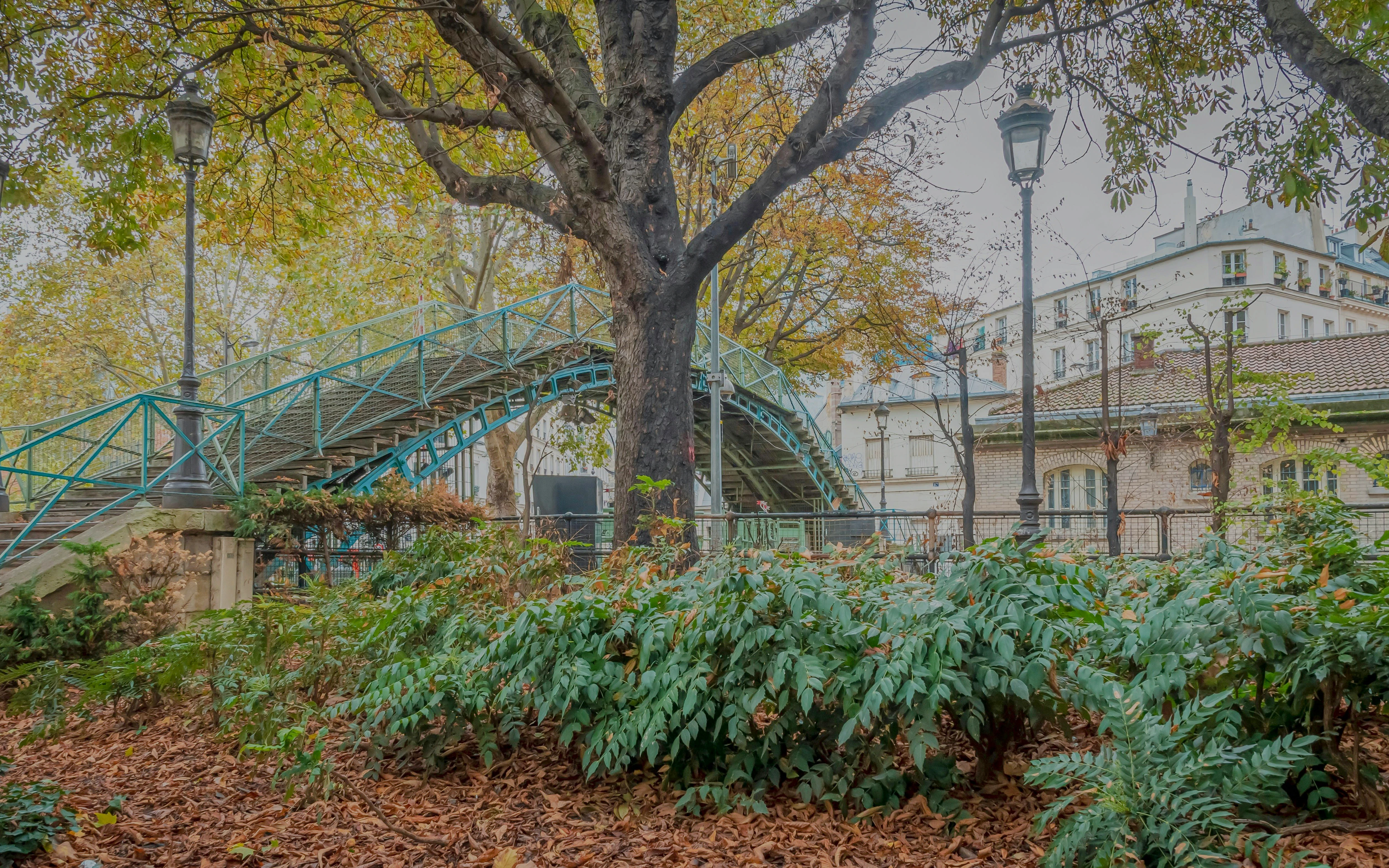
  • Canal footbridges: The narrow iron pedestrian bridges over the locks usually involve steps, so they are not the practical crossing choice for wheelchair users or anyone avoiding stairs.
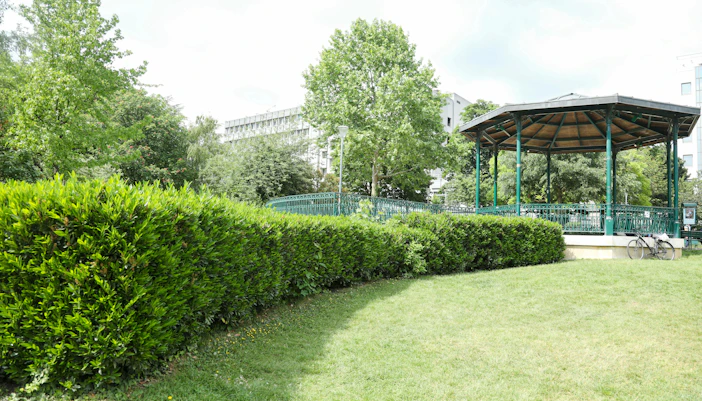
  • Jardin Villemin: Park entrances and main paths are generally stroller-friendly, with easier surfaces than the lock bridges. It works well as a rest stop during the walk.
  • Place de la République approach: Wide pavements and open crossings make this one of the easiest entries into the neighborhood, especially if you want to avoid the tighter canal crossings.
  • Bassin de la Villette promenade: The northern continuation is broader and easier to navigate than the narrowest canal sections. It is often the best part of the route for longer stroller or wheelchair use.
  • Cafés and older canal-side venues: Accessibility varies a lot because many have small terraces, tight interiors, or a step at the entrance. Check venue details in advance if step-free access matters.
  • Pickpockets (République Metro and square): This is the main risk point because of crowds and constant movement through the station. Keep your phone off café tables and your bag zipped before you start the walk.
  • Bikes and scooters (Quai de Valmy and Quai de Jemmapes): The quays feel pedestrian-first, but cyclists and scooters move through quickly. Do not step backward for photos without checking behind you.
  • Late-night glass and crowd spillover (around busy bars near Hôtel du Nord): After dinner hours, parts of the quay get louder and messier. Watch your footing if you stay out late by the water.
  • Quiet stretches after midnight (north toward Jaurès): The area does not feel empty, but it is less evenly busy than central tourist districts. If you are returning late, stick to main roads and Metro exits with more foot traffic.
  • Phone snatching at waterside seating: Sitting right on the canal edge is part of the appeal, but leaving a phone beside you is an easy mistake. Keep valuables in your lap or bag, not on the stone edge.
3. Pro tip

If you want one transport product to connect Canal Saint-Martin with the rest of your Paris day, Big Bus: Paris Hop-on Hop-off Bus Tour with Optional Seine River Cruise is the cleanest fit. It does not run on the canal itself, but it works well once you leave the neighborhood for the Louvre, Eiffel Tower, or Notre-Dame.

Free things to do in Canal Saint-Martin

Suggested itinerary for visiting Canal Saint-Martin

Canal Saint-Martin is easy to read because the neighborhood is basically a long, walkable corridor. The best itineraries move in one direction, usually south to north, so you are not backtracking across the same bridges.

Tips for visiting Canal-Saint-Martin

  • Use République for your first arrival, not Jaurès, unless you already know the northern end. The canal’s strongest first impression is the lower lock stretch near Quai de Valmy.
  • If you want photos of the bridges without people leaning on every railing, go before 10am or after the lunch rush. The stretch near Hôtel du Nord fills up fastest on bright weekends.
  • Do not keep switching sides of the canal just because every bridge looks tempting. Pick one quay for 15–20 minutes at a time, then cross when the view actually changes.
  • For a food stop that is worth planning around, go to Du Pain et des Idées on Rue Yves Toudic early and carry your order back toward the water. It is a better use of time than waiting for a terrace seat immediately.
  • If you want the cleanest viewpoint of the canal, stand on the bridge beside Hôtel du Nord facing north, not directly in front of the restaurant. The line of the water and houseboats reads better from there.
  • Jardin Villemin is the easiest free reset point if your group needs a bench, shade, or a stroller break. It is much better for that than hovering beside the lock railings.
  • For restrooms, plan on using a café or restaurant rather than searching the quays. Build that stop into coffee or lunch so you are not hunting for facilities mid-walk.
  • The neighborhood is longer than it looks on a map. A proper south-to-north walk from République through the canal and up toward Bassin de la Villette can take 45–60 minutes before you add any stops.
  • If you are carrying luggage, do not try to make Canal Saint-Martin your first long walk after arrival. Drop bags near Gare de l’Est or your hotel first, then come back with free hands.
  • For a same-day city add-on, Canal Saint-Martin pairs better with the Picasso Museum or a Seine cruise than with the Eiffel Tower on foot. It keeps your day compact instead of splitting it across opposite sides of Paris.

Dining in Canal Saint-Martin

Must-eat tip

Order the escargot pistache at Du Pain et des Idées before you start walking; it travels well, and eating it on the canal is a better use of time than waiting for a full breakfast table.

Should you stay in Canal Saint-Martin?

Short answer: Yes, if you want a local-feeling base with cafés, bars, and easy Metro access. Less convenient if your priority is walking to the Louvre, Notre-Dame, or the Eiffel Tower.

  • The vibe — Early mornings are quiet around Quai de Valmy and Rue des Récollets, while evenings shift toward bars and terrace drinking near Hôtel du Nord and Chez Prune. It feels lived-in rather than sight-by-sight.
  • The logistics — You will find boutique hotels, apartment rentals, and a few well-placed mid-range options rather than a heavy concentration of large chains. Rooms in older buildings can be smaller, and canal-view stays usually cost more than the streets just behind the water.
  • Who it’s for — It suits couples, repeat visitors, solo travelers who like cafés and walking, and anyone splitting time between eastern Paris neighborhoods. It is less suited to travelers who want major monuments outside their hotel door or families who prefer quieter nights year-round.
  • Top recommendation — Look around Rue des Récollets, Rue Lucien Sampaix, or the southern part of Quai de Jemmapes. You stay close to the canal and République transport links without committing to the noisiest terrace stretch.

Explore other neighborhoods in Paris

Frequently asked questions about Canal Saint-Martin

No. Canal Saint-Martin is the narrower, bridge-and-lock stretch that most visitors mean when they talk about the neighborhood. Bassin de la Villette is the wider northern basin you reach if you keep walking past Jaurès.