Neighborhood at a glance

  • Why visit: Saint-Germain-des-Prés packs Paris café history, one of the city’s oldest churches, short walks to the Seine, and easy access to the Louvre and Musée d’Orsay.
  • Atmosphere: café-lined, polished, literary, walkable
  • Top things to do: Visit Église de Saint-Germain-des-Prés, stop at Café de Flore or Les Deux Magots, walk Pont des Arts, browse Rue de Buci and Marché Saint-Germain
  • Best for: first-time visitors, café culture fans, art museum visitors, couples
  • Time needed: 2–4 hours
  • Best time to visit: Weekday mornings for quieter café terraces, cleaner photo angles, and easier walks along Pont des Arts
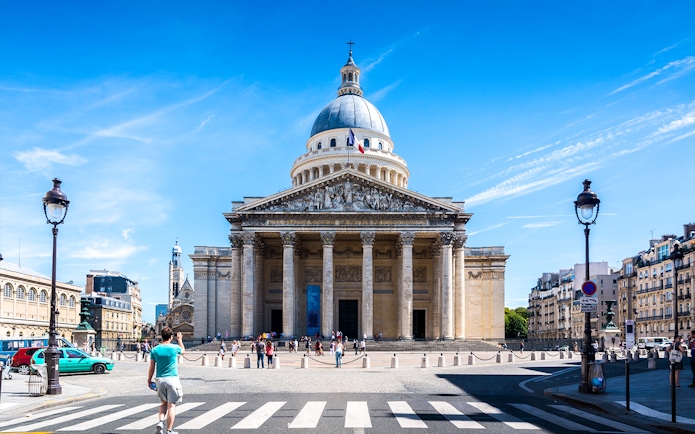
  • Nearby: Louvre Museum, Musée d’Orsay, Notre-Dame Cathedral, Sainte-Chapelle, Conciergerie, Panthéon

Top things to do in Saint-Germain-des-Prés

Pro tip

Start at Pont des Arts before 9:30am, then cut south via Rue Bonaparte to Place de Furstemberg before the café terraces on Boulevard Saint-Germain fill up.

Quick navigation

🏛️ Why visit | 🎟️ Best ways to explore |🧭 Plan your visit | 🌟 Free things to do | 📋 Itinerary | 💡 Tips |🍴 Dining

Why visit Saint-Germain-des-Prés

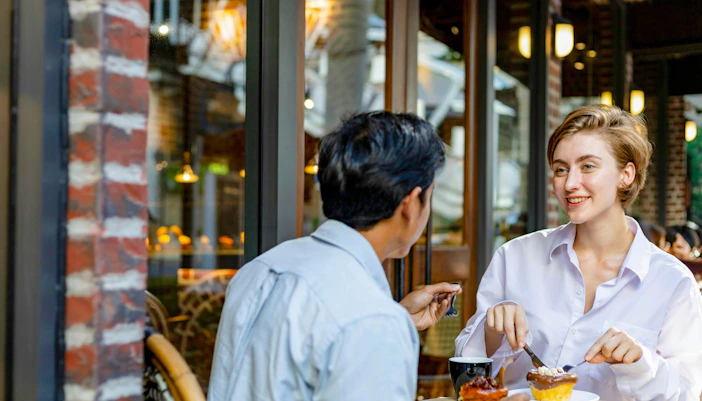
Café terraces in Saint-Germain-des-Prés
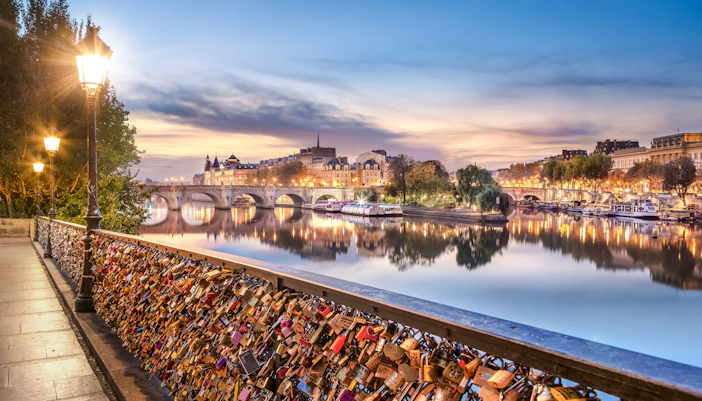
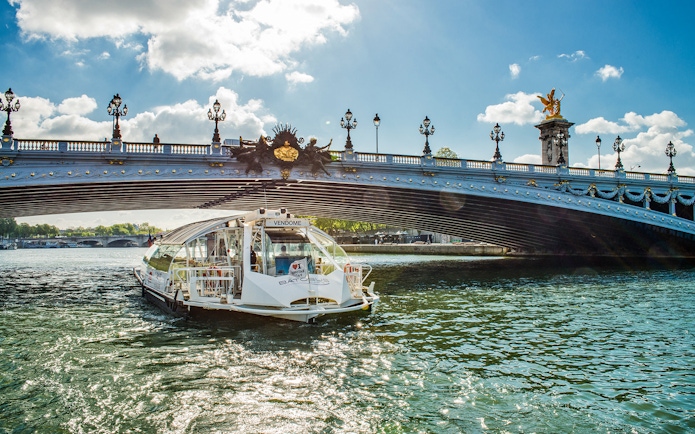
Walk from Saint-Germain-des-Prés to Pont des Arts
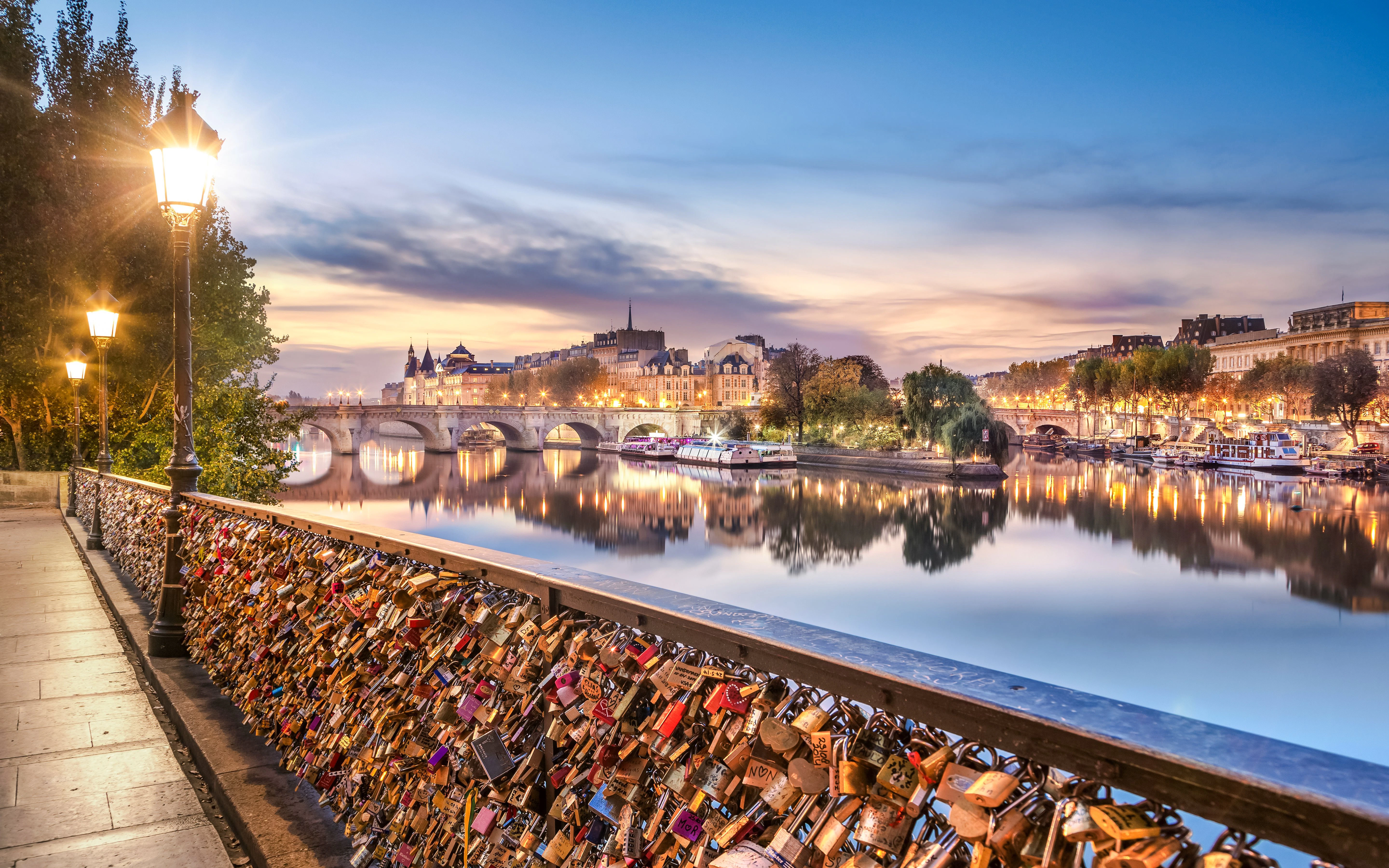
Pont des Arts and Seine route
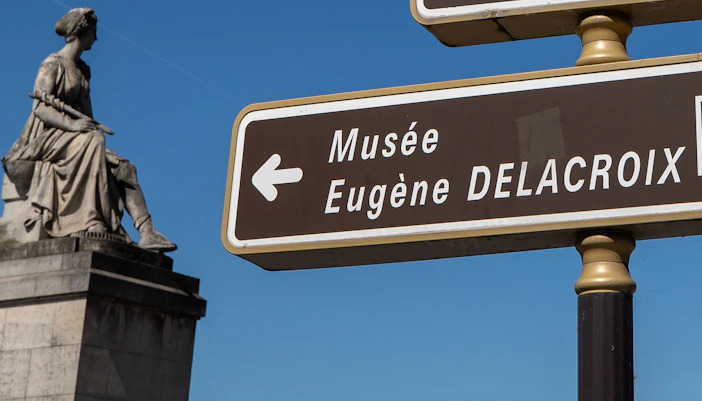
Musée Eugène-Delacroix and Rue Bonaparte
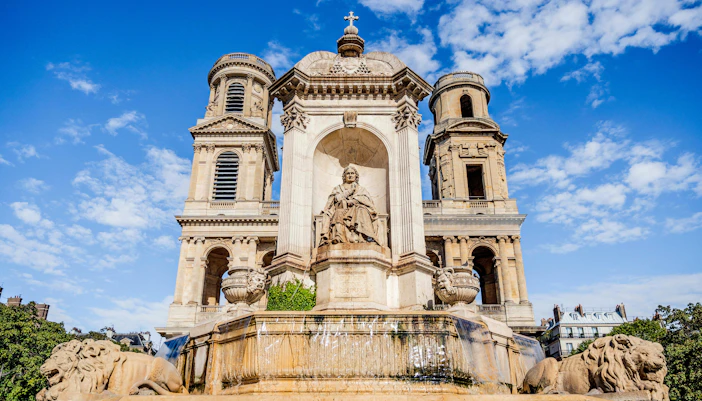
Saint-Germain-des-Prés near Louvre and Orsay
1/5

Postwar café culture still sits in the middle of the neighborhood

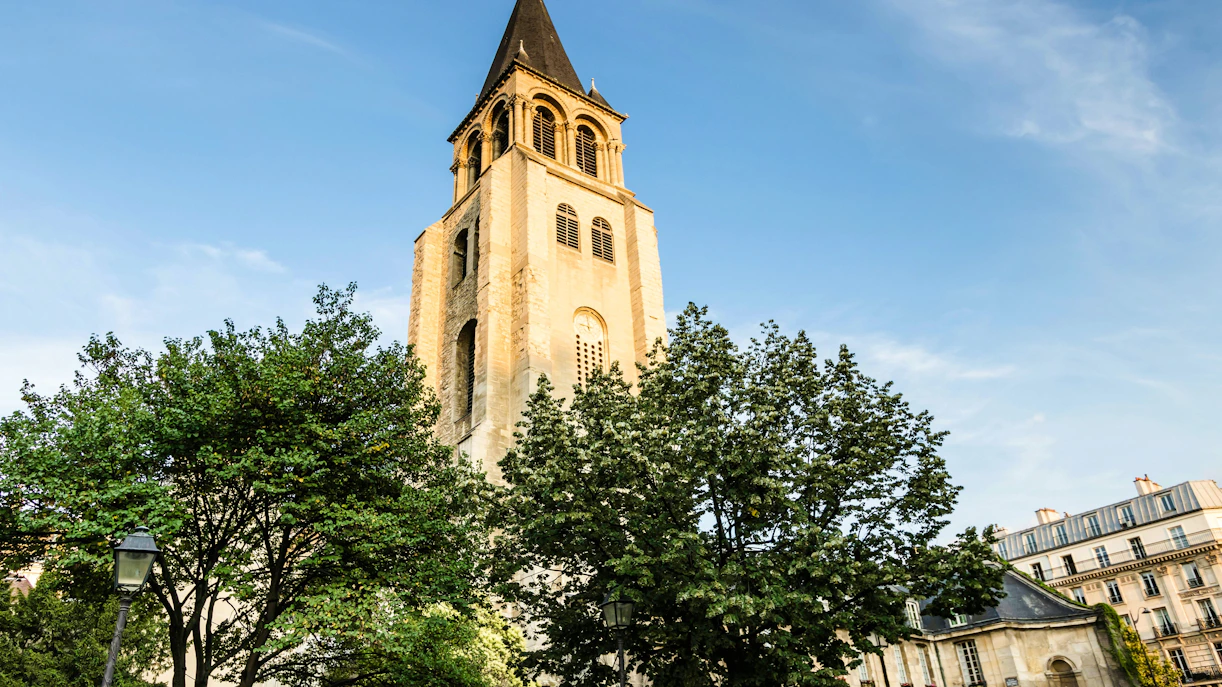
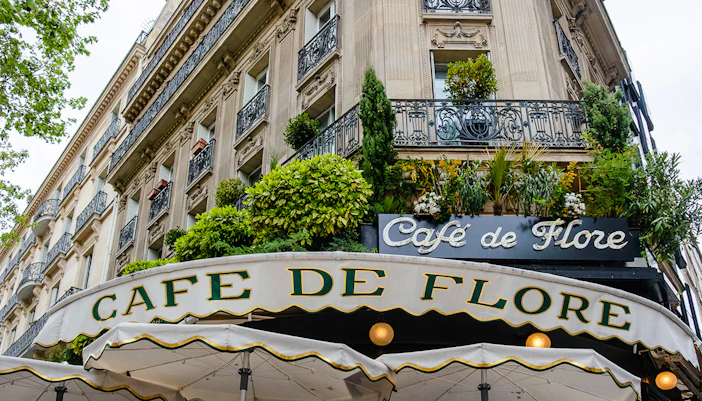
Café de Flore and Les Deux Magots are not background scenery here; they are the clearest trace of the writers, editors, and philosophers who made Saint-Germain-des-Prés central to Left Bank life. You can still sit facing the same square, same church, and same boulevard that defined the area’s café culture.

Major sights are linked by short, readable walks

From Église de Saint-Germain-des-Prés, you can reach Pont des Arts in about 10 minutes, Saint-Sulpice in around 10 minutes, and the Louvre in roughly 15 minutes. That makes this a good area for visitors who want less transport and more walking between real stops.

The Seine gives you a built-in route through the area

Quai Malaquais and Pont des Arts make orientation simple: river north, café streets south, museum district west, Île de la Cité east. If you like neighborhoods that make sense on foot, this one does.

Small-scale art stops break up the bigger-name monuments

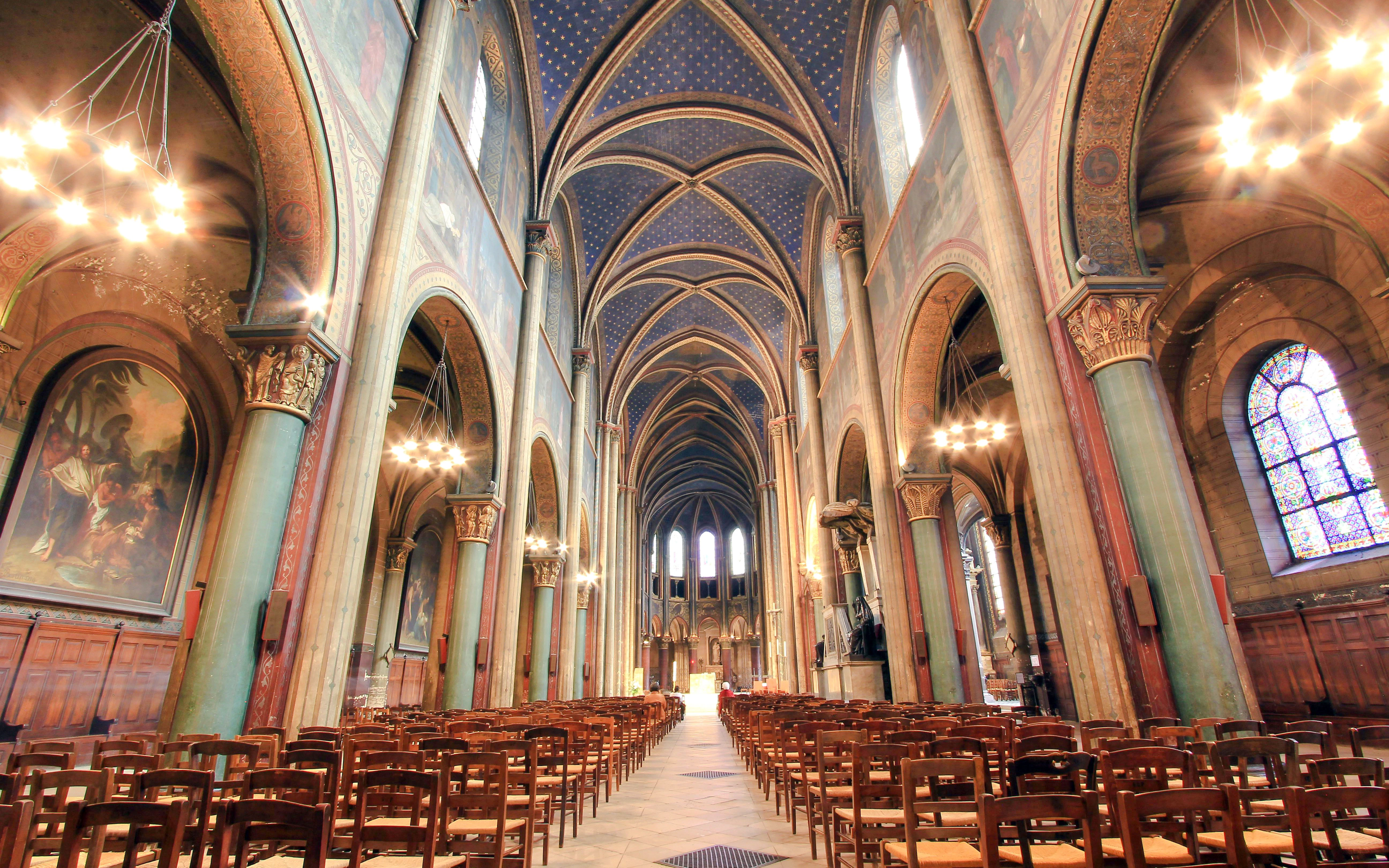
Musée Eugène-Delacroix, Place de Furstemberg, church interiors, galleries on Rue Bonaparte, and bookshops around Odéon give you more than one headline stop. You can build a half day here without spending all of it in one queue.

It works well with nearby museum days

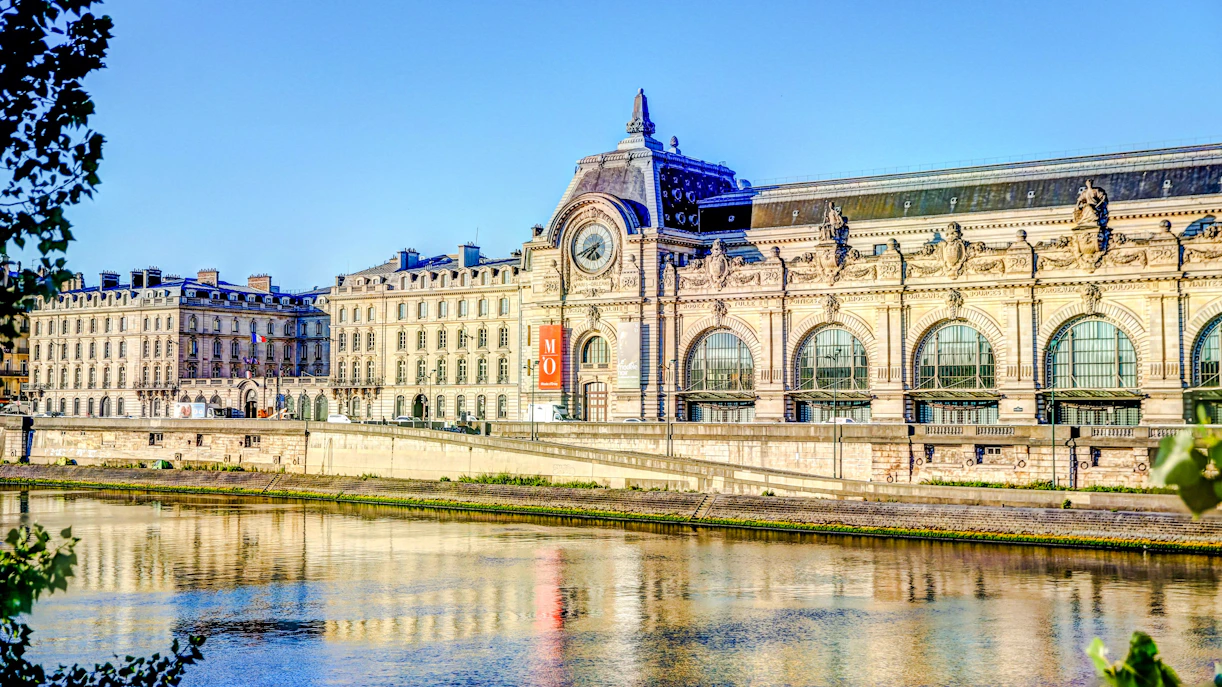
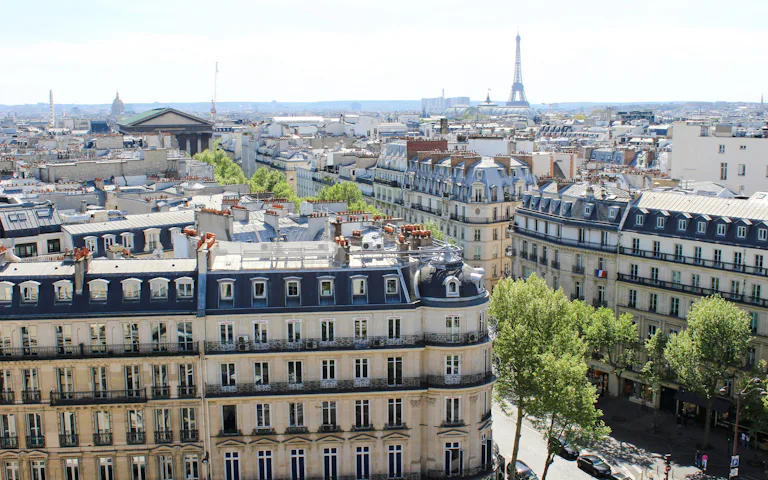
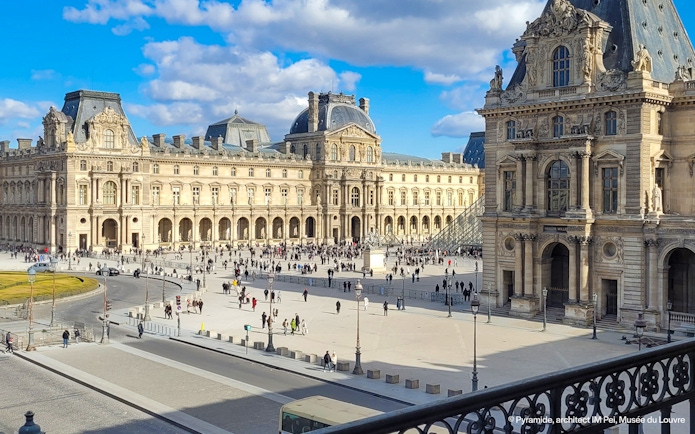
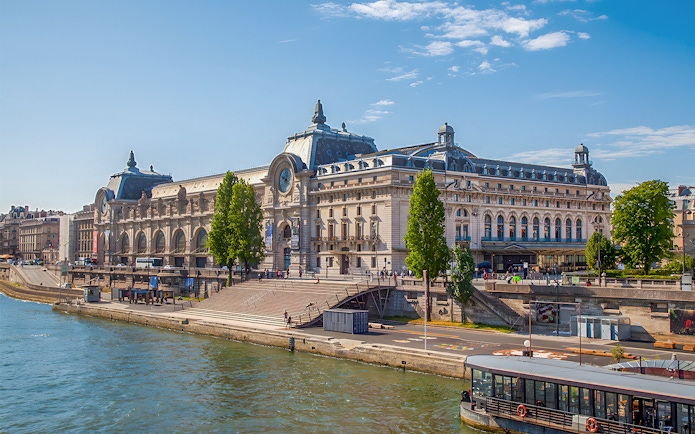
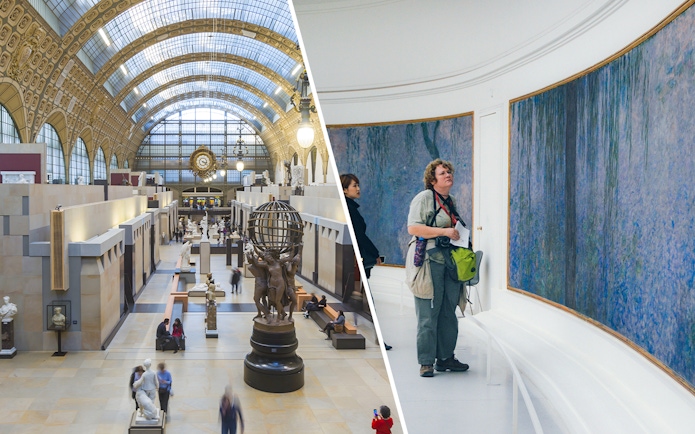
Saint-Germain-des-Prés sits between the Louvre, Musée d’Orsay, Notre-Dame, and the Panthéon. If your Paris plan already includes those, this neighborhood works as the café, lunch, river-walk, and between-museums part of the day.

Best ways to explore Saint-Germain-des-Prés

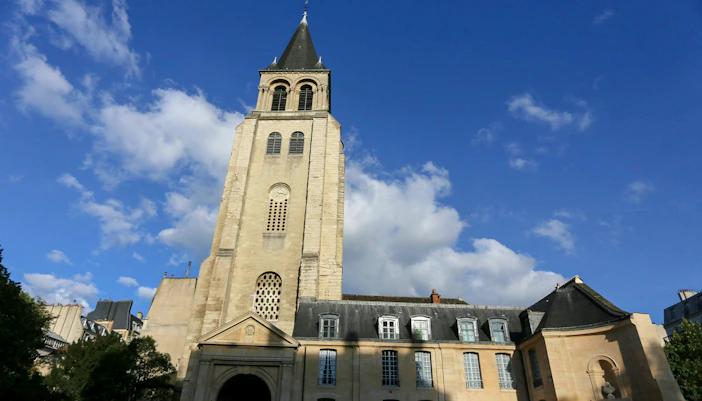
A good walk here should cover Église de Saint-Germain-des-Prés, Place de Furstemberg, Rue Bonaparte, Pont des Arts, and the literary café terraces on Boulevard Saint-Germain. The neighborhood is compact enough that a guide adds context rather than transport.

Plan your visit

Free things to do in Saint-Germain-des-Prés

Suggested itinerary for visiting Saint-Germain-des-Prés

Saint-Germain-des-Prés is easy to cover on foot because the main spine runs north-south between the river and Saint-Sulpice, with café streets branching off toward Mabillon and Odéon. You can keep the route efficient if you start near the church and move in one direction instead of looping back.

Tips for visiting Saint-Germain-des-Prés

  • Use Saint-Germain-des-Prés station if the church and café terraces are your priority, but use Mabillon if you want to start with Rue de Buci and Marché Saint-Germain. The wrong station adds an avoidable 10-minute loop at the start.
  • If you are pairing the area with the Louvre Museum, walk there over Pont des Arts instead of taking the metro. It takes about 15 minutes and gives you a better arrival than emerging in a crowded underground corridor.
  • For a cleaner viewpoint, stand on Quai Malaquais just off Pont des Arts rather than in the middle of the bridge. You get the river, bridge structure, and Louvre side in one frame with fewer people blocking it.
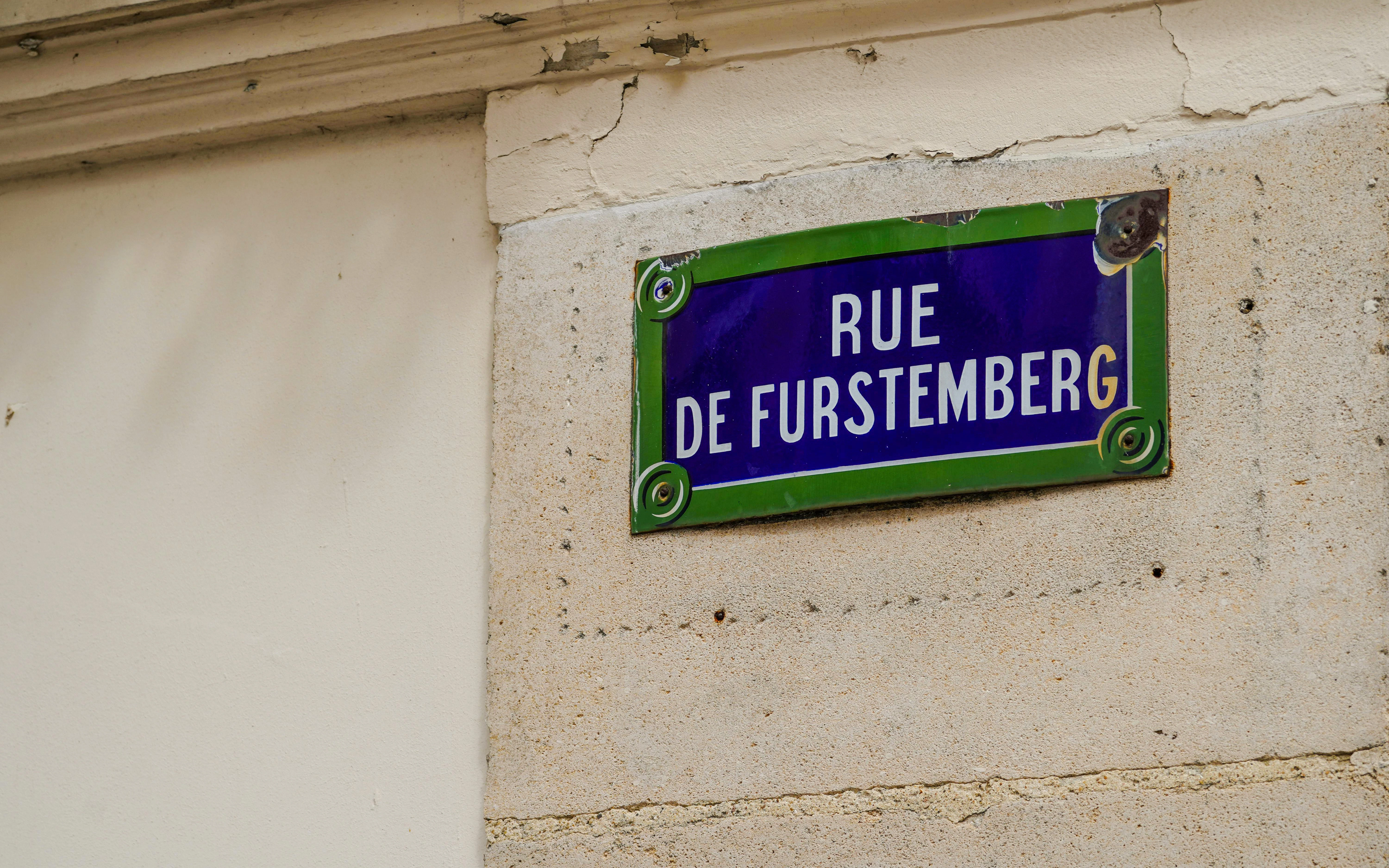
  • Place de Furstemberg is easy to miss because the entrance street is short and understated. Look for it off Rue de l’Abbaye or Rue Jacob, not from the boulevard.
  • Prices jump on the best-known corners of Place Saint-Germain-des-Prés. If you want lunch rather than a terrace experience, walk 5–7 minutes to Rue de Buci or the streets around Marché Saint-Germain for better value set menus.
  • Rue de Buci is at its hardest to navigate between about 12:30pm and 2pm, especially on weekends. Go before noon if you want to browse rather than queue.
  • If you want two museums in one day, the cleanest pairing from this neighborhood is Orsay Museum Reserved Access Tickets with Orangerie Museum Tickets. They are a short distance apart, and you avoid zigzagging across Paris.
  • If weather turns, switch from the river to smaller indoor stops: Église de Saint-Germain-des-Prés, Musée Eugène-Delacroix, or a timed Louvre Museum Pre-Reserved Entry Ticket all work better than lingering on the bridge in rain.

Best photo spots in Saint-Germain-des-Prés

Pont des Arts at blue hour

Pont des Arts facing west at blue hour

Stand near the Left Bank half of the bridge and angle north-west so the Louvre-side riverbank and Institut de France share the frame. Shoot after sunset when the stone embankments and boat lights read more clearly.

Place de Furstemberg in morning light
Quai Malaquais view toward Pont des Arts
Rue de l’Abbaye view of church tower
Art Nouveau metro entrance near Saint-Germain-des-Prés

Dining in Saint-Germain-des-Prés

Must-eat tip

If you only do one food stop, get pastries or macarons from Pierre Hermé Paris on Rue Bonaparte and eat them after a short walk to Place de Furstemberg instead of paying terrace prices on the main square.

Should you stay in Saint-Germain-des-Prés?

Short answer: Yes, if you want a central Left Bank base with café culture and easy walks to major sights. It suits couples, museum visitors, and travelers who value location over room size and price.

  • The vibe — Early mornings are quiet around Rue Jacob, Rue de l’Abbaye, and Place de Furstemberg, while evenings stay active around Rue de Buci, Odéon, and the big boulevard terraces. It feels more polished than loud, except on the food-and-bar streets.
  • The logistics — Hotels here tend to be boutique properties, older buildings, and smaller rooms, with fewer budget options than the Latin Quarter. You are paying for a 6th arrondissement address, walkability, and restaurant density.
  • Who it’s for — This area works well for couples, return visitors, and anyone planning to split time between the Louvre, Orsay, and the Seine. It is a weaker fit for budget travelers, large families who need bigger rooms, or anyone who wants late-night club life on the doorstep.
  • Top recommendation — Look around Rue Jacob, Rue Bonaparte, and the smaller streets behind Place Saint-Germain-des-Prés for boutique hotels or serviced apartments. You stay close to the action without sleeping directly on the busiest café corners.

Explore other neighborhoods in Paris

Frequently asked questions about Saint-Germain-des-Prés

No. Saint-Germain-des-Prés sits mostly in the 6th arrondissement and is centered on Boulevard Saint-Germain, Rue Bonaparte, and the church square. The Latin Quarter is broader, more student-heavy, and stretches more clearly around the Sorbonne, Panthéon, and eastern Left Bank.