Fontainebleau vs Versailles

Planning a royal day trip from Paris often comes down to Fontainebleau vs Versailles- two storied palaces that shaped French history and style. Both promise gilded halls and grand gardens, but their scale, crowds, logistics, and opening patterns differ. Below, we compare them side-by-side so you can choose confidently (or fit both into one itinerary).

Quick comparison – Fontainebleau vs Versailles

FeatureFontainebleauVersailles

Location

Fontainebleau (≈55 km SE of Paris)

Versailles (≈20 km SW of Paris)

Price

Palace ticket from €12 (adult)

Passport €24–€32 (seasonal); Palace ticket €21

What is it?

Royal residence for eight centuries; Renaissance → Empire interiors

Former royal court & seat of power under Louis XIV; vast ceremonial palace & estate

Built / Age

Medieval origins; major works 16th–19th c.

17th–18th c., expanded by Louis XIV

Size

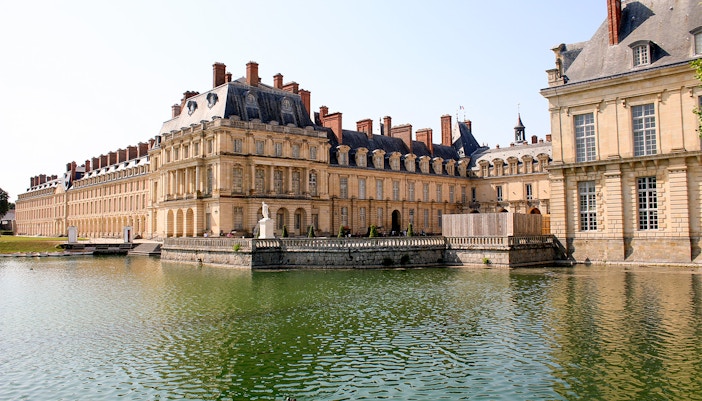
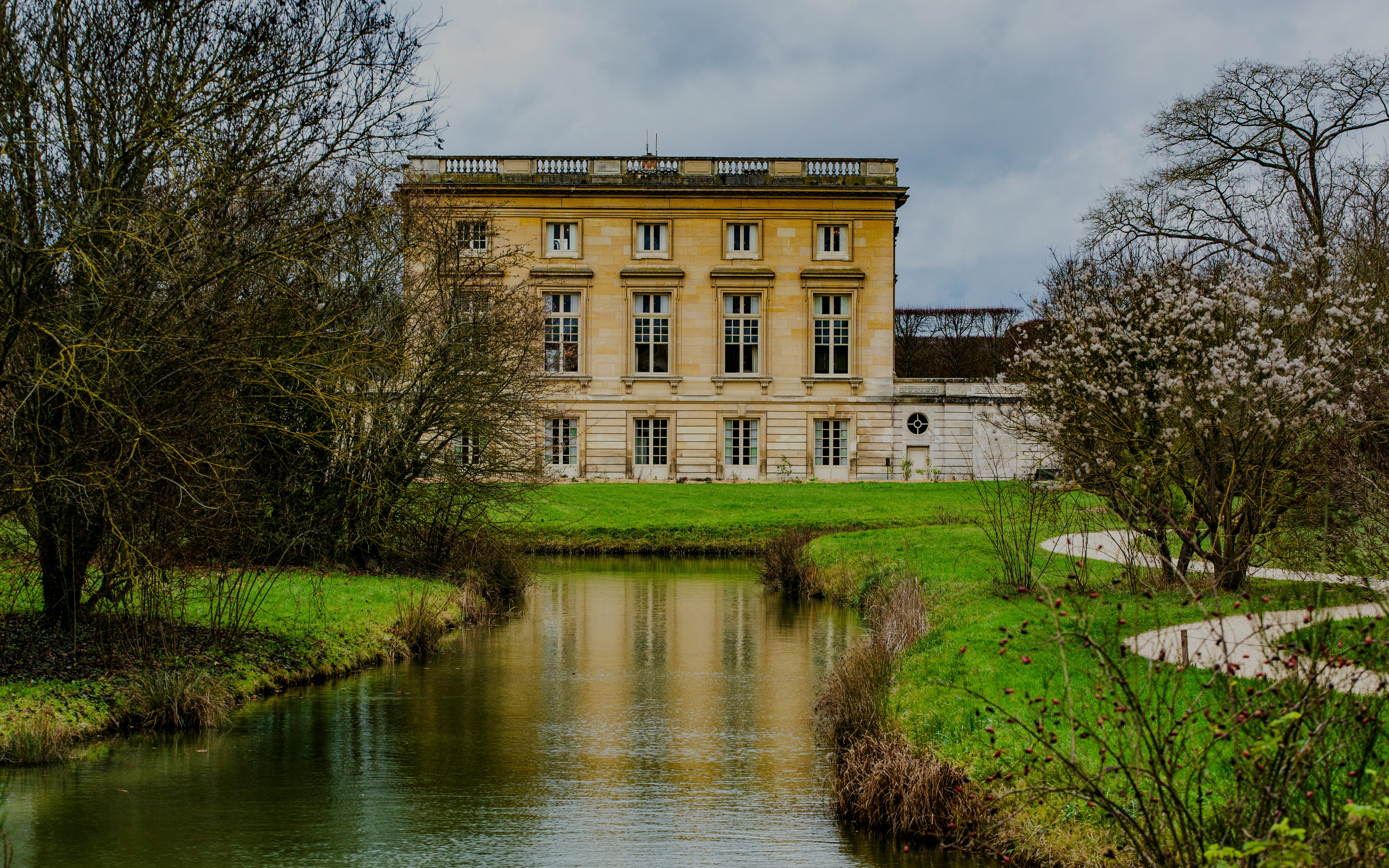
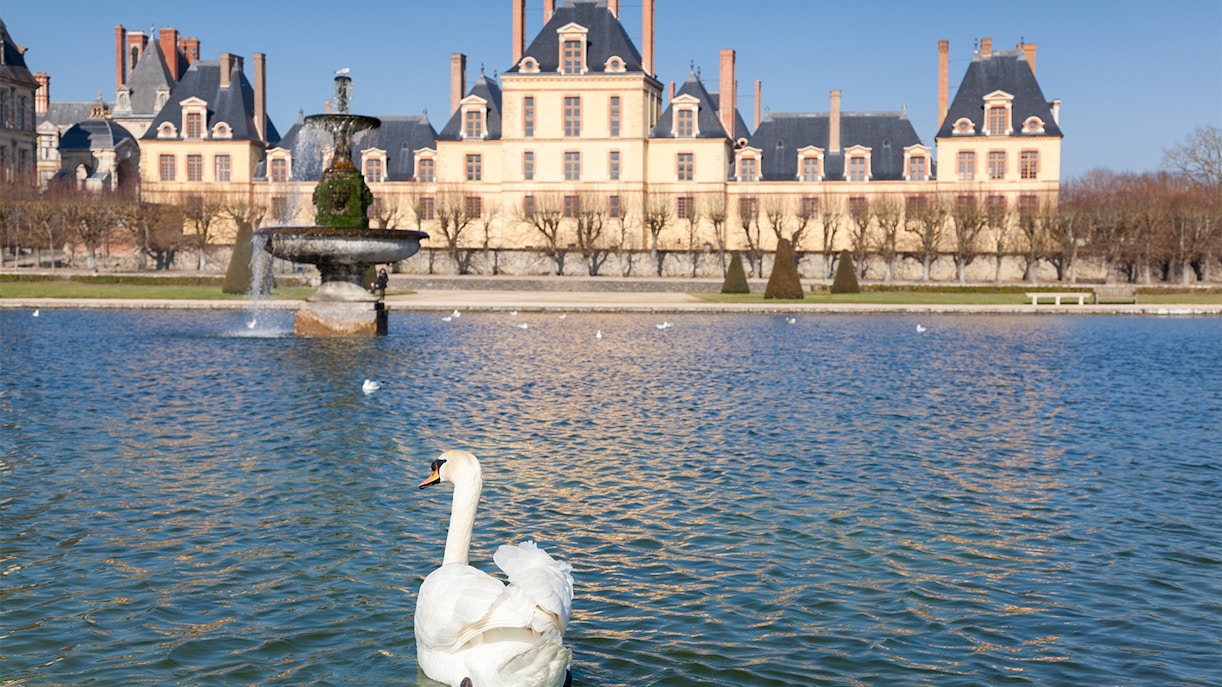
Large palace complex with three gardens and a carp pond

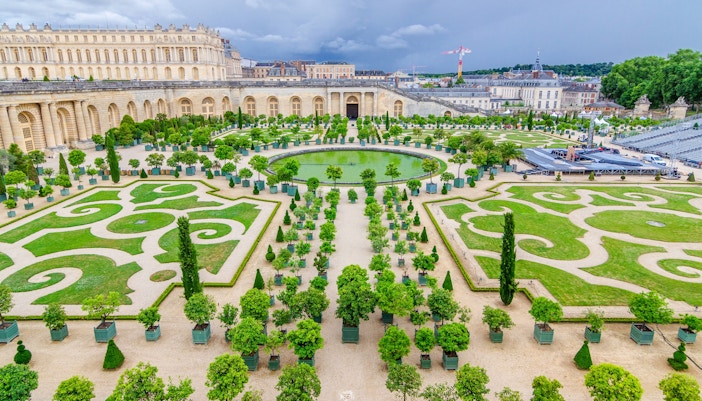
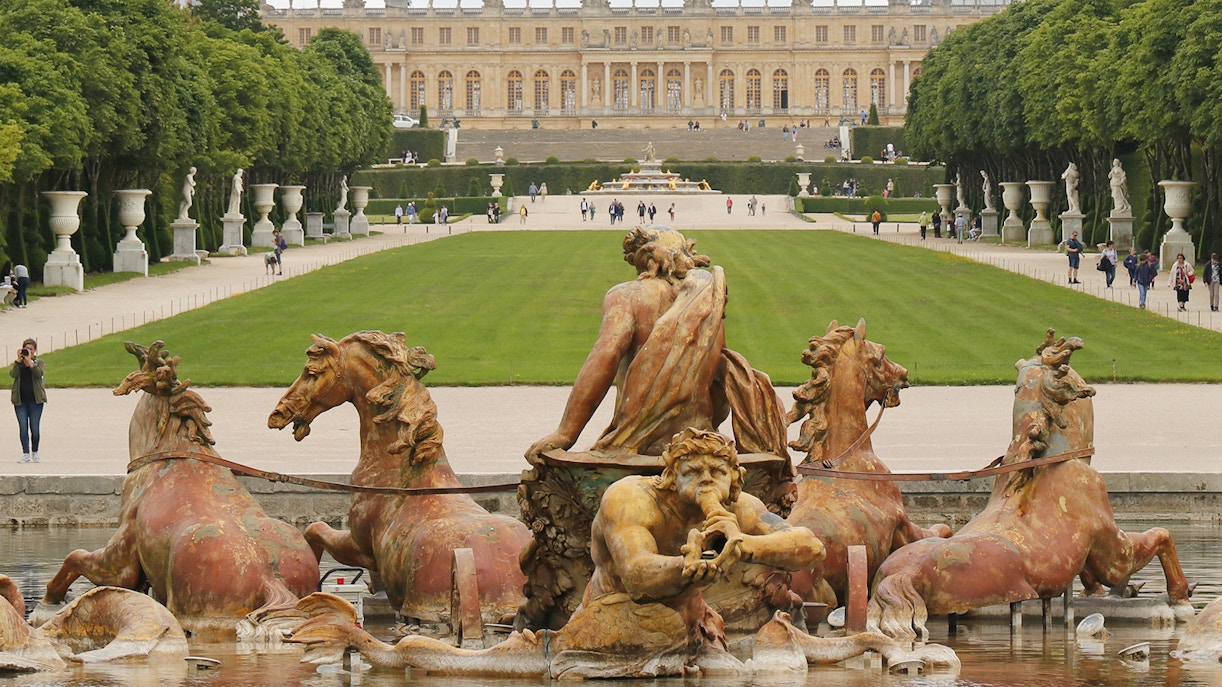
Enormous estate; palace + Grand/ Petit Trianon, Hamlet, 800-ha gardens & park

Timings

Palace open daily except Tuesday; hours vary by season

Closed Monday; seasonal hours (longer Apr–Oct)

Duration needed

2.5–4 hours in the palace; more with gardens/forest

3–6+ hours if adding Gardens/Trianon; 1.5–2 hours for Palace only

Queues / Waits

Short-to-moderate outside peak weekends

Long queues; time-slot booking strongly advised

Best time to visit

Weekday mornings; year-round

Mornings; avoid Musical Fountains peak if you dislike crowds

Accessibility

Step-free routes with assistance; adapted restrooms

Lifts, step-free access, adapted facilities; very busy circulation

Kid-friendly

Manageable size; town park & forest nearby

Spectacle gardens, boats/bikes; crowds may tire younger kids

Highlights

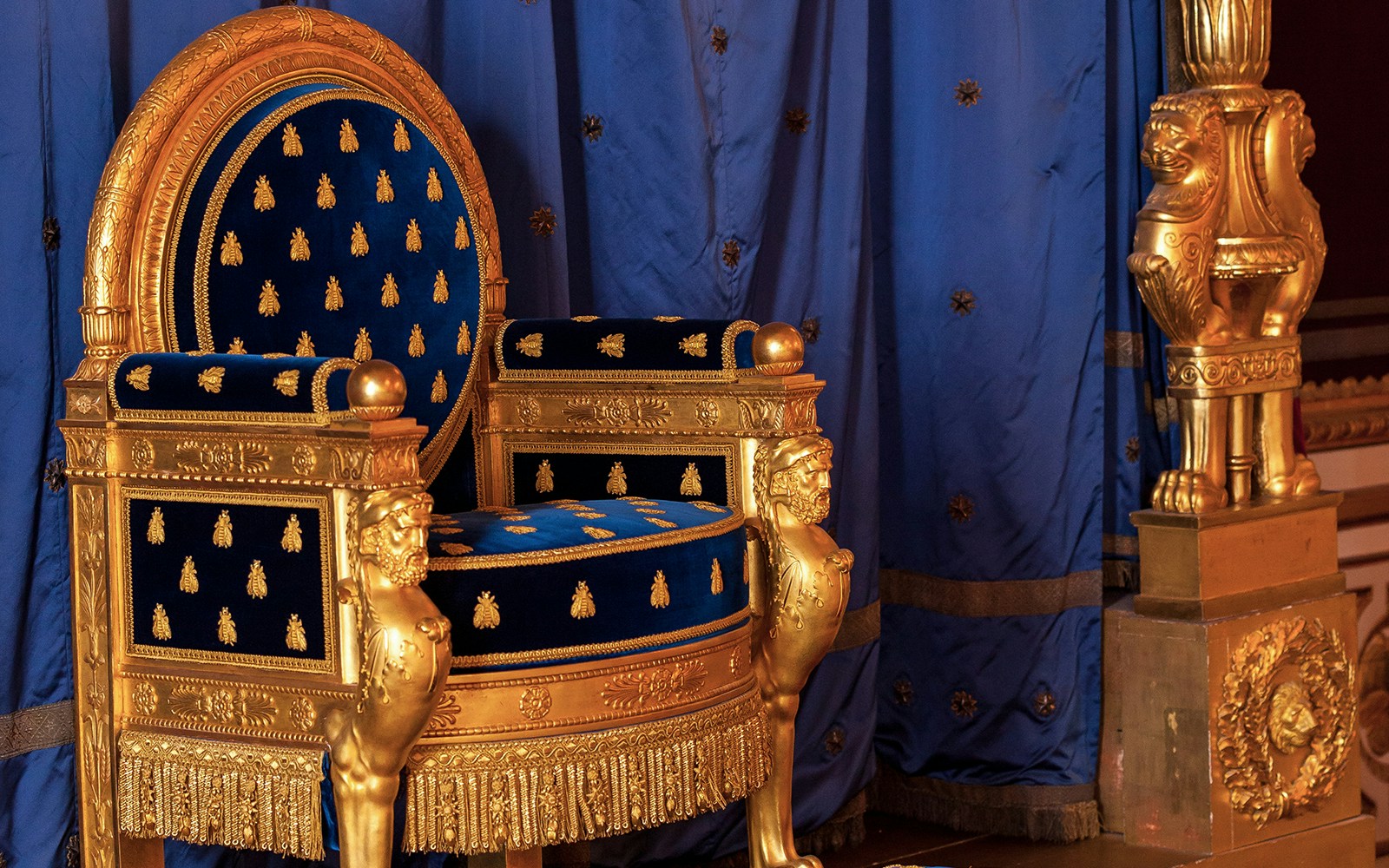
François I Gallery, Chapel of the Trinity, Napoleon’s Throne Room, Chinese Museum, Grand Parterre

Hall of Mirrors, State Apartments, Royal Chapel, Gardens & Grand Canal, Grand/ Petit Trianon, Queen’s Hamlet

Dining

On-site café; many restaurants in town

Multiple on-estate cafés/restaurants (e.g., Angelina, Ore – Ducasse)

Nearby

Fontainebleau Forest (hikes/bouldering), Barbizon artists’ village

Versailles market halls, Potager du Roi, town of Versailles

Verdict – Which should you visit?

Short on time or want France’s most iconic palace experience? Choose Versailles for the Hall of Mirrors and spectacle but book a timed entry and expect crowds. Prefer rich interiors without the crush (and a charming town/forest add-on)? Go for Fontainebleau. Have a full weekend? Do both - Versailles one morning, Fontainebleau the next day.

See both with one pass

Both châteaux are covered by major Paris city passes; Versailles usually requires a free timeslot booking and gardens fees apply on fountain days. Maximize value by reserving early and grouping your palace days.

Major differences between Fontainebleau and Versailles explained

History & architecture

Fontainebleau: A lived-in royal home for eight centuries, blending Renaissance, Baroque, and Empire styles—from the frescoed François I Gallery to Napoleon’s throne.

Versailles: Purpose-built theater of absolutism; grand enfilades culminating in the Hall of Mirrors, then extended with the Trianon estate.

Experience highlights

Fontainebleau: Intimate route through richly furnished apartments, imperial rooms, and the chapel; easy to add a stroll in the town and forest.

Versailles: Timed Palace entry, vast formal gardens, and optional Grand/ Petit Trianon and Queen’s Hamlet; Musical Fountains days add shows—and crowds.

Atmosphere & audience

Fontainebleau: Calmer, scholarly vibe; good for families who prefer depth over spectacle.

Versailles: Bucket-list energy; thrilling but busy. Arrive early or late afternoon to reduce queue stress.

Location & surroundings

Fontainebleau: Train from Paris Gare de Lyon to Fontainebleau-Avon, then local bus line 1 to the château; forest hikes and Barbizon nearby.

Versailles: RER C to Versailles-Château–Rive Gauche (or SNCF lines N/L) and short walk to the gates; lively town and markets.

When to visit

Fontainebleau: Open daily except Tuesday; hours shift by season—weekday mornings are relaxed.

Versailles: Closed Monday; longer hours Apr–Oct. Book a timed entry; expect more people on Musical Fountains days.

Other practicalities

Fontainebleau: Wheelchair-friendly routes with assistance; adapted restrooms. Café onsite; plenty of town dining.

Versailles: Lifts and accessible facilities across estate; many cafés and restaurants inside the grounds.

What you’ll see at Fontainebleau

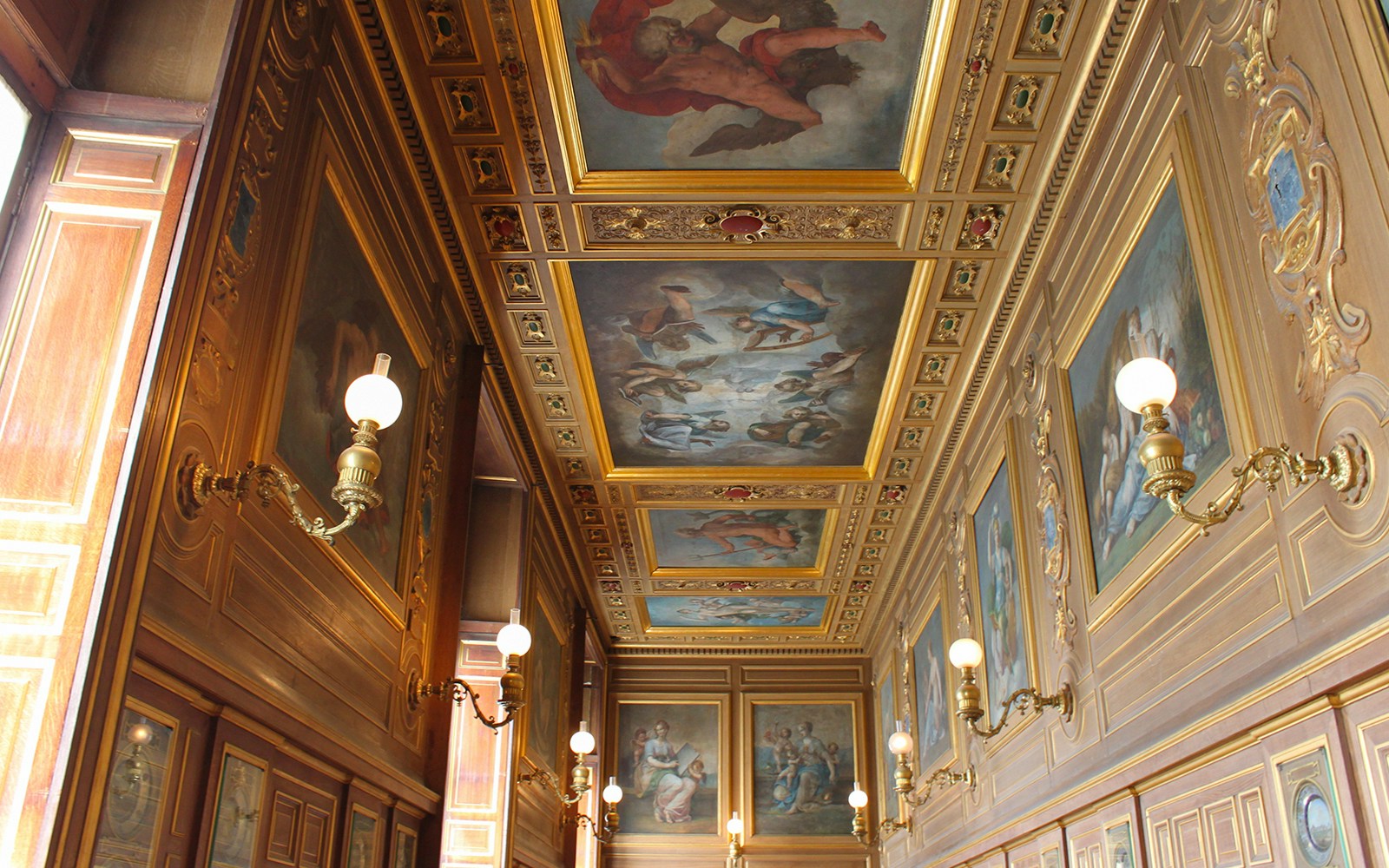
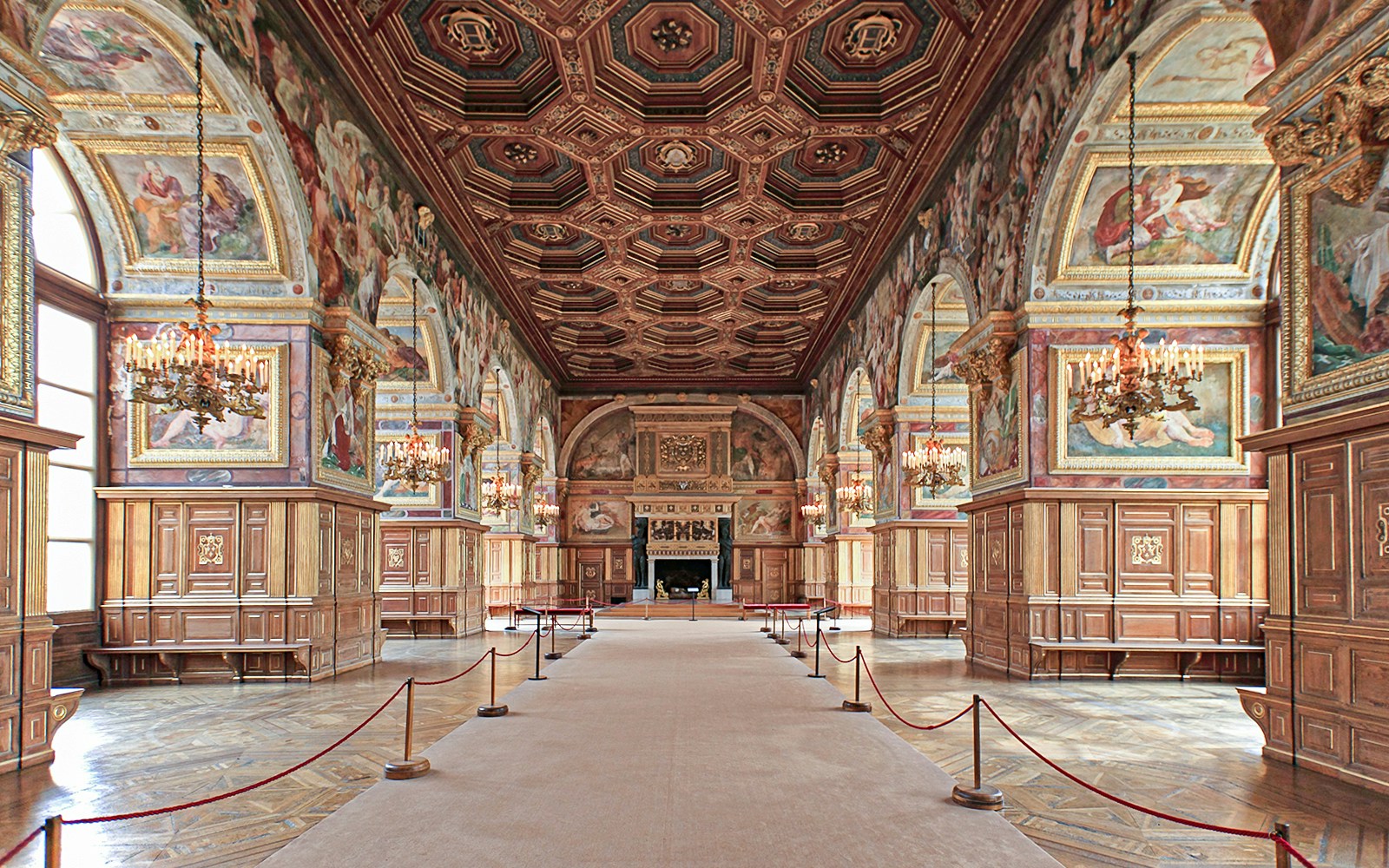
François I Gallery

Elaborate Renaissance stuccoes and frescoes celebrating the king’s power and taste.

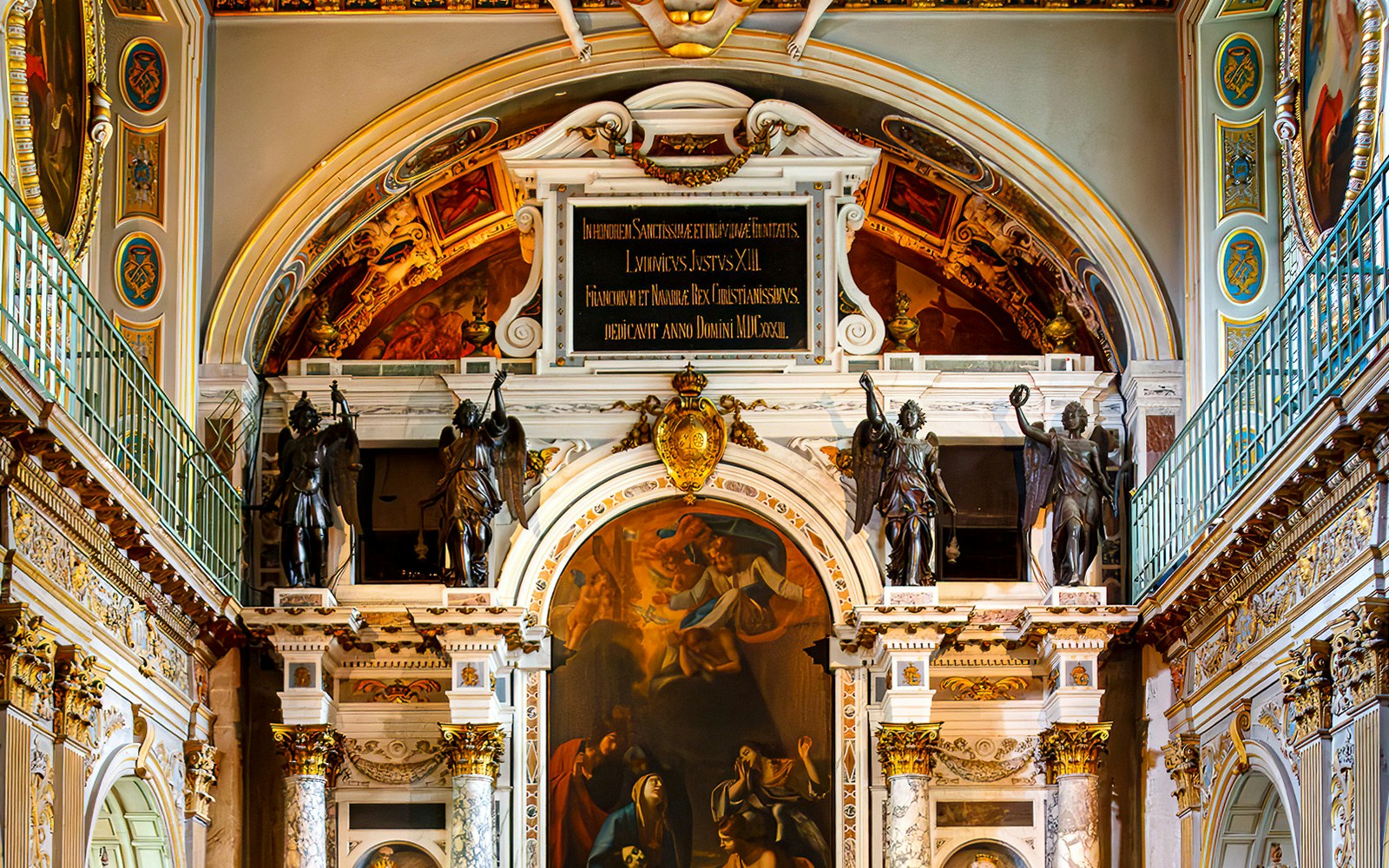
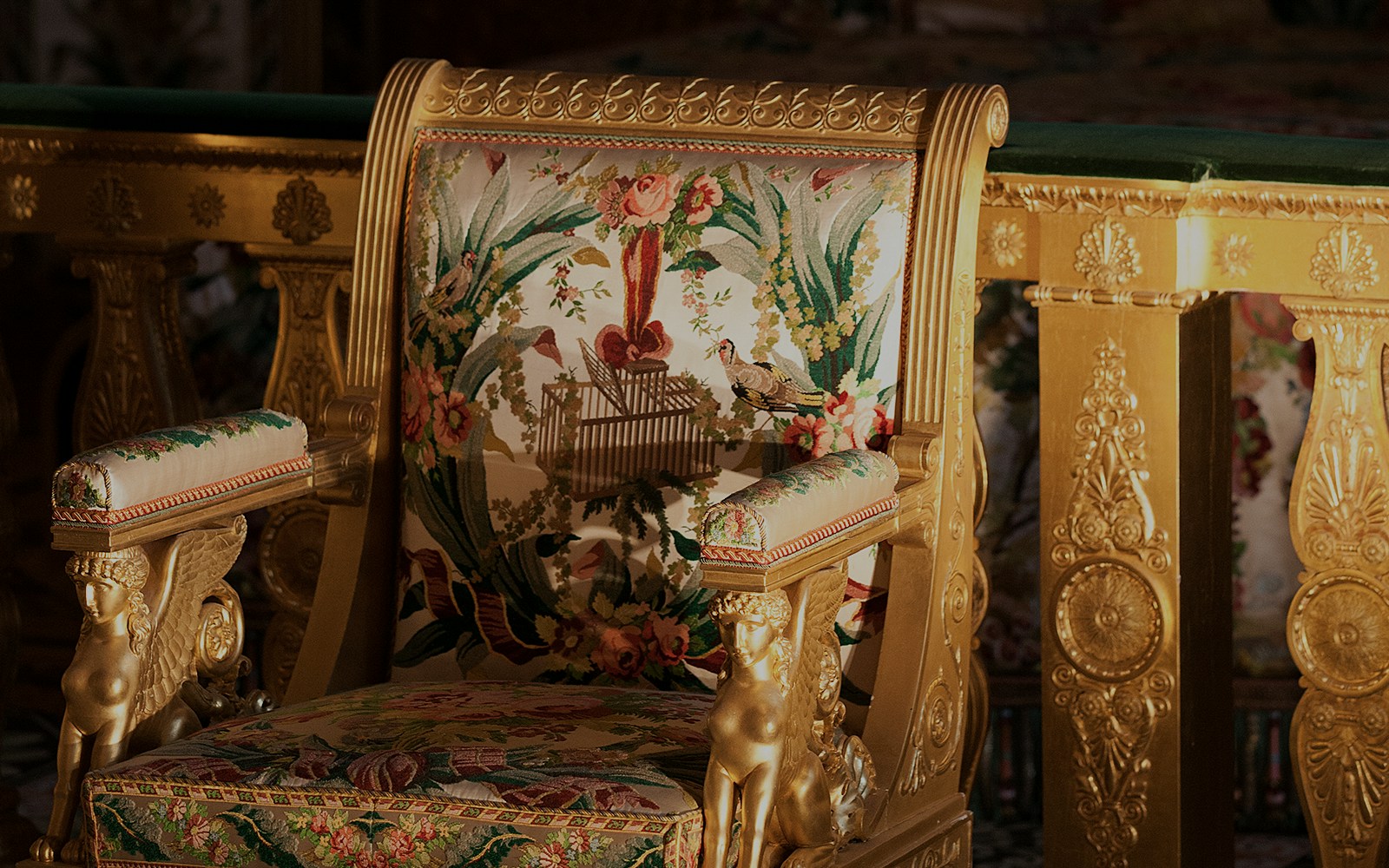
Chapel of the Trinity interior with ornate sculptures and paintings, Château de Fontainebleau.

What you’ll see at Versailles

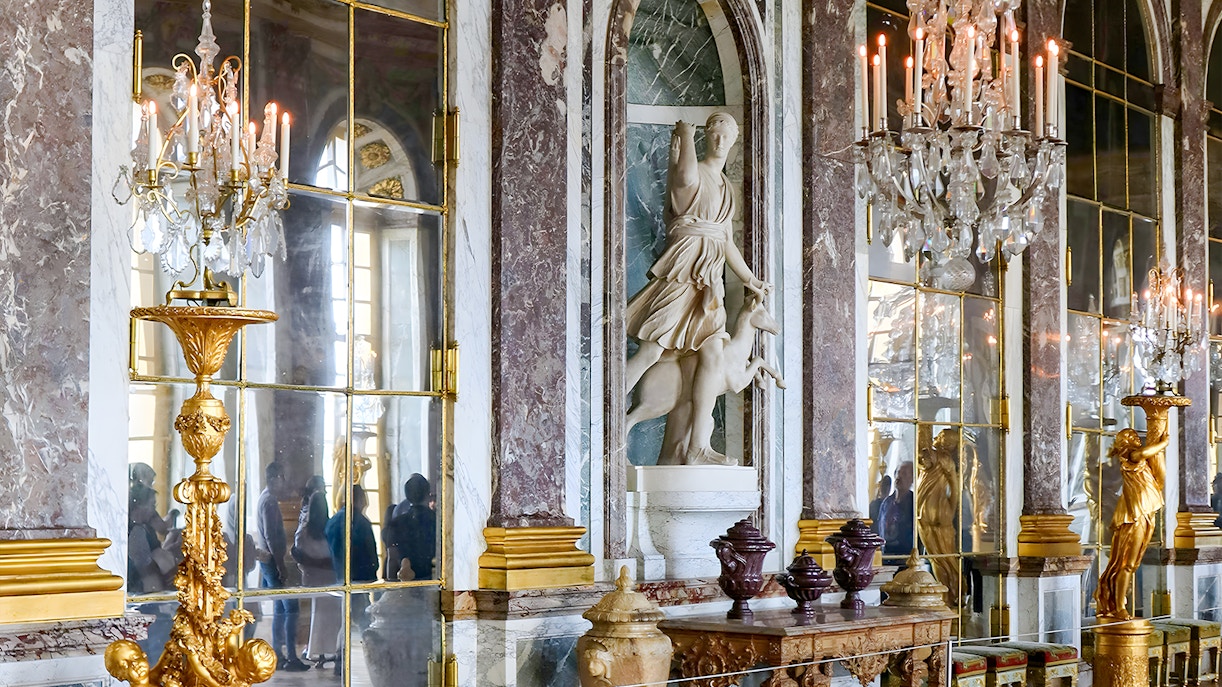
Hall of Mirrors in Versailles Palace with chandeliers and ornate decor.

Hall of Mirrors

Glittering gallery reflecting the gardens—centerpiece of court ceremony

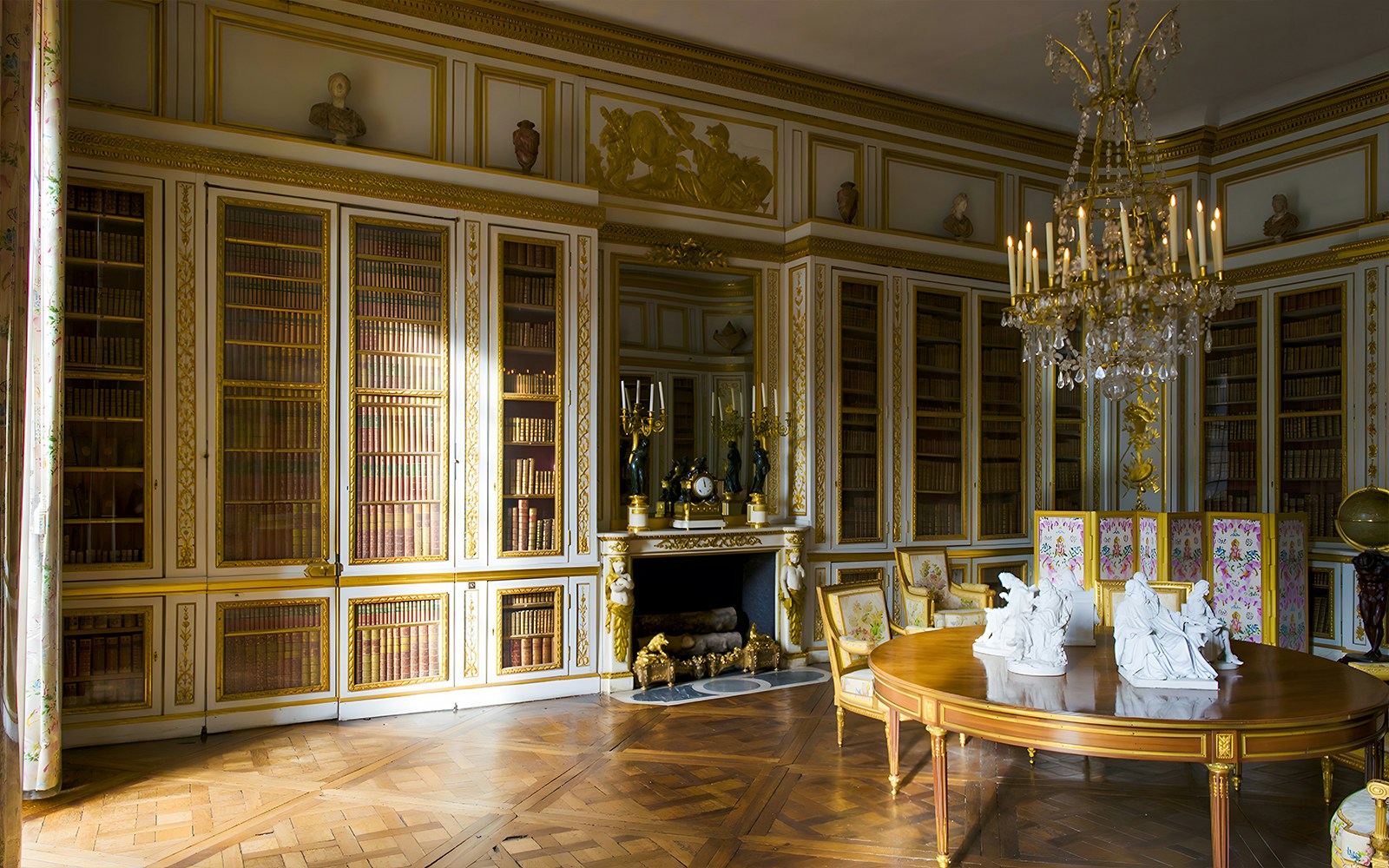
Louis XVI's Library in Versailles' King's Private Apartment with ornate bookshelves and chandelier.
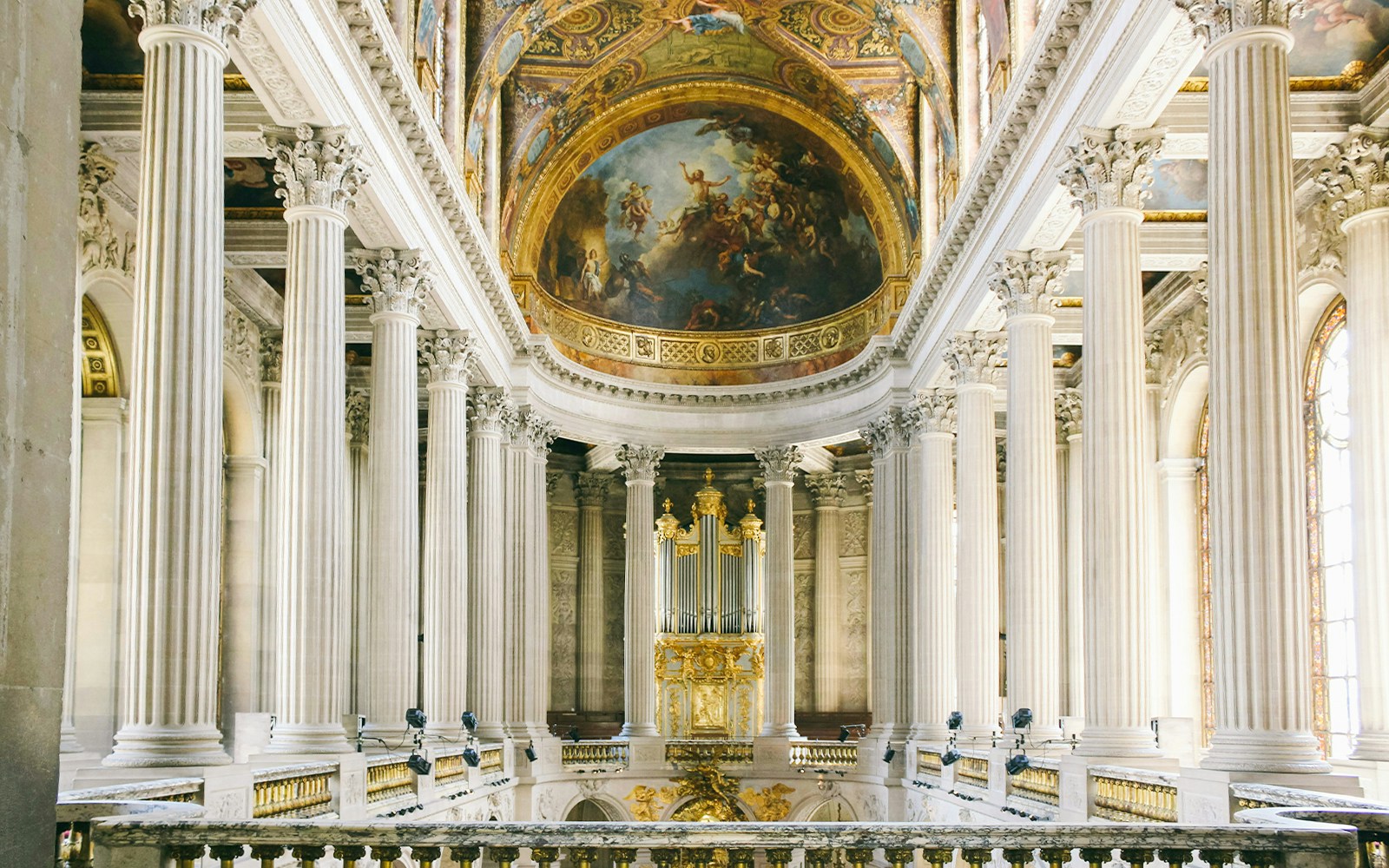
Royal Chapel of Versailles interior with ornate columns and painted ceiling.
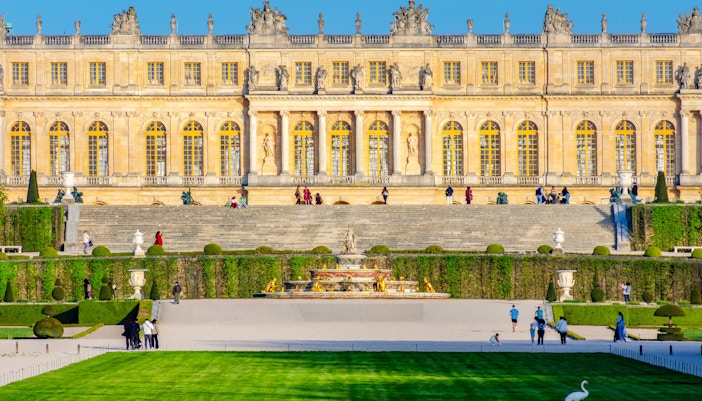
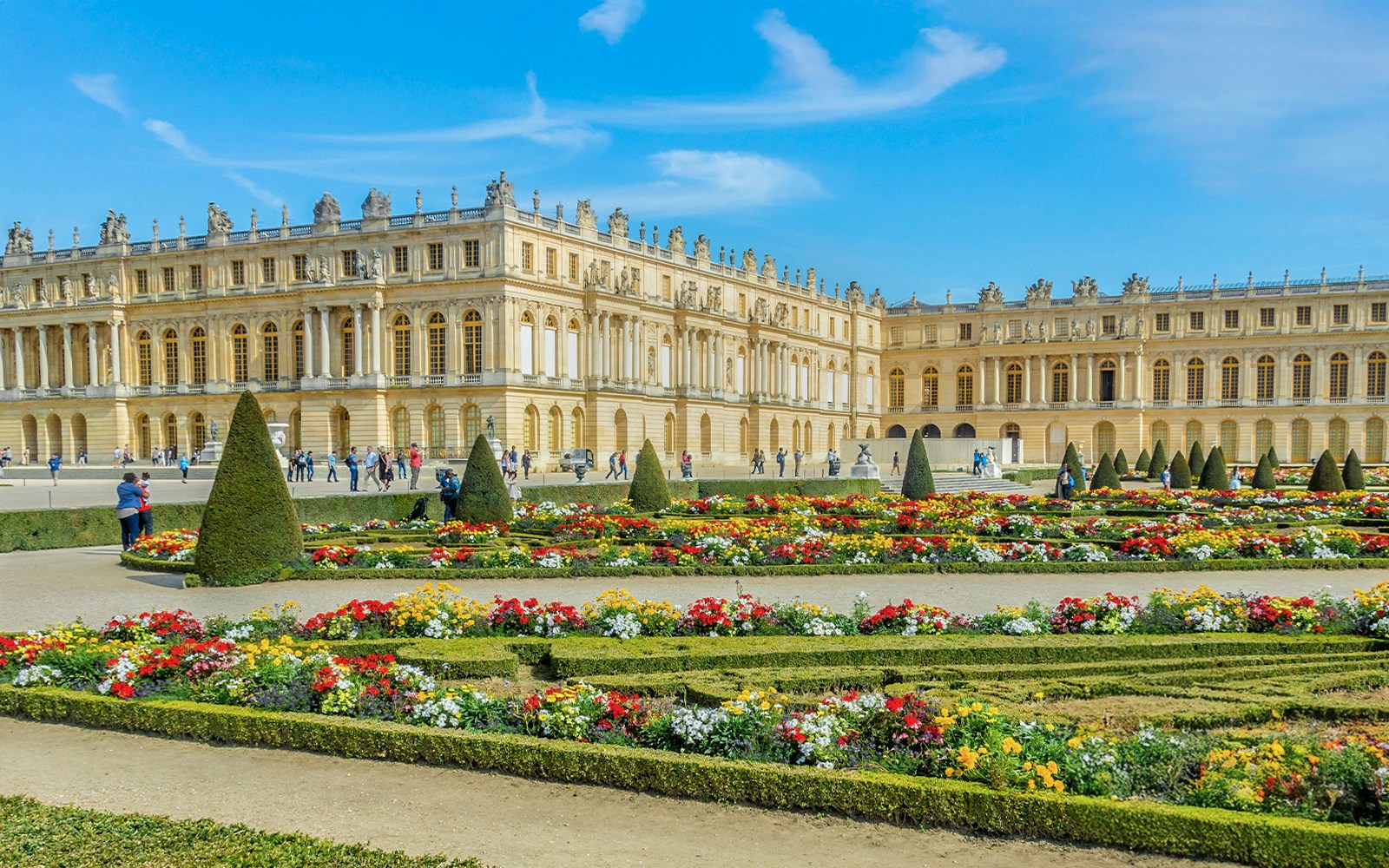
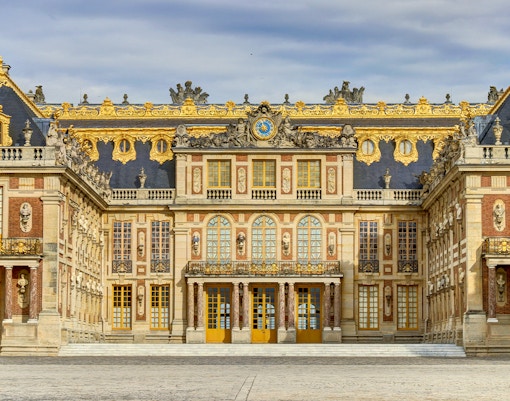
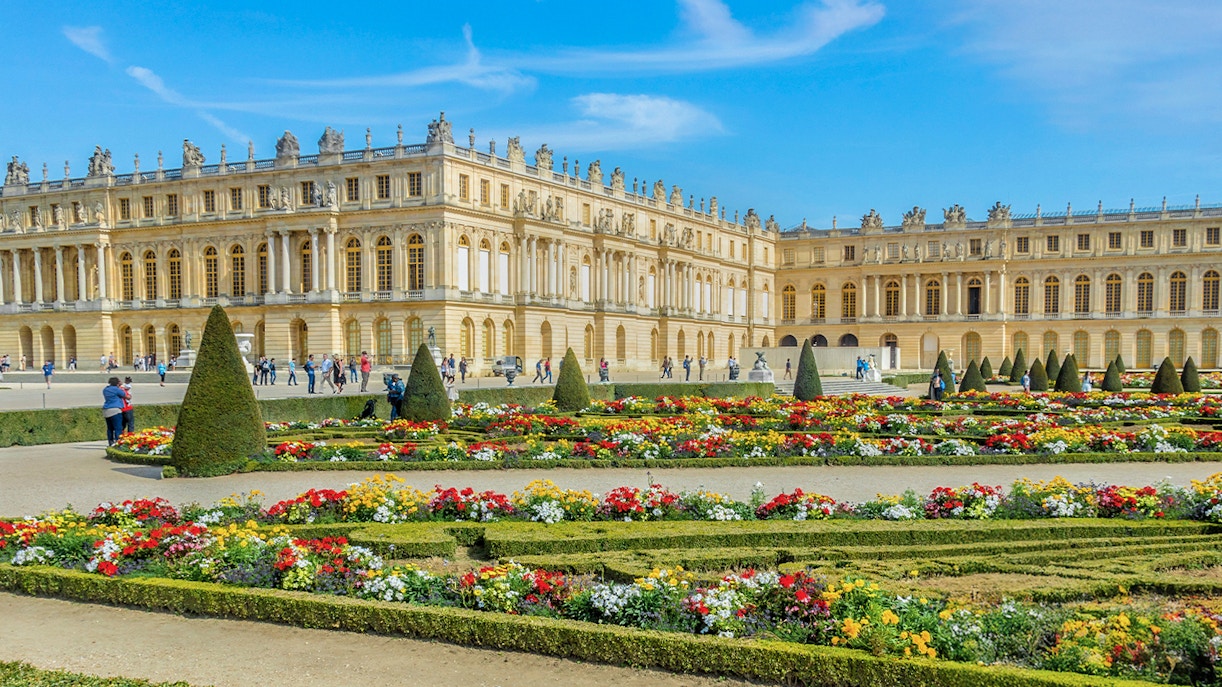
Palace of Versailles with ornate architecture and expansive gardens in France.

Visiting Fontainebleau and Versailles

  • Fontainebleau: Buy dated palace tickets from about €12 ; special guided tours access select spaces not on the free-flow route. Consider pairing with a forest or Barbizon visit for a full day.
  • Versailles: Choose a Passport (Palace + Trianon + Gardens; €24–€32 depending on date) or a Palace ticket (€21). Reserve a timed entry—especially Apr–Oct and on show days.
  • Doing both via combos/passes: Major city passes cover both sites, but Versailles’ gardens shows may require a separate garden ticket; always check your date. Timeslot reservations are often still required.
  • Independently: Realistic in two separate half-days (or two days). Attempting both in one day is possible but rushed—prioritize timed Versailles entry, then plan travel windows carefully.

Morning – Versailles (09:00–12:00)

  • By RER C: Alight at Versailles-Château–Rive Gauche; walk 10 minutes.
  • Tour the Palace first (timed entry), then sample the Gardens near the Parterres.
  • Optional: check if Musical Fountains are scheduled during your date.

Lunch (12:00–13:00)

  • Quick options inside the estate (e.g., Angelina tearoom) or in town near the market halls before returning to Paris.

Afternoon – Fontainebleau (14:30–17:30)

  • Train R from Paris Gare de Lyon to Fontainebleau-Avon, then bus line 1 to the château.
  • See the François I Gallery, Throne Room, and Chapel; finish with a garden stroll.

Evening (Optional)

  • Dine in Fontainebleau’s old town or head back to Paris for a late bistro reservation.

Fontainebleau

  • Address: Place du Général de Gaulle, 77300 Fontainebleau | Find on map
  • By train: Transilien R from Paris Gare de LyonFontainebleau-Avon; then Bus 1 to “Château”.
  • By car: A6 motorway (≈1 h; paid parking around the palace/park).

Versailles

  • Address: Place d’Armes, 78000 Versailles | Find on map
  • By RER/Train: RER C to Versailles-Château–Rive Gauche; or Line N (Montparnasse → Versailles-Chantiers) / Line L (St-Lazare → Versailles-Rive Droite).
  • By car: A13/A86; parking inside estate and in town.

How to get to Palace of Versailles

Palace of Fontainebleau:

  • Open daily 9:30 am – 5 pm (winter) and till 6 pm (summer); closed Tuesdays.

  • Last entry is about 45 minutes before closing.

Palace of Versailles:

  • Palace open 9 am – 5:30 pm (winter) and till 6:30 pm (summer); closed Mondays.

  • Gardens open daily, with late closures during fountain show season.
    Versailles opening hours

Duration needed & best time to visit

  • Fontainebleau: 2–3 hours. Best on weekdays for a quieter experience.

  • Versailles: 3–5 hours. Arrive early morning to avoid peak tour crowds, especially in summer.

  • Pick your palace by vibe: Versailles dazzles with scale and ceremony; Fontainebleau excels in layered interiors and a quieter visit.
  • Time-slot savvy: Versailles time slots sell out; book first, then plan trains. Musical Fountains days increase crowds and garden fees.
  • Pack for walking: Versailles’ estate is huge—consider bike or boat rentals; Fontainebleau’s compact core still rewards comfy shoes.
  • Photography etiquette: Flash is restricted inside; respect cordoned areas and chapel services.
  • Accessibility check: Both offer step-free routes; Versailles is crowded—arrive early for easier elevator access.
  • Weather watch: Fountains/shows run in season and fair weather; winter visits are quieter with shorter hours.
  • Make it a theme day: Pair Fontainebleau with a forest walk or Barbizon; pair Versailles with the town’s markets and St-Louis quarter.

Frequently asked questions about Fontainebleau vs Versailles

Can you visit both in one day?

It’s possible but rushed. Prioritize a timed Versailles entry in the morning, then train to Fontainebleau-Avon for an afternoon palace tour. Two separate days feel far more relaxed.

Which is more budget-friendly?

Base ticketing is usually cheaper at Fontainebleau (from about €12). Versailles’ all-access Passport varies by date (€24–€32), with extra garden fees on show days.

Which is better for first-time visitors to France?

Versailles delivers the classic, big-ticket experience—Hall of Mirrors plus showpiece gardens. Fontainebleau suits travelers who prefer rich interiors and lighter crowds.

Which is better for kids?

Versailles’ gardens, boats, and lawns are great space to roam, but lines can be tiring. Fontainebleau is smaller and calmer, with a town park and forest nearby.

How far apart are they?

They’re on opposite edges of the Paris region—Versailles west, Fontainebleau southeast—so reaching both requires crossing Paris by train or car. Plan transfers carefully.

What if I only have time for one?

Choose Versailles for spectacle and iconic status; choose Fontainebleau for depth, serenity, and a less touristed feel.

Which has the better “wow” room?

Versailles’ Hall of Mirrors is unmatched for grandeur. Fontainebleau counters with the jewel-box François I Gallery and Napoleon’s Throne Room for history lovers.

Are both included in city passes?

Yes—major Paris passes cover these national monuments, but Versailles still requires a time-slot booking and gardens may cost extra on show days. Always check your date’s conditions.

How long do you need?

Allow 3–4 hours at Fontainebleau; 3–6 hours at Versailles if including Trianon and gardens.

Which is bigger?

Versailles spans a colossal estate—formal gardens and park around 800 hectares—dwarfing Fontainebleau’s grounds.