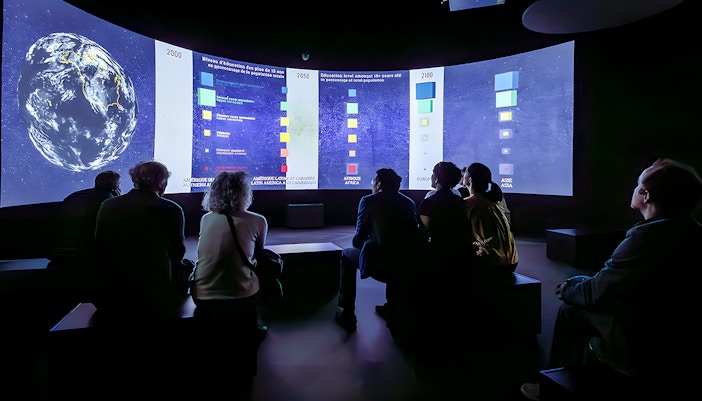
Science and Industry Museum visitor guide

The Science and Industry Museum (Cité des Sciences et de l’Industrie) is Paris’s biggest hands-on science museum, best known for its interactive exhibits, planetarium, and real Cold War submarine. This is not a quick museum stop: the building is large, the route isn’t naturally linear, and the visit works best when you plan around timed extras like the planetarium, Argonaute, and Cité des Enfants. Use this guide to sort out timings, tickets, entrances, and the smartest route before you go.

Quick overview: Science and Industry Museum at a glance

If you want the visit to feel easy rather than scattered, make your timing decisions before you arrive.

  • When to visit: Tuesday–Saturday: 10am–6pm; Sunday: 10am–7pm; closed Monday. Tuesday or Thursday before 11am is noticeably calmer than rainy weekends or French school-holiday afternoons, because family traffic builds around timed children’s sessions and indoor weather-proof plans.
  • Getting in: From €15 for standard entry, and from €19 for the exhibitions + Cité des Enfants combo; pre-booking is smart year-round because timed entry is managed and the best planetarium or Argonaute slots often disappear first.
  • How long to allow: 3–5 hours for most visitors. It pushes toward the longer end if you add the planetarium, Argonaute, and a full Cité des Enfants session.
  • What most people miss: The Solar Impulse airplane hanging in the main hall, and the Mediterranean aquarium, which is easy to rush past between bigger headline exhibits.
  • Is a guide worth it? Usually no for a general visit, because the museum is built for self-guided exploration, but a guided visit helps if you want a tighter route through the biggest halls without wasting time between timed activities.

🎟️ Planetarium and Argonaute slots for Science and Industry Museum can be gone by the day of your visit during French school holidays. Lock in your visit before the time you want is gone. → See ticket options

Jump to what you need

🕒 Where and when to go

Hours, directions, entrances and the best time to arrive

🗓️ How much time do you need?

Visit lengths, suggested routes and how to plan around your time

🎟️ Which ticket is right for you?

Compare all entry options, tours and special experiences

🗺️ Getting around

How the galleries are laid out and the route that makes most sense

🔭 What to see

Space Mission, Argonaute submarine, and the planetarium

♿ Facilities and accessibility

Restrooms, lockers, accessibility details and family services

Where and when to go

How do you get to the Science and Industry Museum?

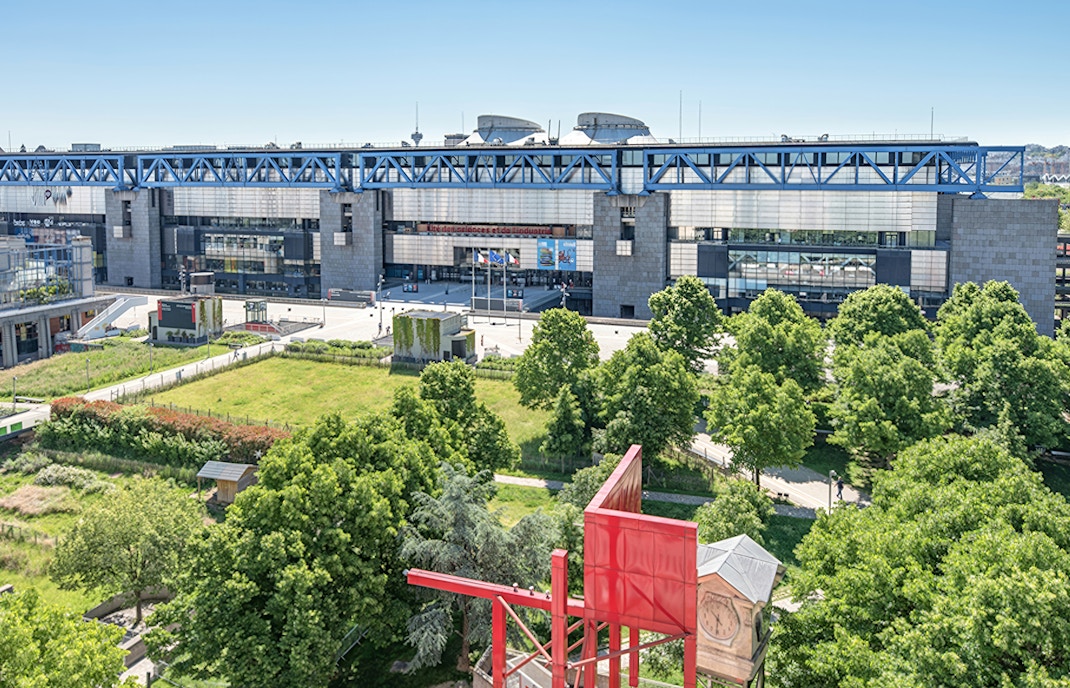
The museum sits inside Parc de la Villette in northeast Paris, right by Porte de la Villette and about 25 minutes from central Paris by Metro.

30 Avenue Corentin Cariou, 75019 Paris, France

→ Open in Google Maps

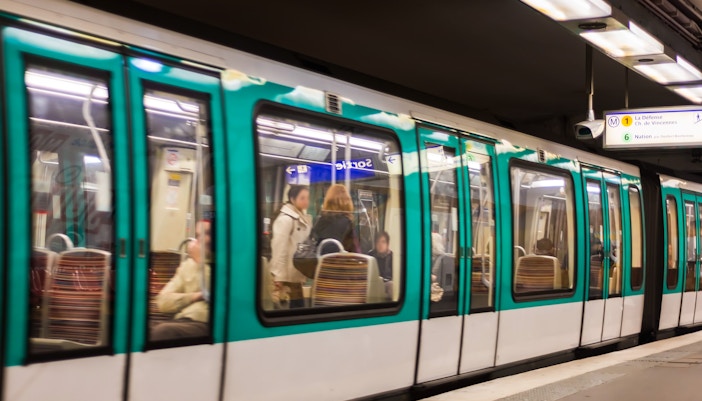
  • Metro: Porte de la Villette (Line 7) → 3-min walk → the simplest stop for the main museum entrance.
  • Metro: Corentin Cariou (Line 7) → 8-min walk → a good fallback if the Porte de la Villette platforms are busy.
  • Tram: Porte de la Villette (T3b) → 3-min walk → useful if you are already crossing northeast Paris.
  • Bus: Lines 71, 139, 150, 152 → Porte de la Villette stop → short walk into the Parc de la Villette complex.
  • Taxi / rideshare: Drop-off on Avenue Corentin Cariou → closest for families, but traffic around La Villette can slow things down.

→ Full getting there guide

Which entrance should you use?

The museum uses one main public entrance, and the biggest mistake visitors make is arriving with a valid ticket but no reserved plan for the planetarium, Argonaute, or children’s session.

  • Main entrance: Located on Avenue Corentin Cariou. Best for all visitors. Expect 5–15 min waits at opening and 20–30 min during French school holidays or rainy weekends.

→ Full entrances guide

When is Science and Industry Museum open?

  • Tuesday–Saturday: 10am–6pm
  • Sunday: 10am–7pm
  • Monday: Closed
  • Last entry: 1 hour before closing

When is it busiest? Wednesday afternoons, rainy weekends, French school holidays, and most of July–August are the hardest windows if you want quiet galleries or the widest choice of timed extras.

When should you actually go? Tuesday or Thursday mornings in school term give you the easiest run at Space Mission, the aquarium, and same-day timed reservations before family traffic thickens.

How much time do you need?

Visit typeRouteDurationWalking distanceWhat you get

Highlights only

Entrance → Space Mission → Solar Impulse → aquarium → exit

2–2.5 hours

~2km

You see the museum’s strongest visual set pieces and newest space content, but you will skip the planetarium, Argonaute, and most deeper permanent galleries.

Balanced visit

Entrance → Space Mission → Robots / BR4IN halls → aquarium → planetarium → Solar Impulse → exit

3.5–4.5 hours

~3.5km

This is the best first visit because it adds one timed experience and enough of the permanent collection to make the museum feel complete without turning the day into a marathon.

Full exploration

Entrance → major permanent halls → Space Mission → aquarium → planetarium → Argonaute → Cité des Enfants or extra temporary exhibits → gift shop → exit

5–6+ hours

~5km

You get the museum properly, including the timed extras that make it more than a regular science center, but it is a long indoor day and families usually need a meal break to keep the pace realistic.

Which Science and Industry Museum ticket is best for you

Ticket typeWhat's includedBest forPrice range

Exhibitions ticket

Timed museum entry + permanent exhibits + temporary exhibits + planetarium access by reservation + Argonaute access by reservation

A first visit where you want the main museum experience and are happy to plan your own route around timed extras

From €15

Exhibitions + Cité des Enfants ticket

Timed museum entry + permanent exhibits + temporary exhibits + Cité des Enfants session + planetarium access by reservation + Argonaute access by reservation

A family visit with a child aged 5–10 where skipping the children’s zone would leave the day feeling incomplete

From €19

Cité des Enfants ticket

Timed entry to Cité des Enfants only

A shorter outing built around the children’s play-and-learn zone rather than the full museum

From €15

Guided workshop or school visit

Timed entry + educator-led session or workshop + selected exhibition access

A visit where structure matters more than wandering, especially for school groups or topic-focused learning

How do you get around Science and Industry Museum?

Inside the museum

The museum is sprawling and multi-level rather than compact and linear, so it is easy to cover a lot of ground without noticing how much time you are losing between timed activities.

  • Level 2 / upper exhibition halls → headline temporary and large-format exhibits like Space Mission → budget 60–90 min.
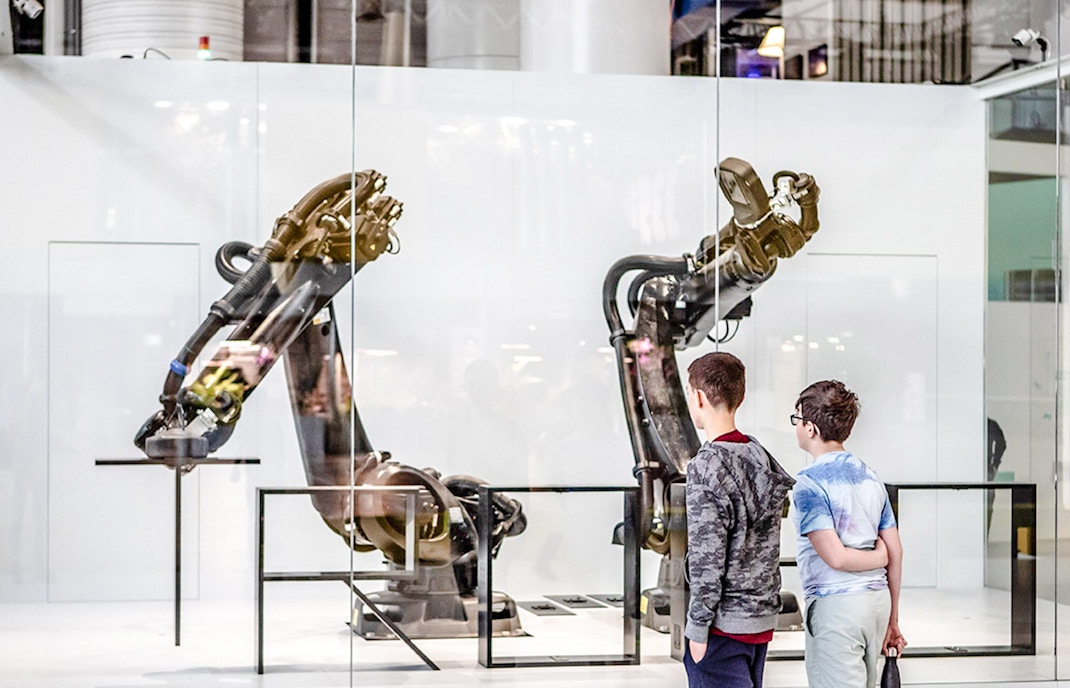
  • Main permanent halls → science galleries on topics like robotics, the brain, climate, and innovation → budget 90–120 min.
  • Aquarium area → short Mediterranean marine display → budget 15–30 min.
  • Outside by La Géode / docked zone → Argonaute submarine timed visit → budget 30 min.

Suggested route: Start with whichever timed extra is hardest to replace later — usually the planetarium or Argonaute — then do Space Mission while your energy is highest, and leave the aquarium for mid-visit because it is quick and works well as a reset.

Maps and navigation tools

  • Map: On-site visitor maps and online planning tools cover the main halls, timed attractions, and family areas; check them before arrival so you know where your reserved slot sits in the building.
  • Signage: Wayfinding is decent in French and English, but the scale of the museum still makes a downloaded plan worth it if you are trying to chain timed extras efficiently.
  • Audio guide / app: The aquarium offers a free QR-based audio guide, while most of the museum relies on labels, interactives, and staff help rather than a must-have full-building audioguide.

💡 Pro tip: Don’t wander first and reserve later — lock in the planetarium or Argonaute before you sink time into interactive halls, or you may spend the afternoon backtracking across the museum.

Get the Science and Industry Museum map / audio guide

Where are the masterpieces inside Science and Industry Museum?
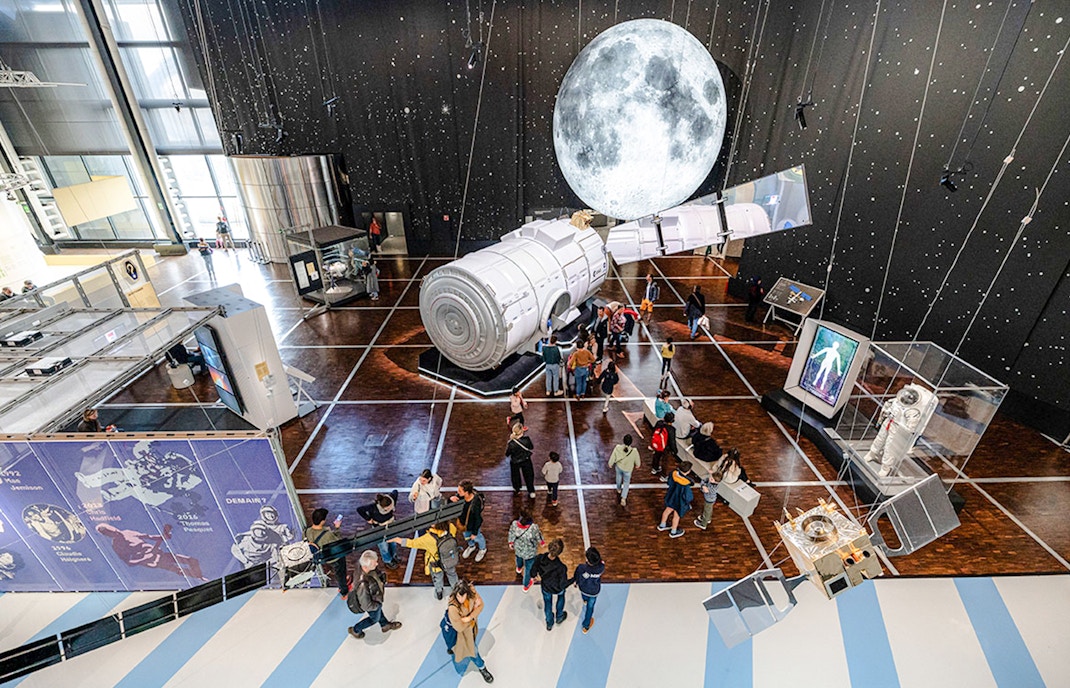
Space Mission exhibit at Science and Industry Museum
L’Argonaute submarine at Science and Industry Museum
Planetarium dome at Science and Industry Museum
Cité des Enfants play zone at Science and Industry Museum
Solar Impulse 1 airplane at Science and Industry Museum
Mediterranean aquarium at Science and Industry Museum
1/6

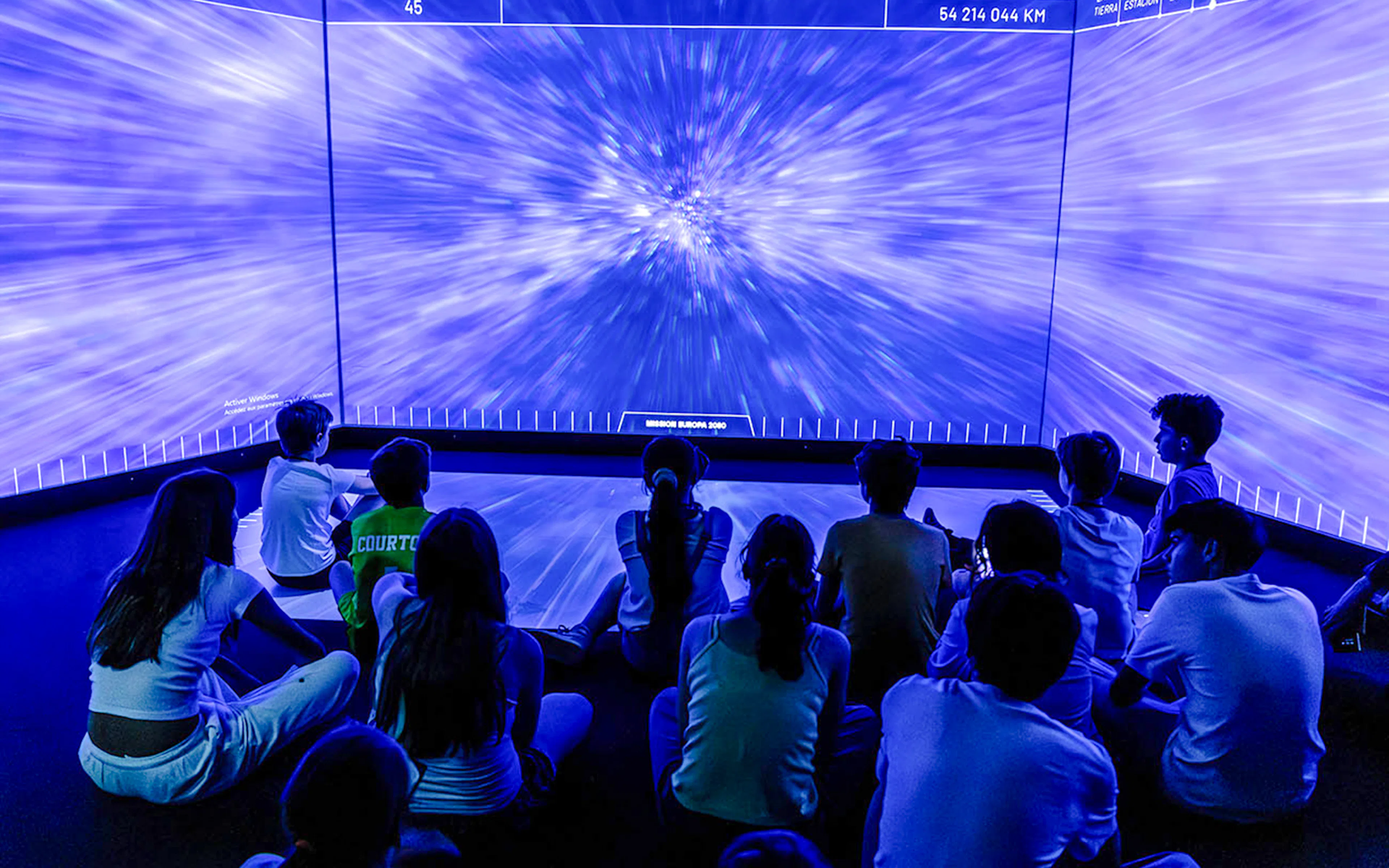
Space Mission

Attribute — Exhibit type: Immersive permanent space exhibition

This is the museum’s most ambitious recent gallery, built around the idea of putting you in an astronaut’s position rather than just showing space hardware in cases. It works well because the scale is bigger than most visitors expect, with mockups, simulations, and a five-part narrative that keeps adults engaged too. What people rush past is the sequence of technical and human challenges, which makes the later sections feel much smarter than a simple space display.

Where to find it: In the upper exhibition halls; it is one of the main destination exhibits and best tackled early in your visit.

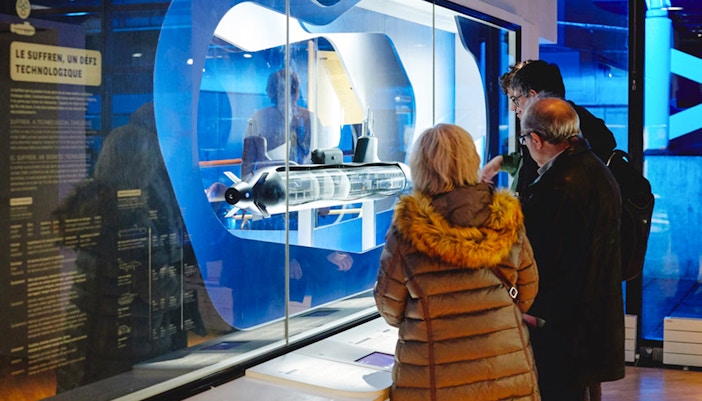
L’Argonaute

Attribute — Artifact / Era: 1958 French submarine

Walking through Argonaute gives you a completely different type of museum experience: tight corridors, cramped control spaces, and an immediate sense of how little room submarine crews had. Many visitors focus only on the novelty of going inside a real submarine, but the onboard material about ocean exploration is also worth slowing down for. It is easy to miss because it needs a timed slot and sits outside the normal flow of the main galleries.

Where to find it: Docked beside the museum near La Géode, accessed on a reserved timed visit.

Planetarium

Attribute — Experience type: 360° dome show

The planetarium is one of the strongest ‘sit down and reset’ moments in the building, especially if you are already 2 hours into a big museum day. The projection is the obvious draw, but what many visitors miss is how useful it is for pacing: it gives kids and adults a real break without wasting museum time. The most popular morning shows fill first, so it is often missed by people who arrive without a reservation.

Where to find it: Inside the museum complex in the dedicated dome theater area; book your seat for a specific time.

Cité des Enfants

Attribute — Experience type: Timed children’s science play zone

This is not a side room for kids — it is a major attraction in its own right, with themed zones built for play, testing, movement, and cooperation. Families who treat it as a quick add-on usually shortchange themselves, because the full 90-minute session is what makes it work. The easy thing to miss is that parents need to plan their whole day around its fixed session times.

Where to find it: In the museum’s family area, accessed on a reserved timed session for the relevant age group.

Solar Impulse 1

Attribute — Artifact type: Full-size solar-powered airplane

Solar Impulse is one of those museum pieces people admire for 20 seconds and then move on from, which is a mistake. Seeing the aircraft at full scale makes the engineering idea land in a way that photos do not, especially once you notice how light and delicate the structure looks for something capable of sustained flight. Because it hangs overhead in the circulation space, plenty of visitors literally pass beneath it without pausing.

Where to find it: Suspended in the main exhibition hall as you move between major galleries.

Mediterranean aquarium

Attribute — Habitat type: Marine tanks

The aquarium is short, but it gives the visit a welcome change of rhythm after lots of screens, interactives, and large galleries. Rays, sharks, and reef fish are the headline draw, but the best detail is the ‘surface to depth’ progression, which makes the route feel more thoughtful than a standard tank corridor. People often miss it because it looks like a side branch rather than a major stop.

Where to find it: In the museum’s marine display area, reached off the main exhibition route.

Facilities and accessibility

  • 🎒 Cloakroom / lockers: Lockers are available on-site, which matters if you are visiting with coats, kids’ gear, or a bag you do not want to carry through a long indoor route.
  • 🚻 Restrooms: Restrooms are available inside the museum, and baby-changing facilities are part of the family setup for longer visits.
  • 🍽️ Café / restaurant: There are cafés and eating options on-site, which makes it practical to stay for half a day or more without leaving the complex mid-visit.
  • 🛍️ Gift shop / merchandise: The museum has a science-focused bookstore and shop near the exit area, and it is one of the better places in Paris for STEM-themed gifts and activity books.
  • 🅿️ Parking: Parking is available in the wider La Villette area, but traffic around Porte de la Villette can be slow enough that Metro is usually the easier choice.
  • 🩺 First aid / medical station: Staffed support is available in a large public venue of this scale, so ask at reception if you need help during the visit.
  • ♿ Mobility: Most of the museum is wheelchair accessible with ramps and elevators, but Argonaute is not accessible because of its narrow submarine passageways and steep internal layout.
  • 👁️ Visual impairments: Many exhibits are tactile and interactive by design, which helps, but the museum still relies heavily on visual interpretation and large multimedia displays in several halls.
  • 🧠 Cognitive and sensory needs: The busiest and loudest zones are usually the children’s areas and the most hands-on galleries, so term-time mornings are the easiest window if you want a lower-stimulation visit.
  • 👨‍👩‍👧 Families and strollers: The main museum route works well with strollers, and baby-changing facilities help, but the submarine is too tight for strollers and needs to be skipped or planned around.

Science and Industry Museum is one of Paris’s strongest museum picks for children because the visit is built around doing, testing, climbing, pressing, and watching rather than standing back from objects.

  • 🕐 Time: 3–4 hours is realistic with young children if you prioritize Cité des Enfants, 1 major exhibition, and 1 timed extra instead of trying to cover the entire building.
  • 🏠 Facilities: Baby-changing rooms, lockers, cafés, and dedicated children’s zones make it easier to treat this as a proper family day rather than a quick museum stop.
  • 💡 Engagement: Book Cité des Enfants at the center of the day, not the end, because younger children usually burn energy best there and lose focus later in the larger galleries.
  • 🎒 Logistics: Bring a light layer and a small bag, reserve timed activities before arrival, and skip the submarine if anyone in your group dislikes tight enclosed spaces.
  • 📍 After your visit: Parc de la Villette right outside is the easiest post-museum decompression stop if children still need outdoor time.

Rules and restrictions

What you need to know before you go

  • Entry requirement: Timed entry is standard, and the planetarium, Argonaute, and Cité des Enfants work best when reserved in advance rather than left to chance on the day.
  • Bag policy: Use the on-site lockers if you are carrying extra layers or family gear, because this is a long, interactive museum visit and large bags get tiring fast.
  • Re-entry policy: Plan the day as one continuous visit, because stepping out can cost you the timing cushion you need for reserved extras later in the afternoon.

Not allowed

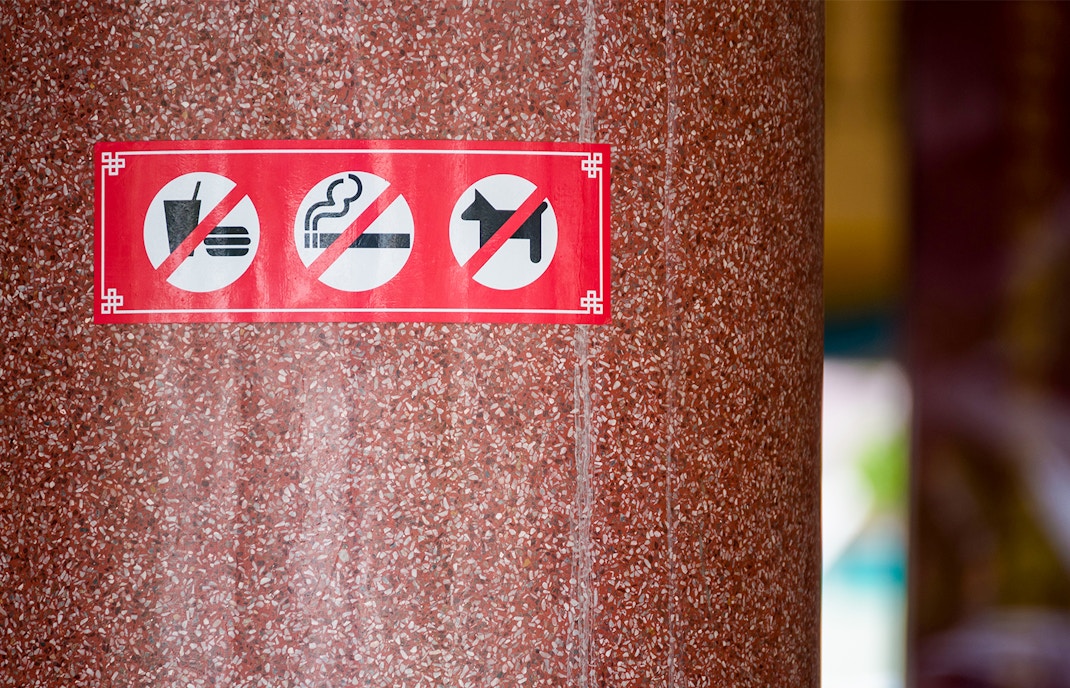
  • 🚫 Food and drink: Eating is best kept to the café and rest areas rather than inside exhibition spaces full of hands-on installations.
  • 🚬 Smoking / vaping: Smoking and vaping belong outside the museum building, not in the galleries or indoor public areas.
  • 🐾 Pets: Pets are not part of the normal museum visit, while service animals should follow the museum’s access rules.
  • 🖐️ Touching exhibits: Only touch the installations clearly designed for interaction, because many artifacts and display elements are not hands-on even in an interactive museum.

Photography

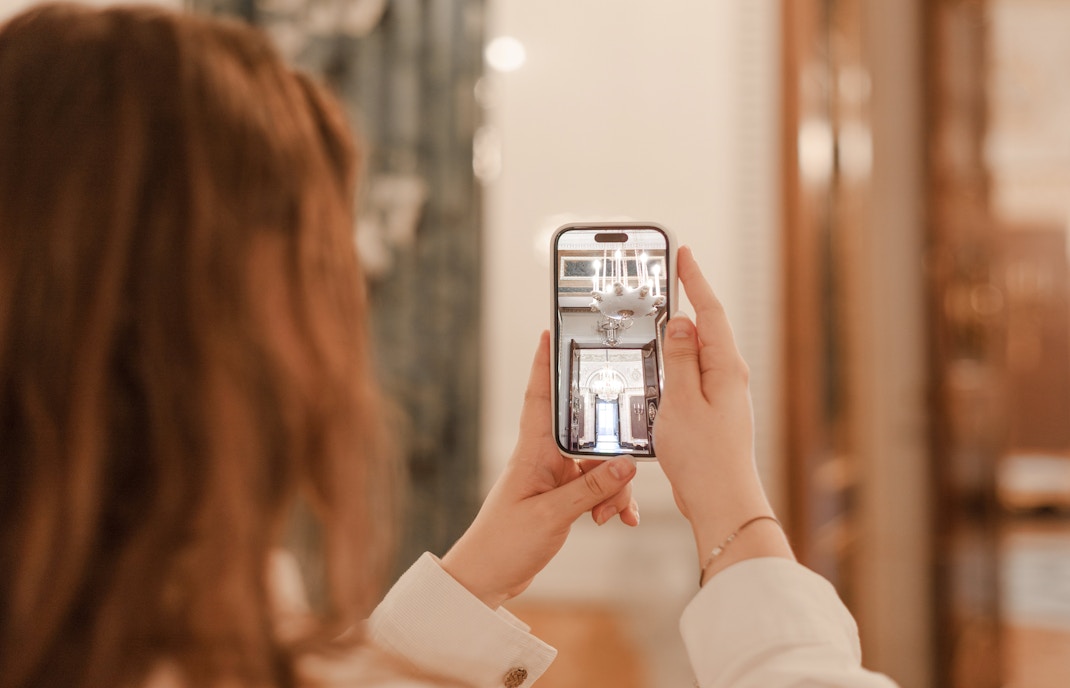
Photography is generally fine for personal use in the exhibition spaces, especially around major artifacts such as Solar Impulse, but be more careful in timed or darkened areas like the planetarium and submarine, where staff instructions take priority. Flash, tripods, and bulky filming setups are a poor fit for narrow, crowded spaces and may be restricted in individual areas.

Good to know

  • Timed extras are included in the main ticket, but that does not mean you can walk straight into them later — availability is the part that catches people out.
  • The museum is large enough that ‘we’ll see it all in 2 hours’ is the most common planning mistake, especially for families.

Practical tips

  • Book at least a few days ahead if you want a clean run at the planetarium or Argonaute, and earlier for French school holidays, because the museum ticket may still be available after the best timed slots are gone.
  • Arrive for your timed entry at least 15–20 minutes early, because being late matters more here than at a small museum when your whole day depends on later reserved sessions lining up.
  • Start with the thing that has a fixed clock — usually the planetarium, Argonaute, or Cité des Enfants — and let the untimed galleries fill the gaps around it.
  • Save your best attention for Space Mission and 1 or 2 permanent halls, because the museum is big enough that trying to ‘just keep going’ usually leads to exhibit fatigue by mid-afternoon.
  • Tuesday or Thursday mornings in term time are the sweet spot: you get more room in the interactive galleries, and same-day timed availability is less likely to be picked over.
  • Bring a small bag, not a daypack stuffed for the whole city, because you will walk several kilometers indoors and stop often at touchscreens, railings, and interactive stations.
  • Eat before 12:30pm or after 2pm if you are using the museum cafés, because lunch traffic stacks up fast when school groups and families hit the same break window.

What else is worth visiting nearby?

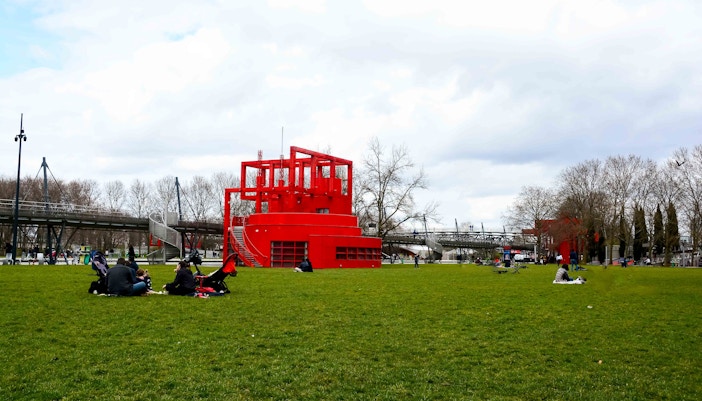
Commonly paired: Parc de la Villette

Parc de la Villette
Distance: 100m — 2-min walk
Why people combine them: It is the natural same-day pairing because the museum sits inside the park, and families often need outdoor time after several indoor hours.
→ Book / Learn more

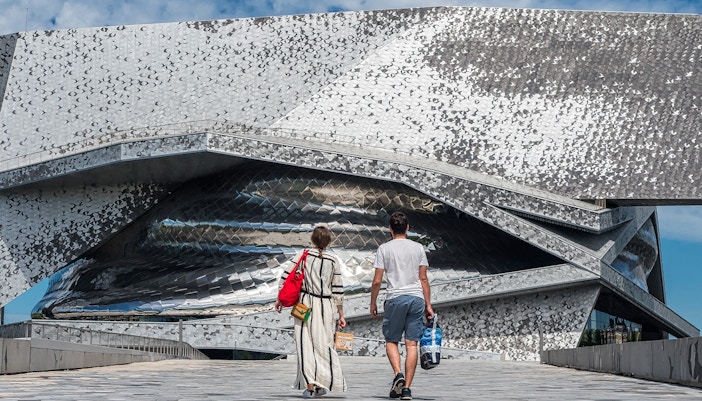
Commonly paired: Philharmonie de Paris

Philharmonie de Paris
Distance: 850m — 10–12 min walk
Why people combine them: It makes sense if you want to turn northeast Paris into a full culture day, with science in the afternoon and music or architecture afterward.
→ Book / Learn more

Also nearby

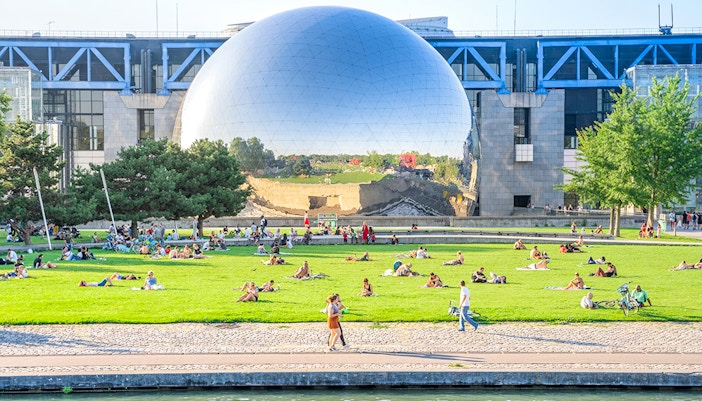
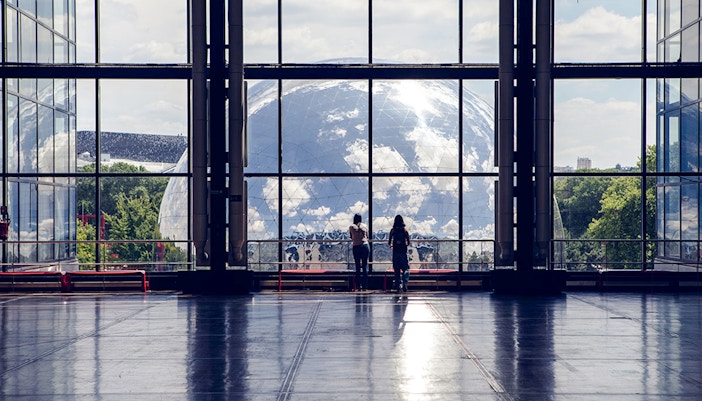
La Géode
Distance: 250m — 3-min walk
Worth knowing: The mirrored dome is one of the area’s visual landmarks, and it is the easiest extra stop if you want to keep the outing inside the same complex.

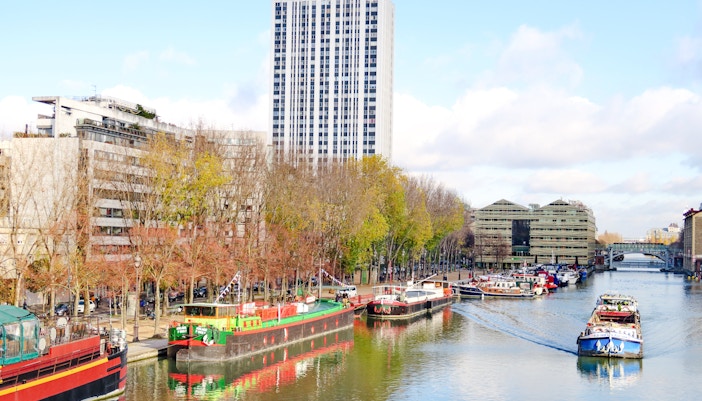
Canal de l’Ourcq
Distance: 500m — 6–8 min walk
Worth knowing: This is the best nearby decompression option if you want a slower walk, a coffee break, or some air after a very indoor museum visit.

Eat, shop and stay near Science and Industry Museum

  • On-site: The museum has cafés and easy meal stops, which are worth using if you have a planetarium or children’s slot to protect and do not want to lose time leaving the complex.
  • Les Petites Halles (10-min walk, 211 Avenue Jean Jaurès, 75019 Paris): Casual French brasserie fare at mid-range prices, and one of the easiest sit-down options if you want a proper meal after the museum.
  • Paname Brewing Company (15-min walk, 41 bis Quai de la Loire, 75019 Paris): Canal-side food and drinks in a livelier setting, best if your museum visit ends later and you want somewhere to decompress.
  • Vill’Up food options (6-min walk, 30 Avenue Corentin Cariou, 75019 Paris): Fast, practical mall dining that works well for families who need something easy rather than memorable.
  • Pro tip: Eat before 12:30pm or wait until after 2pm, because lunch lines feel much longer when they cut into a reserved planetarium or Cité des Enfants session.
  • Museum bookstore / shop: Science kits, books, and education-focused gifts near the exit make this the most useful shopping stop if you want something tied directly to the visit.
  • Vill’Up: The nearby retail complex is the practical backup for snacks, basics, and family-friendly shopping without heading back into central Paris.

The area around the museum is practical rather than atmospheric. It suits short stays built around Parc de la Villette events, family logistics, or easy Metro access on Line 7, but it is not the neighborhood most visitors choose if this is their first Paris trip.

  • Price point: You will usually find more functional mid-range stays here than postcard-style boutique hotels, which can help if you want more space for less money.
  • Best for: Families, event-goers, and visitors who want to stay close to La Villette rather than spend time crossing the city.
  • Consider instead: Canal Saint-Martin or Le Marais work better for longer stays if you want more restaurants, evening energy, and easier walking access to classic central Paris sights.

Frequently asked questions about visiting Science and Industry Museum

Most visits take 3–5 hours, and a full family day can stretch to 6 hours if you add the planetarium, Argonaute, and Cité des Enfants. The museum is large enough that even efficient visitors usually need to choose between a highlights route and a full exploration route.

More reads

Science and Industry Museum tickets

Science and Industry Museum highlights

Getting to Science and Industry Museum

Paris travel guide