Plan your visit to Petit Palais Museum
Petit Palais Museum is the City of Paris Museum of Fine Arts, best known for free permanent galleries inside one of Paris’s most beautiful Beaux-Arts buildings. The visit feels calm rather than overwhelming, with a manageable loop of painting rooms, sculpture galleries, and a courtyard garden that breaks up the experience. The one thing that most changes your visit is timing your route around the garden and the busiest late-morning security window. This guide covers when to go, how long to allow, and what not to miss.
Quick overview: Petit Palais Museum at a glance
You don’t need a big planning session for Petit Palais Museum, but a few smart choices make the visit much better.
- When to visit: Tuesday–Sunday, 10am–6pm. Tuesday to Thursday right at 10am is noticeably calmer than spring weekends around 11am–2pm, because free-entry visitors bunch up later and the courtyard fills first.
- Getting in: From €0 for the permanent collection. Temporary exhibition tickets usually start from €11. You can usually just show up for the permanent galleries, but paid exhibition time slots are worth booking ahead in opening weeks and busy spring periods.
- How long to allow: 1.5–2 hours for most visitors. Add closer to 3 hours if you want the courtyard break, decorative arts rooms, and a temporary exhibition.
- What most people miss: The decorative arts wing, the icon and medieval craft rooms, and the painted peristyle around the garden are easy to rush past on the way to the paintings.
- Is a guide worth it? A guide is worth it if you want architectural and art-historical context fast; otherwise, the museum’s free app is enough for a relaxed self-guided visit.
Jump to what you need
🕒 Where and when to go
🗓️ How much time do you need?
🗺️ Getting around
🖼️ What to see
♿ Facilities and accessibility
Where and when to go

How do you get to Petit Palais Museum?
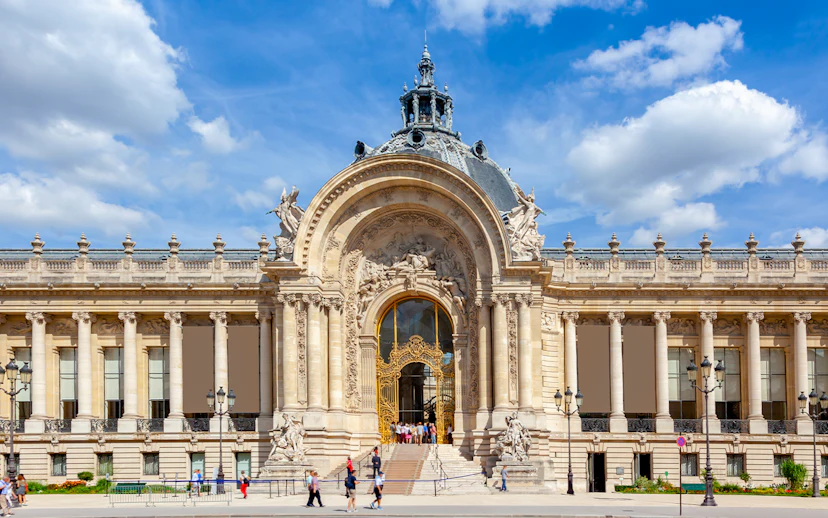
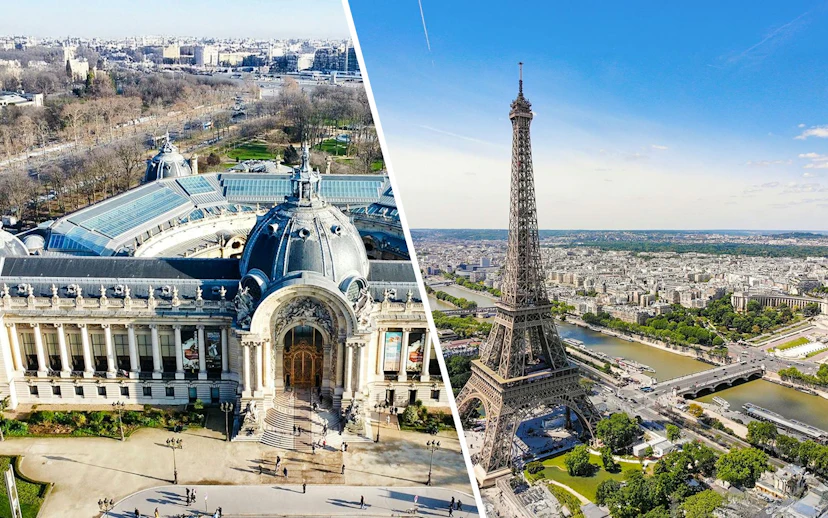
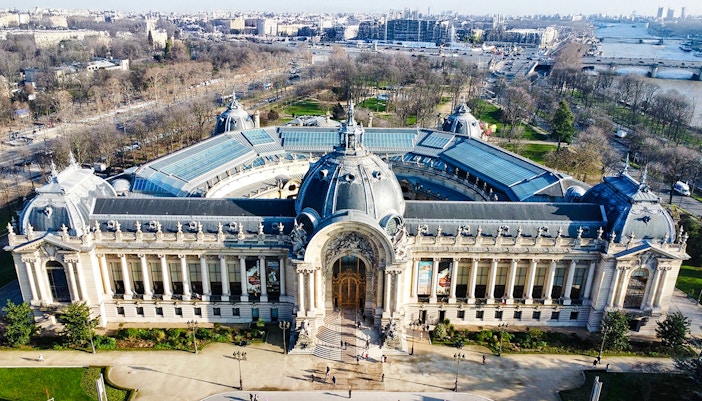
Petit Palais Museum sits in central Paris on Avenue Winston-Churchill, between the Champs-Élysées and the Seine, right opposite the Grand Palais and a short walk from Place de la Concorde.
Address: Avenue Winston-Churchill, 75008 Paris, France
- Metro: Champs-Élysées – Clemenceau (Lines 1 and 13) → 1–2 min walk → exit toward Avenue Winston-Churchill for the most direct approach.
- Bus: Lines 42, 72, 73, and 93 → Grand Palais area stops → short, level walk to the entrance.
- Taxi / rideshare: Drop-off on Avenue Winston-Churchill or Avenue Dutuit → easiest if you’re arriving from the Seine or Invalides side.
Which entrance should you use?
Petit Palais Museum is easy to enter, but visitors often assume there is only one access point and end up joining the first security line they see. The main entrance is the most obvious, while the side entrance can be more practical depending on where you’re coming from.
- Avenue Winston-Churchill entrance: Located at the front façade under the Golden Gate. Best for most individual visitors. Expect a 5–10 min wait during late-morning busy periods.
- Avenue Dutuit entrance: Located along the museum’s side. Best for visitors approaching from Pont Alexandre III or the Seine side. Expect a shorter 0–5 min wait when group entry is separated.
When is Petit Palais Museum open?
- Tuesday–Sunday: 10am–6pm
- Monday: Closed
- Last entry: 5:15pm
- Temporary exhibitions: Usually follow the same Tuesday–Sunday rhythm, with extended evening hours on Friday.
When is it busiest: Spring weekends, plus late mornings from 11am to 2pm, are the most crowded because free-entry visitors arrive in a single wave and the courtyard becomes a break spot.
When should you actually go? Arrive at 10am on a Tuesday, Wednesday, or Thursday if you want the grand hall and garden at their quietest, with the best room to stop and look properly.
How do you get around Petit Palais Museum?
Layout and suggested route
The museum is compact enough to navigate without stress, but its trapezoidal plan around a central courtyard makes it easy to miss an entire wing if you head straight for the paintings and leave too soon.
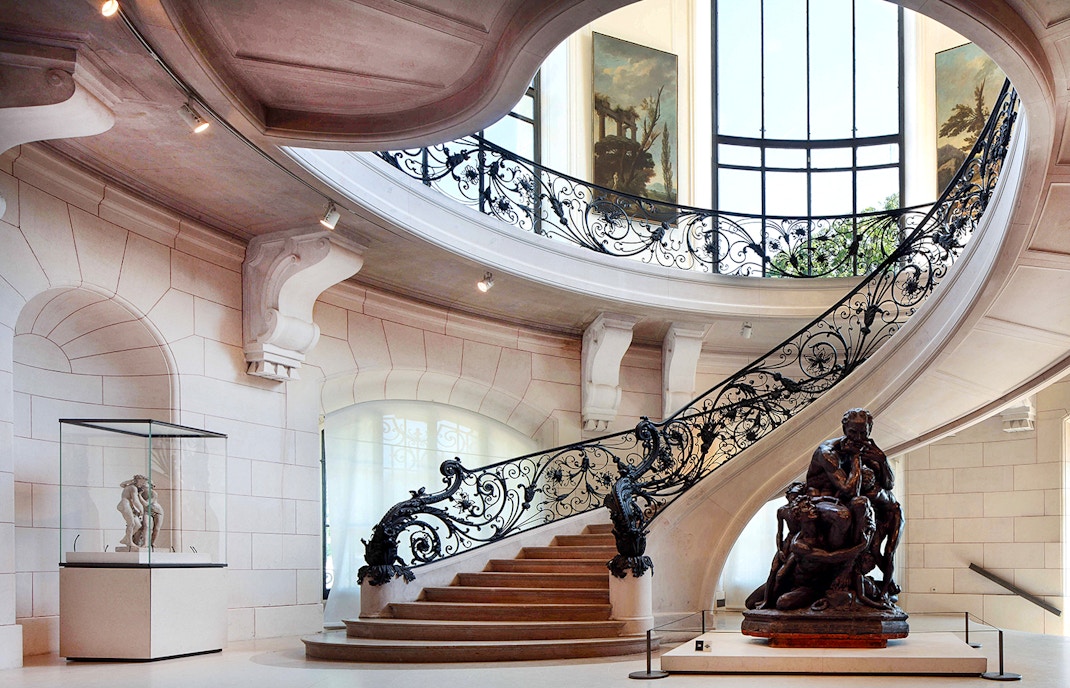
- Grand hall: Main orientation point with painted ceilings, mosaics, and access to all wings → allow 10–15 min.
- Painting galleries: Old Masters through 19th-century works, including Monet, Courbet, and Delacroix → allow 45–60 min.
- Sculpture and decorative arts rooms: Rodin, Carpeaux, icons, ceramics, silver, and Belle Époque objects → allow 25–35 min.
- Courtyard garden: Fountain, arcades, murals, and café seating → allow 15–30 min.
Suggested route: Start in the grand hall, do the painting galleries first while your attention is fresh, loop into sculpture and decorative arts next, then finish in the courtyard so your break doesn’t interrupt the art rooms too early.

Maps and navigation tools
- Map: Free app-based map → covers galleries and route planning → download it via QR code at the entrance.
- Signage: Good enough for a basic visit, but a downloaded map helps if you want to avoid missing the decorative arts wing behind the garden.
- Audio guide / app: Free museum app in French and English → accessed on your phone → enough value for most self-guided visitors.
💡 Pro tip: Don’t head to the courtyard the moment you see it. If you save it for the midpoint or end, you won’t break your route and accidentally skip the quieter side galleries behind it.
Get the Petit Palais Museum map / audio guide
Where are the masterpieces inside Petit Palais Museum?
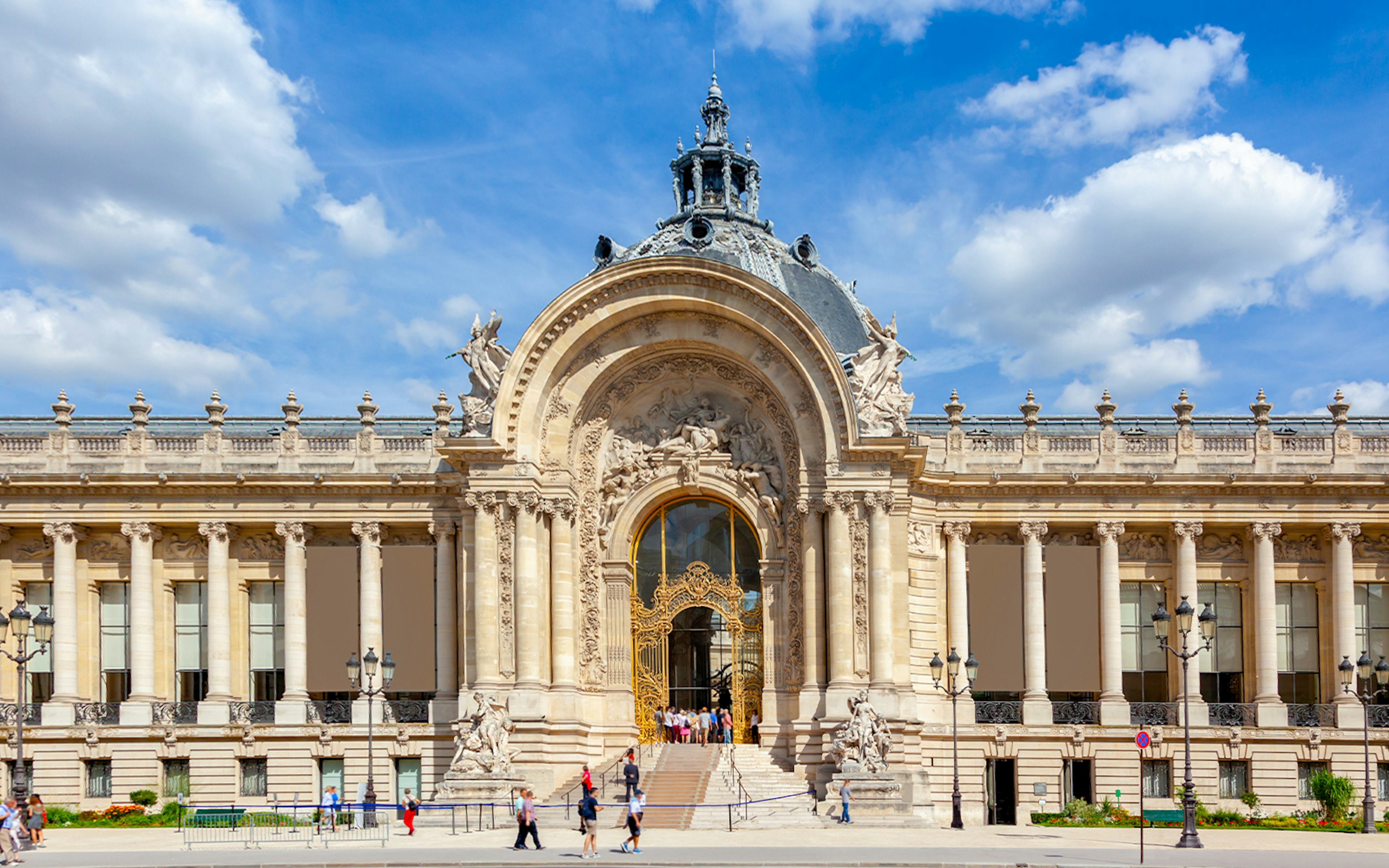
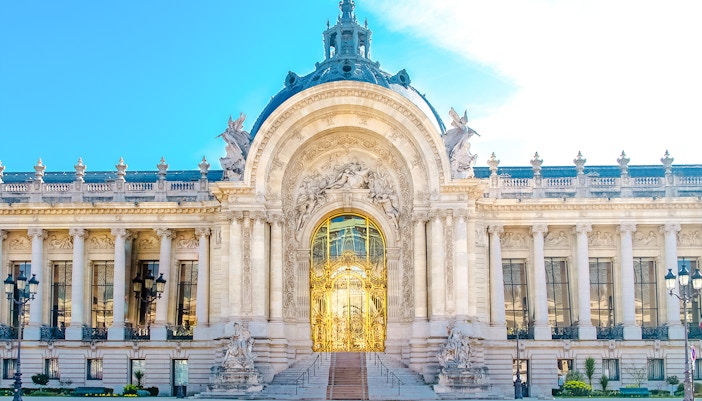
Golden Gate and façade
Attribute — Era: Beaux-Arts, 1900
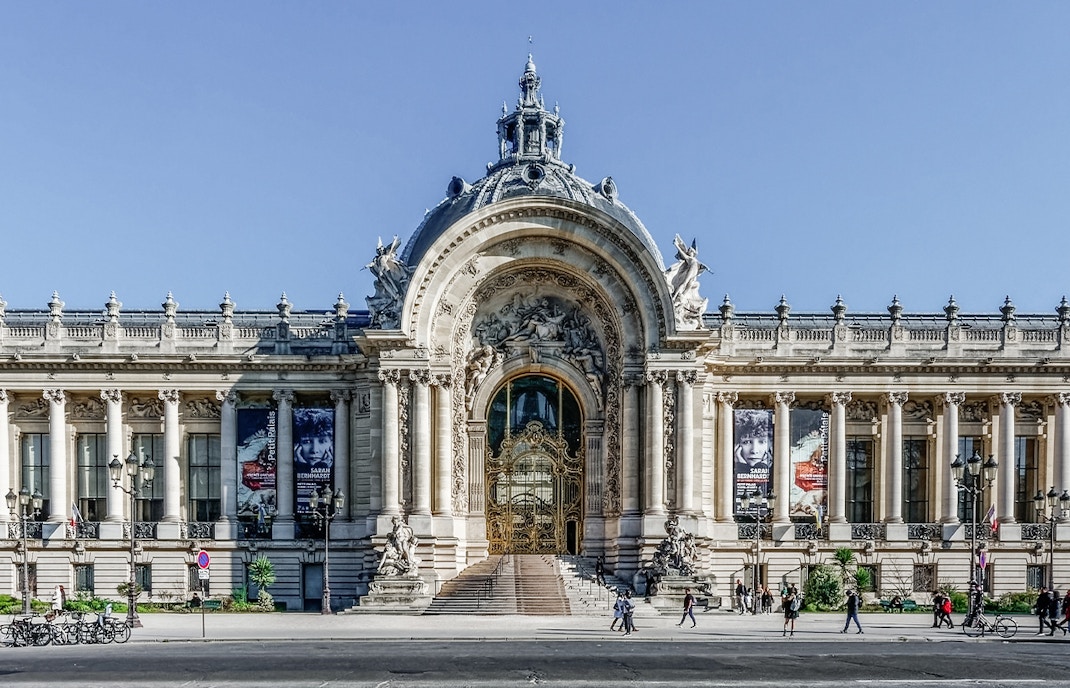
The entrance is one of the museum’s real highlights, not just a way in. The gilded iron gate, stone carvings, and balanced 1900 façade tell you exactly what kind of visit this is going to be — elegant, ceremonial, and more architectural than most museum arrivals in Paris. Most visitors photograph the gate and walk on, but the better detail is the way the dome and porch frame the transition from the street into the light-filled interior.
Where to find it: At the main Avenue Winston-Churchill entrance before security.
Grand hall
Attribute — Type: Architectural centerpiece with murals and mosaics
The grand hall is the room that makes Petit Palais Museum feel far grander than its size. Painted ceilings, marble columns, ironwork, and mosaic floors turn the circulation space into one of the museum’s best sights. Most visitors use it as a pass-through, but it’s worth stopping in the center and looking up before you enter any gallery — it helps you understand the whole building and spot the four pavilion routes branching out from it.
Where to find it: Immediately after the security check, at the heart of the museum.
19th-century painting galleries
Attribute — Artist focus: Monet, Sisley, Cézanne, Courbet, Delacroix
These rooms are where most visitors spend the longest, and for good reason. You get a tight but satisfying run through major French painting without the scale or crowding of the city’s biggest museums. What people often miss is how strong the lesser-known works are between the headline names — if you only stop at the obvious Monets, you’ll rush past the Courbet and Delacroix rooms that give the visit its depth.
Where to find it: Off the main hall, in the central run of permanent painting galleries.
Sculpture and decorative arts wing
Attribute — Collection type: Sculpture, icons, silver, ceramics, and furniture
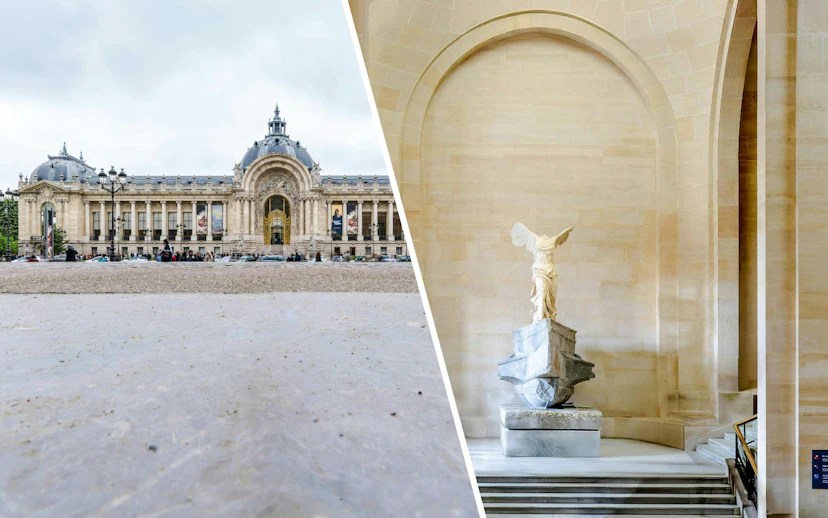
This is the part of Petit Palais Museum that turns a good visit into a memorable one. Rodin and Carpeaux sculptures sit alongside silverwork, Sèvres ceramics, icons, and Belle Époque decorative objects, so the mood changes from painting museum to collector’s palace. Most people pass through too quickly on the way to the garden, but the side-light from the tall windows is exactly what makes these rooms worth slowing down for.
Where to find it: In the side galleries beyond the main circuit, especially the wing behind the courtyard area.
Courtyard garden
Attribute — Type: Interior garden and café courtyard
The courtyard is the museum’s emotional reset button. Palm trees, a fountain, arcades, and murals make it feel half cloister, half Parisian salon, and it’s one of the few museum break spaces in the city that feels like part of the art experience rather than a functional rest stop. Most visitors sit down and miss the peristyle details — look up at the painted and mosaic decoration that wraps the whole garden.
Where to find it: At the center of the building, enclosed by the museum’s arcades.
Facilities and accessibility
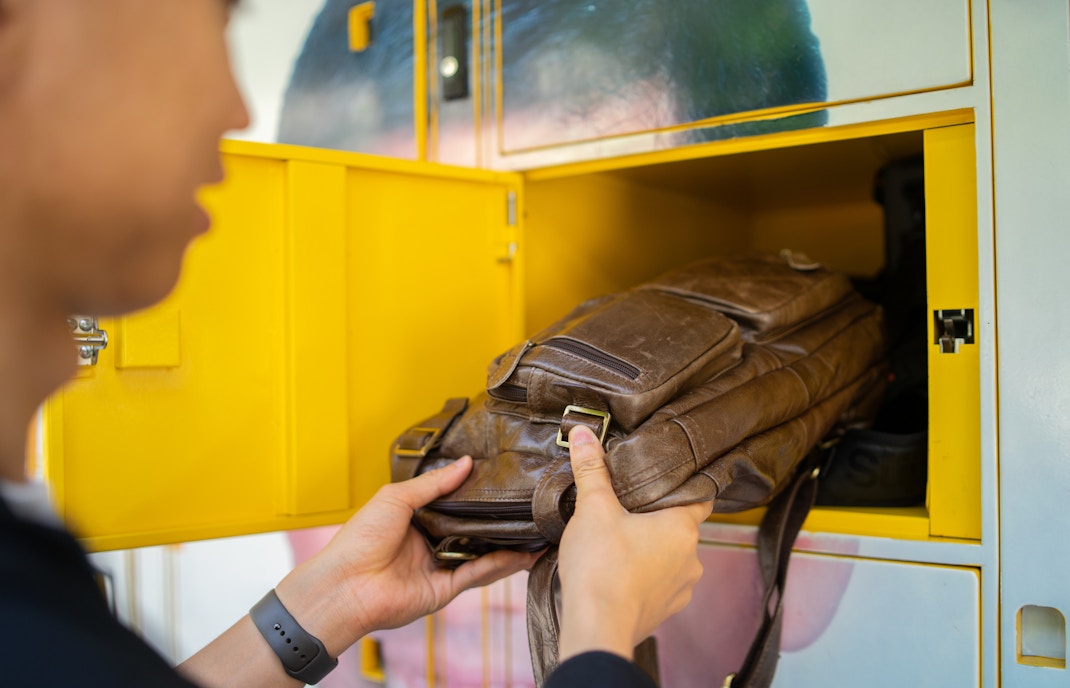
- 🎒 Cloakroom / lockers: A cloakroom is available for standard museum use, but don’t arrive with large luggage because storage for big bags is limited.
- 🍽️ Café: The courtyard café is one of the museum’s main draws, but it has seen refurbishment-related disruption, so check current opening status before planning a meal around it.
- 🛍️ Gift shop / merchandise: The museum shop is on the lower level and is worth a quick stop for art books, postcards, and design-led souvenirs.
- 🪑 Seating / rest areas: Benches are placed through the galleries, and the courtyard is the best place to sit for longer if it’s open and not full.
- 📶 Wi-Fi: Wi-Fi is available on-site, which helps if you want to download the museum app or use the map after arrival.
- 📱 Museum app: The free app works as a practical on-site tool for self-guided visits, with map support and selected audio content.
- ♿ Mobility: The museum is wheelchair accessible, with ramps at entry points and elevators inside for moving between gallery levels.
- 👁️ Visual impairments: The free museum app offers audio content in French and English, which is the simplest way to add spoken context during a self-guided visit.
- 🧠 Cognitive and sensory needs: This is one of the calmer major museums in Paris, and Tuesday to Thursday mornings are the easiest window if you want a quieter, lower-pressure visit.
- 👨👩👧 Families and strollers: The museum’s manageable size and elevator access make it easier with a stroller than many larger Paris museums, especially if you avoid the late-morning rush.
Petit Palais Museum works best for children who can handle a shorter, calmer museum visit and enjoy beautiful spaces as much as specific artworks.
- 🕐 Time: Plan 60–90 min with younger children, and prioritize the grand hall, a few painting rooms, and the courtyard rather than trying to complete every wing.
- 🏠 Facilities: The courtyard and gallery benches make this easier than a fully standing museum visit, especially when children need a reset.
- 💡 Engagement: Turn the visit into a visual hunt by asking children to spot mosaics, gold details, fountains, and statues before focusing on the paintings.
- 🎒 Logistics: Arrive close to 10am, keep bags small for faster entry, and avoid centering the visit around the café if you’re on a tight family schedule.
- 📍 After your visit: Pont Alexandre III is a good next stop because it’s close, open-air, and gives children space to move after the galleries.
Know before you go
What you need to know before you go
- Entry requirement: Permanent collection entry is free and does not require advance booking, while temporary exhibitions use paid timed-entry tickets.
- Bag policy: Small day bags are easiest here, and large luggage is a poor choice because storage for big bags is limited.
- Re-entry policy: Plan your route as one continuous visit, because stepping out for a long break means repeating security and losing the museum’s easy pace.
- Dress note: There is no dress code, but the visit works best in layers because you move between gallery interiors and the open courtyard.
Not allowed
- 🚫 Food and drink: Food and drink belong in designated café or courtyard areas rather than in the galleries.
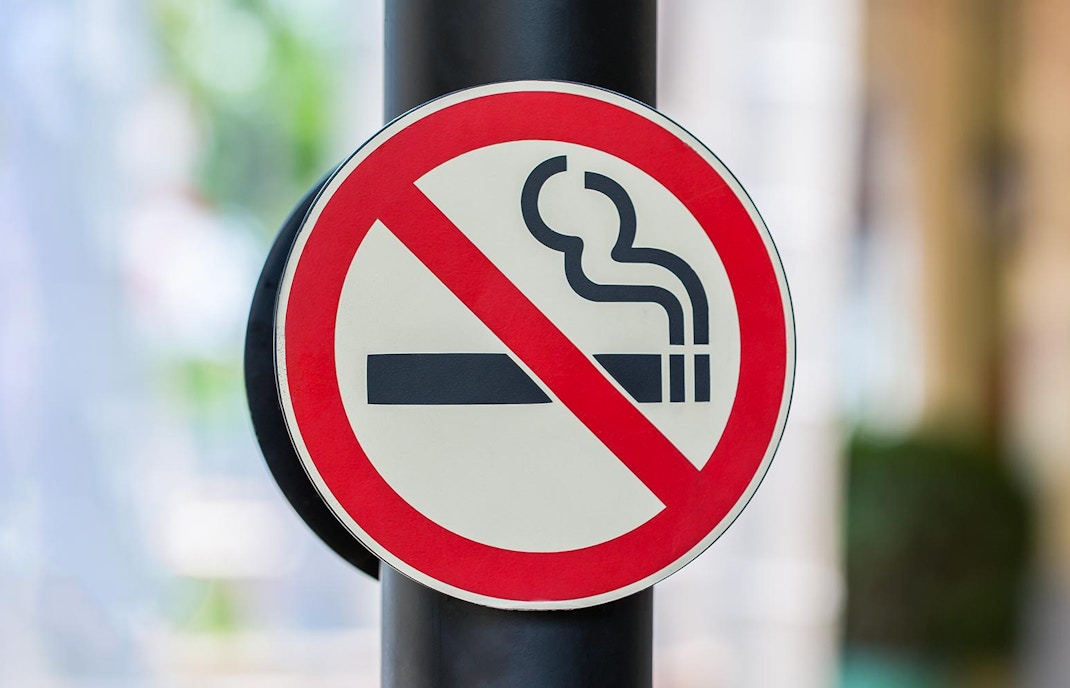
- 🚬 Smoking / vaping: Smoking and vaping are for outside the museum only, not inside the building or gallery spaces.
- 🐾 Pets: Pets should stay outside, while service animals accompanying a visitor are the practical exception.
- 🖐️ Touching exhibits: Don’t touch sculptures, frames, or decorative objects, because many rooms contain fragile historic materials as well as paintings.
Photography
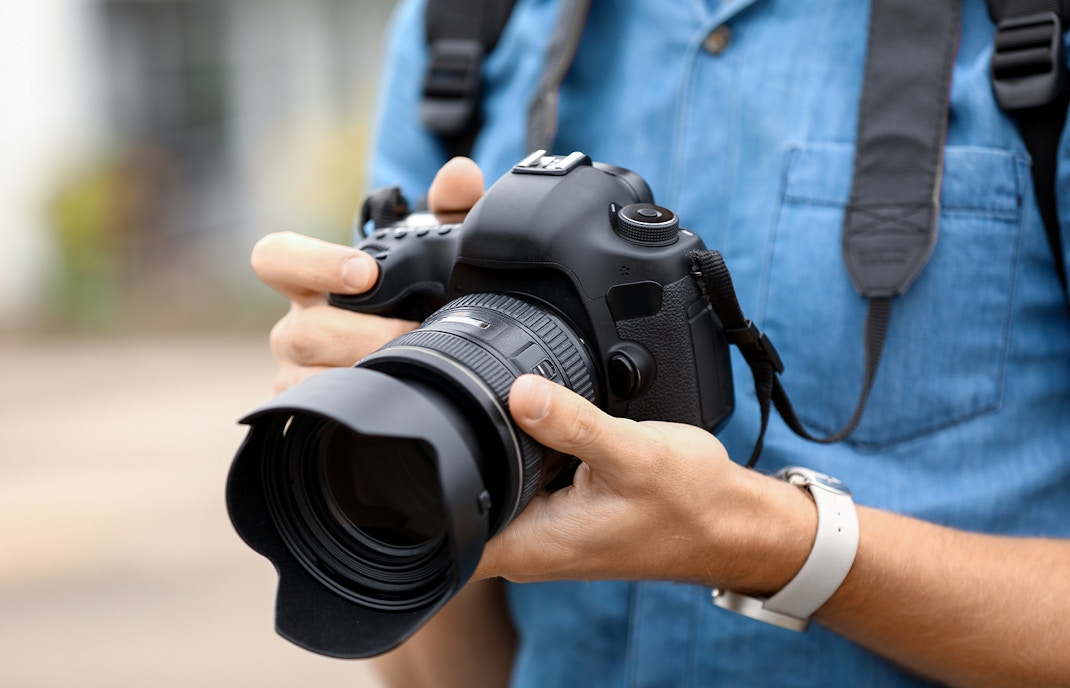
Personal photography is best treated as allowed in the permanent collection unless room signage says otherwise, while temporary exhibitions may apply tighter rules by gallery. Pay attention to posted signs before you raise your phone or camera in special exhibition rooms. Flash, tripods, and selfie sticks are the items most likely to create problems in museum spaces, so keep your setup simple and unobtrusive.
Good to know
- Free vs paid: The permanent collection is free, but that does not include the temporary exhibition, which runs on its own ticketing system.
- Friday planning: Extended Friday hours usually matter most for temporary exhibitions, so check what is actually open late before reshaping your day around it.
Practical tips
- Booking and arrival: You don’t need to pre-book the permanent collection, but do book temporary exhibitions ahead in opening weeks and on spring weekends if that show is the reason you’re coming.
- Pacing: Save at least 20–30 min for the sculpture and decorative arts wing, because that’s where many visitors rush after spending 45–60 min in the painting rooms.
- Crowd management: The calmest slot is right at 10am from Tuesday to Thursday, because free-entry visitors don’t arrive in a timed flow and late morning compresses into one security queue.
- What to bring or leave behind: Bring a small bag, headphones, and your phone charged for the free app; large luggage slows you down and is a poor fit for limited storage.
- Food and drink: If the courtyard café is open, treat it as a setting-first stop rather than a value stop — reviews regularly praise the atmosphere more than the speed or price.
- Route planning: Do the paintings first, then the side galleries, then the courtyard, because starting with the garden makes it too easy to cut short the rooms behind it.
- Photos: If architecture matters to you as much as art, be at the entrance and grand hall early, when you have the clearest sightlines and soft natural light.
What else is worth visiting nearby?
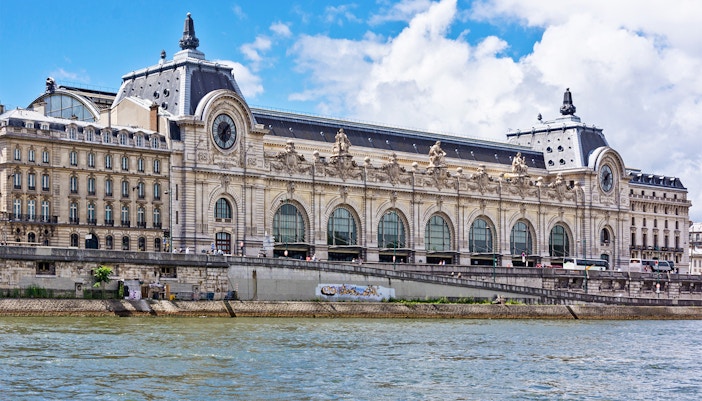
Commonly paired: Musée d’Orsay
Distance: 1.5km — 20 min walk
Why people combine them: The pairing makes sense if you want a full art day without starting in the city’s busiest museum; Petit Palais gives you a calmer warm-up before Orsay’s deeper 19th-century collection.
Book / Learn more
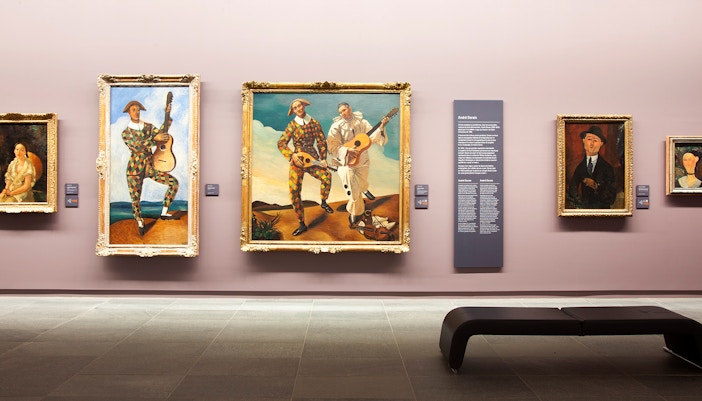
Commonly paired: Musée de l’Orangerie
Distance: 1.2km — 15 min walk
Why people combine them: This is an easy same-day pairing if you want a compact, manageable art route, with Petit Palais for variety and the Orangerie for a focused Monet finish.
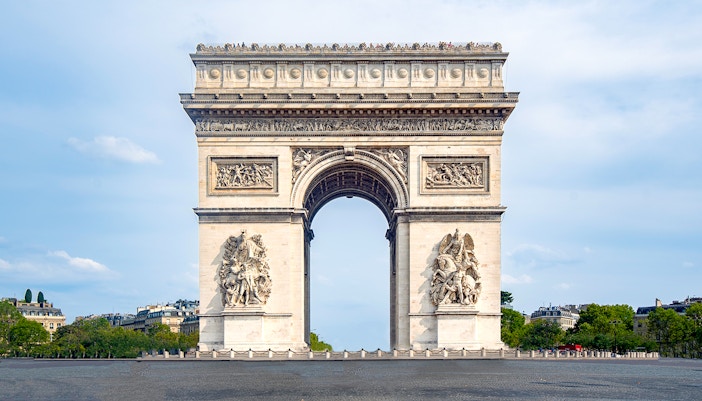
Also nearby
Champs-Élysées and Arc de Triomphe
Distance: 1.7km — 20 min walk to the avenue, longer to the arch
Worth knowing: This works best if you want to move from a calm museum visit into classic Paris sightseeing without using transit.
Les Invalides
Distance: 1km — 10–15 min walk
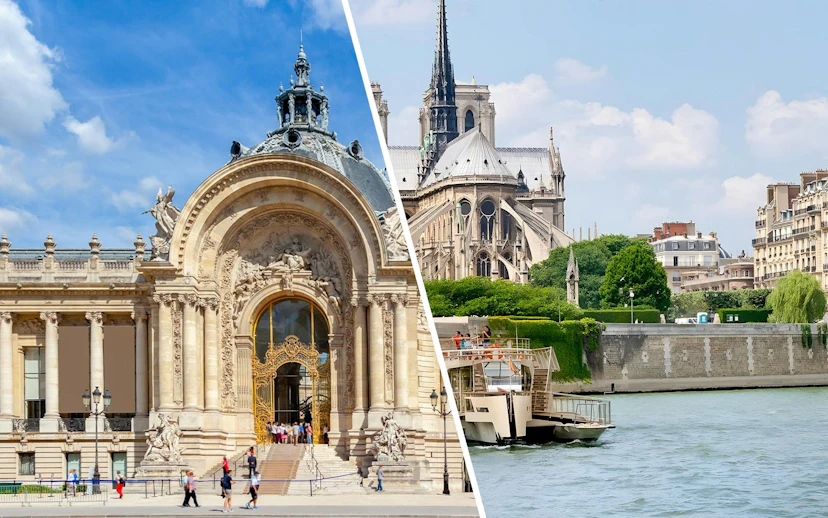
Worth knowing: Cross Pont Alexandre III after the museum if you want one of the city’s best short walks, plus a strong historical contrast to Petit Palais’s fine-arts focus.
Eat, shop and stay near Petit Palais Museum
- On-site: Le Jardin du Petit Palais is the museum café in the courtyard, and the setting is the real reason to stop rather than the value or speed of service.
- 💡 Pro tip: If the courtyard café is open, use it for coffee or a short break rather than lunch — it works best as part of the museum atmosphere, not as the anchor of your meal plan.
- Museum gift shop: The lower-level shop is the most practical place to buy postcards, art books, and design-led souvenirs tied directly to the museum and its collections.
Yes, if you want a polished, central base with easy access to major sights and you don’t mind higher room rates. The neighborhood feels grand, orderly, and convenient rather than intimate or especially local, so it suits short Paris stays better than slower, residential trips.
- Price point: This area skews expensive, especially around the Champs-Élysées and nearby luxury shopping streets.
- Best for: Visitors on a short trip who want to walk to major central sights and keep museum logistics simple.
- Consider instead: Stay closer to Saint-Germain-des-Prés or the Marais if you want more neighborhood atmosphere, easier casual dining, and a better fit for a longer Paris stay.
Frequently asked questions about visiting Petit Palais Museum
Most visits take 1.5–2 hours. That is enough for the grand hall, the main painting rooms, the sculpture and decorative arts galleries, and a short courtyard stop. If you add a temporary exhibition or spend time using the app and reading labels closely, plan closer to 3 hours.
No, you do not need to book ahead for the permanent collection because it is free and untimed. You only need advance booking if you want to see a temporary exhibition, and that becomes more useful in opening weeks, spring weekends, and other busier periods.
No, skip-the-line is usually not a meaningful upgrade for the permanent collection. The only regular wait is security, which is often short and most noticeable late in the morning. Timed exhibition tickets matter more than queue-skipping if you are coming for a paid temporary show.
Arrive about 10–15 minutes early for an exhibition time slot. That gives you enough margin for security without creating a long idle wait outside. For the permanent collection, arriving right at 10am is the main timing win if you want the quietest galleries.
Yes, a small bag or backpack is the safest choice. Large luggage is a bad fit because storage for oversized bags is limited, and carrying bulky items slows you down in a museum where the route is easiest when you move lightly.
Yes, personal photography is generally fine for the permanent collection unless room signage says otherwise. Temporary exhibitions can apply stricter rules, so always check the signs at the entrance to each exhibition space. Keep flash, tripods, and selfie sticks out of your plan.
Yes, group visits are possible, but the museum works best with smaller groups. The galleries are calm and relatively intimate, so large groups can feel cumbersome compared with a private or small-group format. If you want more context, a guided visit is usually worth it here.
Yes, especially if you plan a shorter visit and focus on the building as well as the art. Most families do best in 60–90 minutes, using the grand hall, courtyard, and a few standout rooms rather than trying to cover everything in one go.
Yes, the museum is wheelchair accessible. Entry is ramped, and elevators help connect the gallery levels, which makes the museum easier to manage than many historic sites in Paris. Visiting early in the day also gives you the most room to move comfortably.
Yes, there is a courtyard café on-site, though its service rhythm and opening status have been affected at times by refurbishment work. It is best treated as a scenic coffee or light-break stop. The surrounding central area also gives you plenty of off-site dining options after your visit.
Yes, the permanent collection is free. What catches some visitors out is that temporary exhibitions are separate paid experiences with timed entry, so ‘free’ applies to the permanent galleries, building, and courtyard access rather than every exhibition in the museum.
The best time to visit is Tuesday to Thursday at 10am. That is when the grand hall and main galleries feel most peaceful, and you are most likely to enjoy the courtyard before it becomes a late-morning break spot for other visitors.