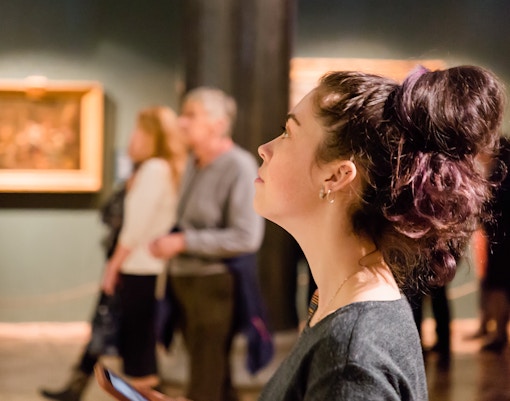
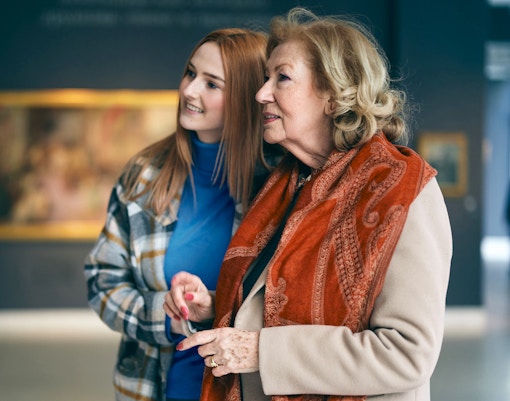
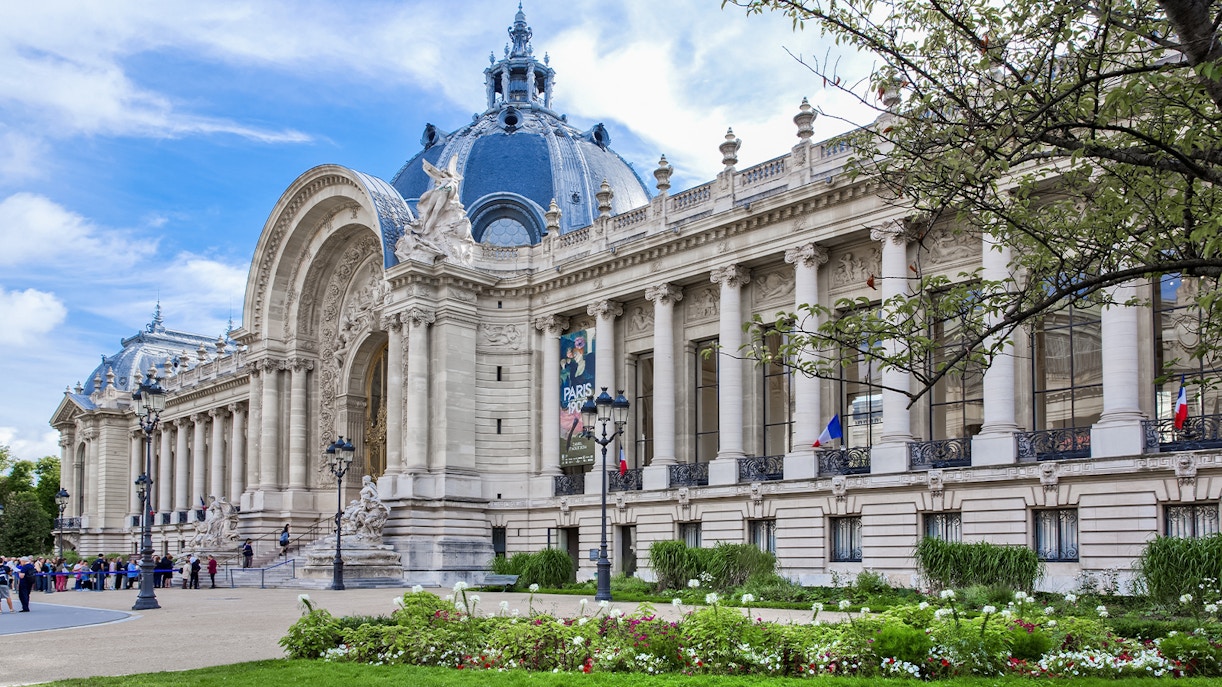
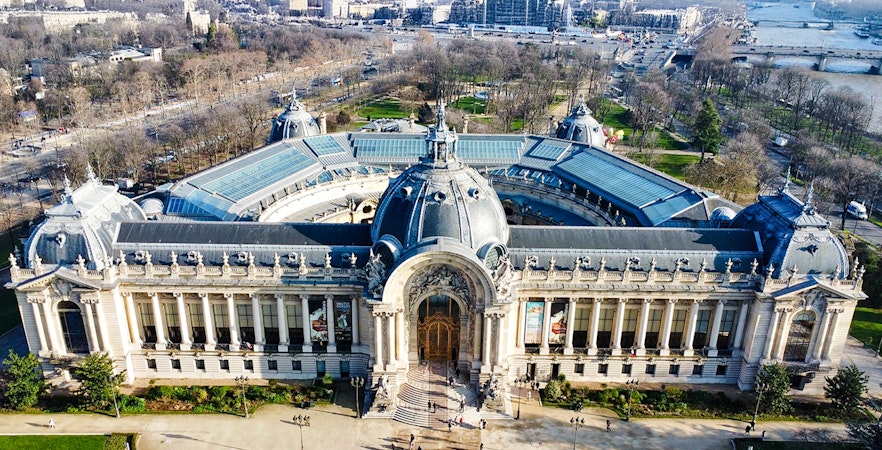
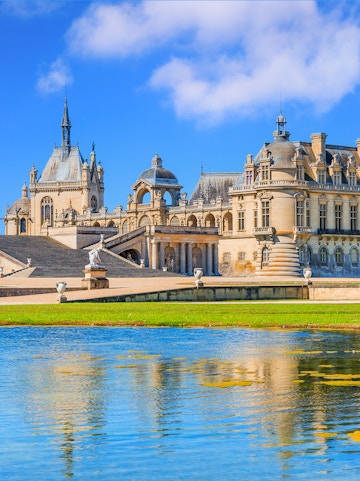
Tucked just off the Champs-Élysées, the Petit Palais feels like stumbling into a Parisian time capsule wrapped in gold. Built for the 1900 World’s Fair, it mixes sweeping Belle Époque curves, stained-glass glow, and a dreamy courtyard garden that instantly slows you down. Inside, you’ll find everything from Monet to medieval treasures, all displayed in a space that’s grand enough to impress but relaxed enough to wander without rush.
What to expect on your Petit Palais visit
1/7
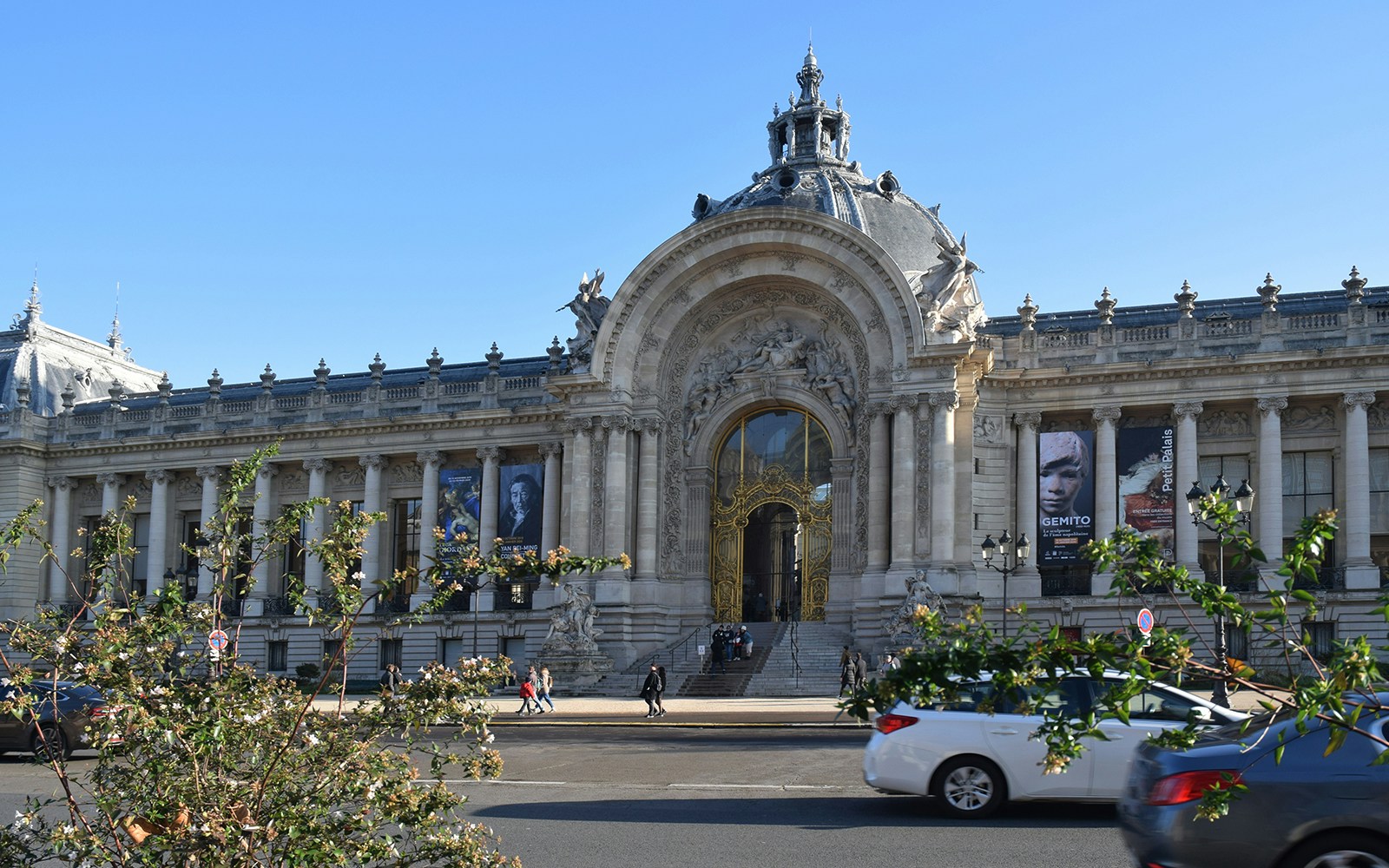
Arrive at a Belle Époque landmark
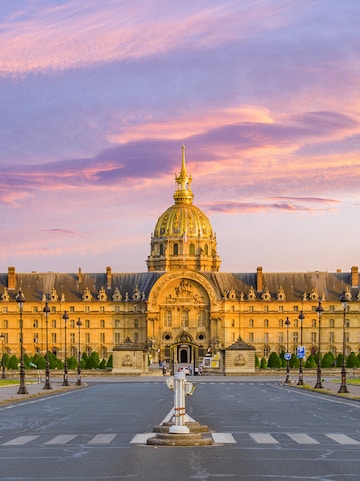
Start your visit by taking in the Beaux-Arts masterpiece built for the 1900 Exposition Universelle. The Petit Palais blends classical and Art Nouveau elements, with sweeping columns, sculpted facades, and elegant ironwork that set the tone for a grand cultural outing.
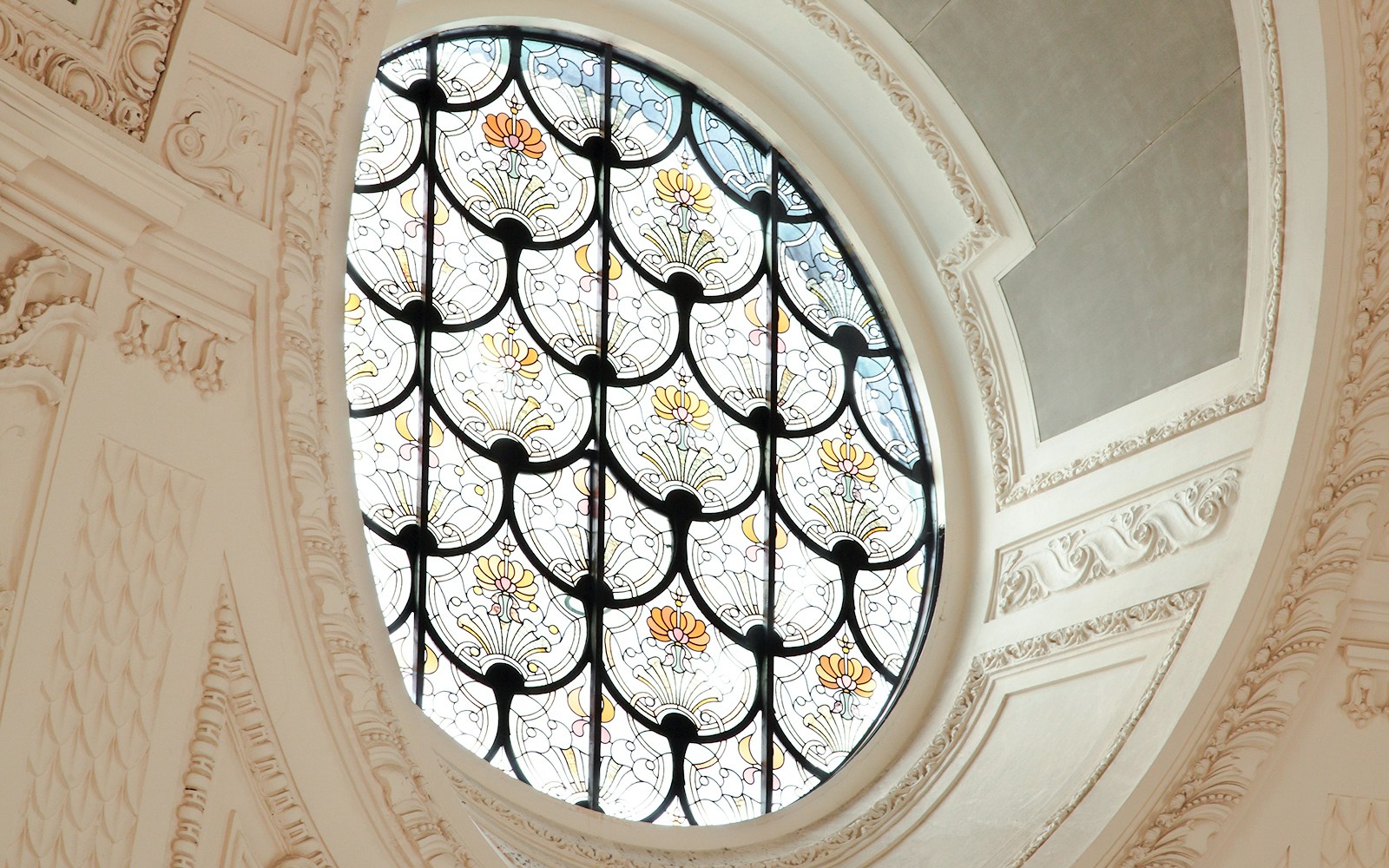
Step through the stunning stained-glass rotunda
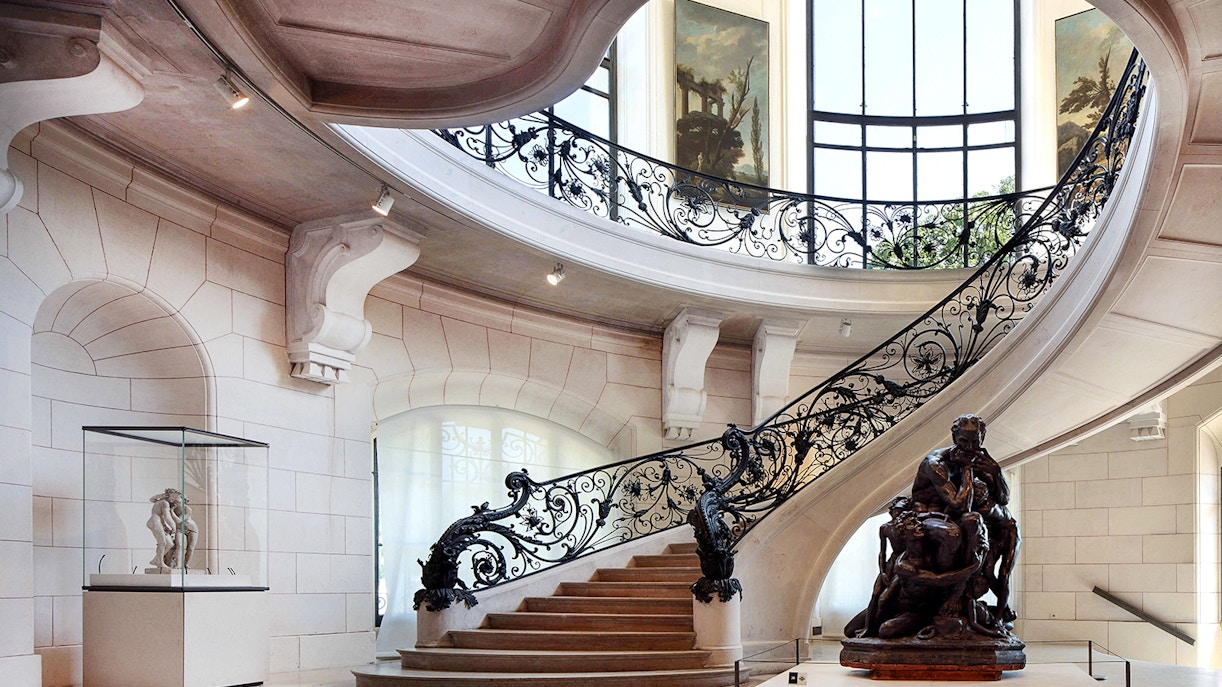
Enter via the museum’s iconic rotunda, a glowing mix of stained glass, marble, and sculptural detail. This entrance is a highlight in itself and offers a perfect moment to pause, look up, and admire the Belle Époque grandeur before moving into the galleries.
Explore the permanent collections
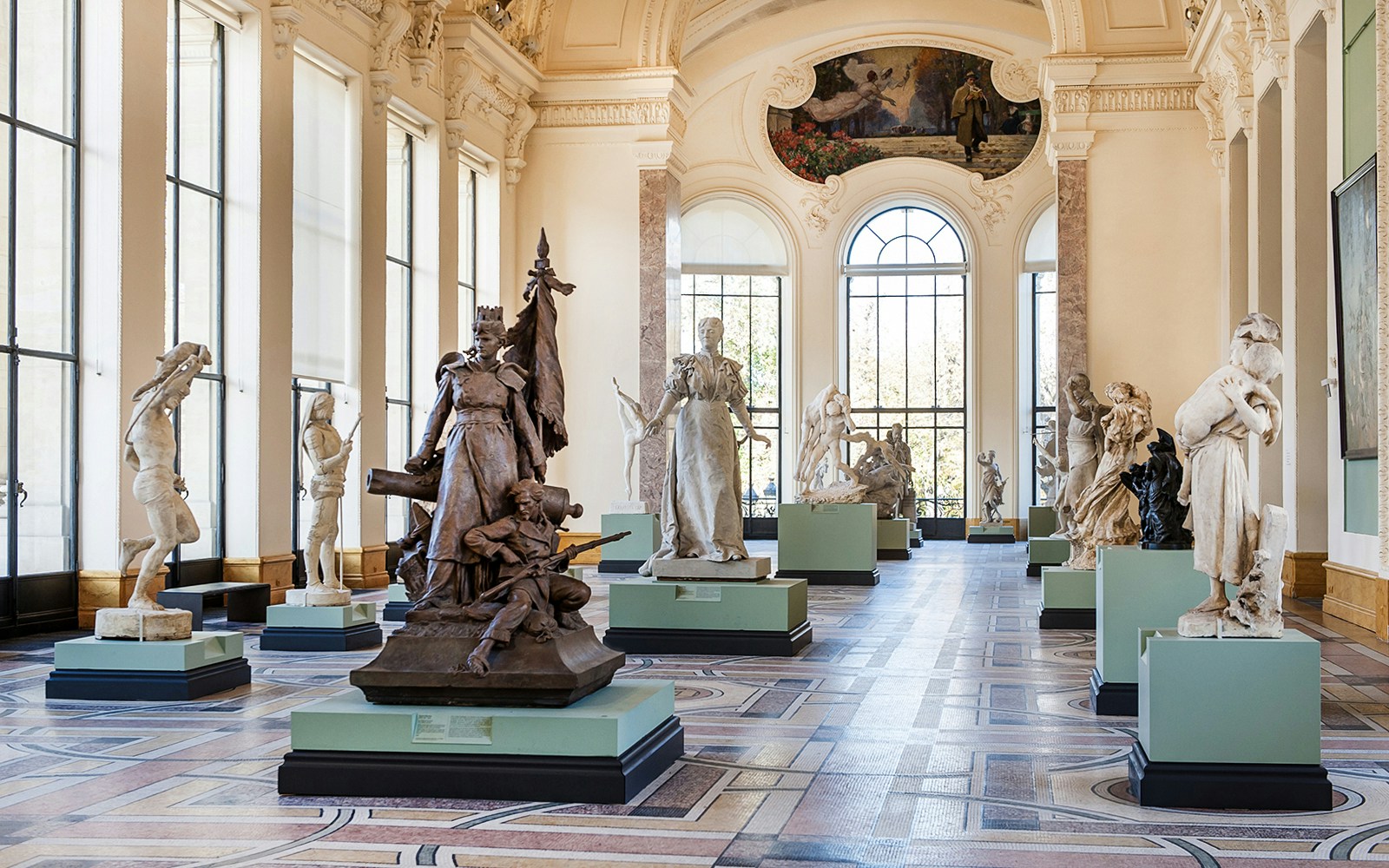
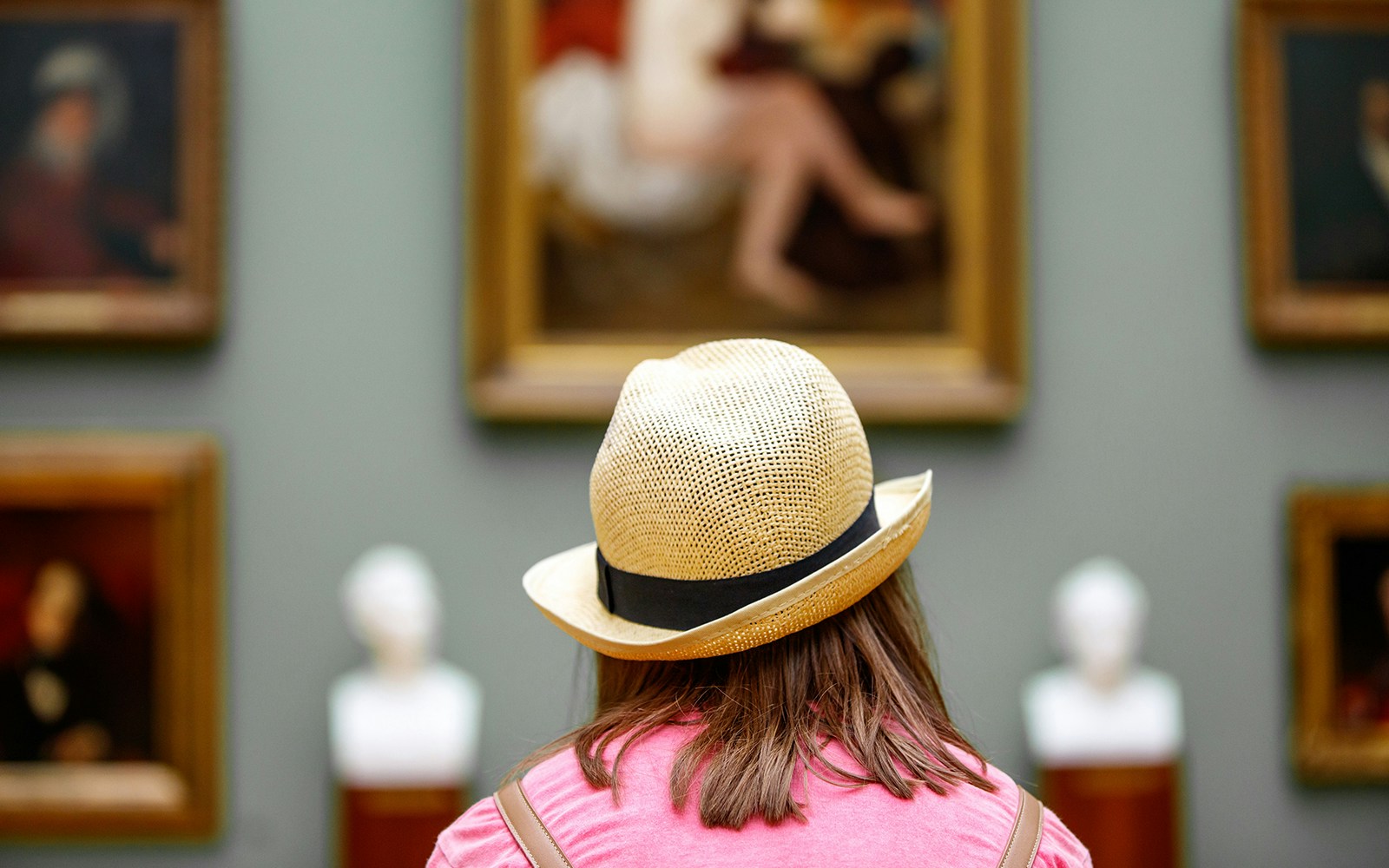
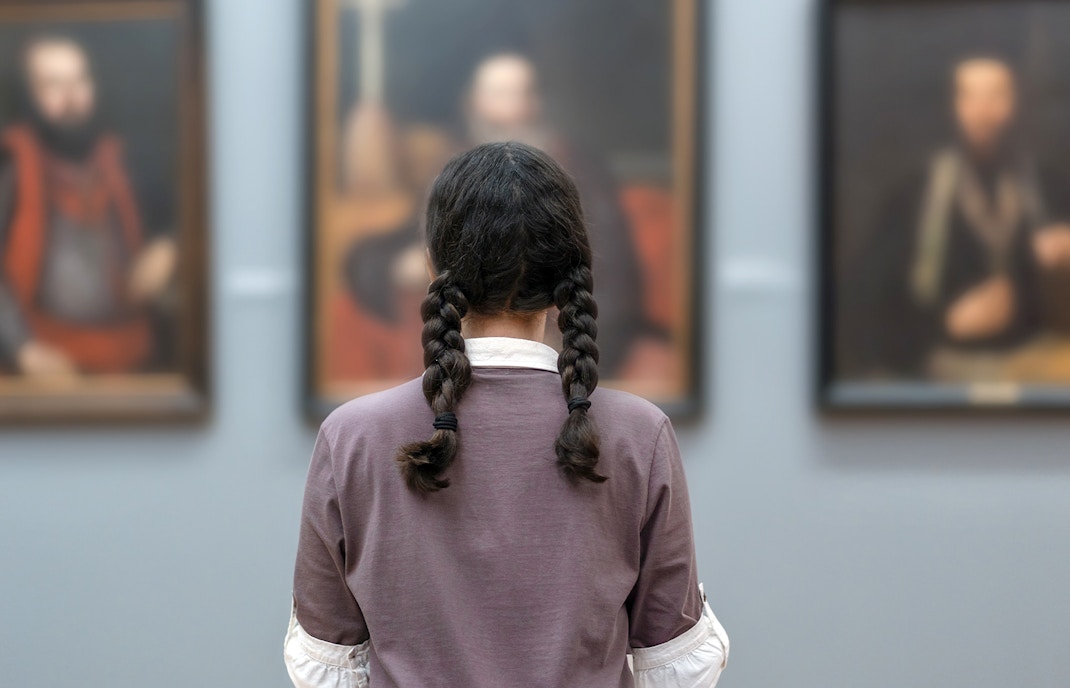
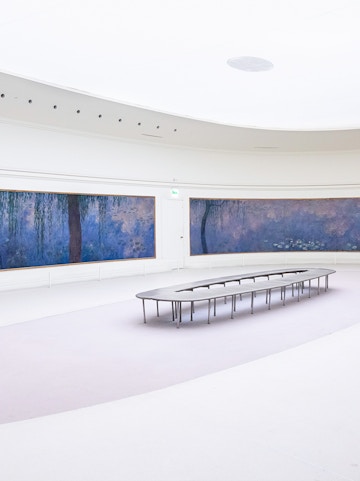
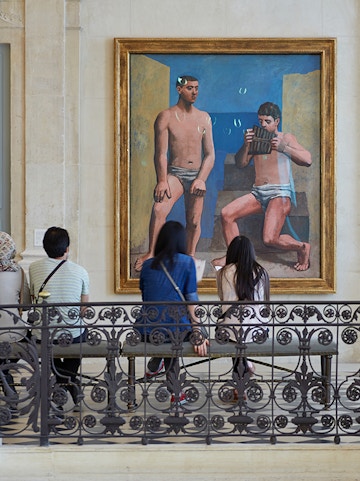
Wander through rooms filled with paintings, sculptures, and decorative arts spanning from antiquity to the 19th century. Expect masterpieces by Renoir, Monet, Degas, as well as intimate works from artists like Bonnard and Vuillard. It’s a wonderfully balanced mix of famous names and hidden gems.
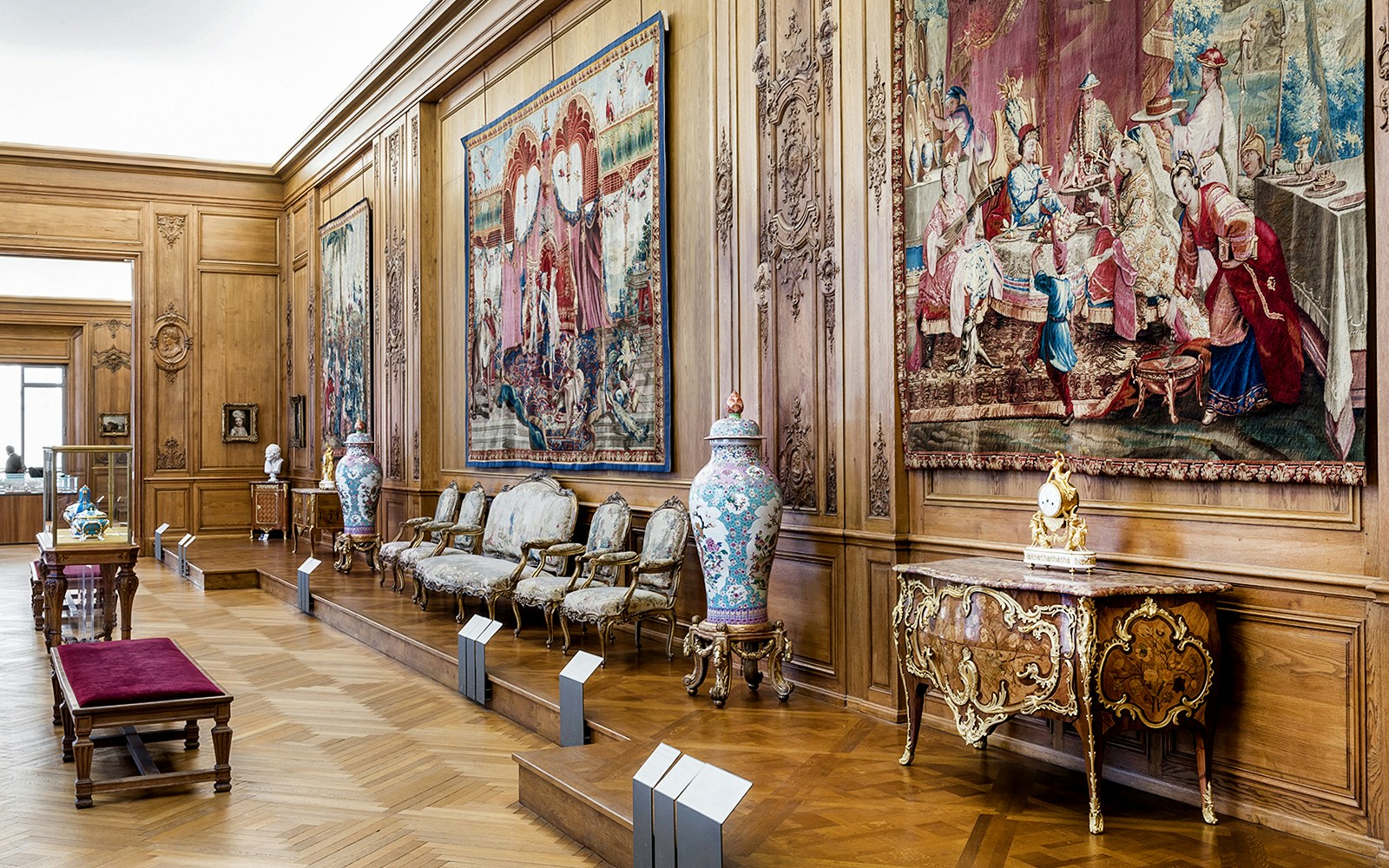
Don’t miss the ornate furniture, ceramics, and bronze works that reveal how French art and craftsmanship evolved across centuries. These galleries feel more like walking through a beautifully curated historic home than a formal museum.
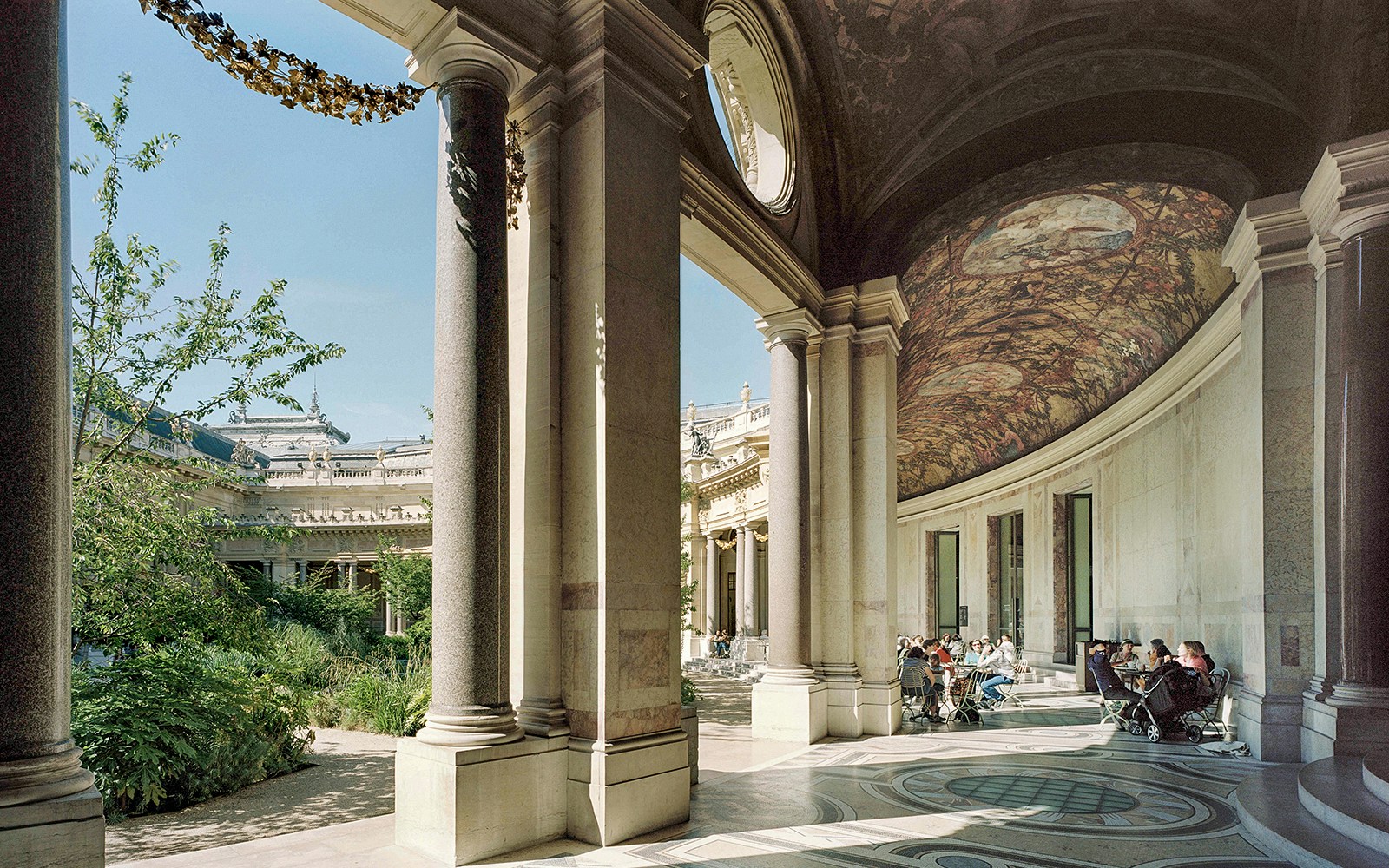
Relax in the courtyard garden
Take a break in the Petit Palais’ lush, palm-dotted inner garden, complete with mosaic floors and a tranquil café. It’s one of Paris’s most peaceful museum spaces — an ideal spot to recharge before continuing your visit.
Check out the temporary exhibitions
If you’ve bought tickets for the temporary exhibitions, make sure you see them before you leave. Current shows like Jean-Baptiste Greuze: Childhood Illuminated and Bilal Hamdad: Paname offer fresh, focused perspectives and complement the permanent collections beautifully.
Enjoy art without the crowds
End your visit with a leisurely final stroll. Unlike the major Paris museums, the Petit Palais offers a quiet, spacious, crowd-free experience — perfect for anyone who wants world-class art in a more relaxed setting, just steps from the Champs-Élysées.
Things to know before booking your tickets to the Petit Palais Museum
Entry to the general collection of the Museum and the permanent exhibits is free.
Don't miss out on the Museum's temporary exhibits! These need you to purchase a ticket and you can find the tickets for the current exhibit here.
Disabled guests enjoy free entry to all of the museum's permanent and temporary collections upon valid proof of eligibility.
Children under 13 need to be accompanied by adults to the museum.
All students, teachers, members of Sauvegarde de l'Art Français, Société de L’Histoire de l’Art français, Societé française d’archéologie, Societé nationale des Antiquaires de France enjoy tickets at half the price.
Popular artworks at the Petit Palais Museum
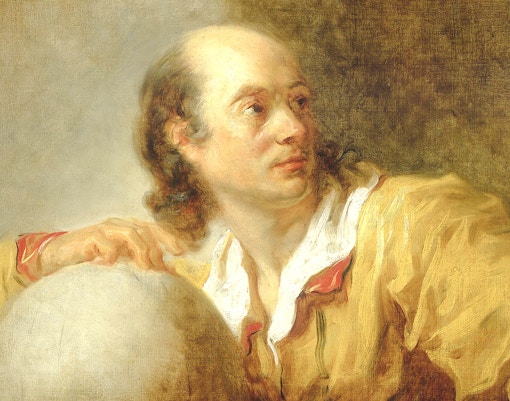
Jérôme de La Lande
A portrait of the astronomer Jérôme de La Lande painted by Fragonard, a renowned 18th-century artist, as part of a series of fantastical portraits. The painting is defined by quick brushstrokes and a focus on the subject's expressive face.
Knight, Death and Devil (Bartsch 98)
Durer, a renowned German artist, created the engraving "Knight, Death, and the Devil." This painting depicts a knight riding through a desolate landscape, confronting the forces of death and evil. Observe the knight's determination and symbolism in the painting.
Red-legged Partridge Niche
Largillierre, a portrait artist, also excelled in still life painting. This particular work draws inspiration from 17th-century Flemish and Dutch art, featuring a partridge and fruit displayed in a niche. The artist's use of light makes it stand apart.
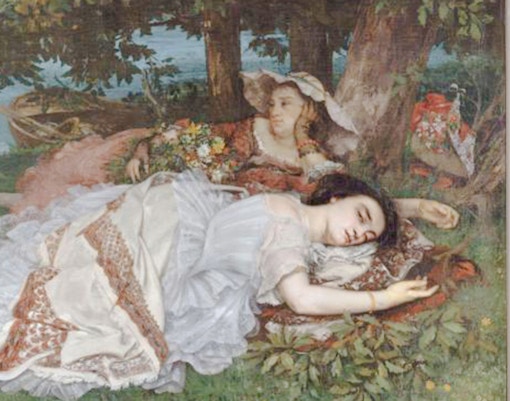
Young Ladies on the Banks of the Seine in Summer
Courbet's "Young Women on the Banks of the Seine" is a groundbreaking painting that depicts a group of young women enjoying a summer day. This realistic and sensual scene, unconventional for its time, caused a scandal upon its exhibition in 1857.
Temporary exhibitions at the Petit Palais Museum
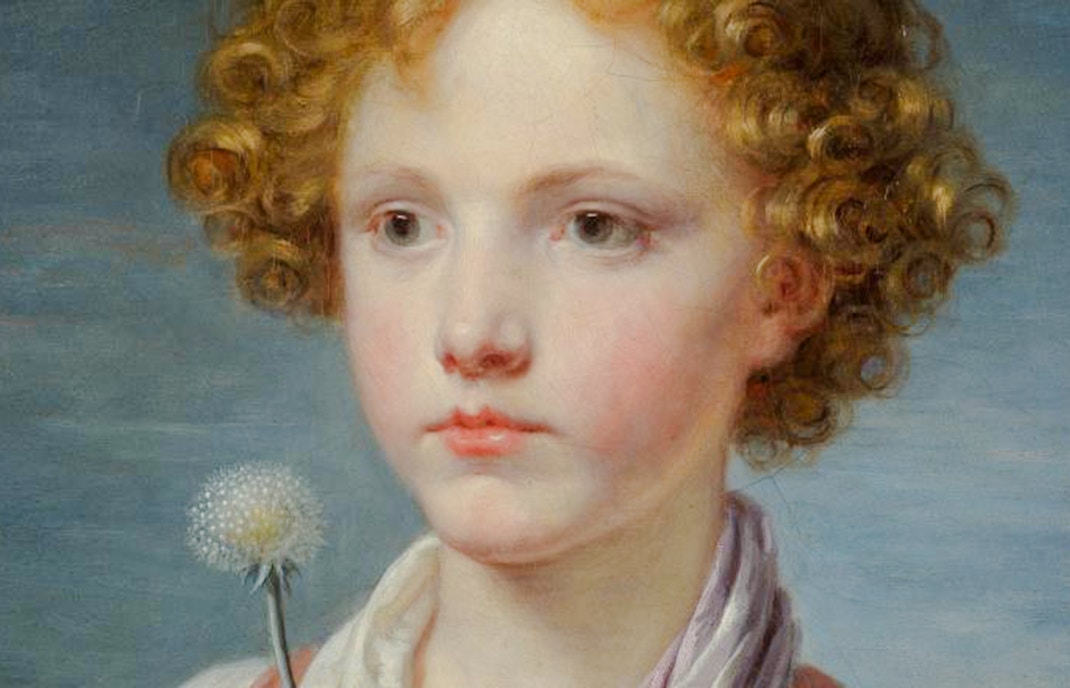
Jean-Baptiste Greuze: Childhood Illuminated
16 Sept 2025–25 Jan 2026 This exhibition marks the 300th anniversary of Greuze’s birth, focusing on his tender, emotionally rich depictions of childhood. Around 100 works from major museums come together to show how he portrayed innocence, family life, and moral lessons through intimate scenes. Highlights include beloved pieces like La Cruche cassée and Le Petit Paresseux, offering a look at how 18th-century art viewed youth and education.
Bilal Hamdad: Paname
17 Oct 2025–8 Feb 2026 Bilal Hamdad presents about twenty large-format oil paintings, including new works created for the show. His art captures everyday Parisians in moments of quiet solitude — couriers, vendors, kids — using street photography as inspiration. The exhibition also places his contemporary scenes in dialogue with classical painters like Rubens and Manet, creating a fresh, modern portrait of Paris.
Plan your visit to the Petit Palais Museum
The Petit Palais Museum is open at the following times:
Tuesdays to Sundays - 10am — 6pm
Last admission to the Palais is at 5:15pm.
Galleries close at 5:45pm.
Late openings are until 8pm on Fridays and Saturdays.
The Museum is closed on: January 1, May 11, June 17, and December 25
Address: Petit Palais, Av. Winston Churchill, 75008 Paris, France
By Metro: Line 8: Invalides, Line 13: Champs-Élysées - Clemenceau
Closest Metro stop: Invalides (Line 8 and Line 13) - Short walk from the museum
By Bus: Lines 28, 42, 72, 73, 80, 83, 93: Grand Palais
Closest bus stop: Grand Palais
The building is accessible to guests with reduced mobility except for the hall on Level 1.
The museum allows guide dogs for visually impaired guests.
Emotional support animals accompanying guests with a disability are allowed inside museum with a medical certificate.
Guests are requested not to touch any works inside the museum.
Luggage exceeding 40 centimeters in size is not allowed.
Strollers are allowed in the museum.
Photographs are permitted within the museum.
Go early in the morning for the best photos of the gilded entrance and to enjoy the galleries before school groups arrive.
Start with the architecture — the façade, the rotunda, and the inner courtyard are must-sees and often overlooked by first-timers.
Don’t miss the garden café inside the courtyard; it’s one of the prettiest, calmest museum cafés in Paris and perfect for a mid-visit break.
Use the museum map to navigate the decorative arts rooms — they’re easy to skip but contain some of the most beautiful pieces in the collection.
Pair your visit with a Champs-Élysées walk since the museum sits just minutes away; it’s an easy, scenic add-on to your itinerary.
Places to visit near the Petit Palais Museum
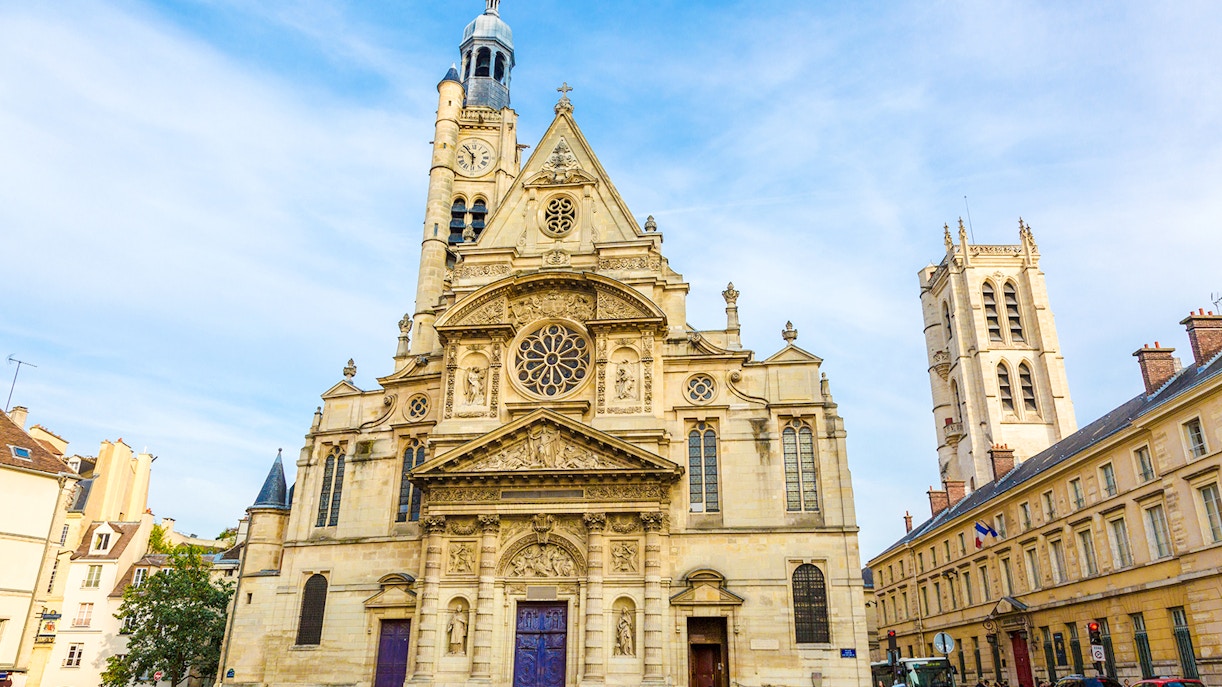
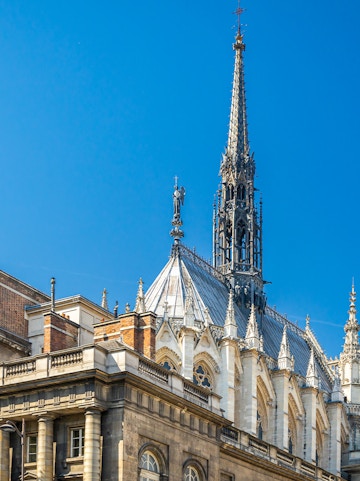
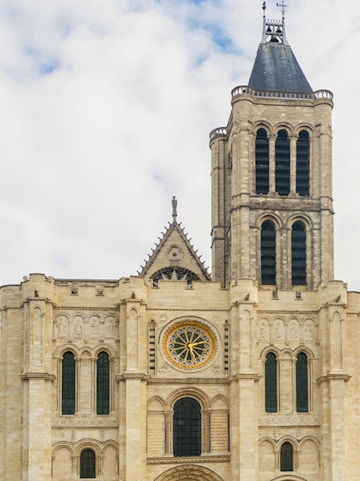
A stone's throw from the museum, this medieval-age church is home to some of the rarest architectural structures in Paris.
Don't miss the shrine of Saint Genevieve, the patron saint of Paris and the stunning Renaissance architecture.
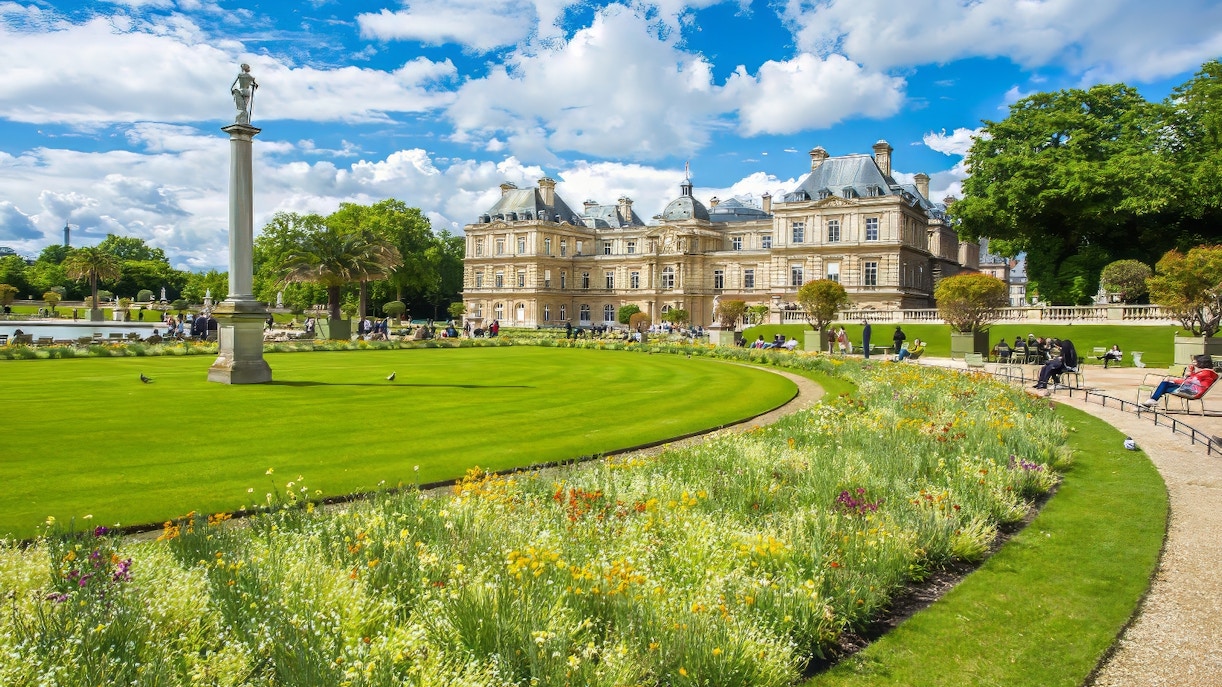
A 15-minute walk from the Petit Palais, you are greeted by the Jardin du Luxembourg, a serene oasis in the heart of Paris.
Discover the Medici Fountain with a large basin where children can sail toy boats, creating a lively atmosphere.
Explore the vast collection of statues in the garden adorned with sculptures, and marvel at its cultural significance.
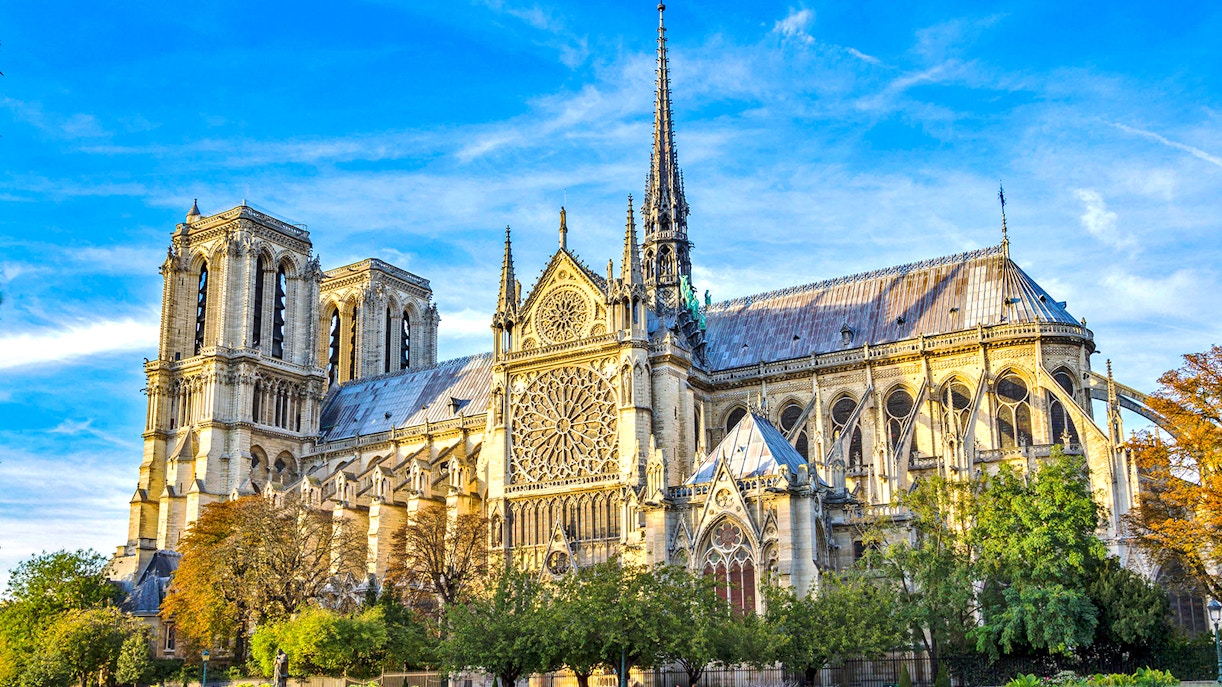
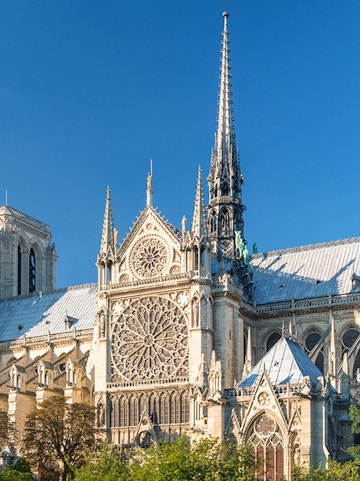
A 25-minute walk from the museum, the cathedral of Notre Dame stands as a majestic testament to Gothic architecture.
Climb the towers for breathtaking views of Paris, and marvel at the intricate stained glass windows.
Explore the crypt and pay respects at the tombs of historical figures.
Frequently asked questions about Petit Palais Museum tickets
A visit typically lasts between 1.5 to 3 hours, depending on whether you explore both the permanent and temporary exhibitions.
Yes, admission to the permanent collections is free for all visitors. However, tickets are required for temporary exhibitions, which may have separate pricing.
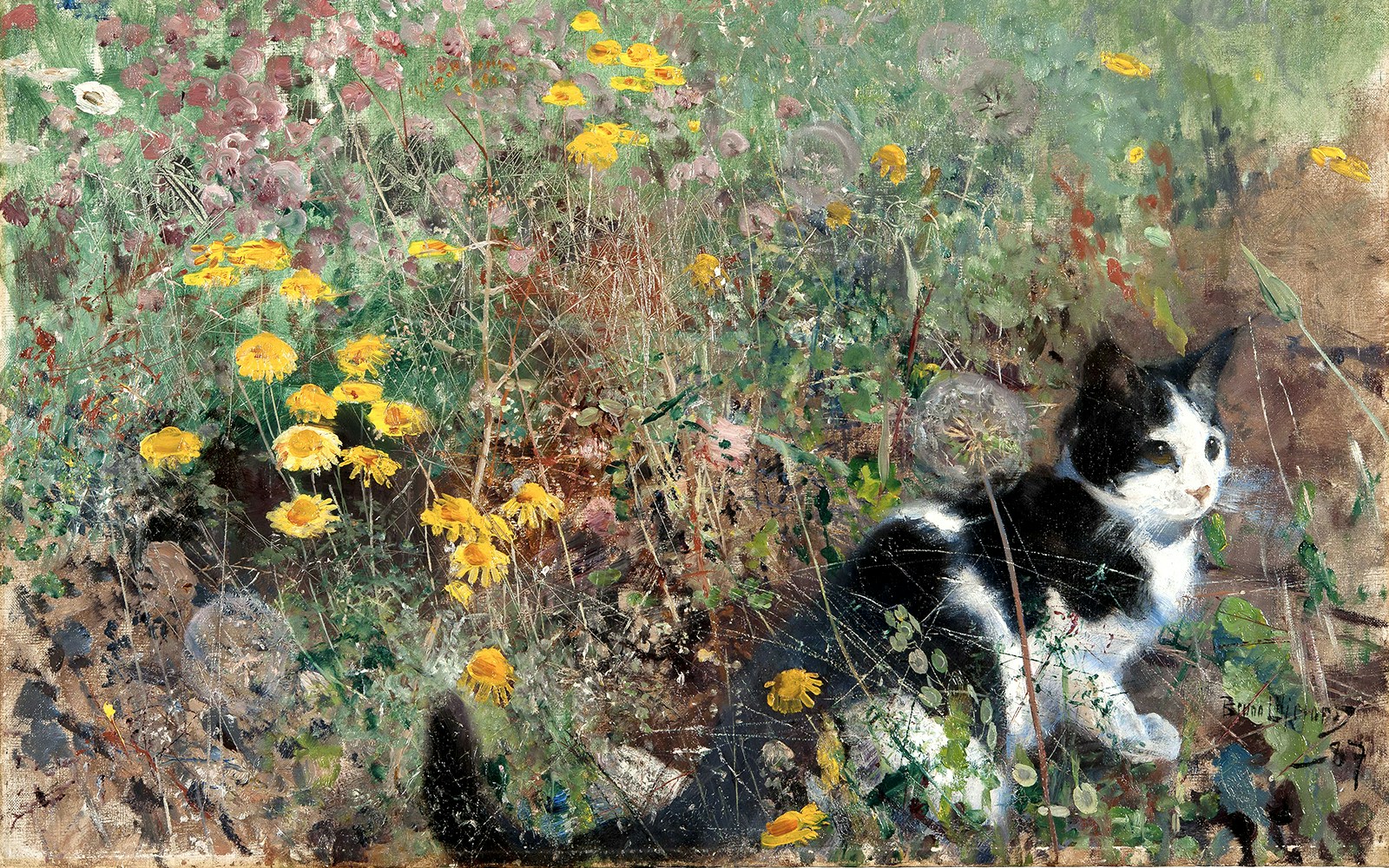
The current temporary exhibitions on display are the "Bruno Liljefors, Wild Sweden" for €12 a ticket and "Ribera, Darkness and Light" for €15 per ticket. You can book the tickets to the Wild Sweden exhibit here.
Reduced or free admission is offered to children, students, and seniors upon presenting valid identification. Check the museum’s official website for a detailed list of eligibility criteria and accepted documents.
Yes, the courtyard of the Petit Palais, including its semi-circular garden, is accessible without needing to enter the museum itself. This outdoor space makes for a relaxing environment amidst lush greenery and beautiful architecture.
A guide map is available online and at the museum to help visitors navigate the exhibits.
Photography is permitted in the permanent collections for private use, but flash photography and selfie sticks are prohibited to protect the artworks. Restrictions may apply in temporary exhibitions.
Yes, the Petit Palais is fully accessible for visitors with reduced mobility. Wheelchairs are available on request, and the museum staff is trained to assist visitors with disabilities.
The museum is conveniently located near the Champs-Élysées-Clemenceau metro station (Lines 1 and 13). Buses and taxis are also easily accessible from major landmarks in Paris.
No, only service animals accompanying visitors with disabilities are permitted inside the museum.
Weekday mornings and late afternoons are typically less crowded. Check for peak times during weekends and holidays to avoid long lines.
Petit Palais TicketsCrafted by Headout, a global experiences brand offering curated tours, tickets & experiences. Discover with ease, book with peace.