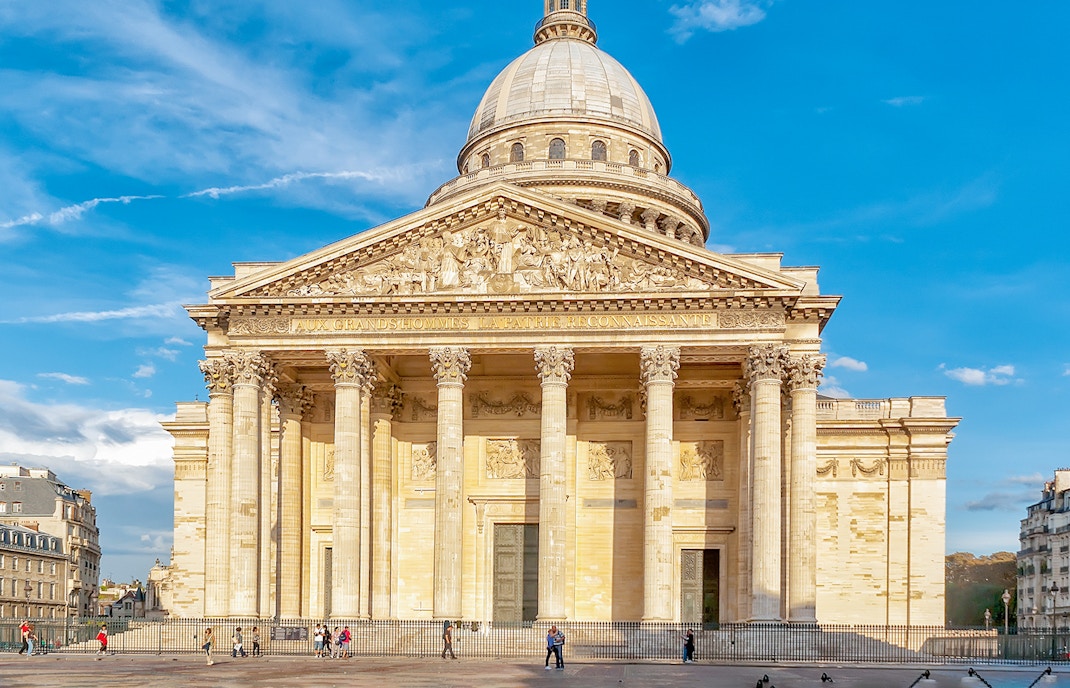
The Paris Panthéon: From church to national mausoleum

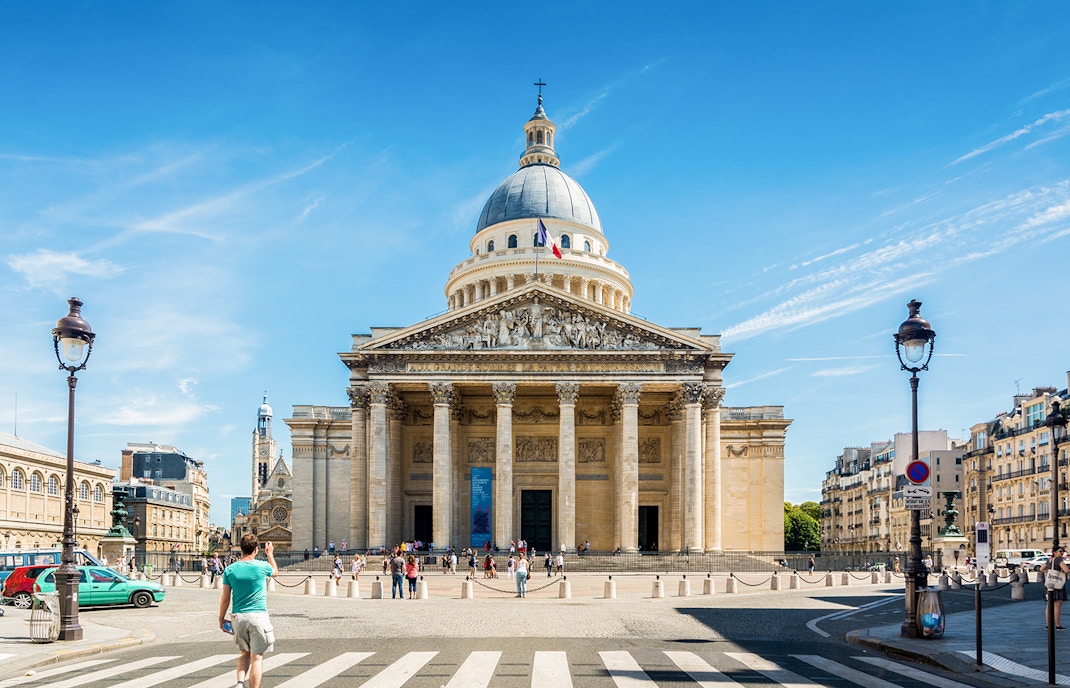
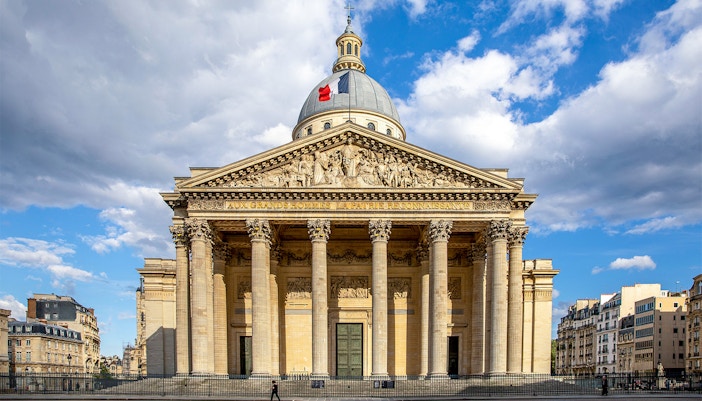
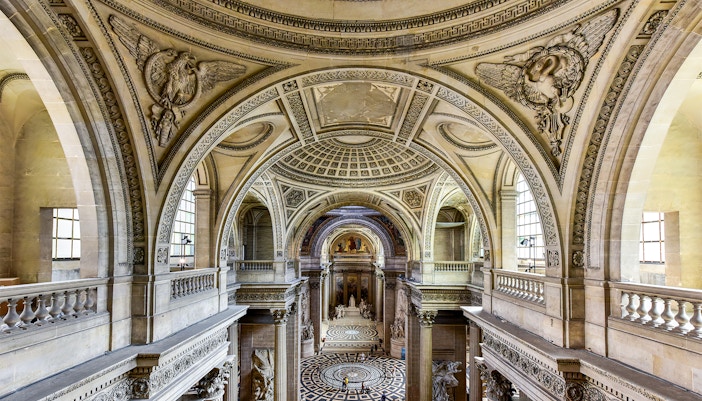
Rising majestically in the Latin Quarter, the Pantheon in Paris is a monument steeped in history and symbolism. Originally built in the 18th century as a church dedicated to Saint Genevieve, it later transformed into a mausoleum honoring France’s most distinguished citizens. Its neoclassical architecture, inspired by ancient Rome, and its rich past reflect centuries of political, cultural, and intellectual change, making the Pantheon a key landmark in Parisian history.

Brief history of Panthéon

  • 1744: King Louis XV vows to build a grand church dedicated to Saint Geneviève, the patron saint of Paris, after recovering from illness.
  • 1755: Architect Jacques-Germain Soufflot is commissioned to design the building, inspired by the Roman Pantheon.
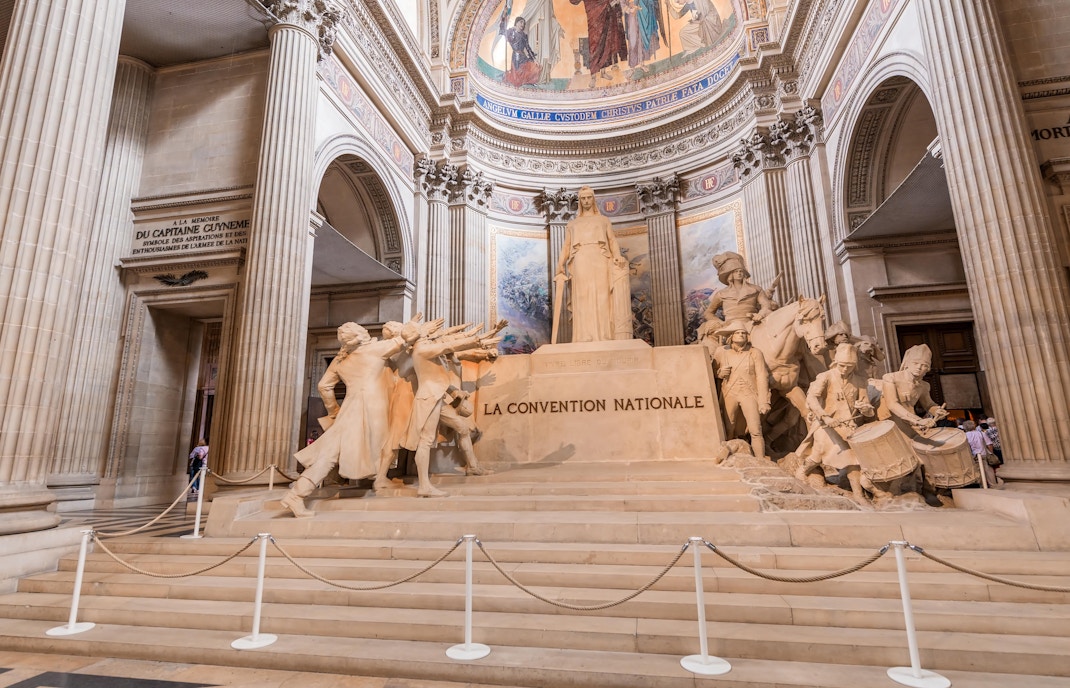
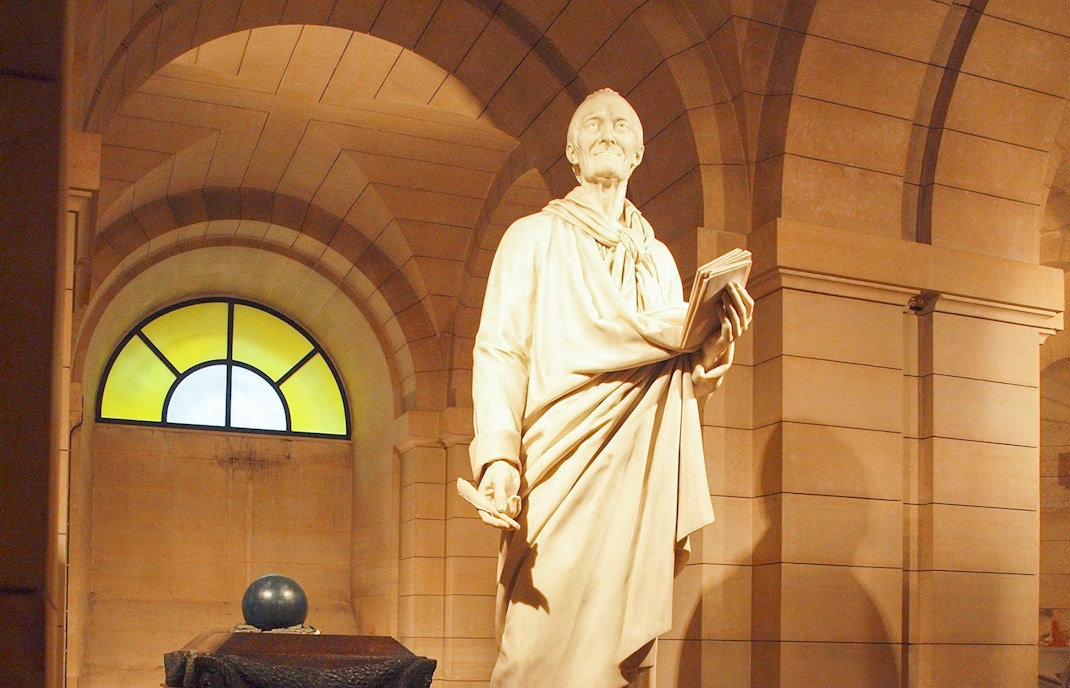
  • 1791: The National Assembly orders the Panthéon to be converted into a secular mausoleum for France’s great figures, and philosopher Voltaire is the first major figure interred in the crypt.
  • 1806: Under Napoleon Bonaparte, the Panthéon is partially restored as a church while still housing some tombs.
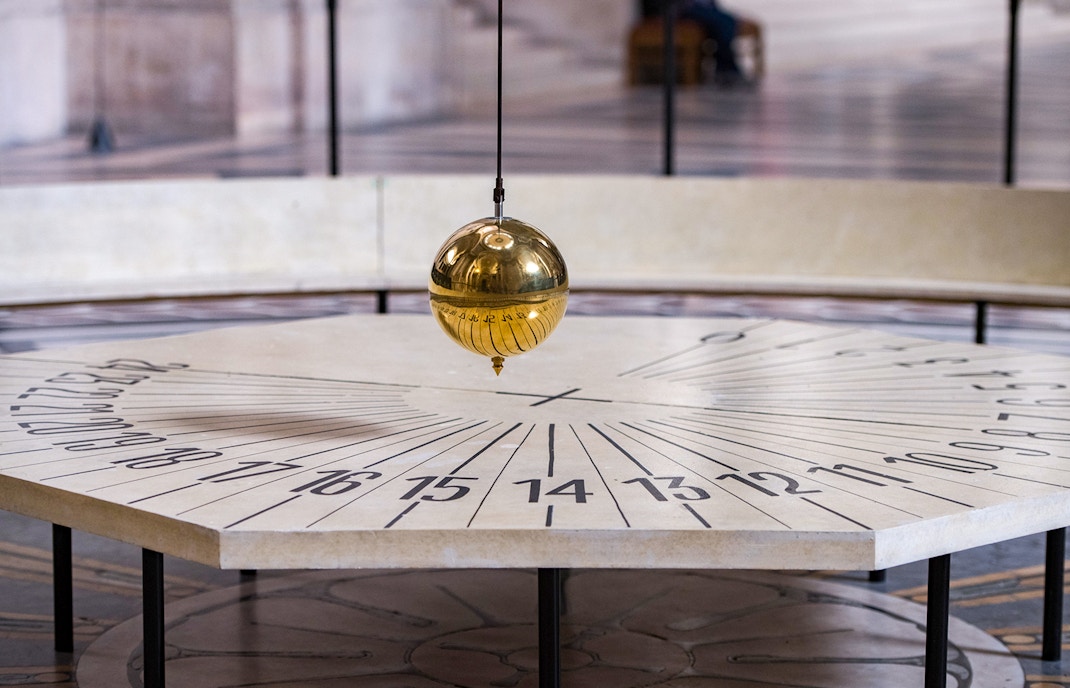
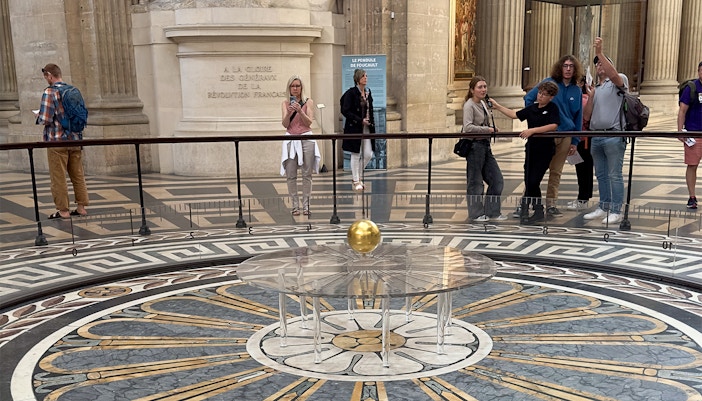
  • 1851: Léon Foucault conducts his famous pendulum experiment inside the Panthéon to prove the Earth’s rotation.
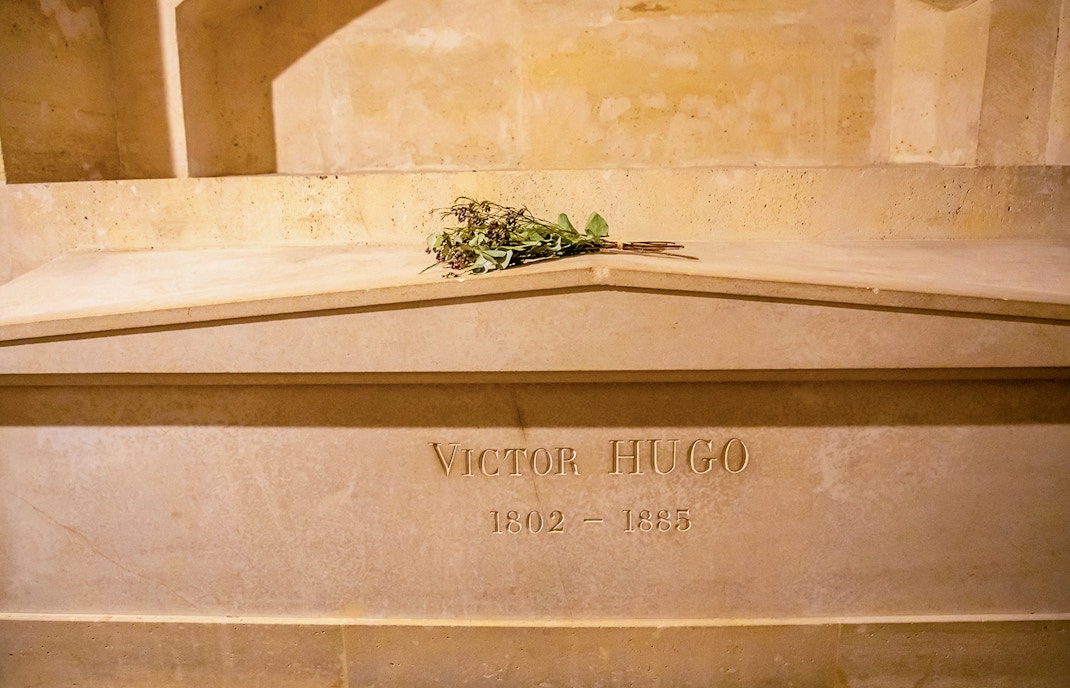
  • 1885: Victor Hugo is given a state funeral, and the Panthéon is permanently designated as a national mausoleum.
  • 1995: Marie Curie becomes the first woman interred in the Panthéon for her achievements.
  • 2018: Scientist Simone Veil, a Holocaust survivor and politician, is interred.
  • Present: The Panthéon remains a symbol of national pride, honoring France’s greatest minds and heroes.
Discover Paris’s secrets in the Latin Quarter!

Step off the beaten path and stroll through the city’s oldest district with a local guide. From iconic landmarks to hidden gems, uncover the stories that make Paris unforgettable, all at a relaxed, personal pace.

The history of Panthéon explained

Paris Pantheon today & why it matters

Today, the Pantheon stands as a symbol of France’s rich cultural and intellectual heritage. Beyond its striking neoclassical architecture, it honors the lives and achievements of influential figures like Voltaire, Rousseau, and Marie Curie. Visiting the Pantheon offers a glimpse into the values, struggles, and triumphs that have shaped modern France, making it more than a historic building—it’s a living testament to the nation’s identity.

Frequently asked questions about the history of Panthéon

Due to political instability in France, the Panthéon’s purpose changed several times. Under Napoleon Bonaparte (1806) and later Napoleon III (1851), it was partially restored as a church. It wasn’t until Victor Hugo’s state funeral in 1885 that it permanently became a national mausoleum.

More reads