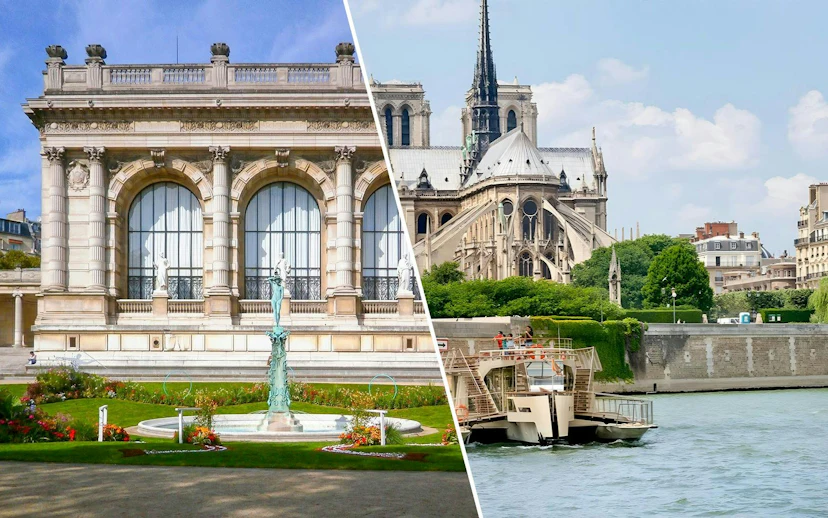
How to visit Palais Galliera in Paris
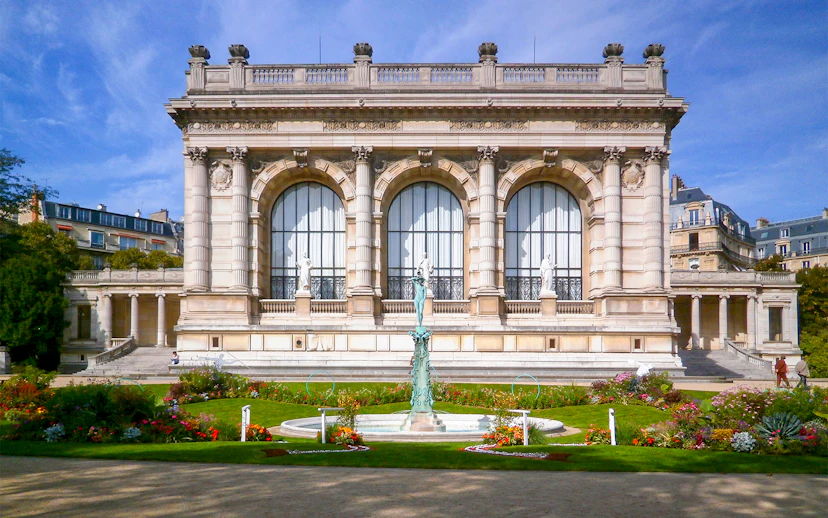
Palais Galliera is Paris’s fashion museum, best known for rotating exhibitions of haute couture, historic dress, and designer retrospectives rather than a permanent display. It’s a compact museum in a grand 19th-century palace, so the visit feels focused rather than sprawling, but what you see depends heavily on what’s on that season. The difference between a rewarding visit and a disappointing one is checking the current exhibition before you go. This guide covers timing, tickets, layout, and the smart way to plan your stop.
Quick overview: Palais Galliera at a glance
If you’re deciding whether this museum fits your Paris plans, these are the details that actually change the visit.
- When to visit: Tuesday–Sunday, 10am–6pm, with Friday late opening until 9pm. Tuesday–Thursday from 10am to 11:30am is noticeably calmer than weekend afternoons, because the galleries are small and a single popular room can bottleneck the whole route.
- Getting in: From €14 for standard entry. Guided tours are usually from about €20, and you can often book 0–2 days ahead unless a major designer retrospective or Friday evening slot is drawing extra demand.
- How long to allow: 45–60 minutes works for most visitors. It stretches closer to 90 minutes if two exhibitions are open or you stop to read the labels closely.
- What most people miss: The palace interiors themselves, the vaulted lower galleries, and the craftsmanship displays that explain how garments were actually made.
- Is a guide worth it? Yes for designer retrospectives or history-heavy exhibitions where context matters, but for a lighter visit the bilingual labels usually do enough on their own.
🎟️ Friday evening slots and headline exhibitions at Palais Galliera can sell out several days ahead in summer and during fashion week. Lock in your visit before the time you want is gone. → See ticket options
Jump to what you need
🕒 Where and when to go
🗓️ How much time do you need?
🎟️ Which ticket is right for you?
🗺️ Getting around
♿ Facilities and accessibility
Where and when to go
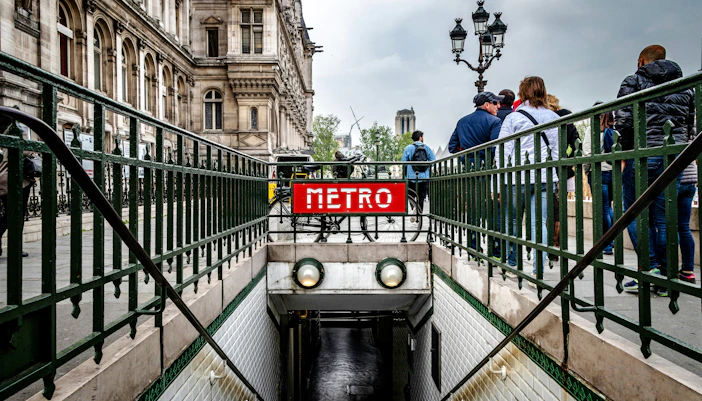
How do you get to Palais Galliera?
Palais Galliera sits in Paris’s 16th arrondissement, a short walk from Iéna and Alma-Marceau, and about 15–20 minutes by metro from central Paris.
10 Avenue Pierre Ier de Serbie, 75116 Paris, France
- Metro: Iéna (Line 9) → 3-minute walk → the simplest option if you’re coming from the Champs-Élysées side.
- Metro: Alma-Marceau (Line 9) → 5-minute walk → useful if you’re pairing the visit with Avenue Montaigne or Pont de l’Alma.
- RER: Pont de l’Alma (RER C) → 8-minute walk → convenient from the Eiffel Tower or Musée d’Orsay side.
- Bus: 32, 42, 63, 72, 80, 82, and 92 → Iéna or Alma-Marceau stops → helpful if Line 9 is crowded.
- Taxi / rideshare: Avenue Pierre Ier de Serbie drop-off → closest curbside access to the main entrance.
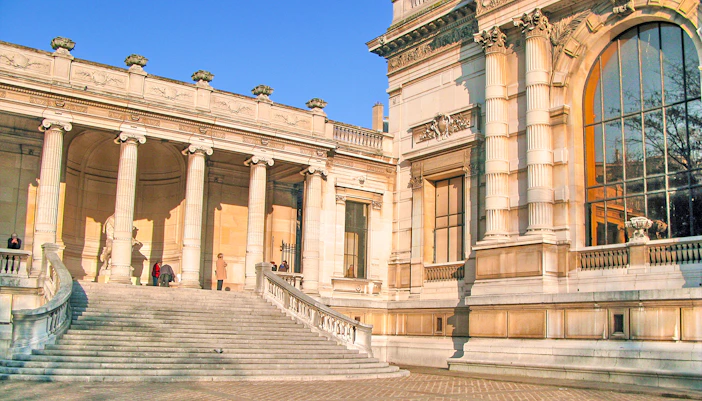
Which entrance should you use?
There is one public entrance, and the bigger mistake here is not choosing the wrong door but assuming you can arrive at the last minute and still browse comfortably. The front entrance works for all visitors, with only occasional security or ticket checks outside during major shows.
- Located at the main front entrance on Avenue Pierre Ier de Serbie. Expect 0–10 minutes’ wait most days, or 15–20 minutes during blockbuster exhibitions and Friday late openings.
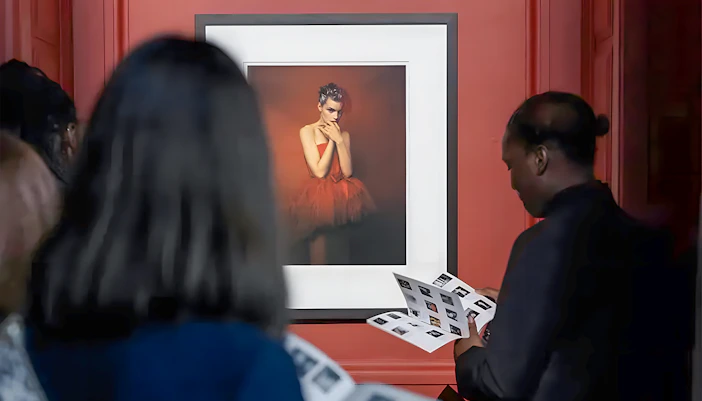
When is Palais Galliera open?
- Tuesday–Sunday: 10am–6pm
- Friday: 10am–9pm
- Monday: Closed
- Last entry: 5pm Tuesday–Thursday and weekends, 8pm on Friday
When is it busiest? Weekend afternoons, Friday from 5pm onward, and summer months from May to September are busiest, when the smaller galleries feel crowded fastest.
When should you actually go? Tuesday–Thursday soon after opening gives you the easiest viewing conditions, especially if you want time with labels, room shots, and the more detailed textile displays.
💡 Pro tip: If a headline retrospective is on, Friday after 6:30pm is usually a better trade than Saturday afternoon — the late closing spreads visitors out, and the small rooms feel much less bottlenecked.
General admission covers a standard self-guided visit; guided tour tickets make more sense when the exhibition is context-heavy.
✨ Galliera is compact, but the value of a big retrospective often sits in the story behind the garments, sketches, and archival material. A guided tour helps when labels alone won’t connect the designer’s evolution.
Which Palais Galliera ticket is best for you
| Ticket type | What's included | Best for | Price range |
|---|---|---|---|
General admission ticket | Entry to current exhibition(s) on the day of your visit | A short museum stop where you want flexibility and are happy with a self-guided visit of about 45–60 minutes | From €14 |
Combined exhibition ticket | Entry to all current exhibitions + same-day access across both exhibition areas | A visit where one rotating show won’t feel like enough and you want the fuller museum experience for a small extra cost | From €17 |
Official guided tour | Entry + museum guide + scheduled 1.5-hour tour | A designer retrospective or history-heavy exhibition where labels alone won’t give you enough context | From about €20 |
Reduced admission | Entry to current exhibition(s) + reduced-rate access for eligible visitors with valid proof | A budget-conscious visit where you qualify for a concession and don’t need a guided format | From €12 |
Friday evening slots and major retrospective dates are the ones most likely to disappear first, so don’t assume this is always a walk-up museum. If the current show is the reason you’re going, book before you build the rest of your day around it.
How do you get around Palais Galliera?
The galleries
Palais Galliera is a compact, split-level museum with one main exhibition route in the palace rooms and additional galleries below, so it’s easy to self-navigate but worth checking the exhibition leaflet if two shows are running at once.
- Ground-floor and upper salons → main temporary exhibition rooms in the historic palace → budget 25–35 minutes.
- Vaulted lower galleries → collection-based or technique-focused displays, including the Gabrielle Chanel spaces → budget 20–30 minutes.
- Terrace and exterior approach → architecture, garden views, and a quick breather between exhibitions → budget 5–10 minutes.
Suggested route: Start in the palace rooms while your attention is freshest for silhouettes and labels, then head downstairs for the denser textile and technique displays that many people rush at the end.
Maps and navigation tools
- Map: Printed leaflet or exhibition handout → current room sequence and exhibition split → pick it up at the front desk before entering.
- Signage: Good for basic wayfinding, but the leaflet helps more when one exhibition is upstairs and another is in the basement galleries.
- Audio guide / app: Paris Musées guidance varies by exhibition → ask at the desk before you start → most useful when the show is biography- or archive-heavy.
💡 Pro tip: If two exhibitions are open, don’t leave the lower galleries for the final 15 minutes — the technique displays and multimedia sections are the part most visitors shortchange.
Where are the masterpieces inside Palais Galliera?
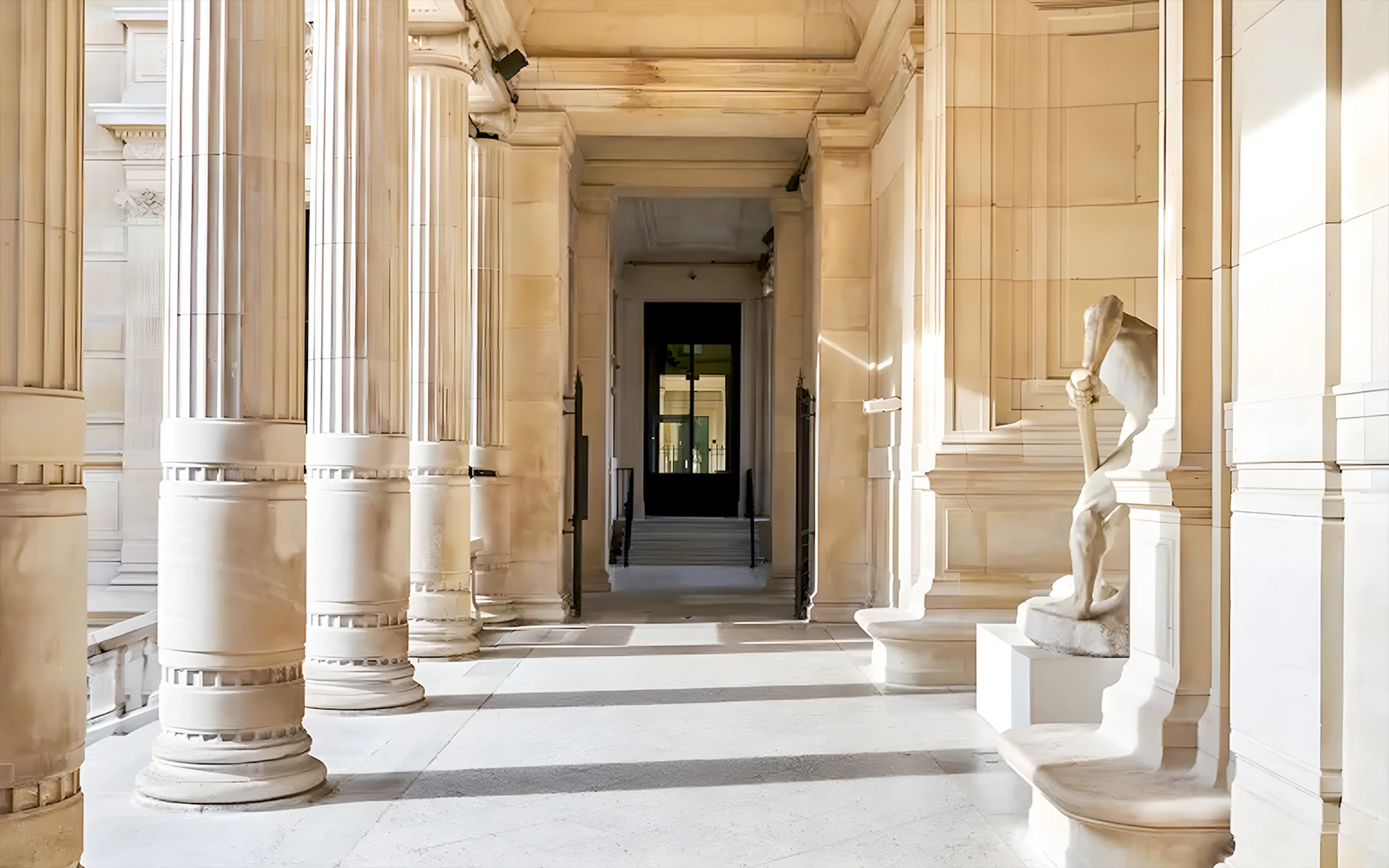
The palace interiors
Attribute — Era: 19th-century Beaux-Arts palace
The building is part of the visit, not just a container for it. Mosaic floors, painted ceilings, sculpted details, and the formal approach through the garden give the museum a sense of occasion before you’ve even seen a dress. Most visitors look up only once, then move on too quickly — the ceiling and floor details are easiest to notice in the quieter first rooms.
Where to find it: Entrance hall, main staircase approach, and the first sequence of historic salons
Weaving, embroidering, embellishing
Attribute — Theme: Fashion craftsmanship from the 18th century to today
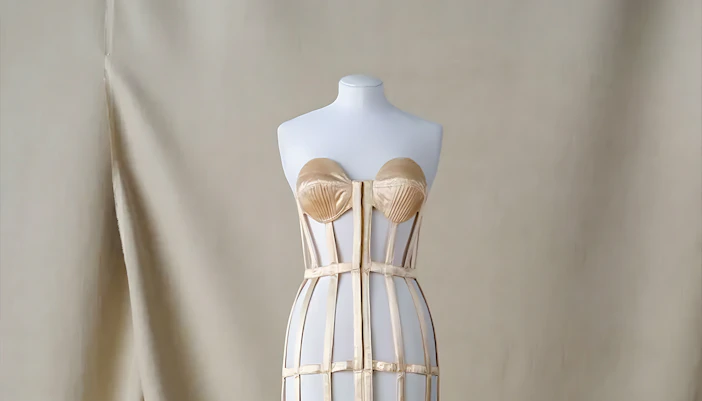
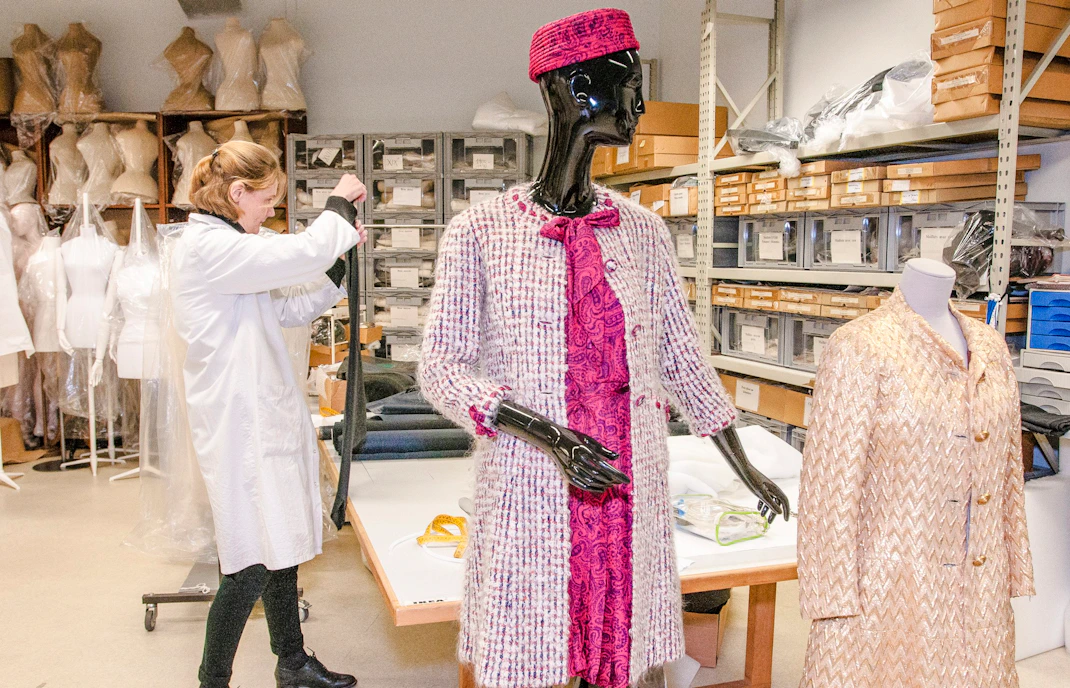
This is where the museum becomes more than a parade of beautiful clothes. The displays focus on the making of fashion — weaving, embroidery, lace, embellishment, and surface detail — and they reward slow looking more than quick room-by-room scanning. What most people miss are the comparison displays that place historical techniques beside modern couture, which is where the exhibition really clicks.
Where to find it: Lower galleries and vaulted exhibition spaces
Fashion in the 18th century: A fantasized legacy
Attribute — Era: 18th-century women’s fashion and later reinterpretations
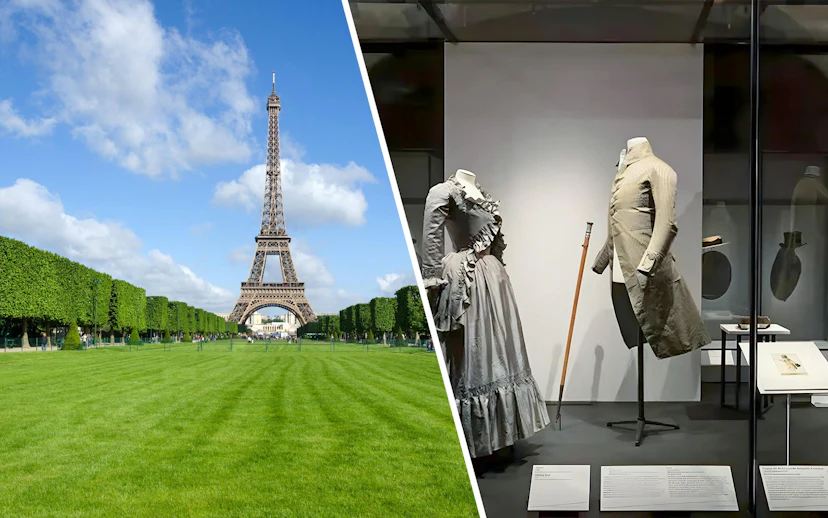
If this exhibition is on during your visit, it’s one of the clearest examples of how Galliera connects fashion history to modern style. You’ll see court silhouettes, corsetry, panniers, and decorative detail, but the payoff is in the comparisons showing how later designers kept borrowing from that world. Visitors often rush past the accessories, even though they explain how the full silhouette worked.
Where to find it: Main temporary exhibition rooms in the palace galleries
Historic garments with real provenance
Attribute — Collection type: Archival dress and accessories
Galliera is strongest when a garment is not only visually striking but tied to a real person, date, or moment. Pieces linked to figures such as Marie-Antoinette or Empress Joséphine bring a different kind of weight to the rooms because you’re not just seeing fashion — you’re seeing personal history preserved in fabric. The labels matter here, and many visitors don’t give them enough time.
Where to find it: Rotating collection and history-led exhibitions throughout both gallery levels
Designer retrospectives
Attribute — Format: Temporary couture and designer exhibitions
The museum’s biggest crowd-pullers are retrospective shows devoted to designers and fashion houses, and these are often the reason people book in the first place. They work best when you slow down for the sketches, photos, videos, and archival context, not just the most famous look in each room. Most visitors cluster around the headline pieces and miss the quieter work that explains the designer’s evolution.
Where to find it: Usually in the palace’s main exhibition circuit, with supporting material in adjacent rooms
💡 Don't leave without seeing: the lower galleries if two exhibitions are open, because many visitors assume the main palace rooms are the whole museum, and the architecture itself, which is easy to overlook once the clothing draws you in.
Facilities and accessibility
- 🎒 Cloakroom / lockers: Free storage is available for coats, umbrellas, and larger bags before you enter the galleries.
- 🚻 Restrooms: Restrooms are available on-site, and it’s smarter to use them before the final rooms if you’re close to closing time.
- 🛍️ Gift shop / merchandise: The exit shop is the best place for exhibition catalogs, postcards, and fashion-focused books that are easier to carry than a full catalog.
- 🪑 Seating / rest areas: Seating inside the galleries is limited, so the terrace and exterior garden area are the easiest places to pause between exhibits.
- ♿ Mobility: Elevators connect the exhibition levels and the museum is wheelchair-accessible, though staff may direct you to the easiest accessible route because the palace entrance is historic.
- 👁️ Visual impairments: Large-print or Braille materials can be requested, and occasional tactile visits are the most useful option if you want more than standard label text.
- 🧠 Cognitive and sensory needs: No dedicated quiet room is widely advertised, so Tuesday–Thursday mornings are the best low-crowd window and the smallest galleries are the noisiest during blockbuster shows.
- 👨👩👧 Families and strollers: Strollers are allowed and the route is manageable, but popular exhibitions can create tight spots in smaller rooms and slow movement.
Palais Galliera works best for school-age children, teens, and fashion-curious families, especially when the current exhibition has bold silhouettes, photography, or a strong designer story.
- 🕐 Time: 45–60 minutes is realistic with children, and one strong exhibition usually lands better than trying to linger in every room.
- 🏠 Facilities: Bag storage and stroller access help, but there isn’t a large family zone so plan a nearby snack stop afterward.
- 💡 Engagement: Turn the visit into a ‘spot the detail’ game, because children usually respond better to embroidery, oversized skirts, and surprising accessories than long text panels.
- 🎒 Logistics: Bring only a small bag and aim for the first hour after opening, when it’s easier to move at child pace and get close to the displays.
- 📍 After your visit: The Trocadéro gardens are about a 10-minute walk away and give children space to reset with Eiffel Tower views.
Rules and restrictions
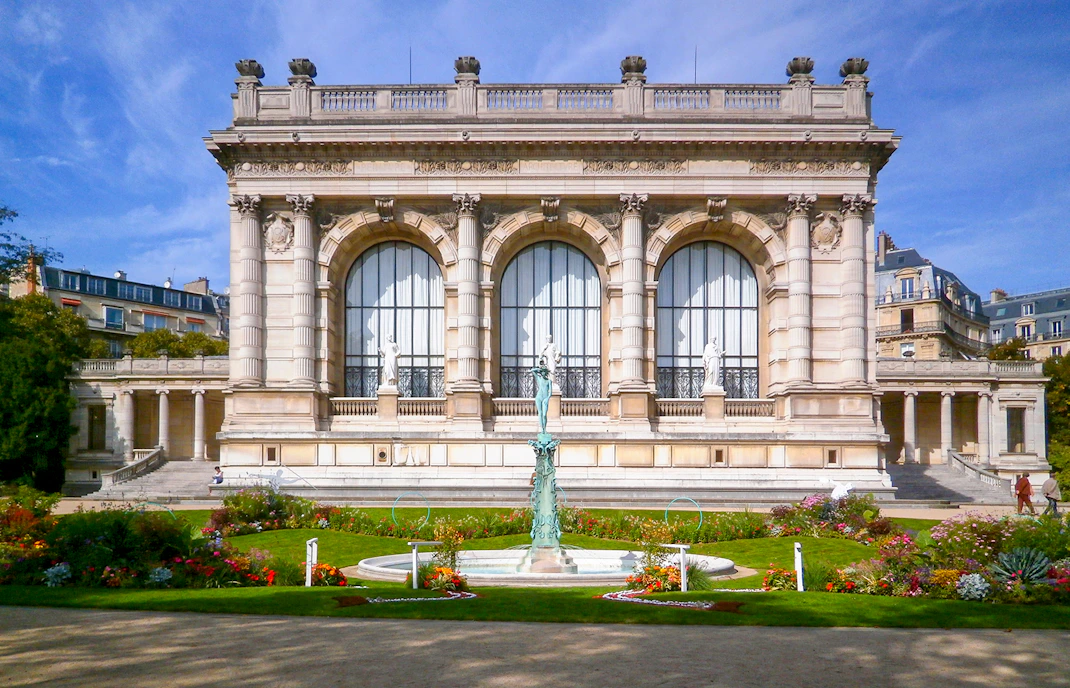
What you need to know before you go
- Buy online or at the museum desk, and bring ID if you’re using a reduced or free ticket.
- Large bags, suitcases, and umbrellas should be left in the cloakroom before you enter the galleries.
- Re-entry is not generally permitted once you leave, so treat your visit as one continuous stop rather than a museum you can dip in and out of.

Not allowed
- 🚫 Food and drink: Food and open drinks are not allowed in the galleries because of the sensitivity of the textiles on display.
- 🚬 Smoking/vaping: Smoking and vaping are not allowed inside the museum, so use outdoor public areas before entering.
- 🐾 Pets: Pets are not allowed inside, but assistance animals are accepted.
- 🖐️ Touching exhibits: Do not touch garments, cases, or display platforms, because conservation rules are stricter here than in many general museums.
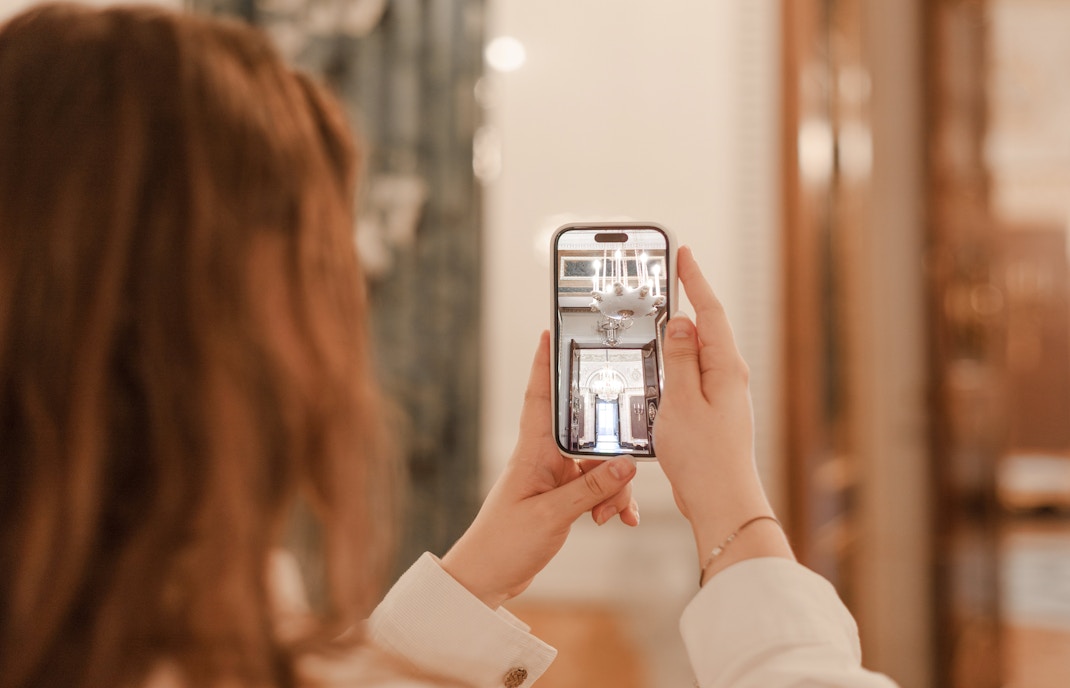
Photography
Photography is usually allowed for personal use, but individual rooms or especially light-sensitive garments may be marked as no-photo zones, so check the signage rather than assuming the same rule applies everywhere. Flash should be considered off-limits, and tripods and selfie sticks are not appropriate inside the exhibition spaces.
Good to know
- Last entry is 1 hour before closing, which matters more here than people expect because the museum is small enough to underestimate and then rush.
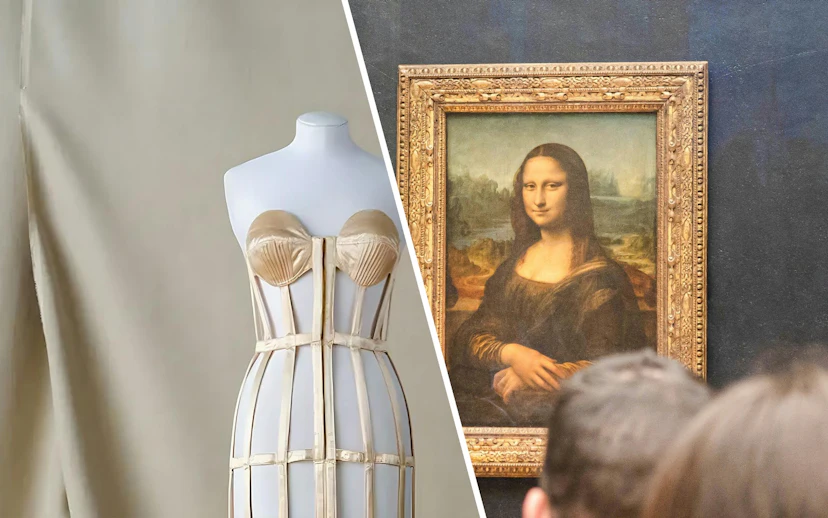
- What you see depends entirely on the current exhibition, so check what’s on before you book if you’re choosing between Galliera and another Paris fashion museum.
⚠️ Re-entry is not generally permitted once you exit Palais Galliera. Plan restroom stops, gift-shop browsing, and coffee afterward — stepping out early usually ends the visit rather than pausing it.
Practical tips
- Book 0–2 days ahead for a normal visit, but don’t treat that as universal — major retrospectives, Friday late openings, and fashion week periods are the times to lock in earlier.
- If you’re on a guided tour, be there 10–15 minutes early because the group format is less forgiving than standard entry, even when general admission is flexible.
- Start in the main palace rooms and save mental energy for the lower galleries, because the detailed craftsmanship displays are where people most often skim when they’re tired.
- Tuesday–Thursday from 10am to 11:30am is the easiest window for actually reading the labels, while weekend afternoons are the worst trade if you dislike bottlenecks.
- Bring a small bag, not a daypack, because cloakroom stops add friction to a museum visit that is otherwise short and smooth.
- Don’t build lunch into the middle of this visit; Galliera is better as a focused pre-lunch or post-coffee stop, especially since nearby options at Trocadéro or Avenue Marceau are more useful than trying to break the visit in half.
- If you’re deciding between Galliera and a brand museum like La Galerie Dior, let the current exhibition make the decision — Galliera is strongest when the show itself genuinely interests you.
What else is worth visiting nearby?

Commonly paired: La Galerie Dior
La Galerie Dior
Distance: 1km — 10–15 minutes’ walk
Why people combine them: It makes for a natural fashion-focused half day, with Galliera giving you the broader history and Dior giving you one house’s immersive brand story.
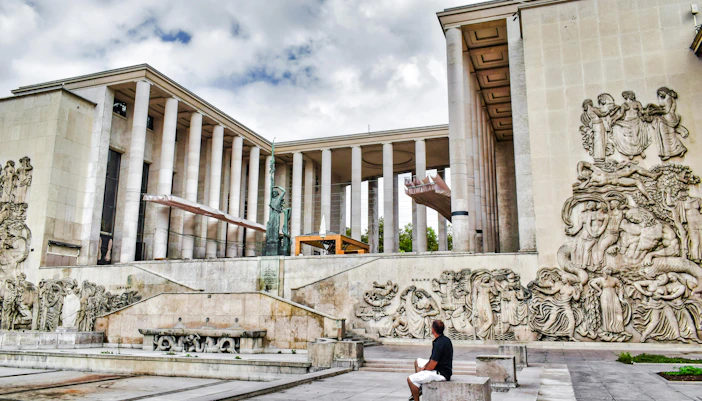
Commonly paired: Palais de Tokyo
Palais de Tokyo
Distance: 250m — 3 minutes’ walk
Why people combine them: It’s the easiest same-area add-on if you want to balance historical fashion with contemporary art without adding more transport to your day.
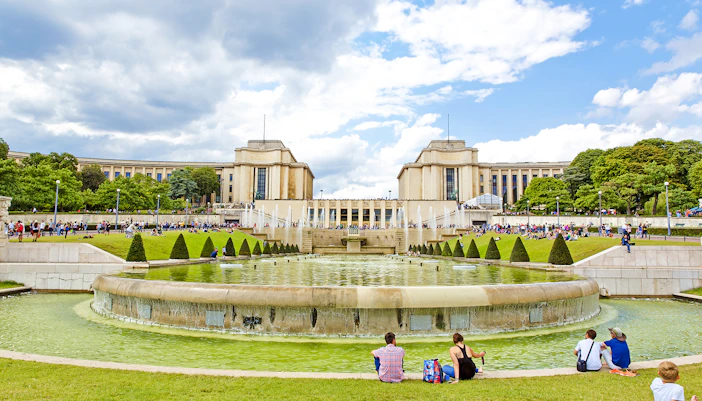
Also nearby
Trocadéro and Eiffel Tower viewpoints
Distance: 600m — 10 minutes’ walk
Worth knowing: This is the easiest post-museum walk if you want iconic Paris views without committing to another indoor attraction.
Musée Guimet
Distance: 350m — 5 minutes’ walk
Worth knowing: It’s a smart nearby second museum if you want a quieter cultural follow-up and don’t mind shifting from fashion to Asian art.
Eat, shop and stay near Palais Galliera
- On-site: There isn’t a full café worth building your visit around, so treat the museum as a short stop and eat before or after nearby.
- Carette (10-minute walk, 4 Place du Trocadéro et du 11 Novembre): Classic tea room and pastries, best if you want a polished post-museum coffee or dessert stop.
- Les Marches (6-minute walk, 6 Rue de la Manutention): Traditional French brasserie, useful for a proper lunch without a long detour.
- Monsieur Bleu (7-minute walk, 20 Avenue de New York): Stylish terrace restaurant at Palais de Tokyo, worth it if you want a more elevated meal and don’t mind higher prices.
- Pro tip: Eat after your visit, not before a guided slot — Galliera is short, but lunch service nearby can easily run longer than the museum itself.
- Palais Galliera gift shop: Exhibition catalogs, fashion books, and postcards, all located at the exit and easy to browse without adding extra walking.
- Avenue Montaigne boutiques: Luxury flagship shopping about 10–15 minutes away on foot, best for window-shopping or a couture mood rather than practical purchases.
This part of the 16th arrondissement is polished, quiet, and easy for a short museum stop, but it isn’t the most characterful base if this is your first Paris trip and you want café density, nightlife, and easy wandering. It works best if walkability to Trocadéro, the Seine, and a few higher-end sights matters more than neighborhood buzz.
- Price point: The area skews expensive, with more upscale hotels than budget finds.
- Best for: Short stays where you want a calm, well-connected base near Trocadéro, Avenue Montaigne, and the western central districts.
- Consider instead: Saint-Germain-des-Prés or Le Marais if you want more atmosphere, more restaurant choice, and an easier base for longer sightseeing days.
Frequently asked questions about visiting Palais Galliera
Most visits take 45–60 minutes, and 90 minutes is usually enough even if two exhibitions are open. The museum is compact, so it’s easy to fit into a larger day, but fashion fans who read every label and linger over the craftsmanship displays will naturally take longer.
Usually, no — you can often book 0–2 days ahead or even buy on-site. That changes when a major retrospective is on, during summer travel peaks, or for Friday evening openings, when booking ahead is the safer move if you want a specific visit window.
Usually not, because lines are short enough that standard entry works fine most days. It only starts to make a noticeable difference during blockbuster exhibitions, busy summer weekends, or popular Friday late openings when the entry area can back up.
Arrive about 10–15 minutes early if you have a guided tour or a busy exhibition slot. General admission is more forgiving than major Paris landmarks, but arriving a little early gives you time for bag storage and lets you start the galleries without feeling rushed.
Yes, but large bags and luggage should be left in the cloakroom before you enter the galleries. A small bag is easiest for this museum, because the visit is short and you’ll spend less time dealing with storage than you would with a larger daypack.
Usually yes, but photography rules can vary by room or by individual object. Personal photos are generally fine, while flash should be avoided and some light-sensitive pieces may be marked as no-photo. Always check the signage in each gallery instead of assuming one rule applies everywhere.
Yes, group visits are possible, and the museum also offers guided formats for deeper context. Smaller groups work better in the galleries because the rooms aren’t large, so if you’re organizing a class, tour, or study group, pre-booking is the smoother option.
Yes, as long as your expectations match the format of the museum. The visit is short, stroller access is manageable, and fashion-focused children or teens often enjoy the visuals, but younger kids who need hands-on activities may engage for less time than adults.
Yes, Palais Galliera is wheelchair-accessible. Elevators connect the exhibition levels, and the museum can assist with the most practical accessible entrance route because the building is historic. If you need specific support, it’s worth asking at the front desk when you arrive.
Food options are better near the museum than inside it. The visit is short enough that most people eat before or after, and nearby choices around Trocadéro, Avenue Marceau, and Palais de Tokyo are much more useful than trying to pause mid-visit.
The easiest way is usually Metro Line 9 to Iéna, followed by a 3-minute walk. Alma-Marceau on the same line is also close, and RER C to Pont de l’Alma works well if you’re coming from the Eiffel Tower or Musée d’Orsay side of the city.
No, Palais Galliera is not usually included in the standard Paris Museum Pass. It belongs to the Paris Musées network rather than the national-museum lineup most pass users expect, so check current inclusions before assuming it’s covered.
More reads
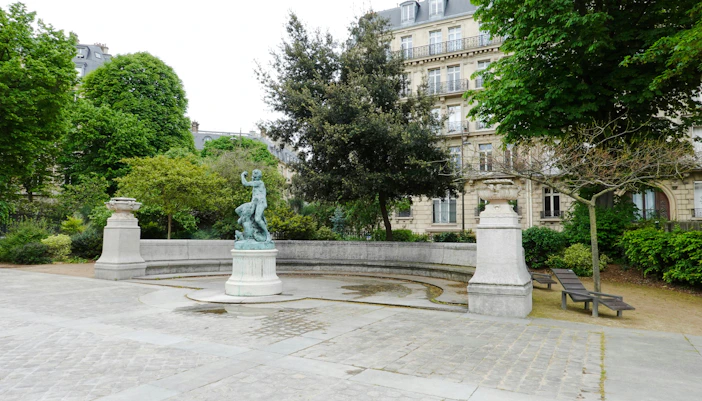
Palais Galliera tickets
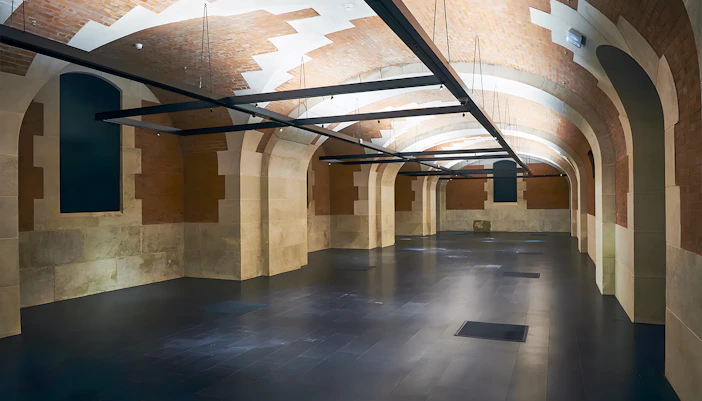
Palais Galliera highlights