Visiting Musée Carnavalet: your complete guide
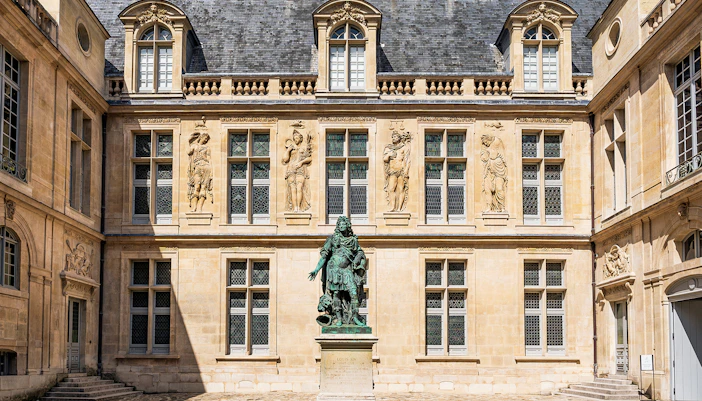
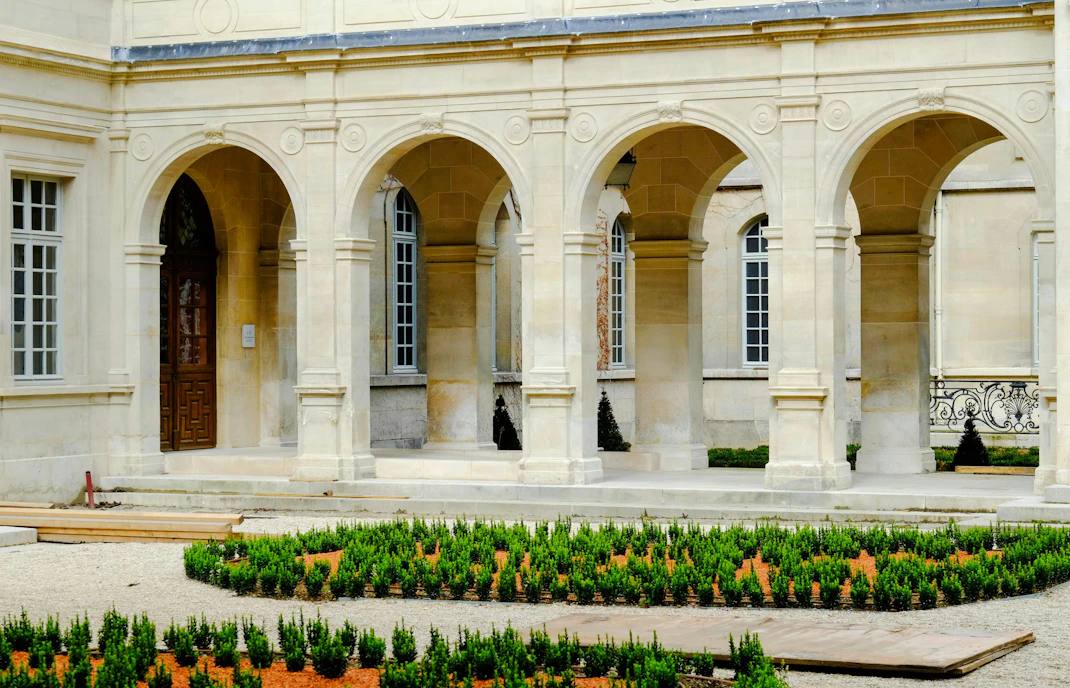
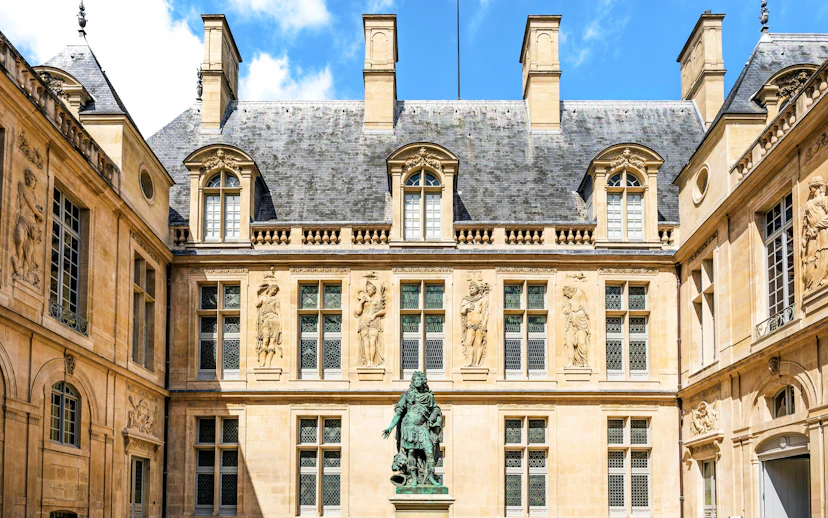
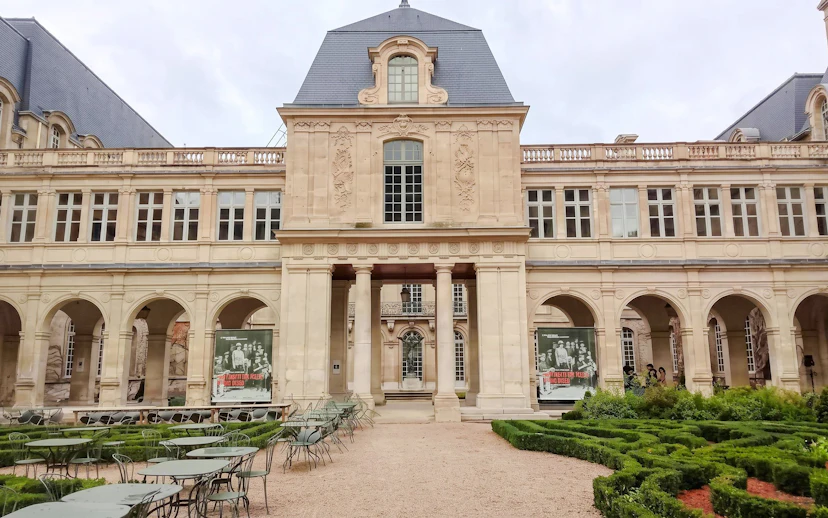
Musée Carnavalet – Histoire de Paris is Paris’s city-history museum, best known for telling the story of the city through rooms, objects, signs, interiors, and Revolution-era artifacts rather than one headline masterpiece. The visit feels bigger than many first-time visitors expect because it stretches across two historic Marais mansions and several levels. The biggest difference between a satisfying visit and a tiring one is arriving with a shortlist. This guide covers timing, entry, route-planning, and what to prioritise.
Quick overview: Musée Carnavalet at a glance
If you want Paris to make more sense before or after exploring Le Marais, this is one of the smartest museum stops in the city.
- When to visit: Tuesday–Sunday, 10am–6pm; weekday mornings or the last 90 minutes of the day are noticeably calmer than weekend afternoons, because the free permanent collection attracts a lot of casual drop-in visitors.
- Getting in: From €0 for the permanent collection; temporary exhibitions use paid timed entry, and booking ahead is the only way to guarantee access if that exhibition is the reason you’re coming.
- How long to allow: 1.5–3 hours for most visitors; the full chronological route, period rooms, and Revolution galleries push you toward the longer end.
- What most people miss: The basement archaeology section and the Sign Rooms both get rushed, even though they do the most to explain how Paris looked and functioned before modern boulevards.
- Is a guide worth it? Yes if you want the French Revolution, Haussmann, and Belle Époque rooms to connect into a clear story, but a self-guided visit works well if you use the museum app’s highlights route.
🎟️ Timed-entry tickets for the Musée Carnavalet's temporary exhibitions are limited and can sell out quickly. Reserve your preferred timeslot in advance.
Jump to what you need
Where and when to go
Which Musée Carnavalet ticket is best for you
| Ticket type | What's included | Best for | Price from |
|---|---|---|---|
Carnavalet Museum & Madame de Sévigné Exhibition Tickets | Timed entry to the Madame de Sévigné exhibition + access to the museum's permanent collections | Visiting the museum's headline temporary exhibition while exploring the story of Paris at your own pace | €15 |
Carnavalet Museum Guided Tour | Museum entry + shared or private guided tour in English or French + permanent collections | A deeper, story-led visit where you'd rather explore with an expert than on your own | €100 |
Carnavalet Exhibition & Le Marais Food Tour | Madame de Sévigné exhibition entry + permanent collections + self-guided Le Marais food trail with audio guide | Combining Parisian history with local food and neighbourhood exploration in one experience | €27 |
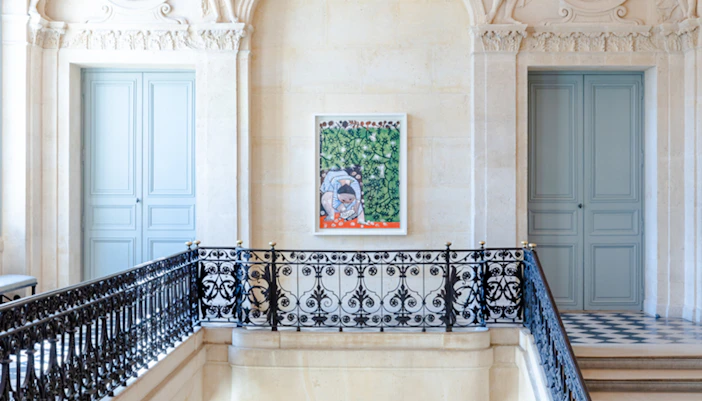
Combo: Carnavalet Museum + Picasso Museum Tickets | Madame de Sévigné exhibition + permanent collections + Picasso Museum entry | Exploring two very different sides of Paris—from its history to Picasso's modern masterpieces | €30 |
Combo: Carnavalet Museum + Musée d'Orsay Tickets | Madame de Sévigné exhibition + permanent collections + Musée d'Orsay entry | Pairing Parisian history with world-famous Impressionist art in one cultural day out | €44 |
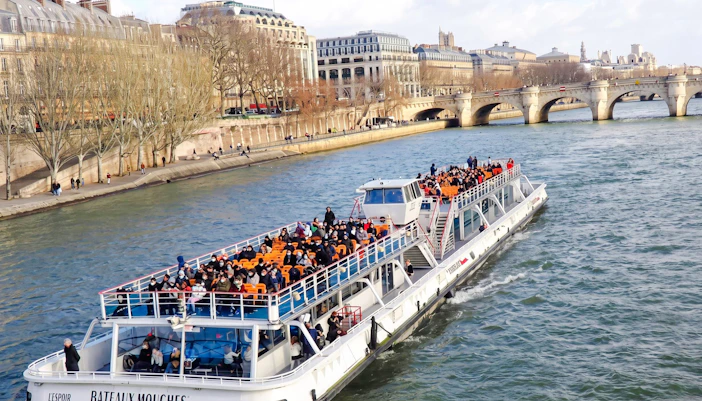
Combo: Carnavalet Museum + Seine River Cruise | Madame de Sévigné exhibition + permanent collections + 1-hour Seine sightseeing cruise | Mixing museum time with iconic views of Paris without planning two separate activities | €36 |
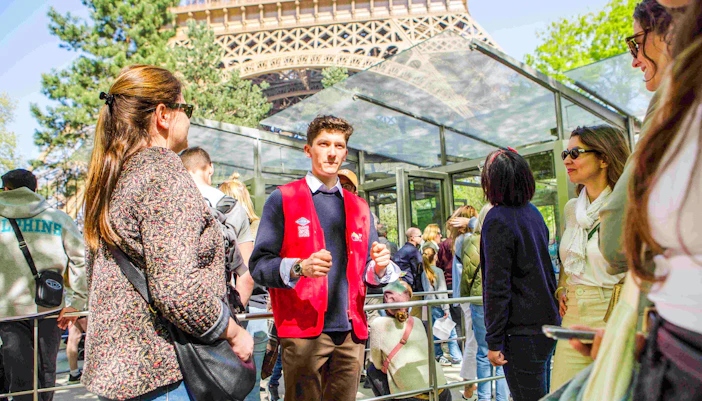
Combo: Carnavalet Museum + Eiffel Tower Guided Tour | Madame de Sévigné exhibition + permanent collections + guided Eiffel Tower experience | First-time visitors wanting to combine Parisian history with the city's most famous landmark | €47 |
How do you get around Musée Carnavalet?
Where are the masterpieces inside Musée Carnavalet?
Sign Rooms
Attribute — Era: Historic Paris commercial life
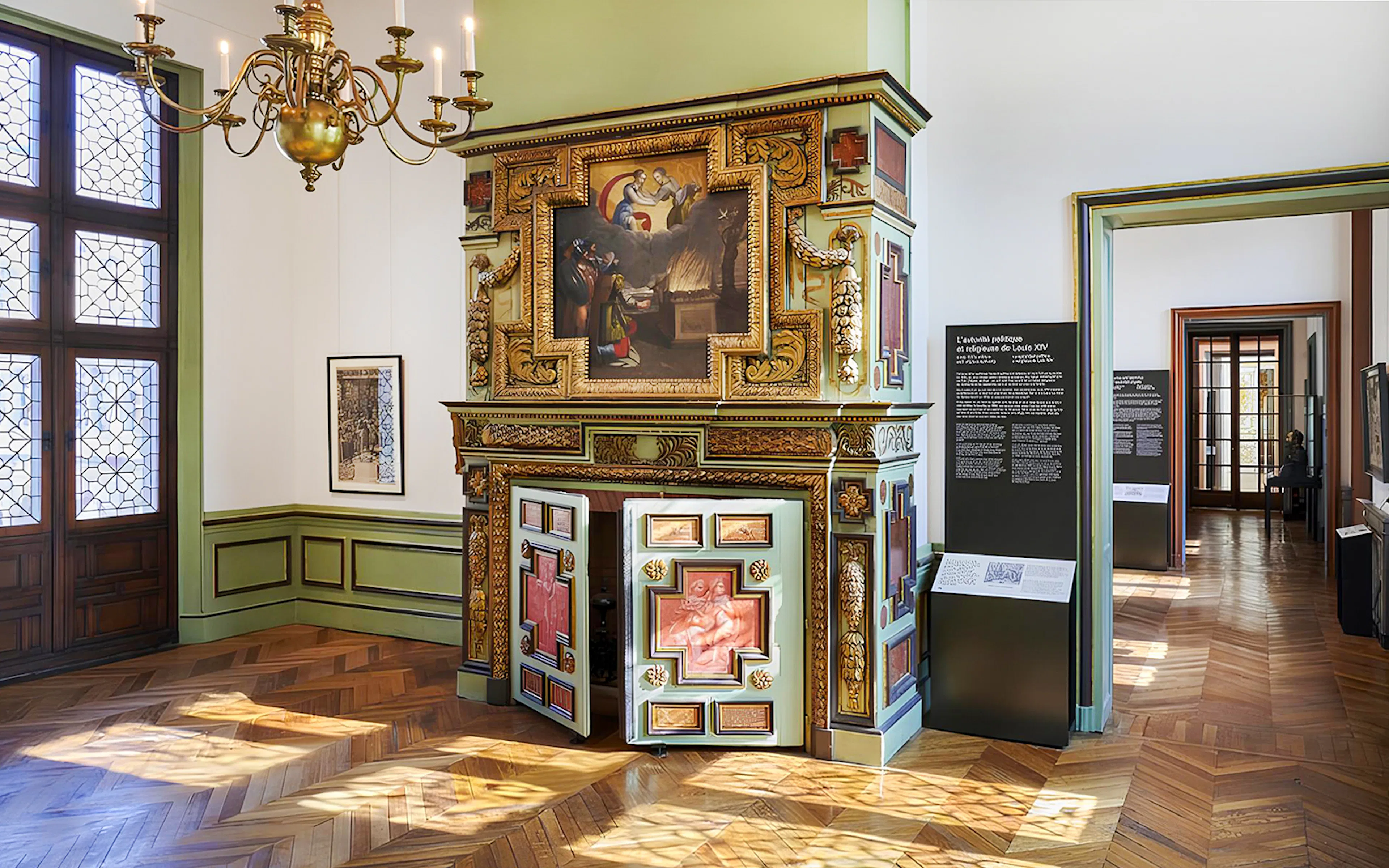
The Sign Rooms are one of the museum’s most distinctive spaces because they recreate old Paris through hanging trade signs rather than paintings on walls. They give you the texture of pre-Haussmann streets in a way most city museums never manage. What people rush past is the sheer variety of materials and symbols — these signs were not decoration, they were street-level advertising in a largely pre-modern city.
Where to find it: Ground floor, near the introductory galleries.
French Revolution galleries
Attribute — Era: French Revolution
This is the museum’s strongest section, and the reason many history-focused visitors come here in the first place. The collection is especially valuable because it shows the Revolution through objects, memory pieces, and urban context rather than isolated political icons. What many visitors miss is how much of the gallery is really about Paris itself — crowds, spaces, symbols, and the city as a political stage.
Where to find it: Level 2, in the main Revolution-focused sequence.
Bastille section
Attribute — Era: July 1789 and Revolutionary memory
The Bastille section matters because it turns a familiar Paris symbol into something physical and specific. Instead of treating the fall of the Bastille as a textbook event, the museum shows how it was remembered, collected, and turned into material history. Visitors often move through too quickly because they assume it is covered by the larger Revolution galleries, but this section gives the event its own emotional weight.
Where to find it: Level 2, within or adjacent to the Revolution galleries.
Belle Époque and Art Nouveau rooms
Attribute — Era: Late 19th and early 20th centuries
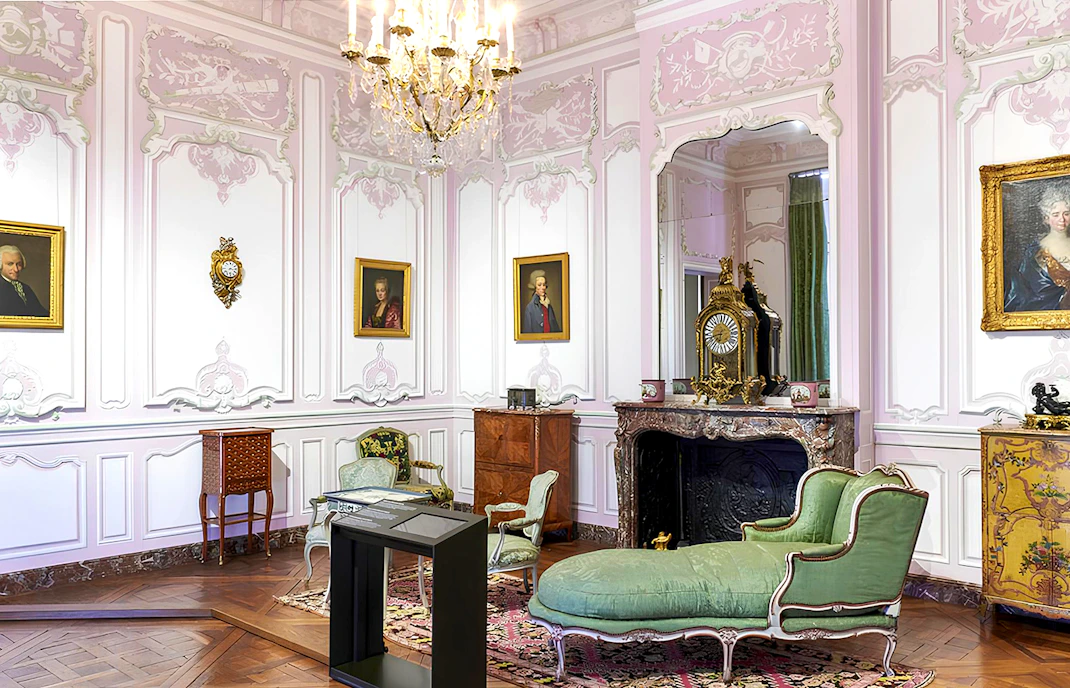
These rooms are where the museum becomes especially atmospheric. The Café de Paris décor and the Fouquet jewelry-store décor by Alfons Mucha make the shift into modern Paris feel visual and immersive rather than purely historical. What many people miss is that these are not just pretty interiors — they show how style, commerce, and public life were changing together in the city.
Where to find it: Level 1, in the late-19th- and early-20th-century galleries.
Marcel Proust room
Attribute — Figure: Marcel Proust
The Marcel Proust room is easy to undervalue if you are not already a Proust reader, but it is one of the most intimate spaces in the museum. The furniture and personal objects linked to his last Paris homes give literary Paris a human scale after all the citywide history upstairs and downstairs. What visitors often miss is the change in pace — this room works best if you slow down rather than skim.
Where to find it: Level 1, in the section on later Paris and cultural life.
Basement archaeology galleries
Attribute — Era: Prehistory, Parisii, and Roman Lutetia
These galleries are where the museum proves Paris did not begin with boulevards, cafés, and revolutions. The prehistoric, Parisii, and Gallo-Roman material gives the city a much deeper timeline than most visitors expect from a museum in Le Marais. What people most often rush past is the medieval Île de la Cité material, even though it helps connect ancient settlement to the Paris most visitors already know.
Where to find it: Basement level, before the upper-floor historical galleries.
Facilities and accessibility
- 🎟️ Reception services: Visitor assistance is handled at reception, which is also where free wheelchairs, folding seats, and buggies can be borrowed.
- 🪑 Folding seats: Folding seats are available free at reception and are especially useful in the longer period-room and Revolution sections.
- 👶 Buggies: Buggies are available free at reception, which makes the museum easier with younger children if you do not want to bring your own stroller through Le Marais.
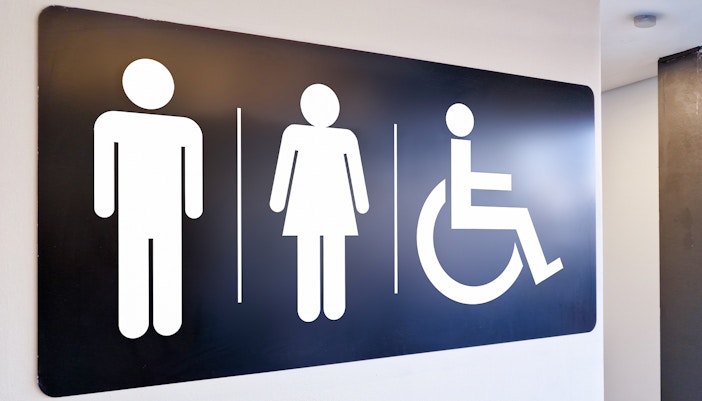
- 🚻 Restrooms: Accessible toilets are available in the basement and can be reached by elevator.
- 🛗 Lifts and ramps: Most of the museum route is served by lifts and ramps, which matters because the visit crosses several levels in two historic buildings.
- ♿ Mobility: The museum states that it is wheelchair accessible with lifts and ramps throughout almost the full route, though three small rooms remain inaccessible to wheelchair users.
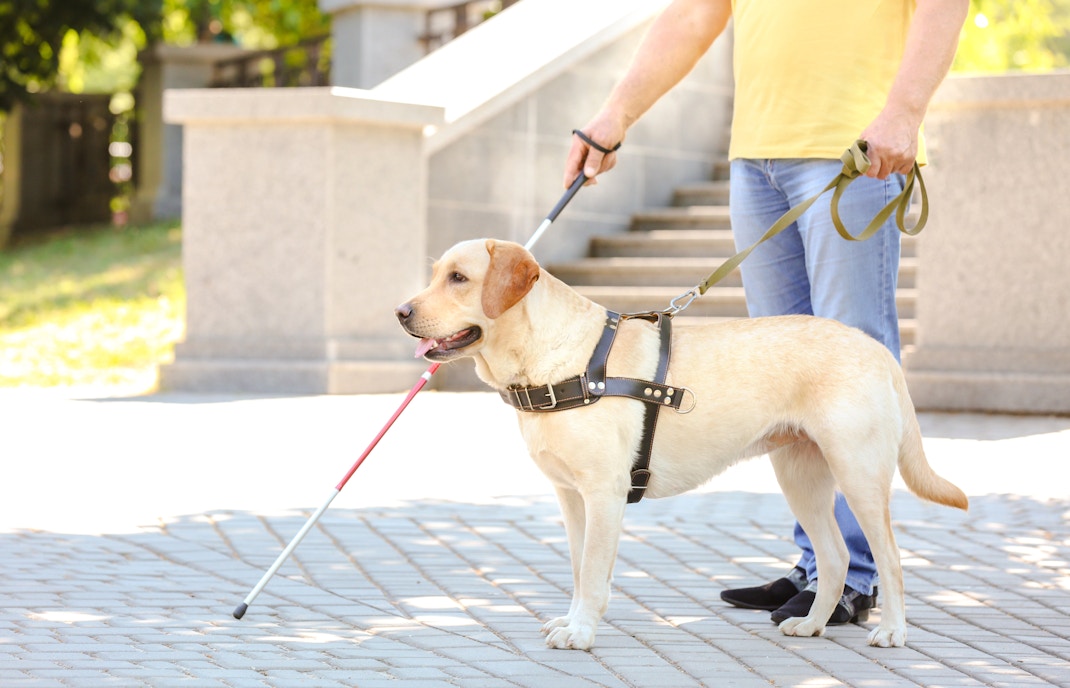
- 👁️ Visual impairments: Assistance dogs are welcome, and reception is the best place to ask for the clearest route through the two-building layout.
- 🧠 Cognitive and sensory needs: Weekday mornings are the least overwhelming time to visit, and the basement archaeology galleries usually feel calmer than the busiest upper-floor historical rooms.
- 👨👩👧 Families and strollers: Most of the route works with a stroller, and free buggies at reception help if you want to travel lighter around Le Marais before or after the visit.
Musée Carnavalet works best for children who enjoy stories, old rooms, and city-life objects more than hands-on screens or large interactive exhibits.
- 🕐 Time: Around 60–90 minutes is realistic with younger children if you focus on the Sign Rooms, the Bastille section, and one or two period interiors.
- 🏠 Facilities: Free buggies, elevators, and basement accessible restrooms make the visit easier than many older historic museums.
- 💡 Engagement: Turn the Sign Rooms into a scavenger hunt by asking children to spot animals, tools, or symbols on the hanging shop signs before moving on.
- 🎒 Logistics: Bring a small bag and start with the most visual rooms first, because the text-heavy sections are where energy tends to drop.
- 📍 After your visit: Place des Vosges is the easiest nearby reset if children need open space after the quiet indoor galleries.
Rules and restrictions
Practical tips
- Booking and arrival: You do not need to pre-book the permanent collection, but if a temporary exhibition is your priority, book that slot first because it is the only part of the museum where access is availability-controlled.
- Pacing: Save your attention for the French Revolution galleries and the later Haussmann-to-Belle-Époque sequence, because those are the sections where context changes a room from ‘interesting’ to memorable.
- Crowd management: Weekday mornings work best here because the free-entry model attracts a lot of casual afternoon visitors who slow the flow in the Sign Rooms and the most famous upper-floor galleries.
- What to bring or leave behind: Bring a small bag and comfortable layers; the visit spans several levels and historic interiors, so you will notice the length more than you might in a single-floor museum.
- How to structure a short visit: If you only have 90 minutes, do not try to ‘see everything’ — go ground floor, basement archaeology, then straight to the Revolution galleries and one later section such as Haussmann or Proust.
- Neighborhood planning: This museum works especially well before or after a walk through Le Marais, because the collection gives names, events, and street life that make the neighborhood outside feel richer.
- Energy management: The most common mistake is treating the basement as optional and then tiring out upstairs; doing the lower levels first keeps the story chronological and usually feels less mentally scattered.
What else is worth visiting nearby?
Eat, shop and stay near Musée Carnavalet
- On-site: JOLI, chic bistro-brasserie
- Better options nearby: Classic Marais: Pamela Popo — French, nearby, well-rated on OpenTable
- 💡 Pro tip: Le Marais gives you far better pre- and post-visit eating choices than most museum cafés, so it is worth planning food around the neighborhood rather than around the museum itself.
- Museum gift shop: Visit the Librairie-Boutique du Musée Carnavalet, the museum's official gift and book shop, for exhibition catalogues, books on Parisian history, art-inspired gifts, stationery, and unique souvenirs.
- Nearby shopping: Step into Le Marais, one of Paris's best shopping districts, where you'll find independent boutiques, designer stores, concept shops, vintage fashion, artisan perfumeries, and gourmet food stores—all within a short walk of the museum
Le Marais is one of the easiest areas in Paris for a museum-heavy short stay because you can walk to Musée Carnavalet, several other small museums, cafés, and major central neighborhoods without losing time in transit. It is lively, attractive, and very convenient, but it is usually not the cheapest base in the city. If you want atmosphere and easy walking, it works well; if you want lower prices or a quieter night, it is not always the best fit.
- Price point: This area usually skews mid-range to expensive, especially on the most central and character-filled streets.
- Best for: Travelers on a short Paris stay who want to explore the Marais on foot and fit museums, food, and neighborhood wandering into the same day.
- Consider instead: Bastille or the 11th arrondissement if you want better value and a strong dining scene, or the Latin Quarter if you want another central base with easier access to multiple major sights.
Frequently asked questions about visiting Musée Carnavalet
Most visits take 1.5–3 hours. Around 90 minutes is enough for a highlights route, but a fuller chronological visit that includes the archaeology level, Revolution galleries, period rooms, and later Paris sections usually lands closer to 2–3 hours.
You do not need to book in advance for the permanent collection. You should book ahead for temporary exhibitions, because they use paid timed entry and online reservation is the only way to guarantee access on the day you want.
No, not in the classic sense. The permanent collection is free and does not work like a high-demand timed-entry blockbuster museum, so the real planning decision is whether you need a timed temporary exhibition ticket rather than whether you need skip-the-line access.
Arrive around 10–15 minutes early for a temporary exhibition time slot. That gives you enough buffer to find the entrance, pass through reception, and start on time without eating into your slot.
Yes, but groups need a formal booking flow rather than casual walk-up planning. That matters most for schools, private groups, and any visit where you want one coordinated entry time instead of individuals arriving separately.
Yes, if your children like stories, objects, and visually rich rooms more than hands-on interactives. The Sign Rooms, Bastille material, and reconstructed interiors hold attention best, while the denser text-heavy sections are better for older children.
Mostly yes. The museum says lifts and ramps provide wheelchair access through almost the full route, though three small rooms remain inaccessible, and free wheelchairs are available at reception.
Food information on-site is unavailable, but the museum sits in Le Marais, where nearby options are plentiful. It is smarter to plan coffee or lunch around the neighborhood than to depend on the museum itself.
Yes, the permanent collection is free as of May 2026. Temporary exhibitions are paid and use timed entry, so ‘free museum’ only applies to the main collection and not to every exhibition on-site.
It is famous for telling the history of Paris through objects, interiors, signs, paintings, and Revolution-era material rather than through one headline artwork. It is also the oldest City of Paris museum and one of the best places to understand how the city changed over time.
The strongest shortlist is the Sign Rooms, the French Revolution galleries, the Bastille section, the Haussmann and later-19th-century rooms, the Belle Époque and Art Nouveau interiors, and the Marcel Proust room. If you have extra time, add the basement archaeology galleries.
The museum is open Tuesday–Sunday from 10am–6pm and closed on Monday. Last admission is 5:15pm for the permanent collection and 4:45pm for temporary exhibitions, with galleries closing at 5:45pm. Check here for more details →