Is Le Grand Rex worth visiting?
Yes, especially if you enjoy cinema, architecture, or Parisian history. Le Grand Rex is a working Art Deco cinema known for its grand auditorium, decorative interiors, and 1930s charm.
Unlike a traditional museum, it lets you experience a historic entertainment venue that still hosts screenings and events. The combination of cinema history, architecture, and behind-the-scenes experiences makes it worth a visit.
Skip it if you need a fully wheelchair-accessible experience or aren't particularly interested in cinema and its history.
What to experience at Le Grand Rex?
Rex Studios
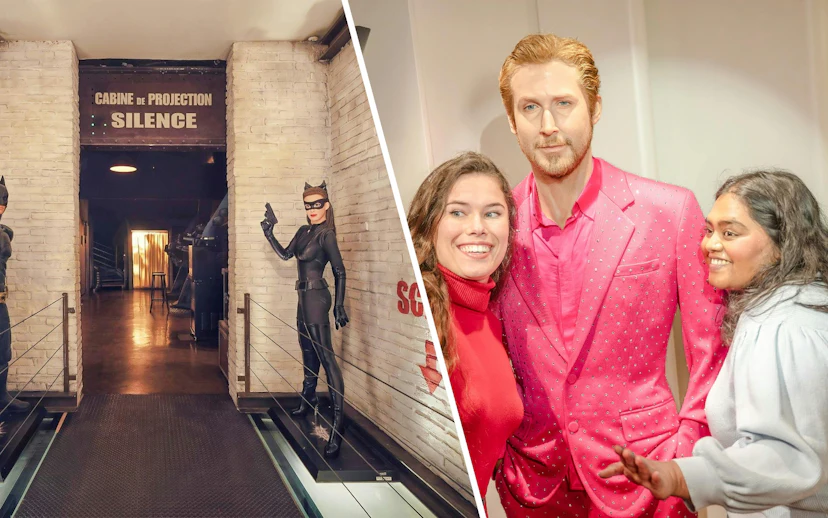
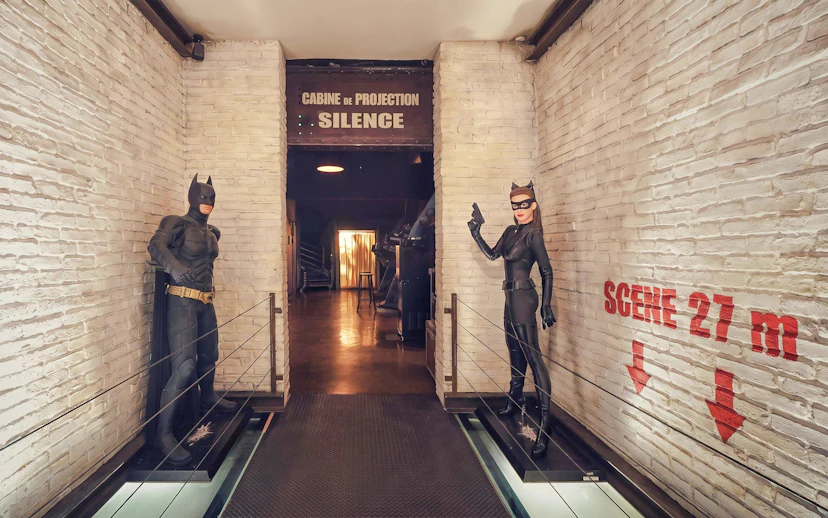
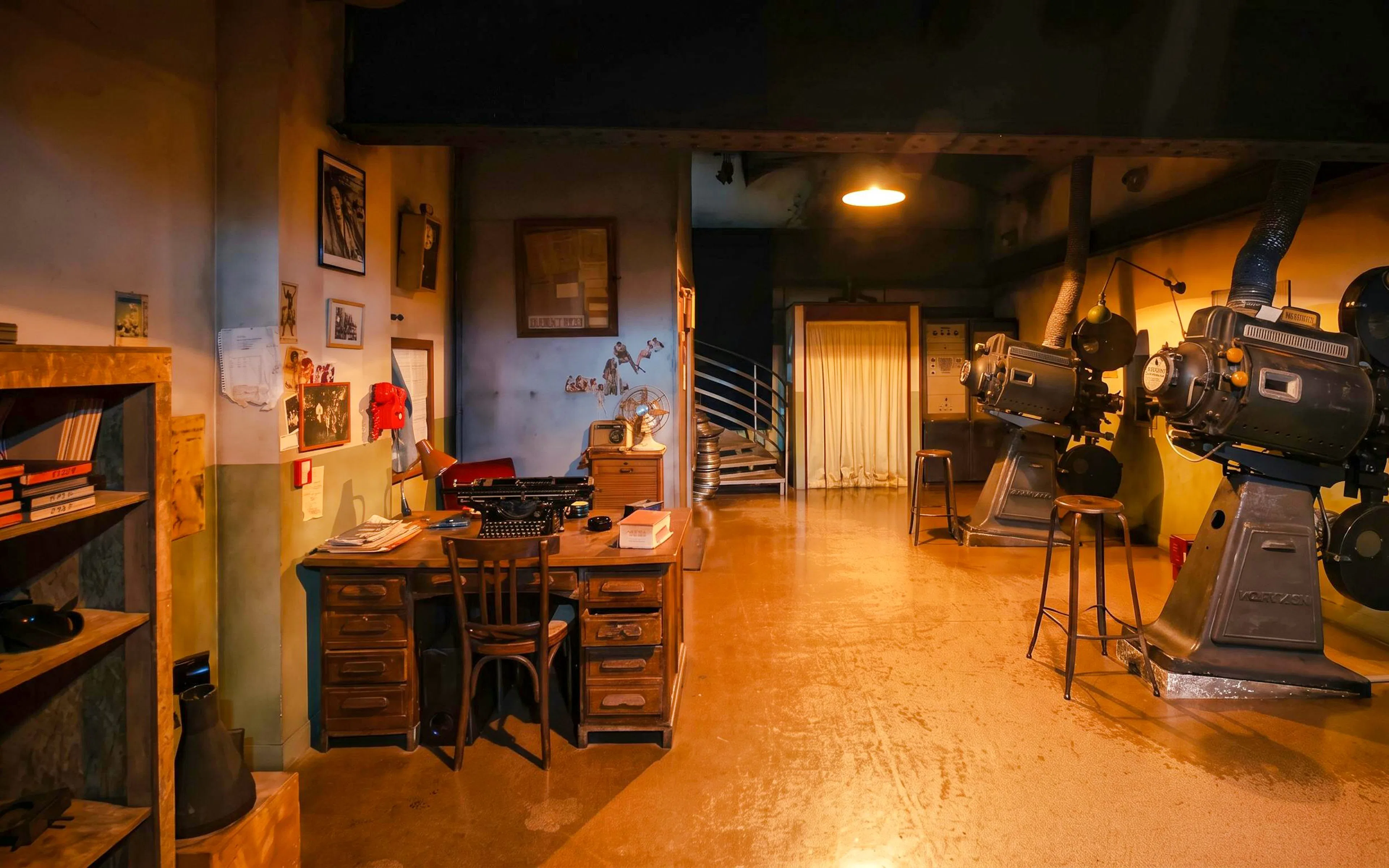
A short self-guided backstage-style route through cinema-themed sets and effects. It lasts about 45–50 minutes, runs with frequent departures, and works especially well if you want a compact indoor experience.
The Great Hall
The main auditorium is one of Le Grand Rex’s standout features, with 2,702 seats, Art Deco interiors, and a grand design that reflects its history as a cinema palace.
Audio Guided Grand Rex tour
This 45-minute guided tour offers a closer look at Le Grand Rex’s history, architecture, and decorative interiors. You’ll learn about the building’s design and its role in Parisian cinema, with rooftop terrace access sometimes included when weather permits.
Guided + Rex Studios combo
This option combines Le Grand Rex’s architecture and cinema history with an interactive behind-the-scenes experience. You’ll explore the venue’s design and heritage before discovering how films are made through hands-on activities, with both experiences taking approximately two hours in total.
How to explore Le Grand Rex
How much time to spend?
Set aside 45 minutes for the Rex Studios audio-guided interactive tour. If you've booked a combo with Grévin Museum or a Seine River cruise, allow extra time for the second attraction and travel between locations.
Best visit order
For the Grévin Museum combo, start at Le Grand Rex, then walk approximately 5 minutes to the wax museum. For the Seine River cruise combo, plan your Rex Studios visit around your preferred cruise departure, allowing enough time to reach the boarding point near the Eiffel Tower.
Must-see highlights
- Behind-the-scenes studios: Explore film sets, backstage corridors, the projection booth, and interactive dubbing and special-effects activities.
- Art Deco interiors: Discover details of Le Grand Rex's original 1932 design along the tour route.
- Surprise finale: Look out for the giant King Kong encounter and a surprise at the end of your tour.
Worth adding nearby
Extend your visit with one of two combo options:
- Grévin Museum: Just a 5-minute walk from Le Grand Rex, featuring 250+ wax figures and the Palais des Mirages light show.
- Seine River Cruise: Enjoy a sightseeing cruise past the Eiffel Tower, Louvre Museum, Notre-Dame, and Orsay Museum, with multilingual audio commentary.
How does the tour work?
Rex Studios offers a 45-minute audio-guided interactive tour, with commentary available in six languages, including English. Follow the designated route through backstage areas, film sets, and special-effects activities, with departures every 5 minutes.
Brief history of Le Grand Rex
- 1932: Le Grand Rex opens as a grand Art Deco cinema palace on the Grands Boulevards, conceived as a major cultural landmark in interwar Paris.
- 20th century: The venue builds its identity as a large-scale cinema and live-events space, with its monumental Great Hall becoming central to its public image.
- Today: Le Grand Rex remains an operating cinema and events venue, while guided visits and the Rex Studios route help visitors experience its architecture, interiors, and entertainment history.
Architecture & design of Le Grand Rex
Le Grand Rex is a landmark Art Deco cinema in Paris, known for its geometric façade, grand staircases, decorative lighting, and detailed interiors. Its main auditorium, the Great Hall, is a standout feature, with 2,702 seats and a design that reflects the grandeur of 1930s cinema architecture.
Who built it?
Le Grand Rex was commissioned by film producer Jacques Haïk and designed by architect Auguste Bluysen, with interior design by John Eberson. Opened in 1932, it was built as a large cinema and entertainment venue on Paris's Grands Boulevards.
Frequently asked questions about Le Grand Rex
Le Grand Rex is famous for its Art Deco architecture, large auditorium, and history as one of Europe's largest cinemas. Opened in 1932, it remains a major venue for film screenings, premieres, and live events in Paris.
Le Grand Rex was designed by French architect Auguste Bluysen, with interiors influenced by American architect John Eberson. The building was commissioned by film producer Jacques Haïk.
Its geometric façade, decorative lighting, grand staircases, and detailed interiors reflect the Art Deco style popular in the 1930s. The building is also recognized as a historic monument in France.
The Grand Rex's main auditorium, known as the Great Hall, has approximately 2,702 seats. It is one of Europe's largest cinema auditoriums and is known for its large screen and distinctive interior design.
The Great Hall features an atmospheric ceiling designed to resemble a night sky, decorative architectural details, and a large stage and screen. Its design was inspired by the grand cinema palaces of the early 20th century.
Yes. Le Grand Rex continues to operate as a cinema and entertainment venue, hosting regular film screenings, premieres, concerts, and special events.
Le Grand Rex was influenced by American cinema palaces, particularly the atmospheric theatre designs popular in Hollywood's early years. Its architecture reflects the ambition to bring that large-scale cinema experience to Paris.