Plan Your Visit to Fragonard Perfume Museum
The Fragonard Perfume Museum is a compact perfume museum in Paris best known for turning fragrance history into a short, sensory visit. It’s easy to fit into a day around Opéra, but it works best if you treat it as a guided stop rather than a browse-at-your-own-pace museum. The rooms are small, the route is linear, and the key timing choice is whether you catch a quieter early group or the busier late-morning flow. This guide covers timing, access, routes, and what’s worth slowing down for.
Quick overview: Fragonard Perfume Museum at a glance
This is one of the easiest culture stops in central Paris to add on the same day, but a little timing makes it feel much calmer.
- When to visit: Daily from 9am–5:30pm, and until 4:30pm on Sundays. The first guided groups after opening are noticeably calmer than 11am–3pm, because the museum is small and gets steady walk-ins from the Opéra and department store area.
- Getting in: From €0 for standard entry. Workshops from €29. You don’t need to book ahead for the museum itself, but workshop places should be reserved in advance, especially in summer and around holiday periods.
- How long to allow: 30–45 minutes for most visitors. It stretches closer to 1 hour if you linger in the historic displays or spend time sampling fragrances in the boutique.
- What most people miss: The raw materials cabinet near the start and the historic perfume flacons timeline are the sections people rush through, even though they give the visit its real depth.
- Is a guide worth it? Yes for a first visit, because the live explanation is the point here; you don’t need to pay extra for context unless you want a hands-on workshop.
Jump to what you need
🕒 Where and when to go
🗓️ How much time do you need?
🗺️ Getting around
♿ Facilities and accessibility
Where and when to go
How do you get to Fragonard Perfume Museum?
The museum is in the Opéra Garnier district, a short walk from Opéra and Auber, and easy to reach from most central Paris neighborhoods.
9 Rue Scribe, Paris, France
- Metro: Opéra station → short walk → best if you want the quickest approach on foot.
- RER: Auber station → short walk → useful if you’re coming from larger Paris rail connections.
- Taxi / rideshare: Drop-off on Rue Scribe or near Opéra → easiest if you’re arriving between other city-center stops.
Which entrance should you use?
The museum is straightforward to enter, and the main thing people get wrong is assuming they can arrive at any moment and instantly start the guided visit. Entry is free, but tours run in rolling groups.
- Main entrance: Located at 9 Rue Scribe. Best for all visitors. Expect little to no line at opening, but a 5–15 minute wait for the next group around late morning and early afternoon.
When is Fragonard Perfume Museum open?
- Monday–Saturday: 9am–5:30pm
- Sunday: 9am–4:30pm
- May 1: Closed
- Last entry: Arrive at least 30 minutes before closing if you want a full guided round.
When is it busiest? Late morning to mid-afternoon, especially from June–September and in December, when the free-entry format pulls in more drop-in visitors from the Opéra area.
When should you actually go? Go right after opening on a weekday if you want quieter galleries and an easier time lingering at the scent displays before the next wave of walk-ins arrives.
How do you get around Fragonard Perfume Museum?
How do you get around Fragonard Perfume Museum?
The museum is compact and mostly linear, so it’s easy to navigate once your group starts moving, but the smaller side displays are easy to skim past if you stay too focused on keeping up with the guide.
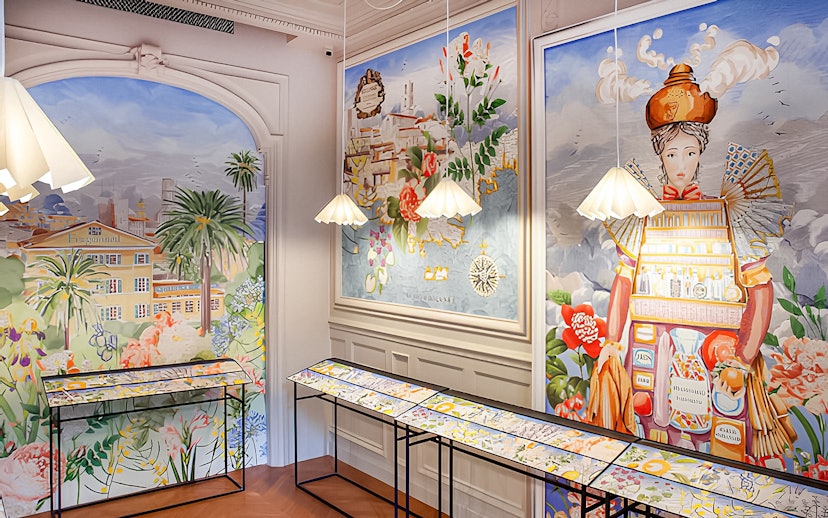
- Entrance gallery: Raw materials cabinet, botanical displays, and antique jars → spend 10–15 minutes here if you want the fragrance story to make sense later.
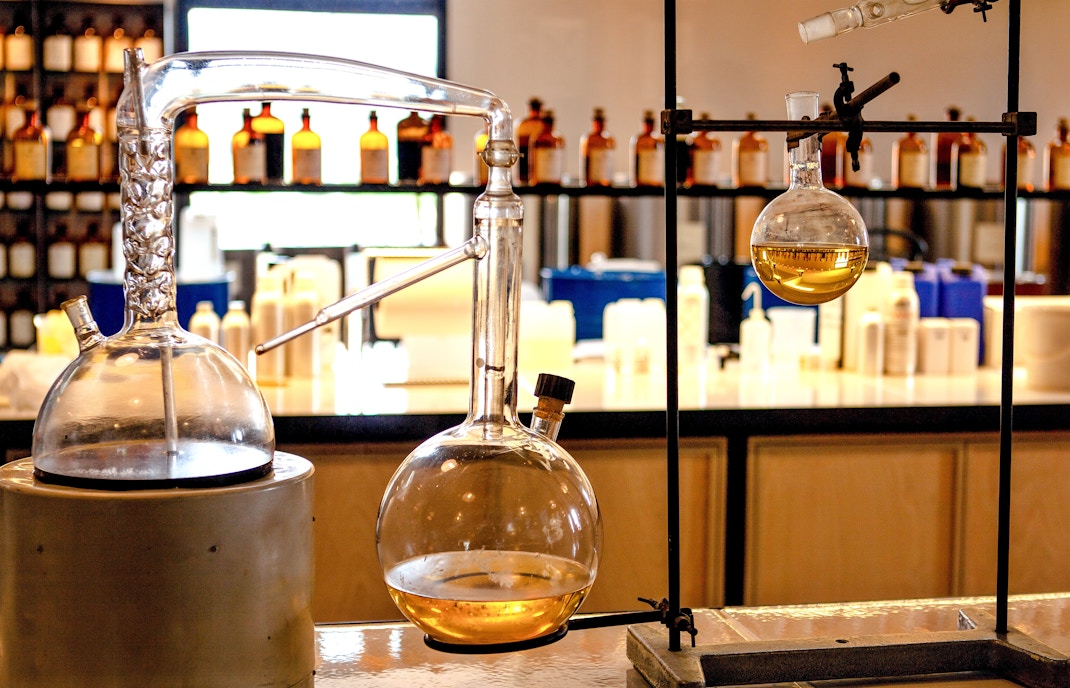
- Historic factory room: Copper stills, production tools, and archival visuals → spend 10 minutes here for the clearest explanation of how perfume is made.
- Perfumer and collections section: The ‘nose’ exhibit plus historic flacons and vessels → spend 10–15 minutes here if you like history and design details.
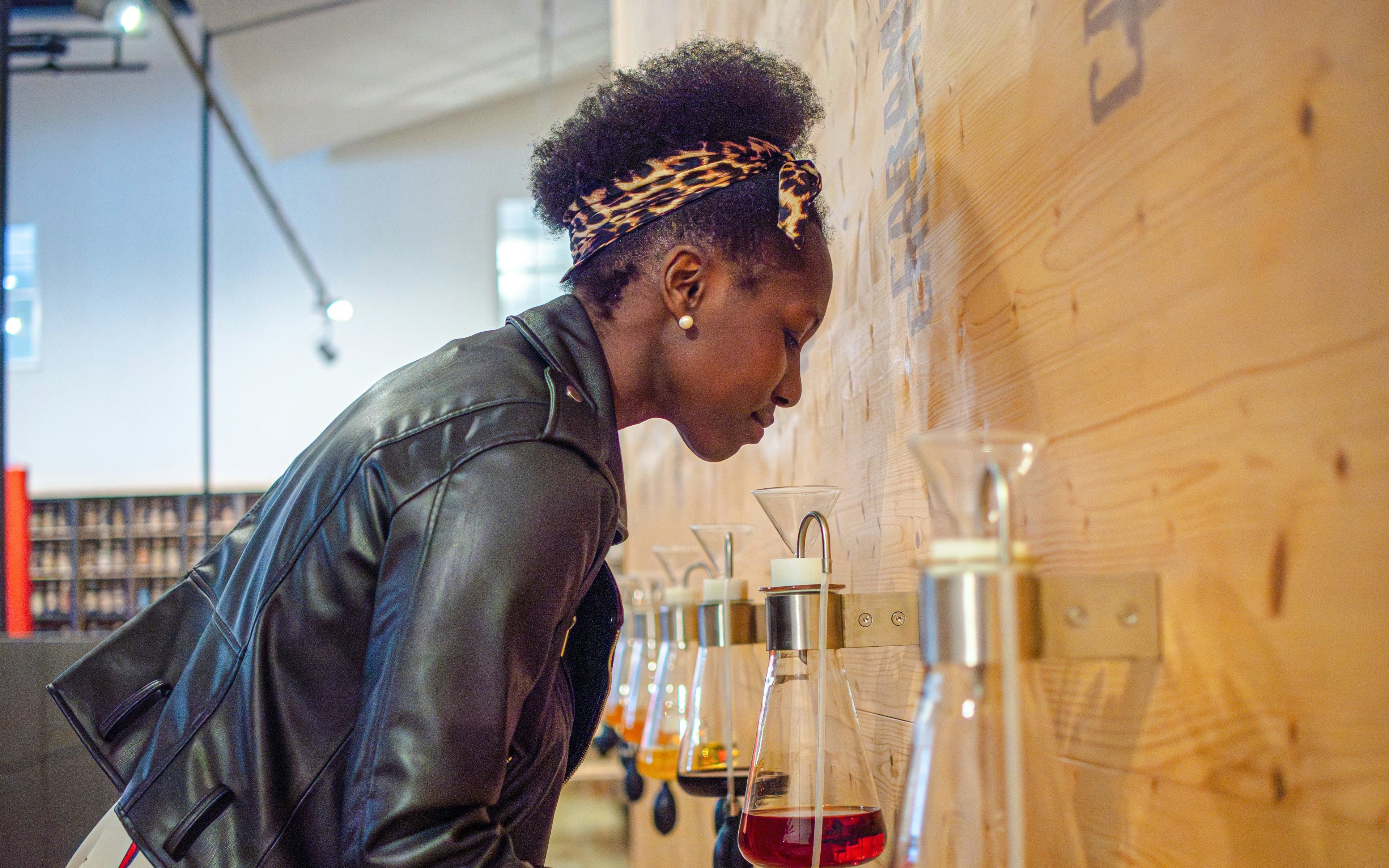
- Olfaction room: Interactive scent challenge and note recognition → spend 5–10 minutes here; it’s the most playful part of the visit.
Suggested route: Follow the guided route all the way through first, then slow down at the historic flacons and raw materials displays if the group moves on quickly. Most visitors linger longest in the shop, but the richer part of the visit is usually the timeline of vessels and ingredients they rushed earlier.
Maps and navigation tools
- Map: The museum doesn’t need a full planning map because the route is short and room-to-room; ask staff at the start if you want to know where workshops branch off.
- Signage: Signage is good enough for orientation, but the guided format matters more than self-navigation if you want context.
- Audio guide/app: The live guided tour adds more value than a self-guided alternative here because the explanation ties together the scent materials, stills, and history displays.
💡 Pro tip: If you want to look closely at the antique bottles, don’t stop longest in the shop first — use the quieter few minutes after the guide finishes speaking in each room, when the crowd naturally starts moving on.
Where are the masterpieces inside Fragonard Perfume Museum?
Raw materials cabinet
Attribute — Display type: Ingredient gallery and cabinet of curiosities
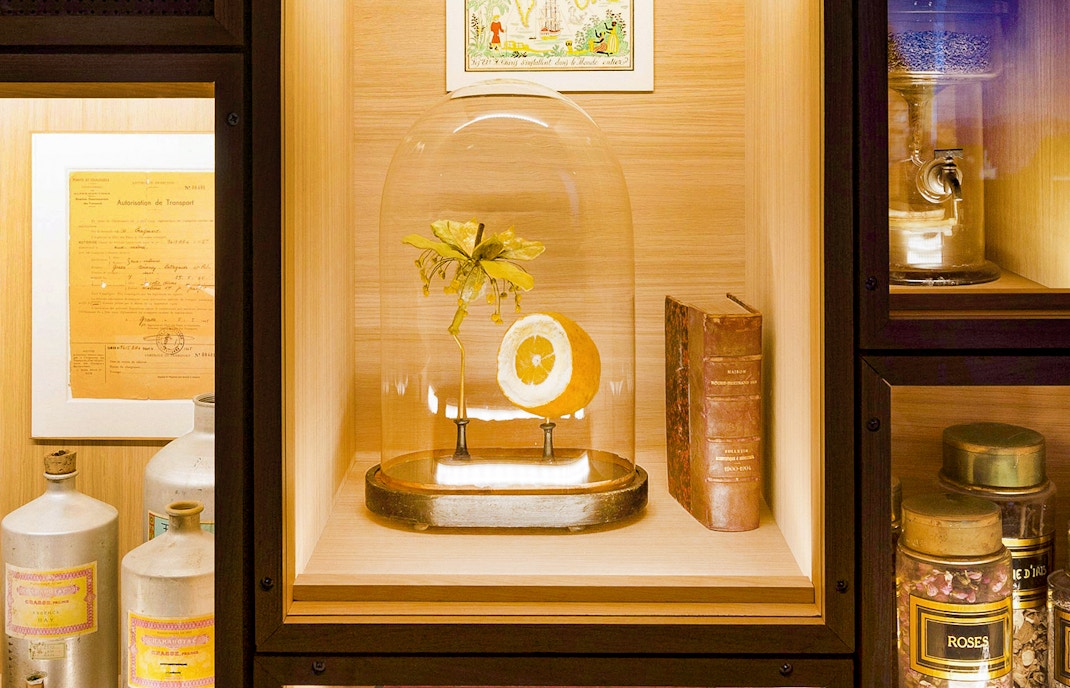
This is the strongest opening room in the museum, because it explains where perfume begins before you see bottles or brands. You’ll find botanical ingredients, apothecary jars, and scent references from different regions of the world. What most people miss is how much time the museum spends on raw materials rather than finished fragrance — that’s what makes the later rooms more meaningful.
Where to find it: At the start of the guided route, immediately after entry.
Copper stills room
Attribute — Era: Early-20th-century production setup
The restored stills room is where the museum feels most like a working perfumery rather than a decorative display. The copper equipment, workshop atmosphere, and production explanations make it much easier to understand extraction and distillation. What people rush past here is the old machinery detail itself — look beyond the guide and you’ll notice how industrial the perfume process really was.
Where to find it: In the main guided route after the ingredients gallery.
Master ‘nose’ exhibit
Attribute — Theme: Perfumery craft and fragrance composition
This section shifts the visit from manufacturing to artistry by showing how a perfumer builds a fragrance. It’s worth slowing down because it turns perfume from a product into a long creative process of testing, blending, and refinement. Most visitors hear the explanation and move on, but the key thing to notice is how much time and revision sits behind one finished scent.
Where to find it: Midway through the museum, after the production-focused displays.
Historic perfume flacons collection
Attribute — Era: Antiquity to the 20th century
This chronological collection is one of the museum’s richest sections, with vessels ranging from ancient jars to ornate modern presentation bottles. It tells the social history of perfume as much as the scent story itself. What people often miss is how the containers change with the purpose of perfume — ritual, hygiene, medicine, fashion, and luxury all show up in the design.
Where to find it: In the display cases along the later history section of the guided route.
Olfaction room
Attribute — Experience type: Interactive scent challenge
This is the most hands-on part of the visit, and it works well whether you know perfume well or not. The challenge of identifying notes and fragrance families turns the tour into something you actively test rather than just listen to. The detail people skip is that it also reinforces Fragonard’s own history, so it’s both playful and brand-rooted.
Where to find it: Near the end of the museum route, before the boutique.
Facilities and accessibility
- 🎒 Lockers: Lockable bag check is available on-site, which is useful if you don’t want to carry a larger day bag through the compact rooms.
- 🚻 Restrooms: Restrooms are available on-site, so use them before the guided route starts if you want to avoid stepping out mid-visit.
- 🛍️ Gift shop / merchandise: The boutique at the end carries the full Fragonard range, including perfumes, soaps, candles, and gift sets, and staff often offer testers or samples.
- 🪑 Seating / rest areas: This is mainly a standing visit, so don’t expect many built-in rest areas during the short guided route.
- ♿ Mobility: The museum visit is short and indoors, but it takes place in a historic building, so contact staff ahead of time if you need step-free access confirmed for your route or workshop room.
- 👁️ Visual impairments: The strongest part of the visit is verbal and sensory, so the live guide is more useful than the written displays alone if you prefer spoken explanation.
- 🧠 Cognitive and sensory needs: The museum is scent-heavy and the rooms are compact, so the first tours of the day are the best choice if you prefer a quieter, less intense visit.
- 👨👩👧 Families and strollers: The route is family-friendly and brief, but a compact stroller is easier to manage than a large one in the tighter gallery spaces.
This works well for children because the visit is short, indoors, and built around smells rather than long reading panels.
- 🕐 Time: 30–45 minutes is realistic with children, and the smell challenge plus stills room are usually the parts worth prioritizing.
- 🏠 Facilities: The short route, indoor setting, restrooms, and bag check make it easier than a larger museum with long distances.
- 💡 Engagement: Turn the raw materials room into a guessing game by asking children to pick out flower or spice notes before the guide explains them.
- 🎒 Logistics: Bring only a small bag and aim for the first weekday groups, when the rooms are quieter and it’s easier for children to stay engaged.
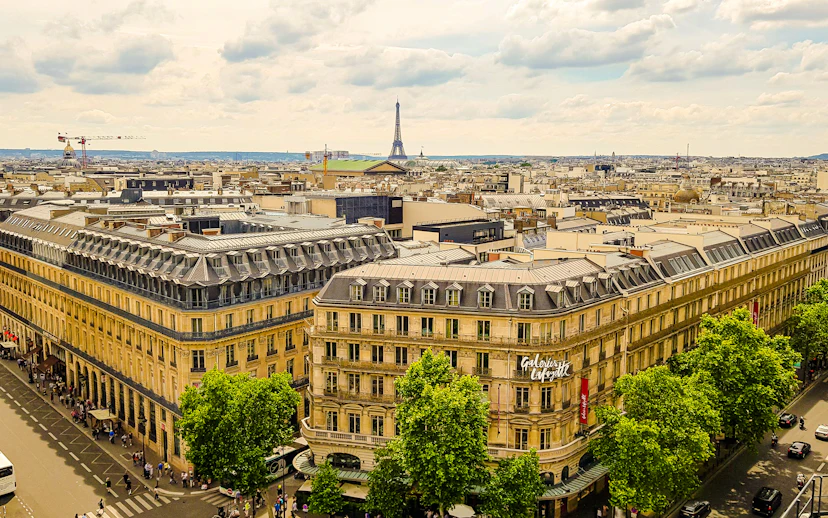
- 📍 After your visit: Galeries Lafayette Haussmann is an easy follow-on stop if you want food, a rooftop break, or a less formal end to the outing.
Rules and restrictions
What you need to know before you go
- Entry requirement: The museum visit is free and walk-in, and you simply join the next guided group in your preferred available language.
- Bag policy: Use the on-site lockers or bag check if you don’t want to carry a larger bag through the compact galleries.
- Re-entry policy: Because visits move in rolling guided groups, stepping out usually means waiting for the next departure rather than slipping back into the same tour.
Not allowed
- 🚫 Food and drink: Finish drinks and snacks before the tour starts, because the guided rooms are small and not set up for eating on the move.
- 🚬 Smoking / vaping: Smoking and vaping aren’t part of the indoor museum visit, so step outside before joining your group.
- 🖐️ Touching exhibits: Don’t handle display objects or cases, especially in the historic collections, where preservation matters more than close access.
Photography
Photography is usually easiest in the display galleries and boutique, but keep it discreet and follow the guide if a room or workshop area has tighter rules. Flash, tripods, and selfie sticks are a poor fit for the compact spaces, even where casual photos are fine, because they slow the group and block already tight sightlines.
Good to know
- Sales pitch: The tour ends in the boutique, and some visitors find the product presentation more sales-driven than the museum portion.
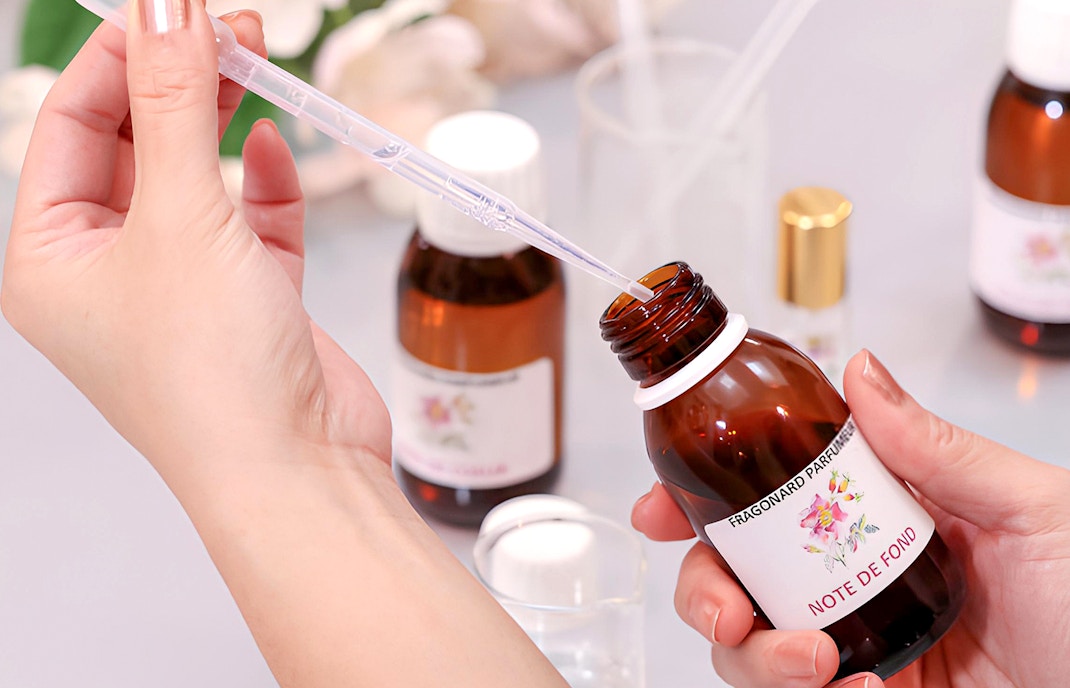
- Workshops: Paid workshops are separate from the free museum visit, and the more in-depth classes need advance booking rather than same-day drop-in luck.
Practical tips
- Booking and arrival: You don’t need to book the museum, but arriving 5–10 minutes before the next guided departure helps you avoid standing around the entrance waiting for the next language slot.
- Pacing: Don’t treat this like a quick photo stop — the raw materials room and historic flacons are the parts people rush, even though they give the visit most of its substance.
- Crowd management: Weekday opening groups are the sweet spot here, because the museum’s small rooms feel much calmer before the late-morning Opéra foot traffic builds.
- What to bring or leave behind: Bring only a small bag if you can; the route is compact, and anything bulky feels more annoying here than in a larger museum.
- Food and drink: Eat before or after, not between arrival and the tour, because the museum itself is brief and the nearby Opéra area gives you better options than interrupting the visit.
- Shopping: If you’re curious about Fragonard scents, wait until the end to sample seriously — once you stop in the boutique, it’s much harder to return your focus to the museum displays.
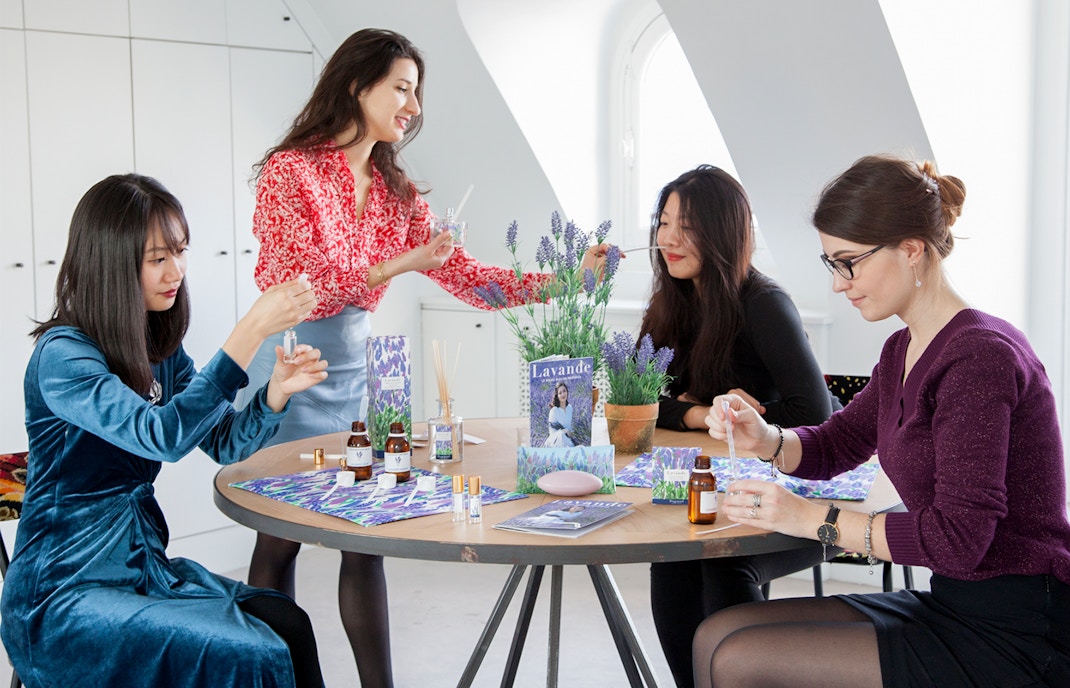
- Workshops: If you want a hands-on perfume-making session, reserve it well ahead; the free museum is flexible, but the paid classes are the part that actually needs planning.
What else is worth visiting nearby?
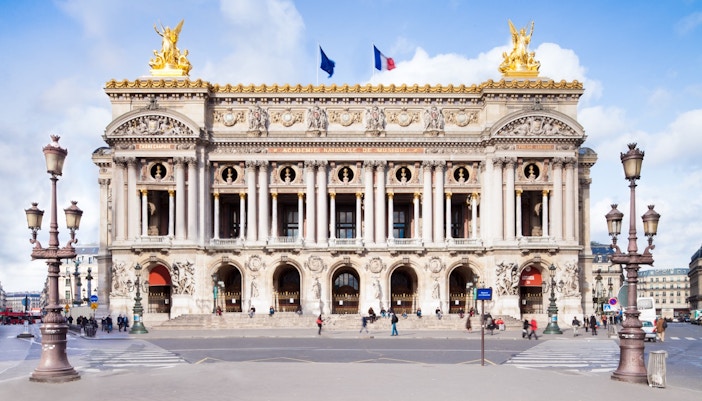
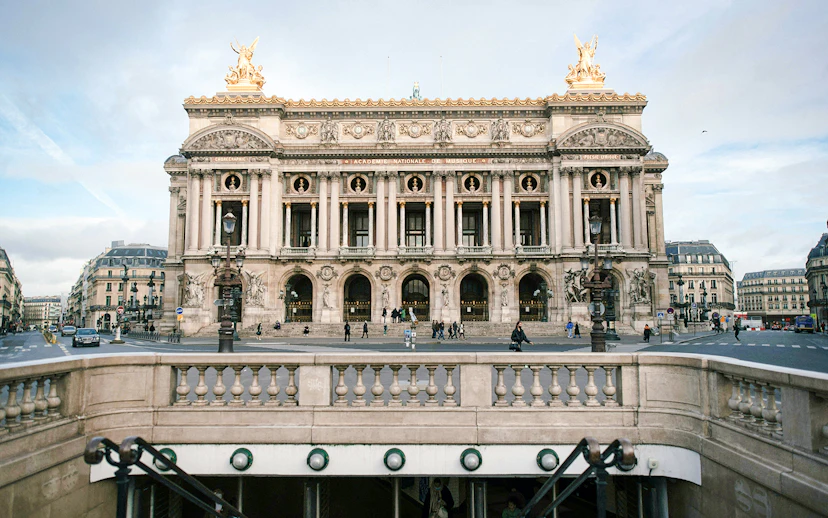
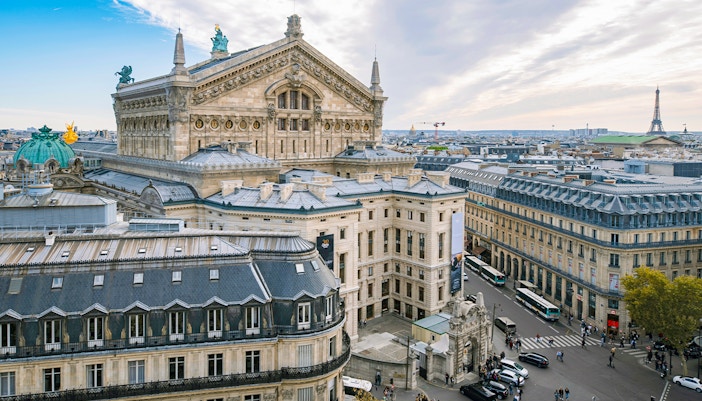
Commonly paired: Palais Garnier
Distance: 150 m – 2 min walk
Why people combine them: They’re practically neighbors, and the pairing works well because both are short, elegant visits rooted in Parisian craft, design, and spectacle.
Book / Learn more
Commonly paired: Galeries Lafayette Haussmann
Distance: 700 m – 8–10 min walk
Why people combine them: It’s the easiest next stop if you want lunch, shopping, or a rooftop break right after the museum without changing neighborhoods.
Also nearby
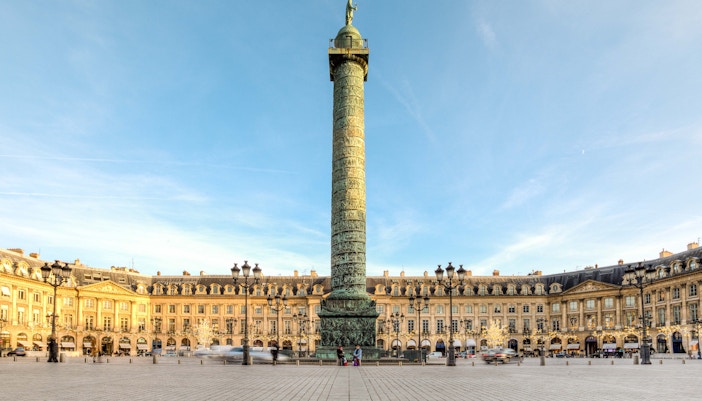
Place Vendôme
Distance: 900 m – 12 min walk
Worth knowing: It’s an easy luxury-shopping and architecture detour if you want to keep the fragrance-and-fashion mood going after the museum.
Louvre Museum
Distance: 2 km – about 30 min walk or 15 min by metro
Worth knowing: It’s less of a natural same-neighborhood pairing, but it works if Fragonard is just your lighter indoor stop before a larger museum visit.
Book / Learn more
Eat, shop and stay near Fragonard Perfume Museum
- On-site: There’s no café inside the museum, so most people eat before or after in the Opéra area rather than trying to build food into the visit itself.
- Galeries Lafayette Le Gourmet: 8–10 min walk, Boulevard Haussmann; food hall with broad choice, useful if your group wants different things or you want a quick lunch without committing to a formal restaurant.
- Sofitel Scribe Paris Opéra: Very short walk, Rue Scribe; a polished nearby option if you want drinks or a slower sit-down break in the same block as the museum.
- Opéra district cafés: 5–10 min walk, around Place de l’Opéra and nearby streets; best if you want flexibility, since this area is full of quick coffee stops and post-visit lunch spots.
- 💡 Pro tip: Visit the museum first, then eat after 12 noon — the stop is short enough that breaking for food beforehand often just lands you in the busiest museum window.
- Fragonard boutique: The most useful shopping stop here, with the full house range of perfumes, soaps, candles, and gift sets right at the end of the visit.
- Galeries Lafayette Haussmann: Worth the extra walk if you want broader beauty and fashion shopping after the museum, including perfume counters from major houses.
- Place Vendôme: Best if you’re after high-end luxury browsing rather than practical souvenir shopping.
Yes, if your Paris plan is built around short central walks, shopping, and classic right-bank landmarks. The Opéra area is well connected, polished, and easy for first-time visitors, though it usually feels more business-and-shopping focused than atmospheric after dark. It’s a smart base for short trips, but not the most characterful part of Paris if you want evenings with a neighborhood feel.
- Price point: Mid-range to upscale, with many hotels priced for convenience and location rather than local charm.
- Best for: Short stays where you want easy metro access, department stores, major sights nearby, and a straightforward walk to places like Palais Garnier.
- Consider instead: Le Marais or Saint-Germain-des-Prés if you want more evening atmosphere, smaller independent shops, and a neighborhood that feels better for longer stays.
Frequently asked questions about visiting Fragonard Perfume Museum
Most visits take 30–45 minutes. That usually covers the guided route, the ingredients displays, the stills room, the olfaction section, and a little time in the boutique. If you like reading cases closely or want to sample fragrances at the end, allow closer to 1 hour.
No, you don’t need to book in advance for the museum visit itself because entry is free and walk-in. You simply join the next guided group in an available language. The only part that needs advance planning is a paid workshop, especially the more hands-on perfume-making sessions.
Arrive about 5–10 minutes before the next guided departure you want. There isn’t a standard timed ticket system for the museum, but the visit runs in rolling groups, and arriving just after one leaves can mean waiting around 20 minutes for the next one.
Yes, you can bring a bag, but a small one is much easier in the museum’s compact rooms. Lockable bag check or lockers are available on-site, which helps if you’ve been shopping nearby or don’t want to carry a larger day bag through the guided route.
Yes, casual photos are generally easiest during the museum visit, but you should always follow the guide’s direction in any room with tighter rules. Even where photos are fine, skip flash, tripods, and selfie sticks because the spaces are small and the group flow is tight.
Yes, the museum works well for groups because the standard visit is already guided and fairly short. That said, the rooms are compact, so large groups feel less relaxed in the busiest late-morning window. Private formats and event rentals are also available by special arrangement.
Yes, it’s one of the easier museum visits in central Paris to do with children because it is short, indoors, and sensory rather than text-heavy. The smell challenge and raw materials displays give children something active to respond to, and you’re not committing to a long, tiring route.
The museum is easier to manage than a large multi-floor museum because the visit is short and guided, but accessibility needs are worth confirming ahead of time because the building is historic. If you need step-free access or specific mobility support, contact the museum before you go rather than assuming every room setup will suit you.
Food isn’t the focus inside the museum, but you have plenty of nearby options in the Opéra district. Galeries Lafayette Le Gourmet is one of the easiest follow-on stops if you want variety, and the surrounding streets are full of cafés for a quick coffee or lunch.
Yes, English guided tours are available along with other languages, and they’re part of the free museum visit. That’s one of the big advantages of this stop: you get context without paying extra. If timing matters to you, arrive a little early and ask staff when the next English group starts.
You book Fragonard’s workshops separately from the free museum visit. The shorter introductory workshop is the easier add-on for most travelers, while the longer Perfumer’s Apprentice format needs more planning and usually more lead time. Reserve ahead if making your own scent is the main reason you’re going.