Neighborhood at a glance

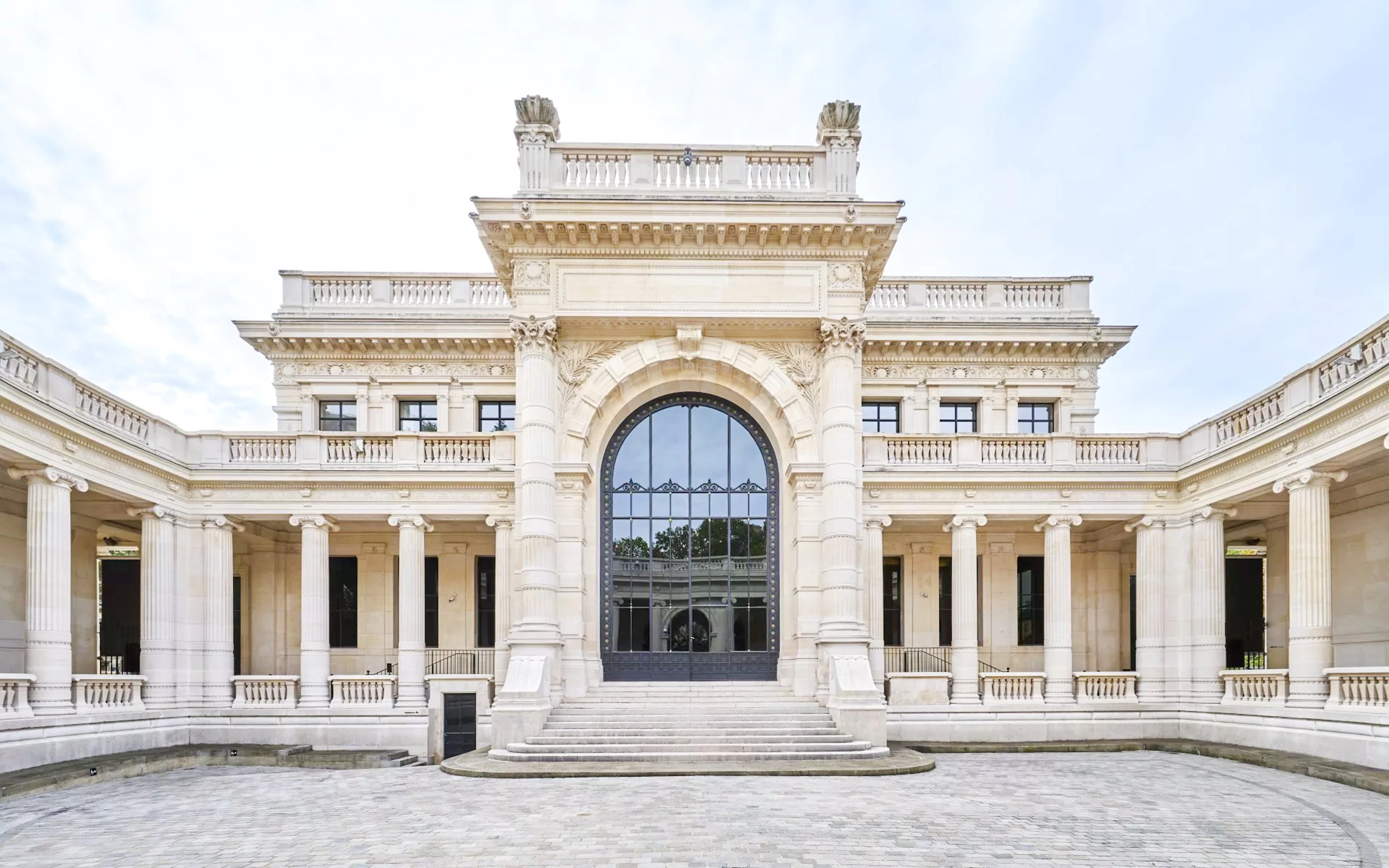
  • Why visit: Palais Galliera is Paris’s fashion museum, set inside a 19th-century Beaux-Arts palace, with rotating exhibitions that can take you from 18th-century dress to contemporary couture in one focused visit.
  • Atmosphere: polished, quiet, museum-led, upscale
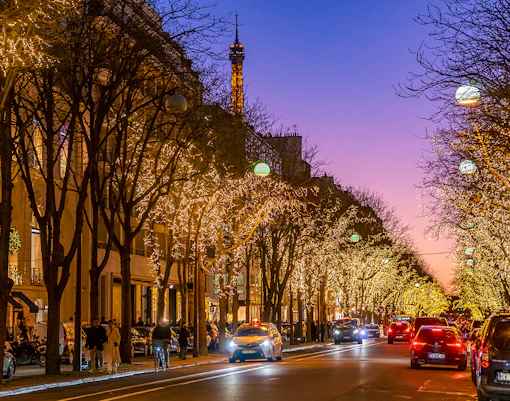
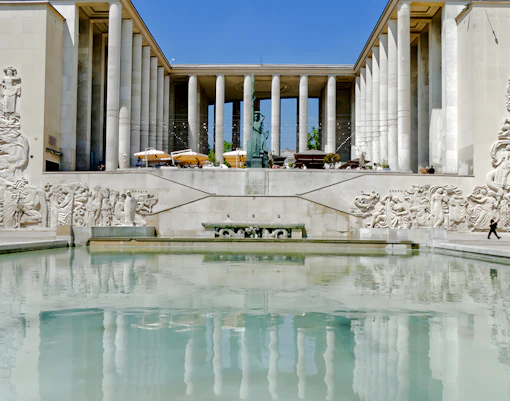
  • Top things to do: See the current exhibition at Palais Galliera, walk to Trocadéro for Eiffel Tower views, stroll Avenue Montaigne, stop at Palais de Tokyo and the Musée d’Art Moderne de Paris
  • Best for: fashion enthusiasts, design students, museum hoppers, first-time visitors building a lighter Paris day
  • Time needed: 1–2 hours
  • Best time to visit: Weekday mornings for quieter galleries and softer light on the palace façade
  • Nearby: Trocadéro, Eiffel Tower, Palais de Tokyo, Musée d’Art Moderne de Paris, Avenue Montaigne, Musée Guimet

Top things to do around Palais Galliera

💡 Pro tip

Check the current Palais Galliera exhibition before you plan your day. The museum does not run a permanent display, so whether you stay 45 minutes or 90 minutes depends almost entirely on what’s on.


Quick navigation

🏛️ Why visit   | 🎟️ Best ways to explore   |🧭 Plan your visit   | 🌟 Free things to do  | 📋 Itinerary   | 💡 Tips   | 🍴 Dining


Why visit Palais Galliera

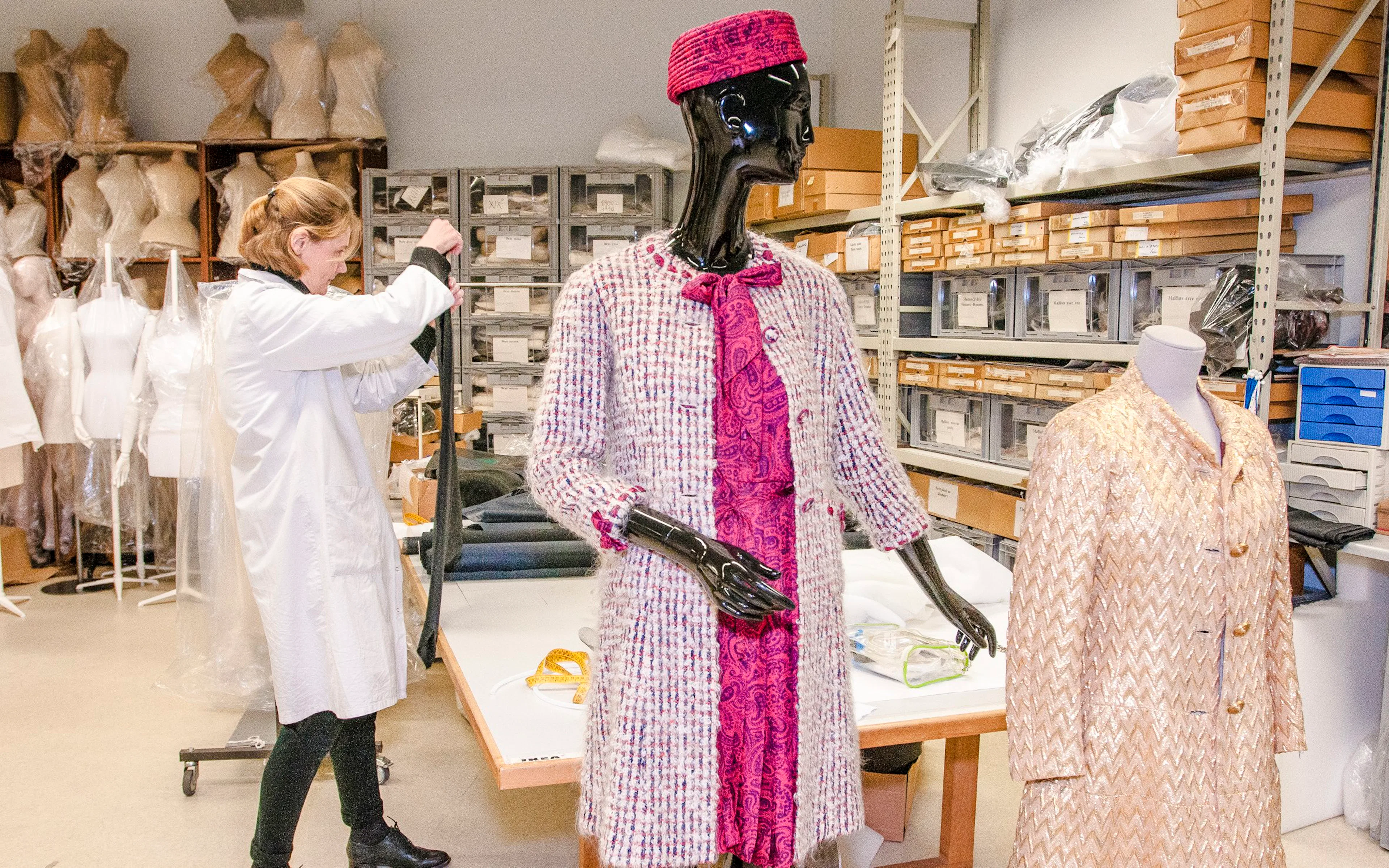
Mannequin in vintage attire at Palais Galliera fashion museum workspace.
1/5

It is Paris’s dedicated fashion museum

Few museums in Paris focus this tightly on clothing, couture, and dress history. Inside Galliera, the subject is not decorative art in general, but fashion itself — garments, accessories, sketches, and the craft behind them.

The palace is part of the visit

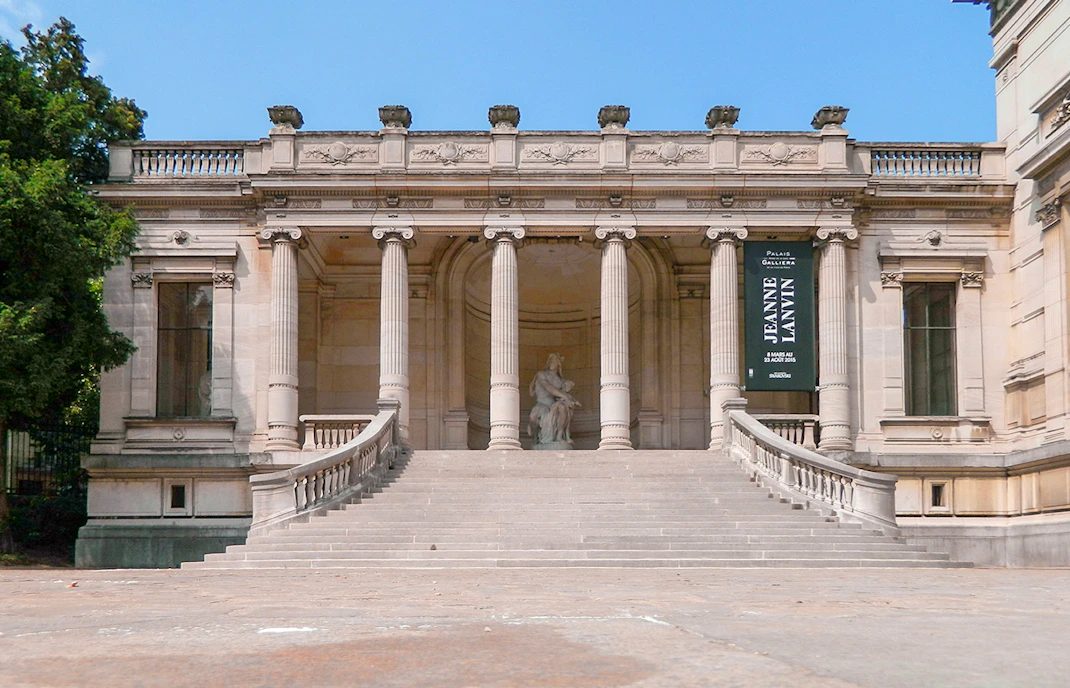
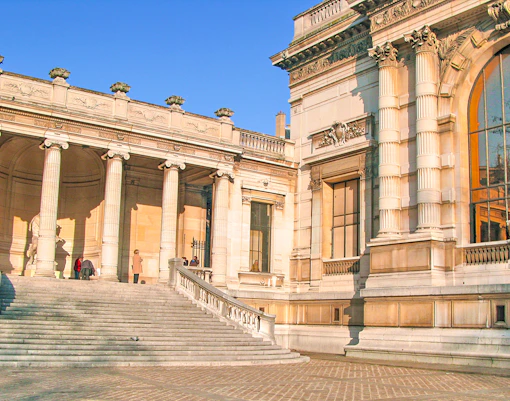
The museum sits inside a Beaux-Arts building with mosaic floors, painted ceilings, sculpted cornices, and a formal garden approach. Even before you read a single label, the setting tells you this is a place built for display.

Rotating exhibitions keep the visit fresh

Galliera does not rely on a permanent display of the same objects year-round. Instead, it rotates exhibitions from designer retrospectives to technique-led shows and historical dress surveys. That makes repeat visits more rewarding than at many small museums.

It connects easily to a wider fashion day

From the museum, you are a short walk from Avenue Montaigne and La Galerie Dior. That means you can move from archived couture and historical garments to present-day luxury storefronts without crossing the city.

The location makes it easy to pair with major landmarks

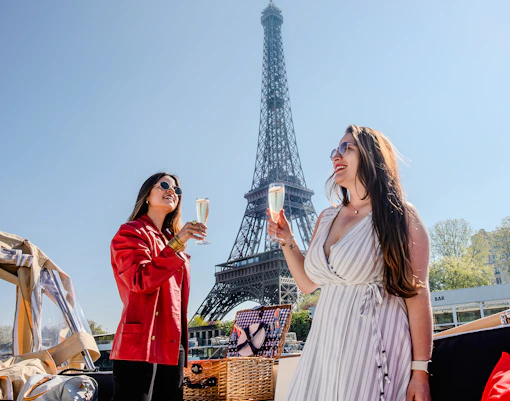
Galliera sits close to Trocadéro, the Eiffel Tower side of the Seine, Palais de Tokyo, and Musée Guimet. You can do the museum, get a clean Eiffel Tower view, and still have time for a cruise or a second museum. That makes it a practical stop, not a whole-day commitment.

Best ways to explore Palais Galliera

  • The best self-guided route here is simple: start at Iéna or Alma-Marceau, visit Palais Galliera, cross to Palais de Tokyo, then continue to Trocadéro or Avenue Montaigne.
  • A guided fashion walk makes the most sense if you want the area explained through couture houses, shopping streets, and Galliera’s role in Paris fashion history.

Pro tip

If you want a clean culture-heavy afternoon, pair Palais Galliera with the Seine River 1-Hour Sightseeing Cruise from the Eiffel Tower or the Eiffel Tower Guided Tour by Elevator: Reserved Entry to the Summit or Second Floor. Both are easy to reach on foot from the museum and turn a short fashion stop into a fuller west-Paris itinerary.

Plan your visit

Palais Galliera sits at 10 Avenue Pierre Ier de Serbie in the 16th arrondissement, between Trocadéro, Avenue Montaigne, and the Seine. Most visitors arrive by Metro Line 9 and treat the museum as part of a wider walk through the west side of central Paris.

  • Primary route: Use Iéna (Line 9), then walk about 3 minutes south to the museum. It is the simplest arrival if Galliera is your first stop.
  • Alternative route: Use Alma-Marceau (Line 9) if you are pairing the museum with Avenue Montaigne or Pont de l’Alma. Pont de l’Alma (RER C) is also practical if you are coming from the Eiffel Tower side or Musée d’Orsay.
  • Best walking entry: Approach from Trocadéro via Avenue Pierre Ier de Serbie if you want the strongest first view of the palace exterior before you go inside.
  • Walking distances from Palais Galliera:
  • Palais de Tokyo: 2–3 minutes
  • Trocadéro: 8–10 minutes
  • Avenue Montaigne: 10–12 minutes
  • Eiffel Tower: 15–20 minutes
  • Pont de l’Alma: 8–10 minutes

Weekday mornings are the safest bet if you want quieter galleries and a smoother start, especially in high season from May to August. Avoid building your visit around weekend afternoons during major exhibitions, when the museum’s small scale feels most compressed.

  • Early morning (8–10am): Start around opening time at Palais Galliera so you can see the galleries before the midday build-up. If you arrive a little early, use the time for exterior photos from the garden and terrace.
  • Midday (11am–2pm): This is when the museum area feels busiest, especially if you also head toward Trocadéro. If Galliera feels crowded, shift next to Palais de Tokyo or take lunch at Carette rather than lingering in the square.
  • Late afternoon (4–6pm): Light improves on the palace façade and the walk toward Trocadéro or Pont de l’Alma gets easier once the lunch crowd thins. This is also a good time to move from museum interiors to river or viewpoint stops.
  • Evening (after 6pm): Galliera itself is usually no longer the focus, so use this window for Avenue Montaigne, Pont de l’Alma, or a Seine cruise. If you want a dinner-based follow-up, this is when the Eiffel Tower area works best.
  • The essentials — 1–1.5 hours: Enough for Palais Galliera, the exterior garden and terrace, and a quick walk to Trocadéro for the Eiffel Tower view.
  • The ideal day — 3–4 hours: Covers Palais Galliera, Palais de Tokyo or the Musée d’Art Moderne de Paris, lunch near Place du Trocadéro or Avenue Montaigne, and a short river walk.
  • With guided tours — 4–6 hours: Best if you add an Eiffel Tower Guided Tour by Elevator, a Seine River 1-Hour Sightseeing Cruise, or a second booked museum like Orsay.
  • Palais Galliera: Fully wheelchair-accessible after the renovation, with elevators connecting exhibition levels. Staff can assist via the accessible entrance, and entry is free for disabled visitors and one accompanying person.
  • Eiffel Tower: The 1st and 2nd floors are wheelchair and pram/stroller accessible, but the summit is not.
  • Aquarium de Paris: Wheelchair accessible, with ramps and accessible restrooms throughout. It is one of the easiest nearby family-friendly indoor stops if you need a simpler visit.
  • Notre-Dame Cathedral: Accessible for visitors with mobility impairments, with wheelchairs available on request and accessible toilets on site. It is not in the same immediate area, but it is one of the easier major Paris churches to visit access-wise.
  • Arc de Triomphe: Visitors with reduced mobility can use the elevator, but the rooftop still requires access beyond what most visitors can manage independently because the terrace is reached by steps.
  • Big Bus and Tootbus routes serving the wider area: Both are wheelchair and pram/stroller accessible, which can make this side of Paris easier if you want to avoid repeated Metro changes.
  • Pickpockets (Trocadéro steps and Eiffel Tower approach): Bags get targeted where visitors stop for photos. Keep zippers closed, wear bags front-facing, and do not set phones or wallets on the stone ledges.
  • Petition and bracelet scams (around Trocadéro and Pont d’Iéna): If someone tries to stop you with a clipboard or string bracelet, keep walking and do not engage.
  • Traffic crossings (Place d’Iéna and Alma junctions): This area has broad roads and fast-moving cars. Use the marked crossings even if the museum or riverfront looks close across the street.
  • Quiet side streets after dinner (Avenue Pierre Ier de Serbie and side lanes off Avenue Marceau): The area is upscale and generally calm, but it empties out at night. If you are heading back late, use a direct Metro route or rideshare rather than wandering.
  • Metro Line 9 crowding (Iéna and Alma-Marceau at rush hour): Watch your belongings when boarding. The doors and platform movement are where loose phones and wallets disappear fastest.
Pro tip

The Batobus: Seine River Hop-on Hop-off Boat Tour works well here because the Eiffel Tower stop is within walking reach of Palais Galliera, and the route connects you onward to the Louvre, Orsay, and Notre-Dame without another Metro change.
Get Batobus pass

Free things to do around Palais Galliera

Suggested itinerary for visiting Palais Galliera

The Palais Galliera area is compact and easy to cover on foot. Most stops connect naturally along a simple west-east line between Trocadéro, the museum, Avenue Montaigne, and the Seine.

Best for: visitors who want one museum stop and an Eiffel Tower view without turning it into a full west-Paris day.
Total time: 1–1.5 hours

  1. Palais Galliera exterior and entry (10 min)

Start at the garden and façade before you go inside. This gives you the architectural context first, which makes the museum feel less like a quick indoor stop.
Tip: Arrive close to opening if you want the cleanest photos of the exterior.

  1. Palais Galliera exhibition visit (45–60 min)

Focus on the current show rather than trying to treat this like a permanent-collection museum. Read the intro panels first so the labels and chronology make sense quickly.
Tip: If one section feels busy, move on and loop back — the museum is small enough to do that easily.

  1. Trocadéro terrace (20–25 min)

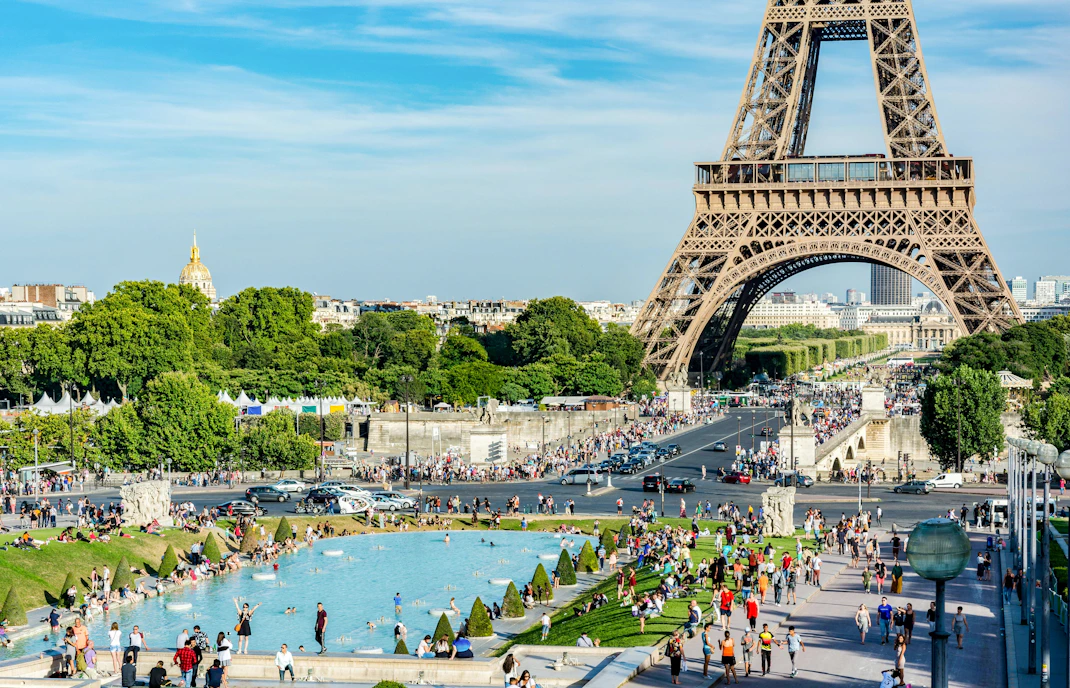
Walk west for the Eiffel Tower view and spend a few minutes framing photos from the upper level before deciding whether to continue downhill.
Tip: Stay on the upper terrace if time is tight; going all the way down and back adds more walking than most people expect.

Best for: fashion and culture travelers who want Galliera plus one or two nearby stops without rushing.
Total time: 3–4 hours

  1. Iéna arrival and palace exterior (10 min)

Exit at Iéna and approach from the front so the museum reveals itself directly rather than from the side streets.
Tip: This is the most efficient arrival if Galliera is your first stop.

  1. Palais Galliera (60–75 min)

Spend your main indoor time here. If two exhibitions are open, start with the one that matches your strongest interest — historical fashion or designer-focused material.
Tip: The labels are bilingual, so you do not need to rush into an audio solution.

  1. Palais de Tokyo forecourt or Musée d’Art Moderne exterior pause (20–30 min)

Cross the street for a change in mood and architecture. This is the easiest second stop if you want a break without another transit hop.
Tip: Use this as a reset if Galliera felt dense or crowded.

  1. Lunch or coffee at Place du Trocadéro (45–60 min)

Head to Carette or another Trocadéro-side café for a sit-down break. The square works well here because it splits the museum visit from the landmark stop.
Tip: Book ahead for a sit-down lunch if you are visiting on a weekend.

  1. Trocadéro and Eiffel Tower view (30–40 min)

Finish with the wide public viewpoint and decide whether to stop there or continue downhill toward the river.
Tip: If the light is harsh at midday, save your photos for later and use the time just to orient yourself.

Tips

  • Check the current exhibition before you go. Palais Galliera runs rotating shows, not a permanent display, so your visit will feel very different depending on whether the topic is historical dress, a single designer, or textile technique.
  • If two exhibitions are open, buy the combined ticket rather than treating Galliera like a 30-minute stop. That small upgrade is usually what turns the museum from “quick look” into a fuller 1.5–2 hour visit.
  • Use Iéna if Galliera is your first stop, and Alma-Marceau if you are coming from or continuing to Avenue Montaigne. The second option makes more sense for a fashion-day route and cuts backtracking.
  • For the best first exterior view, approach from Trocadéro along Avenue Pierre Ier de Serbie instead of arriving from a side street. The palace frontage reads much better from that angle.
  • If you want the Eiffel Tower photo most people come for, go to the upper Trocadéro terrace first. It gives you the full frame faster than walking all the way down toward the fountains.
  • Eat around Place du Trocadéro or Avenue Montaigne, not right under the Eiffel Tower if you can avoid it. The museum sits in a better lunch zone than the tower forecourt, and you will usually get a calmer meal.
  • Travel light if Galliera is part of a shopping day. Large bags are a nuisance in small museum galleries, and the area tempts people into combining the visit with Avenue Montaigne boutiques.
  • If you are pairing Galliera with a cruise, book the Seine River 1-Hour Sightseeing Cruise from the Eiffel Tower for late afternoon or evening rather than immediately after lunch. The museum gives you the indoor part of the day; the river works better once you want open space.

Best photo spots in Palais Galliera

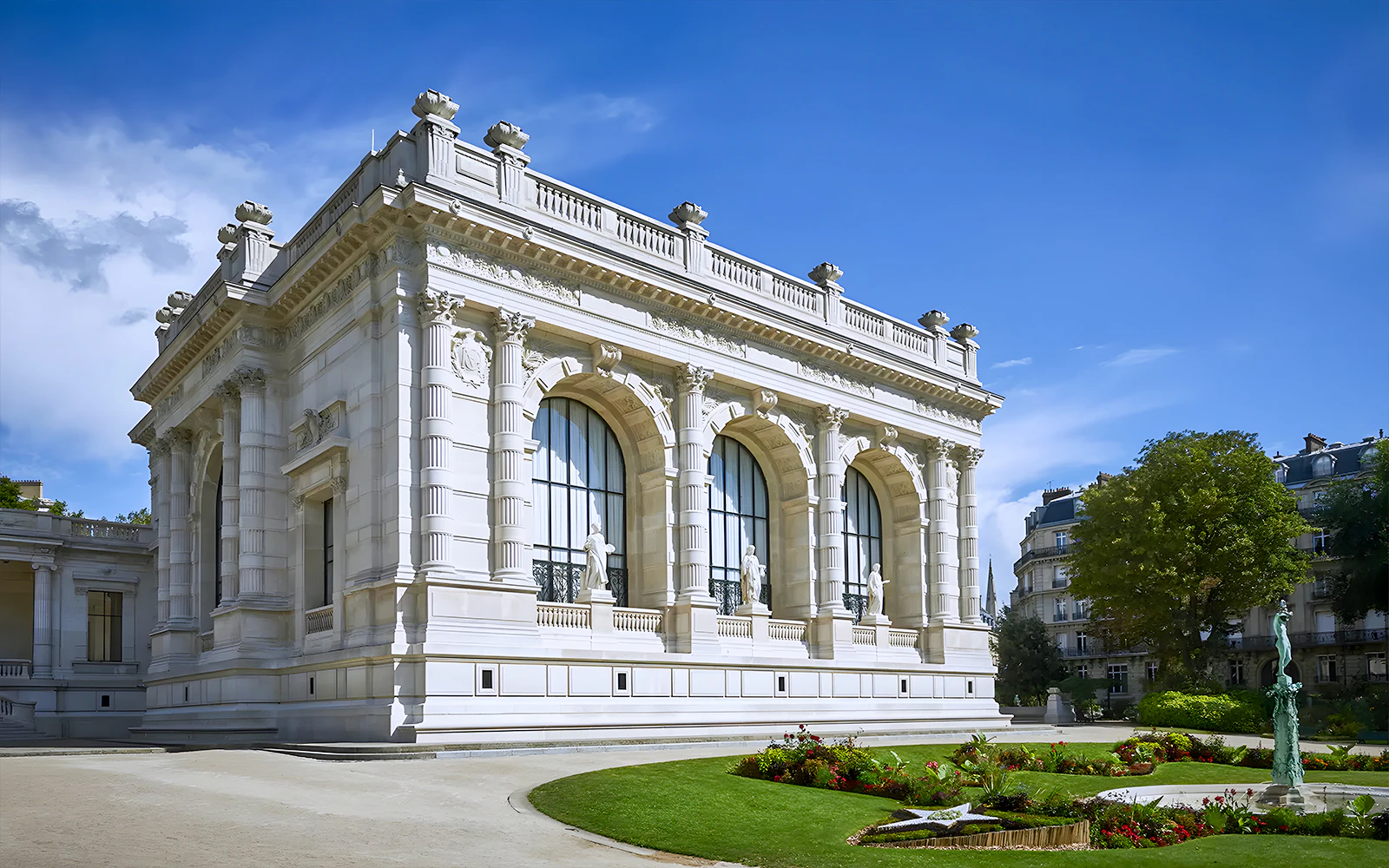
Palais Galliera exterior in Paris with ornate architecture and lush garden setting.

Palais Galliera front terrace in the morning

View stone façade, balustrades, and garden geometry in frame, with softer front light before midday flattens the detail.

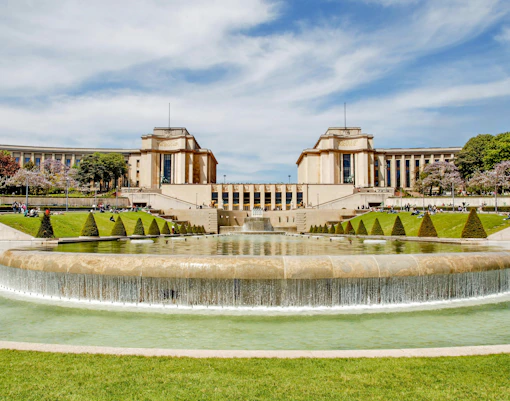
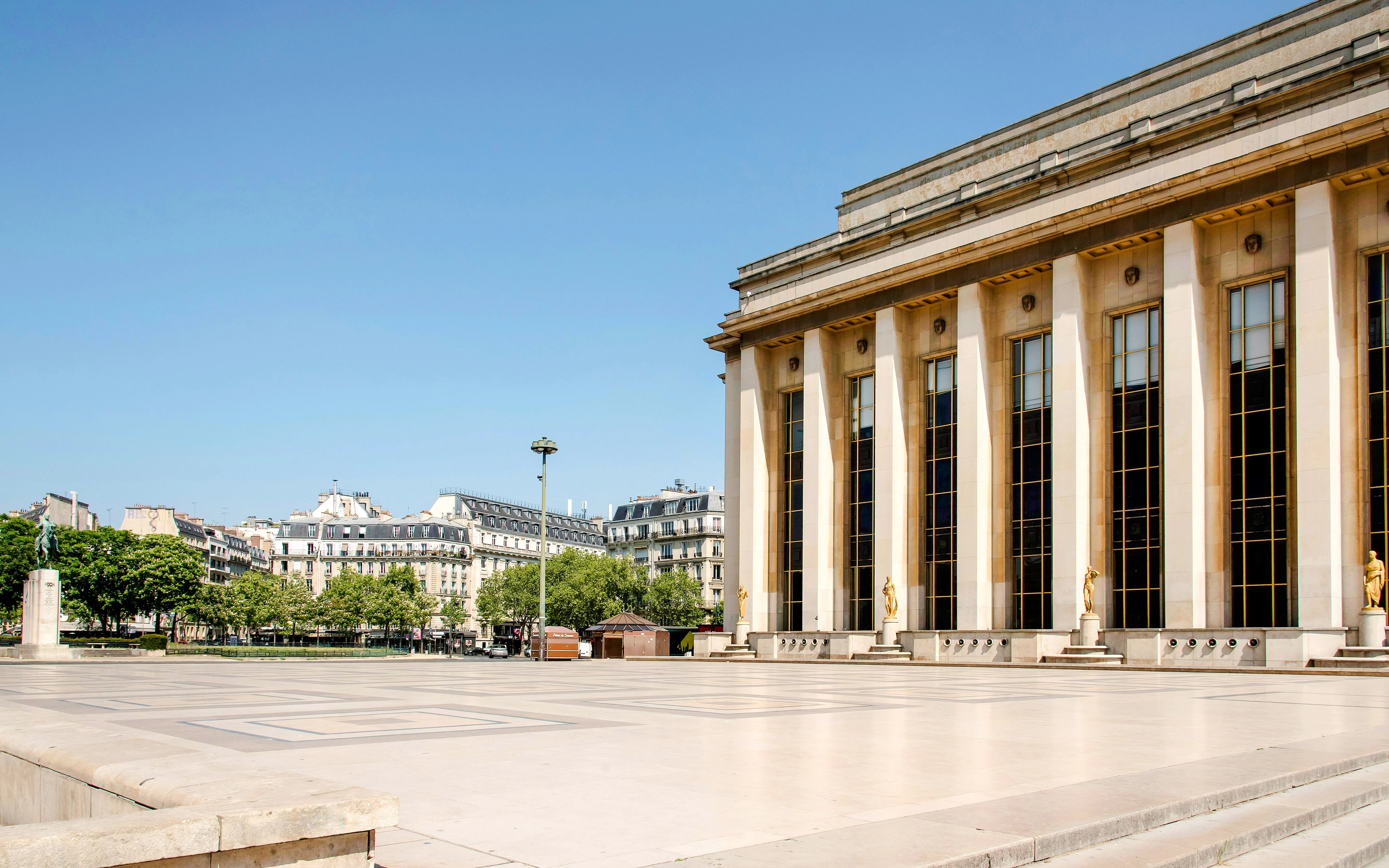
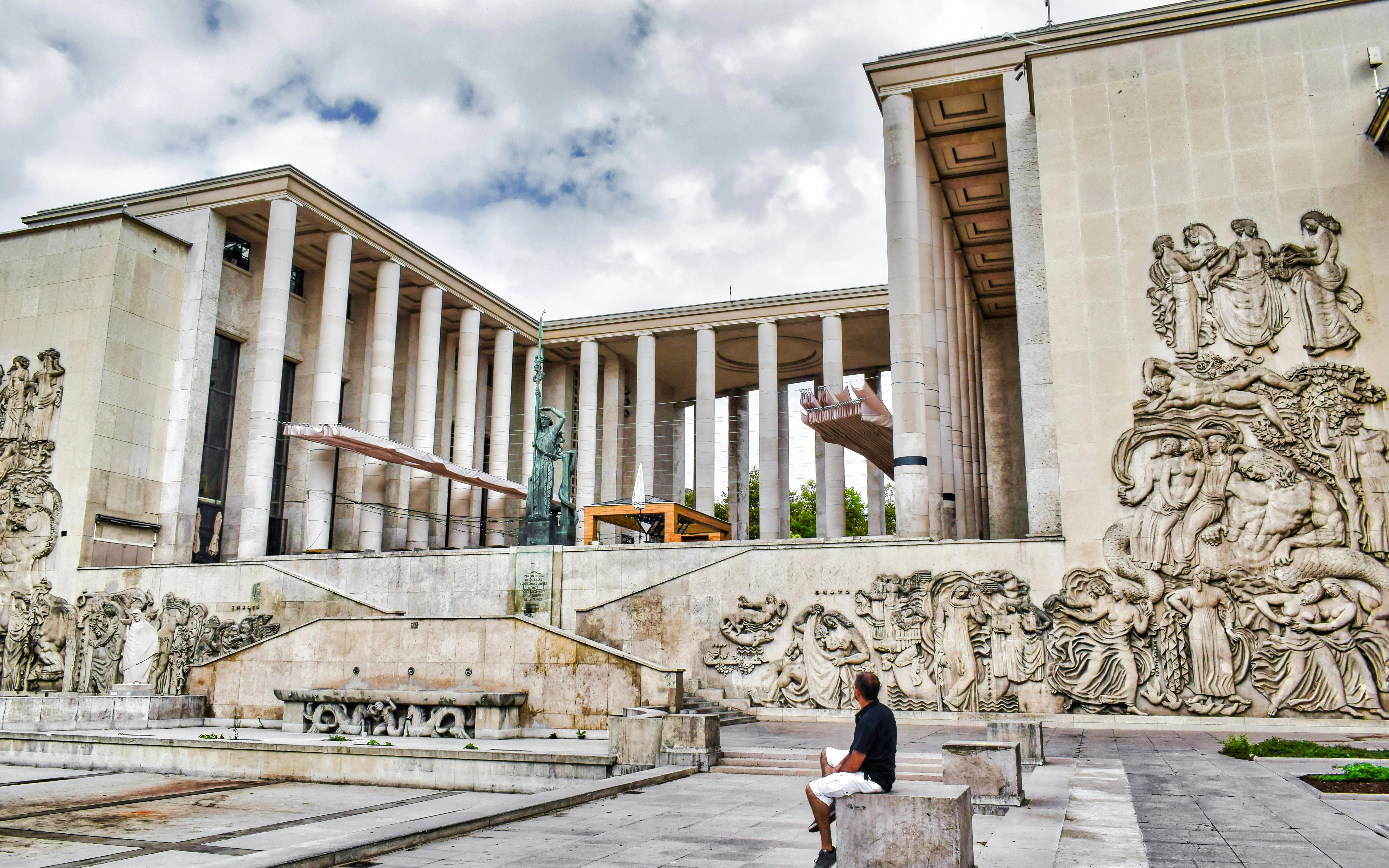
Trocadéro plaza with Palais de Chaillot in Paris, featuring statues and cityscape.
Palais de Tokyo
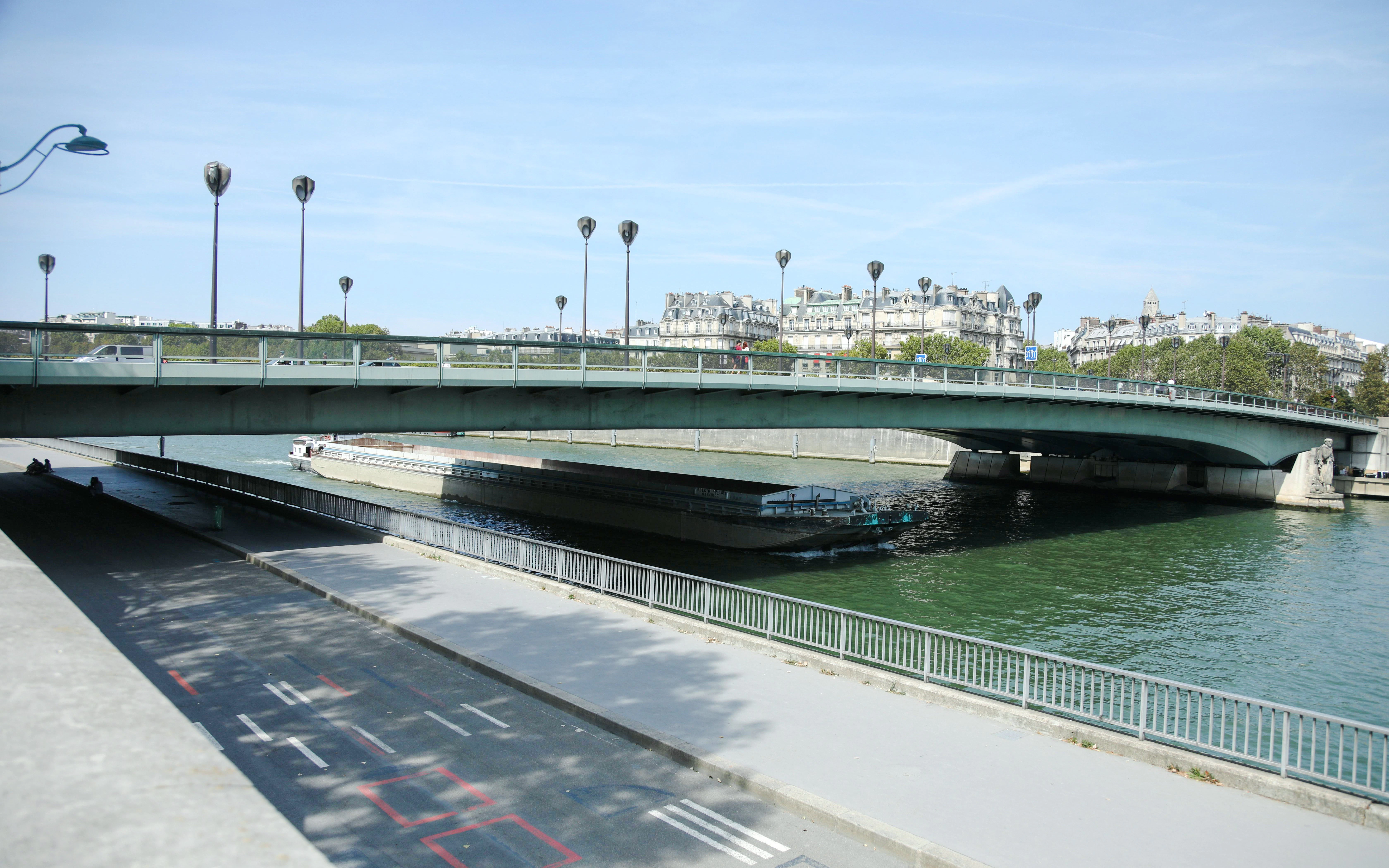
Pont de l’Alma
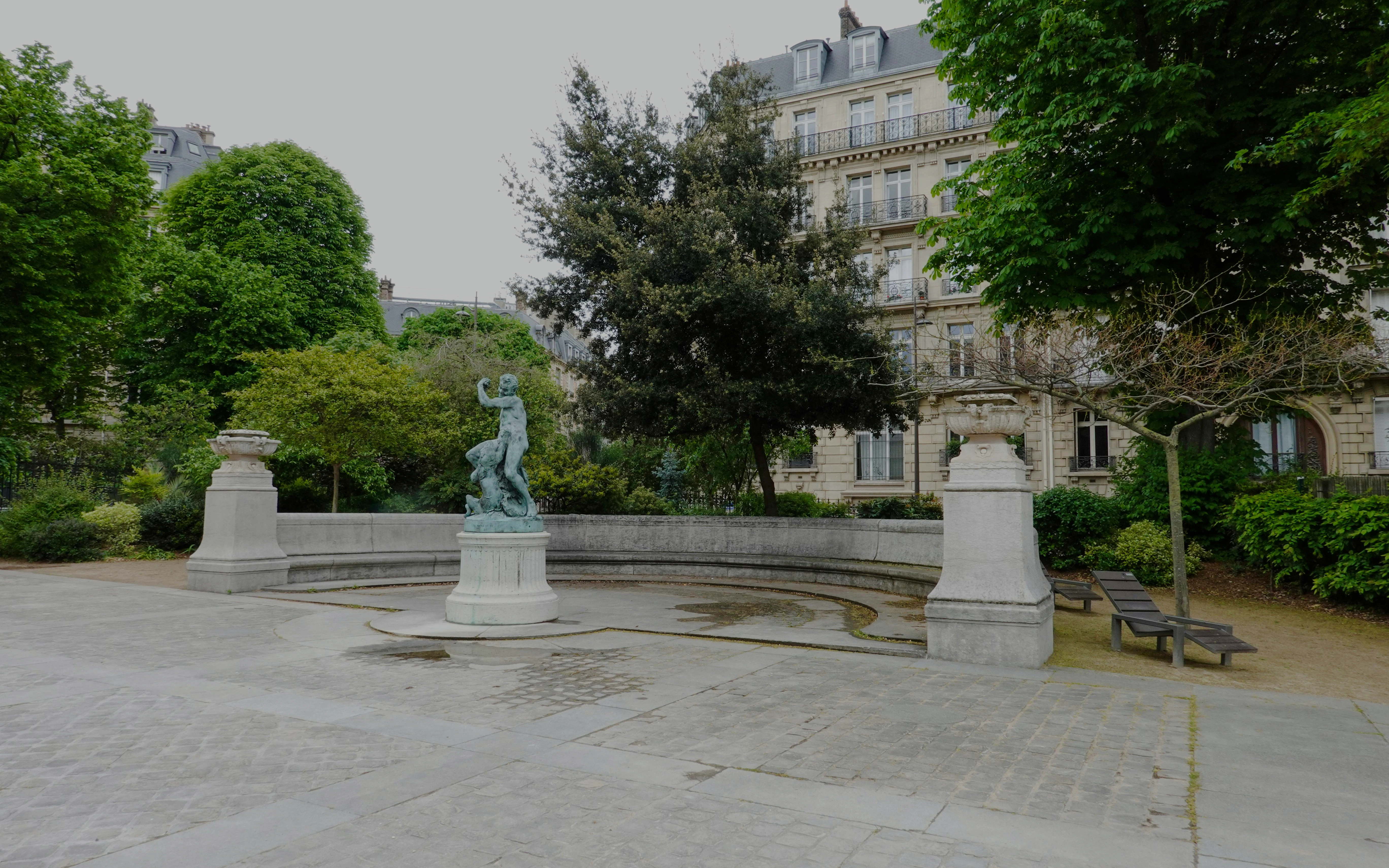
Palais Galliera view from Avenue Pierre Ier de Serbie

Dining in Palais Galliera

💡 Pro tip

After Galliera, go to Carette Trocadéro for hot chocolate and a pastry rather than eating immediately at the Eiffel Tower. It is closer to the museum’s route, and the stop fits naturally before or after the Trocadéro viewpoint.

Should you stay near Palais Galliera?

Short answer: Yes, if you want a polished west-Paris base near Trocadéro, Avenue Montaigne, and the Seine. It suits couples, luxury travelers, and fashion-focused visitors, but you trade lower prices and late-night energy for calm streets and better surroundings.

  • The vibe — Early mornings around Avenue Pierre Ier de Serbie, Avenue Marceau, and Iéna feel quiet and residential, while evenings are more active closer to Avenue Montaigne and Palais de Tokyo. This is not the part of Paris where you spill out of your hotel into dense nightlife.
  • The logistics — Accommodation here leans toward upscale hotels, boutique stays, and polished business-friendly properties rather than hostels or cheap apartments. Prices are usually higher than around Opéra, Bastille, or much of the Marais.
  • Who it’s for — This area works best for couples, return visitors, luxury travelers, and anyone planning time at Galliera, Avenue Montaigne, or the Eiffel Tower. It is a poor fit for tight budgets, late-night bar hopping, or travelers who want grocery-heavy, lived-in neighborhood energy outside the hotel door.
  • Top recommendation — Book around Avenue Marceau between Alma-Marceau and Palais Galliera if you want the best balance of transport, walkability, and access to both the museum and Avenue Montaigne. Look for a boutique hotel or higher-end chain property there.

Explore other neighborhoods in Paris

Frequently asked questions about Palais Galliera

It is a museum, not a standalone neighborhood. In practical trip-planning terms, you should think of it as a stop in the Trocadéro-Iéna-Avenue Montaigne area of the 16th arrondissement.