Croissants in Paris are flaky, butter‑rich pastries, and the baguette tradition is a crusty, slow‑fermented loaf. Both anchor daily breakfasts and snacks. The best versions use high‑quality French butter and flour and are baked several times a day. Try them at award‑winning boulangerie Du Pain et des Idées, known for meticulous baking and a short morning queue.
Paris’s falafel is a staple of quick, filling street food, especially in the historic Jewish quarter of the Marais. A pita stuffed with crisp chickpea balls, salad, and tahini suits vegetarians and meat‑eaters alike and is inexpensive for central Paris. L’As du Fallafel on Rue des Rosiers is a long‑standing favourite; expect a takeaway line but fast service.
In Paris, savoury Breton‑style galettes made from buckwheat flour are filled with ham, cheese, or egg, while sweet wheat‑flour crêpes carry toppings like sugar, lemon, or Nutella. They work for any season, from a quick winter snack to a late‑night bite. Crêperie Josselin in Montparnasse is known for generous, crisp‑edged galettes in a cosy room, with prices that suit most budgets.
Steak frites consists of grilled steak served with French fries and often a simple pan sauce. While available year-round, it remains a dependable winter mainstay in Paris brasseries.
July is peak summer, with warm to hot days and very long evenings. Bastille Day celebrations, open-air cinemas, and music festivals create a festive citywide mood. Tourist crowds are at their highest, and some locals begin summer holidays late in the month.
Pro tips for visiting Paris in July
Bastille Day (July 14) brings parades and fireworks; plan ahead for closures and crowds.
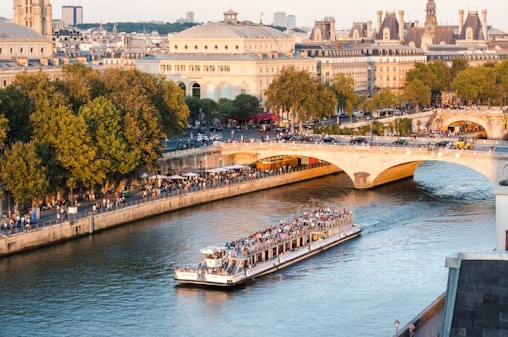
Book accommodation and Seine cruises well in advance, as July is the busiest month.
Avoid midday heat by sightseeing early or late; enjoy open-air cinema and concerts at night.
Some local shops and bakeries close late July as Parisians leave for vacation.
FNAC Live stages several nights of free open‑air concerts on the square in front of Hôtel de Ville. With a mix of French and international artists, it draws large after‑work crowds. Entry is free but capacity‑controlled, so arriving early in the evening increases your chance of getting in.
Paris l’Été presents theatre, dance, circus, and site‑specific performances in parks, courtyards, and unusual city spots between mid July and early August. Many shows are free or low‑cost. It suits visitors keen on contemporary performance and willing to explore less touristy venues across the city.
From mid July to mid August, Paris Plages converts Seine riverbanks and Bassin de la Villette into urban “beaches” with sand, deckchairs, games, and free activities. It is family‑friendly and open daily, busiest on sunny weekend afternoons. Many events and loungers are free, making it a relaxed summer option.
On summer nights, Parc de la Villette hosts free open‑air film screenings on a giant screen. Each year follows a theme, mixing French and international titles, often with subtitles. Viewers spread blankets on the grass; deckchairs can be rented, and evenings are busiest for well‑known films and weekends.
Versailles Night Fountains Show
Dates:June 6, 2026 to September 19, 2026
Event type:Light show, Cultural event, Flower & garden
On Saturday evenings from June 6 to September 19, 2026, Versailles gardens host a Night Fountains Show combining illuminated water features, music, and fireworks. Tickets are separate from daytime visits. It is popular in good weather and can make late‑evening trains back to Paris quite busy.
During Fête du Cinéma, cinemas across France sell tickets at a reduced flat price, around €5, for several days. In Paris, it encourages movie‑going in both multiplexes and art‑house theatres. Popular films can sell out prime evening showings, so advance booking is helpful even though the promotion is nationwide.
On the morning of July 14, France’s national day, a large military parade marches from Arc de Triomphe down the Champs‑Élysées, with aircraft flyovers and presidential review. Crowds line the avenue from early morning, and many streets close. It’s a highly formal, symbolic event best seen from a pre‑chosen spot.
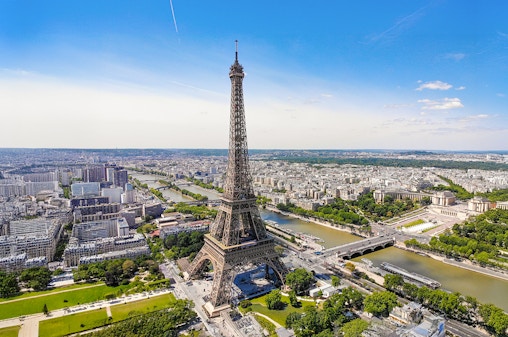
On the evening of July 14, a classical concert on Champ de Mars precedes a major 23:00 fireworks display launched around the Eiffel Tower. Hundreds of thousands picnic on the lawns. Access is free but subject to security checks, and leaving afterwards can involve long walks to less crowded metro stations.
On the nights of July 13 and 14, many Paris fire stations transform into lively community dances with music, drinks, and socialising. Entry is usually by voluntary donation. Lines can form before opening, and the mood is festive but informal, giving a glimpse of a long‑running local tradition.
The Tour de France concludes in Paris with riders entering the city late afternoon and circling the Champs‑Élysées multiple times before the finish. Spectators watch for free along the route, and cycling fans arrive hours early for front‑row spots. Road closures and crowd control measures affect central travel that day.
Plan ahead: must-visit experiences for Bali in December