Paris Tickets

Monet’s House and Gardens History | Where art came to life

Tucked away in Giverny, Claude Monet’s house and gardens were not just a home but his greatest masterpiece. From 1883 onward, he carefully shaped every path, pond, and flowerbed into living art, creating a world that still inspires millions today.

Monet’s Garden timeline

  • 1883: Monet moves to Giverny Rents the house and begins designing his gardens.
  • 1890: Monet purchases the property Gains full control to expand and redesign the estate.
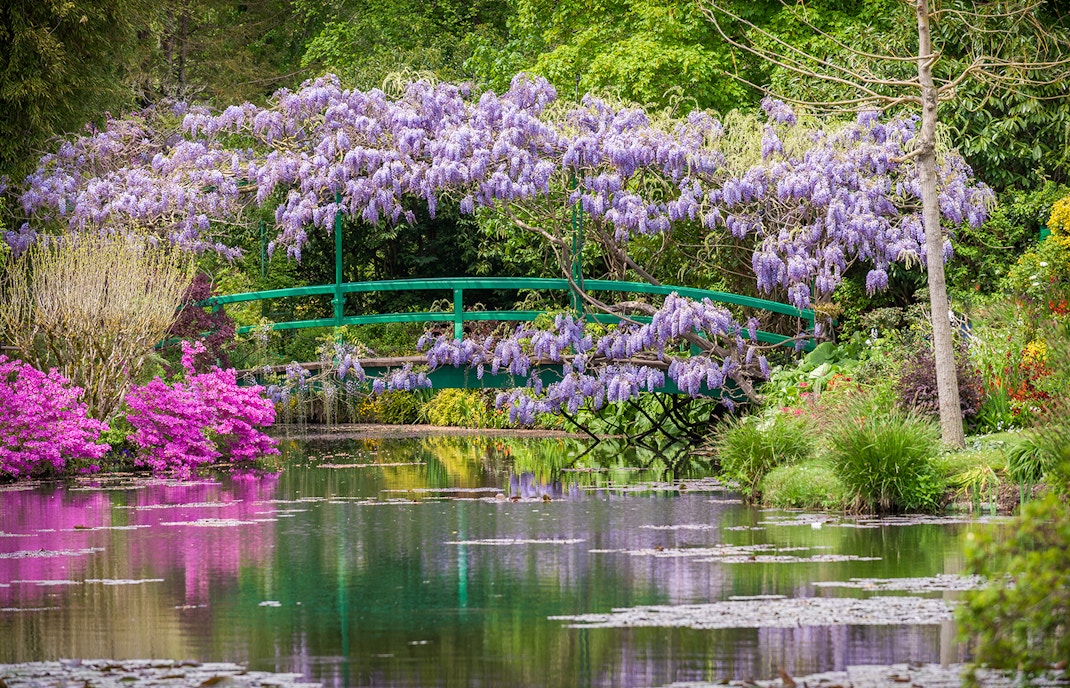
  • 1893: Water garden created Diverts a stream to build the iconic lily pond and Japanese bridge.
  • 1897–1926: Peak creative years Paints the Water Lilies series inspired by the gardens.
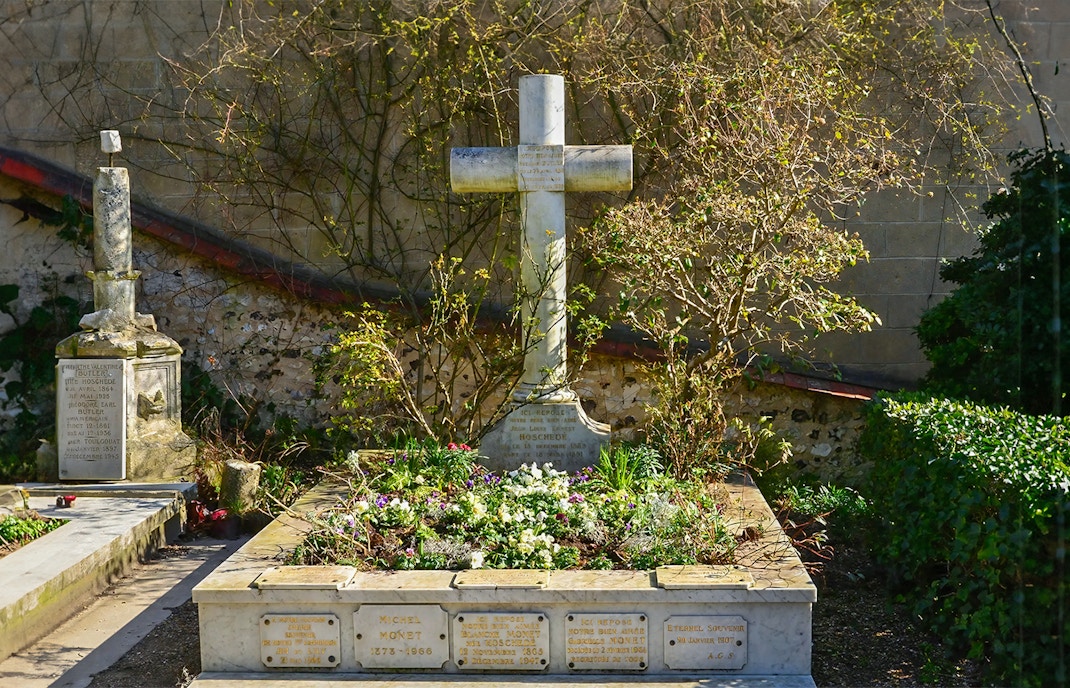
  • 1926: Monet passes away Leaves behind a deeply personal artistic legacy.
  • 1939–1970s: Estate falls into decline Gardens deteriorate during and after WWII.
  • 1980: Fondation Claude Monet opens Restoration completed and estate opened to the public.
  • 2000s–today: Global cultural site Welcomes hundreds of thousands annually.

Monet’s history explained

Early years in Giverny (1883–1890)

Monet moved to Giverny seeking light and space for his work. He began shaping the garden immediately, planting vibrant flower beds arranged like brushstrokes. This marked the start of his most defining artistic phase.

Expansion & artistic control (1890–1893)

After purchasing the property, Monet transformed the estate into a controlled artistic environment. He designed pathways, color schemes, and perspectives to reflect how he wanted to paint nature—not just observe it.

Creation of the water garden (1893–early 1900s)

Monet built the Japanese-inspired water garden, complete with a lily pond and green bridge. These became the central subjects of his later work, including the iconic Water Lilies series.

Peak artistic output (1900–1920)

At Giverny, Monet produced some of his most celebrated works, repeatedly painting the same scenes under changing light and seasons. The gardens became both his subject and his studio.

Final years & legacy (1900s–1926)

Monet continued refining the gardens even as his eyesight declined. The estate became his sanctuary and studio, blurring the line between life and art until his death in 1926.

Decline & restoration (1939–1980)

After years of neglect, the gardens were restored with support from the French government and art patrons. In 1980, the estate reopened, preserving Monet’s vision for future generations.

Construction & architecture of Monet’s House & Gardens

Monet’s house, built before his arrival and later purchased in 1890, reflects a simple Normandy style with a pastel pink façade and green shutters. Inside, Monet redesigned spaces with bold colours, such as the bright yellow dining room, to reflect his artistic sensibilities.

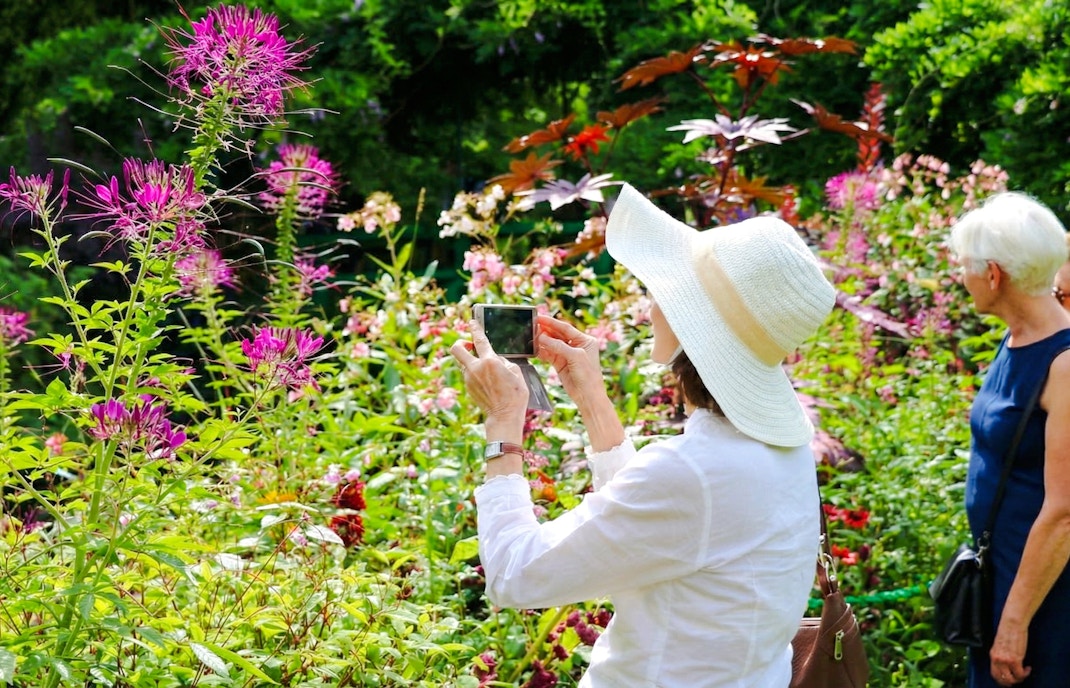
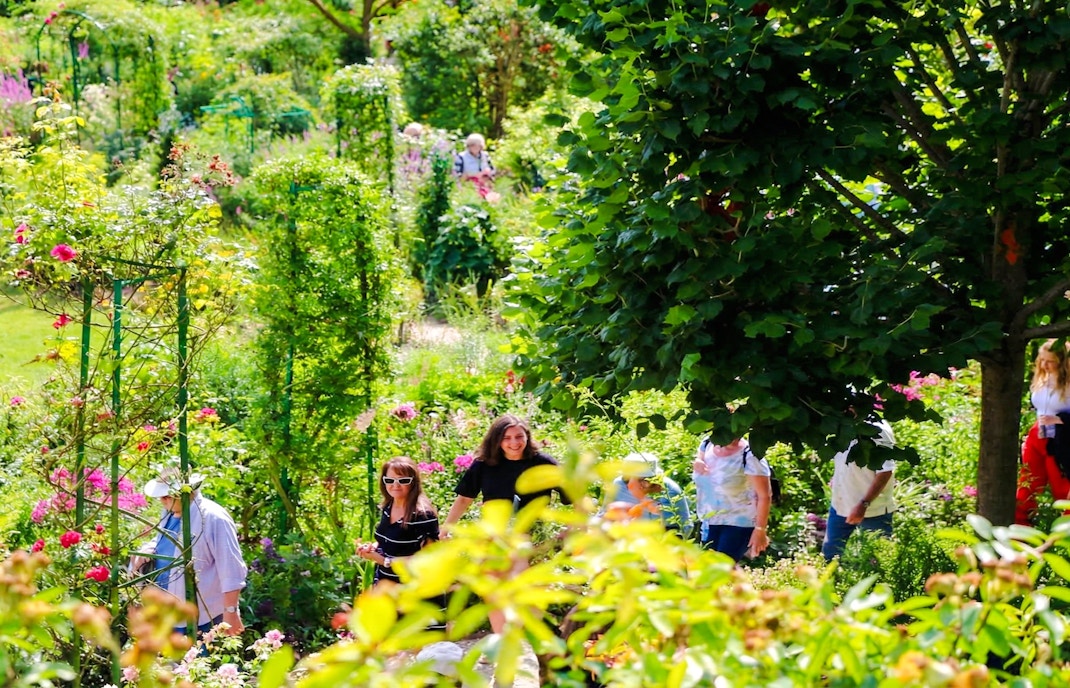
The gardens were entirely his creation. The Clos Normand flower garden was arranged in rows and arches, carefully planned for seasonal color harmony. In 1893, Monet expanded the estate to build the water garden, diverting a nearby stream to create the lily pond and Japanese bridge. These elements weren’t just decorative, they were composed like paintings, designed for shifting light, reflections, and perspective.

Frequently asked questions about Monet’s Garden history

Monet moved to Giverny in 1883 and lived there for over 40 years, shaping the house and gardens into his artistic sanctuary.